2027 How to Pay for a Women's Health Nurse Practitioner Master's Degree with Financial Aid

Co-Founder and Chief Data Scientist
Many prospective women's health nurse practitioner master's students face the challenge of covering rising tuition costs while managing existing financial responsibilities. A 2023 report from the American Association of Nurse Practitioners found that nearly 60% of nurse practitioner students rely on multiple funding sources to complete their education. Balancing work, family, and study adds complexity to securing aid.
This article provides a comprehensive guide to financing a women's health nurse practitioner master's degree, detailing federal aid, scholarships, assistantships, and repayment strategies to help readers build a sustainable funding plan while minimizing debt burden.
Key Benefits of Knowing How to Pay for a Women's Health Nurse Practitioner Master's Degree with Financial Aid
- Understanding all financial aid options, including federal loans, scholarships, and employer support, helps students invest wisely in their Women's Health Nurse Practitioner master's degree, enhancing long-term career prospects.
- Utilizing grants and assistantships can significantly reduce out-of-pocket costs, lessening financial strain and enabling focus on academic success and clinical training.
- Developing a strategic funding plan that combines multiple aid sources makes pursuing a Women's Health Nurse Practitioner degree financially feasible and minimizes long-term debt.
What Is a Women's Health Nurse Practitioner Master's Degree, and Why Does Funding It Matter?
Prospective women's health nurse practitioner master's degree students need a clear understanding of the program's demands and funding challenges to plan their graduate education effectively. Below are key points outlining the scope, costs, and funding landscape of this advanced nursing degree.
- Degree Scope and Academic Requirements: A women's health nurse practitioner master's degree involves 40 to 50 credit hours of specialized coursework, including physiology, pharmacology, and women's health diagnostics, paired with clinical practicum experiences designed to build advanced clinical skills.
- Career Relevance: This program prepares nurses to provide comprehensive women's health care, covering preventive services, reproductive health, and chronic condition management. Understanding the degree requirements helps clarify the financial commitment needed.
- Cost of Attendance: Tuition typically ranges from $15,000 to over $40,000 depending on the school and residency status. Additional expenses such as fees, textbooks, and clinical site costs add to the total financial burden faced by students pursuing women's health nurse practitioner master's degree requirements.
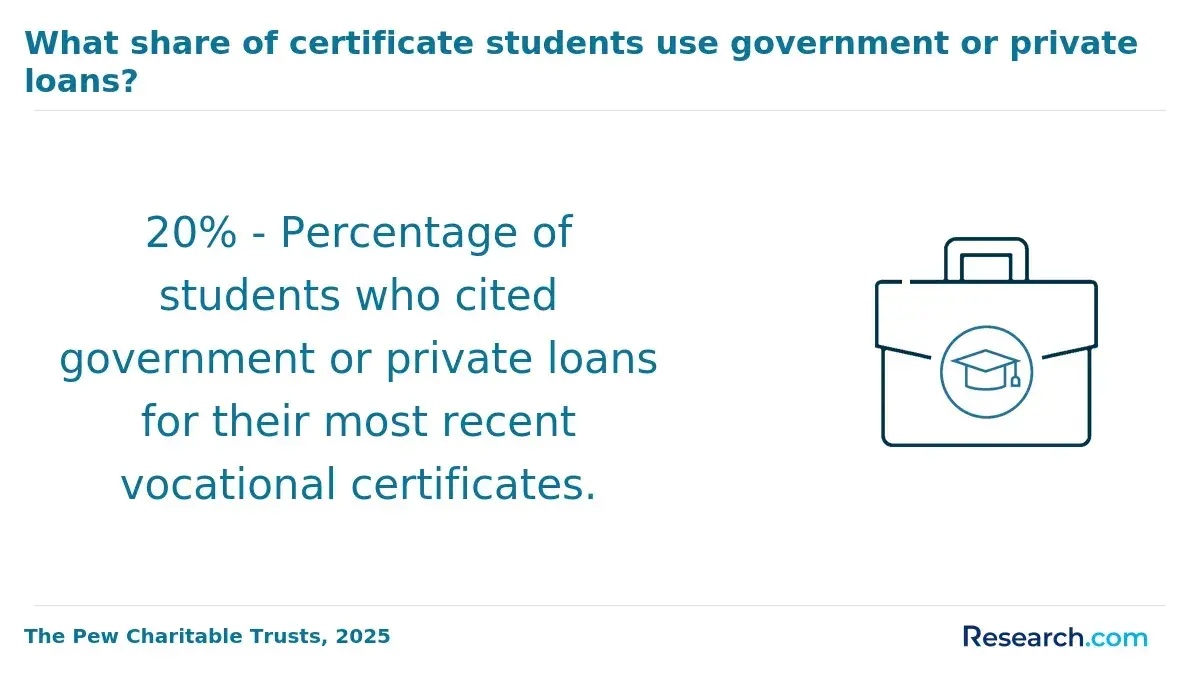
- Financial Burden of Graduate Study: More than 56% of graduate students borrow federal loans, highlighting the importance of strategic financial planning to avoid excessive debt.
- Available Funding Options: The funding landscape encompasses federal aid through FAFSA, institutional scholarships, employer-sponsored assistance, and professional nursing association grants. Effective navigation and combination of these resources can ease financial pressures and support academic success.
Approaching funding as an active financial aid seeker empowers students to develop a solid plan for financing their degree while mitigating long-term debt. For those exploring related healthcare education paths, medical assistant training provides another accelerated route into healthcare professions.
What Types of Financial Aid Are Available for Women's Health Nurse Practitioner Master's Students?
Prospective women's health nurse practitioner master's students face many funding pathways when considering how to finance their advanced degrees. Navigating graduate financial aid options for women's health nurse practitioner programs requires understanding the distinct types of aid available and how each can offset education costs. Below is a breakdown of key financial aid categories commonly accessible to these students.
These options range from non-repayable funds to those requiring future repayment, and many programs feature specialized awards tailored to women's health specialties.
- Grants: Grants represent need-based financial support that does not require repayment. Federal and state agencies often allocate such funds specifically for graduate nursing students, sometimes with a focus on women's health nurse practitioner specialties.
- Scholarships: Scholarships recognize academic excellence, leadership, or demographic factors and are frequently offered by universities, nursing organizations, and professional groups dedicated to women's health. These enable students to reduce costs without incurring debt.
- Fellowships: Fellowships combine financial assistance with career development opportunities. Many women's health nurse practitioner programs offer fellowships funded by healthcare foundations or systems aimed at advancing expertise in women's health care.
- Assistantships: Graduate assistantships allow part-time work in teaching or research related to nursing, often within the student's program. These positions typically provide stipends or tuition waivers, helping to cover expenses while gaining valuable experience.
- Loans: Loans are commonly used but must be repaid with interest. Federal loans usually come with favorable terms and may include income-driven repayment plans tailored to nurse practitioners. Additionally, some state and employer programs offer loan repayment or forgiveness incentives for service in underserved areas.
- Work-Study Programs: Federally funded work-study programs enable students to earn income through part-time roles in campus or community settings. While general in nature, these programs can supplement other aid and help reduce personal expenses.
Combining various types of financial aid can significantly reduce the financial burden of graduate school for women's health nurse practitioner students. Leveraging scholarships alongside assistantships and loans is a smart strategy to minimize debt. Graduate applicants should also explore the FAFSA and other resources carefully.
For those exploring alternative graduate nursing pathways, reviewing information about the cheapest msn to dnp programs can provide additional context for education funding decisions.
How Does the FAFSA Process Work for Women's Health Nurse Practitioner Graduate Students?
For prospective women's health nurse practitioner master's degree students, navigating the FAFSA is a vital step to secure federal financial aid. This process differs for graduate students compared to undergraduates, with specific deadlines and aid types to consider. Below are important points to guide you through completing the FAFSA as a graduate student in this field.
- Graduate Student Independence: As a graduate-level applicant, you are considered independent on the FAFSA, so only your personal income and assets count. Parental financial data is excluded, which influences your eligibility for financial aid.
- Application Deadlines and Timing: The FAFSA becomes available annually on October 1 for the next academic year. Early submission is critical since many states and colleges distribute aid based on a first-come, first-served model. Late submissions may reduce your chances of receiving state-level help.
- Available Federal Aid: Graduate students typically qualify for federal loans and work-study opportunities through FAFSA. Unlike undergraduates, most federal grants, including Pell Grants, are unavailable at this level, so loans usually make up the principal federal aid.
- Accuracy and Document Preparedness: Using the IRS Data Retrieval Tool can simplify reporting your income and reduce mistakes that delay aid. Keeping your tax returns and financial documents ready enhances the application experience and expedites processing.
- Recent Trends: Over 40% of graduate students rely on federal loans to fund their advanced degrees, emphasizing the importance of mastering the FAFSA process early to plan finances effectively.
Reflecting on how the FAFSA process impacted his journey, a professional who recently enrolled in a women's health nurse practitioner master's degree shared, "Initially, understanding which financial data to report was confusing, especially since I was used to including family information from undergrad. Adjusting to being independent meant digging deeper into my finances and preparing accurate documents." He added that submitting the FAFSA as soon as it opened helped him access critical work-study funds and manage loan amounts with greater confidence. "The process felt overwhelming at times, but breaking it into manageable parts and staying organized reduced stress significantly." This approach helped him secure the financial resources needed to focus fully on his studies and career goals.
What Federal Loans Are Available for Financing a Women's Health Nurse Practitioner Master's Degree?
Graduate students pursuing a women's health nurse practitioner master's degree can access targeted federal loan programs to help finance their education. Knowing the differences between these loans is crucial for effective budgeting and minimizing debt. Key aspects of federal student loans for women's health nurse practitioner programs include the following:
- Direct Unsubsidized Loans: Available to all graduate students regardless of financial need, these loans accrue interest from the moment they are disbursed. They generally offer fixed interest rates lower than Graduate PLUS Loans, with borrowing limits that exceed undergraduate caps but are subject to total loan maximums.
- Graduate PLUS Loans: These loans require a credit check and carry higher fixed interest rates. Borrowers can finance up to the full cost of attendance minus other aid received. Repayment usually starts shortly after funds are released, although deferment options may be available.
- Interest Rates and Repayment: Both loan types feature government-set fixed rates that differ from undergraduate loans, with flexible repayment plans like income-driven options. Notably, graduate loans lack subsidized forms, meaning interest builds during all periods.
- Disbursement Timing: Federal graduate loans are typically disbursed at each academic term's start. Timely completion of the FAFSA is essential to ensure funds align with tuition deadlines.
- Borrowing Strategy: Calculating realistic costs-covering tuition, fees, and living expenses-is vital to avoid excessive borrowing. Prospective students should prioritize grants, scholarships, and other aid before resorting to loans.
To explore additional financing opportunities beyond federal loans, consider options such as graduate assistantships and employer support. Prospective students may also find valuable guidance by reviewing affordable online fnp programs as part of a comprehensive financial plan.
What Scholarships and Fellowships Exist Specifically for Women's Health Nurse Practitioner Master's Students?
Graduate students pursuing a women's health nurse practitioner master's degree can access targeted funding through scholarships and fellowships that help alleviate educational expenses. These financial aids differ in purpose and application, making early and strategic planning crucial. Below are important aspects to understand when seeking such specialized support.
- Scholarships Overview: These awards generally reward merit or financial need without requiring repayment. They typically come from nursing bodies, academic institutions, or foundations, and focus on academic success, leadership qualities, or economic circumstances.
- Fellowship Details: Fellowships often involve commitments to research, clinical projects, or teaching related to women's health. Recipients may receive tuition support or stipends and usually must submit detailed proposals as part of the application.
- Application Timing: Deadlines for these opportunities regularly fall before broader institutional financial aid dates. Therefore, beginning the search and preparing applications early enhances chances of securing funding.
- Sources to Consult: Significant resources include the National Association of Nurse Practitioners in Women's Health, the American Association of Colleges of Nursing, and dedicated women's health foundations. Discipline-specific databases and related nursing organizations also provide valuable niche options.
- Combining Multiple Awards: Many students optimize financing by blending scholarships, fellowships, federal aid, and school-based funds. This approach reduces dependence on loans and eases long-term financial pressure.
Reflecting on her journey, a professional who advanced her career after completing a women's health nurse practitioner master's shared how intense the search for scholarships and fellowships felt at first. She recalled the importance of staying organized amid numerous application requirements and tight deadlines. "Mapping out each opportunity's criteria and deadlines early on really helped me avoid last-minute stress," she said. She also emphasized how securing a fellowship enabled her to gain valuable experience in clinical research while alleviating financial strain. "That support not only lightened my loan burden but also connected me to a network of mentors that influenced my career path profoundly." Her experience illustrates the impact targeted scholarships and fellowships can have beyond just funding-shaping both education and professional growth.
How Can Graduate Assistantships Help Pay for a Women's Health Nurse Practitioner Master's Degree?
Graduate assistantships offer valuable financial and professional support for those pursuing a women's health nurse practitioner master's degree. These roles help reduce tuition and living expenses while providing practical experience. Here are some essential aspects to consider:
- Types of Assistantships: Teaching assistantships (TA) involve supporting faculty with class discussions and grading. Research assistantships (RA) focus on aiding academic studies, and administrative assistantships handle department-related clerical tasks.
- Financial Support: Most assistantships provide a stipend alongside partial or full tuition waivers. This combination significantly lowers the overall cost of graduate education, making assistantships one of the most beneficial funding avenues.
- Awarding Process: Assistantships are typically distributed by academic departments rather than financial aid offices. Prospective students should reach out directly to their women's health nurse practitioner program directors or department coordinators to explore availability and application details.
- Time Commitment: These positions require balancing work and study, which may increase the time needed to complete the degree. Planning schedules carefully is key to maintaining academic progress.
- Current Trends: In 2023, over 60% of nursing graduate students depended on assistantships or similar roles to finance their studies, underscoring their significance in nursing education funding.
Are There Employer Tuition Reimbursement Options for Women's Health Nurse Practitioner Master's Programs?
Working professionals pursuing a Women's Health Nurse Practitioner master's degree often benefit from employer tuition assistance programs that help reduce educational expenses. Leveraging these programs requires understanding key elements that can maximize financial support. Below are important considerations when exploring employer-sponsored tuition reimbursement.
- IRS Section 127 Tax Benefits: Employers can provide up to $5,250 per year in tax-free tuition assistance under IRS Section 127. This means the reimbursement is excluded from taxable income, offering an efficient way to fund graduate education without additional tax burden.
- Review Employee Benefits Thoroughly: Not every employer offers tuition aid. It is essential to carefully examine your company's benefits package to confirm eligibility and understand whether assistance is partial or full, and if it depends on the relevance of your graduate program to your current role.
- Employment Commitment Requirements: Many tuition assistance programs require maintaining employment for a specified period after degree completion. This retention policy ensures employers benefit from their investment in staff education.
- Formal Proposal to HR: A clear, professional proposal to your human resources department can improve approval chances. Emphasize how the Women's Health Nurse Practitioner degree will enhance your skills and provide value to the organization.
- Growing Trend in Health Sector Support: According to a recent survey by the Association of American Medical Colleges, over 40% of healthcare employers have expanded tuition assistance programs to help address workforce shortages, increasing opportunities for support.
What State-Based Financial Aid Opportunities Exist for Women's Health Nurse Practitioner Graduate Students?
State governments play an important role in funding graduate education for women's health nurse practitioner students through various financial aid opportunities. These options can significantly reduce educational costs, especially when combined with federal programs and institutional scholarships. The following points highlight key state-based funding avenues and their requirements.
- State Grants and Scholarships: Many states provide grants or scholarships specifically for graduate students attending accredited in-state institutions. Eligibility often hinges on residency and enrollment, with some programs targeting students in health-related fields like women's health nurse practitioner programs.
- Loan Forgiveness Programs: State initiatives frequently offer loan forgiveness to advanced practice nurses who commit to working in underserved or high-need areas. These programs can substantially alleviate debt by forgiving a portion of loans for service in critical healthcare sectors.
- Tuition Equity and Residency Incentives: Certain states grant in-state tuition rates or financial aid eligibility to groups such as undocumented students or military families, broadening access to affordable education for nurse practitioner specialties.
- Workforce Development Incentives: Targeted incentives encourage enrollment and degree completion in healthcare fields prioritized by state departments. These might include stipends or repayment assistance tied to service commitments after graduation.
- Importance of Early Application: State-based financial aid is usually limited and competitive. Prospective students should consult their state's higher education agency early and prepare all required documents well before deadlines.
Nearly 40 states maintain loan repayment or other financial incentive programs aimed at addressing healthcare workforce shortages, underscoring the growing support for graduate programs like women's health nurse practitioner education. Prospective students can also explore regional scholarships and grants for women's health nurse practitioner graduate programs to supplement funding options. For those interested in further advanced degrees, exploring an online doctorate in nursing can be a strategic next step to enhance career prospects and funding opportunities.
How Do Institutional Grants and University Fellowships Factor Into Women's Health Nurse Practitioner Funding?
Prospective women's health nurse practitioner master's degree students should carefully examine institutional grants and university fellowships funding opportunities to manage the high costs of advanced education. These forms of aid often represent vital financial support. Below are key considerations to keep in mind when evaluating funding options.
- Merit-Based and Need-Based Funding: Many universities offer scholarships or grants based on academic achievement or demonstrated financial need to attract qualified women's health nurse practitioner students. These awards may provide tuition remission or partial grants, significantly reducing educational expenses.
- Departmental Fellowships and Awards: Some fellowships and awards are administered directly by nursing or graduate departments rather than the financial aid office, often targeting excellence in women's health or nursing practice, and may have distinct application processes.
- Clear Communication With Admissions: It's crucial for applicants to ask admissions representatives explicitly about institutional grants and fellowship availability, application requirements, and deadlines to ensure full understanding of available resources.
- Comparing Aid Across Programs: Applying to multiple women's health nurse practitioner programs and comparing institutional funding packages helps students select offers that minimize out-of-pocket costs and maximize financial aid.
- Distinct Sources of Institutional Aid: Recognizing differences between funding administered by the financial aid office and by academic departments is important, as eligibility and application procedures vary.
In addition to institutional funding, students should consider federal financial aid options by completing the FAFSA as graduate students, as well as exploring graduate assistantships, employer sponsorships, and scholarships from professional associations. Combining multiple sources of support can help reduce debt burdens significantly.
For those interested in related programs, exploring resources such as medical billing and coding online schools can provide additional pathways to finance healthcare education.
What Role Do Professional Associations Play in Funding a Women's Health Nurse Practitioner Master's Degree?
Financial assistance through professional organizations can be a valuable asset for women's health nurse practitioner master's degree candidates. These groups often provide targeted funding opportunities to help support graduate study and career growth. Key areas where associations contribute include the following:
- Scholarships and Grants: Numerous associations offer scholarships specifically for graduate members pursuing a women's health nurse practitioner degree. These awards frequently recognize academic achievement, leadership qualities, or dedication to women's health care.
- Travel and Conference Funding: To foster ongoing education and networking, some organizations grant funds for attending industry conferences and workshops. This support helps students stay updated with evolving clinical practices and research trends.
- Research Awards and Stipends: Students engaged in scholarly projects may receive financial support to advance their research. These opportunities not only alleviate costs but also strengthen professional credentials.
- Mentorship and Career Development Grants: Certain associations provide stipends or funding aimed at mentorship initiatives and specialized training, enhancing career pathways in women's health.
- Membership and Application Guidance: Many funding programs require association membership and benefit from early application submissions. Crafting a focused personal statement that aligns with the goals of women's health nursing notably improves the likelihood of receiving awards.
How Can Income-Driven Repayment and Loan Forgiveness Programs Apply to Women's Health Nurse Practitioner Graduates?
For students pursuing a Women's Health Nurse Practitioner master's degree, navigating federal loan repayment options is essential for managing post-graduation debt effectively. Understanding income-driven repayment (IDR) plans and loan forgiveness programs can provide significant financial relief. Key details to consider include:
- Income-Driven Repayment Plans: Options such as SAVE, IBR, PAYE, and ICR base monthly payments on your income and family size, helping graduates adjust their loan expenses to fit their starting salaries in women's health roles.
- Public Service Loan Forgiveness (PSLF): Those employed in qualifying government, nonprofit, or academic positions linked to women's health may be eligible to have remaining loan balances forgiven after 120 qualifying payments, typically spanning 10 years of service.
- Private Loans Are Excluded: Only federal student loans qualify for IDR and PSLF programs; private loans do not. It is crucial to prioritize federal borrowing to maximize access to these benefits and minimize costly private debt.
- Eligible Career Paths: Community clinics, government health departments, nonprofit organizations, and certain academic institutions often meet PSLF criteria, aligning well with common women's health nurse practitioner employment settings.
- Financial Planning Resources: Utilizing the Federal Student Aid website alongside guidance from a financial counselor enables prospective nurses to model repayment scenarios tailored to their expected income, ensuring informed decisions.
What Graduates Say About Paying for a Women's Health Nurse Practitioner Master's Degree with Financial Aid
- Risa: "Choosing to pursue a women's health nurse practitioner master's degree was driven by my passion for empowering women through specialized care. The program's cost was reasonable compared to others, making it accessible without sacrificing quality. Since graduating, I've seen my career flourish, opening doors to leadership positions in women's health clinics. The investment truly paid off."
- Lionel: "Reflecting on my journey, the decision to earn a women's health nurse practitioner master's degree came from a desire to deepen my clinical expertise and make a meaningful impact. While the tuition was a significant commitment, the financial aid options helped ease the burden. Professionally, this degree transformed my practice and gave me confidence to advocate for women's health on a broader scale."
- Terry: "My primary reason for choosing the women's health nurse practitioner master's degree was to specialize in a field I felt passionate about. I was initially concerned about the program's cost, but found it justified by the comprehensive curriculum and experienced faculty. This degree elevated my career, allowing me to provide advanced care and collaborate with multidisciplinary teams in ways I hadn't before."
Other Things You Should Know About Women's Health Nurse Practitioner Degrees
Crowdfunding and peer-to-peer lending platforms provide alternative funding sources for students facing gaps in traditional financial aid. Platforms like GoFundMe allow prospective women's health nurse practitioner students to raise donations from friends, family, and community supporters. Peer-to-peer loans can offer lower interest rates than conventional loans, but students should carefully review terms to avoid unfavorable repayment conditions.
Part-time and online enrollment can impact the amount and type of financial aid available since some federal aid requires half-time enrollment or more. However, many schools offer financial aid options for part-time and online students, including scholarships and employer tuition benefits. It's important to verify with the specific program's financial aid office to understand eligibility requirements and coordinate aid packages effectively.
References
- Paying for your master's degree in nursing | edX https://www.edx.org/resources/paying-for-your-masters-degree-in-nursing
- Professional Funding Support https://www.aanp.org/education/professional-funding-support
- What grad school students need to know about filing the FAFSA https://www.citizensbank.com/student/articles/important-things-to-know-when-filing-fafsa-for-grad-school.aspx
- Women's Health Nurse Practitioner: Career & Salary Overview https://npdegrees.org/careers/womens-health-nurse-practitioner/
- Nursing Student Loans (NSL) | Bureau of Health Workforce https://bhw.hrsa.gov/programs/nursing-student-loans-nsl
- Nurse Practitioner Associations: Everything You Need to Know https://www.chamberlain.edu/blog/nurse-practitioner-associations%3A-everything-you-need-to-know
- Student Loan Forgiveness for NPs & PAs: 2026 Strategy https://opportunityhealthcare.com/blog/student-loan-forgiveness-np-pa-playbook
- Top Scholarships & Grants for NP and APRN Students https://www.preceptorlink.com/blog-posts/scholarships-and-grants-for-np-and-aprn-students
- Nursing Financial Aid https://nursinglicensemap.com/resources/nursing-financial-aid/
- How to Become a Women’s Health Nurse Practitioner https://www.allnursingschools.com/specialties/womens-health-nurse/