
2027 How Long Does It Take to Earn an Online Art History Degree?

Co-Founder and Chief Data Scientist
Choosing an online art history degree is partly an academic decision and partly a time-management decision. The right program can help you study visual culture, museum practice, research methods, and global artistic traditions without relocating or leaving work, but completion time can vary widely by degree level, transfer credits, course load, and program format.
Online learning is now a mainstream path for degree seekers. According to the National Center for Education Statistics, enrollment in distance education programs increased by over 35% in recent years, reflecting stronger demand for flexible study options. For art history students, that flexibility can be especially useful because many programs combine asynchronous lectures, virtual collections, research projects, and sometimes internships or museum-based experiences.
This guide explains how long online art history programs usually take, what can speed up or slow down graduation, how credit requirements work, what courses to expect, and how timing may affect cost and career entry. It is designed for prospective students comparing online certificates, bachelor's degrees, master's degrees, and advanced study options.
Key Benefits of Online Art History Degree
- Most online art history degrees can be completed in 2 to 4 years depending on whether you study full-time or part-time, offering flexibility for working professionals.
- Programs often allow students to accelerate their studies by taking summer courses, which can shorten the typical timeline by several months.
- Many online courses provide asynchronous schedules, enabling learners to balance education with personal commitments and complete coursework at their own pace.
What is the average completion time for online art history programs?
The average time to complete an online art history program depends mainly on the credential. A full-time bachelor's degree usually follows the same four-year timeline as an on-campus program, while a master's degree often takes around two years. Shorter certificates or minors may take several months to about one year.
| Program type | Typical completion time | Best fit |
| Online certificate or minor | Several months to about one year | Students or professionals who want focused knowledge in art history, museum studies, curation, or visual culture without committing to a full degree |
| Online bachelor's degree | About four years full time; as little as three years in some accelerated paths | Students seeking a broad undergraduate foundation for museum, gallery, arts administration, education, or graduate study pathways |
| Online master's degree | Around two years full time | Graduates who want advanced research training, specialization, or stronger preparation for museum, academic, or cultural-sector roles |
Part-time enrollment extends these timelines because students take fewer courses each term. Transfer credits can shorten them, especially for students who already completed general education coursework or an associate degree. Program requirements also matter: a thesis, capstone, internship, language requirement, or limited course rotation can add time if not planned early.
Students comparing academic fields should also review a broader list of college majors to understand how art history compares with other majors in workload, career direction, and degree length.
What factors can affect how long it takes to earn an online art history degree?
The biggest factors are enrollment pace, transfer credit, term structure, and how consistently required courses are available. Online programs are flexible, but flexibility does not automatically mean faster graduation. Students who pause enrollment, take one course at a time, or miss a required course rotation may need additional terms.
Key factors that influence completion time
- Full-time or part-time enrollment: Full-time students typically finish a bachelor's degree in approximately four years because they carry a heavier course load each semester. Part-time students often need more time, but this option may be more realistic for students working full time or managing family responsibilities.
- Accelerated program options: Some online art history programs let students finish in as little as three years by taking heavier course loads, using shorter terms, or studying year-round. This can be efficient, but it requires strong time management and fewer gaps between courses.
- Credit hour requirements: Most programs require between 120 and 128 credit hours at the bachelor's level. A program with more electives, specialization requirements, studio components, or language expectations may take longer if students do not plan their course sequence carefully.
- Transfer credits: Prior college coursework, an associate degree, or completed general education courses may reduce the number of credits a student must take. Transfer policies vary by school, and not every art, humanities, or history course will automatically count toward the major.
- Course scheduling and term structure: Some schools use 15-week semesters, while others offer shorter intensive terms or multiple start dates. Shorter terms can help students complete more courses in a year, but limited course availability can still delay graduation if a required class is offered infrequently.
- Internship, capstone, or thesis requirements: Practical and research-based requirements strengthen a student's portfolio, but they can add planning time. Students should ask when these experiences are offered and whether they can be completed remotely or locally.
- Personal and professional commitments: Work schedules, caregiving, military service, health needs, and finances can affect how many courses a student can complete each term. A sustainable pace is often better than overloading and withdrawing later.
How to avoid unnecessary delays
- Ask for a degree plan before enrolling, not after the first term.
- Confirm how many transfer credits will apply to general education, electives, and major requirements.
- Check whether required art history courses rotate every term, every year, or less often.
- Find out whether internships, language study, or capstones have prerequisites.
- Choose a course load that fits your weekly schedule realistically.
Students interested in efficient graduate pathways may also compare program structures with resources on the easiest masters degree to get, while remembering that “easiest” should never replace fit, accreditation, faculty quality, and career relevance.
What are the different types of online art history programs available?
Online art history programs are available at several levels, from short certificates to research-focused doctoral study. The best choice depends on whether the student wants broad undergraduate preparation, career-focused museum training, advanced scholarship, or a targeted credential that supplements another degree.
- Online Bachelor of Arts (BA) in art history: A BA usually emphasizes historical periods, global art traditions, research, writing, and visual analysis. It is a common option for students seeking entry-level roles in museums, galleries, cultural nonprofits, arts administration, or preparation for graduate study. These programs typically require 120 credits.
- Bachelor of Fine Arts (BFA) in art history: A BFA may combine art historical study with studio practice or creative production. This path can suit students who want both analytical and hands-on training, especially if they are interested in roles connecting curation, interpretation, education, and art-making.
- Online Master of Arts (MA) in art history: An MA focuses on advanced research, theory, methodology, and specialization. These two-year programs are often appropriate for students aiming for more competitive museum roles, teaching-related opportunities, doctoral preparation, or deeper expertise in a specific period, region, or theme.
- Doctor of Philosophy (PhD) by research in art history: A PhD is research-intensive and usually requires original scholarship leading to a dissertation. It is most relevant for students pursuing university teaching, curatorial leadership, or advanced research roles. Fully online options are less common and should be evaluated carefully for faculty mentorship, research access, and academic reputation.
- Postgraduate certificates and professional concentrations: These shorter programs may focus on curating, museum studies, conservation-related topics, digital humanities, or arts administration. They can help professionals build targeted skills without committing to a full degree.
- Hybrid and “Online-Plus” formats: Hybrid programs combine online coursework with occasional campus visits, live seminars, fieldwork, or museum-based experiences. They may be less convenient than fully online programs, but they can offer stronger networking and hands-on learning.
Which program type should you choose?
| Goal | Program to consider | Important trade-off |
| Complete a broad undergraduate degree | Online BA in art history | Strong academic foundation, but students may need internships or added skills for competitive arts jobs |
| Combine art history with studio or creative work | BFA in art history | More applied focus, but may include requirements that are harder to complete fully online |
| Specialize or prepare for research-heavy roles | Online MA in art history | Deeper expertise, but may require thesis work, language preparation, or faculty supervision |
| Pursue university-level scholarship | PhD by research in art history | Best for academic and advanced research goals, but completion time can be lengthy and online availability is limited |
| Add a focused credential quickly | Certificate or concentration | Shorter and practical, but not a substitute for a full degree when employers require one |
How many credit hours are required for an online art history degree?
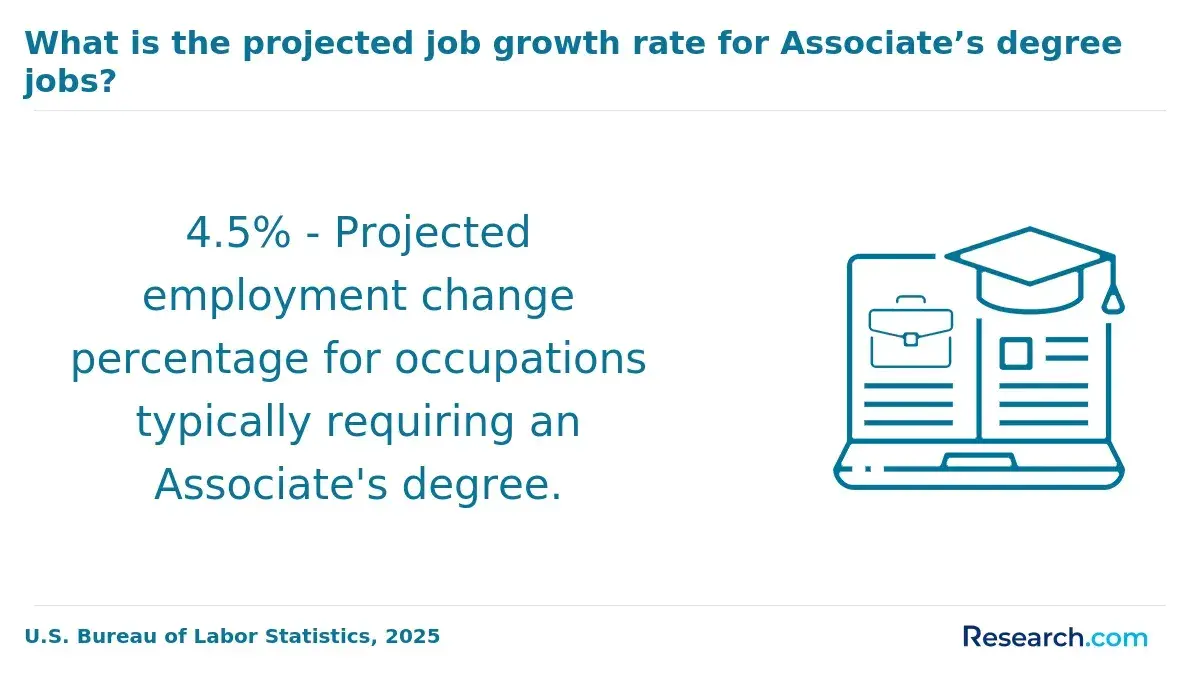
Credit requirements vary by degree level and institution. In general, associate degrees require around 60 credit hours, bachelor's degrees require 120 credit hours, master's degrees require between 30 and 36 credit hours, and doctoral degrees frequently exceed 60 credit hours, not including dissertation work.
| Degree level | Typical credit requirement | Common completion timeline |
| Associate degree | Around 60 credit hours | About two years full time; three to four years part time |
| Bachelor's degree | Typically 120 credit hours | About four years full time; longer part time |
| Master's degree | Generally between 30 and 36 credit hours | One to two years full time; longer part time |
| Doctoral degree | Frequently exceed 60 credit hours, excluding dissertation work | Highly variable and often spans several years |
Credit hours do not tell the whole story. A 120-credit bachelor's degree can still take longer than expected if required courses are offered only once per year, if transfer credits do not apply to the major, or if the student must complete prerequisites before upper-division art history seminars.
Questions to ask before enrolling
- How many credits are required for the degree, the major, general education, and electives?
- How many credits can be transferred, and where will they apply?
- Are upper-level art history courses available every term?
- Is there a thesis, capstone, internship, portfolio, or language requirement?
- Can students take summer or winter courses to stay on track?
One graduate of an online art history degree described transfer credit as one of the most important time-saving factors. Prior coursework reduced the number of classes they needed, but virtual seminars, research projects, and asynchronous deadlines still required careful planning. For many online learners, the credit requirement is manageable when paired with a realistic weekly study schedule and early advising.
What courses are included in a standard online art history curriculum?
A standard online art history curriculum combines chronological surveys, regional and thematic courses, research training, and applied learning. Students learn how to analyze images, interpret historical context, evaluate sources, write evidence-based arguments, and understand how art functions within social, political, religious, and cultural systems.
- Survey of Global Art History: Introduces major artistic traditions and movements from ancient to contemporary periods across Europe, Asia, Africa, and the Americas. This course builds visual literacy and a shared foundation for more advanced study.
- Art Historical Methods and Theory: Covers research methods, critical interpretation, historiography, and theoretical frameworks. It is especially important for students considering graduate school or research-focused careers.
- Ancient and Medieval Art: Examines art, architecture, sculpture, manuscripts, and material culture from early civilizations and medieval societies. Students learn to connect objects with religion, power, trade, and social structure.
- Renaissance and Baroque Art: Focuses on major artistic developments from the 14th to 18th centuries, often emphasizing European painting, sculpture, patronage, and architecture. This area is useful for students interested in Western art collections and museum interpretation.
- Modern and Contemporary Art: Explores movements from the 19th century to the present, including Impressionism and Postmodernism. Students examine how artists respond to industrialization, politics, identity, technology, and globalization.
- Non-Western and Global Art: Studies visual cultures outside traditional European canons, including African and Indigenous art. These courses help students build cross-cultural knowledge and avoid a narrow view of art history.
- History of Photography and Digital Art: Traces the development of photography, digital media, and new visual technologies. This coursework is relevant for students interested in contemporary art, digital collections, media studies, or online exhibitions.
- Art and Visual Culture in Society: Analyzes how images shape and reflect politics, religion, class, gender, race, public memory, and social movements. This type of course strengthens contextual analysis and public-facing interpretation skills.
- Museum Studies and Internship: Introduces exhibition planning, collections management, public programming, visitor engagement, and museum ethics. Internships can be especially valuable because art history jobs often reward practical experience as well as academic training.
- Research Seminar/Capstone Project: Requires students to complete original research, a major paper, a digital project, or a professional portfolio. This culminating experience demonstrates readiness for graduate study or professional work.
Skills students should expect to build
- Visual analysis and close observation
- Academic research and citation practices
- Clear analytical writing
- Historical and cultural interpretation
- Digital image and archive literacy
- Presentation and public communication skills
- Basic understanding of museum, gallery, or cultural-sector work
How often do online art history programs start during the year?
Online art history programs may start once or twice a year, several times a year, or on a rolling basis. Start-date flexibility is helpful, but students should also check course sequencing. Starting sooner does not always mean graduating sooner if required courses are offered in a fixed order.
- Traditional academic calendar: These programs usually follow a semester system with two main start dates, often in January and August. This format works well for students who prefer a predictable academic rhythm and longer course timelines.
- Monthly or quarterly starts: Some institutions offer new start dates every month or quarter. This can reduce waiting time for admission and help students begin when they are ready, especially if they are balancing work or family schedules.
- Rolling admissions: Programs with rolling admissions review applications continuously and may allow students to start at multiple points during the year. This is convenient, but students should still confirm financial aid timing, course availability, and orientation requirements.
What to confirm before choosing a start date
- Whether all required courses are available in the term you plan to begin
- Whether financial aid applies to the first term or requires a later start
- Whether transfer credit evaluation will be completed before registration
- Whether new students must complete orientation or advising before enrolling
- Whether accelerated terms require a heavier weekly workload
How much faster can you complete an accelerated online art history degree?
An accelerated online art history degree can shorten completion time by allowing students to take more courses each year, transfer more prior credits, or complete shorter terms. At the bachelor's level, some accelerated tracks may reduce a typical four-year path to as little as three years. The actual time saved depends on the student's starting credits, course load, and program policies.
- Shorter course terms: Accelerated programs may use 6- or 7.5-week terms instead of a standard semester. Students can complete courses more quickly, but each course usually requires concentrated weekly work.
- Double-counting credits: Combined bachelor's and master's programs may allow selected courses to apply to both degrees. This can cut at least a full year off traditional timelines when the school permits undergraduate and graduate credit overlap.
- Year-round enrollment: Courses offered in summer and winter terms help students maintain momentum instead of pausing for long academic breaks.
- Generous transfer credit policies: Some programs accept a large amount of prior credit, sometimes up to 90, which can sharply reduce the number of new courses required.
- Competency-based learning: Some programs allow students to advance by demonstrating mastery. This can benefit students with relevant prior knowledge, though students should verify how competency-based credits are viewed for graduate admission or employer requirements.
When acceleration is a good idea
- You already have transferable college credits.
- You can study consistently every week without long breaks.
- You are comfortable with dense reading and writing deadlines.
- You have a clear graduation plan reviewed by an academic advisor.
- You do not need frequent course pauses because of work or family obligations.
When a slower pace may be better
- You are new to college-level humanities research and writing.
- You work full time and have limited evening or weekend study time.
- You want to complete internships, museum volunteering, or networking alongside coursework.
- You are preparing for graduate study and need strong writing samples rather than simply a faster credential.
Graduates of accelerated programs often describe the format as demanding but efficient. Shorter terms and year-round enrollment can help students finish sooner, but success usually depends on disciplined scheduling, early communication with instructors, and realistic expectations about reading, research, and writing intensity.
Does finishing an online art history degree faster save you money?
Finishing faster can save money, but the savings depend on how the school charges tuition and fees. If tuition is charged per credit, acceleration may not reduce tuition for required credits, but it can reduce semester-based fees, living costs, and the time before entering the workforce. If a program charges flat-rate tuition by term, taking more credits during the same term may lower the effective cost per credit.
- Lower tuition and fee exposure: Completing a degree in three years instead of four may reduce the number of terms in which students pay recurring fees. Some programs also allow students to take heavier course loads under a flat-rate tuition model, but policies vary.
- Reduced living expenses: Online students may already save on commuting or relocation, but graduating sooner can still reduce months of housing, utilities, food, and other ongoing expenses.
- Earlier entry into the workforce: Graduating earlier can allow students to begin full-time employment sooner. The financial benefit depends on the job market, the graduate's experience, and how quickly they secure a role.
- Less time adjusting work schedules: Students who reduce work hours while enrolled may limit lost wages by shortening the total time in school.
- Fewer additional fees and materials: Some programs charge semester-based technology, registration, or student-service fees. Finishing sooner may reduce these costs.
For context, completing a degree in three years instead of four could save a full year of tuition and fees, which commonly average around $11,600 per year for in-state students. However, students should not assume every accelerated path is cheaper. Extra summer tuition, overload fees, limited financial aid eligibility, or repeated courses can reduce or erase savings.
Cost questions to ask the school
- Is tuition charged per credit, per course, per term, or as a flat rate?
- Are accelerated terms covered by the same financial aid package?
- Are there overload, technology, graduation, or portfolio fees?
- Will transfer credits reduce total tuition, or only shorten the schedule?
- Can required courses be completed without paying for extra terms?
Students comparing faster graduate options can also review the shortest masters degree programs online to understand how acceleration affects cost, workload, and credential value across fields.
How soon can graduates start working after earning their online art history degree?
Graduates can begin applying for jobs immediately after completing an online art history degree, and many entry-level roles require only a bachelor's degree. The actual time to employment depends on location, the competitiveness of museum and gallery openings, the graduate's portfolio, internship experience, writing samples, digital skills, and professional network.
Art history is a competitive field, especially for curatorial and museum positions. Graduates who have completed internships, volunteered with cultural institutions, learned collections software, built digital humanities projects, or gained experience in arts marketing may move into related roles more quickly than graduates with coursework alone.
Common early-career pathways
- Museum or gallery assistant
- Research assistant
- Collections or archives support role
- Arts nonprofit program assistant
- Education or public programs assistant
- Gallery sales or exhibitions support
- Content, publishing, or cultural communications role
Online programs can help students build experience while enrolled because they do not require relocation or a fixed campus schedule. Students may be able to volunteer locally, complete internships at museums or galleries, participate in community arts projects, or build a digital portfolio before graduation.
Prospective students should compare programs not only by convenience but also by career support. A strong program may offer internship guidance, faculty mentoring, research opportunities, alumni connections, and access to digital collections. Students can begin their search with a list of best colleges online and then verify which options provide art history-specific support.
How much do online art history graduates earn on average?
Online art history graduates in the United States typically earn between $38,000 and $100,000 per year, depending on role, employer, location, experience, and advanced qualifications. Salaries can vary widely because art history graduates work across museums, galleries, archives, education, nonprofits, publishing, media, and design-adjacent fields.
- Entry-level roles: Research assistants, gallery associates, and museum technicians generally earn from $38,000 to $57,000 annually. Pay is affected by institution size, funding, city, and whether the role is full time, part time, or grant-funded.
- Museum curators and archivists: These roles often require at least a bachelor's degree and have average pay of about $57,120 per year. Larger institutions may offer higher salaries, while smaller museums or nonprofits may pay less.
- Academic positions: Graduates who pursue advanced degrees may work as adjunct instructors or professors. Adjunct art history instructors average about $137,075 annually, while full-time history professors earn roughly $117,283. PhD holders tend to have access to more advanced academic roles, though academic hiring can be competitive.
- Art directors and specialized roles: Graduates who combine art history knowledge with media, design, branding, or visual communication skills may pursue specialized positions with a median salary near $111,040.
- Leadership and senior positions: Experienced professionals in senior roles, such as academic department chairs, can earn salaries exceeding $128,700. Compensation at this level depends heavily on employer type, location, leadership responsibilities, and credentials.
How to interpret salary numbers
Art history salary outcomes are not determined by the degree alone. Students who want stronger earning potential should consider pairing art history with marketable skills such as grant writing, digital asset management, archival systems, teaching, nonprofit administration, design software, communications, or data-informed audience engagement.
Students comparing the financial return of different education paths may also review trade school high paying jobs to see how salary benchmarks differ across career routes.
Here's What Graduates of Online Art History Programs Have to Say About Their Degree
- : "Completing my online art history degree let me balance family responsibilities, part-time work, and serious study. The flexible schedule gave me room to focus on Renaissance art while building digital research skills that I now use when applying for curatorial roles. The strongest part of the program was the mix of independent study and support from faculty and classmates. — Jamal"
- : "My online art history program strengthened my research, writing, and cultural analysis skills. I missed some in-person museum visits, but virtual tours, image-based assignments, and interactive projects helped close that gap. The degree supported my move into teaching, where I now help students understand why art history matters beyond the classroom. — Alicia"
- : "Studying art history online while working full time was demanding, but it helped me advance in a cultural nonprofit focused on art preservation. The coursework connected historical context with modern arts management, and the credential strengthened my resume. The program also introduced me to research resources and professional networks that continue to support my career. — Ravi"
Other Things You Should Know About Online Art History Degree Programs
In 2027, completing an online bachelor's degree in art history typically takes about four years for full-time students. However, the duration can vary based on the program's structure and the student's pace, with accelerated options possibly shortening this timeline.
In 2027, online art history programs typically offer flexible scheduling for exams and assessments to accommodate diverse student needs. Many programs use digital platforms that allow students to complete evaluations remotely, providing ample time windows or self-paced options to fit students' schedules.
Yes, reputable online programs often provide forums, live webinars, and group projects to facilitate interaction. Students can connect with peers and faculty through these platforms, which helps build professional relationships and enhances the overall learning experience.
Yes, most online art history programs in 2027 are designed with flexibility, allowing students who work full-time to take courses on a part-time basis or study according to their own schedules, often including evening and weekend classes.
References
- AA Transfer Art History - Foothill College https://foothill.edu/onlinelearning/students/aa_courses/aa_transfer_art_history.html
- Art History - Universities of Wisconsin Online https://online.wisconsin.edu/degrees-programs/uw-milwaukee-art-history-ba/
- Art History and Visual Culture (BA) | St. Charles / St. Louis, MO https://www.lindenwood.edu/arts-and-humanities/art-history-ai-and-visual-culture/art-history-and-visual-culture-ba/
- The effect of online learning in modern history education - ScienceDirect https://www.sciencedirect.com/science/article/pii/S2405844022012531
- The Art Institute https://www.theartinstitute.co.uk/us/en/blog-art-history-graduates-1
- Art History Degree On Line: 10 Best Degrees 2022 - Online Schools Report https://www.onlineschoolsreport.com/best-online-art-history-degrees/
- Picture an Online Degree at Your Own Pace https://www.snhu.edu/about-us/newsroom/education/picture-an-online-degree-at-your-own-pace
- Changing University midway course https://www.thestudentroom.co.uk/showthread.php
- Art History Courses & Degrees https://www.open.edu.au/study-online/art-design/art-history
- Art History Transfer Tips https://admissions.uiowa.edu/academics/art-history/transfer-tips


