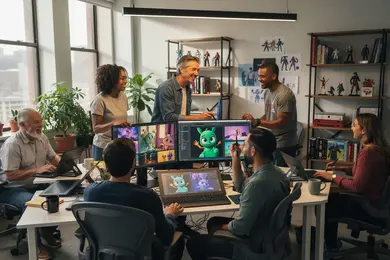
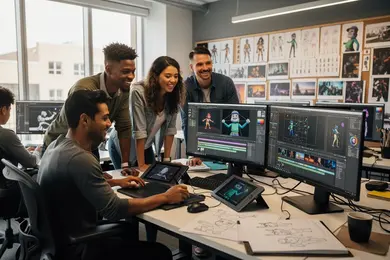
2027 Industries Hiring Graduates With an Animation Degree

Co-Founder and Chief Data Scientist
Many graduates with an animation degree expect their career paths to be limited to entertainment and media. However, the industries hiring animation graduates have expanded considerably in recent years. According to the Bureau of Labor Statistics, employment for multimedia artists and animators is projected to grow 16% from 2022 to 2032, much faster than average. This growth reflects rising demand across diverse sectors such as education, advertising, gaming, and technology.
Understanding where graduates typically work and exploring career opportunities beyond traditional roles can help animation degree holders maximize job prospects. This article examines key industries hiring animation graduates and highlights potential career avenues.
Key Benefits of Industries Hiring Graduates With a Animation Degree
- Diverse industries hiring animation graduates offer broader career opportunities and increase employment flexibility, enabling professionals to work in entertainment, advertising, education, and more.
- Growing demand for animation skills supports long-term career growth and professional stability, with animation-related jobs projected to grow faster than average by 15% through 2030.
- Cross-industry work helps graduates develop transferable skills in storytelling, digital tools, and collaboration, expanding their professional experience and adaptability in a competitive job market.
What Industries Have the Highest Demand for Animation Majors?
Demand for animation majors differs significantly across various industries, with some sectors showing consistently high recruitment rates due to their reliance on visual storytelling and digital content. Industry reports indicate that nearly 40% of animation-related employment is concentrated within the entertainment sector, underscoring the importance of these skills in creative fields. Below are some of the top industries hiring animation degree graduates and how they utilize animation expertise.
- Entertainment and Media: This industry employs animation majors extensively to develop characters, storyboards, visual effects, and immersive game environments. With the rise of streaming platforms, the need for fresh animated content has expanded, increasing steady hiring in film studios, television, and video game development companies.
- Advertising and Marketing: Companies in this sector seek animation professionals to craft engaging commercials, digital advertisements, and branded content that capture consumer attention. Motion graphics created by animators enhance message delivery, making campaigns more effective and visually appealing.
- Education and E-learning: Animation enhances interactive lessons, simulations, and explainer videos in both traditional education and online learning platforms. These visual tools improve learner engagement and help simplify complex subjects for a broader audience.
- Architecture and Engineering: Animated 3D visualizations and virtual walkthroughs are essential for these industries to present building designs and engineering projects before construction begins. Animation helps clients and stakeholders better understand technical details and project plans.
- Healthcare and Medical: This sector uses animation for detailed anatomical charts, surgical simulations, and patient education materials. The visual aids enhance comprehension of medical procedures and health conditions, benefiting both professionals and patients.
Graduates exploring career paths should consider how animation skills can open doors across these diverse industries. For those curious about the quickest online degrees to enhance their employment prospects, resources like quickest online degrees provide valuable guidance on accelerating educational goals.
Which Industries Have the Strongest Job Outlook for Animation Graduates?
Job outlook for animation graduates is shaped by industry growth trends, workforce demand, and projected hiring needs. According to the U.S. Bureau of Labor Statistics, employment of multimedia artists and animators is expected to grow by 16% from 2022 to 2032, significantly faster than the average for all occupations. This growth reflects expanding opportunities across various sectors reliant on digital content and storytelling. Below are key industries offering strong prospects for animation professionals.
- Entertainment: Film, television, and video game production continue to be major employers. Innovations in virtual reality (VR) and augmented reality (AR) are creating new roles as immersive storytelling gains popularity, driving demand for skilled animation specialists.
- Advertising and Marketing: Brands increasingly use animated visuals to convey complex messages and engage audiences across digital and social media platforms. The shift toward online advertising fuels ongoing growth in this sector.
- Education and E-Learning: Animated content enhances learning by simplifying complex concepts and increasing engagement. Rising adoption of digital curricula and remote learning tools boosts demand for animation expertise in educational institutions.
- Healthcare and Medical Visualization: Medical animations support patient education, surgical planning, and research, with accuracy and clarity critical to effective communication. This emerging field is expanding alongside advances in health technology and patient-centered care.
What Entry-Level Jobs Are Available for Animation Graduates?
Entry-level roles enable animation graduates to bridge the gap between academic concepts and real-world projects while honing essential creative and technical capabilities. Nearly 65% of recent graduates find their first position within six months, reflecting steady recruitment in creative media. Below are some typical starting opportunities that support skill development and industry acclimation.
- Junior Animator: This role involves crafting fundamental animations under senior supervision, focusing on storytelling, timing, and software proficiency. It offers hands-on experience through assisting with background elements and short animation sequences.
- Storyboard Artist: Entry-level storyboard artists convert scripts into visual sequences using sketches that establish scene layout and narrative flow. This position deepens understanding of pacing and character actions vital for animation production.
- 3D Modeling Assistant: Gradates support the development of digital models, textures, and environments. This job requires precise attention to detail and collaboration to ensure creative assets meet project standards.
- Motion Graphics Designer: This role blends graphic design with animation techniques, producing animated visuals for marketing, presentations, and digital platforms. It helps sharpen both aesthetic judgement and technical animation skills.
An animation degree graduate shared that securing an entry-level role often involved persistent resume tailoring and networking. He described the experience as "a constant cycle of adapting my portfolio based on feedback while learning the unspoken industry workflows."
Although initially overwhelming, the gradual immersion helped build confidence and practical know-how, especially when collaborating on projects with tight deadlines. "Each small project felt like a step toward understanding what it truly means to contribute creatively in a professional animation environment."
What Industries Are Easiest to Enter After Graduation?
Industries that are easiest to enter often feature high demand for entry-level talent, value diverse educational backgrounds, and place greater emphasis on portfolios and adaptability than on formal experience. According to a 2023 workforce study, over 60% of creative media firms actively hire graduates with limited professional histories, favoring fresh skills and technical flexibility. Several sectors stand out for offering accessible opportunities to animation graduates.
- Entertainment and Media: This field consistently requires new creative talent to support ongoing projects like films, TV shows, and online content. Studios and production houses tend to welcome animation graduates ready to contribute to a variety of creative workflows.
- Advertising and Marketing: Agencies creating commercials and social campaigns rely on animated visuals to engage audiences. The broad need for unique storytelling through animation allows graduates to leverage their creativity across many campaigns.
- Video Game Development: Smaller game studios and indie developers often seek versatile animators skilled in designing characters and environments. The dynamic nature of mobile and independent games provides entry points for animation graduates.
- E-learning and Educational Technology: Growing demand for immersive educational content opens prospects for animators to develop interactive videos and simulation materials that enhance learning experiences.
These industries combine consistent creative demand with a hiring culture open to emerging animation professionals, creating relatively accessible pathways for graduates entering the workforce.
What Industries Offer the Best Starting Salaries for Animation Graduates?
Starting salaries for animation graduates vary widely across industries due to factors such as specialized skill demand, funding availability, and workforce shortages. Entry-level compensation in top-paying animation fields can exceed the national average by up to 25%. Below are key industries offering some of the best-paying entry-level animation jobs in the US.
- Video Game Industry Entry-level animators in this sector typically earn between $55,000 and $70,000 annually. High salaries are driven by the demand for technically complex, immersive content development in a rapidly expanding market.
- Film and Television Production This industry offers starting salaries from $50,000 to $65,000, reflecting the importance of advanced character animation and visual effects in storytelling and audience engagement.
- Advertising Agencies Especially digital-focused agencies pay new animators between $50,000 and $60,000, valuing creative skills that captivate viewers and boost campaign effectiveness in competitive markets.
- Architectural Visualization Salaries range from $48,000 to $58,000, as firms require animators who combine artistic creativity with precise technical visualization to represent real estate and interiors accurately.
Animation graduates exploring career paths should consider industries like these to maximize their starting salary potential. For those interested in accelerate their education, several 1 year associate degree programs offer fast tracks into these lucrative fields.
Which Skills Do Industries Expect From Animation Graduates?
Employer expectations for animation graduates differ by sector but consistently emphasize a blend of technical proficiency and professional skills. A 2022 survey from the International Animated Film Association reveals that over 78% of employers seek candidates with both creative abilities and strong communication skills. Below are essential skills valued across diverse industries hiring animation degree holders.
- Technical Proficiency: Mastery of industry-standard software like Maya, Blender, and the Adobe Creative Suite is fundamental. These tools allow graduates to create polished visual content efficiently, meeting quality requirements in film, gaming, advertising, and education sectors.
- Creative Storytelling: The capacity to develop compelling narratives and characters is crucial. Storytelling transforms animation from mere visuals into meaningful experiences that engage and connect with audiences across multiple media formats.
- Attention to Detail: Precision in timing, movement, and visual consistency ensures high-quality outputs that adhere to project guidelines. This meticulousness is vital for maintaining professional standards in entertainment and digital marketing environments.
- Collaboration and Communication: Effective interaction with diverse teams is essential, as animation projects rely on integrating different expertise. Clear communication helps streamline workflows, incorporate feedback, and foster a cohesive creative process.
- Adaptability and Problem-Solving: The fast-changing nature of animation technology demands a willingness to learn new tools and methods quickly. Graduates must troubleshoot both technical and creative challenges to keep projects on track.
Reflecting on these skills, a professional with an Animation degree shared her experience navigating early career challenges. "Working on a tight deadline for a client's advertising campaign, I had to quickly adapt to unfamiliar software updates and simultaneously integrate last-minute feedback from several team members," she said. This required not only technical agility but also calm communication under pressure.
She noted that overcoming these hurdles "reinforced the value of patience and openness in collaborative settings" and ultimately enhanced her confidence in managing complex projects. Her insight highlights how a balanced skill set supports both individual growth and team success in animation careers.
Which Industries Require Certifications for Animation Graduates?
Certifications are increasingly important in animation-related fields, with over 60% of employers reporting a preference for candidates holding specialized credentials alongside their degrees. These certifications demonstrate technical proficiency, ensure compliance with industry standards, and signal a commitment to professional development. Several key industries commonly require or highly value such certifications.
- Film and Television: This industry prioritizes certifications tied to specific software tools and production workflows. Strict quality and content regulations demand validated expertise in areas like 3D modeling, visual effects, and compositing pipelines, helping graduates meet professional standards and streamline collaboration.
- Video Game Development: Certifications focus on 3D animation, game engine skills, and coding integration to assure employers of candidates' abilities to handle complex production environments. Given the fast pace and technical demands, credentials confirm an animator's readiness to maintain efficiency and interoperability within teams.
- Advertising and Marketing: Agencies often prefer animation graduates with credentials in motion graphics and interactive media. These certifications support delivering creative content that meets client requirements while demonstrating both technical and creative competencies valued in this sector.
- Simulation and Training: In aerospace, medical, and defense fields, proprietary or industry-specific certifications are essential. These ensure compliance with strict regulatory standards and reinforce the critical accuracy and safety needed for simulations, enhancing work reliability.
Which Industries Offer Remote, Hybrid, or Flexible Careers for Animation Graduates?
Workplace flexibility has become a standard feature across many industries due to advances in digital collaboration tools and shifting workforce expectations. Recent studies show that over 60% of professional jobs now offer remote or hybrid options, reflecting this growing trend. These changes have opened new pathways for animation graduates seeking adaptable work schedules and locations.
- Technology and Software Development: This industry heavily relies on cloud-based platforms and digital project management tools, enabling seamless remote collaboration. Animation graduates find flexible careers here by contributing to projects from varied locations with iterative feedback cycles.
- Entertainment: Film and television production support hybrid work by dividing creative tasks between on-site and remote teams. Stages such as storyboarding and rendering are often completed offsite, making it conducive for animations graduates drawn to flexible creative workflows.
- Advertising and Marketing: Agencies balance client deadlines with remote content creation phases, leveraging digital communications for reviews and approvals. This setup allows animators to alternate between collaborative in-person sessions and flexible remote work periods.
- Education and E-Learning: The growing demand for instructional videos and interactive content works well with asynchronous production. Animation graduates can develop materials remotely while engaging in virtual meetings to align on educational goals and quality standards.
- Gaming: Distributed teams across the globe use cloud services and version control for game animation projects. This environment supports remote coordination and iterative development, offering flexible career opportunities for animation graduates within creative industries.
Those interested in expanding their skills in related fields might also explore construction management courses to diversify career options.
What Industries Have the Strongest Promotion Opportunities?
Promotion opportunities for animation graduates often depend on industry growth, organizational structure, and demand for experienced professionals. Studies show that nearly 70% of advancement in creative fields results from internal promotions, highlighting the importance of career development within companies. Several industries stand out for offering clear advancement paths and leadership growth for animation professionals.
- Entertainment Industry: Large studios and production companies have structured hierarchies that support career progression from junior animator roles to supervisory or directorial positions. Mentorship and project leadership are key drivers of promotion in this sector, fostering long-term growth for skilled artists.
- Video Game Industry: Rapid technological innovation and expanding market demand encourage studios to cultivate talent internally. Animators often move into lead or creative director roles by developing interdisciplinary skills and managing complex project pipelines.
- Advertising and Marketing: These firms prioritize innovative visual content to enhance client campaigns, creating demand for senior creative and managerial positions. Animation graduates can advance by leading teams, managing projects, and continuously generating fresh ideas.
- Educational Media: Growing e-learning sectors require engaging content, leading to roles such as project coordinators and creative leads. This industry values the blend of creative expertise and instructional design, offering structured promotional avenues.
- Film Production: Traditional promotion routes exist for animators to grow from entry-level artists to supervisors within production and post-production teams. Experience and artistic leadership are rewarded through established career pipelines.
Prospective students interested in top career advancement paths in animation-related industries can explore diverse sectors to find the best fit for their goals. Those looking for flexible study options might consider sports degrees online programs as a parallel example of fields with structured growth opportunities.
How Do You Choose the Best Industry With a Animation Degree?
Choosing the best industry for an animation degree graduate involves assessing career interests, preferred work environments, and the long-term growth potential of various sectors. Students should consider whether they are drawn to fields that emphasize storytelling, technical skills, or design, aligning their strengths with industry demands.
Workplace flexibility is also a key factor, with a 2023 survey showing that 68% of creative professionals prioritize it for job satisfaction. Exploring the best industries for animation degree graduates requires balancing these elements to find roles that match both skills and lifestyle preferences.
Graduates can compare industries by examining advancement opportunities, overall stability, and the presence of professional development programs that foster career growth. Industry expectations and alignment with personal career goals should guide this evaluation, as thorough research helps clarify what to anticipate.
Networking and internships provide valuable insights, enabling smarter decisions about the animation career path. For those interested in expanding their expertise, pursuing an online master's in electrical engineering degree may also complement an animation background in certain technical domains.
What Graduates Say About Industries Hiring Graduates With a Animation Degree
- Jason: "Starting my career in the animation industry opened my eyes to how diverse the job opportunities really are. I learned that picking a niche early-whether it's visual effects or character design-can set the foundation for a rewarding path. This industry pushed me to build strong problem-solving and storytelling skills that remain invaluable in my current role."
- Camilo: "Reflecting on my journey, working in animation developed my patience and attention to detail like no other field. The industry's collaborative nature taught me how to communicate ideas clearly and adapt to feedback, which has been critical for my professional growth. Choosing animation was not just about creativity, but about growing as a versatile artist and team player."
- Alexander: "From a professional standpoint, the animation field has continuously challenged me to stay innovative and tech-savvy. Landing a role in this industry meant mastering both artistic vision and technical expertise, which propelled my career forward. I've realized that graduates who embrace lifelong learning have the most impact and success in animation-related careers."
Other Things You Should Know About Animation Degrees
Freelance work is common among animation graduates and often serves as a vital stepping stone into various industries. Many companies outsource specific animation projects, providing graduates with a flexible way to gain experience and build their portfolios. Freelancing also allows animators to work across multiple industries, including education, marketing, and entertainment.
Internships are highly recommended for animation graduates because they provide practical experience and industry exposure. Many employers prefer candidates who have completed internships, as these opportunities demonstrate a graduate's ability to apply their skills in real-world settings. Internships also offer networking possibilities and the chance to understand specific industry workflows.
Graduates should stay updated on emerging technologies such as virtual reality, augmented reality, and real-time rendering. These tools are increasingly integrated into animation workflows across gaming, film, and advertising industries. Familiarity with software like Unreal Engine, Unity, and advances in 3D modeling can give graduates a competitive edge in the job market.
References
- Best Animation Studios to Start your Animation Career https://ianimate.net/more/articles/best-animation-studios-to-start-your-animation-career
- 10 Best Uses of Animation in Different Industries - Artemisia College https://www.artemisiacollege.com/blog/animation-applications-industries/
- Your path to success: how to land your dream job in the animation industry https://animationclub.school/blog/how-to-land-your-dream-job-in-the-animation-industry/
- Animator https://www.usecanyon.com/certifications/animator
- Top Professional Avenues after a degree in animation https://www.mguindia.com/blogs/top-professional-avenues-after-a-degree-in-animatio
- The Challenges and Benefits of an Animation Career | BSBI https://www.berlinsbi.com/blog/the-challenges-and-rewards-of-a-career-in-animation
- Careers in Animation: A Guide to the Animation Pipeline https://theanimationschool.co.za/blog/careers-in-animation
- Top 10 Animation Career Paths and How to Get Started https://bigcreative.education/top-10-animation-career-paths/
- Top animation professions, salaries, and training paths - ESMA https://www.esma-artistique.com/en/news/animation-film-professions/
- Remote Animator Jobs in Poland https://dailyremote.com/remote-animator-jobs-in-poland