
2027 Animation Degrees Explained: Are They Classified as Professional Degrees?

Co-Founder and Chief Data Scientist
Many prospective students mistakenly believe animation degrees qualify as professional degrees required for licensure or regulated careers. However, animation is typically classified as an arts or design degree, not a professional degree like law or medicine. Despite this, the Bureau of Labor Statistics projects a 16% growth in multimedia artists and animators from 2022 to 2032, reflecting strong industry demand.
Understanding the distinctions between degree types is crucial for career planning and investment decisions. This article clarifies whether animation degrees count as professional degrees and guides readers through accreditation, career outcomes, and educational benefits to make informed choices.
Key Benefits of Professional Animation Degrees
- Graduates with professional animation degrees often access leadership roles, as advanced training develops skills in project management and creative direction crucial for career advancement.
- Studies show animation professionals with specialized degrees typically earn 15-25% more over their careers, reflecting a strong return on investment compared to self-taught peers.
- Many regulated or advanced animation positions, such as technical directors, require formal credentials, reinforcing the degree's role in securing specialized and stable employment.
What Is Considered a Professional Animation Degree?
Degree Importance
- Myth: A professional animation degree is unnecessary for career success and licensure.
- Fact: While there is no mandatory licensure for animators, having a professional animation degree program is valuable as it provides focused, practical skills that improve employability and industry readiness.
Licensure Requirements
- Myth: Professional animation degrees grant a license needed to work in the field.
- Fact: Unlike licensed professions, animators do not require a standardized certification to practice professionally, but degrees help build a competitive portfolio and career foundation.
Program Definition
- Myth: Any degree with the word "animation" qualifies as a professional animation degree.
- Fact: Professional animation degree programs focus on applied training, software proficiency, and portfolio development to match industry standards.
Students exploring what qualifies as a professional animation degree should consider these factors since they impact skill development, job readiness, and long-term career growth. The U.S. Bureau of Labor Statistics projects a 16% growth in multimedia artists and animators employment from 2021 to 2031, indicating strong workforce demand in this field.
Animation degree programs are designed to prepare students with relevant, up-to-date skills; however, prospective students must evaluate programs carefully. For those seeking flexible education options in other sectors, consider reputable msw online programs as examples of career-oriented degrees available via distance learning.
Who Should Pursue a Professional Animation Degree?
Identifying the right candidates for professional animation degrees is crucial for students seeking career-focused, practice-oriented education that maximizes their investment of time and money. Enrollment in animation programs has grown by over 25% in the past five years, highlighting increasing recognition of their value in today's competitive job market. Below is a myth-versus-fact discussion clarifying who benefits most from these degrees.
Early-career advantage
- Myth: A professional animation degree is only for experienced artists seeking higher positions.
- Fact: Early-career professionals benefit greatly through focused, practice-oriented training that sharpens technical skills and builds a competitive portfolio.
Licensure requirements
- Myth: Licensure or credentials for animation roles don't require formal degrees.
- Fact: Many careers requiring professional animation degrees use them to meet formal certification or licensure standards in the industry.
Specialized roles
- Myth: Specialized or regulated positions don't prioritize formal education.
- Fact: Roles such as animation director or technical artist often prefer candidates with professional degrees for their deeper expertise and accreditation benefits.
Career changers
- Myth: Those switching careers can succeed without structured education.
- Fact: Career changers benefit from the comprehensive knowledge and structured guidance professional animation degrees offer.
For prospective students seeking clarity on program structure, accreditation, costs, and outcomes, researching multiple degree options can be helpful. For example, those also interested in related fields might explore an engineering degree online as an alternative or complement to animation education.
What Are the Most Common Professional Animation Degree Programs?
Knowing the different types of professional animation degree programs helps students select the one that best suits their career aspirations. Enrollment in animation-related degrees has grown consistently, reflecting rising demand across entertainment and media industries.
Here are some of the most common professional animation degree options:
- Bachelor of Fine Arts (BFA) in Animation: This program balances artistic creativity with technical skills, including character design, storyboarding, and digital production tools. It prepares students to meet industry needs for both concept development and software proficiency.
- Bachelor of Arts (BA) in Animation: Typically more flexible, this degree combines foundational animation techniques with broader liberal arts education. It appeals to students seeking a versatile approach that integrates storytelling and visual arts.
- Bachelor of Science (BS) in Digital Animation or Computer Graphics: Focused on technical training, this degree emphasizes 3D modeling, visual effects, and computer graphics software. It caters to those targeting specialized roles requiring advanced technical expertise.
These varied programs allow students to align their education with specific animation facets, from traditional artistry to cutting-edge digital technologies.
Breakdown of Private Fully Online Nonprofit Schools

Are Professional Animation Degree Programs Accredited?
Accreditation is a critical concern for students assessing professional animation degree programs because it validates the quality and credibility of their education. Nearly 90% of students enroll in accredited institutions, reflecting the importance of recognized oversight in higher education, especially within creative fields like animation.
Below are common myths and facts about accreditation that clarify its role in professional animation degrees.
Automatic Accreditation
- Myth: All animation degrees are automatically accredited as professional degrees.
- Fact: Not all animation programs are accredited; only those reviewed by recognized accreditation agencies for professional animation degrees meet the required standards for quality education.
Types of Accreditation
- Myth: There is only one type of accreditation for animation programs.
- Fact: Accreditation can be institutional, covering the entire school, or programmatic, which applies to specific fields. Most professional animation degrees fall under respected institutional accreditation, though some may also be evaluated by specialized bodies related to arts or digital media.
Importance of Accreditation
- Myth: Accreditation has little impact on career or financial aid.
- Fact: Accreditation matters because it often determines eligibility for financial aid, impacts employer preference for graduates, and is sometimes required by licensing or certification bodies. Knowing the top accrediting bodies for animation programs helps in selecting credible degrees that support career advancement.
For those interested in related fields, consider also exploring an online psychology degree as part of a broader educational plan.
What Are the Admission Requirements for a Professional Animation Degree?
Meeting admission requirements is essential for students aiming to succeed in professional animation programs, as they ensure applicants are ready for the blend of creativity and technical skill demanded. With applications rising by about 12% over the last five years, the selection process has become more competitive, making it vital to understand what schools typically expect. Below are key criteria that most programs require for entry.
- Educational Background: A high school diploma or equivalent is generally mandatory, providing a foundational level of education that supports more specialized study.
- Portfolio Submission: Applicants must present a portfolio showcasing their artistic talents, including drawing and storytelling skills. This is the most important factor to demonstrate creativity and a strong conceptual approach to animation.
- Letters of Recommendation: These provide insight into an applicant's character, work ethic, and potential from educators or professionals who can attest to their suitability for intensive study.
- Personal Statement: A written essay or statement of purpose allows candidates to articulate their passion for animation, career goals, and understanding of the industry's demands.
- Technical Skills: Basic computer proficiency, particularly with relevant software, is often expected to ensure students can keep pace with the technological aspects of the curriculum.
When asked about his experience navigating these requirements, a graduate of a professional animation degree shared that preparing the portfolio was both challenging and rewarding. "Choosing which pieces best reflected my skills and growth took a lot of reflection," he recalled. The recommendation letters felt like a way to validate his dedication, yet writing the personal statement required honesty about his ambitions and willingness to work hard. He emphasized that the process "helped me understand the commitment animation demands and gave me confidence before even starting the program."
What Courses and Practical Training Are Required in a Professional Animation Degree?
Prospective students evaluating professional animation programs benefit greatly from understanding both the curriculum and practical training components. This insight helps gauge how well a program prepares graduates for the demands of animation careers in various industries.
Below are common required courses and practical training programs in animation degrees that shape student expertise and job readiness.
- Foundational Courses: These typically cover core topics such as character design, storyboarding, 3D modeling, animation principles, digital sculpting, and visual effects. Emphasis is placed on movement, timing, and narrative development-skills essential for crafting compelling animated stories.
- Software Proficiency Training: Hands-on learning with industry-standard tools like Maya, Blender, and Adobe Creative Suite is crucial. Mastery of these programs enables students to create professional-quality animations while adapting to evolving digital workflows.
- Project-Based Assignments: Practical training often involves real-world projects that mimic studio environments. Collaborative work enhances teamwork, problem-solving, and time management skills, reflecting the dynamics of professional animation settings.
- Internships and Industry Exposure: Many programs incorporate internships or cooperative education experiences. These opportunities allow students to apply their skills in professional contexts, network with industry leaders, and gain insights into production pipelines.
- Storytelling and Creative Development: Courses emphasizing narrative techniques and creative expression foster the artistic vision necessary for successful animation careers. This training helps students align creative goals with industry expectations.
Students may also explore accelerated options through accelerated online degrees to complete their education more quickly while maintaining comprehensive coverage of required courses for professional animation degree programs.
How Much Do Professional Animation Degrees Cost?
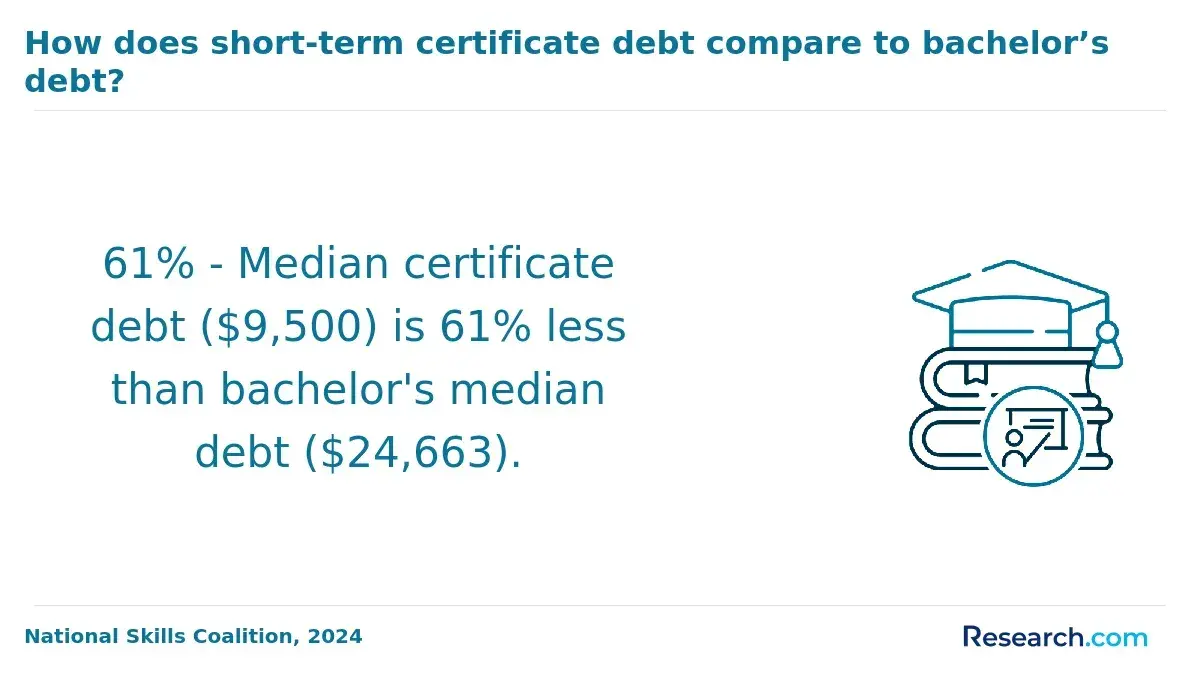
Knowing the cost of professional animation degrees is essential for prospective students evaluating animation degree program tuition fees and overall affordability. On average, tuition rates range from $10,000 to $40,000 annually, with total bachelor's degree costs between $40,000 and $160,000 depending on residency and institution type. Nearly 60% of animation students accumulate debt to cover these expenses, making careful financial planning crucial.
The main cost factors of animation degrees include:
- Tuition and fees: These are the largest expenses and can differ widely between public, private, and for-profit colleges. Public institutions often offer lower tuition for in-state students, while private schools tend to have higher rates.
- Technology and software: Animation programs require access to advanced hardware and professional software licenses, which may be included in fees or require separate purchase, adding significant costs.
- Materials and supplies: In addition to digital tools, students might need drawing supplies, external storage devices, or other materials essential for their coursework.
- Living expenses: Costs for housing, food, and transportation vary by location and can greatly influence total program expenses.
To manage these costs, many students explore financial aid and scholarships, including options available at online colleges that accept fafsa, which can help offset tuition and fees. Understanding the cost of professional animation degrees in full allows students to make informed decisions about their education and career investment.
Do Professional Animation Degrees Qualify for Financial Aid?
Financial aid is a major factor for many students considering professional animation programs due to the often high cost of these degrees. Data shows nearly 45% of graduate students in creative fields, including animation, receive some form of financial assistance, indicating both availability and variability in funding options. Below are some common misconceptions and realities about financial aid eligibility in animation education.
Federal Aid
- Myth: Animation degrees aren't eligible for federal financial aid because they're viewed as non-traditional or purely professional programs.
- Fact: Accredited animation programs typically qualify for federal loans and grants, as federal aid depends heavily on institutional accreditation rather than program type.
Scholarship Access
- Myth: Scholarships and employer tuition assistance are seldom available for animation students.
- Fact: Numerous scholarships specifically support animation students, and some employers provide tuition reimbursement to encourage skill advancement in animation careers.
Asking a graduate of a professional animation degree about financial aid, she described the process as both daunting and rewarding. "I remember feeling overwhelmed by the financial jargon and deadlines," she shared, "but carefully researching scholarships and applying early made a big difference." She also mentioned how employer tuition support eased her burden once she began working. "It wasn't just the loans; having access to grants and reimbursements helped me focus more on learning and less on finances." Her experience emphasizes that while navigating financial aid can be complex, accredited programs commonly offer multiple avenues of support for animation students.
Are Professional Animation Degrees Required for Certain Careers?
Knowing the specific degree requirements for animation careers helps students select programs that match their professional goals and improve their chances of success. The U.S. Bureau of Labor Statistics projects a 16% growth in jobs for animation and multimedia artists between 2022 and 2032, reflecting strong demand for skilled workers.
Below are common myths and facts regarding animation degrees and licensure.
Degree necessity
- Myth: A professional animation degree is always required to enter animation careers.
- Fact: Although a degree can enhance skills and job opportunities, many roles prioritize portfolios and practical experience over formal education.
Licensure requirements
- Myth: Some form of licensure is mandatory for working in animation.
- Fact: Animation is generally unregulated, and most positions do not require licenses or certifications, unlike regulated fields such as engineering.
Specialized roles
- Myth: No animation careers require accredited degrees or certificates.
- Fact: Certain specialized areas, like medical animation or technical design, may benefit from formal credentials to validate expertise.
Do Professional Animation Degrees Lead to Higher Salaries?
Students considering advanced education in animation must carefully weigh the financial returns on their investment as salary expectations often guide such decisions. Knowing how a professional animation degree factors into earning potential helps shape realistic career planning.
Below are common misconceptions and truths that clarify the relationship between animation degrees and salaries.
Salary Guarantee
- Myth: Earning a professional animation degree automatically leads to higher pay.
- Fact: A degree can improve salary prospects but does not guarantee immediate income increases; skills, portfolio, and industry demand play major roles.
Qualification for Roles
- Myth: Only those with animation degrees can access well-paid positions.
- Fact: Many high-paying jobs emphasize proven experience and skills more than formal degrees, though a degree may speed up access through focused training.
Career Progression
- Myth: Without a professional animation degree, career advancement is limited.
- Fact: Degrees can validate expertise and unlock specialized or leadership roles that often offer better pay, but are not the sole path to growth.
Long-Term Earnings
- Myth: Long-term financial success depends solely on formal animation education.
- Fact: Continuous learning, networking, and adaptability have greater impact over time, with degrees serving mainly as a foundational credential.
What Graduates Say About Their Professional Animation Degree
- Lennon: "Choosing a professional animation degree was one of the best decisions I've ever made. The program's flexible schedule allowed me to balance work and study seamlessly, which was crucial given the average cost of attendance. This degree not only sharpened my skills but also opened doors in the industry I never thought possible. "
- Forest : "Reflecting on my journey, pursuing a professional animation degree was a thoughtful decision influenced by the program's accommodating structure. Although the cost was a significant investment, it felt worthwhile as it provided me with the technical knowledge and creative freedom necessary to advance my career in animation. "
- Leo : "From a professional standpoint, enrolling in a professional animation degree program offered the flexibility I needed to excel while managing other responsibilities. The practicality of the curriculum, combined with its reasonable cost, gave me the tools and confidence to thrive as a professional animator in a competitive field. "
Other Things You Should Know About Animation Degrees
A professional Animation degree in 2027 typically integrates industry-oriented skills with practical applications, often requiring internships or real-world projects. It emphasizes hands-on experience and direct industry connections, contrasting with an academic degree focused more on theoretical study and research within the animation field.
Internships or work placements are often integrated into professional animation programs to provide practical industry experience. These opportunities help students build portfolios, network with professionals, and gain real-world skills. While some programs require internships for graduation, others offer them as optional but highly recommended components.
Yes, many animation programs encourage or require collaboration with related fields such as graphic design, computer science, storytelling, and digital media. This interdisciplinary approach reflects industry practice and enhances students' ability to work on diverse projects within teams. Collaborative projects improve both technical and creative skills essential for animation careers.
References
- Specialization career in 3D Animation | L'Idem Animation School https://www.lidemschool.com/en/bachelors-programs/degre-3d-animation/
- BFA Character Animation: Admission Requirements (Film/Video) https://calarts.edu/apply/bfa-character-animation
- Common 3D Animation Myths Every Animator Should Know https://www.arenach.com/common-myths-about-3d-animation-what-you-need-to-know/
- How to Become an Animator: A Step-by-Step Guide to Launch Your Animation Career https://ianimate.net/more/articles/how-to-become-an-animator-a-complete-guide
- 3D Animation Degree Program | Bachelor Degree of Animation & VFX https://www.cgspectrum.com/courses/3d-animation-program
- What You Need to Know About Animation: Myths Busted https://www.ciit.edu.ph/what-you-need-to-know-about-animation/
- The Career Benefits of Pursuing an Animation Cours... | I CAD Computer & Interior Design Institute - Mumbai https://www.icadinstitute.com/latest-update/the-career-benefits-of-pursuing-an-animation-cours/95
- Bachelor's in Animation Program https://www.artcenter.edu/academics/undergraduate-degrees/entertainment-design/tracks/animation.html
- Top 10 Best Universities for Animation in Europe (2025) https://www.study.eu/article/top-10-best-universities-for-animation-in-europe
- Why study animation? https://www.metstudios.co.uk/articles/blogs/why-study-animation/


