2027 Industries Hiring Graduates With an Anthropology Degree

Co-Founder and Chief Data Scientist
Where can graduates with an anthropology degree find meaningful career opportunities? Despite common misconceptions that anthropology limits job options to academia or research alone, the reality is far broader.
Approximately 25% of anthropology degree holders secure employment in diverse industries such as government agencies, cultural resource management, education, and nonprofit organizations. These roles benefit from the critical thinking, cross-cultural insight, and analytical skills developed through anthropology studies.
Understanding where anthropology graduates typically work can open doors to versatile and rewarding career opportunities. This article explores the key industries hiring anthropology graduates and highlights relevant job prospects across sectors.
Key Benefits of Industries Hiring Graduates With a Anthropology Degree
- Diverse industries offer anthropology graduates broader career opportunities and employment flexibility across sectors such as healthcare, cultural resource management, and technology.
- Growing industry demand for anthropology skills supports sustained career growth and enhances long-term professional stability.
- Working across varied fields cultivates transferable skills and expands professional experience, strengthening adaptability in a competitive job market.
What Industries Have the Highest Demand for Anthropology Majors?
Employer demand for anthropology majors varies widely across several industries, with approximately 30% of graduates finding roles in sectors like cultural resource management, government, and academia.
These diverse opportunities reflect the ability of anthropology graduates to apply cultural and social insights in practical settings.
Below are some of the top sectors hiring anthropology graduates in North America.
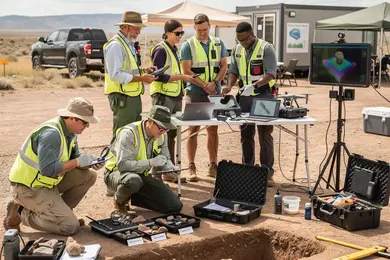
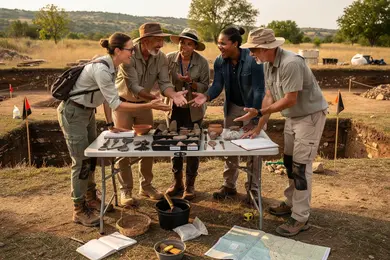
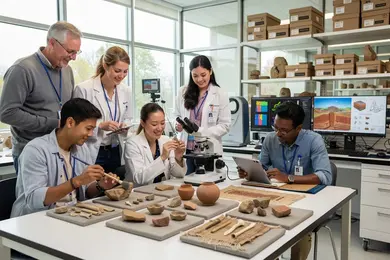
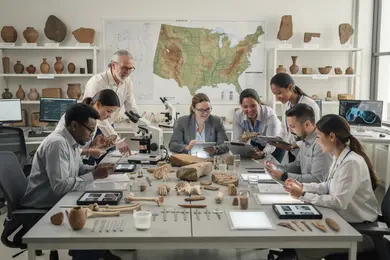
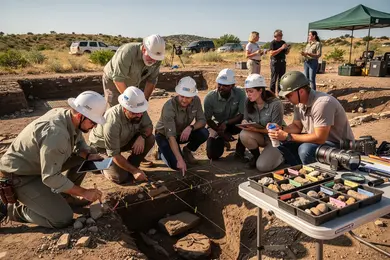
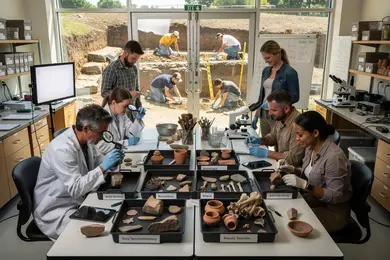
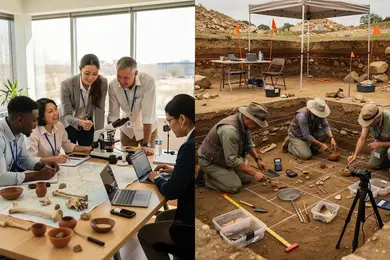
- Cultural Resource Management: CRM firms actively recruit anthropology majors to help preserve archaeological sites and manage historical resources. Graduates contribute expertise in excavation, analysis, and compliance with heritage preservation laws, making their skills critical for responsible development projects.
- Government Agencies: Departments focused on health, social services, and urban planning rely on anthropology knowledge to guide community engagement, policy development, and program evaluation. This expertise ensures culturally informed approaches that enhance public initiatives and social programs.
- Healthcare: Public health organizations and NGOs value anthropology graduates for understanding cultural factors that influence health behaviors. Their role often involves designing outreach programs, conducting epidemiological studies, and improving health communication strategies within diverse populations.
- Business and Market Research: Anthropology skills enhance consumer insights by applying ethnographic methods to decode cultural trends and behaviors. Companies utilize this knowledge to innovate products and sharpen competitive advantage through informed market strategies.
- International Development: Organizations engaged in global challenges employ anthropology majors to assess social impact and design culturally appropriate interventions. Their holistic perspective fosters collaboration and more effective solutions in complex environments.
For students interested in advancing their careers in these high-demand sectors, exploring a cheap online doctorate degree can be a strategic next step to deepen expertise and increase job prospects.
Which Industries Have the Strongest Job Outlook for Anthropology Graduates?
Job outlook for anthropology graduates is often evaluated by examining industry growth trends, workforce demand, and projected hiring needs.
According to the U.S. Bureau of Labor Statistics, healthcare occupations are expected to grow 16% from 2021 to 2031, a rate much faster than the average for all occupations, demonstrating expanding opportunities for social science expertise.
Below are key industries where demand for anthropology professionals is particularly strong or increasing.
- Healthcare and Public Health: This sector emphasizes health disparities, cultural competence, and patient-centered care, making anthropology graduates valuable for understanding community health dynamics and behaviors. Rising focus on social determinants of health drives demand for experts skilled in analyzing cultural contexts.
- Cultural Resource Management and Environmental Consulting: Regulatory requirements and infrastructure expansions increase the need for anthropologists to assess archaeological sites and cultural heritage. Compliance with preservation laws and sustainable development ensures ongoing employment opportunities in this field.
- Technology Firms Focused on UX Research: Technology companies increasingly require ethnographic research to design user-centered products that reflect diverse cultural contexts. Anthropologists contribute insights into human-computer interaction and user behavior, which are critical in global product development.
- International Development and Humanitarian Aid: Organizations engaged in public health, education, and disaster relief depend on anthropology expertise to analyze social structures and cultural dynamics. This improves program effectiveness in complex environments worldwide.
What Entry-Level Jobs Are Available for Anthropology Graduates?
Entry-level jobs allow anthropology graduates to apply their academic knowledge in real-world settings, gaining practical skills that are essential for career growth.
Data from the American Anthropological Association shows that nearly 45% of graduates secure initial roles within a year, primarily in research or applied anthropology fields.
Below are several common roles that provide valuable experience for new graduates.
- Research Assistant: Supports senior researchers by gathering and analyzing data, reviewing literature, and helping conduct field studies. This role sharpens research methods and data handling abilities crucial for many anthropology careers.
- Cultural Resource Management Technician: Involves surveying and recording archaeological sites while ensuring legal preservation standards are met. It offers hands-on experience in archaeology and heritage conservation, foundational for those interested in historical preservation.
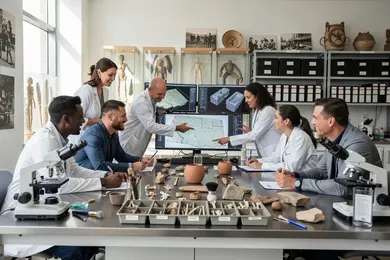
- Museum Assistant: Tasks include cataloging artifacts, assisting with exhibit preparation, and engaging with the public through educational programs. This role introduces graduates to museum operations and enhances skills in public outreach.
- Social Services Assistant: Utilizes cultural knowledge to support community initiatives by providing relevant services and resources. This position develops communication and organizational skills valuable in nonprofit or government settings.
- Ethnographic Fieldworker: Conducts qualitative research by observing and interviewing participants in various contexts, refining the ability to document social and cultural practices accurately.
When asked about entry-level opportunities, an anthropology degree graduate reflected on the transition from study to work, sharing that "finding a position that matched my interests was challenging, especially since many roles demand hands-on experience."
He recalled spending months applying for assistant roles while improving his practical skills through volunteering. "The process taught me patience and resilience," he noted, emphasizing how early setbacks encouraged him to develop versatility and network within the field before landing a job that aligned with his career goals.
What Industries Are Easiest to Enter After Graduation?
Industries that are easier to enter often share traits like a high volume of entry-level hiring, flexibility regarding degrees, and limited need for specialized certifications.
Recent labor data reveals that some sectors maintain entry-level hiring rates as high as 35%, reflecting ongoing demand for fresh talent.
The following industries demonstrate these characteristics, making them appealing to anthropology graduates starting their careers.
- Nonprofit Organizations: These entities frequently seek individuals with skills in community engagement and cultural understanding, which anthropology graduates possess. Their focus on social impact creates ongoing opportunities with minimal barriers for newcomers.
- Government Agencies: Agencies involved in cultural affairs, public policy, and urban development value anthropological insights and often have structured entry programs. This approach facilitates easier access for graduates without extensive prior experience.
- Market Research Firms: Businesses in this sector prioritize qualitative research and human behavior analysis, matching well with anthropology training. The ability to apply ethnographic methods makes these firms open to early-career professionals.
- Education and Outreach: Schools, museums, and cultural centers regularly need staff to support programming and educational initiatives. Anthropology graduates fit well due to their knowledge of culture and communication, with many roles not requiring specialized credentials.
What Industries Offer the Best Starting Salaries for Anthropology Graduates?
Entry-level salaries for anthropology graduates vary widely across industries due to demand for specialized skills, funding availability, and workforce gaps. On average, those entering technology-related fields can expect about 20% higher starting pay than peers in traditional academic or museum roles.
Below are key sectors offering the best starting salaries for anthropology graduates in the United States.
- Consulting firms typically pay between $55,000 and $70,000 annually to anthropology graduates. These roles blend cultural expertise with business strategy, making them attractive in market research and management consulting, where analytical skills boost compensation.
- Technology companies focusing on user experience and human-computer interaction offer starting salaries from $60,000 to $75,000. The technical complexity and demand for anthropological insights into user behavior drive higher pay in this innovative sector.
- Federal Government agencies, especially in cultural resource management and international development, provide stable entry-level salaries ranging from $50,000 to $65,000. Government pay scales and the specialized nature of work influence these competitive wages.
- Healthcare and Biotech sectors have emerged as lucrative for anthropology graduates applying ethnographic research to patient care and biomedical studies, with salaries typically between $55,000 and $70,000.
Prospective students interested in combining a business perspective with their anthropology degree can explore options on how much is a business degree online as a complementary pathway to boost earning potential.
Which Skills Do Industries Expect From Anthropology Graduates?
Employer expectations for anthropology graduates differ across sectors, yet consistently highlight the importance of practical expertise combined with readiness for diverse workplace challenges.
A 2022 American Anthropological Association survey revealed that more than 60% of government and nonprofit employers prioritize candidates who excel in cross-cultural communication and research skills.
The following outlines key abilities that anthropology graduates commonly bring to professional settings.
- Cultural Competency: Employers rely on anthropology graduates to navigate and respect diverse cultural contexts. This skill enhances teamwork and client relations, especially in global organizations and community-focused roles.
- Qualitative Research: The ability to design studies, collect detailed data, and interpret patterns enables graduates to offer insights that inform decisions in areas such as healthcare, marketing, and public policy.
- Critical Thinking: Anthropology teaches professionals to challenge assumptions and approach problems with a broad perspective, fostering innovative solutions adaptable to changing environments.
- Communication Skills: Clear presentation of complex findings to varied audiences is essential, enabling collaboration and informed choices in academic, corporate, and nonprofit contexts.
- Project Management: Managing timelines, coordinating teams, and organizing efforts are vital skills. Many anthropology graduates excel at steering research or community projects to successful completion.
When asked about the skills expected from anthropology graduates, a professional in the field reflected on her early career challenges managing community initiatives. She recalled the need to quickly learn how to balance tight deadlines alongside coordinating multiple stakeholders with sometimes conflicting interests.
"At first, it was overwhelming to keep everyone aligned while respecting cultural differences," she said, "but developing project management skills became as crucial as applying my anthropological training." She emphasized how blending cultural insight with practical coordination made her contributions impactful and rewarding, especially when project goals were achieved on time and with real community benefit.
Which Industries Require Certifications for Anthropology Graduates?
Many industries demand certifications for anthropology graduates to ensure compliance, demonstrate technical competency, and uphold professional standards.
In fact, surveys indicate that over 60% of employers in specialized fields prefer candidates with relevant credentials beyond their academic degree. These certifications validate expertise and ethical practice, enhancing graduates' competitiveness in the job market.
The following outlines key industries where such credentials are commonly required.
- Cultural Resource Management: This industry prioritizes certifications related to archaeological field methods and site preservation to meet legal requirements protecting historical sites. Credentials verifying skills in excavation, surveying, and cultural heritage law are essential for compliance and proving proficiency.
- Healthcare and Public Health: Anthropology professionals working in healthcare often need certifications in public health ethics, human subjects research, or health data privacy. These ensure ethical standards are maintained when dealing with vulnerable populations or sensitive data collections.
- Government and International Agencies: Roles in these sectors typically require certifications in project management, policy implementation, and ethics. Such credentials signal readiness to operate within regulated, accountability-driven environments where procedural adherence is critical.
- Environmental Consulting: Certifications related to environmental impact assessments and regulatory compliance are frequently expected. They demonstrate the ability to integrate anthropological insights with environmental laws and sustainability practices.
Obtaining professional certifications not only helps anthropology graduates meet industry-specific regulations but also strengthens their credibility. These credentials bridge the gap between academic knowledge and practical application in diverse professional settings, opening doors to specialized career opportunities.
Which Industries Offer Remote, Hybrid, or Flexible Careers for Anthropology Graduates?
The rising adoption of digital communication tools and shifting workforce expectations have expanded remote and hybrid work across many sectors.
Currently, over 30% of professional roles offer some form of location flexibility, driven by project-based workflows and virtual collaboration. This trend particularly benefits those seeking remote anthropology jobs with flexible schedules.
Below are key industries providing such opportunities.
- Technology: Tech companies increasingly value anthropology graduates for expertise in user experience research and human-centered design. Much of this work can be conducted online, enabling hybrid career opportunities for anthropology graduates who leverage digital platforms to perform qualitative analysis and interpret data without on-site constraints.
- Nonprofit and International Development: Organizations often operate on project grants that support flexible schedules and remote work. Anthropology professionals engage in social impact assessments and community research, using virtual interviews and collaborative tools to adapt to partner needs across locations and time zones.
- Academic and Research Institutions: Universities and research centers facilitate hybrid roles centered on data analysis, manuscript writing, and virtual teaching. This flexibility allows researchers to balance fieldwork with online collaboration and enhances productivity among anthropology graduates in scholarly environments.
- Media and Publishing: Digital publishing and multimedia projects commonly support remote teamwork. Anthropology graduates contribute through content creation, editing, and cultural consulting, relying on distributed teams and online platforms to deliver storytelling and research services.
For those interested in furthering their education while maintaining flexible work conditions, programs such as a psychology degree online may complement anthropology career paths.
What Industries Have the Strongest Promotion Opportunities?
Promotion opportunities within various industries often reflect organizational growth, structure, and demand for experienced professionals.
According to recent workforce studies, around 70% of employees experience career advancement through internal promotion rather than external hiring. For anthropology graduates, certain industries offer particularly strong and clear pathways for career advancement.
Here are some of the most notable sectors with high career advancement potential in anthropology-related fields.
- Cultural Resource Management (CRM): CRM firms have defined hierarchical ladders allowing anthropology graduates to advance from entry-level fieldwork to senior management and directorial roles. These organizations promote continuous professional development and expanded project responsibilities as they grow.
- International Development and Humanitarian Aid: Large, evolving networks in this sector require skilled professionals in coordination, program management, and strategy. Anthropology graduates can climb leadership pipelines, gaining roles in supervision and policy influence over time.
- Corporate Market Research: Companies leveraging consumer insights prize anthropology graduates' ability to analyze human behavior. This field offers structured career ladders into team leadership or departmental management, driven by rapid technological adoption and data integration.
- Academic and Research Institutions: Anthropology professionals benefit from formal promotion tracks, progressing from research assistants to faculty or principal investigators. Institutional systems emphasize publishing, grants, and teaching experience alongside tenure-track advancements.
- Public Policy and Government Agencies: These organizations feature formal advancement frameworks supporting program analysis, community liaison, and leadership roles. Growing demand for culturally informed decision-making reinforces the need for skilled anthropology graduates.
Anthropology students interested in integrating emerging technologies alongside traditional career paths might explore programs offering specialized education, such as a blockchain degree, which can complement their expertise and expand promotional prospects.
How Do You Choose the Best Industry With a Anthropology Degree?
Students and graduates should weigh several key factors when deciding how to choose the best industry for anthropology graduates. Career interests like applied research, community engagement, or policy development often guide this choice, along with preferred work environments such as office settings or fieldwork.
Considering long-term growth potential and how well an industry aligns with personal strengths, including analytical or cross-cultural communication skills, is crucial. A 2023 survey found that 62% of graduates prioritize sectors offering clear advancement pathways and professional development, highlighting the importance of thoughtful industry selection for career satisfaction.
Comparing industries by their advancement opportunities, stability, workplace flexibility, and professional development potential helps graduates make informed choices. It is essential to research industry expectations, including typical roles and required qualifications, ensuring alignment with individual career goals.
This approach allows anthropology degree holders to identify industries where they can grow and contribute meaningfully. For those exploring adjacent fields, understanding how a data scientist degree complements anthropological skills can also broaden career prospects in top growing industries hiring anthropology degree holders.
What Graduates Say About Industries Hiring Graduates With a Anthropology Degree
- Kadriel: "Starting my career in the anthropology field introduced me to a variety of industries, from cultural resource management to public health, helping me make an informed decision about where I wanted to focus. The experience sharpened my analytical thinking and communication skills, which are invaluable in any professional setting. Working within this industry has given me a solid foundation to approach challenges creatively and ethically."
- Gregory: "Reflecting on my journey, I realize that choosing a career path in anthropology opened doors I hadn't initially considered, such as forensic science and museum curation. The hands-on research and fieldwork developed my problem-solving skills and attention to detail, crucial for success in diverse roles. Embracing this career has allowed me to contribute meaningfully to preserving human history while advancing my professional growth."
- Daezen: "The anthropology industry provided a unique gateway into roles that blend science and society, like policy development and community outreach. Early on, I gained critical skills in data interpretation and cultural sensitivity, setting me apart in multidisciplinary teams. This career has profoundly impacted my professional life by deepening my understanding of human behavior and fostering a lifelong commitment to learning."
Other Things You Should Know About Anthropology Degrees
Many types of organizations seek anthropology graduates for cultural consultancy, including government agencies, non-profits, international development firms, and private corporations. These experts advise on cultural sensitivity, community engagement, and policy development to ensure that programs and initiatives are effective and respectful of diverse populations. Their expertise is particularly valuable in sectors working with multicultural or indigenous communities.
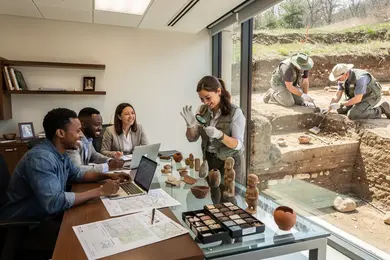
Yes, anthropology graduates frequently work in heritage and preservation industries, including museums, archives, and cultural resource management firms. They assist with artifact analysis, historical interpretation, and public education, playing a key role in protecting and promoting cultural heritage. These positions often require knowledge of both anthropological theory and practical preservation techniques.
In public health, anthropology graduates contribute by studying the social and cultural factors that affect health behaviors and outcomes. They design and evaluate health interventions, ensuring cultural appropriateness and community acceptance. Their work supports epidemiological research and health policy development by providing insights into human behavior and social dynamics related to health.
References
- Position Listings - NAPA https://practicinganthropology.org/mentoring-career/position-listings/
- Career outlook https://clas.wayne.edu/anthropology/programs/career-outlook
- What Can You Do With an Anthropology Degree? 2026 Guide | Extern https://www.extern.com/post/what-can-you-do-with-an-anthropology-degree-career-guide
- Career Options in Anthropology | Maynooth University https://www.maynoothuniversity.ie/anthropology/career-options-anthropology-1
- Anthropology careers | UC https://www.canterbury.ac.nz/life/jobs-and-careers/subject-careers/anthropology-careers
- Careers in Anthropology https://discoveranthropology.org.uk/careers-in-anthropology/
- Employers seek skills basic to an athropological education | Brian A. Hoey, Ph.D. https://brianhoey.com/careers-in-anthropology/what-do-employers-want/
- 15 tips for anthropology majors who are mapping their careers - College Recruiter https://www.collegerecruiter.com/blog/2025/04/17/15-tips-for-anthropology-majors-who-are-mapping-their-careers