2027 Entry-Level Jobs With an Anthropology Degree

Co-Founder and Chief Data Scientist
What job opportunities exist for recent graduates with an anthropology degree seeking entry-level careers? Despite the perception that anthropology leads primarily to academia or specialized research, many beginner roles span government, cultural resource management, nonprofit organizations, and education.
According to the U.S. Bureau of Labor Statistics, employment for anthropologists and archeologists is projected to grow 6% through 2032, faster than average for all occupations. Entry-level careers often involve research assistance, fieldwork coordination, and data analysis. This article explores accessible job openings and practical pathways for anthropology graduates to launch their professional journeys effectively.
Key Benefits of Entry-Level Jobs With an Anthropology Degree
- Entry-level jobs provide practical experience and develop skills such as ethnographic research, data analysis, and cultural competency, critical for anthropology careers.
- These roles open pathways for advancement, with 65% of anthropology graduates progressing into specialized research or academic positions within five years.
- Early career positions help graduates build professional networks and enhance their resumes, increasing their employability in competitive anthropology-related fields.
What Entry-Level Jobs Can You Get With an Anthropology Degree?
About 58% of liberal arts and social science graduates find jobs related to their degree within six months, reflecting positive entry-level hiring trends. Anthropology graduates benefit from various entry-level positions that build foundational skills and experiences relevant to their field.
Below are common beginner-level job paths that support career development.
- Research Assistant: Supporting senior researchers by collecting data, conducting literature reviews, and assisting in analysis helps anthropology graduates develop practical expertise in research methods and data handling. This role forms a critical base for advanced academic or fieldwork opportunities.
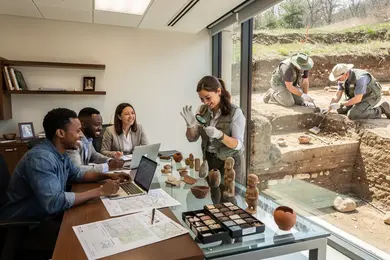
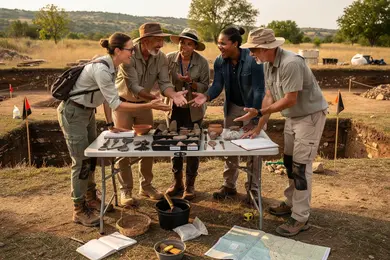
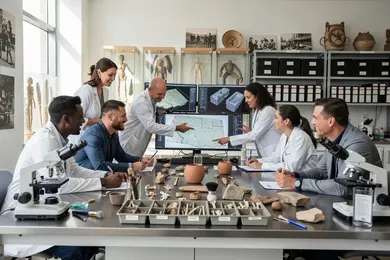
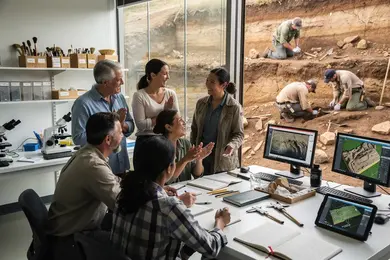
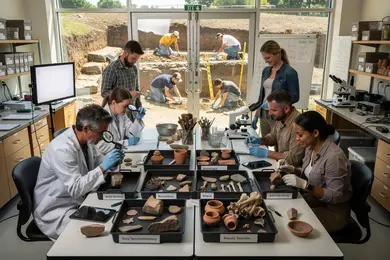
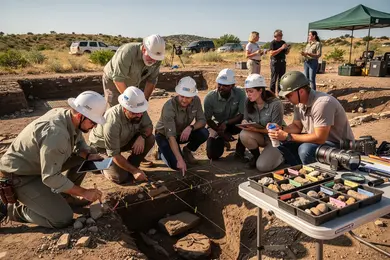
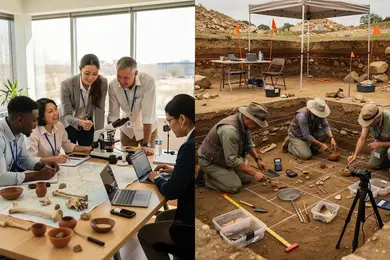
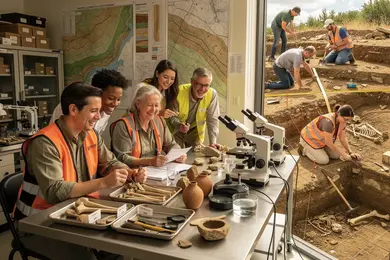
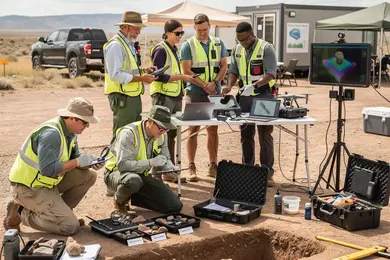
- Cultural Resource Technician: Engaging in the identification, documentation, and preservation of archaeological sites and historical items provides hands-on experience with preservation techniques and site management. These skills are essential for future careers in archaeology or heritage management.
- Community Outreach Coordinator: Facilitating communication between organizations and diverse populations, organizing events, and gathering feedback sharpens interpersonal and program management skills. This job prepares graduates for roles in public policy or social services.
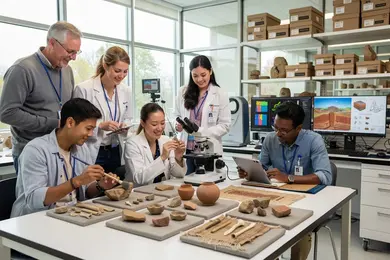
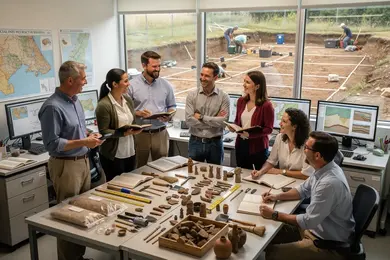
- Museum Assistant: Working with cultural collections by cataloging artifacts, preparing exhibits, and researching provenance develops expertise in museum operations and educational programming, opening doors to curatorial and archival positions.
Entry-level anthropology careers in the United States often start with roles like these, which provide essential experiential learning. For those interested in expanding into interdisciplinary areas, pursuing degrees in AI online can complement anthropological skills with cutting-edge technology knowledge.
Beginning with these positions allows anthropology graduates to build valuable experience and position themselves competitively for long-term advancement. Exploring varied job opportunities enhances adaptability and broadens career prospects in related fields.
Which Industries Hire the Most Anthropology Graduates?
Anthropology graduates enter a variety of industries where their expertise in cultural analysis and human behavior is highly valued. About 23% of these graduates find roles in education and research, reflecting strong demand in sectors that emphasize knowledge and cultural preservation.
Understanding where their skills are best applied helps graduates target career paths effectively. Below are some of the top industries hiring anthropology graduates.
- Cultural Resource Management: This industry focuses on preserving archaeological sites and historic resources. Anthropology graduates fill positions such as field technicians and preservation specialists, working closely with government agencies and private firms to ensure compliance with heritage laws.
- Public Sector: Federal, state, and local government roles often involve policy, community outreach, and social services. Graduates support tribal affairs, urban planning, and public health programs using their understanding of diverse populations and social dynamics.
- Education and Research: Many anthropology graduates work in museums and academic institutions. They curate exhibits, assist archaeological digs, and perform ethnographic studies to advance cultural knowledge and education.
- Healthcare Industry: Public health and medical anthropology careers are growing fields where graduates engage in health education, community outreach, and researching social determinants of health to improve patient outcomes.
- Private Sector: Market research and consulting firms hire anthropology graduates for qualitative research and consumer behavior analysis, helping companies design culturally relevant products and services.
A recent anthropology degree graduate shared that finding the right fit was initially challenging, given the field's diversity. He explained, "I didn't expect how varied the opportunities would be. The application process for public sector roles was rigorous, but my cultural insight helped me stand out."
He also noted moments of uncertainty during job searches but emphasized that persistence and leveraging field-specific skills eventually opened doors, especially in cultural resource management. His experience highlights the broad scope but also the competitive nature of careers available to anthropology graduates.
Which Entry-Level Anthropology Jobs Pay the Highest Salaries?
Starting salaries for entry-level anthropology roles differ significantly based on job responsibilities and the specialized knowledge required. Positions that integrate technical skills or overlap with other fields often provide better compensation compared to traditional archaeological or museum work.
Below are some of the top-paying beginner jobs available to anthropology graduates.
- Forensic Anthropologist Assistant: This role supports forensic specialists in examining human remains to help identify individuals and determine causes of death. With salaries typically between $50,000 and $65,000, the job's higher pay reflects its technical complexity and relevance in legal investigations.
- Market Research Analyst (with Anthropology Background): These analysts apply anthropological research methods to study consumer behavior, bridging the gap between social science and business. Entry-level positions usually pay from $50,000 to $65,000 due to the valuable combination of qualitative skills and data interpretation.
- Cultural Resource Management Specialist: Responsible for overseeing archaeological sites and ensuring legal compliance in heritage preservation, CRM specialists start with salaries in the $45,000 to $60,000 range. The regulatory aspects of this work contribute to its elevated earning potential.
- Archaeological Technician: Focused on field excavation and artifact recording, technicians generally earn between $40,000 and $55,000. Although sometimes seasonal, this physically demanding role requires specialized training that supports its competitive pay.
- Museum Curator Assistant: Assisting in exhibit organization and collection management, entry-level museum assistants earn roughly $40,000 to $55,000. Institutions with larger budgets or niche collections can offer higher starting wages.
Salary differences largely hinge on the technical demands and interdisciplinary nature of each position, with forensic and market research roles tending to offer more lucrative entry points compared to traditional field and museum jobs.
What Skills Do Employers Look for in Entry-Level Anthropology Graduates?
Employers assessing entry-level anthropology graduate skills evaluate candidates beyond academic achievements, focusing on applied abilities in real-world environments. A 2024 survey from the National Association of Colleges and Employers revealed that 68% of employers continue to struggle to find graduates with adequate analytical and communication skills.
Below are essential competencies that entry-level anthropology graduates should demonstrate to meet employer expectations.
- Research and Data Analysis: Mastery in designing studies, gathering qualitative and quantitative data, and interpreting results is crucial. This skill enables graduates to produce evidence-based insights required in various professional settings.
- Critical Thinking and Problem-Solving: The ability to assess complex social structures from multiple angles and craft effective solutions is valued. Employers look for individuals who can adapt and make sound decisions under uncertain conditions.
- Communication Skills: Clear, concise reporting and presentation abilities are essential for sharing findings with diverse audiences. Effective communication ensures anthropological work influences policy and community understanding.
- Cultural Competency and Interpersonal Skills: Sensitivity to cultural differences and respectful collaboration with communities and colleagues are vital. These interpersonal qualities support successful engagement across varied populations.
- Practical Application: Employers prefer candidates who translate academic knowledge into tangible workplace contributions, which includes hands-on experience often gained through academic projects or internships. Exploring 2-year bachelor degree programs can help develop these skills efficiently.
Do Employers Hire Anthropology Graduates With No Internships?
Employers often view anthropology graduates with internship experience as more prepared for entry-level roles because internships offer practical skills and workplace familiarity. Research shows that about 65% of anthropology graduates who found jobs within six months had completed at least one internship, highlighting the advantage of hands-on experience. However, not all employers require this background, and hiring decisions can depend heavily on the position and organization.
Graduates lacking internship experience can still attract employer interest by showcasing strong academic performance, relevant coursework, or transferable skills such as communication, critical thinking, and data analysis. Highlighting research projects or volunteer engagements related to anthropology can also reflect practical experience. Since employers weigh qualifications differently, some may prioritize adaptability and demonstrated motivation over formal internships.
What Certifications Help Entry-Level Anthropology Graduates Get Hired?
Certifications serve as a valuable extension to an anthropology degree by confirming specialized capabilities and boosting a candidate's appeal to employers. Studies indicate that applicants holding relevant certifications have a 30% higher chance of securing job offers early in their careers.
The following certifications are particularly effective for entry-level anthropology graduates seeking to demonstrate practical expertise.
- Certified Archaeological Technician (CAT): This credential verifies hands-on knowledge in archaeological excavation, artifact handling, and field procedures. Employers prioritize CAT certification because it signals that graduates can contribute immediately to research sites without extensive training.
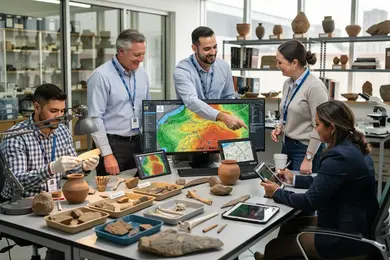
- GIS Professional Certification: Geographic Information Systems skills are essential for analyzing spatial and cultural data. This certification ensures proficiency in mapping and interpreting geospatial information, an increasingly important asset in anthropology research.
- Certified Cultural Competency Trainer (CCCT): This certification highlights an ability to educate and navigate diverse cultural environments, which is highly valued in community-focused roles or educational outreach positions.
- Human Subjects Research Certification: Essential for ethical research involving people, this credential confirms understanding of protocols protecting human participants, an important requirement for many anthropology projects.
- Forensic Anthropology Certification: This specialized certification validates skills in forensic analysis of skeletal remains, crucial for entry-level roles in medico-legal and investigative settings.
When I spoke with a professional with an anthropology degree about certifications, she recounted how navigating the job market felt overwhelming at first. She emphasized that obtaining certifications gave her a tangible way to demonstrate commitment and specialize in areas that intrigued her personally.
Earning the Human Subjects Research Certification, in particular, opened doors to research assistant positions requiring strict ethical compliance. She reflected that although the process demanded time and effort, the confidence gained from having these credentials made her transition from student to professional much smoother and more rewarding.
How Can Students Prepare for Entry-Level Anthropology Jobs While in College?
Early preparation significantly boosts employability for anthropology graduates, with 91% of employers valuing practical experience and relevant skills in recent hires. Starting career readiness efforts during college helps students develop a competitive advantage and confidence. Below are key strategies students can use to prepare effectively for entry-level anthropology jobs.
- Build Practical Experience: Participate in fieldwork or assist faculty research to apply anthropological theories in real-world settings. Hands-on involvement allows students to develop skills employers seek in entry-level candidates.
- Develop Technical Skills: Gain proficiency in tools like GIS, SPSS, R, and digital ethnography software. Many anthropology roles require data analysis and visualization, so mastering these programs enhances job readiness.
- Engage in Academic Projects: Writing papers, presenting at conferences, and collaborating on interdisciplinary research refine communication and analytical abilities. These experiences demonstrate a deeper understanding of the field and strengthen resumes.
- Utilize Campus Resources: Career services offer tailored workshops on resume building and interview skills, while networking events connect students with professionals. These resources provide valuable guidance and industry insights.
- Cultivate Soft Skills: Developing teamwork, cultural sensitivity, and critical thinking prepares students for diverse professional environments. These qualities are essential for success in entry-level anthropology roles.
How Competitive Is the Entry-Level Job Market for Anthropology Graduates?
The entry-level job market for anthropology graduates in the United States is notably competitive, with demand often limited compared to the number of applicants. Employment in anthropological and archaeological occupations is projected to grow by just 2% over the next decade, reflecting a slower-than-average increase in job openings.
This limited growth, combined with steady graduation rates, results in a challenging environment for those seeking entry-level anthropology jobs in the United States. These factors contribute to a competitive landscape where new graduates must work strategically to find suitable roles.
Several factors influence the competition for anthropology graduate positions in North America. Many employers expect candidates to have specialized skills or relevant experience, even for beginner-level roles, which narrows the pool of qualified applicants. The diversity of available positions-from cultural resource management to research assistance or museum work-also affects competition levels, as some sectors receive higher applicant interest due to limited openings or prestige.
Additionally, graduates with supplementary skills like data analysis or language proficiency often have an advantage. For those building a career in this field, exploring complementary educational opportunities such as an accelerated cybersecurity degree online can help diversify their skill set and improve job prospects.
What Remote Entry-Level Jobs Can You Get With an Anthropology Degree?
Remote work opportunities for entry-level anthropology graduates have expanded significantly due to technological advances and changing employer perceptions. A 2024 report from the U.S. Bureau of Labor Statistics indicates that remote positions for early-career roles have increased by approximately 35% over the past three years. These trends now allow graduates to pursue meaningful careers outside traditional field environments.
Below are common remote roles suitable for anthropology graduates.
- Remote Research Assistant: This role supports academic or market research projects by organizing data, conducting literature reviews, and assisting with report writing. It cultivates critical research skills and familiarity with digital databases, making it ideal for remote anthropology research jobs for graduates.
- Digital Content Coordinator: Responsible for creating and managing online content that promotes cultural awareness or anthropology knowledge on educational or cultural platforms. This position provides valuable experience in media, communication, and virtual outreach.
- Remote Data Analyst: These analysts interpret qualitative and quantitative data related to human behavior or social trends, typically working for nonprofits or social research firms. The role enhances analytical and interpretive skills essential for anthropology-focused research.
- Online Community Manager: Managing virtual communities for cultural heritage sites or research groups requires strong interpersonal and organizational skills, supporting networking and project coordination relevant to anthropology projects.
- Remote Grant Writer: Drafting proposals for funding cultural or social science initiatives sharpens persuasive writing and project planning skills central to anthropology-related careers.
For those exploring remote entry-level jobs, anthropology graduates might also find related opportunities in fields linked to interdisciplinary studies, similar to specialized fields like online real estate degree programs, which illustrate the growing trend in flexible pathways across disciplines.
How Quickly Can Anthropology Graduates Get Promoted?
Promotion speed for anthropology graduates typically depends on performance, experience, and the structure of the organization they join. On average, entry-level anthropology professionals working in research or cultural institutions see promotions within about three years. However, this timeline can vary significantly between employers and job roles. Career progression often reflects how quickly individuals build expertise and demonstrate leadership potential.
Factors that influence typical promotion speed in anthropology-related jobs include developing strong research skills, mastering data analysis, and handling complex projects effectively. Individual performance is key, as is the ability to collaborate and communicate within interdisciplinary teams.
Additionally, smaller organizations or academic environments may offer slower advancement compared to larger government agencies or corporations. For students considering advanced study paths, exploring options like a clinical psychology online master's can also affect long-term career trajectories.
What Graduates Say About Entry-Level Jobs With an Anthropology Degree
- Dante: "Starting my career in anthropology, I quickly realized that applying to entry-level roles was much smoother when I kept an open mind about work settings-remote, hybrid, or onsite. Evaluating each opportunity based on company culture and career growth potential helped me find a role that truly aligns with my passion for cultural research. This first job has already expanded my professional network and deepened my practical understanding of anthropological fieldwork."
- Collin: "Reflecting on my job search as an anthropology graduate, I found that the factors I prioritized shifted from salary to the actual impact I could have in the position. Choosing an on-site role allowed me to engage directly with communities, which I believe is crucial for genuine anthropological work. This early experience has set a strong foundation for my career, teaching me valuable skills in data collection and ethical research practices."
- Dylan: "The transition from anthropology student to professional was a bit daunting, but focusing on entry-level roles that offered hybrid work options made the process more flexible. I emphasized companies that valued interdisciplinary collaboration and cultural sensitivity, which have been essential for my career advancement. This role has not only refined my analytical skills but also confirmed my commitment to advocating for underrepresented communities."
Other Things You Should Know About Anthropology Degrees
Entry-level positions in anthropology are most commonly full-time, especially in sectors like cultural resource management, public history, and government agencies. However, part-time or contract roles can occur, particularly in archaeology fieldwork or academic research projects, which often rely on seasonal funding.
Basic proficiency with geographic information systems (GIS), statistical analysis software, and database management is increasingly expected for many entry-level roles. While advanced expertise is not always required initially, familiarity with these tools enhances a candidate's competitiveness and effectiveness on the job.
Graduate education is not mandatory for all entry-level anthropology positions, but it is often essential for career advancement or specialization. Obtaining a master's or doctoral degree opens up opportunities for higher-level research, teaching, or specialized consulting roles that are less accessible with only a bachelor's degree.
References
- Internship Tips - NAPA https://practicinganthropology.org/mentoring-career/internship-tips/
- Employers seek skills basic to an athropological education | Brian A. Hoey, Ph.D. https://brianhoey.com/careers-in-anthropology/what-do-employers-want/
- What Can You Do With an Anthropology Degree? 2026 Guide | Extern https://www.extern.com/post/what-can-you-do-with-an-anthropology-degree-career-guide
- Anthropologist — Career Path Guide https://jobcannon.io/careers/anthropologist
- How can anthropology departments prepare students for their careers? - The Global Anthropology Project (GAP) https://globalanthropology.org/news/how-can-anthropology-departments-prepare-students-for-their-careers/
- 2026 Remote Anthropology Entry-level Jobs | WayUp https://www.wayup.com/s/entry-level-jobs/anthropology/remote/
- What Can You Do With an Anthropology Degree? https://www.snhu.edu/about-us/newsroom/social-sciences/what-can-you-do-with-an-anthropology-degree
- Career Options | Maynooth University https://www.maynoothuniversity.ie/anthropology/career-options-anthropology
- Career Opportunities in Anthropology - Chabot College https://www.chabotcollege.edu/academics/social-sciences/anthropology/career.php