
2027 Interior Design Degree Careers Ranked by Salary, Growth, and Work-Life Balance

Co-Founder and Chief Data Scientist
Choosing a career within interior design can feel overwhelming when balancing salary, career growth, and work-life balance-all essential for long-term satisfaction. Many professionals wonder which paths truly offer lasting financial reward without sacrificing personal time. Industry data reveals that some interior design roles boast a 7% projected growth rate through 2030, outpacing average fields, yet not all offer comparable pay or flexible hours. This article ranks interior design degree careers by combining these three crucial factors-salary, growth outlook, and work-life balance-to guide readers toward choices that align with their ambitions and lifestyles.
Key Things to Know About Interior Design Degree Careers Ranked by Salary, Growth, and Work-Life Balance
- Salary varies widely across interior design careers-architectural interior designers earn median wages around $60,000, while specialized lighting designers can exceed $80,000 annually.
- Projected job growth for interior design-related fields averages 8% through 2030-faster than many sectors-highlighting robust opportunities for graduates with diverse skill sets.
- Work-life balance differs significantly-positions in residential design generally allow more flexible hours compared to commercial projects, which often demand strict deadlines and overtime.
How Are Interior Design Degree Careers Evaluated and Ranked Across Salary, Growth, and Work-Life Balance?
Ranking interior design degree careers involves balancing three essential pillars-salary, career growth, and work-life balance-to provide a well-rounded perspective on career quality beyond just earnings. This method acknowledges that a high salary alone doesn't guarantee long-term satisfaction or sustainability. By integrating these dimensions, students, recent graduates, and mid-career professionals gain a clearer view of how different paths perform across all critical factors.
- Salary: Based on median annual earnings reported by the U.S. Bureau of Labor Statistics (BLS) Occupational Employment and Wage Statistics, this metric offers a reliable baseline for financial comparison among various interior design roles.
- Career Growth: Drawn from BLS ten-year employment projections, this indicator reveals expected job market trends-growth suggests better job security and advancement potential, making it vital for long-term planning.
- Work-Life Balance: Compiled from diverse sources including the American Time Use Survey, Glassdoor employee reviews, and industry-specific workforce satisfaction studies, this composite measure assesses flexibility, stress levels, workload, and overall employee well-being.
These pillars together create a nuanced ranking system that supports informed decision-making rather than a rigid hierarchy. Individual priorities matter-a professional valuing lifestyle quality might prefer a role with moderate pay but greater flexibility over a higher-paying, more stressful position. This analysis helps explore how interior design career paths rank based on salary growth and work-life balance, offering a comprehensive assessment tailored to varied goals.
This article examines five career trajectories: residential interior designer, commercial interior designer, furniture designer, lighting designer, and set designer. Each will be evaluated on these pillars to illuminate which fields combine salary potential, career growth, and lifestyle quality most effectively.
For readers considering their next academic step, including exploring what is the easiest masters degree to get, this framework assists in aligning educational choices with career outcomes in interior design.
Which Interior Design Degree Career Paths Offer the Highest Starting and Mid-Career Salaries?
The highest starting and mid-career salaries for interior design degree holders cluster in specialized and leadership-focused roles that demand advanced expertise, certification, and significant economic impact. According to data from the Bureau of Labor Statistics (BLS) and the National Association of Colleges and Employers (NACE), these career paths offer not only elevated pay but also opportunities for career growth and sustainable work-life balance.
- Commercial Interior Designer: New graduates typically earn median salaries between $50,000 and $60,000, reflecting the technical knowledge and regulatory compliance required. Mid-career professionals managing large projects or teams can see salaries exceeding $90,000. This path's compensation premium arises from complex commercial space design and collaboration with architects and contractors.
- Healthcare Interior Designer: Starting salaries near $55,000 are driven by expertise in health regulations and patient-centered design. Mid-career pay may surpass $95,000 due to the scarcity of professionals skilled in healthcare environments and regulatory constraints.
- Senior Residential Interior Designer: Entry-level salaries range from $45,000 to $55,000, with mid-career earnings between $80,000 and $100,000. Experience in affluent urban markets and a strong client reputation greatly influence compensation.
- Interior Design Project Manager: Starting at around $50,000, seasoned managers can earn above $100,000, reflecting a combination of design expertise, leadership, and budget oversight that organizations highly value.
- Set and Exhibit Designer: Entry pay ranges from $40,000 to $50,000, but top professionals can reach $85,000 or more, depending on project scale and prestige. The role demands creative innovation under tight deadlines.
Regional salary variations are pronounced, with metropolitan areas and regions experiencing commercial development growth offering the highest salaries. Private firms tend to pay more than public sector employers, although the latter may provide better work-life balance. Larger organizations often provide greater compensation and advancement opportunities than smaller studios.
Prospective students and professionals looking for affordable degree options related to design and technical fields may also explore the cheapest engineering degree online pathways, which can complement their skills in interior design projects requiring technical knowledge.
Those interested in how location impacts these salary figures should consult the detailed regional earnings section, which places these numbers within local economic and industry trends for better strategic career planning tied to interior design degree highest starting salaries United States and mid-career salary growth for interior design degree holders.
What Do the Bureau of Labor Statistics Job Growth Projections Reveal About the Future of Interior Design Degree Careers?
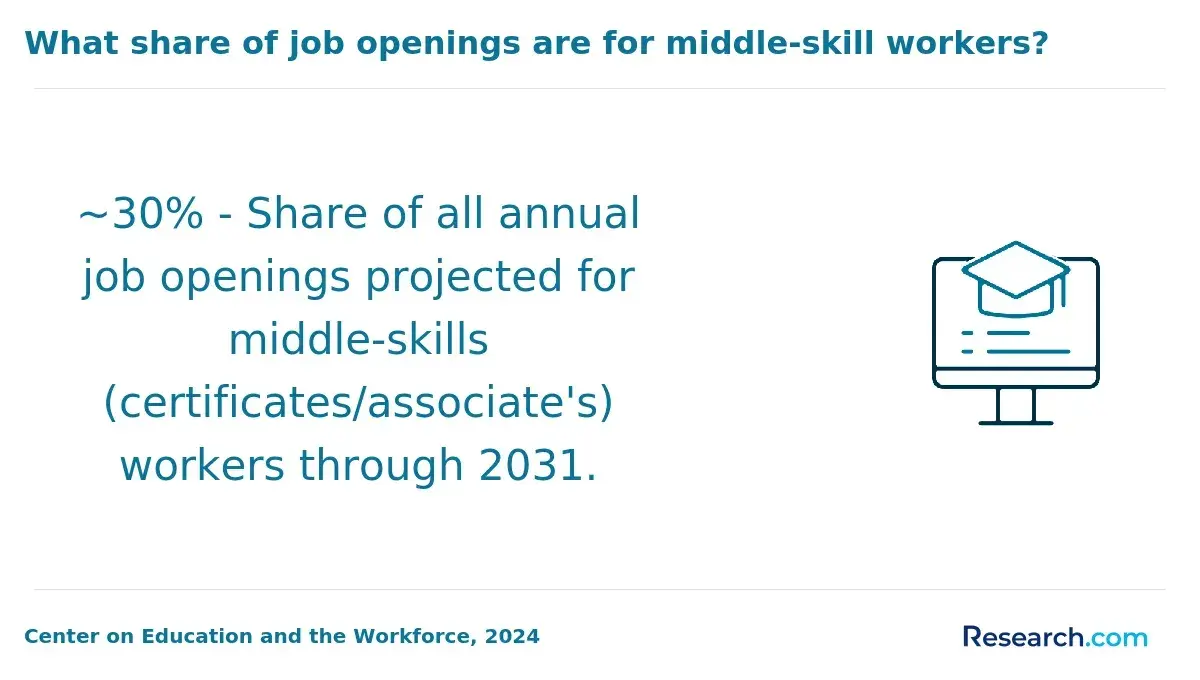
Interior design roles related to residential and commercial projects are poised for above-average growth driven by shifting demographics and urban expansion. An aging society increases the need for adaptive environments in healthcare and senior living, boosting opportunities for designers specializing in accessibility and functionality.
- Technological Adoption: Incorporating tools like 3D modeling, virtual reality, and sustainable design practices is reshaping career prospects. Jobs blending technical expertise with creativity-especially in eco-conscious and smart buildings-are expected to experience significant growth as clients and industries emphasize efficiency and environmental impact.
- Policy and Investment Influence: Increased public and private spending on infrastructure and renovation projects supports roles in historic preservation and institutional design. These sectors often show stronger resilience against economic fluctuations due to steady funding and commercial renewal efforts.
- Flat or Declining Growth Areas: Positions mainly focused on purely aesthetic interior decorating without technical skills may face stagnant or shrinking demand amid growing competition and digital alternatives. Professionals in such roles might enhance their prospects by pursuing specialized credentials in green design or project management to stay competitive.
- Regional Variability: National projections mask substantial differences influenced by location-specific real estate markets and industry trends. Local economic and demographic factors create a varied landscape of opportunity across regions, emphasizing the importance of considering geographic and sector contexts when planning a career.
How Is Work-Life Balance Defined and Measured Across Interior Design Degree Career Paths?
Work-life balance in interior design careers is a multifaceted concept evaluated through specific, measurable indicators. These include average weekly hours worked, schedule predictability, remote or hybrid work options, paid time off (PTO) standards, and employee satisfaction ratings from platforms like Glassdoor, Indeed, and Payscale.
By integrating these metrics, this analysis creates a detailed profile for each major interior design career path using data from the BLS American Time Use Survey, workforce studies, and employer review aggregators.
- Average Weekly Hours: Entry-level interior designers usually report working between 40 and 50 hours, often with deadline-driven peaks, while senior roles tend to have steadier schedules closer to 40 hours weekly.
- Schedule Predictability: Designers in corporate or public sectors generally experience more consistent hours than those in freelancing or boutique firms, which face variable client and project demands.
- Remote/Hybrid Availability: Increasingly accessible in consultation and planning positions, remote work boosts flexibility but on-site visits remain essential in many roles.
- Paid Time Off Norms: Larger firms and government jobs often offer standardized PTO policies, whereas smaller studios can have more variable and sometimes less generous leave benefits.
- Employee Satisfaction Scores: Review data show improved work-life balance perceptions among mid-career and senior designers compared to newcomers, influenced by employer type and role.
Work-life balance in interior design also shifts by employer type, sector, and career stage-early-career professionals often face heavier workloads and fewer flexible hours while gaining experience and clients. Conversely, experienced designers usually negotiate better schedules or choose employers that align with personal lifestyle goals.
Recognizing work-life balance as a dynamic factor, interior design professionals can actively shape it by choosing employers carefully and pursuing paths that support integration. Those interested in further education to enhance their career leverage may explore affordable online masters programs as a strategic option. This approach aligns with measuring work-life integration in US interior design jobs and helps maintain sustainable career growth over time.
Which Interior Design Career Paths Rank Highest When Salary, Growth, and Work-Life Balance Are Weighted Together?
Balancing salary, career advancement, and work-life quality equally reveals standout interior design roles offering a well-rounded professional experience. This approach identifies careers that combine financial reward, growth potential, and manageable lifestyles-essential factors for long-term career satisfaction.
- Commercial Interior Designer: Features strong earning potential and steady demand across retail, office, and hospitality sectors. Work-life balance rates moderately well thanks to project-driven rhythms that support predictable scheduling.
- Residential Interior Designer: Although income may trail commercial roles slightly, growth remains robust particularly in metropolitan areas. This path excels in work-life balance due to flexible client collaboration and fewer urgent deadlines.
- Exhibition Designer: Boasts significant growth prospects fueled by expanding museum and trade show markets. Salaries are competitive, and flexible project timelines contribute to high balance ratings.
- Set Designer for Film and Television: Commands premium salaries and creative challenges. Growth is steady though not exceptional, while work-life balance can be demanding-yet still better than many creative fields.
- Lighting Designer: Experiences notable growth driven by sustainability trends, with decent pay and excellent work-life balance stemming from specialized but manageable tasks.
- Kitchen and Bath Designer: Reflects a balanced profile with sound salary and growth coupled with positive work-life balance through regular hours and repeat clientele.
- Furniture Designer: Offers consistent salary and lifestyle stability but slower career growth, making it less competitive overall despite its appeal to those valuing steadiness.
Priorities vary-graduates focused on income might emphasize commercial or set design despite their greater demands, while those valuing lifestyle could lean toward residential or lighting design. Adjusting the weights allows tailoring career choices to individual goals.
How Does Specialization Within Interior Design Fields Affect Salary, Career Growth, and Work-Life Balance Outcomes?
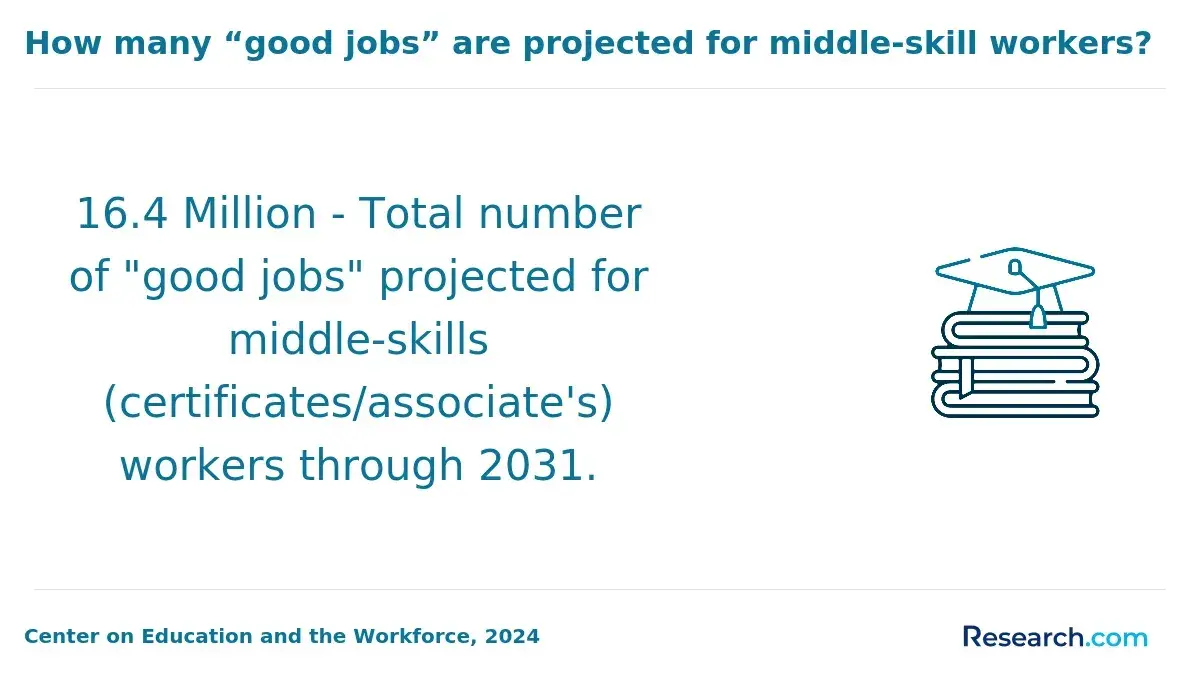
Choosing a specialization within interior design significantly affects salary levels, career advancement, and work-life balance-shaping distinct professional outcomes compared to a generalist route. Making an early commitment to a niche helps define long-term earning potential and growth, influenced by credentials, market demand, and working conditions.
- Healthcare Interior Design: Recognized for above-average pay due to strict regulations and high-stakes projects, this area is expected to grow steadily as healthcare infrastructure expands.
- Corporate and Commercial Interior Design: Offers robust salary increases during mid-career stages but often entails intense workloads and tight deadlines that challenge personal time, especially during major renovations or new developments.
- Sustainable Interior Design: As environmental concerns drive demand, this rapidly expanding specialty delivers moderate salaries with strong long-term career prospects and a generally balanced, consultative work environment.
- Residential Interior Design: Valued for flexibility, this path supports better work-life balance, particularly for freelancers or boutique firm owners; while median earnings tend to be lower, seasoned designers with loyal clients can achieve competitive income.
- Set and Exhibit Design: This niche field offers variable income with project-dependent peaks, slower growth overall, but an engaging and varied lifestyle appealing to creatively motivated professionals.
Entering specialized areas usually requires targeted graduate coursework or certifications such as WELL AP for healthcare or LEED for sustainability, with early-career rotations helping clarify one's preferred focus. These specialization choices accumulate, leading to divergent salary ceilings, advancement pathways, and lifestyle possibilities.
While specialization tends to boost early earnings and career clarity, some generalist interior designers reach higher salaries as senior leaders by broadening their skill sets and assuming strategic roles. The American Society of Interior Designers reports that jobs requiring green building certifications have increased 26% faster than the interior design average over the past five years, highlighting sustainability's growing influence.
How Does Geographic Location Shape Salary, Job Growth, and Work-Life Balance for Interior Design Graduates?
The geographic region strongly influences salary levels, job growth, and work-life balance for interior design graduates, as shown by BLS sub-national Occupational Employment and Wage Statistics alongside state workforce data. Graduates should weigh these regional variations carefully when planning their careers.
- Northeast: Metropolitan hubs like New York City and Boston lead with some of the highest median salaries. Yet, the high cost of living-especially housing and taxes-often reduces overall purchasing power. Job growth remains steady but competitive, with challenging commutes and demanding clients affecting work-life balance.
- Southeast: Cities such as Atlanta and Miami offer moderate salaries paired with faster employment growth. Lower living costs here enhance adjusted financial outcomes. Many benefit from shorter commutes and expanding opportunities in residential and hospitality design, fostering better work-life balance.
- Midwest: Chicago and Minneapolis provide moderate wages with slower but stable growth. Affordable living costs improve disposable income, and the region's lifestyle encourages strong work-life equilibrium, appealing to those valuing community and family ties.
- Southwest: Areas like Dallas and Phoenix combine competitive salaries with robust commercial and residential sector growth. Urban expenses are rising but remain balanced by reasonable housing and less congested commutes, supporting healthier work-life conditions.
- West: High-paying metropolitan zones such as San Francisco and Seattle face the steepest living costs. Despite high compensation, purchasing power often diminishes. Widespread remote and hybrid work models allow professionals to earn city-level wages while residing in lower-cost nearby areas, enhancing lifestyle flexibility.
Remote and hybrid work have begun decoupling interior design salaries from physical locations-especially for digital visualization and consultancy specialties-allowing many to achieve income often tied to top-tier markets without the associated living expenses.
Choosing where to establish a career thus requires balancing salary potential against personal priorities like housing affordability, commute length, community, and family needs.
How Do Public Sector and Private Sector Interior Design Careers Compare Across All Three Ranking Dimensions?
The comparison between public sector and private sector interior design careers reveals clear differences in salary, growth, and work-life balance that influence career decisions for those holding an interior design degree. These distinctions help individuals evaluate where their skills and priorities align best over the long term.
- Salary: Private sector interior design roles generally offer higher base salaries at entry, mid, and senior levels compared to public sector counterparts-entry-level private positions can pay 10-20% more, with senior roles showing gaps of 25% or more. However, the public sector compensates with significant non-salary benefits that narrow this gap. Defined-benefit pensions provide long-term financial stability rarely matched by private firms. Public employees often receive comprehensive health coverage with lower out-of-pocket costs and may qualify for loan forgiveness programs, making total compensation considerably more competitive than base salary alone.
- Growth: The comparison of public and private sector interior design job market trends in the US highlights that public sector hiring growth is focused in agencies related to infrastructure development, historic preservation, and educational facility upgrades. Federal and state transportation departments and public universities have increased recruitment, driven by government efforts promoting sustainable, inclusive design. In contrast, private sector growth is strongest in corporate office redesigns, hospitality, and technology campuses-sectors where innovation and brand-driven aesthetics are paramount. While private firms tend to expand rapidly with market demands, public agencies provide steadier, more predictable hiring linked to long-term public budget cycles.
- Work-Life Balance: Public sector jobs often provide greater schedule predictability, standard working hours, and more generous leave policies, contributing to higher employee satisfaction reported in workforce surveys. These roles also typically include formalized time-off accruals and family-friendly policies. Private sector experiences vary widely; some employers offer flexible hours, while others demand longer or irregular workdays during critical project phases. Work-life balance depends heavily on specific roles, agency or company culture, and career stages. Overall, public sector positions are frequently rated more favorably for sustained lifestyle balance across an interior design career.
For students and professionals exploring options, earning an online urban planning degree can also complement an interior design background by expanding opportunities in public sector roles focused on urban infrastructure and development projects.
What Role Do Advanced Degrees and Certifications Play in Improving Salary, Growth, and Balance for Interior Design Professionals?
Advanced degrees and certifications can notably impact salary growth, career advancement, and work-life balance for interior design professionals. According to data from the National Association of Colleges and Employers (NACE) and the Bureau of Labor Statistics (BLS), a master's degree holder in interior design typically earns 10%-20% more than those with only a bachelor's degree.
Doctoral degrees, though less common, open doors to academic, consulting, or research roles with distinct salary structures but often involve longer study and may challenge work-life balance.
- Master's Degree: Requires 1-3 years beyond the bachelor's, costing between $20,000 and $60,000. It accelerates career progression by qualifying professionals for senior design roles, management, and specialized areas such as sustainable or healthcare design.
- Professional Certifications: Such as NCIDQ (National Council for Interior Design Qualification), require education, experience, and exams. They can increase salaries by 5%-15% and provide access to licensed practice and government projects unavailable to uncertified designers.
- Doctoral Degrees: Typically take 3-5 years or more and suit those pursuing research or academic careers. While salary rewards can be high, these roles may reduce work-life balance due to teaching and research demands.
Work-life balance varies-advanced degrees leading to leadership or consulting roles usually offer greater autonomy and flexible schedules, whereas certifications tied to compliance or high-pressure projects may increase stress despite higher pay. Interior design professionals should align advanced degrees and credentials with their career goals-whether seeking salary growth, faster promotion, or better balance.
For those exploring further education options, reviewing programs like the cheapest online environmental science degree can provide insight into cost-effective pathways. Ultimately, strategic investment in advanced degrees tailored to career ambitions maximizes long-term returns across salary, growth, and lifestyle considerations.
How Do Remote and Hybrid Work Arrangements Affect the Salary, Growth, and Work-Life Balance Rankings for Interior Design Careers?
Remote and hybrid work options vary widely across interior design career paths, affecting salary, advancement, and lifestyle. Roles like interior design consultants and project managers often offer significant location flexibility, frequently supporting fully remote or hybrid schedules. Conversely, site-based interior designers in commercial or residential settings generally need to be onsite regularly due to direct client engagement and physical space evaluations.
- Salary: Positions eligible for remote work frequently maintain salaries on par with their in-person counterparts. Some organizations adjust pay according to geographic location-offering a premium for employees in costly urban markets or providing lower compensation for remote workers in less expensive regions. Designers capitalizing on geographic arbitrage can boost their effective earnings by receiving competitive salaries while residing in more affordable areas.
- Growth: Remote or hybrid work may hinder visibility and networking, potentially delaying career advancement in fiercely competitive sectors of interior design. However, firms with well-established distributed work cultures-especially in consulting and corporate design roles-tend to preserve usual growth trajectories regardless of work location.
- Work-Life Balance: The advantages of decreased commuting and flexible scheduling enhance work-life balance for many interior design professionals. Nonetheless, risks like blurred boundaries between work and personal time, plus an "always-on" work environment, challenge individuals without dedicated home offices or strong time management skills. Personal disposition and living situations greatly shape these experiences.
As of 2023, roughly 38% of interior design professionals have access to remote or hybrid work arrangements-a significant rise that underscores the industry's growing acceptance of flexible employment models.
Which Interior Design Degree Careers Offer the Best Work-Life Balance Without Significantly Sacrificing Salary or Growth?
Several interior design careers stand out by offering a strong trifecta of salary, growth opportunities, and work-life balance without demanding major compromises. Research combining reviews from Glassdoor, PayScale's Work-Life Balance Index, and the BLS American Time Use Survey highlights roles where income levels and advancement potential align well with manageable schedules and supportive workplaces.
- Corporate Interior Designer: Typically employed by large companies or retail brands, these designers focus on office or branded environments. Structured hours and options for remote work contribute to a consistent routine. Career advancement is supported through in-house mentorship and clear pathways to leadership roles. Above-average salaries reflect the sector's investment in employee wellbeing and stability.
- Healthcare Interior Designer: Working in hospitals, clinics, and eldercare facilities, these professionals blend creativity with compliance to safety standards. Their work environments prioritize efficiency and security, often offering regular daytime schedules. Demand remains steady due to ongoing growth in healthcare infrastructure, ensuring job stability. Specialized skills earn salaries that exceed average levels.
- Residential Interior Designer: Focused on private residences, these designers often work independently or within small firms. Flexible hours allow better control of workload and client engagement. Income can increase markedly with reputation and referral networks. Advancement depends heavily on building connections and expertise in niche markets.
Individual experience within these roles can vary widely based on employer culture and team dynamics-making these insights a useful starting point rather than a guarantee of job satisfaction. Notably, a 2023 PayScale study indicates that 62% of interior designers consider flexible work arrangements a key contributor to their job satisfaction, underscoring the growing importance of balance in this field.
What Graduates Say About the Interior Design Degree Careers Ranked by Salary, Growth, and Work-Life Balance
- Jase: "Choosing an interior design degree was one of the best decisions I made, especially when considering salary prospects-the field offers competitive pay that grows consistently with experience. What surprised me most was the strong long-term career growth, with opportunities expanding into specialized design areas and project management roles. Day-to-day work-life balance is achievable too, as project deadlines allow for flexible scheduling, which keeps the job exciting without feeling overwhelming."
- Kyro: "Reflecting on my journey through interior design, I've come to value the steady career growth more than just the initial salary. It's rewarding to see how your skills develop and open doors to leadership positions over time. However, maintaining a good work-life balance can be tricky during intense project phases, so learning to manage time effectively is key for long-term success."
- Aaron: "From a professional standpoint, the interior design degree prepares you well for a lucrative career with a solid salary foundation. I've noticed that opportunities for advancement are plentiful, especially if you continue refining your niche expertise. That said, the daily work environment often strikes a healthy balance between creativity and structure-keeping stress levels manageable while allowing room for personal expression."
Other Things You Should Know About Interior Design Degrees
Entry-level interior design professionals typically earn lower salaries and face slower growth initially as they develop skills and build portfolios. Senior-level roles offer significantly higher pay and greater leadership responsibilities, often with more influence over project decisions. Work-life balance may improve at senior levels due to increased control over schedules, but leadership duties can also introduce added stress and longer hours.
The industry sector plays a critical role in shaping salary and growth prospects for interior design graduates. For example, those working in commercial or corporate design often see higher salaries and rapid advancement compared to residential design roles. However, corporate settings may demand more rigid hours, while freelance or boutique interior design jobs tend to offer greater flexibility but less predictable income and slower career progression.
References
- Is Interior Design a Good Career? Salary, Stability & Challenges Explained https://aaft.com/blog/interior/is-interior-design-a-good-career/
- Video: Choosing Between An Interior Design Certification Vs. Degree https://pro.houzz.com/pro-learn/blog/startup-guide-interior-design-certification-vs-degree
- Advancing Your Interior Design Career: Top Strategies for Professional Growth and Recognition https://www.homestyler.com/article/advancing-your-interior-design-career
- I Never Use the Term “Work-Life Balance.” Here’s Why - Marketing for Interior Designers https://interiordesignmasterclass.ca/i-never-use-the-term-work-life-balance-heres-why/
- Top 12 Career Paths You Can Take as an Interior Designer https://www.dreamzone.co.in/blog/top-12-career-paths-you-can-take-as-an-interior-designer/
- Interior Design Career Opportunities: Turn Creativity into Success https://nifglobal.college/blog/interior-design-career-opportunities-where-creativity-meets-career-growth/
- Careers in Interior Design - The Ultimate Guide | NYIAD https://www.nyiad.edu/design-articles/career-guides/interior-design
- Everything You Need to Know About Interior Design Jobs and Their Salaries https://www.architecturaldigest.com/story/interior-design-jobs-guide
- 30+ Interior Design Statistics That Matter in 2026 https://www.asdav.in/blog/interior-design-statistics/
- Making Remote Work for Interior Design https://thepearlcollective.com/making-remote-work-for-interior-design/


