2027 Is a Gifted Education Master's Degree Worth It? ROI, Salary & Career Impact

Co-Founder and Chief Data Scientist
Many educators and career changers struggle to evaluate if a master's degree in gifted education justifies the investment. Research shows that only 22% of education master's graduates report salary increases above 15% within five years, raising concerns about the degree's financial return. Meanwhile, demand for qualified gifted education specialists is projected to grow modestly by 5% through 2030.
This article examines salary trends, ROI metrics, admission requirements, and employer perspectives, guiding prospective students through a comprehensive analysis to determine if a gifted education master's degree aligns with their financial capabilities and long-term career goals.
Key Things to Know About the Value of Gifted Education Master's Degree
- Admission typically requires a bachelor's degree and teaching experience; programs often combine coursework and practicums over 1-2 years with flexible online or in-person formats.
- Graduates can expect median salaries between $55,000 and $70,000, reflecting specialized skills valued in advanced K-12 educational roles.
- Long-term career growth includes leadership opportunities and higher earning potential; comparing cost, flexibility, and accreditation helps identify the best program ROI.
How Much Does a Gifted Education Master's Degree Cost?
Estimating the total cost of a gifted education master's degree is crucial for prospective students considering this specialized training. Demand for educators in this field has driven average salaries up by approximately 5% over recent years, according to the National Center for Education Statistics, reinforcing the importance of understanding tuition and expenses. Below is a concise breakdown of typical fees and costs that affect the overall financial commitment.
- Public Institution In-State Tuition: These programs commonly charge between $8,000 and $15,000 for the full degree, typically covering 30 to 36 credit hours. In-state rates offer the most economical option for residents pursuing gifted education master's program tuition fees.
- Public Institution Out-of-State Tuition: Out-of-state students often face rates two to three times higher, with total costs ranging from $15,000 to $30,000. This reflects the elevated per-credit fees charged to non-residents.
- Private Institution Tuition: Tuition usually falls between $20,000 and $50,000 regardless of residency status. Private programs often justify this premium with smaller classes and specialized faculty expertise.
- Online Program Costs: Online gifted education master's degrees vary widely, costing anywhere from $10,000 to $35,000. These programs offer flexible scheduling but may include additional technology fees averaging $300 to $600 per year.
- Ancillary Expenses: Textbooks and materials generally require a budget of $1,000 to $2,500. Housing and living expenses further impact total investment, often adding $10,000 to $20,000 annually, especially for students living on campus or nearby.
- Program Length Impact: Most degrees require 1.5 to 3 years to complete. Accelerated or part-time formats can influence costs by shortening or extending tuition payment periods and adjusting living expense duration.
Those exploring cost-effective options may also consider one year masters programs offering accelerated paths. Assessing gifted education master's program tuition fees alongside these factors enables a well-informed decision that aligns with personal and financial goals.
What Financial Aid and Scholarships Are Available for Gifted Education Master's Students?
Securing financial aid is vital for prospective gifted education master's students to manage costs and maximize their investment. With graduate enrollment steadily increasing, more students seek accessible funding sources for gifted education master's programs. Below is an overview of major financial aid categories and tips to enhance scholarship success.
- Federal Graduate Loans: Students may apply for subsidized and unsubsidized loans via the Direct Loan program. Subsidized loans do not accrue interest while enrolled at least half-time, unlike unsubsidized loans, which accrue interest immediately. Repayment generally begins six months after graduation or reduced enrollment.
- Institutional Grants and Fellowships: Many universities offer merit- or need-based grants targeting gifted education students. Applicants must monitor deadlines and maintain academic standards to keep eligibility.
- External Scholarships: Organizations such as the National Association for Gifted Children and local foundations provide scholarships based on achievement, leadership, and commitment to gifted education.
- Discipline-Specific Funding Searches: Utilizing scholarship databases and professional education associations improves chances of discovering relevant awards aligned with career goals.
- Building Competitive Applications: Strong personal statements, recommendation letters, and experience with gifted populations are essential. Early preparation and understanding scholarship requirements boost prospects.
For more resources, prospective students can explore options like the fastest online psychology degree programs, which often provide insights into accelerated pathways and funding. Navigating financial aid options for gifted education master's programs requires thorough research and strategic application to support both academic and career trajectories.
What Is the Average Salary for Gifted Education Master's Degree Holders?
Prospective students considering a gifted education master's degree often weigh potential earnings as part of their decision-making. Salary varies by experience, sector, and location, shaping career prospects in this specialized field. The following points outline key salary insights relevant to graduates.
- Salary by Experience Level: Entry-level professionals generally earn between $50,000 and $60,000 annually. Mid-career educators tend to see salary increases, ranging from $65,000 to $80,000, while those in senior roles, including specialists or administrators, can command $85,000 to $100,000, according to LinkedIn Salary and Glassdoor data.
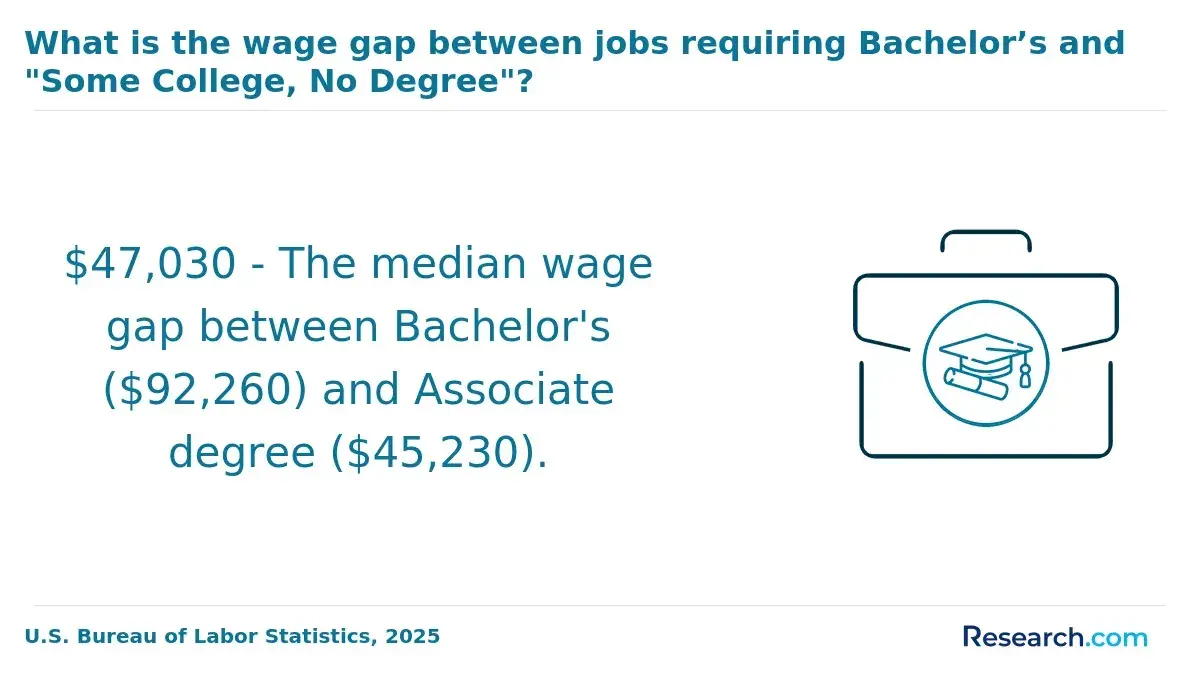
- Wage Premium Over Bachelor's Degree: Individuals with a master's in gifted education typically receive 15% to 25% higher pay compared to colleagues holding only a bachelor's degree. The Bureau of Labor Statistics highlights that advanced qualifications often translate to better compensation.
- Sector Variations: Public school systems usually offer steady salaries coupled with benefits, whereas private or specialized institutions may present higher pay but with varied job security. Salaries in nonprofit organizations tend to be lower but can provide unique professional growth chances.
- Geographic Differences: Earnings tend to be higher in urban areas and states with greater living costs like California and New York. Conversely, rural regions often see more modest salary scales reflective of local economic conditions.
A graduate of a gifted education master's program shared reflections on the journey: balancing coursework with a full-time teaching job was demanding, yet the specialized knowledge gained proved invaluable. Applying new strategies directly to classroom settings boosted confidence and opened doors for leadership roles. Although the salary increase wasn't immediate, the degree equipped this educator with tools that have steadily advanced career opportunities and professional fulfillment over time.
How Does a Gifted Education Master's Degree Impact Long-Term Career Advancement?
For prospective students considering a gifted education master's degree, evaluating its impact on long-term career growth beyond the initial salary increase is crucial. This degree often serves as a launchpad for sustained professional advancement and can influence various dimensions of career trajectory. Below are key factors that demonstrate how earning this credential supports broader career development.
- Promotion Rates: Educators with a gifted education master's degree frequently experience higher promotion rates. The advanced knowledge signals readiness for greater responsibilities and makes candidates more competitive for roles such as curriculum specialists or academic coordinators, aligning with long-term career benefits of a gifted education master's.
- Leadership Roles: This degree qualifies holders for leadership positions within schools and districts. Employers often prioritize candidates with specialized master's credentials for roles like gifted program directors or instructional coaches, enhancing career growth prospects.
- Access to Senior Positions: A gifted education master's opens doors to senior roles requiring specialized expertise, including district-level administration and policy advisory jobs that often come with increased influence and financial rewards.
- Professional Credibility: Obtaining this degree enhances professional credibility among peers and employers. It reflects a commitment to specialized instruction, which builds trust and reputation within educational communities.
- Expanded Networks: Graduate programs foster connections with faculty, practitioners, and alumni. These networks provide mentorship, job leads, and opportunities that contribute to ongoing career progression.
- Employer Preferences: Schools increasingly prefer or require gifted education credentials for specialized roles. This degree is often essential in K-12 settings and advantageous in related fields like educational consulting.
- Industry Variations: While critical for specialized teaching roles in K-12 education, the degree may be beneficial but not mandatory in sectors such as educational consulting, affecting career strategies accordingly.
- Continuing Education: Many graduates pursue doctoral studies or additional professional certifications to further enhance expertise and qualify for top-tier academic or administrative positions beyond the master's level.
For those exploring related fields or seeking specialized knowledge, programs such as online mental health counseling programs may complement career objectives, adding further dimensions to personal and professional growth.
What Is the Return on Investment (ROI) of a Gifted Education Master's Degree?
This overview offers prospective students insight into the potential career and financial outcomes associated with earning a gifted education master's degree. It outlines how to assess return on investment (ROI) by comparing costs and expected salary increases, while highlighting common scenarios and timelines for recouping expenses.
Key elements influencing ROI include:
- Total Program Cost: This encompasses tuition, fees, and course materials, varying widely based on whether the institution is public or private. Lower tuition at public universities generally lowers initial expenses, whereas private institutions tend to be more costly, affecting overall investment size.
- Lifetime Salary Premium: Graduates often earn more than those with just bachelor's degrees, but the amount depends on geographic region, job title, and school funding. Roles like curriculum coordinators or administrators typically command higher pay compared to classroom teaching positions.
- Payback Period: This refers to the number of years needed to recover the degree's cost through increased earnings. For gifted education master's holders, this commonly ranges between three and seven years, influenced by salary growth and program expenses.
- Opportunity Cost: Income forgone while studying full-time can reduce net gains. Strategies such as part-time enrollment or employer tuition help can mitigate this, improving long-term ROI.
- Best-Case and Worst-Case Scenarios: The highest returns are found in leadership roles or well-funded districts where salaries rise significantly, often exceeding a 10% ROI. Conversely, those working in underfunded areas or positions without pay raises may receive little financial benefit, making non-monetary rewards more significant.
- ROI Calculators and Resources: Personalized estimates can be generated using online calculators that factor in tuition, salary projections, and study duration, aiding informed decisions.
When asked about their experience, a gifted education master's graduate explained how balancing coursework with a full-time job was challenging but valuable. They noted, "The flexibility of part-time classes made managing work and study less stressful." Their employer's tuition reimbursement program notably eased financial pressure, allowing a focus on learning rather than costs. Over time, they observed salary increases in specialized roles that confirmed the degree's worth beyond initial sacrifices. "It wasn't easy, but knowing the degree would open doors made it feel manageable," the graduate reflected, emphasizing the personal and professional growth that accompanied the journey.
What Are the Admission Requirements for a Gifted Education Master's Program?
Applicants to gifted education master's programs typically face a range of criteria designed to assess academic preparedness and professional potential. The following points outline key admission components that institutions commonly evaluate.
- Undergraduate GPA Benchmarks: Most programs expect a minimum GPA around 3.0 on a 4.0 scale, though more selective schools often require higher academic achievement to demonstrate readiness for graduate coursework.
- Standardized Test Requirements: While some programs continue to request GRE scores, many have shifted to optional testing policies post-2020. The GMAT is rarely needed for gifted education applicants but verifying each program's current guidelines is essential.
- Prerequisite Coursework: Completion of foundational undergraduate courses in education, psychology, or related disciplines is generally necessary. This background ensures applicants possess essential theoretical knowledge and familiarity with child development.
- Statement of Purpose: This essay plays a pivotal role by articulating the candidate's motivation, career aspirations, and alignment with the program's goals. Clear, focused statements that showcase relevant experience and a vision for contributing to the field stand out.
- Letters of Recommendation: Two to three references from academic or professional sources are typically required. These letters provide insight into an applicant's skills, work ethic, and suitability for advanced study.
- Relevant Work or Research Experience: Involvement in teaching, counseling, or research related to gifted education enhances an applicant's profile, demonstrating practical understanding and commitment.
Top-tier programs often apply more comprehensive and competitive admission standards, favoring well-rounded candidates with strong academics and meaningful experience. Less selective institutions may focus primarily on meeting minimum GPA requirements and prerequisite completion, allowing a broader range of candidates to qualify. Strategic applicants emphasize both academic excellence and professional engagement to maximize their competitiveness.
What Is the Minimum GPA Requirement for a Gifted Education Master's Program?
The minimum GPA requirement for admission to a gifted education master's program generally falls between 3.0 and 3.5 on a 4.0 scale, though this varies widely depending on the institution's selectivity and academic ranking. Top-tier programs tend to impose higher GPA thresholds due to competitive applicant pools and rigorous academic standards, whereas regional or less selective universities may accept GPAs as low as 2.7, particularly if other aspects of the application are strong. For applicants with a lower undergraduate GPA, options remain available since many programs assess compensating factors like relevant professional experience, a compelling personal statement, or strong standardized test scores such as the GRE.
Additionally, conditional admission or probationary enrollment pathways are sometimes offered, allowing borderline candidates to prove their capabilities through initial coursework before full acceptance. To help applicants with suboptimal GPAs navigate these challenges, consider the following key strategies and insights:
- Typical GPA Ranges: Most gifted education master's programs require a minimum GPA between 3.0 and 3.5, but some institutions accept lower thresholds when other credentials are strong, reflecting varying academic standards.
- Importance of Work Experience: Demonstrable experience in education or related fields can compensate for a lower GPA by showcasing practical skills and commitment to the profession.
- Role of Personal Statements: A well-crafted narrative that conveys passion, goals, and personal growth can strengthen applications and offset weaker academic metrics.
- GRE Score Impact: High GRE scores may enhance admission prospects by highlighting readiness for graduate-level study, especially where GPA is borderline or below preferred standards.
- Conditional and Probationary Admission: These options allow candidates to begin studies with certain academic contingencies or limited status and prove their ability through initial coursework.
- Application Strategies: Targeting programs with flexible admissions policies while building a strong overall profile-including recommendation letters and relevant experience-improves acceptance chances.
Exploring pathways to advanced education also involves evaluating program costs and financial aid opportunities, especially for those balancing budget constraints. For example, prospective students interested in related areas may also investigate affordable options like an MFT degree, which can influence career trajectories and financial outcomes in education and counseling sectors. Assessing the required academic standards for master's in gifted education alongside personal and professional goals helps ensure the degree aligns with the long-term return on investment and career aspirations.
Is an Online Gifted Education Master's Degree as Valuable as an In-Person Degree?
For prospective students evaluating online versus in-person master's programs in gifted education, it is essential to understand how employer attitudes and program qualities have shifted, especially since remote learning became widespread. These factors influence career prospects, learning experience, and overall return on investment. The following points offer a clear overview of these considerations.
- Accreditation Is Key: Employers prioritize accreditation status above whether a degree was earned online or on campus. Accredited online master's degrees hold equivalent credibility as residential ones, assuming the institution upholds rigorous academic standards.
- Comparable Rigor and Curriculum: Online programs accredited in gifted education typically match the quality and depth of traditional curricula. The introduction of synchronous classes and enhanced academic integrity measures have narrowed previous differences in engagement and instruction quality.
- Networking Possibilities: Face-to-face interaction in in-person programs often facilitates stronger peer connections and networking events. However, leading online degrees increasingly offer robust virtual networking through live discussions, group assignments, and dedicated forums, enhancing community building remotely.
- Career Support Services: On-campus programs may provide more extensive career counseling and localized internship placements. Nonetheless, many high-quality online programs now deliver personalized job coaching and virtual career fairs, though access to hands-on opportunities can vary.
- Flexibility and Accessibility Benefits: The flexibility of online learning suits working professionals and those unable to relocate. This adaptability can enable faster completion while maintaining employment, which may improve overall return on investment.
- When In-Person Experiences Matter: Candidates seeking immersive, practical experiences and connections within specific school districts may find on-campus attendance advantageous for skill development and job placement in local education communities.
What Jobs Can You Get With a Gifted Education Master's Degree?
For those considering a master's degree in gifted education, it's important to recognize the diverse career pathways available and how the degree factors into job qualifications. Some positions mandate the degree as a credential for employment, while others see it as a valuable asset that strengthens candidacy. Additionally, shifts in education practices and technology continue to expand roles beyond traditional teaching.
Key roles often filled by gifted education master's graduates include:
- Educational Consultant: Typically hired by school systems or private agencies, these professionals focus on developing and assessing programs tailored for gifted learners. Although not always strictly required, having a gifted education master's significantly boosts credibility and earning capacity, with salaries ranging from about $65,000 to $90,000 annually. Leadership certifications further enhance job prospects.
- Specialized Gifted Education Teacher: This position usually demands a master's degree in gifted education and an appropriate teaching license. Salaries tend to vary between $50,000 and $80,000, influenced by school type and location, with private and charter schools often offering higher pay.
- Program Director for Gifted Services: These leaders oversee gifted education initiatives at district or state levels and generally require administrative credentials alongside advanced knowledge. Compensation often surpasses $80,000, reflecting the scope of responsibilities.
- Educational Researcher or Policy Analyst: Working in academic, governmental, or think tank settings, these roles apply research findings to shape educational policies focused on gifted learners. While a master's is minimum, a doctorate is common among top candidates. Salaries typically span $60,000 to $100,000 depending on experience and employer.
- Instructional Coordinator with a Gifted Focus: Charged with designing gifted curricula, these professionals benefit from a master's degree and may see pay between $55,000 and $85,000. Additional curriculum development certifications can improve career progression.
How Do Employers and Industries Value a Gifted Education Master's Degree?
Prospective students considering a gifted education master's degree should understand how various employers value this credential to evaluate its career benefits effectively. Employer perception influences hiring and promotion decisions, which differ significantly across industry sectors and roles. This context helps candidates align their qualifications with workplace expectations in the field of gifted education.
- Large Corporations Prefer Practical Expertise: Employers in corporate educational consulting or curriculum development prioritize the specialized knowledge gained from a gifted education master's degree. However, advancing into leadership roles usually requires additional qualifications such as MBAs or doctorates.
- Government Agencies Recognize Credential Standards: In public education departments, this master's degree is often a key criterion for positions involving gifted program management or policy development, though doctorate holders may be preferred for intensive research roles.
- Startups Value Flexibility and Innovation: Edtech startups emphasize adaptable skills over formal credentials. The degree adds value primarily when combined with relevant experience and technology proficiency.
- Nonprofits Emphasize Mission Alignment: Organizations focused on educational equity and gifted student support regard the degree as essential, especially for program design and leadership roles, often supplemented by field experience.
- Disciplinary Differences Affect Expectations: In many education sectors, the master's degree serves as a terminal professional credential. For advanced research or administrative tracks, employers may favor candidates with doctorates.
- Communicating Value Effectively: Applicants should emphasize their specialized skills, leadership potential, and measurable project outcomes to demonstrate practical impact. Tailoring these points to specific employer needs strengthens the perceived value of their degree.
For those comparing educational pathways, resources like the criminal justice degree online accredited programs can offer insights into cost and ROI that may inform decisions about pursuing a gifted education master's. This is particularly relevant since evaluating industry demand for gifted education master's graduates involves understanding credential standards and professional recognition across sectors.
Is a Gifted Education Master's Degree Worth It?
For individuals considering a master's degree in gifted education, understanding employer preferences and disciplinary norms is key to assessing the credential's career value. Different organizations prioritize formal qualifications variably, influencing how this degree impacts hiring and advancement.
- Employer Type Variability: Large corporations and government bodies often treat a gifted education master's degree as a reliable qualification, especially for roles focused on educational policy development and program oversight. In contrast, startups and nonprofit organizations usually emphasize hands-on experience but still acknowledge the degree positively when it supports mission-related objectives.
- Industry Survey Insights: Recent surveys reveal that roughly 60% of employers within education-centered entities consider the master's degree an important factor in recruitment and promotion, particularly across public agencies and nonprofits that prioritize specialized training.
- Disciplinary Expectations: In many gifted education fields, the master's qualification is regarded as the standard professional endpoint, mainly within K-12 education settings. However, positions demanding leadership or extensive research often prefer candidates holding doctoral degrees or MBAs.
- Communicating Degree Value: Applicants improve their prospects by highlighting mastered skills such as advanced pedagogy and program design, directly correlating these competencies with employer goals. Demonstrating how the degree enables measurable improvements can significantly elevate its perceived worth during interviews and applications.
What Graduates Say About Their Gifted Education Master's Degree
- Chase: "Applying for admission to the gifted education master's program was initially daunting, but the detailed guidance provided through official academic catalogs made the process manageable and clear. Navigating the job landscape after graduation revealed a robust demand in both public schools and private educational organizations, which exceeded my expectations. I'm grateful for the accreditation knowledge I gained, as it assured me that my degree would be widely recognized and valued professionally."
- Serena: "Reflecting on my journey through the gifted education master's program, I found relying on federal education resources invaluable to understand evolving degree requirements and policy updates. The job market for gifted education graduates is quite diverse, opening doors beyond traditional teaching roles, which encouraged me to explore educational consulting. Although admission seemed competitive, thorough research and preparation helped me present a strong application that aligned with program standards."
- Adam: "Throughout my gifted education master's degree experience, I appreciated the structured yet flexible curriculum outlined in the official academic catalogs, allowing me to tailor my learning to my career goals. Job opportunities in gifted education have grown, particularly in curriculum development and advocacy, which I discovered while networking during the program. Understanding accrediting agencies early on gave me confidence that my education met national quality standards, making the transition into the workforce smoother."
Other Things You Should Know About Gifted Education Degrees
The best gifted education master's programs in the United States are typically offered by universities with established reputations in education and specialized curricula in advanced learning needs. Schools such as Vanderbilt University, University of Virginia, and Johns Hopkins University are well-regarded for their focus on gifted education. These programs usually combine research, practical training, and policy studies to prepare educators for various educational settings.
A gifted education master's degree provides a comprehensive academic foundation that includes theory, research methods, and practical application over multiple semesters. In contrast, professional certifications are often shorter, highly focused credentials targeting specific skills or state licensure requirements. While certifications can enhance a resume and meet regulatory demands, a master's degree offers broader career opportunities and deeper expertise in working with gifted students.
In 2027, the return on investment (ROI) for a Gifted Education master's degree depends on factors like program costs, location, and career advancement. Average ROI can vary, with salary increases ranging from 10% to 20% for those in educational roles, balanced against program costs and potential student debt.
References
- Whitworth University https://www.whitworth.edu/cms/academics/graduate-studies-in-education/center-for-gifted-education/mat-gifted-education-and-equitable-instruction/
- M.Ed. in Special Education | ACE https://ace.edu/degree-programs/masters-degrees/masters-education/master-of-education-in-special-education/
- Gifted Education: Unveiling the Pros and Cons — Vanguard Gifted Academy https://vanguardgiftedacademy.org/latest-news/gifted-education-unveiling-the-pros-and-cons
- Online vs. In-Person Graduate Programs https://wp.wpi.edu/catalyst/2024/04/17/online-vs-in-person-graduate-programs/
- Should You Go to Grad School Online or In Person? https://www.ets.org/grad-school-journey/online-vs-in-person.html
- Perspective | Career benefits of a master’s in education - EdNC https://www.ednc.org/perspective-career-benefits-of-a-masters-in-education/
- Gifted Education Tuition and fees https://online.missouri.edu/degrees-programs/mu/education/gifted-education/m-ed/financial
- Grants for Gifted Students | Davidson Institute https://www.davidsongifted.org/gifted-blog/grants-for-gifted-students/
- What is the Job Outlook for Teachers? | University of Bridgeport https://www.bridgeport.edu/news/job-outlook-for-teachers/
- Master of Gifted Education MGE https://www.unirank.org/guides/university-programs-courses/master-of-gifted-education/