2027 Is a Liberal Arts Master's Degree Worth It? ROI, Salary & Career Impact

Co-Founder and Chief Data Scientist
Many prospective students hesitate before committing to a liberal arts master's degree due to concerns about return on investment (ROI) and career outcomes. Recent data shows that median salaries for liberal arts master's graduates often lag behind those in STEM or business fields, with an average starting salary around $50,000 annually. Additionally, the total cost of graduate education can exceed $30,000, raising questions about long-term financial benefits. This article analyzes salary trends, ROI calculations, employer perceptions, and program costs to help readers assess whether a liberal arts master's degree aligns with their professional goals and financial capacity.
Key Things to Know About the Value of Liberal Arts Master's Degree
- Admission often requires a bachelor's degree and a statement of purpose; programs balance theory with interdisciplinary study, offering flexible formats to accommodate working professionals.
- Median starting salaries range from $45,000 to $60,000 annually, reflecting varied career paths in education, public service, and communications.
- Long-term ROI depends on program cost, institutional reputation, and career goals; graduates see growth by leveraging critical thinking skills in diverse fields.
How Much Does a Liberal Arts Master's Degree Cost?
The financial investment required for a liberal arts master's degree can vary widely depending on the type of institution and residency status, but it remains a critical consideration for prospective students. On average, graduates experience about an 18% salary increase after completing their master's degree, illustrating its potential professional value. Below is a detailed breakdown of typical tuition fees, ancillary costs, and factors influencing the overall expenses associated with liberal arts master's degree tuition fees.
- Public In-State Programs: Tuition usually ranges from $8,000 to $20,000 for the entire program. In-state students benefit from subsidized rates, though mandatory fees like technology and registration can add $1,000 to $2,000 annually.
- Public Out-of-State Programs: Out-of-state tuition is significantly higher, often between $18,000 and $35,000. These costs reflect the lack of state funding, with fees potentially rising yearly based on institutional policies.
- Private Institutions: Tuition at private colleges spans from $25,000 to $60,000. These programs may offer enhanced resources or smaller classes but require careful budgeting for supplemental expenses.
- Online Programs: Costs for online degrees vary between $15,000 and $40,000, influenced by school reputation and program length. Besides saving on commuting and housing, students should plan for technology needs and course materials; for related advanced studies, some candidates explore online doctorate programs.
- Ancillary Costs and Living Expenses: Beyond tuition, students should anticipate $800 to $1,200 annually for textbooks and additional costs for housing, meals, and transportation. Living expenses average between $12,000 and $18,000 per year, varying by location and lifestyle.
- Program Length and Format: Most liberal arts master's degrees span two years, though accelerated or part-time options exist. Longer programs increase living expenses, while shorter, intensive formats may raise per-credit tuition costs.
What Financial Aid and Scholarships Are Available for Liberal Arts Master's Students?
Graduate education in liberal arts can be expensive, making financial aid options essential for prospective students. Approximately 59% of graduate students use some form of financial assistance to manage costs. For those exploring financial aid options for liberal arts master's programs, here is a list summarizing major funding categories and strategies.
- Federal Graduate Loans: These include Direct Unsubsidized Loans and Grad PLUS Loans. Unsubsidized loans accrue interest while studying, whereas Grad PLUS loans have higher borrowing limits but require a credit check. Repayment usually begins six months after graduation or dropping below half-time enrollment.
- Institutional Grants and Fellowships: Many universities provide merit-based or need-based grants for liberal arts students. These may be tied to teaching or research assistantships, with eligibility varying across schools. Check with the financial aid office for precise criteria.
- External Scholarships: Groups like the American Council of Learned Societies and the National Endowment for the Humanities offer scholarships targeting liberal arts disciplines. Application success often depends on a strong statement of purpose and academic records.
- Discipline-Specific Funding Search: Using databases such as Fastweb or Peterson's helps identify scholarships tailored to liberal arts majors. Networking with faculty and professional associations can reveal further financial aid opportunities.
- Building a Competitive Application: Effective applications combine strong academic achievements, clear career goals, compelling personal statements, letters of recommendation, and evidence of community or research involvement to enhance chances of success.
For students considering affordable options, it's helpful to explore colleges online that accept fafsa, which can provide additional financial aid pathways.
What Is the Average Salary for Liberal Arts Master's Degree Holders?
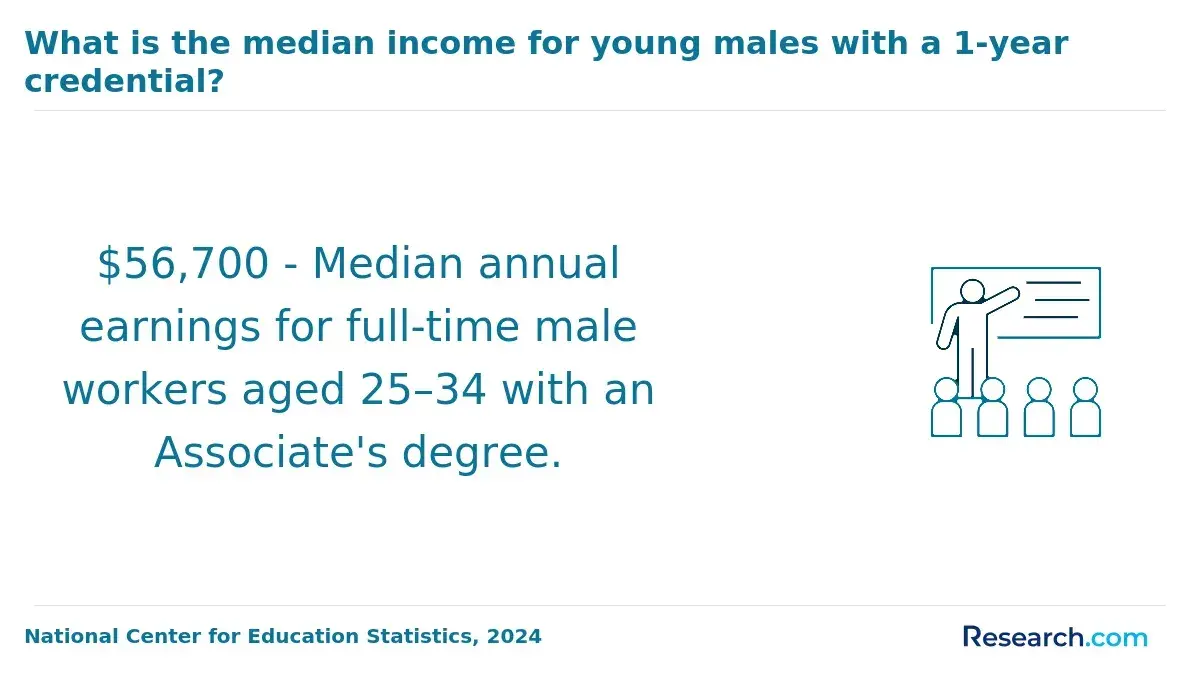
Prospective students often weigh salary expectations when considering a liberal arts master's degree. Recent data from the Bureau of Labor Statistics and Glassdoor reveal clear financial advantages for degree holders over those with only a bachelor's. The following key points highlight earning differences by career stage as well as factors that affect compensation.
- Entry-Level Salary Edge: Those holding a liberal arts master's usually start with an average salary near $50,000, compared to about $40,000 for bachelor's holders. This initial premium illustrates the value advanced qualifications bring in competitive entry roles.
- Growth Through Mid-Career: Mid-level professionals with a master's can expect salaries around $70,000, outpacing bachelor's degree earners who average $55,000. This gap reflects continued benefits from higher education in promotions and raises.
- Senior-Level Earning Potential: At the senior stage, salaries for master's graduates often exceed $90,000, while those with bachelor's typically plateau near $75,000. Leadership opportunities and specialized expertise contribute to this disparity.
- Impact of Sector and Location: Private industry tends to offer higher wages than public or nonprofit roles. Geographic factors also play a significant role, with metropolitan and high-cost areas generally providing greater pay.
A graduate of a liberal arts master's program shared that completing the degree required balancing full-time work with coursework, which was challenging but worthwhile. "The advanced skills I developed helped me negotiate a better role within my company," they reflected. They also emphasized how the program expanded their network and boosted confidence, outcomes that complemented the salary benefits detailed earlier.
How Does a Liberal Arts Master's Degree Impact Long-Term Career Advancement?
For many prospective students, evaluating how a liberal arts master's degree affects career growth requires looking beyond immediate salary increases. The long-term career benefits of a liberal arts master's degree extend into promotion rates, leadership opportunities, and access to senior roles across various industries. These factors contribute to sustained professional advancement and open new pathways for those committed to their career development. Consider these important aspects:
- Promotion Rates: Earning a liberal arts master's often correlates with higher promotion rates by enhancing critical thinking and communication skills. Graduates typically progress faster than those with only a bachelor's degree, reflecting the degree's value in organizational advancement.
- Leadership Roles: The interdisciplinary training characteristic of a liberal arts master's fosters adaptability and problem-solving abilities, key traits for leadership positions. Employers frequently prefer candidates with advanced degrees for management and strategic responsibilities.
- Access to Senior Positions: In sectors like education, nonprofit management, and public service, a liberal arts master's is often essential for senior appointments. In other fields, it remains a strong differentiator that improves candidacy for higher-level roles.
- Professional Credibility: Holding this degree increases perceived expertise and trustworthiness among colleagues and clients, bolstering one's professional reputation and expanding networking potential.
- Expanded Networks: Graduate programs provide access to alumni, faculty, and industry contacts, which can lead to new career opportunities and collaborations, enriching long-term career trajectories.
- Employer Preferences: Many organizations value the broad perspective and research skills imparted by a liberal arts education, enhancing hiring competitiveness and resilience amid shifting job markets.
- Continuing Education: A liberal arts master's serves as a foundation for doctoral studies or professional certifications, enabling deeper specialization and further career growth.
Those weighing the value of a liberal arts degree might also explore the easiest college majors with high pay to better understand how this credential compares in terms of return on investment and career prospects.
What Is the Return on Investment (ROI) of a Liberal Arts Master's Degree?
This section provides prospective students with insights into the career and financial outcomes of pursuing a liberal arts master's degree. It outlines key factors involved in calculating return on investment (ROI) to help weigh the overall value of the degree.
Consider these important aspects for evaluating ROI:
- Total Program Cost: This covers all expenses including tuition, fees, and other related costs. Public institutions typically have lower tuition compared to private colleges, so the total cost can vary widely. Accurately accounting for these charges is the first step in assessing ROI.
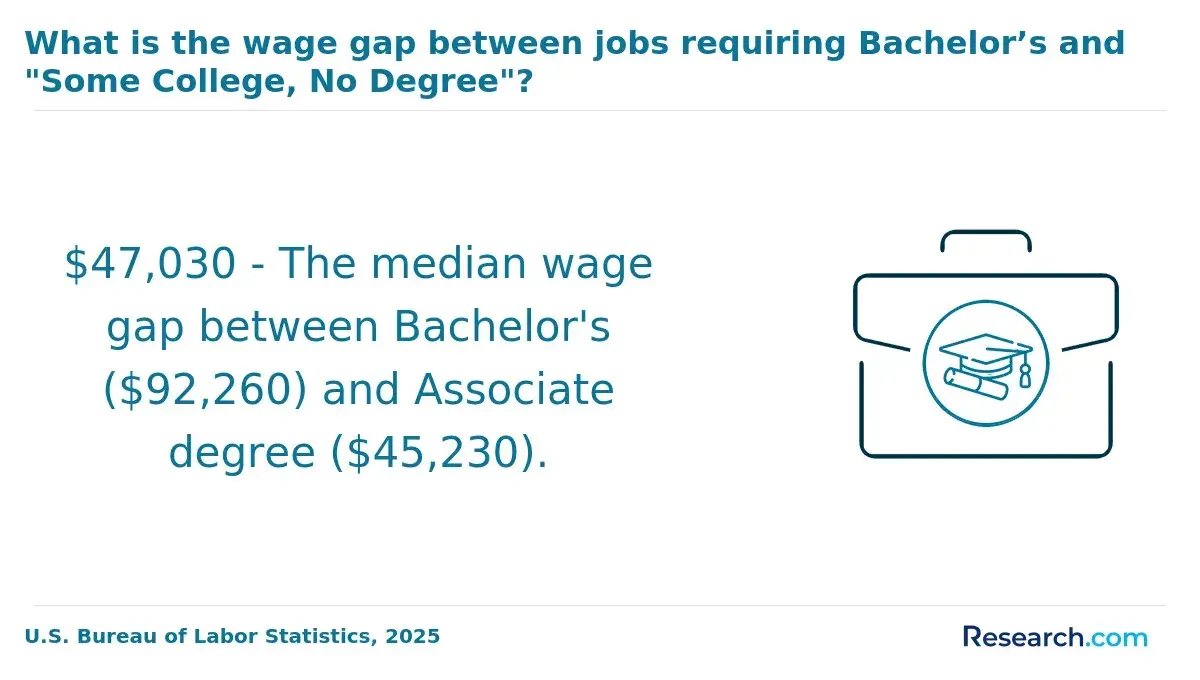
- Lifetime Salary Premium: Graduates usually earn 10% to 20% more over their careers than those with only a bachelor's degree. However, the actual salary uplift depends heavily on the chosen field and employer.
- Payback Period: The span needed for additional income to offset program costs often ranges from five to ten years. Degrees from prestigious schools or careers valuing advanced degrees tend to shorten this timeframe.
- Opportunity Cost: Income foregone during full-time study should be considered, whereas part-time or online students may face reduced opportunity costs, improving ROI.
- Institution Type and Career Path: Graduates from well-ranked programs or those moving into education, management, or communications usually experience stronger financial returns. Lower-paying sectors may result in slower recoupment of costs.
- Using Online ROI Calculators: These tools assist in inputting personal data such as program expenses, expected salary increases, and opportunity costs to produce tailored ROI estimates. They are valuable in making informed decisions.
A graduate I spoke with shared that balancing coursework with a part-time job initially felt overwhelming, but the flexible schedule helped manage both. He mentioned, "It wasn't easy, especially tracking all the expenses, but seeing the salary bump early in my career reassured me the effort was worth it." This personal perspective illustrates how individual circumstances shape ROI beyond just numbers, highlighting the importance of factoring in lifestyle and work options when evaluating the investment.
What Are the Admission Requirements for a Liberal Arts Master's Program?
Admission to master's programs in liberal arts generally hinges on several key criteria that help institutions evaluate candidates' academic preparedness and potential fit. These requirements vary by school selectivity but share common themes across the board. Below is a concise overview of the main admission elements:
- Undergraduate GPA Benchmarks: Most programs look for a minimum GPA around 3.0 on a 4.0 scale, though more competitive schools often expect closer to 3.5, reflecting sustained academic achievement during undergraduate studies.
- Standardized Test Requirements: GRE or GMAT submissions depend on the program. Some waive these exams, especially post-pandemic, while others still consider strong verbal and analytical GRE scores a valuable indicator of critical thinking skills.
- Prerequisite Coursework: Candidates usually need a bachelor's degree in liberal arts or a related discipline. Foundational classes relevant to the desired concentration-such as humanities, social sciences, or writing-enhance an applicant's profile.
- Statement of Purpose: This essay is essential for expressing academic interests, career aspirations, and reasons for selecting the program. A clear, engaging statement helps distinguish applicants by showcasing motivation and alignment with faculty expertise.
- Letters of Recommendation: Typically, two or three recommendations from professors or employers highlight intellectual abilities, work ethic, and graduate potential. Strong letters emphasize particular achievements and personal strengths.
- Relevant Work or Research Experience: Practical experience or involvement in research related to the field strengthens applications by demonstrating the applicant's readiness to contribute meaningfully.
- Competitive Applicant Differentiators: Unique qualifications such as interdisciplinary work, published materials, or leadership roles enhance candidacy. Top programs favor well-rounded applicants who present both academic excellence and compelling personal narratives.
- Institution Selectivity Variations: Less selective schools often apply more accessible and holistic criteria, whereas elite programs impose rigorous standards, frequently requiring interviews or writing samples as part of the process.
What Is the Minimum GPA Requirement for a Liberal Arts Master's Program?
The minimum GPA requirement for admission to a liberal arts master's degree often depends on the institution's reputation and the competitiveness of its programs. While many programs set a baseline undergraduate GPA of around 3.0 on a 4.0 scale, more prestigious or selective schools may require higher academic achievement, sometimes expecting 3.5 or above. Understanding the average GPA needed for admission to a liberal arts master's degree helps prospective students gauge their chances, but it's important to recognize that lower undergraduate GPAs are not always disqualifying. Admissions committees frequently consider a broader spectrum of qualifications beyond grades, making room for other strengths and credentials.
Key considerations for navigating GPA requirements and alternative admission pathways include the following:
- Typical GPA Thresholds: Many liberal arts master's programs expect a minimum GPA around 3.0, although prestigious universities may seek 3.5 or higher. Programs with less competitive admissions might accept GPAs closer to 2.7, especially if other qualifications are strong.
- Compensating Factors: Strong work experience, impactful personal statements, and competitive GRE scores can offset a marginal GPA. Admissions committees often consider these elements to assess an applicant's potential beyond grades.
- Conditional Admission: Some schools offer conditional or probationary enrollment to borderline candidates, requiring them to maintain satisfactory academic progress during initial semesters.
- Alternative Strategies: Applicants with suboptimal GPAs should focus on building a compelling narrative through recommendation letters, explaining academic challenges, and emphasizing relevant professional achievements.
For those seeking financial flexibility while pursuing graduate studies, exploring options such as cheap online edd programs may provide useful insights into managing education costs effectively. Balancing budget considerations with academic goals is crucial for long-term success and a positive return on investment.
Is an Online Liberal Arts Master's Degree as Valuable as an In-Person Degree?
For those considering a liberal arts master's degree, understanding how employers view online credentials is essential to making an informed decision. Shifts in workplace norms and academic delivery following the COVID-19 pandemic have altered perceptions, impacting the value of online versus in-person programs. The following points explore these changes and compare key aspects of both formats.
- Employer Acceptance Has Increased: The pandemic accelerated acceptance of remote learning, with many employers now recognizing online degrees as equally valid when earned from accredited institutions. Surveys indicate a majority of hiring managers trust online credentials if the program is reputable.
- Accreditation Matters Most: Employers emphasize the institution's accreditation status over whether a degree was completed online or on campus. This focus ensures that learners from either format demonstrate comparable knowledge and skills.
- Comparable Academic Standards: Accredited online programs typically replicate the curriculum and rigor of their face-to-face equivalents, providing consistent educational quality and intellectual challenge.
- Networking Experiences Vary: While on-campus study naturally fosters spontaneous connections, online programs increasingly incorporate virtual networking tools like discussion groups and webinars. However, those seeking in-person social interactions might find traditional settings more beneficial.
- Career Support Services Differ: Online students often access virtual advising and job placement assistance, but some report richer employer engagement and resource access through on-campus career centers.
- When Online Works Best: Flexibility offered by online learning suits professionals balancing work, family, or geographic limitations, enabling continued education without major disruptions.
- When In-Person Has Advantages: Direct mentorship, extracurricular involvement, and immersive campus life can enhance personal growth and employability, especially for those prioritizing hands-on experiences.
What Jobs Can You Get With a Liberal Arts Master's Degree?
For students pursuing a master's degree in liberal arts, knowing which roles truly require the credential versus those where it merely enhances competitiveness can guide career decisions. Certain industries have clear expectations for advanced degrees, while others increasingly value the broad skills these programs develop. Emerging digital and organizational trends also open new opportunities for graduates with this qualification. Below are key career options commonly open to liberal arts master's holders, highlighting role expectations and additional requirements where relevant.
- Corporate Communications Manager: Typically necessitating a master's degree, these professionals handle strategic messaging inside and outside organizations. Success depends on strong writing, media relations experience, and strategic communication, with salaries often between $70,000 and $120,000 annually.
- Market Research Analyst: Growing demand in this field rewards those with analytical skills and reporting abilities. A master's degree provides a competitive edge, particularly when complemented by certifications in data analytics, with typical earnings from $65,000 to $95,000.
- University Administrator: Positions such as admissions directors or student affairs coordinators frequently require or prefer a master's degree. These roles rely heavily on organizational and interpersonal skills and feature salaries ranging roughly from $60,000 up to $100,000 or more depending on the institution's size.
- Cultural and Social Researcher: Roles in government, nonprofits, or private sectors often mandate a master's to conduct studies related to social trends and policies. Compensation generally falls between $50,000 and $90,000, varying by experience and employer.
- Content Strategist: This relatively new career path leverages a liberal arts background for planning and managing digital media. While not always mandatory, a master's enhances narrative skills important for the role, with salaries spanning $60,000 to $110,000. Familiarity with SEO and digital tools strengthens candidacy.
- Human Resources Manager: Although not strictly requiring a master's degree, holding one can position candidates for higher-level HR roles. Median salaries exceed $120,000, and additional certifications like SHRM are often recommended for advancement.
How Do Employers and Industries Value a Liberal Arts Master's Degree?
Prospective students considering a liberal arts master's degree should understand how various employer types value this credential, as it directly impacts career opportunities and advancement. Different industries emphasize the degree's relevance based on their unique demands and professional standards. Awareness of these perceptions helps graduates align their applications with employer expectations and strengthen their competitive edge in the job market.
- Large Corporations: These employers recognize the critical thinking and communication skills gained through a liberal arts master's degree but often prioritize technical or business-focused qualifications for leadership roles. The degree enhances candidacy for communications, human resources, or corporate social responsibility positions, especially when paired with relevant experience or certifications.
- Government Agencies: Many government sectors value the analytical and research skills liberal arts graduates bring, particularly in policy analysis or cultural affairs. While the degree is a strong asset, advanced roles may require specialized credentials or security clearances.
- Startups: Startups favor versatile skill sets, making liberal arts degrees valuable when applicants highlight adaptability and problem-solving abilities. Practical experience and technical knowledge are often preferred, so emphasizing how the degree supports real-world competencies is critical.
- Nonprofits: Nonprofit organizations frequently regard a liberal arts master's as an essential professional credential, particularly in education, social work, and advocacy. It boosts hiring and promotion prospects as a terminal degree in these settings.
- Disciplinary Variation: In humanities and social sciences, a liberal arts master's often serves as the terminal professional degree. However, fields like economics or business tend to favor doctorates or MBAs for higher-level roles, reflecting industry demand for liberal arts master's graduates.
- Communicating Degree Value: Clearly articulating transferable skills such as critical thinking, research, and empathy is vital in applications and interviews. Demonstrating how the degree complements practical experience helps employers appreciate its relevance and increases perceived value.
Those interested in combining academic credentials with practical knowledge might explore related fields such as construction management; for example, the best online construction management degree programs represent one pathway emphasizing applied skills alongside academic training.
Is a Liberal Arts Master's Degree Worth It?
Prospective students should recognize how different employer sectors assess the value of a liberal arts master's degree, as this affects job prospects and career development. Understanding these perspectives and disciplinary nuances can guide effective communication of the degree's benefits.
- Employer Type Variations: Large corporations often appreciate liberal arts graduates for their critical thinking and adaptability, especially in roles involving communication and analysis. Government positions may require this degree for policy or administrative work but tend to favor candidates with more specialized expertise. Startups typically emphasize hands-on experience but acknowledge the advantage of the interdisciplinary skills fostered by liberal arts education. Nonprofits frequently seek leaders with a strong social understanding, making this master's degree valuable for program management and leadership roles.
- Disciplinary Differences: In fields like education and social work, the liberal arts master's is commonly the final required credential, fully qualifying graduates for advancement. In contrast, academic careers or business sectors often prefer doctoral degrees or MBAs, necessitating strategic consideration of long-term objectives before enrollment.
- Industry Perception and Surveys: Employer opinions vary, with some valuing the broad intellectual base and others prioritizing more technical qualifications. Research underscores the importance of clarifying how skills gained from liberal arts studies align with job demands to close perception gaps.
- Communicating Degree Value: Highlighting transferable abilities such as ethical reasoning, cultural literacy, and problem-solving in applications and interviews can increase the degree's perceived relevance. Customizing examples to match employer needs helps demonstrate practical impact beyond academic credentials.
What Graduates Say About Their Liberal Arts Master's Degree
- Tessa: "Applying to the liberal arts master's program was initially daunting, but the thorough guidance from the official academic catalogs made a huge difference in understanding the degree requirements. Navigating the diverse job landscape was eye-opening; I discovered how my interdisciplinary skills fit various industries beyond academia. This program truly broadened my perspective, and relying on federally recognized education resources helped me stay on track throughout the process."
- April: "My journey through the liberal arts master's program was a blend of reflection and growth. I found that consulting accrediting agencies provided clarity on the program's credibility, which was crucial when reaching out to potential employers. While the job market was competitive, the flexibility and critical thinking skills the program honed gave me an edge. Looking back, one of the best strategies was using official catalogs to map out my academic path effectively."
- Owen: "From the start, I approached my liberal arts master's application with a professional mindset, carefully researching all federal education resources to understand program standards and accreditation. Job hunting after graduation revealed how versatile a liberal arts background is, opening doors in sectors I hadn't originally considered. The experience has been enriching, and the careful adherence to official guidelines really streamlined fulfilling my degree requirements."
Other Things You Should Know About Liberal Arts Degrees
In 2027, the value of a Liberal Arts master’s degree versus professional certifications depends on the field. A master's degree may offer broader intellectual development and critical thinking skills, while certifications could provide specific, industry-recognized competencies. The choice should align with career goals and industry standards.
In 2027, a Liberal Arts master's degree can enhance career opportunities by opening doors to diverse fields like education, arts, and management. However, the salary boost varies, with graduates experiencing moderate increases depending on their field. The degree often fosters critical thinking and adaptability, highly valued in today's job market.
In 2027, a Liberal Arts master's degree can potentially lead to higher salary brackets and more significant career advancement opportunities in fields like education, communications, and nonprofit management. Graduates often see an increase in roles that require critical thinking, problem-solving, and leadership skills.
References
- Should You Go to Grad School Online or In Person? https://www.ets.org/grad-school-journey/online-vs-in-person.html
- 7 Booming Careers You Can Get With a Liberal Arts Degree | Thomas Edison State University https://www.tesu.edu/about/blog/2023/booming-careers-with-liberal-arts-degree.php
- What Can I Do With a Major in Liberal Arts? | Flagler College https://www.flagler.edu/what-can-i-do-major-liberal-arts
- Boost Your Job Chances With A Liberal Arts Degree https://catholiciu.edu/how-a-liberal-arts-degree-can-boost-your-job-chances/
- Liberal Arts Degrees: The Value of Lifelong Skills https://www.keg.com/news/liberal-arts-programs-the-value-of-lifelong-skills
- Liberal and Professional Studies Graduate Program Costs https://srfs.upenn.edu/costs-budgeting/LPS-grad
- Scholarships & Financial Aid https://udallas.edu/academics/colleges-schools/school-of-liberal-arts/scholarships.php
- Long-term look at return on investment reveals positive indicators for liberal arts https://www.insidehighered.com/news/2020/01/14/long-term-look-return-investment-reveals-positive-indicators-liberal-arts
- What Can You Do With a Liberal Arts Master’s Degree? https://blog.udallas.edu/tower-thoughts/what-can-you-do-with-a-liberal-arts-masters-degree
- Top Liberal Arts Careers in 2026: Jobs, Skills & Growth Insights https://www.toprankers.com/career-in-liberal-arts