
2027 Return on Investment (ROI) of a Liberal Arts Degree Program

Co-Founder and Chief Data Scientist
Consider a recent college graduate with a liberal arts degree facing uncertain job prospects and rising student debt. Nearly 40% of liberal arts graduates find employment outside their major fields within five years, which challenges assumptions about direct career pathways. This gap raises concerns about the true return on investment (ROI) of liberal arts education. Understanding how skills learned translate into long-term career growth and salary potential is crucial for making informed decisions.
This article examines the ROI of different liberal arts programs, providing data-driven insights to help prospective students evaluate financial and professional outcomes effectively.
Key Things to Know About Liberal Arts Degree ROI
- Liberal arts graduates experience a steady salary increase, with a 10% higher growth rate over 10 years compared to non-degree holders.
- The degree offers versatility, enabling employment across sectors such as education, tech, and public service, enhancing career stability.
- Data shows liberal arts alumni have 15% more opportunities for mid-career advancement due to strong critical thinking and communication skills.
How Is ROI Calculated for a Liberal Arts Degree Program?
Return on investment (ROI) in higher education measures the financial value gained from completing a degree relative to its total cost and time commitment. It helps students compare the long-term benefits of a liberal arts degree against the resources they must commit. Calculating ROI requires examining several key factors that influence both expenses and potential earnings.
Important elements to consider when calculating return on investment for liberal arts degrees include:
- Tuition and Fees: This encompasses all direct costs such as tuition, textbooks, and mandatory fees. Accurately assessing these expenses is essential to understanding the initial financial outlay.
- Opportunity Cost: The income a student forgoes by attending school full-time instead of working reflects a significant part of the investment. Factoring in this lost income over the program's duration provides a clearer financial picture.
- Time to Completion: The length of the degree impacts ROI since a longer program increases both direct costs and opportunity costs. Efficiently completing the program can improve financial outcomes.
- Post-Graduation Salary: Expected earnings after graduation heavily influence ROI. A stronger salary outlook makes it easier to recoup educational investments.
- Career Advancement: Potential for promotions and salary growth can elevate long-term earnings well beyond initial post-graduate income, thereby enhancing ROI.
Those evaluating the financial benefits of a liberal arts degree should also consider how these factors align with their personal and professional goals. For example, comparing ROI with other fields or programs, such as online slp master's programs, can provide deeper insight. Understanding how to accurately calculate ROI of liberal arts program costs will help prospective students make more informed decisions about their education and future career paths.
How Much Does a Liberal Arts Degree Program Cost?
Evaluating the full cost of a liberal arts degree is vital for assessing its return on investment, especially as the average student loan debt for bachelor's graduates in the U.S. hovers around $30,000. This financial perspective helps students weigh immediate expenses against potential career earnings.
Several major factors shape the overall cost and, consequently, the ROI of pursuing such a degree:
- Tuition and fees: These are the largest expenditures and vary significantly depending on whether the institution is public or private, ultimately influencing debt accumulation.
- Books and materials: Students must budget for textbooks and other course supplies, which can total several hundred to over a thousand dollars annually.
- Living and relocation expenses: Costs for housing, food, and transportation fluctuate with campus location and personal lifestyle choices, often representing a substantial portion of total spending.
- Opportunity cost: The income forfeited by attending school instead of working full-time plays a critical, albeit often underestimated, role in the true cost of education.
- Hidden or indirect costs: Additional expenses like application fees, technology needs, or unpaid internships may further increase overall financial outlay.
When speaking with a liberal arts graduate about these financial challenges, he shared how juggling part-time jobs made affording living expenses and books difficult throughout his studies. "I often underestimated how much I'd have to spend beyond tuition," he said, recalling late nights budgeting tightly between coursework and work shifts. He also reflected on the tough decision to skip a steady paycheck while enrolled full-time, emphasizing how opportunity costs were more impactful than he initially expected. His experience highlights the complex balance between managing costs and pursuing educational goals, giving insight into the real financial commitment behind a liberal arts degree.
What Financial Aid Is Available for Liberal Arts Degree Programs?
Reducing upfront education costs through financial aid significantly enhances the long-term return on investment for liberal arts degrees by lowering debt burdens and easing repayment pressures. Nearly 86% of undergraduates receive some form of financial assistance, underscoring its vital role in funding higher education today.
Common financial aid options available to liberal arts students include:
- Scholarships: Awarded based on merit or financial need, scholarships directly cut tuition and related expenses without requiring repayment, making education more affordable from the start.
- Grants: Typically need-based and provided by federal or state programs, grants reduce loan dependency, thus lowering future debt and improving financial outcomes post-graduation.
- Fellowships: Mainly aimed at graduate students, fellowships fund research or advanced study without repayment obligations, increasing the net benefits of pursuing higher-level liberal arts degrees.
- Employer Tuition Assistance: Some companies sponsor part or all tuition costs, allowing students to limit loans while balancing work and education.
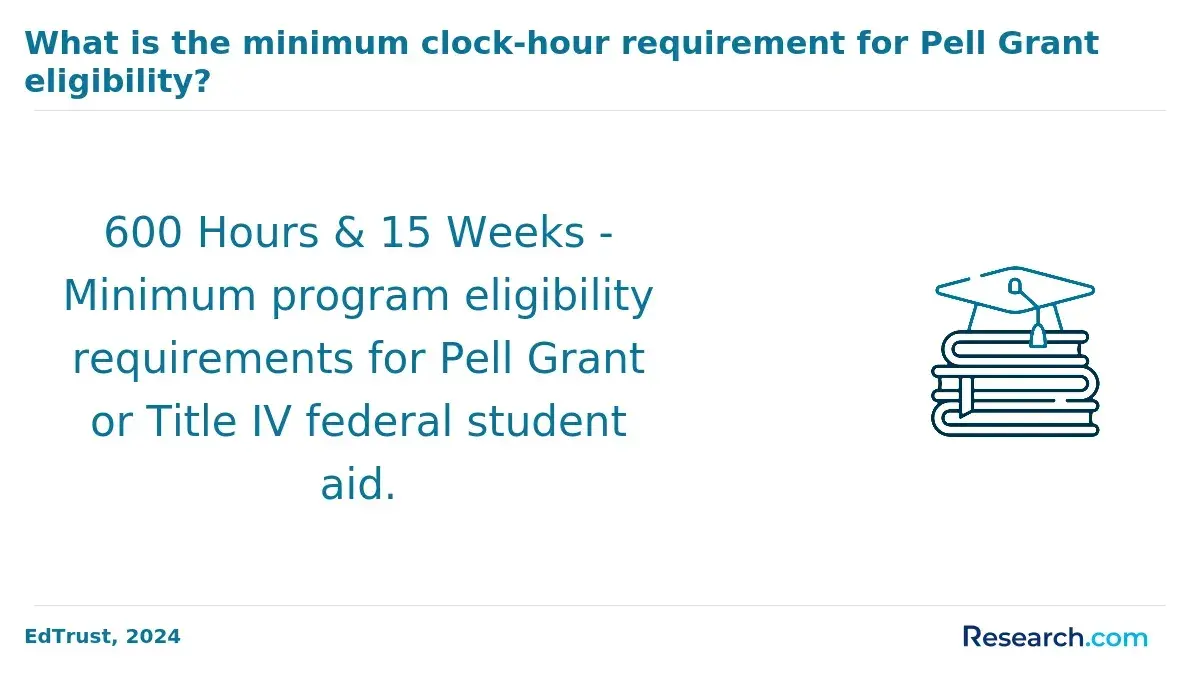
- Federal Student Loans: Though repayable with interest, these loans usually offer favorable rates and flexible repayment plans, helping students manage debt responsibly and protect their financial ROI in the long term.
Breakdown of All 2-Year Online Title IV Institutions

How Long Does It Take to Complete a Liberal Arts Degree?
The duration required to finish a liberal arts degree plays a crucial role in determining its return on investment (ROI) by influencing opportunity costs, early earning potential, and overall educational expenses. Shorter completion times allow students to enter the workforce sooner, reducing costs and maximizing income over their careers. Several factors affect how long it takes to earn this degree and, consequently, its financial benefits.
Key factors impacting time to completion and its effect on ROI include:
- Enrollment status: Full-time students typically graduate within four years, while those attending part-time often extend their studies, increasing total costs and delaying income generation.
- Program delivery: Online and accelerated programs can significantly reduce the time needed, offering greater flexibility and speed that can enhance financial returns.
- Transfer credits: Applying previously earned college credits can shorten the path to graduation, lowering both tuition expenses and lost wages from a delayed career start.
- Experiential requirements: Internships or thesis projects may add length to the degree timeline but often lead to improved job preparedness and higher earning potential in the long run.
- Schedule flexibility: Evening, weekend, or self-paced classes can help balance work and study, yet may increase the total time before degree completion.
When I spoke with a liberal arts graduate about her journey, she recalled how she started full-time but switched to part-time studies to manage a growing family and part-time job. "It stretched my degree beyond the traditional timeline, but it was the only way to keep moving forward," she explained. She emphasized the mixed feelings of relief and frustration, noting, "Delaying graduation was tough, yet gaining real-world experience alongside school made me more confident entering the workforce." Her story highlights the complex trade-offs between speed, cost, and life circumstances that shape the time it takes to complete a liberal arts education.
Is ROI Higher for Online or On-Campus Liberal Arts Programs?
The delivery format of liberal arts degree programs can significantly impact return on investment (ROI) due to differences in cost, flexibility, and career outcomes. Online enrollment in liberal arts programs has increased by over 30% in the past five years, reflecting a growing preference for flexible learning paths among students balancing education with work or other commitments. Evaluating the ROI comparison of online versus on-campus liberal arts degrees involves looking at several critical factors.
Key aspects include:
- Tuition and fees: Online programs generally offer lower tuition costs and fees, reducing upfront expenses and the need for student debt compared to many traditional on-campus alternatives.
- Opportunity cost: Greater flexibility in online learning allows students to maintain employment while studying, which lowers opportunity costs and supports ongoing income during degree completion.
- Networking and career services: On-campus programs typically provide stronger networking opportunities and more direct access to career support, which can positively influence early career earnings and job advancement prospects.
- Employer perception: Although some employers have historically preferred traditional on-campus credentials, this gap is narrowing as the quality and acceptance of online education improve.
- Time to completion: Many online liberal arts programs allow accelerated pacing, enabling students to finish their degrees faster than some campus-based schedules permit.
For students considering cost-effective liberal arts options alongside counseling or similar social sciences, exploring counseling degrees online accredited may provide valuable insights into affordable online pathways with strong ROI potential. Understanding the return on investment for liberal arts programs by learning format helps prospective students and career changers make informed decisions aligned with their financial and professional goals.
What Is the Average Salary After Earning a Liberal Arts Degree?
Post-graduation salary is a critical factor in evaluating the return on investment (ROI) of a liberal arts degree, as it directly impacts how quickly graduates can manage educational expenses and achieve financial stability. On average, liberal arts degree holders in the U.S. earn between $40,000 and $60,000 annually, though this median income varies based on several key factors.
The average salary for liberal arts graduates is influenced by multiple elements, including:
- Industry: Graduates in education, communications, or nonprofit sectors often have lower starting salaries compared to those entering corporate fields like marketing or consulting, impacting overall ROI.
- Geographic location: Metropolitan areas with higher living costs typically offer increased salaries, while smaller or rural regions may provide lower pay, affecting earning potential.
- Prior experience: Internships, part-time roles, or volunteer work completed before graduation can enhance starting salaries and accelerate career growth.
- Specialization: Focused disciplines such as economics or digital media tend to yield higher salaries than broader liberal arts fields, improving financial returns.
- Career level: Salaries generally rise with experience and additional qualifications, which shapes long-term ROI outcomes.
Prospective students weighing the liberal arts degree median income alongside other educational paths may also explore options such as the executive mba online programs to compare career and salary trajectories.
Does a Liberal Arts Degree Lead to Promotions?
Promotions are a key contributor to return on investment (ROI) for a liberal arts degree, as they typically bring salary increases, expanded job responsibilities, and broader career mobility. These elements combined can significantly enhance the financial and professional benefits of earning a degree. Current workforce trends show an increased emphasis on credential-based promotion policies, where higher education qualifications like a bachelor's degree are often required for advancing into management or leadership roles.
When evaluating career advancement with a liberal arts degree, several factors come into play. Below are key ways this degree may influence promotion opportunities and overall ROI:
- Credential Requirements: Many organizations require at least a bachelor's degree for management positions. A liberal arts degree meets this standard, making graduates eligible for advancement where education credentials factor into promotion decisions.
- Leadership Preparation: The broad, interdisciplinary training in a liberal arts program develops critical thinking, communication, and problem-solving skills. These abilities are essential for leadership roles and can position graduates favorably for internal promotion policies focused on skills as well as credentials.
- Employer Tuition Support: Some employers offer tuition assistance or professional development programs for employees pursuing degrees. Holding or working toward a liberal arts degree can unlock these resources, enhancing career growth potential and demonstrating a commitment to advancement.
- Experience and Education Synergy: Combining relevant work experience with a liberal arts degree typically improves promotion prospects. Employers increasingly favor candidates who blend academic credentials with practical skills, boosting long-term ROI.
For those considering their options, pursuing an affordable online bachelor's degree in liberal arts can offer a flexible, cost-effective pathway that supports career advancement after liberal arts graduation.
Which Industries Offer the Best ROI for Liberal Arts Graduates?
The return on investment (ROI) for liberal arts graduates varies significantly by industry, influenced by differences in salary levels, career progression opportunities, and demand for specialized skills. These factors determine how well graduates can leverage their degree into sustainable income and advancement. Below are industries commonly recognized for offering some of the highest ROI industries for liberal arts graduates.
Key sectors providing strong financial and career returns typically include:
- Technology: This sector offers roles such as user experience design, content strategy, and communications that align closely with liberal arts skills. It provides above-average salaries and robust promotion potential due to the growing demand for interdisciplinary talent.
- Healthcare: Positions in health administration, policy, and patient advocacy highlight the stable demand and long-term job security in this industry. Career advancement prospects are solid, with strong institutional growth supporting liberal arts graduates.
- Finance and Consulting: These industries reward problem-solving and interpersonal skills cultivated in liberal arts programs. Rapid compensation growth and varied career pathways make them attractive for maximizing degree ROI.
- Education and Nonprofit Management: Roles focusing on leadership and program development offer meaningful impact with opportunities for growth. Though sometimes offering lower starting salaries, these sectors provide strong career satisfaction and advancement potential.
For those considering further specialization, completing 1 year masters programs can enhance career prospects within these fields. Choosing career paths that align with both skillset and market demand ensures better financial outcomes for liberal arts graduates evaluating the best career paths for liberal arts degree ROI.
Does Accreditation Affect ROI for a Liberal Arts Degree?
Accreditation in liberal arts degree programs signifies that the curriculum and instruction meet specific quality standards set by recognized accrediting agencies. This endorsement assures both students and employers that the education provided is rigorous and credible. Increasingly, employers emphasize verified credentials when evaluating candidates, making accreditation a key factor that enhances the perceived value of a degree. Additionally, certain professional licenses require degrees from accredited programs as a prerequisite, linking accreditation directly to career eligibility in regulated fields.
Accreditation also boosts long-term ROI by fostering greater employer confidence in graduates, which can translate into improved job prospects and earning potential. It enables access to federal financial aid, significantly lowering tuition burdens for many students. Furthermore, credits earned through accredited programs are generally more transferable between institutions, allowing students flexibility if they choose to continue their education. This recognition not only supports smoother career transitions but also aligns with evolving workforce demands for certified skills and credentials, ultimately maximizing the financial and professional benefits of a liberal arts education.
Is a Liberal Arts Degree Worth It?
Several financial and career factors affect the return on investment (ROI) for a liberal arts degree, including tuition costs, program length, starting salaries, and opportunities for career growth. Tuition varies widely, and longer programs or part-time study can increase overall expenses and delay earning potential. Early-career salaries for liberal arts graduates typically range between $40,000 and $50,000, which is often lower than those in STEM or business fields. However, many graduates see salary growth over time due to versatile skills like critical thinking and communication valued across multiple industries.
The value of a liberal arts degree depends on individual circumstances, such as the chosen career path, industry trends, and financial support options. Programs with accessible financial aid or more flexible formats, like online study, can improve ROI by reducing costs or shortening time to completion. Graduates often find roles in fields that appreciate soft skills, which may offer steady employment and lower long-term unemployment rates. Ultimately, aligning educational choices with market demands and personal goals is key to maximizing the financial benefits of a liberal arts education.
What Graduates Say About The ROI of Their Liberal Arts Degree
- Roman: "Choosing to pursue a liberal arts degree felt like investing in a versatile future rather than a quick paycheck. Despite the average cost of attendance being around $25,000 per year, I believe the broad critical thinking and communication skills I gained have already opened doors in my career that I didn't expect. It's a long-term ROI that pays off every day in unexpected ways. "
- Silas: "Balancing work and study online was challenging, but the flexibility made it worthwhile. Considering the average cost for online liberal arts programs is generally lower than traditional ones, I felt the expenses were justified by both my career advancement and personal growth. Finishing my degree has clearly enhanced my professional credibility and opportunities in ways I value deeply. "
- Jodie: "Opting for a part-time liberal arts program allowed me to manage costs effectively, knowing the total investment would still be around that $20,000 to $30,000 range over a few years. Reflecting on my journey, the degree gave me a solid foundation that transcends specific jobs, enriching my problem-solving skills and adaptability in today's dynamic job market. This education has been a steady catalyst for my ongoing career development."
Other Things You Should Know About Liberal Arts Degrees
Factors that affect the ROI in 2027 include the job market demand for skills taught in liberal arts, starting salaries, and employment rates for graduates. Additionally, the cost of the degree program and availability of job placement services significantly influence the ROI.
The institution attended can significantly affect ROI through factors such as reputation, alumni networks, and career services. Graduating from a well-regarded liberal arts college often provides stronger connections and job placement opportunities, potentially increasing salary prospects and career advancement. However, high tuition costs at some schools may offset these benefits if not balanced by post-graduate outcomes.
References
- Arts Degree Jobs: 12 High-Paying Career Paths | Extern https://www.extern.com/post/liberal-arts-degree-jobs
- The Understated Value of a Liberal Arts Degree https://blog.atomicmind.com/blog/the-understated-value-of-a-liberal-arts-degree
- Long-term look at return on investment reveals positive indicators for liberal arts https://www.insidehighered.com/news/2020/01/14/long-term-look-return-investment-reveals-positive-indicators-liberal-arts
- Liberal Arts BA | King's College London https://www.kcl.ac.uk/study/undergraduate/courses/liberal-arts-ba
- Why Choose to Study a Liberal Arts Degree in the UK? https://www.morrisby.com/blog/why-study-a-liberal-arts-degree-in-the-uk
- What Is a Liberal Arts Degree? https://www.coursera.org/articles/liberal-arts-degree
- Bachelor of Arts - Wikipedia https://en.wikipedia.org/wiki/Bachelor_of_Arts
- Is a Liberal Arts Degree Worth It? https://www.snhu.edu/about-us/newsroom/liberal-arts/is-a-liberal-arts-degree-worth-it
- The Understated Value of a Liberal Arts Degree | Atomic Mind Blog https://www.atomicmind.com/blog/the-understated-value-of-a-liberal-arts-degree
- Don’t knock the economic value of majoring in the liberal arts | Brookings https://www.brookings.edu/articles/dont-knock-the-economic-value-of-majoring-in-the-liberal-arts/


