
2027 How to Verify Accreditation for Liberal Arts Degree Programs

Co-Founder and Chief Data Scientist
Choosing an unaccredited liberal arts degree program can leave graduates with limited job prospects and ineligible financial aid. Recent data shows that nearly 20% of students enrolled in liberal arts degrees attend institutions without recognized accreditation, risking credits that may not transfer and employers questioning their qualifications. This situation especially affects students aiming for graduate study or licensure, where recognized accreditation is essential.
This article explains how to verify the accreditation status of liberal arts degree programs, helping prospective students ensure their educational investment leads to credible credentials and better career opportunities.
Key Benefits of Accredited Liberal Arts Degree Programs
- Accreditation ensures academic quality by meeting rigorous standards, which can improve degree value and student learning outcomes in liberal arts programs.
- Only accredited liberal arts programs qualify students for federal and state financial aid, making education more affordable and accessible.
- Employers and licensing agencies often require degrees from accredited institutions, enhancing graduates' job prospects and professional recognition.
What does accreditation mean for liberal arts degree programs?
Accreditation is a formal evaluation process conducted by recognized agencies to ensure educational programs meet specific quality and academic standards. In the United States, regional accreditors are the primary bodies responsible for overseeing liberal arts degree programs, guaranteeing consistency and rigor across institutions.
Over 80% of U.S. students attend regionally accredited schools, highlighting the importance of recognized accreditation agencies for liberal arts education. This widespread accreditation not only reflects program legitimacy but also helps students identify credible programs among numerous options.
For students pursuing liberal arts degree programs, attending an accredited institution means the curriculum is designed to foster essential skills like critical thinking, communication, and broad disciplinary knowledge.
Accreditation ensures faculty qualifications and academic resources are sufficient to support student learning effectively. Such programs undergo comprehensive reviews of course content and teaching methods, assuring students of the educational quality they receive.
Those interested in expedited paths may also explore related fields like EdD programs to supplement their liberal arts foundation.
What types of accreditation should a liberal arts degree program have?
Ensuring that a liberal arts degree program holds the proper accreditation is vital for confirming its academic quality and legitimacy. Accreditation impacts factors such as credit transfer, financial aid eligibility, and recognition by employers or professional bodies. The main types to consider include:
- Institutional Accreditation: This type evaluates the entire college or university, ensuring comprehensive academic standards and administrative quality. Institutional accreditation affects a student's ability to transfer credits and qualify for federal financial aid.
- Programmatic or Specialized Accreditation: Focused on specific academic programs, this accreditation certifies that courses meet industry or professional standards essential for career readiness and licensure. It supports specialized fields within liberal arts and strengthens employability.
- Regional vs. National Accreditation: Regional accreditation is generally more prestigious and widely accepted by employers and other institutions. In contrast, national accrediting agencies for liberal arts programs may apply to vocational or specialized schools and could affect credit acceptance differently.
- Licensure-Related Accreditation: For some liberal arts-related careers, proper accreditation can influence eligibility for professional licenses or advanced study. Confirming relevant accreditations safeguards academic investment and student success.
Prospective students should carefully verify regional accreditation for liberal arts degrees to maximize their education's value and long-term benefits. For those looking for accelerated options, exploring a fast track psychology degree program can be a strategic step within accredited institutions.
How can you verify if a liberal arts degree program is accredited?
Confirming accreditation for a liberal arts degree program is vital to assure the program's quality, qualify for federal financial aid, and ensure that your credentials are recognized by employers or licensing authorities. Proper verification supports long-term educational and career goals.
Here are key methods to check recognized accreditation agencies for liberal arts programs:
- U.S. Department of Education Database: Use the official Department of Education database to find accredited colleges and universities. This resource verifies whether a liberal arts program has valid accreditation from recognized agencies.
- Council for Higher Education Accreditation (CHEA): Review CHEA's comprehensive listings to identify legitimate accrediting organizations and confirm the accreditation status of institutions offering liberal arts degrees.
- Contact the Institution Directly: Reach out to the school's admissions or registrar's office to request official accreditation documents. Legitimate programs will provide details on their accrediting bodies promptly.
- Programmatic Accreditation: Some programs may hold specialized accreditation beyond institutional approval. This ensures the liberal arts degree meets industry or professional standards in specific fields.
Students exploring options like an online masters in psychology should follow these steps to verify credentials before enrolling.
What red flags indicate a liberal arts program may not be accredited?
Spotting warning signs of unaccredited liberal arts programs is vital to protect academic integrity, maintain access to financial aid, and support future professional success. Being aware of these indicators helps students make informed choices.
The following key concerns often point to questionable accreditation status:
- Claims of Lifetime Accreditation: Genuine accreditation involves regular reviews by authorized agencies. Offers of permanent or "lifetime" accreditation suggest a lack of proper oversight and should raise doubts about the program's legitimacy.
- Unrecognized Accrediting Bodies: Accreditation must come from organizations acknowledged by the U.S. Department of Education or the Council for Higher Education Accreditation. Programs citing unfamiliar or unofficial accrediting entities may provide certifications that don't carry academic or professional weight.
- Suspiciously Low Tuition: While affordable tuition is appealing, rates significantly below comparable liberal arts programs can indicate insufficient resources or poor quality instruction, often linked to inadequate accreditation.
- Misleading Program Details: Promises of accelerated degrees, vague curricula, or comparisons to accredited schools without matching standards often reveal potential accreditation problems. Checking official accreditation databases can confirm program validity.
Are online liberal arts degree programs accredited?
Online liberal arts degree programs can indeed be fully accredited, which validates their academic standards and is essential for students seeking federal financial aid, credit transfer, or employer and licensure acceptance. Accreditation for these programs adheres to the same strict criteria as traditional campus-based degrees, assessing aspects such as curriculum rigor, faculty expertise, learning outcomes, and institutional governance.
The National Center for Education Statistics reports that more than 35% of higher education students take at least one online course, underscoring the relevance of recognized accreditation in digital formats. This ensures that an online liberal arts degree is credible and offers quality education comparable to in-person programs.
When I spoke with a graduate of an online liberal arts degree program, he shared that despite initial doubts about the legitimacy of his program, he found the accreditation verification process straightforward but crucial. He explained, "It was important for me to confirm the program was accredited before committing, as that impacted financial aid eligibility and how employers viewed my diploma."
Although juggling coursework with personal responsibilities was challenging, he felt reassured knowing his degree met recognized academic standards. He added that this recognition helped open doors professionally and made his investment in education worthwhile.
Does accreditation affect licensure eligibility for liberal arts careers?
Accreditation is essential for students aiming to pursue licensed or regulated liberal arts careers, as it ensures their education meets the standards required for professional qualifications. This influence of accreditation extends to several key aspects related to licensure and career opportunities.
- Licensure Exam Eligibility: Completing a program with recognized accreditation is often mandatory to qualify for professional licensure exams. Without it, candidates may be barred from taking these exams, limiting their ability to enter regulated fields.
- Licensing Board Requirements: State and regional licensing agencies typically require applicants to have graduated from accredited programs. Accreditation confirms that educational content and quality align with the regulatory standards these boards enforce.
- Employer and Regulator Recognition: Employers and regulatory bodies prefer candidates whose credentials come from accredited institutions, as this assures a verified level of training and expertise. Lack of accreditation can undermine a graduate's professional credibility.
- Consequences of Non-Accreditation: Graduates from unaccredited programs may face significant challenges, including ineligibility for certain financial aid, difficulties in transferring credits, and reduced job prospects within regulated careers.
Ensuring that a liberal arts program holds proper accreditation helps students avoid obstacles that could hinder both their career progression and compliance with legal requirements for licensure or certification.
Will credits from an accredited liberal arts program transfer to another school?
Transferring credits from an accredited liberal arts program can be a significant factor for students who change schools, pursue advanced degrees, or relocate. Making sure these credits are accepted elsewhere can save both time and money. Several key considerations determine how transfer credits are evaluated and applied by receiving institutions.
- Institutional Accreditation Type: Credits from regionally accredited institutions generally have broader acceptance because regional accreditation is considered the gold standard of academic quality. Credits from nationally accredited or less recognized programs might face more scrutiny and limited transferability.
- Course Equivalency and Curriculum Alignment: Receiving schools review whether courses taken align closely in content and academic rigor with their own offerings. If courses are too different or less comprehensive, credits are less likely to be accepted.
- Receiving School Transfer Policies: Each school enforces its own rules on accepting transfer credits, including approval procedures and required documentation. Policies vary on which credits qualify and how they apply to degree requirements.
- Limits on Transfer Credits: Many institutions cap the number or percentage of credits that can be transferred, potentially restricting how many liberal arts credits will count toward the new degree program.
When asked about her experience, a graduate of a liberal arts degree program reflected on the transfer process candidly. She explained, "I was anxious at first because I wasn't sure if my credits would be accepted after relocating. The transfer office required detailed syllabi and course descriptions, which took extra effort to gather."
She found that consistent communication and patience were essential. "Though a few credits didn't transfer, most applied successfully, and I was able to continue my studies without starting over." Her story highlights the importance of preparedness and persistence in navigating credit transfers from an accredited liberal arts program.
Does a liberal arts program need accreditation to qualify for financial aid?
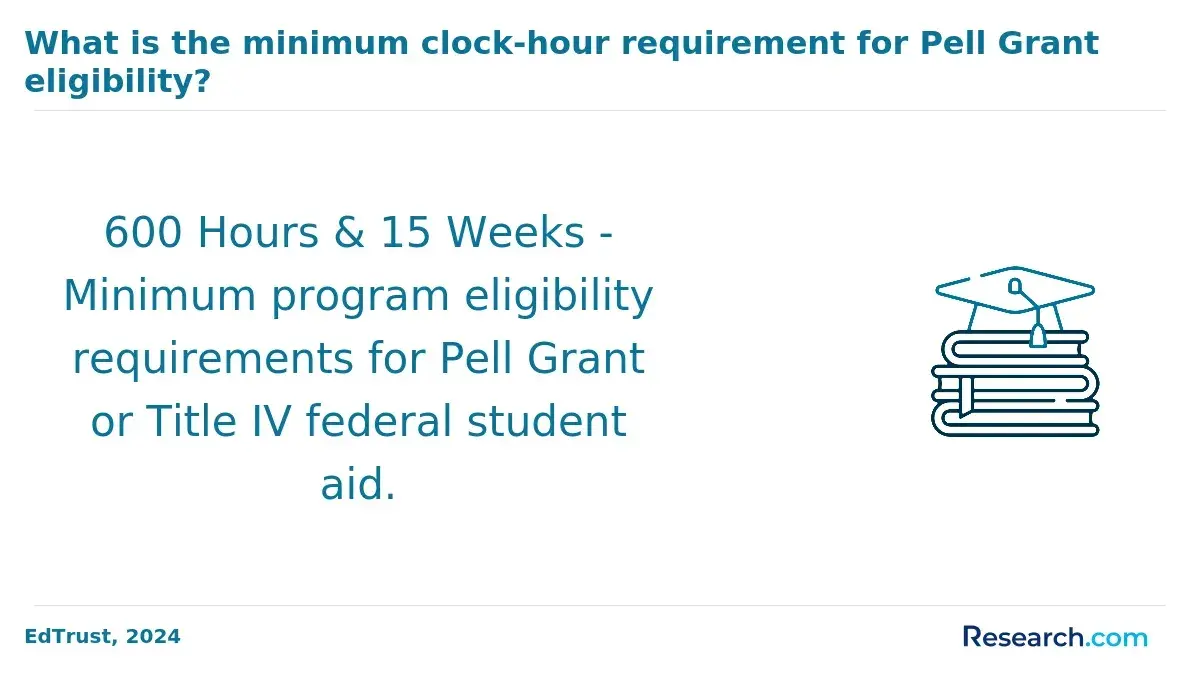
Accreditation plays a crucial role in determining student eligibility for federal, state, and institutional financial aid, with only those attending accredited programs qualifying for Title IV assistance, which supports over 10 million students annually. Several key factors highlight why accreditation is vital when considering financial aid for liberal arts studies.
- Federal Student Aid Eligibility: Accreditation is required by the U.S. Department of Education for students to access federal aid programs including Pell Grants and federal loans, ensuring the program meets quality standards.
- State and Military Benefits: Many state tuition waivers and grants mandate enrollment in accredited institutions, and military education benefits like GI Bill funding often require accreditation for eligibility.
- Institutional Scholarships and Grants: Colleges typically reserve financial aid resources, such as scholarships and grants, for programs recognized by official accrediting bodies to guarantee the legitimacy of the academic offering.
- Financial Protection: Attending an accredited program safeguards the student's investment by ensuring access to various funding sources and maintaining program credibility in long-term academic and career pursuits.
How does program accreditation influence employability in liberal arts fields?
Accreditation is a vital factor for students pursuing liberal arts degrees, as it significantly influences career prospects and job market credibility. Studies show that over 80% of employers favor candidates from accredited programs, highlighting the impact of the accreditation status on employability.
The following points explain key ways accreditation shapes opportunities for graduates in liberal arts careers.
- Employer Recognition: Accreditation signals to employers that a program meets established quality standards, ensuring the curriculum is relevant and rigorous. Recruiters often prefer candidates with degrees from accredited institutions, as it confirms their critical thinking and communication skills are well developed across diverse fields.
- Professional Credibility: Graduates from accredited liberal arts programs tend to be viewed as more reliable and better prepared. This perception enhances their chances for career advancement and networking by establishing trust among employers and professional peers.
- Certification and Licensure Eligibility: Many advanced certifications and professional licenses require degrees from accredited institutions. Without this credential, graduates may face significant barriers to specialization or further professional development needed for higher-level roles in their chosen fields.
- Job Market Competitiveness: Accreditation helps distinguish candidates within an increasingly crowded job market. Possessing a degree from an accredited program signals both academic rigor and institutional accountability, giving applicants a valuable edge when competing for positions in liberal arts careers.
For students exploring pathways to affordable liberal arts degrees that maintain strong accreditation standards, considering cheap online degrees can be a practical option. This approach supports both academic credibility and cost-effective education while enhancing employability prospects in liberal arts careers.
Do graduates from accredited liberal arts programs earn higher salaries?
Accreditation significantly impacts earning potential for graduates from accredited liberal arts programs by validating the quality and rigor of their education, which influences employer decisions and career opportunities. The average starting salary for graduates from accredited liberal arts programs is approximately $48,000, compared to about $40,000 for those from non-accredited programs. Several factors explain this salary difference.
- Employer Preference: Employers often prioritize candidates with degrees from accredited programs because accreditation ensures that the education meets established standards. This preference usually leads to better job offers and higher initial salaries.
- Eligibility for Advanced Roles: Graduates holding accredited degrees are typically eligible for higher-level positions that require verified academic credentials. Conversely, non-accredited graduates may find themselves limited to entry-level roles with lower pay scales.
- Industry Recognition: Programs with accreditation are more likely to gain respect from professional associations and certification bodies. This recognition opens additional career pathways and contributes to salary growth over time.
- Long-Term Career Advancement: Graduates from accredited programs tend to benefit from more comprehensive curricula and enhanced networking opportunities, fostering stronger career progression. Such advantages can lead to improved financial outcomes throughout their careers.
Prospective students should confirm the accreditation status of their program, especially when comparing salary prospects and career pathways. Additionally, exploring online college courses can complement an accredited liberal arts degree by expanding skills and enhancing employability.
What Graduates Say About Their Accredited Liberal Arts Degree
- Layla: "Learning about accreditation early on truly opened my eyes to how crucial it is for validating the quality of a liberal arts degree. I made sure to check the school's accreditation through official educational websites and confirmed their credentials thoroughly before enrolling. This diligence paid off when my degree was recognized by employers, significantly enhancing my career opportunities in education and public service."
- Rosie: "When I began my journey into a liberal arts program, I reflected deeply on why accreditation matters-not just as a formality, but as a guarantee of rigorous academic standards. I took the time to research accrediting bodies and cross-checked their legitimacy through government listings. Completing an accredited program was a defining factor in securing a position at a top cultural institution, validating all my initial efforts and commitment. "
- Jessica: "From a professional standpoint, understanding the importance of accreditation in a liberal arts degree shaped my entire approach to education. I systematically verified the accreditation status using multiple trusted sources to ensure my program met national criteria. Earning a degree from an accredited institution has since been a cornerstone in establishing my credibility in consulting and strategic communications roles."
Other Things You Should Know About Liberal Arts Degrees
In 2027, students can verify accreditation by visiting the official website of the U.S. Department of Education or the Council for Higher Education Accreditation (CHEA). These sites offer updated lists of recognized accrediting agencies and accredited institutions, ensuring students are informed about the credibility of their chosen programs.
State education departments oversee college licensing but do not typically confer accreditation for liberal arts degree programs. Instead, accreditation is granted by independent regional or national accrediting agencies recognized by the U.S. Department of Education. However, state approval ensures the institution meets minimum educational standards and operates legally within the state.
Yes, the type of accreditation can affect acceptance into graduate programs. Most graduate schools require that applicants hold a degree from a regionally accredited liberal arts institution. Accreditation from lesser-known or national agencies may not always meet the criteria for advanced study, so verifying the accrediting body's reputation is important for continuation in academia.
References
- Keeping the Value of the Liberal Arts in Mind as "Workforce Pell" Becomes Reality - Ithaka S+R https://sr.ithaka.org/blog/keeping-the-value-of-the-liberal-arts-in-mind-as-workforce-pell-becomes-reality/
- Understanding Accreditation - John Adams College https://johnadamscollege.org/understanding-accreditation/
- Fake US Colleges: Watch Out for Six Red Flags Screaming Scam https://www.braingainmag.com/fake-us-colleges-watch-out-for-six-red-flags-screaming-scam.htm
- Read More about Market Value of a Liberal Arts Degree https://www.ccga.edu/reg-murphy-publications/read-moreabout-market-value-of-a-liberal-arts-degree/
- What is the difference between accredited and recognised degree course? https://augstudy.com/guide/course-guide/accredited-recognized-degree-course/
- The Benefits of Choosing an Accredited College - Graduate Programs for Educators https://www.graduateprogram.org/blog/the-benefits-of-choosing-an-accredited-college/
- 5 Significant Advantages of Liberal Arts Majors https://www.umassglobal.edu/blog-news/5-significant-advantages-liberal-arts-majors
- The Higher Education Accreditation Guide for Small and Mid-Sized Schools https://corecampus.com/higher-education-accreditation-guide/


