
2027 Accelerated vs. Traditional Liberal Arts Degrees: Pros & Cons

Co-Founder and Chief Data Scientist
Choosing between accelerated and traditional liberal arts degrees involves weighing distinct advantages. Accelerated programs attract working adults and career changers aiming for quicker completion, while traditional programs provide a paced, in-depth academic experience. Recent studies show a 35% growth in accelerated liberal arts enrollments nationwide, reflecting increased demand for fast-tracked education.
This article will compare time commitments, learning environments, career outcomes, and essential factors students should evaluate when selecting between these two paths, offering guidance tailored to diverse student goals and life circumstances.
Key Points About Accelerated vs. Traditional Liberal Arts Degrees
- Accelerated liberal arts degrees offer flexibility for working adults and provide faster career entry, cutting typical program lengths by 25-40%.
- Traditional programs foster deeper academic exploration and stronger peer networks, essential for students valuing comprehensive intellectual development.
- Cost efficiency benefits accelerated learners through reduced tuition and living expenses, while traditional pacing supports thorough skill mastery and balanced workload management.
What Are the Differences Between Accelerated vs. Traditional Liberal Arts Programs?
Accelerated and traditional liberal arts degree formats differ significantly in structure, particularly in pacing, scheduling, and learning intensity. These variations influence how students manage their workload and engage academically.
Below is a comparison highlighting the main structural differences between accelerated and traditional liberal arts programs.
- Course Intensity: Accelerated liberal arts degree program duration and format involve condensed terms, often lasting four to eight weeks, which means students move through coursework at a rapid pace. In contrast, traditional programs typically have longer semesters of 15 to 17 weeks or 10-week quarters, allowing a more gradual learning rhythm.
- Scheduling Flexibility: Accelerated programs offer multiple start dates yearly-sometimes up to 12-giving students the freedom to begin studies according to their personal timing. Traditional programs usually start only in fall and spring, limiting enrollment options to fixed periods.
- Delivery Method: Many accelerated liberal arts programs are provided online or in hybrid formats to accommodate working adults or those with other obligations. Meanwhile, traditional programs tend to emphasize in-person attendance, fostering campus engagement and face-to-face interactions.
- Student Support and Preparedness: Due to the compressed pace, students in accelerated programs need strong academic readiness and self-discipline, as there's less time for adjustment or remediation. Traditional liberal arts programs generally provide more extensive on-campus support services and time for gradual adaptation.
- Extracurricular Opportunities: The year-round, intensive course load of accelerated programs can constrain participation in internships, study abroad, or extracurricular activities. Conversely, traditional programs offer greater flexibility to engage in these co-curricular experiences and campus networking.
Understanding the structural differences between accelerated and traditional liberal arts degrees helps students choose the format best suited to their needs and lifestyles. For those seeking to complete coursework more quickly with flexibility, exploring an associates degree online fast might be ideal.
How Fast Can You Finish an Accelerated vs. Traditional Liberal Arts Program?
Program length varies significantly between accelerated and traditional liberal arts degrees. Accelerated formats condense coursework into shorter terms-often 5-10 weeks-allowing students to complete their studies more quickly. In contrast, traditional liberal arts programs in the US follow a standard academic pace, typically lasting four years with 15-16 week semesters.
Below are key factors affecting how fast students can complete their degrees.
- Transfer Credits: Students with prior college credits or an associate degree can shorten their degree timeline, sometimes finishing accelerated liberal arts degree completion time in as little as two years.
- Full-Time vs. Part-Time Enrollment: Full-time students generally finish faster than part-time students. This holds true for both accelerated and traditional liberal arts program duration in the US.
- Course Intensity and Scheduling: Accelerated programs demand heavier weekly workloads and condensed terms, requiring strong time management. Traditional programs have a lighter, more consistent pace.
- Online Flexibility and Credit for Prior Learning: Many accelerated courses are available online asynchronously, making it easier for working adults to progress. Some programs also award credits for professional or military experience, reducing course requirements.
For those interested in pursuing faster degree options, researching the easiest masters programs can provide additional insights into flexible advanced degree paths.
What Are the Admission Requirements for Accelerated vs. Traditional Liberal Arts Programs?
Admission requirements for accelerated liberal arts program admission requirements and traditional liberal arts degree entry criteria often share foundational standards such as a minimum GPA, prerequisite coursework, and submission of official transcripts.
However, they differ significantly in how academic readiness and professional experience are evaluated, reflecting the distinct student populations each format serves. The following bullet points highlight key differences between these program types.
- Transfer Credits Accelerated programs usually require a substantial number of transferable college credits—often between 60 and 72 units—before admission, targeting students who have already completed significant postsecondary coursework. In contrast, traditional liberal arts degree entry criteria often allow direct admission from high school or with minimal prior college experience.
- Academic Performance Accelerated liberal arts program admission requirements tend to set higher GPA thresholds (for example, 2.4 at Fresno Pacific University) to ensure students can succeed in an expedited format. Traditional programs may accept GPAs as low as 2.0 depending on the institution's policies, making them more accessible to first-time college students.
- Work and Postsecondary Experience Accelerated formats commonly expect applicants to have at least two years of postsecondary or professional experience, accommodating adult learners or returning students. Traditional programs usually admit students without prior college or professional experience.
- Performance-Based Admission Some accelerated programs, such as Harvard Extension, require prospective students to demonstrate readiness by successfully completing designated courses before granting formal admission. This "earn-in" process contrasts with traditional admission practices based primarily on prior grades and credentials.
- Readmission and Nontraditional Students Certain accelerated tracks, like Fresno State's Reconnect Program, specifically cater to individuals who previously attended college but left without completing their degrees, with tailored criteria based on academic history and enrollment gaps.
Students exploring degree options may also consider factors related to their career goals and earning potential; details about the top paying college majors can be a useful resource for planning educational paths alongside understanding differences in admissions standards.
How Are Accelerated Liberal Arts Courses Structured Compared to Traditional Ones?
Accelerated liberal arts courses condense the standard curriculum into a shorter period, typically two to three years instead of the usual four. This approach changes the pace, workload, and delivery methods compared to traditional programs, offering a more intensive but flexible path to degree completion.
Below are key structural differences between accelerated and traditional liberal arts courses:
- Course Length: Accelerated programs divide the curriculum into shorter sessions, often lasting 5 to 8 weeks, while traditional courses usually follow a 15-week semester. This setup suits motivated students aiming for faster graduation without compromising on credit requirements.
- Weekly Workload: Students in accelerated formats face a heavier workload with more courses or intensified assignments per term. This demands strong time management and fits those who can handle a fast pace, such as working adults or students with prior credits.
- Instruction Style: Many accelerated options are offered online or as hybrid models with multiple start dates throughout the year, providing flexibility for career-focused learners. Traditional paths generally benefit those needing more time for academic adjustment and extensive campus resources.
How Much Do Accelerated Liberal Arts Programs Cost Compared to Traditional Programs?
Tuition and overall expenses can vary significantly between accelerated and traditional liberal arts programs, mainly due to differences in program length and credit costs. Accelerated programs typically reduce the total cost by allowing students to complete their degrees in less time, resulting in fewer tuition payments and related fees.
Here are some key cost-related distinctions between these two educational paths:
- Tuition Rate per Credit: Accelerated programs usually charge tuition rates similar to traditional programs, generally between $300-$600 per credit hour. Traditional public institutions may offer slightly lower rates, ranging from $191 (in-state) to $587 (out-of-state) per credit.
- Program Duration and Total Cost: Because accelerated degrees are completed in as little as 2 to 3 years rather than the usual 4 to 5 years, students pay for fewer semesters overall. This leads to total tuition costs that are often noticeably lower than the $20,550 to $34,860 typically seen in traditional liberal arts bachelor's programs at public universities.
- Living Expenses and Opportunity Cost: Shorter programs reduce the amount of time students spend away from the workforce, lowering housing, transportation, and other semester-based expenses. Entering the job market sooner also lessens the earnings forgone during study compared to longer traditional paths.
- Financial Aid Availability: Both accelerated and traditional students can access federal and institutional aid, but heavier course loads in accelerated programs may impact eligibility periods and the timing of aid disbursements, requiring careful management of resources.
What Financial Aid Is Available for Accelerated vs. Traditional Liberal Arts Degrees?
Both accelerated and traditional liberal arts degree students in the US may qualify for financial aid, but eligibility and funding timelines can vary depending on program length and enrollment status. Understanding how aid applies to each format helps students plan their finances effectively.
Here are some distinctions between financial aid for accelerated and traditional programs:
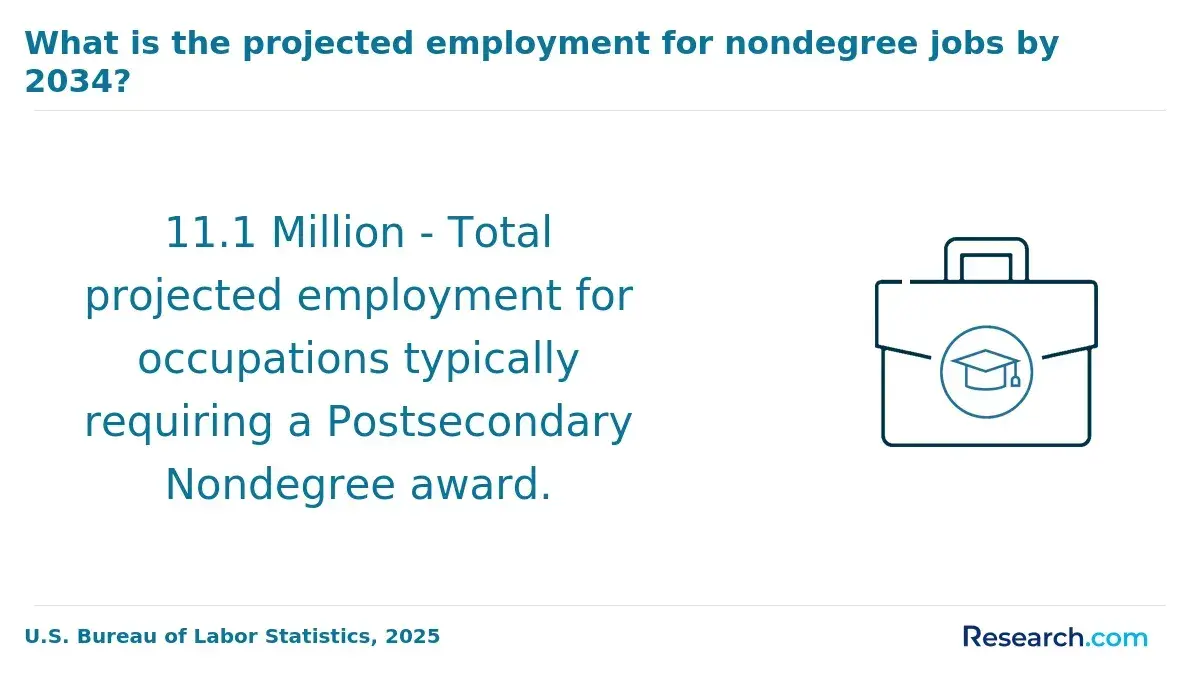
- Federal Aid Eligibility: Students in both formats can access federal loans and Pell Grants if enrolled at least half-time. Accelerated students must ensure their intensive schedules meet these requirements.
- Scholarship Timelines: Traditional students often follow academic-year schedules, while accelerated students should verify that scholarships cover condensed terms or heavier course loads.
- Employer Tuition Assistance: Available to both, but some employers may favor accelerated degrees for quicker career advancement, influencing aid approval.
- Aid Disbursement & Renewal: Accelerated pacing might affect when aid is distributed and requires careful tracking to maintain eligibility with compressed semesters.
A professional who pursued an accelerated liberal arts degree shared that navigating financial aid felt "like a balancing act" due to the quicker pace and overlapping terms. He appreciated the flexibility of institutional aid but recalls frequently consulting financial advisors to confirm his eligibility each term.
"It was challenging but rewarding," he reflected, emphasizing that having clear communication with the school's financial aid office was crucial. He encourages prospective students to stay proactive and informed throughout the process to make the most of available funding options.
What Kind of Student Support Do Accelerated vs. Traditional Liberal Arts Programs Offer?
Student support is essential to academic achievement, with accelerated and traditional liberal arts programs offering distinct approaches in the timing, type, and delivery of services. These differences reflect their unique structures and student needs, affecting how assistance is accessed and experienced.
Below is a comparison of common support systems provided in each program format.
- Academic Advising: Accelerated programs provide dedicated professional advisors who engage proactively and respond swiftly to student needs, often through virtual platforms. Traditional programs rely more on faculty mentors with relationship-based advising and less frequent progress tracking.
- Tutoring: Online tutoring with flexible, often 24/7 availability characterizes accelerated programs, prioritizing convenience over in-depth interaction. Traditional programs emphasize in-person tutoring centers and peer-led study groups that foster collaboration and personalized support.
- Career Counseling: Career services in accelerated programs are integrated early with virtual workshops and partnerships aimed at rapid skill-building and employer connections. Traditional programs offer campus career centers with in-person counseling, networking events, and alumni engagement supporting extended career exploration.
- Peer Interaction: Traditional liberal arts programs typically facilitate more face-to-face peer engagement through groups and campus activities, while accelerated formats may rely on online forums with less direct social interaction.
Do Graduates from Accelerated vs. Traditional Liberal Arts Programs Get Hired More Quickly?
Employment outcomes are often a critical factor when deciding between accelerated and traditional liberal arts programs. Although both paths can open doors to rewarding careers, several elements impact how rapidly graduates secure jobs. Understanding these variables can help students make informed choices about their education and career planning.
Here is a comparison of key factors influencing hiring speed and employment results for graduates of both types of programs:
- Employer Perception: Traditional liberal arts degrees are sometimes seen as more comprehensive, yet the growing credibility of accelerated and online formats-especially from respected institutions-has reduced this gap in employer attitudes.
- Career Readiness: Accelerated programs cultivate strong time management and adaptability skills, but traditional degrees often provide richer internship options and on-campus networking, which can facilitate job opportunities.
- Industry Demand: Sectors valuing communication and critical thinking increasingly acknowledge qualifications from both program types, though some professions with rigid credentialing still favor traditional degrees.
- Job Placement Speed: Surveys show comparable outcomes, with 67% of online liberal arts graduates employed within six months versus 72% for traditional alumni, reflecting a narrowing difference over time.
A professional who earned her degree through a traditional liberal arts program shared her experience about the hiring process. She recalled how participating in various internships and university career fairs significantly enhanced her confidence and connections. While the job search had its moments of uncertainty, the network built during her studies accelerated offers sooner than expected.
She mentioned, "Having access to on-campus resources and faculty mentorship made a real difference. I felt prepared and supported throughout." Her story highlights how traditional programs can create valuable pathways that may influence hiring speed, even amid evolving market trends.
Are Accelerated Liberal Arts Degrees Accredited the Same Way as Traditional Programs?
Accreditation ensures academic quality and legitimacy for both accelerated and traditional liberal arts programs, regardless of pacing or delivery format. It guarantees that the curriculum, faculty qualifications, learning outcomes, and institutional resources meet established standards, which ultimately impacts financial aid eligibility, credit transferability, and employer recognition.
Students pursuing accelerated programs can expect their degrees to hold the same value and rigor as those earned in traditional settings. This is because accreditation standards for accelerated liberal arts degrees require the same thorough evaluation and institutional oversight. Therefore, the credential's credibility is maintained whether the program is completed faster or over a longer time frame.
The accreditation process typically applies equally to both traditional and accelerated formats, though institutions may design accelerated coursework differently to comply with these standards, often incorporating compressed terms or year-round schedules. Regional or programmatic accrediting bodies like the American Academy for Liberal Education review all program types thoroughly.
Prospective students seeking an online accelerated liberal arts degree should verify that their institution holds valid accreditation to ensure their credential is widely recognized. This is an important factor in determining whether their degree will be accepted by employers and other schools, and whether federal financial aid is available.
For those looking for reliable options, a nonprofit accredited online university might offer accredited accelerated opportunities with recognized standards. Confirming accreditation safeguards students' investment in education and future career prospects, aligning with the question of are online accelerated liberal arts degrees recognized.
How Do You Choose Between an Accelerated vs. Traditional Liberal Arts Degree?
Choosing between an accelerated and a traditional liberal arts degree depends largely on your career goals, schedule flexibility, and preferred learning pace. Both options offer distinct advantages suited to different personal circumstances.
To decide which path fits you best, consider the following key factors carefully:
- Time Commitment: Accelerated programs demand intense focus and a significant time investment over a shorter period, typically two to three years, ideal for those seeking to enter the workforce quickly. In contrast, traditional programs spread over about four years, offering more flexibility and allowing for breaks and downtime, which suits students looking for a balanced college experience.
- Learning Style: Individuals who thrive under pressure and intensive coursework are likely to benefit from the fast-paced nature of accelerated programs. On the other hand, students who prefer gradual learning and reflection, with opportunities for deeper exploration and extracurricular involvement, often excel when choosing a traditional Liberal Arts degree path.
- Career Goals: If your priority is to finish school quickly and start your career sooner, accelerated programs are advantageous. However, for those who want broader academic exploration or remain undecided about their future direction, traditional liberal arts degrees provide more time and resources for discovery.
When searching for the best accelerated liberal arts degree programs, keep in mind that studies show about 26% of adult students in accelerated tracks graduate within three years, compared to 18% in conventional programs. Yet, the overall graduation rates tend to equalize after six years.
Whichever path you choose, it should reflect your lifestyle and academic preferences. For additional guidance on career options that complement both degree types, explore best introvert careers.
What Students of Accelerated vs. Traditional Liberal Arts Programs Say About Their Degree
- Noelle: "Enrolling in a traditional liberal arts degree program gave me the chance to deeply explore multiple disciplines at a manageable pace. While the overall cost was higher due to the longer timeline, the comprehensive learning experience really shaped my critical thinking skills and prepared me well for diverse career paths. The balance of theory and personal growth made it worthwhile."
- Tia: "The traditional liberal arts curriculum was enriching but demanding on my time and finances; the average cost stretched my budget considerably. However, the opportunity to engage with a broad range of subjects and develop strong writing and analytical skills has positively impacted my professional confidence. I'd say it's been a reflective journey filled with both challenges and rewards."
- Preston: "Choosing an accelerated liberal arts program was ideal for me since I wanted to complete my degree quickly and enter the workforce without delay. The fast pace was intense and required significant dedication, but it helped reduce overall tuition costs and get me career-ready sooner. Although the compressed format meant less downtime, the focus and intensity suited my learning style perfectly."
Other Things You Should Know About Traditional vs. Accelerated Liberal Arts Degrees
In 2027, accelerated liberal arts degrees are increasingly accepted by employers, given the recognized rigor and efficiency of such programs. Employers often value the drive and time-management skills demonstrated by students who complete their degrees in an accelerated format.
In 2027, students in accelerated liberal arts programs often manage tight schedules by prioritizing assignments, setting clear academic goals, and utilizing campus resources like tutoring and counseling. Time management and self-discipline are crucial to balancing studies with personal commitments effectively.
Accelerated liberal arts programs in 2027 often provide fewer opportunities for internships and networking due to their condensed schedules. However, some programs integrate these experiences within their curriculum, allowing students to build practical skills and connections despite the accelerated pace.
References
- Financial Aid for Accelerated and Graduate Programs - Thomas More University https://www.thomasmore.edu/online-accelerated-programs/financial-aid-accelerated-graduate-programs/
- Revolutionize Your Liberal Arts Degree Experience: Competency-Based Learning at Newlane University » Newlane University https://newlane.edu/revolutionize-your-liberal-arts-degree-experience-competency-based-learning-at-newlane-university/
- Liberal Arts College vs University: Which is Right for You? https://prepory.com/blog/liberal-arts-college-vs-university/
- Accelerated Degree Programs https://admission.tulane.edu/academics/degrees-requirements/accelerated-degree-programs
- How a Liberal Arts Education Can Serve You | College Coach Blog https://blog.getintocollege.com/how-a-liberal-arts-education-can-serve-you/


