2027 Is a Respiratory Care Therapy Master's Degree Worth It? ROI, Salary & Career Impact

Co-Founder and Chief Data Scientist
Respiratory care therapy professionals face a growing demand for advanced qualifications amid evolving healthcare standards. Despite a 19% projected job growth through 2031, uncertainty remains whether a master's degree significantly boosts salary or career prospects compared to entry-level certification. Median annual wages for respiratory therapists were $62,280 in recent years, yet the premium for master's-level credentials varies widely.
This article analyzes the true return on investment of obtaining a respiratory care therapy master's degree, considering tuition costs, financial aid availability, employer perceptions, and long-term career impact. It provides a clear framework for prospective students to evaluate if this advanced degree aligns with their financial capacity and professional goals.
Key Things to Know About the Value of Respiratory Care Therapy Master's Degree
- Admission to respiratory care therapy master's programs typically requires a relevant bachelor's degree and clinical experience; programs vary in length and flexibility, influencing costs and suitability for working professionals.
- Graduates often see an average salary increase of 15-25% compared to entry-level respiratory therapists, with median earnings around $70,000 to $85,000 annually depending on location and role.
- Long-term career growth includes opportunities in leadership, education, and specialized clinical roles; comparing program reputation and financial aid availability helps optimize return on investment.
How Much Does a Respiratory Care Therapy Master's Degree Cost?
The cost of a respiratory care therapy master's degree varies widely depending on the type of institution and residency status, making it essential for prospective students to carefully evaluate their options. With respiratory therapists expected to experience a 9% wage growth by 2031, considering these expenses alongside future salary prospects can guide enrollment decisions.
Below is a detailed outline of typical tuition and associated costs for various program formats.
- Public In-State Programs: Tuition for in-state students usually ranges from $8,000 to $20,000 annually. Given that most programs last about two years, total tuition may range from $16,000 to $40,000. Additional expenses, such as textbooks ($1,500), technology fees ($500), and housing-often exceeding $12,000 per year depending on location-should be factored into the total investment.
- Public Out-of-State Programs: Out-of-state tuition can be two to three times higher than in-state rates, commonly between $20,000 and $45,000 annually. Over two years, tuition costs may reach $40,000 to $90,000 prior to adding living expenses, significantly increasing the total cost for non-residents.
- Private Institutions: Private respiratory care therapy master's programs typically charge $30,000 to $50,000 per year. Over the usual two-year span, tuition alone can total between $60,000 and $100,000. These institutions often provide specialized training but require a greater financial commitment.
- Online Programs: Offering greater scheduling flexibility, online degrees generally range from $15,000 to $35,000 in total tuition. Savings on housing and commuting lower living costs, although technology fees may be higher than those of traditional programs.
- Program Length and Format: Most programs last 18 to 24 months. Accelerated options reduce living expenses by shortening duration but can increase tuition per credit. Hybrid programs combine online and in-person components, influencing costs based on residency and required campus visits.
The average tuition for respiratory care master's program candidates should be assessed alongside these factors to determine the total cost. For individuals seeking efficiency, exploring options like the fastest DNP program may provide insights into accelerated paths in related health fields.
What Financial Aid and Scholarships Are Available for Respiratory Care Therapy Master's Students?
Financial aid plays a vital role in making respiratory care therapy master's programs accessible, especially as educational expenses influence long-term return on investment. The Bureau of Labor Statistics projects a 23% employment growth for respiratory therapists from 2022 to 2032, underlining the value of funding options for this expanding field. Prospective students should carefully explore key financial aid categories outlined below.
- Respiratory Care Therapy Federal Loans: Graduate students may obtain subsidized loans, which do not accrue interest during school, and unsubsidized loans, which begin accruing interest immediately. Repayment typically starts six months after graduation or dropping below half-time enrollment.
- Respiratory Care Therapy Institutional Grants: Many institutions offer grants based on merit or financial need, specifically targeting respiratory care therapy graduate students. These grants are non-repayable and help reduce overall education costs.
- Respiratory Care Therapy External Scholarships: Organizations like the American Association for Respiratory Care provide scholarships based on academic achievement, community involvement, or financial need. Eligibility varies, so applying early is advised.
- Respiratory Care Therapy Loan Forgiveness Programs: Certain public service roles in healthcare may qualify students for federal loan forgiveness after a set number of service years, easing debt burdens post-degree.
- Respiratory Care Therapy Scholarship Search Resources: Platforms such as Fastweb and the National Board for Respiratory Care offer extensive listings for scholarships. Crafting a competitive application includes writing clear essays and securing strong recommendations. For those considering related fields, exploring options like a health care administration degree may also broaden financial aid opportunities.
What Is the Average Salary for Respiratory Care Therapy Master's Degree Holders?
Salary expectations vary greatly for those with a master's degree in respiratory care therapy, influenced by experience, work setting, and location. These factors can help prospective students determine the financial return of pursuing advanced education. Below are key points to consider regarding salary trends and influences for master's degree holders.
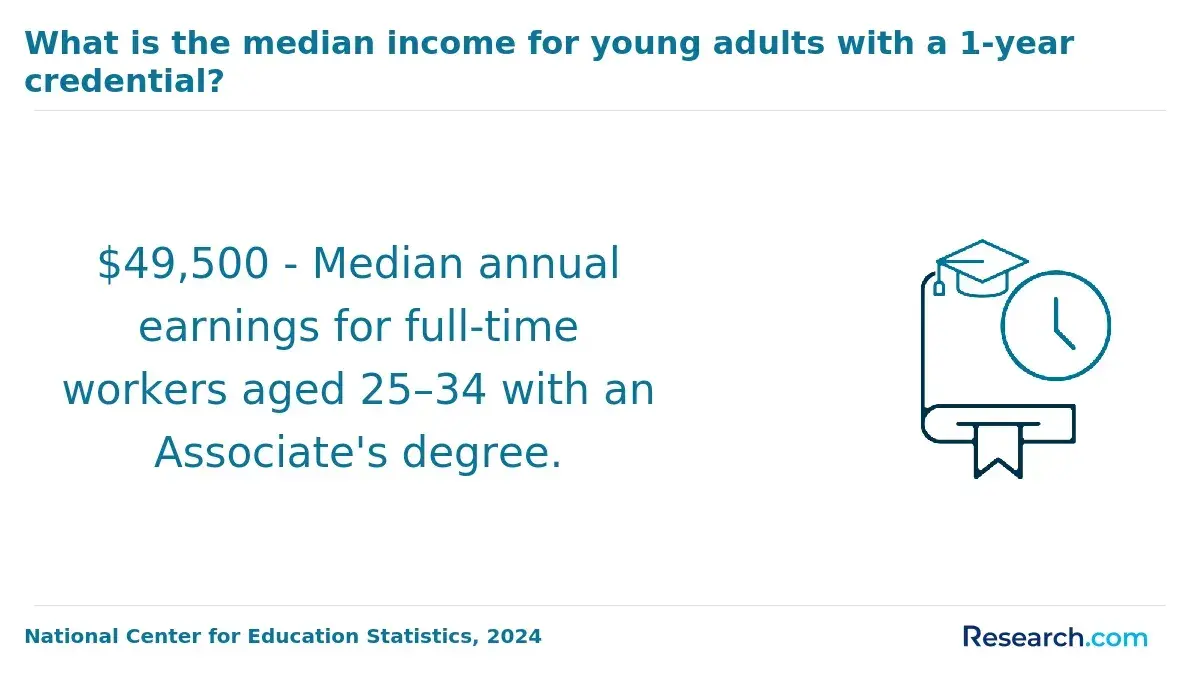
- Salary by Experience Level: Entry-level professionals typically earn between $65,000 and $75,000 annually, while mid-career individuals see increases to $80,000-$95,000. Senior respiratory therapists with a master's degree often exceed $100,000, representing a 10% to 25% increase compared to those holding a bachelor's degree, according to LinkedIn Salary data.
- Sector Differences: Employment in private healthcare generally offers higher base salaries and incentives like bonuses or profit-sharing, whereas public and nonprofit sectors tend toward steadier pay with comprehensive benefits but lower base wages.
- Geographic Impact: Compensation varies widely by region; high-cost states such as California, New York, and Massachusetts provide salaries up to 30% above national averages. Conversely, rural or low-cost areas typically offer lower wages.
- Advanced Degree Advantage: The Bureau of Labor Statistics notes a wage premium for advanced degrees in respiratory care therapy, linked to enhanced job placement, leadership roles, and access to specialized clinical positions unavailable to bachelor's degree holders.
A graduate of a respiratory care therapy master's degree program I spoke with shared that completing the program while working part-time was challenging but rewarding. He emphasized how the advanced coursework deepened his clinical expertise and opened doors to leadership roles he hadn't anticipated. "Balancing studies with work wasn't easy, but the boost in salary and job opportunities made it worthwhile," he reflected, highlighting how the degree transformed both his confidence and career prospects.
How Does a Respiratory Care Therapy Master's Degree Impact Long-Term Career Advancement?
For those considering a respiratory care therapy master's degree, evaluating its influence on long-term career growth is crucial. Beyond initial salary improvements, this degree can significantly shape professional development through enhanced roles and responsibilities. The following factors highlight how this credential can affect career trajectory and opportunities.
- Promotion Rates: Graduates with a master's degree in respiratory care therapy often experience faster promotions due to their advanced skills and knowledge, making them strong candidates for supervisory and specialized healthcare roles. This advantage supports sustained career growth beyond entry-level positions.
- Leadership Roles: A master's degree is frequently preferred or required for managerial, administrative, and educational positions. Holding this degree signals preparedness to lead teams, influence clinical protocols, and engage in strategic organizational efforts.
- Access to Senior Positions: Many clinical senior and policy-making roles demand graduate-level education. The master's degree opens avenues to these influential positions, allowing for greater responsibility in shaping patient care standards.
- Professional Credibility: Beyond technical expertise, the degree enhances professional credibility among peers and employers, which plays a critical role in multidisciplinary healthcare settings and fosters trust.
- Expanded Networks: Graduate programs offer vital opportunities to connect with faculty, alumni, and industry leaders, building networks that facilitate career advancement and collaborative ventures.
- Employer Preferences: Employers at academic medical centers and specialized clinics often strongly prefer or require candidates with a master's degree, viewing it as a commitment to higher competency and professionalism.
- Industry-Specific Importance: While some sectors consider the master's essential for advanced practice, others see it as a beneficial but non-mandatory credential. Understanding these nuances helps align career goals with workplace expectations.
- Continuing Education Pathways: This degree frequently serves as a foundation for pursuing doctoral studies or professional certifications. Those interested in further education may explore DNP online programs cheap to build on their expertise and increase earning potential.
What Is the Return on Investment (ROI) of a Respiratory Care Therapy Master's Degree?
This overview offers prospective students a clear perspective on the financial and career potential associated with pursuing a respiratory care therapy master's degree. Evaluating the return on investment (ROI) involves examining various factors that influence how the degree impacts long-term earnings and job opportunities. Below are important elements to consider when assessing this commitment.
- Total Program Cost: This includes tuition, fees, textbooks, and additional expenses required to complete the master's degree. Costs vary widely, with public institutions generally offering more affordable options than private schools, which can significantly increase the total outlay. Calculating all expenses precisely is critical for determining true ROI.
- Lifetime Salary Premium: The difference in earnings between master's degree holders and those with bachelor's credentials is a central indicator of ROI. Data suggests graduates with advanced respiratory care qualifications can expect a 10% to 25% increase in lifetime income, though this varies by location and the specific role undertaken.
- Payback Period: This measures how long it takes graduates to recover their educational investments through higher earnings. Top outcomes indicate a payback between 3 to 5 years, particularly for roles in clinical leadership or specialized areas. Conversely, some scenarios extend beyond 7 years when salary growth is limited or work is part-time.
- Opportunity Cost: Income lost while studying full-time should be factored into ROI calculations, as this reduces short-term earnings and affects overall financial returns.
- Use of ROI Calculators: Customized online tools help individuals model their unique situations by inputting factors like program cost, expected salary increase, and career duration, offering a personalized financial forecast.
When I spoke with a graduate who completed a respiratory care therapy master's program, they emphasized how the ability to balance part-time work while studying made the financial strain more manageable. "Taking evening classes allowed me to keep earning some income, which helped reduce the pressure of paying upfront costs all at once," they shared.
While the program was intense, having a clear structure and knowing that the degree would open doors to higher-level positions made the challenge worthwhile. They noted, "The support from faculty and access to ROI tools were instrumental in making an informed decision before enrolling." This experience highlights the value of thorough planning and the tangible impact of a master's degree on career advancement within respiratory care therapy.
What Are the Admission Requirements for a Respiratory Care Therapy Master's Program?
Admission standards for a respiratory care therapy master's program often include several critical factors, which can differ notably between highly selective and more accessible programs. Applicants are assessed not only on academic records but also on professional readiness and personal motivations. Below is an overview of common requirements that candidates should prepare for to improve their chances of acceptance.
- Undergraduate GPA Benchmarks: Programs typically expect a minimum GPA around 3.0 on a 4.0 scale, with competitive schools often requiring 3.5 or higher, especially in science-related courses relevant to respiratory care.
- Standardized Test Scores: While some institutions still request GRE or GMAT results, many have adopted optional testing policies or waive scores altogether. Strong results can enhance an application but are seldom the sole deciding factor.
- Prerequisite Coursework: Essential courses usually include human anatomy, physiology, microbiology, chemistry, and fundamentals of respiratory therapy. Applicants should verify specific prerequisites on each program's website to ensure eligibility.
- Statement of Purpose: This essay is a key opportunity to convey motivation, career objectives, and suitability for graduate study. Clear, focused statements that demonstrate knowledge and commitment can significantly strengthen an application.
- Letters of Recommendation: Typically, two or three references are requested from supervisors or professors familiar with the candidate's clinical performance and professionalism.
- Relevant Work or Research Experience: Hands-on experience in respiratory care settings or research involvement highlights preparedness for advanced study and professional development, helping applicants stand out.
What Is the Minimum GPA Requirement for a Respiratory Care Therapy Master's Program?
The minimum GPA requirement for admission to a respiratory care therapy master's program typically varies by institution ranking and program selectivity, with more competitive schools setting higher standards. Most programs expect a minimum undergraduate GPA around 3.0 on a 4.0 scale, though some may accept applicants with GPAs as low as 2.7 if other parts of their application are strong.
For those concerned about the average GPA needed to enter respiratory care therapy graduate schools, it's important to note that a lower GPA does not automatically exclude candidacy, as admissions committees often take a holistic approach.
Several factors can help compensate for a less-than-ideal GPA. Here are key points that outline how admissions evaluate applicants and strategies for borderline candidates:
- Gpa Thresholds by Institution: Top-tier programs generally require a minimum GPA of 3.0 to 3.5, reflecting high academic standards and competitiveness. Less selective or newer programs may allow GPAs closer to 2.7 or 2.8, offering more accessibility while maintaining reasonable academic expectations.
- Work Experience and Personal Statements: Strong clinical experience and relevant work history can significantly boost an application. A well-crafted personal statement that clearly demonstrates passion and commitment to respiratory care therapy strengthens the overall profile and may offset marginal GPA scores.
- Use of Standardized Tests: Programs sometimes use GRE scores to balance the application. High marks on the verbal and quantitative sections can improve chances when the undergraduate GPA is borderline or slightly below the typical threshold.
- Conditional Admission and Probation: Some schools offer conditional acceptance contingent on achieving minimum grades in initial graduate courses or place students on academic probation, providing an alternative route for those with weaker academic backgrounds to prove their capability.
- Strategies for Low Gpa Applicants: Prospective students with low GPAs should consider enrolling in post-baccalaureate courses to enhance their academic record. Seeking strong letters of recommendation and articulating clear, focused goals and motivation in personal statements are also crucial tactics to improve admission prospects.
Those weighing the financial and professional implications of advanced degrees may also find value in exploring options such as affordable online MHA programs to compare investment and return across healthcare graduate programs.
Is an Online Respiratory Care Therapy Master's Degree as Valuable as an In-Person Degree?
Prospective students weighing the merits of online versus in-person respiratory care therapy master's degrees must consider evolving employer attitudes and program characteristics shaped by recent shifts in education. These factors affect how programs are perceived and the benefits they provide in terms of career growth and learning experience. Key considerations include:
- Shifts in Employer Acceptance: The widespread adoption of remote learning during and after the COVID-19 pandemic increased the credibility of online degrees. Surveys indicate that over 70% of employers now view accredited online master's degrees in respiratory care therapy as equivalent to traditional degrees, focusing on accreditation rather than delivery method.
- Program Rigor and Standards: Accredited online programs typically mirror the curriculum and clinical competencies of their on-campus counterparts. While online students must arrange local clinical practice, coursework quality and assessment rigor remain consistent across formats.
- Differences in Networking: In-person programs facilitate spontaneous interactions with peers and faculty, enhancing relationship-building and mentorship opportunities. Online students rely more on virtual networks, which offer flexibility but can limit face-to-face engagement.
- Access to Career Services: Campus-based students often benefit from direct career support including job fairs and employer visits, whereas online learners increasingly access comprehensive virtual career resources like interview preparation and employer outreach, though local connections might be less immediate.
- Advantages of Online Degrees: Those balancing professional, family, or geographic constraints may find online programs more feasible due to flexible pacing, lower costs, and eliminating relocation needs, allowing career advancement without disruption.
- When In-Person May Be Preferable: Students seeking immersive clinical exposure, strong local industry ties, or in-person networking may gain an advantage from on-campus study. Proximity to health systems can enhance internship and employment prospects in competitive regions.
- Accreditation Is Key: Regardless of mode, employer evaluations prioritize accreditation status and demonstrated professional competencies over whether the degree was earned online or in person.
What Jobs Can You Get With a Respiratory Care Therapy Master's Degree?
Knowing where respiratory care therapy master's degree graduates tend to find employment helps clarify how this advanced credential influences career opportunities. Certain positions strictly require a master's degree, while others reward those credentials with a competitive edge.
Various sectors-from clinical leadership to research and consulting-have expanded roles as healthcare evolves, making it important to understand where this degree fits within the broader respiratory care landscape.
These roles illustrate the diversity of career pathways available to graduates.
- Director of Respiratory Care Services: This senior administrative position usually demands a master's degree along with extensive clinical experience. Directors oversee respiratory care departments within hospitals or healthcare systems and command salaries well over $100,000 due to their leadership duties.
- Clinical Research Coordinator: Often preferred to hold a master's degree, these professionals manage respiratory therapy research initiatives in academic or pharmaceutical settings. Their salaries typically range from $70,000 to $95,000, reflecting the specialized knowledge required.
- Respiratory Therapist Educator: Teaching roles at colleges and universities generally require a master's degree. Educators receive higher pay than clinical therapists and contribute by developing curricula and leading continuing education efforts.
- Advanced Clinical Specialist: In areas like neonatal or cardiopulmonary care, a master's degree enhances eligibility for certification and competitiveness. These specialists can make between $80,000 and $110,000, especially in metropolitan healthcare environments.
- Healthcare Consultant: Combining clinical insight with operational expertise, consultants with a master's degree advise healthcare organizations on program efficiency and regulatory matters. Their pay often exceeds $90,000, reflecting the blend of skills involved.
How Do Employers and Industries Value a Respiratory Care Therapy Master's Degree?
Different employer types vary significantly in how they value a respiratory care therapy master's degree, influencing hiring and promotion decisions. For prospective students evaluating industry demand for respiratory care therapy master's graduates, understanding these perspectives is crucial for aligning career goals with credential value across sectors.
- Large Corporations Favor Advanced Credentials: Major healthcare organizations often view a master's degree as evidence of advanced clinical expertise and leadership potential. This degree enhances opportunities for supervisory and specialized roles, indicating a commitment to higher-level respiratory care practice.
- Government Agencies Emphasize Credential Recognition: Federal and public health institutions generally require graduate degrees for administrative, policy, and educational positions. Surveys show these agencies recognize the master's degree as a standard for experienced respiratory care practitioners.
- Startups Seek Versatility and Innovation: Health technology startups prioritize practical skills but also value a master's for its demonstration of critical thinking and research ability. However, these dynamic environments may weigh hands-on experience as heavily as formal education.
- Nonprofits Value Mission-Driven Expertise: Organizations focused on community health often prefer candidates with master's degrees for program management and grant writing, interpreting the degree as a sign of expertise aligned with their goals.
- Disciplinary Variation in Terminal Degrees: In respiratory care therapy, the master's is commonly the terminal professional degree. By contrast, healthcare administration roles may favor an MBA, while academic or research careers often require a doctorate.
- Effective Communication of Degree Value: Applicants boost their appeal by highlighting how the master's improved clinical skills, leadership, and evidence-based practice. Tailoring this message to specific employer priorities-such as enhancing patient outcomes or team management-is essential.
Prospective students may explore colleges with accelerated programs to find efficient pathways for earning this credential.
Is a Respiratory Care Therapy Master's Degree Worth It?
Recognizing how various employers value a master's degree in respiratory care therapy is key for applicants assessing its career relevance. Employer expectations vary notably by sector, influencing hiring and advancement prospects.
- Employer Type Variation: Larger corporations and government bodies often seek master's degree holders for leadership or specialized clinical roles, viewing the credential as an indicator of advanced knowledge. Conversely, startups and nonprofit organizations may prioritize hands-on skills and adaptability, sometimes placing less emphasis on formal degrees during recruitment.
- Industry Survey Insights: Approximately 60% of employers within respiratory care regard a master's degree as advantageous but not strictly necessary. While experience and certifications often take precedence, holding a master's can give candidates a competitive edge when pursuing promotions or distinctive roles.
- Disciplinary Differences: In respiratory care, the master's degree is generally the highest professional credential, unlike other fields where executive roles often require doctoral or MBA qualifications. Thus, the master's usually suffices for clinical and administrative positions without the need for further academic credentials.
- Communicating Degree Value: Applicants should emphasize how their education directly enhances skills relevant to the targeted role, underlining leadership capabilities and evidence-based practice knowledge. Customizing applications to spotlight practical benefits aids employers in appreciating the degree's impact beyond academic attainment.
What Graduates Say About Their Respiratory Care Therapy Master's Degree
- Jeremy: "Applying to the respiratory care therapy master's program was initially overwhelming, but having access to comprehensive academic catalogs made the process much smoother. I appreciated the clear outlines of prerequisites and program goals, which helped me prepare thoroughly. Now that I'm working in the field, I see how that solid foundation has made me confident and competent in my role."
- Daniel: "Exploring the job market after graduating from the respiratory care therapy master's program revealed a broad spectrum of opportunities beyond traditional hospitals. By researching industries actively hiring specialized graduates, I found a niche in medical device companies where my advanced training is highly valued. Staying informed through accrediting agencies and federal education resources was key to understanding how to adapt my skills for this evolving landscape."
- Penelope: "Reflecting on my journey, relying on official academic catalogs and accrediting agencies helped me navigate the complex requirements of the respiratory care therapy master's degree with greater ease. This thorough research ensured I stayed on track academically and professionally. The experience has been enlightening and rewarding, especially now that I'm applying what I learned to improve patient care standards."
Other Things You Should Know About Respiratory Care Therapy Degrees
Pursuing a master's degree in respiratory care therapy in 2027 may face challenges such as high tuition costs and the potential for limited job market growth. Additionally, balancing work, study, and potential student debt can be significant stressors, influencing the overall return on investment.
A respiratory care therapy master's degree offers a broader and deeper educational foundation compared to professional certifications, which focus on specific skills or competencies. While certifications like the Registered Respiratory Therapist (RRT) or Certified Pulmonary Function Technologist (CPFT) validate technical skills, the master's degree prepares graduates for advanced roles in leadership, research, and education. This degree can open doors to management positions and opportunities in healthcare policy or advanced clinical practice that certifications alone may not provide.
Pursuing a respiratory care therapy master's degree can be challenging due to the time commitment and financial investment required. Students may face rigorous coursework alongside clinical practicum requirements, which demand strong time-management skills. Additionally, there is a risk that the degree might not lead directly to significantly higher earnings in some geographic areas or healthcare settings, so careful consideration of local job markets and career goals is necessary before enrolling.
In 2027, respiratory therapists with a master's degree can pursue leadership roles such as program directors or department managers. Advanced clinical positions, research roles, and academic teaching opportunities may also be more accessible, potentially leading to higher salaries and greater job satisfaction.
References
- What Can You Do with a Respiratory Therapy Degree? | Goodwin University https://www.goodwin.edu/enews/what-can-you-do-respiratory-therapy-degree/
- Quick Facts - Respiratory Therapists - AARC https://www.aarc.org/your-rt-career/why-be-an-rt/quick-facts-respiratory-therapists/
- SHP Master of Science in Respiratory Therapy Fee Sheet Details https://www.utmb.edu/enrollmentservices/resources/studentaccounts/shp-master-of-science-in-respiratory-care-fee-sheet-details
- Respiratory Therapist Salary, Job Outlook & Education Options | Respiratory Therapy https://respiratory-therapy.com/department-management/education/respiratory-therapist-salary-job-outlook-education-options/
- Respiratory Care, MSRC (Online) | Loma Linda University https://llu.edu/academics/programs/school-allied-health-professions/respiratory-care-msrc-online
- 2025 Respiratory Care Scholarships and Awards - The National Board for Respiratory Care https://www.nbrc.org/2025-respiratory-care-scholarships-and-awards/
- Respiratory Therapist Salary Guide https://www.carerev.com/blog/respiratory-therapist-salaries-what-you-need-to-know
- Respiratory Care - Respiratory Therapy Scholarship https://www.mccneb.edu/foundation-give/about-the-mcc-foundation/full-list/respiratory-care-respiratory-therapy-scholarship
- Respiratory Therapy Growth | Key Trends and Impacts https://blog.methodistcollege.edu/7-reasons-respiratory-therapy-is-lifting-off
- Careers in Respiratory Therapy https://uthscsa.edu/health-professions/programs/respiratory-care-ms/careers