
2027 Is a Supply Chain Management Degree Better Than Experience Alone? Salary, Hiring, and Career Growth Compared

Co-Founder and Chief Data Scientist
Professionals entering supply chain management face a significant choice: pursue a formal degree or build a career through experience and self-teaching. Recent data from 2025 reveals degree holders earn on average 18% more than their counterparts relying solely on experience, reflecting employer preference for formal education credentials. Many companies require at least a bachelor's degree for entry-level roles, limiting opportunities for non-degree candidates.
Career growth also trends higher among degree holders due to structured knowledge of logistics, analytics, and strategy. This article explores salary differences, hiring practices, and long-term advancement to help readers decide the best path for their supply chain management career goals.
Key Points About Having Supply Chain Management Degrees vs Experience Alone
- Degree holders in supply chain management typically earn 15% higher starting salaries compared to experienced non-degree professionals, reflecting employers' preference for formal education in complex logistics roles.
- Job openings requiring a supply chain management degree have increased by 22% recently, highlighting stronger hiring prospects for graduates versus self-taught or solely experienced candidates.
- Employees with supply chain management degrees are 30% more likely to advance into leadership positions, suggesting academic credentials facilitate faster career growth in corporate supply operations.
What technical proficiencies can you gain from having Supply Chain Management degrees vs self-teaching?
Professionals can learn foundational principles and practical applications of supply chain management through formal degree programs or solely from on-the-job experience. Degrees provide a structured path to acquiring complex technical skills that may be difficult to master independently. The following five critical proficiencies highlight how formal education contrasts with experience-based learning.
- Advanced Analytics: Degree programs teach predictive modeling and optimization techniques using real data sets, while self-teaching may offer limited opportunities to practice these complex methods systematically.
- Enterprise Resource Planning (ERP) Systems: Academic settings provide hands-on training with software like SAP or Oracle, essential for managing integrated supply chain operations, unlike work experience which may only offer partial exposure.
- Quantitative Forecasting: Formal education covers stochastic models and inventory management under uncertainty in depth, whereas such quantitative rigor is rarely emphasized through job experience alone.
- Network Design: Supply chain network planning with simulation and scenario analysis is extensively practiced in coursework, while experiential learning often lacks access to these sophisticated tools and frameworks.
- Regulatory Compliance: Degree programs address legal frameworks and international trade policies in a comprehensive manner, a topic that many practitioners gain only superficial knowledge of through experience.
These targeted competencies gained from supply chain management degrees compared to experience enhance a professional's technical toolkit and problem-solving mindset. While practical experience is invaluable for managing disruptions and vendor negotiations, systematic mastery of specialized tools and models primarily comes from academic training.
According to recent data, 67% of hiring managers in supply chain roles prefer candidates with formal supply chain management education, recognizing their stronger proficiency in methodologies and software applications. For students exploring career options, reviewing university majors can help clarify which programs align best with their goals.
Are there certifications or licenses that only Supply Chain Management degree holders can obtain?
Continuing education and obtaining additional credentials remain valuable, even as more employers shift toward skills-based hiring. However, certain certifications and licenses specifically require candidates to have a supply chain management degree or a related academic background. The following list highlights some key professional credentials exclusive to supply chain management degree holders.
- Certified Supply Chain Professional (CSCP): Offered by APICS, this certification demonstrates expertise in end-to-end supply chain operations. It typically requires candidates to hold a supply chain management degree or possess equivalent academic knowledge, as work experience alone may not fulfill eligibility criteria.
- Certified in Production and Inventory Management (CPIM): Also from APICS, the CPIM certification focuses on inventory and production planning. Candidates usually need a foundational understanding gained through a supply chain degree, ensuring they meet the standards for mid-level operational roles.
- Certified Logistics Professional (CLP): This credential often mandates a relevant degree for eligibility and validates skills in logistics, distribution, and transportation. It targets professionals aiming for leadership in logistics-heavy industries, making a supply chain management degree a significant advantage.
- SCPro™ Certification: Issued by the Council of Supply Chain Management Professionals (CSCMP), SCPro™ requires candidates to demonstrate both academic background and work experience. A degree in supply chain management or a related field is usually mandatory across its three levels, confirming strategic and operational competence.
Research from the Institute for Career Development shows that 68% of supply chain professionals with advanced certifications also hold degrees, compared to 42% whose qualification relies solely on experience. This indicates that certifications exclusive to supply chain management degree holders can notably enhance hiring potential and salary growth. For students deciding between self-teaching and formal education, pursuing the best 4 year degrees remains a sound investment to access professional licenses for supply chain graduates and unlock higher career opportunities.
Will a degree in Supply Chain Management make you more employable?
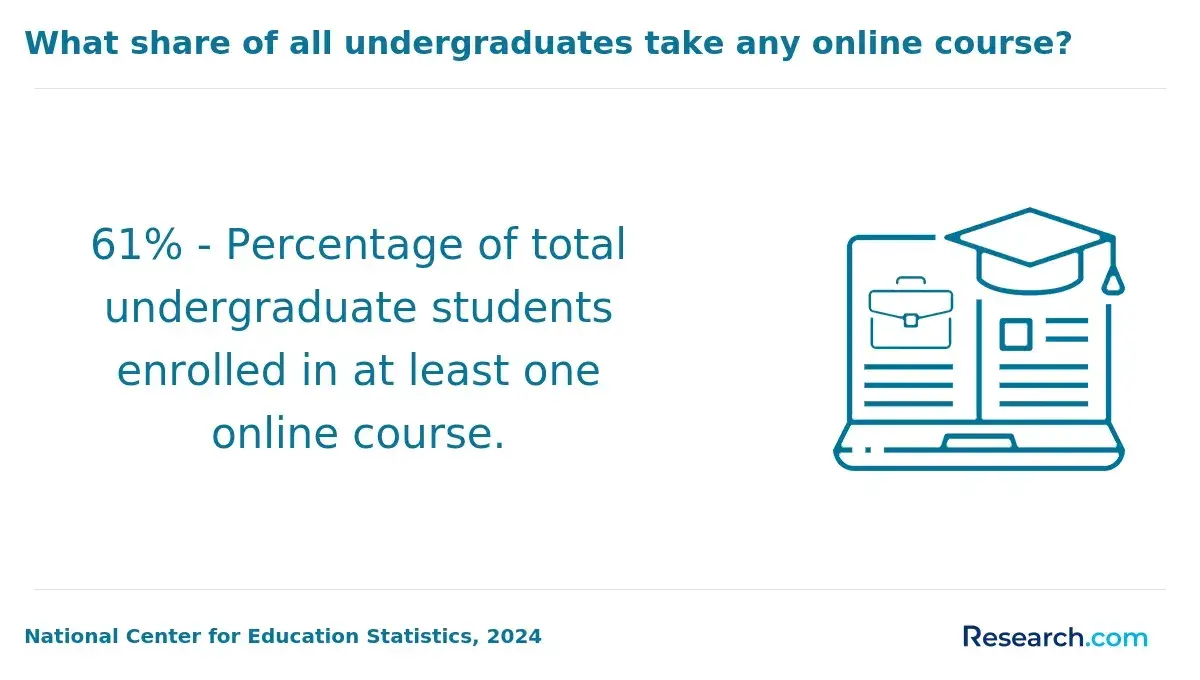
The job market generally favors candidates with a supply chain management degree, particularly as roles grow more complex and require specialized knowledge. Employers often prefer degree holders because formal education ensures a deeper understanding of essential areas like inventory management, procurement, and demand forecasting that may not be easily mastered on the job. However, some employers, especially smaller firms, still highly value hands-on experience and skill sets over formal degrees, particularly for entry-level or operational roles.
Several factors shape this preference: degree programs often combine theory with internships or practical training, which validate technical skills while offering real-world exposure. Degrees can also signal familiarity with evolving technologies, regulatory challenges, and strategic processes necessary for leadership and analytical roles. Meanwhile, a skills-first approach focused on certifications and software expertise is becoming more common in certain sectors, highlighting the continued relevance of demonstrated capabilities alongside formal credentials.
Ultimately, whether a degree is essential depends on individual career ambitions. For strategic or managerial positions, a degree provides a clear advantage, but those aiming for tactical roles or rapid entry might find experience and certifications sufficient. Combining education with practical experience often yields the best results in boosting employability across the board.
Asked about his experience, a professional who graduated from an online supply chain management bachelor's program shared, "Balancing work and study was tough, especially juggling assignments with real deadlines at my job." He noted that the program challenged him to think critically about complex logistics issues beyond everyday tasks. "The internships and projects made a real difference; they weren't just theory but practical problems I still encounter." Reflecting on hiring, he said, "Having the degree definitely opened doors, but showing I could apply what I learned made all the difference in interviews."
What careers are available to Supply Chain Management degree holders?
Certain roles in supply chain management generally require a formal degree due to the complex skills involved, while other jobs place a stronger emphasis on practical experience and job readiness. The availability of specific career opportunities can depend on whether candidates hold a Supply Chain Management degree or rely solely on work experience. Below are several prominent careers available to degree holders and how they differ in educational requirements.
- Supply Chain Analyst: This role uses data-driven insights to improve supply chain efficiency by analyzing inventory, deliveries, and supplier performance. Typically, employers expect a degree coupled with technical training because of the quantitative skills and software expertise needed.
- Procurement Manager: Responsible for negotiating contracts and managing supplier relationships, procurement managers require a strong understanding of market dynamics and legal frameworks. While a degree is common, experienced professionals with proven negotiation skills and certifications can succeed without one.
- Logistics Coordinator: Coordinators handle transportation and warehousing logistics, including routing and vendor management. This position often serves as an entry point for degree holders, but candidates with operational shipping or warehouse experience can also qualify.
- Operations Manager: Overseeing end-to-end supply chain processes, operations managers need leadership and analytical skills typically developed through formal education. Some companies, however, promote seasoned employees based on demonstrated process improvement capabilities regardless of degrees.
- Demand Planner: Focused on forecasting product demand using statistical models, demand planners usually have quantitative training from degree programs. Yet, those skilled in market research and inventory control can earn opportunities through experience and targeted certifications.
Graduates curious about whether to pursue a degree or gain skills through experience can also explore 12 month certificate programs that pay well, which often provide focused training recognized by employers. With 68% of supply chain management professionals in stable roles holding relevant degrees, the combination of formal education and experience remains a solid strategy for accessing a broader range of career opportunities. Understanding the variety of jobs available with a supply chain management degree helps candidates align their education and career goals effectively.
Does having Supply Chain Management degrees have an effect on professional networking?
Holding a Supply Chain Management degree often opens doors to specialized professional networks that are less accessible to those relying solely on experience or self-teaching. Degree programs typically provide structured access to industry-specific alumni, faculty mentors, and organized events, creating crucial connections early in one's career. Conversely, non-degree professionals usually depend on personal contacts, workplace relationships, and broad platforms like LinkedIn, which may not offer the same targeted networking benefits.
Students in these degree programs gain valuable assets such as access to alumni groups focused on supply chain roles, participation in industry competitions, and direct engagement with faculty who maintain active industry partnerships. Non-degree professionals, meanwhile, often build networks based on their immediate circles or company environments without the broader academic framework that facilitates referrals and internships.
The supply chain management field highly values trusted recommendations and referral-based hiring, indicating that professional networks can significantly influence career progression. While practical experience is essential, combining it with educationally driven networking opportunities provides a clear advantage. Building and sustaining relationships within the industry is an important factor that supports both job placement and long-term growth.
How do Supply Chain Management degrees impact promotion opportunities?
A degree in supply chain management can open doors to roles that require a solid foundation in key areas like logistics and procurement, often making candidates more competitive for promotions within the field. Below are some reasons why holding this degree can positively influence career advancement:
- Demonstrated Expertise: A formal degree signals to employers that the professional has studied essential concepts and practices, which builds trust in their ability to handle leadership responsibilities.
- Access to Training: Degree holders are more likely to qualify for specialized management and leadership development programs that provide advanced skills and strategic insights, preparing them for higher-level positions.
- Exposure to Emerging Trends: Academic programs often incorporate the latest technologies and frameworks, equipping graduates with knowledge that helps them navigate complex challenges and make informed decisions in evolving supply chain environments.
While extensive experience and certifications can also lead to career growth, a supply chain management degree tends to streamline the path to mid and senior-level roles by combining theoretical knowledge with practical applications valued by employers.
Do Supply Chain Management degrees affect a professional's income outlook?
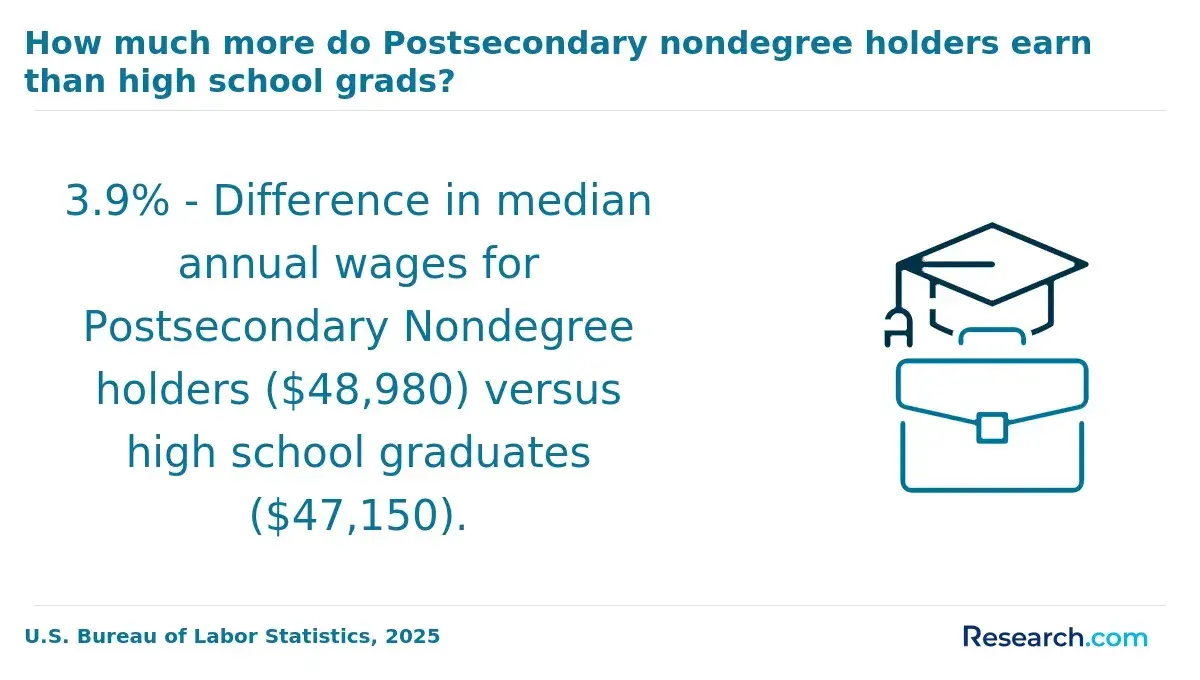
Professionals holding a supply chain management degree typically earn about 15% more at entry level than those without formal education in the field. This wage gap tends to grow with experience, as degree holders frequently advance into higher-paying roles such as procurement managers or logistics directors. While those relying solely on experience can still earn competitive salaries, many face a lower income ceiling compared to their degree-educated peers, who often reach median salaries exceeding $110,000. This disparity highlights the positive impact of supply chain management degrees on career salary growth in the United States.
Non-degree professionals can improve their income outlook through certifications like APICS, pursuing advanced degrees, or by building strong professional networks. Continuous learning plays a crucial role in matching the earnings potential of degree holders.
Constant upskilling helps supply chain management professionals remain essential during economic shifts and company reorganizations. For example, professionals looking to expand their qualifications might consider an online doctorate organizational leadership program to enhance leadership skills and career opportunities.
How long would it take for Supply Chain Management degree holders to get an ROI on their education?
Tuition for a supply chain management degree typically ranges from $20,000 to $60,000, depending on the school and program type. While this represents a significant initial expense, graduates can often expect to recover their investment within 4 to 7 years through increased earnings. Data shows that those with a degree earn about 25% more than professionals with similar experience but no formal education in supply chain management.
This salary premium can outweigh the costs associated with tuition and potential student debt over time. Financial aid options such as scholarships, grants, and employer tuition reimbursement help reduce upfront costs, making the degree more affordable.
Choosing accelerated programs and engaging in internships or cooperative education also shorten the time to complete the degree and bolster practical skills. These strategies can enhance employability and speed up the return on investment by improving career growth prospects and overall earning potential.
Are Supply Chain Management degree holders less likely to be displaced by automation and economic downturns?
The supply chain industry is rapidly integrating AI and automation, transforming routine operations like inventory management. This shift introduces volatility, especially during economic downturns when companies prioritize cost reductions and efficiency. Professionals with a supply chain management degree tend to have an advantage, as their education equips them with skills in data analytics, AI implementation, and strategic risk management, making them adaptable to technological changes and market fluctuations. In contrast, workers relying solely on experience may struggle to keep pace with these advancements, leaving their roles more vulnerable to automation and layoffs.
Degree holders in supply chain management are often trained to create, oversee, and improve automated systems rather than just perform manual tasks. This expertise reduces their chances of being displaced and makes them valuable during restructuring phases triggered by economic stress. Formal education also fosters proficiency in forecasting and cross-functional leadership, which are crucial during uncertain times. Meanwhile, individuals without such academic backgrounds may lack these specialized skills, increasing their risk of job loss or stagnation when industries shift toward digital transformation and leaner operations.
When I spoke with a professional who completed an online bachelor's degree in supply chain management, he shared how completing the program helped him feel more secure amid industry changes. He recalled moments of anxiety when automation was introduced at his company but emphasized that his coursework on AI tools and risk strategies gave him confidence. "It wasn't just about learning theory," he explained, "it was about applying practical solutions that made me indispensable." He also mentioned the challenge of balancing work, study, and family but said gaining formal education clearly strengthened his position during uncertain times.
Will a degree in Supply Chain Management make it easier to pivot into related industries?
Holding a degree in supply chain management generally makes it easier to pivot into related industries compared to relying solely on experience and self-teaching. Degree holders tend to have stronger technical proficiencies, including familiarity with enterprise resource planning (ERP) systems and supply chain simulation software, giving them an advantage in strategic planning and cross-functional collaboration. This foundation supports a smoother career transition with a supply chain management degree. The following examples illustrate transferable skills and roles across industries.
- Operations Management: Graduates can move into operations coordinator or manager roles within manufacturing or service industries, applying skills in process optimization and efficiency improvements to enhance workflow and resource allocation.
- Procurement Consulting: Professionals can pivot to consulting positions advising businesses on vendor relationship and contract management, leveraging expertise in sourcing strategies and supplier negotiations valuable in both public and private sectors.
- Inventory Control: Roles such as inventory analysts in retail or warehousing sectors benefit from data-driven decision-making and forecasting abilities cultivated through formal education, enabling effective stock management and demand planning.
- Business Analytics: Supply chain graduates often transition to analytics roles where risk assessment and mitigation strategies are critical for interpreting data trends and supporting organizational decision-making in finance or logistics.
- Project Management: Skills in coordination and strategic planning prepare individuals to lead cross-functional projects across industries including technology and healthcare, facilitating collaboration and operational improvements.
Research from the Global Supply Chain Institute shows that individuals leveraging supply chain management education for industry shift have a 30% higher success rate in pivoting to tech-enabled operations roles. For those considering further education options, consulting most affordable online colleges can provide accessible pathways to formal qualifications supporting career advancement.
What Graduates Say About Their Supply Chain Management Degrees
- Melissa: "Graduating with a supply chain management degree truly set me apart in a highly competitive job market. The program's hands-on approach equipped me with practical skills that employers value, making me job-ready from day one. This degree has also been instrumental in accelerating my promotions and improving my salary trajectory."
- Enzo: "Reflecting on my journey, the supply chain management degree gave me an edge by deepening my understanding of logistics and operations. It made me confident in tackling real-world challenges and meeting industry demands. My education has directly impacted my career growth and opened doors to leadership opportunities."
- Rowan: "From a professional standpoint, having a supply chain management degree provided a solid foundation that made me competitive in the job market. The coursework sharpened my analytical skills and strategic thinking, which are critical in this field. Earning this degree has positively influenced my employment prospects and helped me secure a better compensation package."
Other Things You Should Know About Supply Chain Management Degrees
While both degree holders and experienced professionals can achieve job stability, those with a supply chain management degree often benefit from a broader foundational knowledge that can make adapting to industry changes easier. Employers may perceive degree holders as more versatile, which can enhance long-term stability in dynamic work environments.
Supply chain management degrees often expose students to global logistics and international trade concepts, increasing their appeal for roles with multinational companies. Although experienced professionals can gain this knowledge over time, a degree can accelerate access to international opportunities by showcasing formal education in these areas.
In 2027, a supply chain management degree often equips professionals with theoretical knowledge, strategic frameworks, and soft skills essential for leadership roles. However, practical experience offers real-world insights. Together, they enhance leadership capabilities, with education providing a foundation and experience offering context and situational awareness.
References
- How to Assess the ROI of Supply Chain Visibility Investments https://www.holocene.eu/article/how-to-assess-the-roi-of-supply-chain-visibility-investments
- Online vs. On-Campus: Choosing the Right Format for Your Supply Chain Degree https://www.ucumberlands.edu/blog/online-vs-on-campus-choose-your-supply-chain-degree-format
- Choose the Right Supply Chain Management Degree for Global Careers | BSBI https://www.berlinsbi.com/blog/how-to-choose-the-right-supply-chain-management-degree-for-global-careers
- The Supply Chain Management Certifications Needed for Your Career | Prologis https://www.prologis.com/insights-news/blog/certifications-needed-your-career-supply-chain-management
- Impact of Artificial Intelligence on Supply Chain Management Performance https://www.scirp.org/journal/paperinformation
- Top 10 Reasons to Earn a Master in Operations & Supply Chain Management https://www.global-business-school.org/content-type/blog/top-10-reasons-earn-master-operations-supply-chain-management/
- Why Supply Chain Jobs Often Exclude Applicants Without a College Degree: A Deeper Look into Hiring Trends https://scmhire.com/supply-chain-degree/
- Supply Chain Management Salary and Career Outlook https://teach.com/online-ed/business-degrees/online-masters-supply-chain-management/salary-and-career-outlook/
- 19 supply chain certifications for you and your company https://fsc.org/en/blog/supply-chain-certification
- Top 10: Supply Chain Accreditations | Supply Chain Magazine https://supplychaindigital.com/supplier-relationship-management-srm/top-10-supply-chain-accreditations


