
2027 Is an Administration Degree Better Than Experience Alone? Salary, Hiring, and Career Growth Compared

Co-Founder and Chief Data Scientist
In the administration field, the debate between holding a degree versus accumulating years of experience remains critical for job seekers. Recent data shows that degree holders earn an average of 15% more than their non-degree counterparts within the first five years. While some employers prioritize formal education due to compliance and leadership training, others emphasize practical skills and demonstrated problem-solving from experience.
Entry into many administration roles is possible without a degree, but long-term career growth often favors credentialed candidates. This article explores salary trends, hiring preferences, and advancement opportunities to help readers decide the best path for their administration career goals.
Key Points About Having Administration Degrees vs Experience Alone
- Degree holders in administration typically access 25% more job openings, as many employers set academic credentials as minimum hiring criteria compared to experience-only candidates.
- Administration degree holders earn on average 15% higher salaries, reflecting the value employers place on formal training alongside practical knowledge.
- Promotion and leadership opportunities favor administration graduates, with 30% more moving into managerial roles due to recognized qualifications enhancing credibility.
What technical proficiencies can you gain from having Administration degrees vs self-teaching?
Professionals pursuing an administration degree gain foundational principles paired with practical applications that are often difficult to acquire through work experience or self-teaching alone. This structured learning ensures a comprehensive understanding of management tools and theories compared to learning solely on the job. Below are five key technical competencies gained from administration degrees versus self-taught abilities.
- Advanced Data Analysis: Degree programs teach data analysis using industry-standard software such as Excel, SQL, or Tableau, integrating statistical methods essential for informed decision-making. In contrast, professionals learning on the job may only grasp surface-level tool usage without mastering the analytical reasoning behind the data.
- Strategic Project Management: Formal education covers frameworks like Agile and Six Sigma supported by simulations and team exercises, building leadership readiness. Self-learners often encounter fragmented tutorials lacking the collaborative and scenario-based practice needed for advanced competence.
- Financial Accounting: Administration degrees provide hands-on experience interpreting complex financial reports through labs and guided practice, whereas self-teaching or job shadowing may result in basic navigation skills without deeper fiscal insight.
- Enterprise Resource Planning (ERP) Software: Learning ERP platforms such as SAP or Oracle in a degree setting involves practical application within real-world business processes. Self-taught individuals might only learn to operate interfaces without understanding system-wide integration.
- Organizational Behavior Theory: Administration courses explore human capital management theories rarely covered in informal learning. This knowledge is crucial for leadership roles requiring effective people management, beyond just operational tasks.
These key technical competencies gained from administration degrees significantly enhance career prospects, as supported by a report from the National Association of Colleges and Employers indicating graduates with such degrees are 35% more likely to secure mid- to senior-level positions than those relying solely on experience.
For those considering alternatives, well-structured online certificate programs that pay well may supplement skill gaps but typically do not replace the integrated skillset offered by a full degree. Understanding the differences can help you decide the best path for your career growth.
Are there certifications or licenses that only Administration degree holders can obtain?
Continuing education and professional credentials can provide valuable advantages, especially as more employers emphasize skills-based hiring. For administration degree holders, certain certifications or licenses are accessible only with a formal degree in administration or a closely related discipline. Below are notable credentials requiring such foundations:
- Certified Manager (CM): Offered by the Institute of Certified Professional Managers, the CM credential confirms leadership and operational capabilities. Candidates typically need a bachelor's degree in administration or business combined with relevant managerial experience, making this certification largely exclusive to administration degree holders.
- Project Management Professional (PMP): While not exclusively limited to administration graduates, PMP certification candidates generally must meet formal education requirements, often satisfied by holding a degree. This credential is highly valued in administration roles focused on project coordination and resource management.
- Certified Administrative Professional (CAP): Targeting office managers and administrative support professionals, the CAP credential requires passing an exam demonstrating mastery in office technologies and organizational communication. Eligibility is often strengthened by holding an administration degree, reflecting the credential's focus on advanced administrative skills.
- Professional in Human Resources (PHR): Awarded by the Human Resource Certification Institute, this certification typically requires a formal education background. Many administration degree holders pursue the PHR to enhance their credentials, since human resources and administrative leadership skills overlap significantly.
Research shows candidates with administration degrees and certifications are about 30% more likely to receive job offers than those relying solely on experience and self-teaching. This advantage highlights the importance of formal credentials in competitive job markets for administration degree holder certifications and licenses.
For students considering advanced education, exploring affordable psychology masters programs may also provide useful insights into flexible graduate options that complement administrative careers. The value of structured learning and recognized certifications makes pursuing a formal degree an investment in long-term career and salary growth.
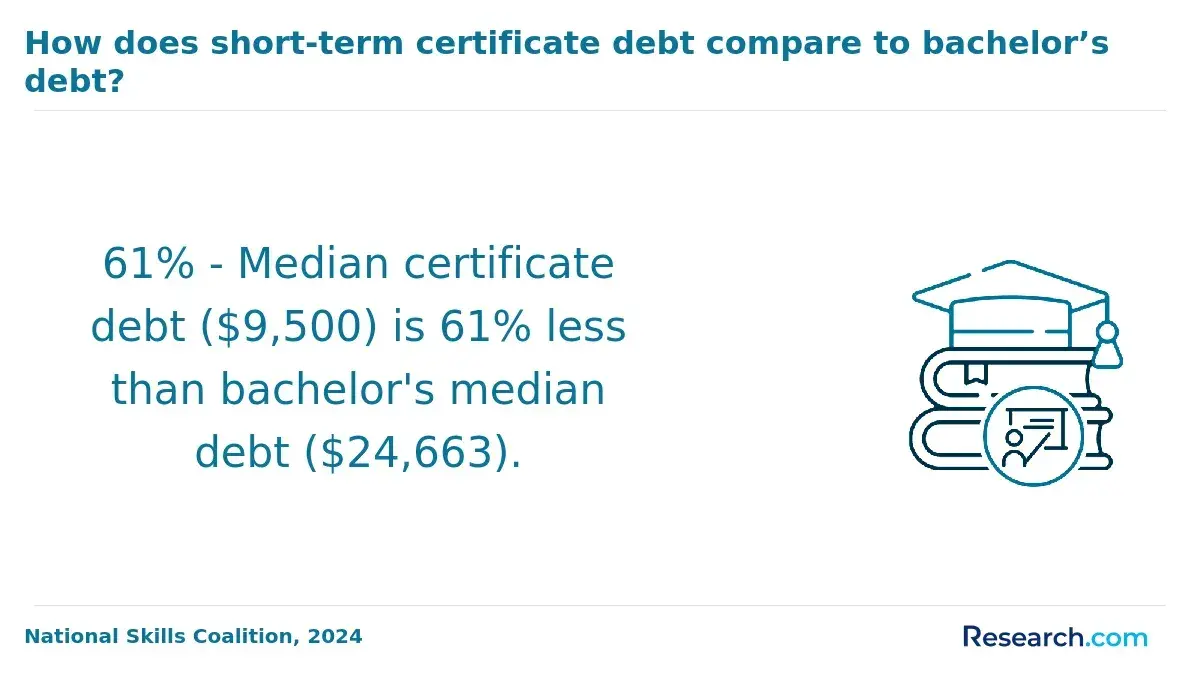
Will a degree in Administration make you more employable?
The job market favors candidates with a degree in administration, showing higher chances of landing entry-level positions than those relying solely on experience. Studies indicate that having formal qualifications can boost initial job offers by nearly 30%, underscoring the advantage degree holders have during the hiring process. However, this advantage is nuanced by the growing acceptance of skills-based hiring in many organizations.
Employers often seek a combination of solid theoretical knowledge and practical skills. Degree programs typically cover essential topics like organizational behavior, management software, and compliance standards, which provide structured learning that on-the-job experience alone might not offer. That said, many recruiters value real-world problem-solving and communication abilities just as highly, especially as skills-first hiring models rise. Most employers prefer candidates who blend education with hands-on experience, particularly for roles that demand both consistency and adaptability.
Ultimately, whether pursuing a degree is necessary depends largely on your career objectives. If you aim for positions requiring formal certifications or specialized knowledge, a degree can be a vital asset. Meanwhile, those confident in building relevant capabilities through work or self-study may find opportunities without it, though proving proficiency becomes crucial in such scenarios.
When asked about his experience after earning an online administration bachelor's, a professional shared that completing the degree gave him confidence during interviews as he could reference concrete concepts rather than just anecdotes from past jobs. He described juggling coursework with full-time work as challenging but rewarding, saying, "It wasn't easy balancing deadlines and projects, but the structured learning helped me understand the bigger picture." He noted that without the degree, he might have struggled to demonstrate his knowledge in certain technical areas employers expected, highlighting how formal education sometimes provides an edge beyond practical experience alone.
What careers are available to Administration degree holders?
Certain careers in administration require candidates to hold a formal degree, while other roles prioritize demonstrated skills and job readiness. This distinction affects the type of job opportunities accessible to those with an administration degree versus those relying on experience alone. Here are some key careers where a degree often influences hiring decisions and career growth:
- Management Analysts: These professionals improve organizational efficiency by analyzing business processes and recommending solutions. Employers usually prefer candidates with a formal degree due to the complex blend of theory and practical business skills involved.
- Human Resources Managers: Responsible for recruitment, training, compliance, and employee relations, HR managers benefit from knowledge of employment law and HR best practices, which are extensively covered in administration degree programs.
- Operations Managers: They oversee daily business activities and coordinate cross-departmental functions. An administration degree equips candidates with logistics, budgeting, and leadership skills often required for success in these roles.
- Executive Assistants: Supporting senior managers through scheduling and communication, executive assistants gain a competitive edge from an administration degree, which enhances office technology proficiency and business communication skills.
- Project Coordinators: These professionals plan and execute projects across departments, managing timelines and resources. Training in project management, frequently included in administration studies, better prepares degree holders for growth opportunities.
Graduates who pursue an online administration degree often qualify for a broader range of roles compared to those relying solely on on-the-job experience. According to the National Association of Colleges and Employers, administration degree holders earn on average 15% more in entry-level management roles, confirming the value of formal education especially in early career stages. For students considering administration degree career opportunities, understanding these distinctions can guide informed decisions about education versus experience.
Does having Administration degrees have an effect on professional networking?
Having a degree in administration often grants access to established networks comprised of peers, instructors, and industry professionals. These connections are typically nurtured through organized university channels such as alumni associations, career fairs, and internships, providing a foothold for mentorship, job leads, and referrals. In contrast, individuals without formal degrees usually depend on their personal and workplace relationships to develop similar networks, which can require more deliberate effort and time.
Students enrolled in administration programs benefit from exclusive resources like faculty recommendations and entry to specialized groups or events linked to their field. Meanwhile, professionals without degrees tend to rely largely on their immediate circles or company contacts to cultivate opportunities. Both paths offer networking assets, but the scope and structure differ significantly, with degree holders often enjoying a broader and more systematic framework.
The administration sector places considerable value on professional relationships, as networking frequently plays a crucial role in career advancement and job acquisition. While it is possible to build a successful career through experience alone, the institutional support embedded in degree programs generally accelerates growth and access to key industry players. Therefore, networks cultivated through formal education generally provide stronger early career benefits within administration.
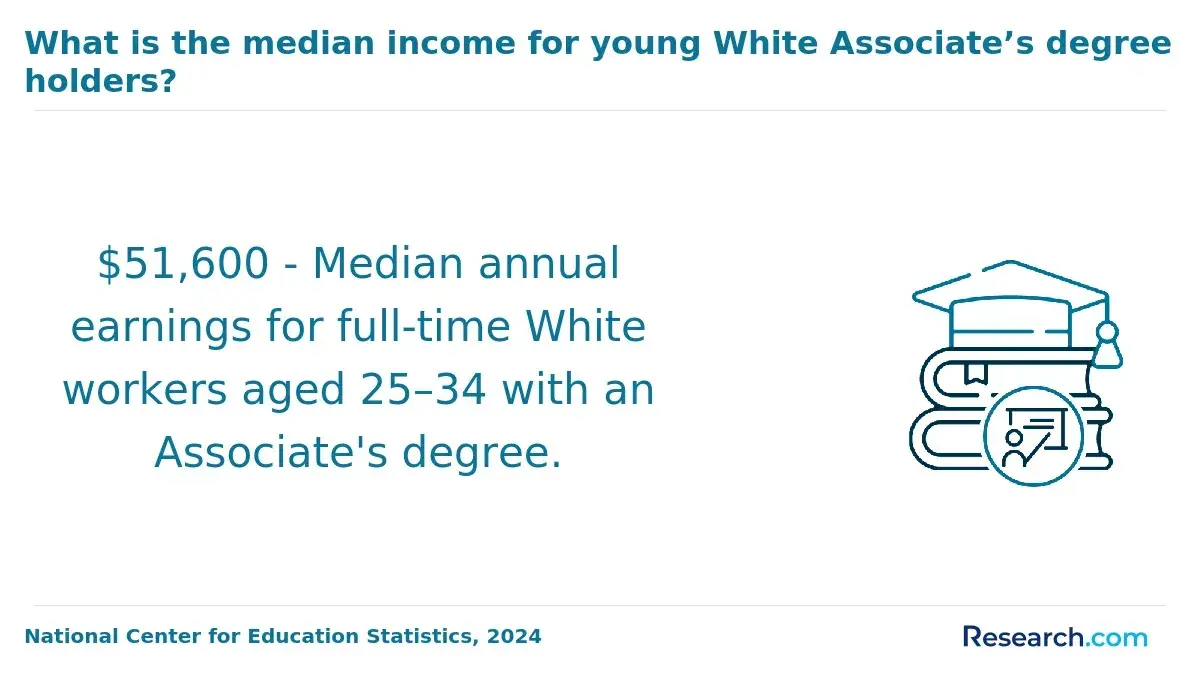
How do Administration degrees impact promotion opportunities?
Holding a degree in administration can increase eligibility for certain leadership roles by showcasing a solid foundation in essential business and management concepts. This formal education often signals to employers that candidates are prepared for higher-level responsibilities. The factors below highlight why administration degrees can positively influence promotion prospects.
- Credential Validation: An administration degree serves as official proof of expertise, helping employers trust that candidates possess key knowledge and skills necessary for advanced positions.
- Skill Development: Coursework in administration enhances critical thinking, problem-solving, and organizational abilities that are highly valued when managing teams or projects.
- Career Advancement Prerequisites: Many companies list an administration degree as a minimum requirement for supervisory or managerial roles, making it essential for candidates aiming to move up.
While experience and demonstrated performance remain important, having a degree often opens doors to specialized training and professional networks that further support career growth. In competitive fields, academic credentials may differentiate candidates and accelerate their path to senior-level roles.
Do Administration degrees affect a professional's income outlook?
Professionals with an administration degree generally earn around 20% more on average compared to peers relying solely on experience. While entry-level salaries such as administrative assistants may start modestly regardless of education, those with degrees tend to climb faster into higher-paying roles like office managers or operations supervisors. Over time, this income gap widens, with mid-career administration degree holders reporting as much as 35% higher earnings than experienced professionals without formal education. This suggests a higher income ceiling for degree holders, especially in management or leadership positions where credentials often influence salary and promotion decisions.
Non-degree holders can close some of this wage gap by gaining professional certifications, building strong networks, and developing leadership abilities. That said, an administration degree typically provides foundational knowledge and recognized credentials that employers prioritize, particularly in competitive hiring and salary discussions. For students comparing salary comparison for administration degree holders versus experience, exploring options like the cheapest online EdD programs no GRE can be a cost-effective path to boost income potential.
How long would it take for Administration degree holders to get an ROI on their education?
The average tuition for a bachelor's degree in administration in the United States ranges from $30,000 to $60,000, depending on the institution. Graduates typically begin to see a return on investment (ROI) within 5 to 7 years, as the degree often leads to higher starting salaries compared to those relying solely on experience. Data from the National Career Development Association shows administration degree holders earn about 20% more in mid-level positions than peers without formal education.
Reducing upfront costs through scholarships, grants, and federal financial aid can significantly improve ROI. Choosing accelerated programs also shortens time in school, allowing earlier entry into the workforce. Internships and cooperative education during studies enhance practical skills and employability, boosting career growth and income potential.
While practical experience remains valuable, many find the quantifiable salary premium and structured career advancement associated with an administration degree justify the initial investment, even when factoring in tuition or student debt. These strategies help maximize ROI and support a stronger financial payoff over time.
Are Administration degree holders less likely to be displaced by automation and economic downturns?
The rise of artificial intelligence and automation is transforming administrative roles, often automating repetitive tasks like scheduling and data entry. Job volatility grows as organizations increasingly rely on digital tools and remote work models. In such a shifting environment, those with formal administration degrees generally possess stronger skills in technology integration, strategic planning, and data management, positioning them to adapt more readily than those who depend solely on experience.
Degree holders tend to be more resilient during economic downturns as employers prioritize candidates with verifiable educational credentials and diverse expertise. This often translates to a lower risk of layoffs compared to employees without formal training, whose lack of updated technical and analytical skills may make transitions to evolving roles challenging. Research indicates that administration graduates face a significantly reduced likelihood of displacement by automation relative to non-degree peers in similar positions.
When I spoke with a professional who completed an online bachelor's degree in administration, he reflected on his experience navigating workplace changes. He shared that earning the degree was stressful but rewarding, especially as it helped him gain confidence in handling new technologies and leading projects. "I felt better prepared when my company shifted to hybrid work and started using AI tools," he told me. His education gave him a competitive edge that eased uncertainties during company restructuring and helped secure his role. "Without the degree, I'm not sure I would have adapted as well or felt as secure."
Will a degree in Administration make it easier to pivot into related industries?
Holders of an administration degree generally find it easier to pivot into adjacent industries compared to those relying solely on experience. While both groups bring valuable transferrable skills like problem-solving and communication, degree holders often possess a more structured understanding of business theories, regulatory frameworks, and technical proficiencies acquired through formal education. This knowledge enhances their adaptability in diverse sectors. Below are common industry pivot opportunities for administration graduates with examples of relevant job roles and skills utilized.
- Human Resources: Graduates can become human resources specialists, leveraging skills in organizational management and effective communication to support talent acquisition, employee relations, and benefits administration in various companies.
- Project Management: Project coordinator roles are accessible by applying strategic planning and leadership principles learned during coursework, enabling smooth project execution and stakeholder communication across industries.
- Operations Analysis: Roles such as operations analyst utilize financial analysis and data-driven decision-making skills, helping organizations optimize processes and improve efficiency.
- Marketing Support: Marketing assistant positions allow graduates to apply their analytical skills and understanding of market dynamics to assist in campaign planning and performance assessment.
Graduates with an administration degree are 40% more likely to secure positions in these fields within two years post-graduation due to their formal credentials and critical thinking abilities. This often accelerates their qualification for mid-level management roles, compared to those without degrees. For individuals considering whether to augment experience with formal study or seek easy certifications to get, an administration degree supports industry pivot by equipping learners with recognized expertise and analytical tools that are highly valued by employers.
What Graduates Say About Their Administration Degrees
- Robert: "Earning my administration degree truly gave me a competitive edge when entering the workforce. The practical skills I gained, especially in project management and organizational behavior, made me job-ready from day one. I've noticed that having a formal background in administration also accelerated my promotion opportunities and positively influenced my salary growth over the years."
- Case: "Looking back, my administration degree was the foundation that made me confident in my professional abilities. It equipped me with critical thinking and leadership skills that employers highly value. Beyond just a credential, it opened the door to meaningful roles and gave me a significant advantage in salary negotiations and career advancement."
- Sebastian: "The knowledge and experience I gained through my administration studies directly impacted my career trajectory. I started with a solid understanding of business operations which made me versatile and adaptable in different roles. This degree has been instrumental in securing better job prospects and fostering steady growth in my employment and compensation."
Other Things You Should Know About Administration Degrees
Experience is valuable, but an administration degree often adds formal credibility that employers recognize. Degrees demonstrate a verified level of knowledge and commitment to the field, which can be important for leadership roles. While extensive experience may compensate in some cases, the degree serves as a standardized benchmark of competence.
In 2027, having an administration degree can enhance adaptability in the workplace by equipping professionals with strategic thinking skills and up-to-date industry knowledge. These qualifications enable individuals to navigate organizational changes effectively and foster innovation by integrating theoretical perspectives with practical applications.
Employers often view administration degree holders as better prepared and therefore may invest less in basic training, focusing instead on advanced development. However, they might offer more specialized training to experienced candidates to fill formal knowledge gaps. Both groups can benefit from ongoing professional development, but the baseline skill level varies.
An administration degree curriculum usually includes instruction on industry standards, compliance, and ethics, preparing graduates to navigate regulatory environments effectively. This foundation can be critical in sectors with strict governance. Professionals relying solely on experience might need additional education to fully understand and apply these standards.
References
- Self-Education Gets You Further in Life than a 4 Year College Degree | Tim Denning https://timdenning.com/self-education-2/
- Top 5 Ways to Celebrate Thanksgiving https://www.abmcollege.com/blog/is-network-administrator-a-good-career-option
- How does a college degree improve graduates’ employment and earnings potential? - APLU https://www.aplu.org/our-work/4-policy-and-advocacy/publicuvalues/employment-earnings/
- Ways in which a degree in business administration helps with career advancement https://bmmagazine.co.uk/business/ways-in-which-a-degree-in-business-administration-helps-with-career-advancement/
- From Self-Taught to Hired: Resume and Interview Tips for Your Job Search | The Muse https://www.themuse.com/advice/self-taught
- Degree vs No Degree: Which Future Is Safer? https://olceurope.com/blog/degree-vs-no-degree-which-one-leads-to-a-more-secure-future
- What Can I Do with a Network Administration Degree? https://an.edu/what-can-i-do-with-a-network-administration-degree/
- The Top Ten Reasons to Pursue a Career in Network Administration | CBT Technology Institute https://www.cbt.edu/blog/the-top-ten-reasons-to-pursue-a-career-in-network-administration/
- Explore Business Administration Degree Jobs | SNHU https://www.snhu.edu/about-us/newsroom/business/what-can-you-do-with-a-business-administration-degree
- Business Administrator Certifications https://www.nobledesktop.com/careers/business-administrator/certifications


