
2027 Is an Agriculture Degree Better Than Experience Alone? Salary, Hiring, and Career Growth Compared

Co-Founder and Chief Data Scientist
In the agriculture industry, the decision between pursuing a degree or relying solely on work experience poses a significant career dilemma. Degree holders frequently gain access to higher starting salaries-with recent data showing graduates earn on average 20% more than peers without formal education-and better prospects for advancement. However, some employers prioritize hands-on experience, especially in smaller operations where practical skills often outweigh academic credentials.
Entry into agriculture roles does not universally require a degree, yet certain specialized or managerial positions favor formal education. This article explores how salary, hiring trends, and long-term growth compare for degree holders versus experience-based candidates to guide career choices.
Key Points About Having Agriculture Degrees vs Experience Alone
- Degree holders in agriculture typically earn 15% more than experienced non-degree workers, reflecting the premium employers place on formal education for technical roles.
- Employment rates are 20% higher for agriculture graduates due to more diverse job opportunities, including research and management positions inaccessible without a degree.
- Career growth prospects are stronger for degree holders, with 30% more promotions to leadership roles reported compared to those relying solely on experience and self-teaching.
What technical proficiencies can you gain from having Agriculture degrees vs self-teaching?
Professionals pursuing an agriculture degree gain structured knowledge of foundational principles and practical applications that are often difficult to master through experience or self-teaching alone. The degree programs offer systematic exposure to complex topics necessary for modern agricultural work. Below are five critical technical proficiencies where agriculture degrees provide distinct advantages over relying solely on on-the-job experience.
- Soil Science and Nutrient Management: Degrees teach advanced soil chemistry and laboratory techniques to analyze nutrient content precisely. Experience alone may provide familiarity but often lacks the depth of scientific analysis needed to optimize crop yield effectively.
- Precision Agriculture Technologies: Formal education includes practical training with GPS-guided machinery, drones, and remote sensing tools, integrating theory with hardware operation. Self-teaching can introduce concepts but rarely offers hands-on access to this specialized equipment.
- Data Analysis and Modeling: Using specialized software to predict crop performance and manage resources is a skill cultivated through coursework and lab exercises in degree programs. Experience may develop some intuition but typically lacks rigorous analytical methodology.
- Integrated Pest Management: Understanding pest ecology and resistance requires learning based on detailed biological principles taught in academic settings. Practical experience often focuses on reactive solutions rather than proactive, scientifically grounded strategies.
- Regulations and Compliance: Degrees cover environmental protection laws, food safety standards, and sustainable practices through case studies and legal frameworks. This regulatory knowledge is difficult to gain solely through workplace exposure.
The gap between technical skills gained from agriculture degrees versus self-teaching is evident in the depth and breadth of knowledge acquired. While self-learning or direct experience may provide practical knowledge compared to experience alone, pursuing a formal degree builds a comprehensive foundation crucial for advanced roles.
For those considering further education, programs such as the EdD degree offer streamlined options to deepen expertise. A 2025 industry report found employees with formal agriculture education are 40% more likely to advance to management or specialist positions within five years than those relying only on experience or self-study.
While field experience is invaluable, integrating it with structured education enhances technical proficiency and supports career progression in agricultural sectors facing increasingly complex challenges.
Are there certifications or licenses that only Agriculture degree holders can obtain?
Continuing education and professional credentials can enhance a candidate's qualifications, even as many employers shift toward skills-based hiring. However, certain certifications and licenses remain closely tied to formal education, specifically requiring an agriculture degree. Below are several key credentials that typically mandate holding an agriculture degree before candidates can earn them.
- Certified Crop Adviser (CCA): This certification emphasizes expertise in crop production, soil management, and pest control. Although practical experience plays a role, candidates usually need a degree in agriculture or a related field to satisfy education requirements. A CCA credential significantly improves job prospects in agronomy and crop consulting.
- Professional Agronomist License: Many states require this license for professionals involved in consulting or selling agronomic products. An agriculture degree is generally mandatory to ensure candidates have the necessary scientific foundation. Licensure often leads to leadership roles and better salaries within agricultural companies or regulatory agencies.
- Certified Agricultural Scientist (CAS): Recognized as an advanced certification, the CAS requires candidates to hold at least a bachelor's degree in agriculture and pass challenging exams. It validates comprehensive knowledge across agriculture sub-disciplines and enhances promotion potential in research, policy, or specialized industry roles.
- Licensed Pest Control Advisor (PCA): This license authorizes individuals to advise on pest management and recommend pesticides. Jurisdictions typically require an agriculture degree combined with passing specialized licensing exams. PCA credentials are essential for careers in crop protection firms and government regulatory offices.
In the United States, data from workforce studies show that 72% of employers favor candidates with an agriculture degree for certified roles, highlighting how licenses exclusive to agriculture degree holders sustain the relevance of formal education. For students exploring options, combining an agriculture degree with earned certifications offers the strongest pathway to advancement.
For those weighing formal degrees versus alternative education routes, exploring programs like the cheapest online master's in counseling can provide insight into affordable pathways for credential attainment in related fields.
Will a degree in Agriculture make you more employable?
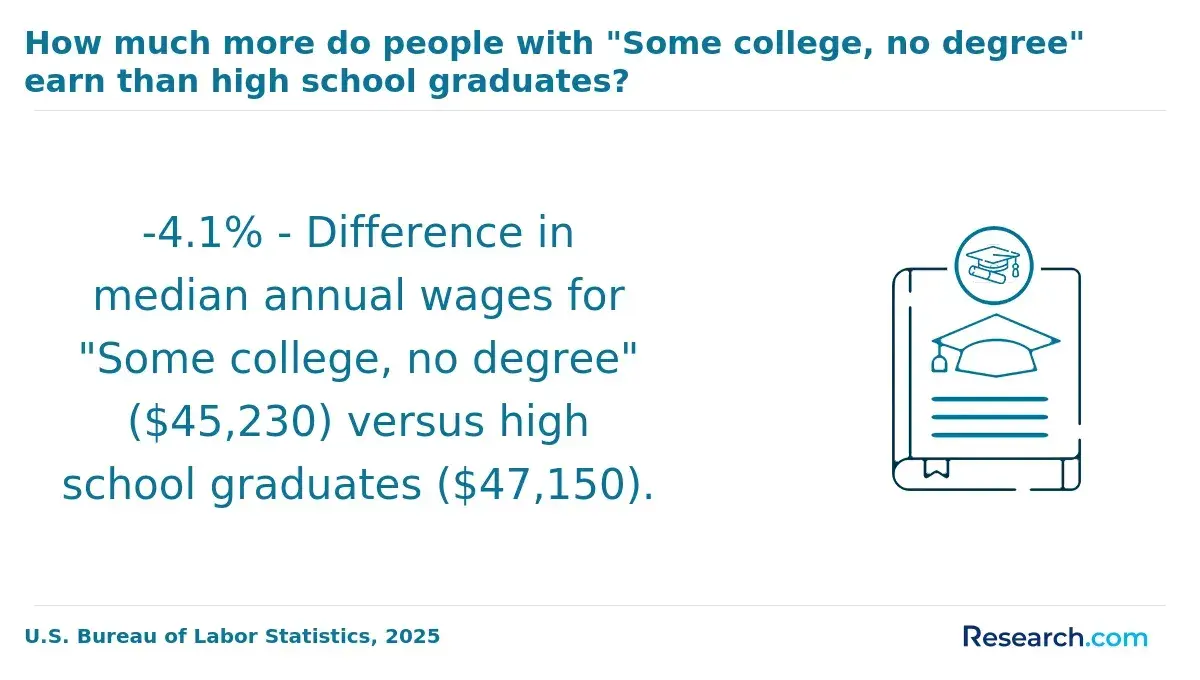
Employers in the agricultural sector increasingly favor candidates who hold a degree, especially for roles demanding technical expertise and leadership skills. Those without formal education often find opportunities in hands-on or entry-level jobs, but competition is growing as more employers seek applicants with academic backgrounds alongside practical experience. The distinction between degree holders and non-degree candidates is most noticeable in positions involving technology use, data management, or supervision.
This trend reflects the growing complexity of agriculture, where scientific knowledge of soil, genetics, and agronomy enhances job performance. While experience remains valuable, formal education offers systematic training in specialized areas that on-the-job learning may not fully provide. Some employers also blend both by valuing a mix of degree credentials plus relevant practical experience. However, smaller operations or fields focused on specific skills might prioritize direct experience over formal schooling.
Ultimately, deciding whether to pursue a degree depends on individual career goals and the specific demands of the desired role within agriculture. For specialized or managerial positions, a degree can be a significant advantage. Conversely, for practical, field-based work, experience and demonstrated skills might be sufficient to advance.
I spoke with a professional who earned an online bachelor's degree in agriculture to hear his perspective on employability. He shared that balancing coursework with part-time work was challenging but crucial for gaining both knowledge and experience. He noted, "Having a degree opened doors that weren't accessible through experience alone, especially when applying for positions involving precision agriculture technology." Still, he emphasized the value of real-world skills, saying, "The degree gave me confidence, but hands-on problem solving taught me lessons you can't get from books." His journey highlights how combining education with experience can strengthen job prospects.
What careers are available to Agriculture degree holders?
Some careers in agriculture require candidates to hold a formal degree, while others focus more on job readiness and hands-on experience. This distinction affects the variety of positions available to those with an agriculture degree compared to those relying solely on experience. Below are key careers that typically favor degree holders due to the specialized knowledge and skills required.
- Agronomists: These professionals study crop production and soil management, using scientific principles to enhance farming efficiency. Most agronomy research and advisory roles require an agriculture degree to understand complex biological and environmental processes adequately.
- Agricultural Engineers: Focused on designing machinery and technology for farming operations, this field demands strong engineering knowledge. While a degree is almost always necessary, some technicians with certifications and experience may enter limited technical roles.
- Food Scientists: Concentrating on quality control, safety, and product development, food scientists rely on a solid foundation in chemistry and biology. Entry-level food processing jobs may not require degrees, but advancing to senior positions usually does.
- Extension Agents: These professionals work closely with farmers to implement best practices by communicating research findings and advising on modern methods. Most hold agriculture degrees because their roles require both technical knowledge and community engagement skills.
Job seekers exploring agriculture degree career opportunities should also consider that many managerial roles in the sector prioritize candidates with formal education. A labor market analysis revealed that 78% of agriculture-related managerial positions showed a preference for degree holders over those with experience alone. This shift toward professionalization highlights the long-term benefits of a formal education in agriculture.
For students considering complementary learning paths, exploring social media university courses can enhance outreach and communication skills required in modern agriculture careers. More information on such programs can be found at social media university courses.
Overall, while hands-on experience remains valuable, jobs available with an agriculture degree often offer greater stability, advancement potential, and professional recognition within the field.
Does having Agriculture degrees have an effect on professional networking?
Holding an agriculture degree often provides access to a well-organized network of industry contacts, including internships, alumni connections, and faculty mentorship. These resources offer degree holders easier entry to agricultural professionals and potential employers. On the other hand, individuals without a degree typically build networks through workplace relationships and online platforms, which may require more proactive effort and time to establish.
Students in agriculture programs frequently gain membership in professional associations and access to specialized events, creating additional opportunities for career advancement. Non-degree professionals usually depend more on their immediate contacts and industry forums to cultivate relationships. Both groups can benefit from industry events and online platforms, but the formal education path generally offers a more structured approach to networking.
The agriculture sector values strong professional connections, and many employers look for candidates within established networks tied to academic institutions. While it is possible to succeed without a degree through determination and self-driven networking, having formal links to educational programs and organizations gives degree holders a measurable advantage when seeking employment and career growth.
How do Agriculture degrees impact promotion opportunities?
Holding an agriculture degree often increases eligibility for supervisory and specialized positions in the agriculture sector. Employers tend to favor degree holders for roles that demand a thorough understanding of crop science, agribusiness, and sustainable practices. The benefits of formal education extend to leadership and technical career advancement. Below are key reasons why an agriculture degree can influence promotion prospects.
- Credibility and Knowledge: A degree provides foundational expertise and signals a professional commitment, helping candidates stand out in competitive job markets for leadership positions.
- Access to Specialized Roles: Formal training equips individuals with skills needed for technical and management tasks that are less accessible through experience alone, opening doors to advanced career paths.
- Experience Limitations: While hands-on experience may lead to some mid-level promotions, non-degree workers often face challenges securing executive or research-related roles that emphasize academic credentials.
Do Agriculture degrees affect a professional's income outlook?
Professionals holding an agriculture degree generally start with higher earnings compared to those relying on experience or self-teaching. Entry-level positions like agricultural technicians or farm managers with a degree average about $50,000 annually, which is around 15% more than similar roles without formal education, where salaries hover near $43,000. This wage pay gap tends to widen as careers advance, with degree holders often reaching salaries around $75,000 when moving into leadership or specialized roles. In contrast, those without a degree frequently encounter slower wage growth and may face an earlier income ceiling, limiting their advancement into higher-paying positions. This impact of agriculture degree on salary growth potential is significant for long-term career planning.
Non-degree holders can improve their income outlook through certifications, focused training, and leadership development, helping to enhance their competitiveness and promotion chances. However, matching the earnings trajectory of degree holders remains challenging without formal qualifications. Continuous skill enhancement also plays a crucial role in employability and job security, especially in times of economic shifts. For those exploring options, resources like easiest MSW programs to get into demonstrate how accessible specialized education pathways can be.
How long would it take for Agriculture degree holders to get an ROI on their education?
The average tuition for an agriculture degree at public universities typically ranges from $20,000 to $50,000 for a four-year program. While this investment may seem significant upfront, research consistently points to a return on investment (ROI) within 7 to 10 years after graduation. Graduates holding an agriculture degree tend to earn about 20% more than those relying purely on experience and self-teaching, accelerating their ability to offset education costs and potential student debt.
Students can improve their ROI by taking advantage of financial aid options, including scholarships, grants, and work-study programs designed specifically for agriculture majors. Additionally, enrolling in accelerated degree tracks or summer courses allows faster entry into the workforce, reducing overall expenses. Gaining practical work experience through internships or cooperative education while studying further enhances job prospects and long-term earnings.
Combining formal education with hands-on experience in agriculture produces the greatest lifetime career and salary growth. These strategies provide a balanced approach for those weighing the financial and professional benefits of an agriculture degree versus experience alone.
Are Agriculture degree holders less likely to be displaced by automation and economic downturns?
The agriculture sector is increasingly integrating artificial intelligence and automation, reshaping job roles and requiring workers to adapt quickly to new technologies. Economic fluctuations add to this uncertainty, making job stability a growing concern. Those with formal agriculture degrees tend to have an advantage, as their education often covers data analysis, precision farming, and sustainable methods, which are crucial skills for operating and managing automated systems.
Compared to individuals relying solely on experience or self-directed learning, degree holders are generally less vulnerable to job displacement caused by automation or economic downturns. Studies indicate that agriculture graduates face a significantly lower risk of losing their positions during downturns, partly because employers prefer candidates who demonstrate both technical knowledge and innovative problem-solving skills. Non-degree professionals may struggle more to keep up with rapid technological changes, increasing their susceptibility to layoffs or reduced opportunities.
When asked about this, a professional who recently completed an online agriculture bachelor's program shared that earning the degree gave him confidence to embrace emerging technologies rather than fear them. He explained, "Transitioning to roles involving automated equipment was challenging at first, but the structured learning helped me understand not just how to use the tools, but why they matter." He also noted how during economic slowdowns, his formal training made him a preferred candidate for retaining and mentoring others, which reinforced his job security. "Without that foundation, I might have worried more about staying relevant," he added.
Will a degree in Agriculture make it easier to pivot into related industries?
Holding a degree in agriculture generally makes it easier to pivot into related industries compared to those relying solely on experience and self-teaching. Agriculture degree holders gain a comprehensive foundation of scientific knowledge, technical skills, and regulatory awareness that often exceeds what experience alone can provide. Career flexibility for agriculture graduates stems from their ability to apply critical thinking and research competencies across sectors. Below are key transferable skills and industries where agriculture graduates can find relevant roles.
- Environmental Consulting: Agriculture graduates apply knowledge of soil science and sustainability in analyzing environmental impacts. Roles include environmental analysts and sustainability coordinators, leveraging skills in data interpretation and regulatory compliance.
- Food Safety Management: Professionals transition into ensuring product quality and safety standards within food production. Their expertise in crop production and animal husbandry supports roles like quality assurance managers and food safety auditors.
- Agribusiness Marketing: Graduates bring technical product knowledge and market analysis skills to agricultural product sales and promotion. Job titles here include marketing specialists and sales managers within agribusiness companies.
- Renewable Energy: Agriculture degree holders can work on bioenergy projects by integrating environmental sustainability and technology. Positions include renewable energy consultants and project coordinators focused on biomass and biofuel solutions.
- Biotechnology: The scientific background supports entry into research and development roles in crop genetics or animal breeding innovations. Biotechnology technicians and research assistants benefit from their agricultural science proficiency.
Data shows that 68% of agriculture degree holders successfully move into such adjacent industries within five years, far outpacing those without formal education. To explore options for combining agriculture expertise with related fields, individuals might consider programs such as an online environmental engineering degree, which can further enhance technical capabilities and open new career pathways.
What Graduates Say About Their Agriculture Degrees
- Lennon: "Graduating with an agriculture degree truly set me apart in a competitive job market. The comprehensive curriculum not only provided me with technical knowledge but also practical skills that made me job-ready from day one. This foundation has been instrumental in securing promotions and positively impacting my salary growth over the years."
- Forest: "Reflecting on my journey, my agriculture degree was more than just a qualification-it was a launchpad for my entire career. It helped me understand the complexities of modern farming and agri-business, which gave me a distinct advantage when applying for positions. The confidence and expertise I gained directly contributed to rapid career advancement and greater job security."
- Leo: "From a professional perspective, earning my agriculture degree gave me credibility and opened doors that might have otherwise been closed. The degree's emphasis on both theory and field experience prepared me to meet industry demands effectively. This preparation has made noticeable differences in my employment opportunities, promotional prospects, and overall earning potential."
Other Things You Should Know About Agriculture Degrees
In 2027, while experience is valuable, a formal Agriculture degree may provide a competitive edge for leadership roles. Employers often seek candidates with a mix of education and practical experience, as degrees can demonstrate critical thinking and technical knowledge beneficial for strategic decision-making.
An Agriculture degree generally enhances opportunities to work in international or specialized positions because many such roles require formal qualifications recognized across borders. Degree programs often include exposure to global agricultural practices and regulatory frameworks, which self-taught professionals may lack. This formal education can be critical for roles in research, development, and policy in multinational organizations.
While substantial experience can sometimes compensate for the absence of a degree, many leadership positions in Agriculture still prefer or require formal academic credentials. Leadership roles often demand strategic thinking and theoretical knowledge that formal education provides. Experience is essential but may need to be complemented with formal qualifications to reach higher management levels.
Yes, Agriculture degree holders are typically more eligible for research and development opportunities due to their training in scientific methods and exposure to experimental work during their studies. Experience alone may not provide the formal research skills needed to participate fully in R&D projects. Consequently, degree holders often have an advantage when pursuing innovative roles within the Agriculture sector.
References
- ROI of Ag-Biotech vs Traditional Methods https://www.labmanager.com/roi-of-ag-biotech-vs-traditional-methods-34620
- The practicality of an agriculture degree in today's landscape | AGDAILY https://www.agdaily.com/insights/exploring-practicality-of-agriculture-degree/
- Is College Worth it? | Return on Investment Analysis of College Degree https://educationdata.org/college-degree-roi
- No, College Degrees Aren't Losing Their Value https://washingtonmonthly.com/2025/11/02/no-college-degrees-arent-losing-their-value/
- Your Degree is Almost Ready – Is Your Network? Strategic Networking for Final Year Ag Students - Agribusiness Academy https://learning.agribusiness.academy/your-degree-is-almost-ready-is-your-network-strategic-networking-for-final-year-ag-students/
- What can you do with a degree in agriculture? https://www.agrirs.co.uk/blog/2018/05/what-can-you-do-with-a-degree-in-agriculture
- Exploring the Professional Advantages of Networking in Agriculture - Bralca.com https://www.bralca.com/partnerships/exploring-the-professional-advantages-of-networking-in-agriculture/
- How to choose agricultural courses to advance your career - Skills for Agriculture https://agricultureskills.org/how-to-choose-agricultural-courses-to-advance-your-career/
- The Power of Farmers Networking - Tuffa Tanks | Storage Tank Manufacturers https://www.tuffa.co.uk/the-power-of-farmers-networking-and-unlocking-collective-potential/
- Certifications – AEST https://aest.ag/certify/certifications/


