
2027 Agriculture Degree Levels Explained: Bachelor's vs Master's vs Doctorate

Co-Founder and Chief Data Scientist
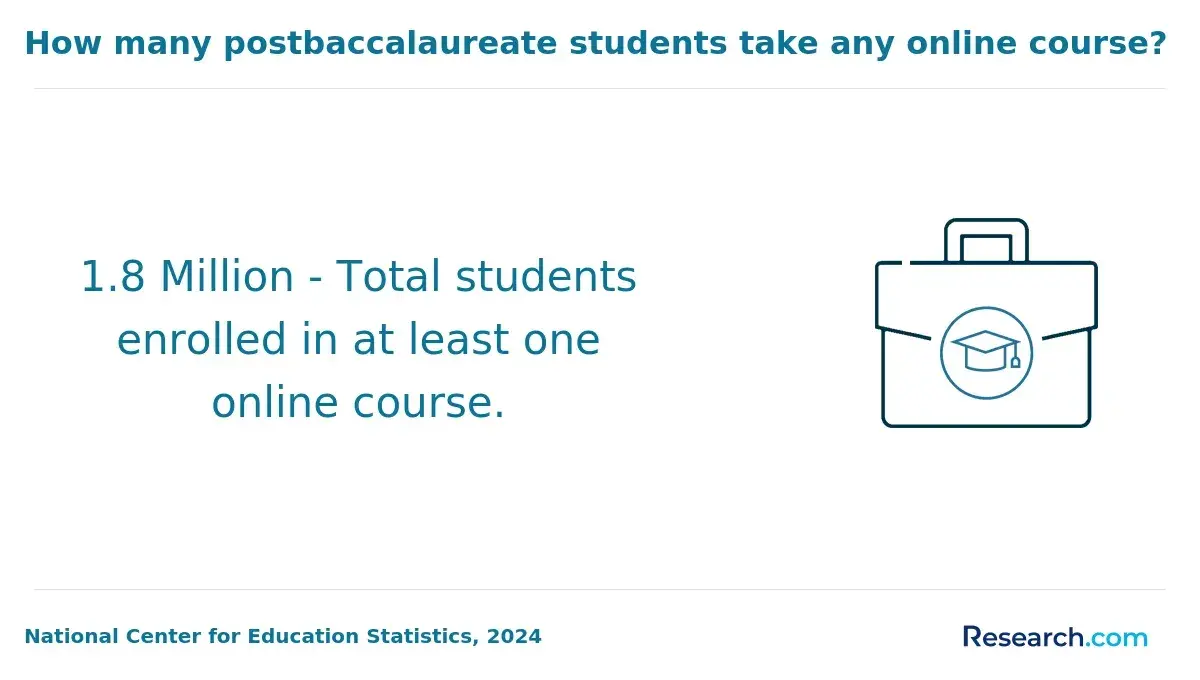
Choosing the right agriculture degree can be daunting for individuals aiming to enter or advance in this evolving field. For example, an aspiring farm manager may wonder if a bachelor's degree provides enough technical expertise, while a researcher might question whether a doctorate is necessary for innovation-driven roles. Currently, enrollment in master's agriculture programs has increased by 18% over the past five years, reflecting the growing demand for specialized knowledge and leadership skills. This article will clarify the distinctions among bachelor's, master's, and doctoral degrees in agriculture, helping readers decide which option best aligns with their career objectives and growth potential.
Key Things to Know About Agriculture Degree Levels
- Bachelor's degrees in agriculture provide broad foundational knowledge and entry-level skills, while master's and doctorate programs emphasize research, specialization, and advanced technical expertise.
- Graduates with master's and doctorate degrees often pursue leadership, research, or academic roles, whereas bachelor's holders typically enter technical or operational positions.
- Completing a bachelor's usually takes 4 years; master's requires 1-3 additional years and higher costs; doctorates demand 3-6 more years with significant financial and time commitments.
How Are Agriculture Degree Levels Structured Academically?
Choosing the right agriculture degree level requires understanding the academic structure and progression of coursework, research, and independence involved. These differences clarify how bachelor's, master's, and doctoral programs are designed to prepare students for varied career paths.
Below is a comparison highlighting key academic distinctions at each stage in terms of curriculum scope and learning outcomes:
- Bachelor's Foundation: Provides broad foundational knowledge in science, crop and animal management, and agricultural technology. Coursework balances general education with practical labs and fieldwork, offering moderate research opportunities under guided supervision.
- Master's Advancement: Focuses on specialized coursework and research-driven capstone projects that build on bachelor's fundamentals. Students gain increased academic independence and critical thinking skills, aligning with technical or managerial roles in agriculture.
- Doctoral Expertise: Emphasizes original research with minimal formal classes. Candidates conduct independent, high-level inquiry culminating in a dissertation that contributes new knowledge to agricultural science.
For those exploring advanced degrees, options also include various online SLP degrees that illustrate evolving education delivery methods. Understanding how agriculture degree programs are structured academically ensures prospective students select programs matching their long-term goals and the academic differences between bachelor's master's and doctorate in agriculture.
What Do You Learn in a Bachelor's Degree in Agriculture?
A bachelor's degree in agriculture builds foundational knowledge essential for starting careers in agricultural production, research, or agribusiness, while also serving as a stepping stone for advanced studies. This education introduces students to key scientific and economic principles, preparing them for diverse roles or further specialization. Below is an overview of the key learning components in this curriculum.
- Core Coursework: Students study major subjects like plant and soil science, animal husbandry, agricultural economics, pest management, and sustainable farming practices. This comprehensive curriculum overview covers the scientific and business aspects critical to agriculture.
- General Education: Along with specialized topics, students engage in courses enhancing critical thinking, communication, and quantitative skills. This balanced approach equips learners with broader academic competencies necessary for professional success.
- Experiential Learning: Hands-on opportunities such as laboratory work, field experiments, internships, and cooperative extension projects enable students to apply theory in practical settings, reinforcing their understanding of agricultural technologies and methods.
- Skill Development: Emphasis on practical skills and problem-solving prepares graduates to tackle real-world agricultural challenges effectively. This training supports diverse specializations including crop production, agribusiness, and environmental resource management.
- Career and Graduate Preparation: Graduates are ready for entry-level roles or can pursue master's and doctoral programs for advanced expertise. This pathway allows students to deepen their knowledge or transition into academia, policy, or leadership roles within the agriculture sector.
For those interested in intersecting fields, exploring a business degree online might provide valuable complementary skills in management and economics applicable to agribusiness contexts.
What Specializations Are Available in a Agriculture Master's Degree?
Selecting a specialization within a master's degree in agriculture is essential for tailoring your education to specific career paths and industry needs. These focused areas help students build advanced skills and deepen knowledge suited to distinct professional roles.
- Crop Science: Emphasizes plant genetics, breeding, and sustainable production. Courses commonly address soil health, pest control, and biotechnology, preparing graduates for careers in research, agronomy, or crop consulting.
- Animal Science: Concentrates on livestock nutrition, management, and genetics with goals of enhancing productivity and animal welfare. This specialization suits careers in veterinary-related fields, animal husbandry, or the feed industry.
- Agricultural Economics: Focuses on market dynamics, agricultural policy, and resource allocation. Graduates often enter farm management, policy advising, or agricultural finance roles.
- Soil Science: Deals with soil properties, conservation techniques, and fertility improvement. It supports professions in environmental consulting, land stewardship, and research.
Choosing a specialization enables students to align their studies with targeted employment, whether as research scientists, extension agents, or professionals in agribusiness. This alignment is vital when comparing master's agriculture programs for career advancement.
What Types of Doctoral Degrees Exist in Agriculture?
Choosing the right doctoral degree in agriculture shapes one's career path and field expertise. Each type offers a distinct focus and prepares students for different professional roles. Annually, around 1,500 doctoral degrees in agricultural and related sciences are awarded in the U.S., highlighting strong demand for advanced qualifications. The main distinctions among these degrees can be summarized as follows:
- Professional Doctorates: These emphasize hands-on problem-solving and leadership within agricultural industries. The curriculum often blends applied research with management training, equipping graduates for influential roles in sectors such as industry, government, and community extension.
- Research-Focused Doctorates: Centering on generating original knowledge, these doctoral paths require deep engagement in laboratory or field research. Graduates typically pursue academic faculty positions, research institutions, or policy development roles, driven by publication and scholarly contribution demands.
- Specialized or Interdisciplinary Doctorates: Combining agriculture with other fields like environmental science or bioengineering, these programs foster innovation across disciplines. They are ideal for addressing complex challenges such as sustainability and food security through integrated approaches.
When asked about his experience, a graduate of a doctorate agriculture degree program described the rigorous process as both rewarding and intense. "Balancing field research with data analysis often felt overwhelming, especially when unexpected variables disrupted experiments," he noted. He emphasized how perseverance was essential during periods of slow progress and how collaboration with mentors provided critical support. Reflecting on the journey, he said, "The challenges shaped not only my expertise but also my confidence in tackling real-world agricultural problems."
What Are the Admission Requirements for Each Agriculture Degree Level?
Knowing the admission criteria for agriculture degree programs is crucial for students deciding between bachelor's, master's, and doctoral studies. These requirements reflect the academic expectations and experiences necessary to succeed at each level.
Bachelor's
- Academic Credentials: Applicants generally need a high school diploma or equivalent with a competitive GPA that meets the program's standards.
- Standardized Tests: Scores from exams like the SAT or ACT are often required, helping assess readiness for college-level coursework.
- Prerequisites: Completion of relevant science courses such as biology, chemistry, and mathematics is typically expected to prepare students for foundational agriculture studies.
Master's
- Undergraduate Degree: A bachelor's degree in agriculture or a related field with a strong academic record is typically required to demonstrate preparedness for graduate-level work.
- Recommendations and Essays: Letters of recommendation and a statement of purpose provide insight into the candidate's motivation and qualifications.
- Professional Experience: Some programs prefer applicants who have relevant work or research experience, indicating practical skills alongside academic achievements.
- Graduate Tests: GRE scores may be requested, depending on institutional preferences.
Doctorate
- Graduate Preparation: Admission usually requires a master's degree in agriculture or a closely related discipline, coupled with a high GPA.
- Research Credentials: Candidates must submit a detailed research proposal and show evidence of prior research experience to illustrate their capability for independent scholarship.
- Recommendations and Scores: Strong letters of recommendation and GRE scores are often essential to evaluate academic excellence and research potential.
How Long Does Each Agriculture Degree Level Take to Complete?
Completion times for bachelor's, master's, and doctoral agriculture degrees typically range from four to over eight years, depending on various factors. Knowing how long each level generally takes helps students align their academic plans with career objectives. For example, data from the National Center for Education Statistics shows the average bachelor's degree in agriculture takes about 4.5 years to complete. Several key elements influence the duration of these programs:
- Enrollment Status: Full-time students usually finish faster than those attending part-time, who may spread requirements over additional semesters or years.
- Credit Transfer: Transferring relevant credits from previous coursework can shorten program length, especially for bachelor's and master's degrees.
- Prior Experience: Work or research experience may allow students to skip certain courses or accelerate their studies in graduate programs.
- Program Format: Online, accelerated, or hybrid programs can offer more flexible pacing options that impact overall completion time.
- Research Complexity: For doctoral candidates, the depth and scope of original research and dissertation writing heavily affect how long it takes to graduate.
When I spoke with a graduate of an online master's agriculture program, she reflected on her journey: "Balancing work with coursework was challenging but rewarding. The flexibility of the online format allowed me to manage deadlines around my job, though some research projects took longer than expected." She emphasized how her ability to transfer relevant credits saved a semester or two, noting, "That made a big difference." Her experience demonstrated how individualized circumstances and program structures shape timelines, reinforcing that degree duration isn't one-size-fits-all but adaptable to many paths.
How Much Does Each Agriculture Degree Level Cost?
Knowing the total cost of an agriculture degree at each level helps prospective students plan their education and manage long-term financial commitments effectively. Here is a breakdown of key cost factors across bachelor's, master's, and doctoral agriculture programs.
- Bachelor's Degree Costs: Typically involves a larger number of credits, resulting in a higher overall cost but often a lower tuition per credit compared to graduate levels. Mandatory fees such as registration, lab, and technology fees add to the expenses. Practical courses may also require additional spending on materials and equipment, especially in programs emphasizing fieldwork.
- Master's Degree Costs: Usually shorter in duration but with higher per-credit tuition rates. Additional costs may include research or thesis fees. Graduate studies commonly have increased fees for smaller class sizes and specialized content, which generally drive up the average tuition fees for agriculture bachelor's, master's, and doctorate degrees.
- Doctoral Degree Costs: These programs often extend over multiple years, sometimes incurring expenses beyond tuition such as conference travel, dissertation fees, or specialized equipment. The extended timeline can raise total program costs, despite occasional funding or assistantships.
- Enrollment Status Impact: Full-time enrollment generally leads to higher semester fees but may reduce the cost per credit and shorten time to degree completion. Part-time students pay less per semester but might face prolonged fees due to extended enrollment periods, affecting overall cost.
- Comparative Insights: When considering the investment in an agriculture degree, costs vary significantly by level and format. For those comparing graduate programs, it may be helpful to review options like the library master's degree as a benchmark for understanding tuition trends and fees in specialized fields.
What Financial Aid Options Are Available for Agriculture Degrees?
Financial aid plays a crucial role in making agriculture degrees accessible for bachelor's, master's, and doctoral students. Nearly 60% of undergraduate students receive financial assistance, with average aid exceeding $14,000 annually. Various options exist to support funding education in agriculture, including the following.
- Grants and Scholarships: These funds typically do not require repayment and are awarded based on merit, financial need, or specific criteria tailored to agriculture degree financial aid programs. Scholarships and grants for agriculture students often target those committed to advancing in related fields.
- Federal Loans: Offering low-interest rates and flexible repayment plans, federal loans provide an accessible borrowing option for students. They help cover gaps between aid awards and total educational expenses.
- Private Loans: While these loans can supply additional funding, they usually carry higher interest rates and less favorable terms compared to federal options. They are best used cautiously and with thorough understanding.
- Work-Study Programs: Available at many campuses, work-study allows students to earn money through part-time employment, often related to community or campus jobs, helping offset education costs while gaining practical experience.
- Employer Tuition Assistance: Working professionals pursuing advanced agriculture degrees may benefit from tuition assistance programs that cover part or all of their education expenses, making graduate studies more affordable.
- Military Education Benefits: Eligible service members and veterans can leverage programs like the GI Bill to finance their agriculture studies, which can include bachelor's, master's, or doctoral degrees.
Exploring these financial aid avenues is essential for students comparing their degree options. Those interested in maximizing their career earnings should consider researching the best degrees to make money to align their education investments strategically with labor market outcomes.
What Careers Are Available at Each Agriculture Degree Level?
Career opportunities in agriculture expand significantly with higher degree levels, offering broader roles and responsibilities. Knowing these options can guide students in planning their education and professional paths to best fit their goals.
Bachelor's Degree
- Agricultural Technician: Supports farm operations and research projects through practical tasks and data collection, requiring foundational scientific knowledge.
- Farm Manager: Oversees daily farm activities, managing resources and labor to maximize productivity, often in hands-on environments.
- Sales Representative: Facilitates the marketing and sale of agricultural products, leveraging basic industry expertise to connect producers with buyers.
Master's Degree
- Agricultural Extension Specialist: Provides education and resources to farmers and communities, utilizing advanced knowledge to improve practices and sustainability.
- Crop Consultant: Advises on crop management strategies, pest control, and soil health, relying on analytical skills and specialized agronomic expertise.
- Food Scientist: Engages in research and development to enhance food safety and quality, combining scientific analysis with industry applications.
Doctorate Degree
- University Professor: Conducts teaching and research at academic institutions, contributing to knowledge advancement and mentoring future agriculture professionals.
- Principal Investigator: Leads research projects aimed at innovation in agricultural technologies, typically securing funding and publishing findings.
- Policy Advisor: Develops agricultural policies and strategies at governmental or organizational levels, influencing industry standards and practices.
Exploring agriculture degree career options by level helps match education with job prospects, whether seeking entry-level roles or leadership positions. For those considering advanced study, exploring 1 year master's programs online can be a practical pathway to elevate expertise without extended time commitments.
How Do Salaries Compare Among Bachelor's vs Master's vs Doctorate Agriculture Graduates?
Salary prospects are a significant factor when comparing agriculture degree levels, as they influence a graduate's career opportunities and financial well-being over time. Below is a comparison of typical earnings across bachelor's, master's, and doctorate degree holders in this field.
- Bachelor's Graduates: Entry-level agriculture degree holders generally earn between $45,000 and $65,000 annually. Their salaries vary depending on job roles and geographic locations.
- Master's Graduates: Those with a master's in agriculture often receive higher compensation, typically ranging from $60,000 to $85,000, benefiting from advanced skills that qualify them for supervisory or specialized positions.
- Doctorate Graduates: PhD holders usually command the top salaries, often between $80,000 and $110,000 or more, due to their expertise which is crucial in research, academia, and consultancy roles.
While salary is important, prospective students should also consider factors like personal interests, job satisfaction, and work-life balance when deciding on the appropriate degree level.
What Graduates Say About Their Agriculture Degree Level
- Lenny: "Choosing to pursue a bachelor's degree in agriculture was a turning point for me. Although the average cost of attendance hovered around $20,000 per year, I considered it a worthwhile investment in my future. Today, I'm happily employed in sustainable farming practices and feel that my degree truly opened doors."
- Sage: "Reflecting on my master's in agriculture, the financial commitment was significant, especially with tuition often exceeding $30,000 annually. But the decision to advance my education was driven by a passion for innovative crop management and food security. Completing the program strengthened my expertise and positioned me for leadership roles in agribusiness. "
- John: "My doctorate in agriculture required both dedication and a careful assessment of costs, which were around $40,000 per year. Professionally, earning this degree has been transformative, providing the research skills and credibility necessary for my current role in agricultural policy development. The investment has undoubtedly paid off in career advancement. "
Other Things You Should Know About Agriculture Degrees
In 2027, Bachelor's agriculture programs typically introduce students to research basics, while Master's degrees often require more applied research projects or theses. Doctorate programs demand extensive original research contributing new knowledge to the field, emphasizing advanced methodologies and deep industry insights.
While not mandatory for all roles, many agriculture careers benefit from professional certifications that validate specific skills or expertise beyond academic qualifications. Certifications like Certified Crop Adviser or Registered Professional Agronomist can enhance employability and credibility, especially for master's and doctoral graduates pursuing specialized fields. These certifications often require a combination of education, work experience, and passing an exam.
Many institutions offer flexible learning formats such as part-time, online, or hybrid programs, especially at the master's level, to accommodate working professionals. Bachelor's programs are more commonly full-time, but some schools provide evening or summer courses. Doctoral studies typically require a more intensive commitment, often involving on-campus research and close faculty supervision.
References
- Academic degrees https://www.unipage.net/en/degrees_academic
- Bachelor Degree in Organic Agriculture and Food Production https://www.studyinpoland.pl/en/programme
- Doctorate Degrees in Agriculture https://www.postgraduatesearch.com/pgs/search
- Master’s First or Straight to PhD? - Academic Positions https://academicpositions.nl/career-advice/master-s-first-or-straight-to-phd
- Agricultural Sciences | Master's programme | University of Helsinki https://www.helsinki.fi/en/degree-programmes/agricultural-sciences-masters-programme
- List of fields of doctoral studies in the United States - Wikipedia https://en.wikipedia.org/wiki/List_of_fields_of_doctoral_studies_in_the_United_States
- Bachelor's vs master's vs doctorate: comparing graduate outcomes by major in Florida Public Universities (2024) https://ballotpedia.org/Bachelor%27s_vs_master%27s_vs_doctorate:_comparing_graduate_outcomes_by_major_in_Florida_Public_Universities_(2024)
- Careers https://agriculture.illinoisstate.edu/academics/crop-soil-science/careers/
- Top 15 Agriculture Scholarships to Apply for in December 2025 https://bold.org/scholarships/by-major/agriculture-scholarships/
- Bachelor of Science in Agriculture https://www.ualberta.ca/en/agriculture-life-environment-sciences/programs/undergraduate-programs/degree-programs/agriculture/index.html


