
2027 Return on Investment (ROI) of an Agriculture Degree Program

Co-Founder and Chief Data Scientist
Many prospective students wonder if investing in an agriculture degree will lead to meaningful career advancement and financial stability. The agricultural sector faces rapid technological changes, requiring skilled graduates capable of managing innovative practices.
Currently, the U. S. Bureau of Labor Statistics projects a 5% growth in agricultural technician jobs through 2031, reflecting steady demand. Despite concerns over tuition costs and job prospects, this article analyzes the return on investment of an agriculture degree. It explores earnings potential, employment opportunities, and industry trends to help readers evaluate whether this education pathway aligns with their professional and financial goals.
Key Things to Know About Agriculture Degree ROI
- Graduates with an agriculture degree typically experience a 15% higher starting salary compared to non-degree holders, reflecting strong earning potential in farming, agribusiness, and environmental sectors.
- Agriculture degrees provide career advancement through roles in research, management, and agritech, with industry demand projected to grow 8% over the next decade, enhancing job stability.
- Skills acquired in agriculture offer flexibility to work across food production, sustainability, and biotechnology, supporting long-term salary growth and diverse employment opportunities.
How Is ROI Calculated for a Agriculture Degree Program?
Return on investment (ROI) in higher education measures the financial benefits a student gains from completing a degree compared to the costs and time invested. It helps prospective students evaluate whether an agriculture degree offers worthwhile value based on its expenses and potential income. Considering ROI can guide decisions when comparing cost vs earnings analysis in agriculture education.
Several key factors contribute to calculating ROI for an agriculture degree program:
- Tuition and Fees: This includes direct costs such as tuition, books, and supplies. Accurately accounting for these expenses is critical as they represent the initial investment that future earnings must offset.
- Opportunity Cost: The income a student forgoes by attending school full-time instead of working impacts ROI significantly. Longer programs increase this cost by delaying potential earnings.
- Time to Completion: The duration required to complete the degree affects both opportunity cost and when graduates begin earning a salary. Shorter programs can improve ROI by reducing costly delays.
- Post-Graduation Salary: Expected starting salaries and income growth in agriculture-related careers are key to estimating returns. Higher salary outcomes accelerate the repayment of educational investments.
- Career Advancement Potential: The degree's ability to unlock higher-level roles or leadership opportunities adds to long-term earning potential, further enhancing ROI.
For students considering different paths, including related fields, exploring an msw degree can provide alternative perspectives on return on investment calculation for agriculture degree programs and comparable career outcomes.
How Much Does a Agriculture Degree Program Cost?
Accurately assessing the return on investment (ROI) for an agriculture degree requires a full understanding of total costs, as these often extend well beyond tuition. Nationally, graduate students typically accumulate over $30,000 in student loan debt, underscoring the need to consider all expenses involved.
Several key cost factors influence the true financial impact of pursuing an agriculture degree:
- Tuition and fees: These represent the core academic charges, varying greatly between in-state public, out-of-state, and private institutions, often ranging from about $10,000 to over $30,000 annually.
- Books and materials: Costs for textbooks, specialized equipment, and lab supplies can add significantly to expenses, especially in hands-on or technical courses.
- Living and relocation expenses: Housing, transportation, and daily necessities may increase overall costs, particularly for students studying far from home.
- Opportunity cost: The income forfeited by attending school rather than working full-time plays a critical role in evaluating the degree's overall value.
- Hidden or indirect costs: These often overlooked fees include technology charges, additional course requirements, and unpaid internships that may extend the time or cost commitment.
When I spoke with a recent agriculture degree graduate about these challenges, he emphasized how budgeting extended far beyond tuition. "I underestimated how much books and lab equipment would add up," he shared. The process of securing affordable housing while balancing part-time work and study created constant pressure. He also noted the emotional struggle of delaying full-time employment, stating, "Sacrificing immediate income was tough, and it made me rethink the actual cost versus my career goals." This firsthand insight highlights the complexities students face in weighing their investment in an agriculture education.
What Financial Aid Is Available for Agriculture Degree Programs?
Financial aid helps reduce the initial expenses of pursuing an agriculture degree, which in turn can enhance the long-term return on investment by lowering the need for excessive borrowing. Recent data shows that nearly 85% of graduate students benefit from some form of financial support, underscoring its role in managing education costs.
Here are common types of financial aid available for agriculture degree programs that can impact debt and overall financial outcomes:
- Scholarships: Awarded based on merit or financial need, scholarships directly decrease tuition costs without requiring repayment, thereby reducing debt and increasing ROI.
- Grants: Often targeting specific student groups or research topics, grants cover tuition and fees and do not add to student debt, improving affordability.
- Fellowships: Primarily for graduate-level students, these provide stipends for research or teaching commitments, allowing focus on studies while lowering financial pressure.
- Employer Tuition Assistance: Some employers reimburse education expenses, enabling working students to advance their degrees without personal out-of-pocket costs and enhancing their financial returns.
- Federal Student Loans: While loans increase total debt, their usually low interest rates and flexible repayment plans can make them a practical option when combined with other aid to minimize borrowing.
Effectively leveraging these financial aid options allows students to better control educational costs and ultimately improve the net value of their agriculture degree investment.
Breakdown of All 4-Year Online Title IV Institutions

How Long Does It Take to Complete a Agriculture Degree?
The length of time required to complete an agriculture degree plays a crucial role in its overall return on investment due to the combined effects of opportunity cost, delayed earning potential, and total educational expenses. Finishing sooner allows graduates to enter the workforce earlier, maximizing income and reducing costs related to tuition and living expenses. Several factors influence how quickly students finish their degree, impacting both their financial outcomes and career trajectory.
Key considerations include:
- Enrollment status: Full-time enrollment typically leads to quicker completion, while part-time students may extend their studies to juggle work or personal responsibilities, which can delay income from full-time employment but offer immediate work experience.
- Program format: Online or accelerated degree options often allow students to progress faster by providing flexible schedules or condensed courses, helping reduce the time away from the workforce.
- Transfer credits: Students entering with relevant prior coursework can bypass introductory classes, shortening degree duration and lowering tuition costs.
- Internships or thesis work: These experiential requirements can extend study time but often increase employability and future salary prospects, enhancing long-term ROI despite the initial delay.
- Scheduling challenges: Limited course availability or personal commitments can slow progress, prolonging the window before graduation and delaying financial returns.
In speaking with a recent agriculture degree graduate, she reflected on her own journey, noting that balancing internship demands with coursework extended her program longer than planned. "It wasn't just about finishing fast; the practical experience I gained made me feel far more prepared for my career," she explained. Though completing her studies took about five years instead of four, she valued the insights and connections formed during that time, seeing the extended period as an investment in her professional growth rather than just a cost or delay.
Is ROI Higher for Online or On-Campus Agriculture Programs?
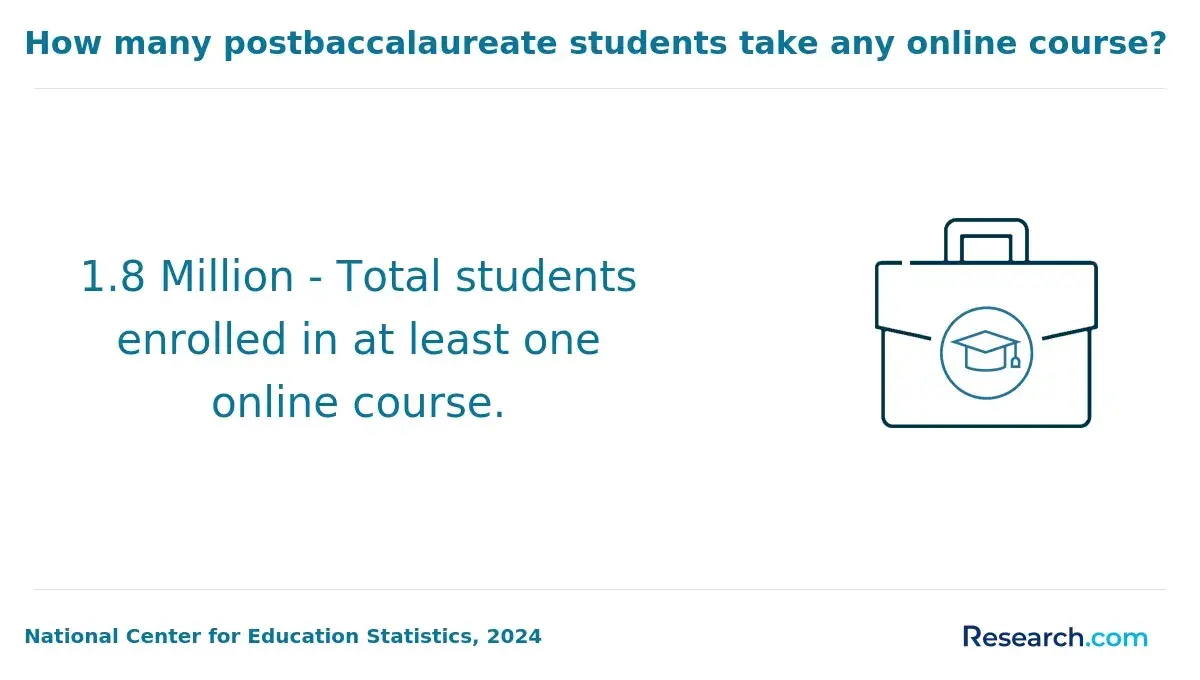
The return on investment (ROI) for agriculture degree programs is influenced by delivery format due to differences in cost, flexibility, and career outcomes. With over 40% of college students enrolling in at least one online course, this mode of education continues to grow in popularity and acceptance. Understanding these factors can help prospective students assess whether an online or on-campus agriculture program better fits their financial and career goals.
Key considerations in the ROI comparison of online versus on-campus agriculture degrees include:
- Tuition and Fees: Online agriculture programs generally have lower tuition and fees than their on-campus counterparts, leading to reduced upfront expenses and less student debt. This cost benefit can improve the overall return on investment.
- Opportunity Cost: The flexibility of online programs allows students to continue working while studying, maintaining income streams and lowering opportunity costs compared to full-time on-campus study.
- Time to Completion: Many online programs offer accelerated or part-time options, potentially shortening the time needed to earn the degree, which can enhance ROI by enabling earlier entry or re-entry into the workforce.
- Networking and Career Services: On-campus programs typically provide stronger networking opportunities and in-person career services, which can improve job placement and long-term earnings. This factor may weigh heavily for students prioritizing career support.
- Employer Perception: While perceptions vary by industry, some employers value traditional on-campus degrees more highly, which could impact long-term earnings and professional advancement for agriculture graduates.
Students evaluating return on investment for agriculture programs by delivery method may also consider resources available for related fields. For example, those interested in related disciplines might explore an online counseling degree to compare costs and flexibility across fields.
What Is the Average Salary After Earning a Agriculture Degree?
Post-graduation salary is a crucial factor in evaluating the return on investment (ROI) for an agriculture degree, as it directly reflects the financial benefits compared to the program's cost and duration. Typical earnings after agriculture degree completion range from $45,000 to $75,000 annually, influenced by various determinants.
Several key factors impact these salary outcomes and shape the overall ROI of an agriculture degree:
- Industry: Compensation varies widely between sectors like agribusiness, government, research, and environmental consulting. Generally, private sector roles offer higher salaries than public or nonprofit positions.
- Geographic location: Regional economic conditions and the prominence of agriculture-related industries affect wages. States with large agribusiness operations tend to provide better salary prospects.
- Prior experience: Internships, cooperative education, and relevant work backgrounds enhance entry-level opportunities and starting pay, improving the financial return.
- Specialization: Fields such as agricultural engineering or precision agriculture usually command premium salaries due to their technical expertise requirements.
- Career level: Earning potential typically increases with experience and career advancement, which positively influences the long-term ROI.
Prospective students should consider typical earnings after agriculture degree completion alongside their career goals and personal circumstances when assessing program value. For those comparing pathways, an executive online mba can also offer attractive salary outcomes and ROI in other fields.
Does a Agriculture Degree Lead to Promotions?
Promotions boost the return on investment in agriculture degree programs by bringing higher salaries, increased responsibilities, and greater career mobility. These factors enhance the financial and professional rewards of earning such a degree. A growing trend in the workforce is credential-based promotion, where employers increasingly prefer candidates who combine formal education with relevant experience for advancing roles.
Here are key ways an agriculture degree can impact promotion opportunities and improve ROI:
- Credential requirement: Many agricultural careers require a bachelor's or master's degree to move beyond entry-level roles. Holding an agriculture degree often opens doors to leadership, research, or specialized positions that come with higher pay and more influence.
- Leadership preparation: An agriculture degree provides foundational knowledge essential for managing operations and teams effectively. This preparation equips graduates for broader responsibilities linked to promotions.
- Tuition support: Numerous employers offer tuition reimbursement programs that reduce the cost burden of advanced agriculture education. This support encourages continuous learning that facilitates career advancement.
- Internal promotion policies: Organizations often favor candidates with formal degrees for internal advancement. An agriculture degree thus becomes a strategic asset in competitive promotion decisions.
- Experience synergy: Combining practical work experience with an agriculture degree is a preferred formula for career growth, accelerating opportunities for higher roles and salary increases.
Overall, career advancement with agriculture degree credentials supports a stronger financial return through both immediate salary gains and long-term professional development. For those assessing degree benefits, it helps to consider agriculture among the majors that make the most money, given its growing value in promotion and career mobility.
Which Industries Offer the Best ROI for Agriculture Graduates?
Return on investment (ROI) for agriculture graduates varies significantly across industries due to differences in salary levels, career advancement opportunities, and demand for specialized skills. Industries that deeply utilize agriculture expertise and offer clear career progression tend to provide the best financial returns.
Several industries stand out for offering strong ROI for agriculture graduates:
- Agribusiness and agribusiness management: This sector delivers substantial salary growth and leadership opportunities as professionals manage supply chains, production, and market strategies. The need for business-savvy graduates supports job stability and steady promotions.
- Food production and processing: Graduates focusing on quality control, innovation, and sustainability earn competitive compensation with pathways into management roles influencing product development and regulatory compliance.
- Environmental consulting and sustainable agriculture: Driven by climate concerns and resource management, this growing field offers increasing compensation and long-term demand, rewarding expertise in soil science, water conservation, and environmental policy.
- Biotechnology and agricultural research: Advanced roles in genetics, crop improvement, and bioproducts carry high ROI due to specialized skills attracting higher salaries and research funding.
- Government and policy roles: These positions provide stable job security, benefits, and consistent ROI through opportunities to shape agricultural regulations and support rural development.
For those considering advanced degrees to enhance their career prospects, exploring 1 year masters programs can offer efficient pathways to increase earning potential and access to the highest paying agriculture industries. Overall, the best ROI careers for agriculture graduates align with sectors where specialized knowledge and leadership skills drive tangible value.
Does Accreditation Affect ROI for a Agriculture Degree?
Accreditation in agriculture degree programs involves a thorough evaluation by recognized organizations to ensure that curricula, faculty expertise, and resources meet established quality standards. This validation reassures students and employers that the education is aligned with both industry expectations and academic rigor. Increasingly, employers show a preference for graduates from accredited programs, viewing them as more capable and job-ready. Additionally, graduates from these programs may find it easier to obtain necessary licenses or certifications, which are often required in agriculture-related professions.
Accreditation plays a critical role in enhancing the long-term return on investment by building trust with employers and improving access to federal financial aid, which can lower education costs. It also facilitates the transfer of academic credits across institutions, enabling more flexible educational pathways and career advancement opportunities. Moreover, accredited programs support eligibility for professional licensure, which can expand job prospects and mobility within the agriculture sector. Overall, choosing an accredited agriculture program can provide tangible benefits that contribute to stronger financial and career outcomes over time.
Is a Agriculture Degree Worth It?
The return on investment for an agriculture degree depends largely on the cost and duration of the program, typically four years, and the career opportunities it unlocks. Graduates often begin with salaries between $40,000 and $60,000, with potential to increase earnings through career advancement and gaining specialized skills. Tuition fees vary widely, influenced by whether the institution is public or private, impacting the total financial commitment. Steady industry demand, with agriculture-related jobs projected to grow by about 4% over the next decade, adds to the financial viability of the degree.
Whether an agriculture degree is a worthwhile investment can depend on several variables. Access to financial aid and flexible program formats like online or accelerated courses can lower costs and shorten completion time, improving overall value. The long-term ROI improves for those pursuing fields with steady growth or advancing their qualifications. Conversely, high student debt or limited local job opportunities may reduce the return, making personal passion and commitment to the sector important factors when considering this educational path.
What Graduates Say About The ROI of Their Agriculture Degree
- Eddie: "Choosing to pursue an agriculture degree through a traditional program was a leap I'm glad I took. Although the average cost of attendance hovered around $30,000 per year, the practical, hands-on experience and the strong alumni network accelerated my career in sustainable farming practices. The return on investment has been clear in my steady job growth and increased opportunities in agribusiness. "
- Sage: "Enrolling in an online agriculture degree was a thoughtful decision for me, especially considering the approximately $20,000 annual cost. Balancing work and study was challenging, but the flexible schedule made it worthwhile. I found that the knowledge I gained opened doors to consulting roles in organic agriculture that I previously wouldn't have qualified for. "
- John: "As a part-time agriculture student, I was conscious about the financial commitment, given that the total cost can reach upward of $25,000 per year at many institutions. Yet, from a professional standpoint, this investment was justified by the clear advancements in my career, including leadership roles in agricultural technology firms. The degree equipped me with the necessary expertise to stand out in a competitive field."
Other Things You Should Know About Agriculture Degrees
Pursuing advanced degrees in agriculture can enhance ROI by opening doors to higher-level positions, such as researchers or policymakers, which typically offer better salaries and job stability. In 2027, graduates with specialized knowledge and skills are likely to experience a higher ROI compared to those with only an undergraduate degree.
In 2027, work experience significantly boosts the ROI of an agriculture degree by providing practical skills and networking opportunities. Graduates with hands-on experience tend to secure higher-paying positions faster, enhancing the financial returns and career prospects linked to their degree.
Yes, the geographical location is crucial. In 2027, regions with strong agricultural industries often offer more job opportunities, higher salaries, and better infrastructure, significantly boosting ROI for agriculture graduates. Graduates in these regions may experience enhanced networking opportunities and access to local agricultural innovations.
References
- Most Highly Paid Jobs in Agriculture and Farming https://www.agrirs.co.uk/blog/2022/04/most-highly-paid-agricultural-jobs
- Best Careers in Agriculture 2025: Top Jobs & Farming Careers https://farmonaut.com/blogs/best-careers-in-agriculture-2025-top-jobs-farming-careers
- More articles https://agrovent.com/blog/key-factors-for-investing-in-agriculture/
- Programs / University of Agriculture in Krakow https://urk.edu.pl/en/study/study-in-english/bachelor-studies/programs
- The Most Popular College Degrees Ranked by Return on Investment (ROI) After 5 Years in the Workforce - StudentChoice.org https://www.studentchoice.org/news/the-most-popular-college-degrees-ranked-by-return-on-investment-roi-after-5-years-in-the-workforce/
- Farmland ROI: How Much Can Your Land Earn in 5–10 Years? https://neralufarms.com/roi-of-managed-farmland/
- Agriculture BSc | Undergraduate https://www.ncl.ac.uk/undergraduate/degrees/d400/
- A Simple Checklist to Evaluate ROI on Your Farm - AgWeb https://www.agweb.com/news/business/taxes-and-finance/simple-checklist-evaluate-roi-your-farm
- Agriculture degrees https://www.hartpury.ac.uk/university/study/undergraduate/agriculture-degrees/
- Maximizing ROI in Agribusiness Procurement: Digital Solutions https://tracextech.com/roi-in-agribusiness-procurement/


