
2027 Agriculture Degree vs Bootcamp vs Certificate: Which Path Leads to Better Career Outcomes?

Co-Founder and Chief Data Scientist
Choosing between an agriculture degree, bootcamp, or certificate can be daunting-especially when decisions center on salary outcomes, employer demand, and career growth. Recent studies show that agriculture degree holders earn an average of 20% more annually than bootcamp or certificate completers within five years of entering the workforce, yet bootcamps often boast higher initial job placement rates. Each pathway offers distinct advantages-such as networking access from universities, quicker skill acquisition in bootcamps, or targeted expertise via certificates. This article will explore these paths-evaluating their return on investment, industry credibility, and suitability for varied learner profiles-to guide informed career decisions in agriculture.
Key Things to Know About Which Path Leads to Better Career Outcomes: Agriculture Degree, Bootcamp, or Certificate
- Agriculture degree holders tend to earn 15-25% higher salaries over bootcamp or certificate completers-employers value the comprehensive training and research experience embedded in traditional programs.
- Bootcamps offer rapid job placement rates-often exceeding 70% within six months-but may limit long-term career growth due to narrower networking access and employer perceptions of credential depth.
- Certificates provide strong return on investment for working professionals seeking flexible skill upgrades, yet they fit best for specific niche roles rather than widespread Agriculture career advancement.
How Does Agriculture Degree Compare to Bootcamps and Certificates in Total Program Cost and Time to Completion?
Prospective students today must weigh a genuine trade-off-investing several years and substantial funds in a traditional Agriculture degree or opting for a faster, more affordable route through a bootcamp or professional certificate program. Each path has unique features suited to different goals, time availability, and budgets.
A traditional Agriculture degree typically refers to bachelor's or associate's programs lasting two to four years full-time. According to the National Center for Education Statistics (NCES), a bachelor's degree usually requires about four years, while associate degrees take around two. Tuition costs range significantly-averaging between $20,000 and $60,000 for in-state students-but part-time study can extend length while offering flexibility. These degrees provide in-depth theoretical knowledge and a broad foundation.
Bootcamps offer an intensive, practical training model lasting from 8 to 26 weeks. Designed to teach applicable skills quickly, agriculture bootcamps commonly charge between $5,000 and $15,000, based on reviews from SwitchUp and Course Report. Full-time immersive formats dominate, but some offer flexible schedules. Bootcamps emphasize hands-on learning tailored to industry trends, often appealing to those seeking rapid entry or skill upgradation.
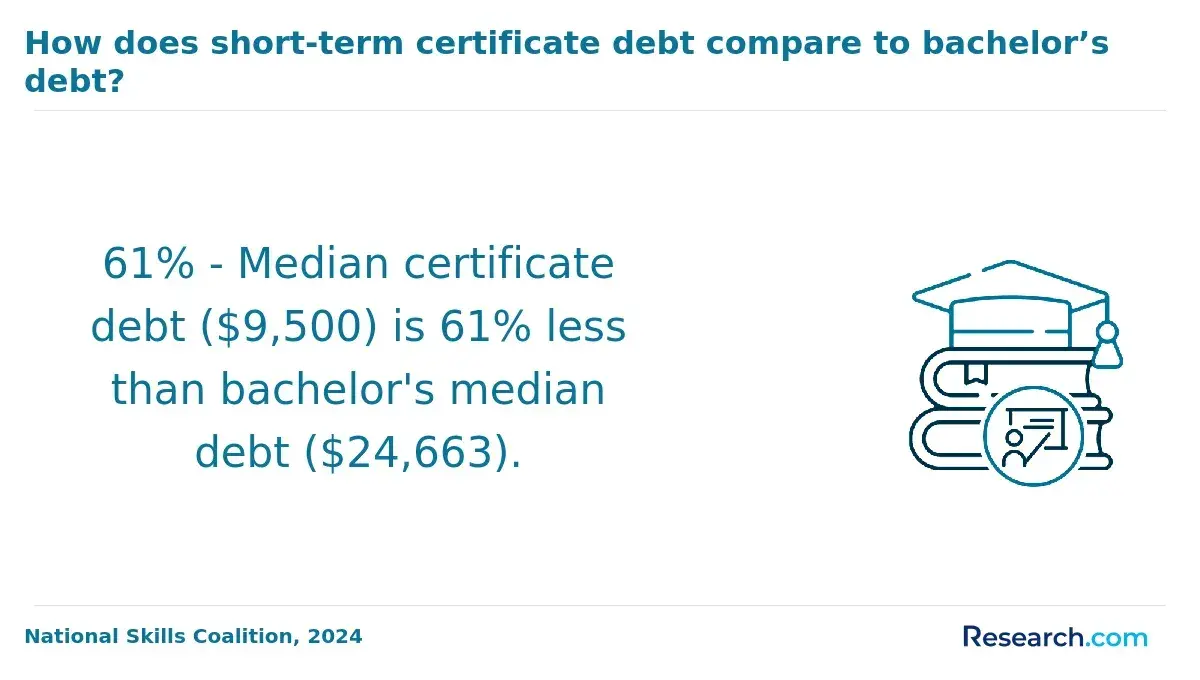
Professional certificates run anywhere from a few weeks to several months and are frequently self-paced or instructor-led through platforms like Coursera, Google, or industry groups. With tuition fees typically between $200 and $2,000, certificates are the most affordable and flexible pathway. They build targeted skills that can complement degrees or bootcamps and suit learners needing specific expertise without extensive time investment.
- Time Investment: Degrees require multi-year dedication, bootcamps demand intensive but short durations, and certificates offer rapid, flexible completion.
- Cost: Degrees have the highest overall tuition, bootcamps fall in a moderate range, and certificates are the most budget-friendly.
- Learning Format: Degrees focus on comprehensive theory, bootcamps prioritize applied immersive training, and certificates deliver niche knowledge for skill-building.
While the average cost and duration of agriculture degree programs often inform decisions, it is crucial to also account for personal circumstances and career objectives. Readers can explore options for what online college gives the most financial aid to help manage these investments. Ultimately, cost and time are necessary but incomplete metrics-the upcoming sections will examine employer preferences, job placement rates, salary outcomes, networking potential, and long-term career growth for each pathway.
What Career Outcomes Can Agriculture Degree Graduates Expect Compared to Bootcamp and Certificate Completers?
Graduates of agriculture degree programs typically enter the workforce with strong career outcomes, reflecting the comprehensive training they receive. According to the Bureau of Labor Statistics (BLS), agriculture-related occupations have median starting salaries ranging from $40,000 to $55,000, and more than 70% of degree graduates secure employment within six months. These graduates often start as agricultural scientists, extension agents, or farm managers-roles that value formal education and provide clear paths for advancement. This difference is evident in the salary comparison between agriculture certificate holders and degree graduates, where degree holders tend to command higher median wages due to employer preference for traditional qualifications.
In comparison, bootcamp and certificate completers in agriculture technology and agribusiness fields have more varied outcomes. Course Report's annual bootcamp outcome reports show employment rates for bootcamp graduates ranging from 60% to 75% within six months, with starting salaries typically between $35,000 and $50,000. Initial job titles often include positions like precision agriculture technician or agritech analyst-entry points into fast-evolving sectors where practical skills matter more than credentials.
Key distinctions to consider include:
- Employment Rate: Degree holders generally see higher initial employment rates due to employer preferences in traditional roles, while bootcamp graduates close the gap in skills-focused hiring environments.
- Starting Salary: Degree graduates secure higher median salaries overall, but some certificates in niche agri-tech fields offer competitive earnings depending on demand and location.
- Job Title Level: Degrees often lead to mid-level professional roles, whereas non-degree graduates start in junior or technician roles with opportunities for rapid skills development.
- Data Reliability: Bootcamp employment and salary figures may reflect survivorship bias or selective reporting; prospective students should seek independently audited data or CIRR certification to verify outcomes.
- Contextual Factors: Success depends not only on credentials but also portfolio quality, networking, geographic market, and the targeted subsector within agriculture.
These outcome differences are nuanced and field-dependent. While degrees often provide an edge where comprehensive knowledge is required, bootcamps and certificates serve those pursuing quicker entry into specialized technical roles. For those considering affordable education options in agriculture or related fields, exploring the cheapest online university programs may offer practical pathways without sacrificing quality.
Which Agriculture Pathway - Degree, Bootcamp, or Certificate - Offers the Highest Starting Salary for Graduates?
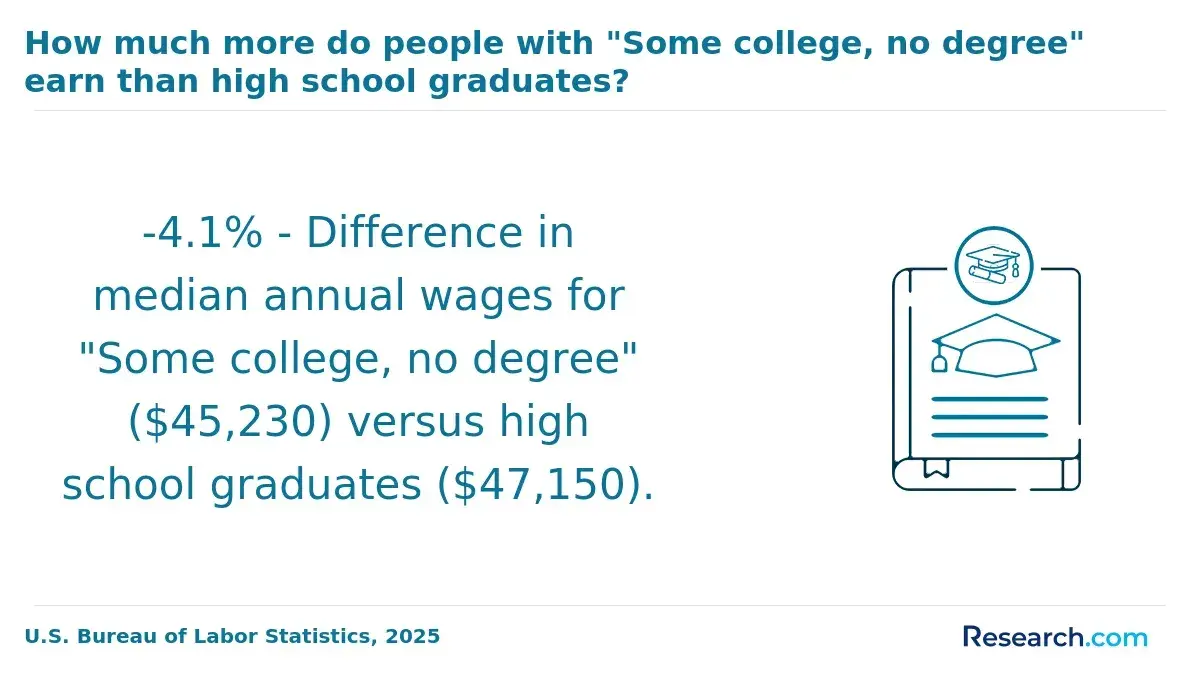
Starting salary data from the Bureau of Labor Statistics, NACE, LinkedIn Salary Insights, and Glassdoor highlight clear disparities influenced by educational background and work context in agriculture careers.
- Degree Holders: Those with bachelor's degrees in agriculture or allied fields typically earn the highest entry-level wages, with median salaries around $45,000 to $55,000. Their earnings often grow more rapidly as they become eligible for specialized, managerial, or research roles requiring formal academic credentials.
- Bootcamp Graduates: Individuals completing agriculture-focused bootcamps-emphasizing technical skills like precision farming and data analysis-usually start between $40,000 and $48,000. While competitive for technical jobs, their long-term salary progression tends to be slower due to limited access to higher-level positions that prioritize degrees.
- Certificate Holders: Professionals holding certificates in agricultural specialties generally begin with salaries ranging from $38,000 to $45,000. Certificates build targeted expertise but rarely replace degrees when pursuing leadership or research-intensive career paths.
- Employer Influence: Large agribusinesses, government agencies, and research entities give preference to degrees, offering better pay and clearer advancement paths. Conversely, startups and smaller firms may value practical skills more, sometimes rewarding bootcamp and certificate holders, but often without strong mid-career salary growth.
- Job Role Specificity: Positions like Agricultural Engineer or Soil Scientist favor degree qualifications, while roles such as technical support or data technician more frequently employ bootcamp or certificate holders.
- Geographic Impact: Salaries in urban and high-cost areas are generally higher, yet these markets often require degrees, reinforcing the earning advantage of degree holders.
- Salary Growth Over Time: Although some bootcamp and certificate graduates start near degree-level salaries, degree holders typically experience steeper salary gains tied to promotions and access to leadership or specialized research roles.
Variability Cautions: These median figures mask wide individual variations shaped by prior experience, specialization, geographic flexibility, and program quality. Readers looking for a detailed, cost-adjusted salary analysis should refer to the ROI section.
Reflecting on his experience, a professional with an agriculture degree shared how navigating technical coursework and internships initially felt overwhelming-especially balancing hands-on labs with theoretical concepts. He recalled feeling uncertain if the degree's time and cost would pay off. Yet, securing a position as an entry-level agronomist with a competitive salary soon validated his investment. He noted, "The degree opened doors that weren't accessible otherwise, particularly for roles involving research and advanced fieldwork." His story underscores how degree credentials can provide a critical advantage in launching a career in Agriculture.
How Do Employers Actually Evaluate Agriculture Credentials: Does a Degree Still Outrank a Bootcamp or Certificate?
- Degree Preference: Large employers-including government bodies like the USDA and well-established agribusiness companies-commonly prioritize candidates with bachelor's or higher degrees, especially for research, regulatory, and managerial roles. This preference reflects credentials serving as a key screening tool, signaling robust technical knowledge aligned with industry norms.
- Bootcamp & Certificate Viability: In contrast, startups, consulting agencies, and Agtech firms increasingly value candidates with bootcamp or certificate credentials, particularly when combined with portfolios or practical experience. This trend shows flexibility in hiring where applied skills and project work may rival formal degrees, contributing to evolving employer preferences for agriculture certificates compared to traditional degrees.
- Skills-Based Hiring Trends: Several states, federal initiatives, and industry leaders champion skills-centered hiring, aiming to lessen degree dependency. However, actual hiring data reveal that degree holders generally maintain an edge in most agriculture roles, despite policies promoting equal opportunity for non-degree applicants.
- Sector Nuances: Government and other regulated sectors uphold stricter credential demands. Private startups and Agtech enterprises frequently emphasize certifications, portfolios, and tested skills over formal degrees.
- Hiring Outcomes vs. Policy: Employers publicly endorse skills-based assessments, yet leadership and advanced roles still typically favor degree holders, highlighting a gap between stated hiring policies and real-world outcomes.
Guidance for Candidates: Choosing the right educational path depends on your targeted segment. Formal degrees remain a safer route for many traditional sectors, while targeted bootcamps or certificates can accelerate entry in others. For example, exploring options such as the easiest MSW online program can illustrate how alternative credentials can complement your career strategy.
What Are the Admission Requirements and Academic Barriers for Agriculture Degree Programs Versus Bootcamps and Certificates?
Admission to accredited agriculture degree programs usually demands academic rigor and preparation. Typical requirements include GPA minimums which are competitive high school averages around 3.0 or above, prerequisite coursework which are foundational classes in subjects like biology, chemistry, and math, and standardized tests: SAT or ACT scores, although some schools have moved to test-optional policies. Additionally, applicants often submit letters of recommendation, and must meet application timelines.
In contrast, agriculture bootcamps and certificate programs usually have flexible, open admissions. They often offer open enrollment, have no standardized testing or GPA requirements: relying instead on simple registration or first-come, first-served policies, and provide flexible start dates with rolling admissions or multiple annual cohorts.
This disparity in selectivity acts both as a barrier and a signal. Degree programs' stringent admissions serve as a quality filter that some employers trust implicitly. Meanwhile, bootcamps and certificates rely on transparent outcomes like job placement rates, accredited instruction, and up-to-date curriculum to demonstrate value.
Lower entry barriers in bootcamps and certificates open doors for non-traditional learners-such as career changers, working adults, and underrepresented groups-who may face challenges with costs, location, family responsibilities, or lost wages tied to longer degree timelines.
Choosing between these paths requires honest reflection on academic background and life context: degree programs can offer strong credentials and broad career prospects but demand significant commitment, while bootcamps and certificates provide accessible, focused skill development with fewer obstacles.
One professional who built a successful career after completing an agriculture degree recalled the admission process as daunting but affirming. "I had to gather recommendation letters, balance my GPA, and prepare for exams while managing personal responsibilities," she explained. "Though stressful, the selective process made me feel prepared and confident entering the workforce." Her experience underscores how admission barriers can both challenge and empower students on their journey.
How Does Curriculum Depth Differ Between a Agriculture Degree, a Bootcamp, and a Certificate Program?
Degree programs in Agriculture usually involve a comprehensive curriculum combining general education-such as communication, math, and sciences-with specialized courses in areas like plant science, soil management, agribusiness, and environmental stewardship. Electives provide opportunities to delve deeper into topics like biotechnology or farm management. Many degree tracks require research projects or a thesis, fostering critical thinking and scientific analysis. This broad foundation equips graduates with adaptable skills for varied roles in the Agriculture sector, although it often results in a longer path to employment compared to faster, more focused alternatives.
- Degree Curriculum: Emphasizes wide-ranging knowledge through foundational coursework and subject-specific classes, with research components enhancing long-term career flexibility but extending duration before workforce entry.
- Bootcamp Curriculum: Prioritizes rapid, intensive learning structured around practical, project-based training that targets essential technical competencies like precision farming technology, data analysis, and equipment use. It delivers immediately applicable skills tailored to employer demands but generally lacks deep theoretical grounding and broader scientific context found in degrees.
- Certificate Programs: Vary from beginner credentials aimed at skill-building-for instance, in agricultural software or safety measures-to advanced certificates from recognized industry bodies that validate specialized expertise. Entry-level certificates assist novices or those complementing existing knowledge, focusing narrowly on job-relevant abilities, while advanced credentials enhance professional credibility and support advancement. These programs omit general education and research elements, making their value dependent on one's prior experience and the specific labor market niche.
Which Agriculture Path Produces the Fastest Return on Investment: Degree, Bootcamp, or Certificate?
Return on investment (ROI) in agriculture education depends on both direct costs-such as tuition, fees, and materials-and opportunity costs, which represent income foregone while studying. This hidden expense is especially significant for two- or four-year degree programs because students miss out on potentially earning a salary during that period. Shorter alternatives like bootcamps and professional certificates reduce opportunity costs by enabling faster reentry into the workforce, impacting ROI calculations.
Three learner profiles illustrate how ROI varies based on personal circumstances rather than credential type alone:
- Recent High School Graduate: With little or no prior income to forgo, opportunity cost is minimal. A bachelor's degree in agriculture may show a negative ROI within five years due to upfront spending but often turns positive by year ten as salary premiums accumulate. Bootcamps and certificates offer quicker workforce entry with lower expenses, generating positive ROI as early as year two, although salary growth may plateau sooner.
- Mid-Career Professional: Leaving a $50,000/year job sharply increases opportunity costs. Degree programs often result in negative ROI through the first ten years due to lost income, despite eventual salary benefits. Bootcamps and certificates-usually completed in months or part-time-limit foregone wages and can provide positive ROI faster, although with generally lower long-term salary uplift.
- Part-Time Learner: Studying while employed keeps opportunity costs low, spreading degree expenses over multiple years and preventing salary loss. This leads to steady ROI growth. Certificates and bootcamps still offer quicker returns but may lack the depth or recognition sought by these learners.
ROI calculations use data from NCES for costs, NACE for salaries, and bootcamp outcome reports for benchmarks, examining the total program cost minus cumulative salary premiums over five- and ten-year horizons. While ROI is essential, learners should also weigh factors like employer credential preferences, networking opportunities, and long-term career goals. Some pathways with lower short-term ROI still provide valuable specialization and deeper knowledge required for certain agriculture careers.
How Do Agriculture Bootcamps and Certificate Programs Compare to Degree Programs on Job Placement Rates?
Job placement rates for agriculture bootcamps, certificate programs, and degree pathways often differ due to varied reporting standards-an important consideration for those comparing agriculture bootcamp vs degree job placement rates. Degree programs typically rely on independently audited data from sources like the Integrated Postsecondary Education Data System (IPEDS) and institutional career services, offering more credibility. Many bootcamps, however, use self-reported figures collected internally, which may present a more optimistic outlook. Certificate programs can vary, with some providing CIRR-compliant data while others use less formal tracking methods.
- Reporting Methodology: Degree programs report placement through verified channels, lending authoritative credibility to their outcomes. Bootcamps often provide self-reported statistics without external audits, whereas certificate programs may fall between these extremes depending on their compliance with industry standards.
- Definition of Placement: The meaning of "placed" varies widely. Bootcamps may count any employment in broadly related fields as placement, inflating success rates. In contrast, degree programs and reputable certificate programs usually focus on employment directly tied to the agriculture major or certification, offering more precise and meaningful employment measures-an essential factor when comparing certificate programs to agriculture degree employment outcomes.
- Career Services Quality: Career support infrastructure-including employer connections, resume and interview coaching, and alumni networks-significantly influences placement success across all program types. Evaluating these services helps identify programs that truly support graduate career advancement.
- Benchmarking & Data Transparency: Applicants should request detailed placement data broken down by role type, salary range, and time-to-placement. Aggregate rates can conceal crucial differences, such as low placement in agriculture-specific roles despite high overall employment. Benchmarking program data against industry averages helps set realistic expectations.
Choosing the right educational pathway also involves considering varied learner needs. Adult learners and working professionals might explore shorter, flexible options like bootcamps or certificate programs, while recent high school graduates or those seeking long-term career growth may prioritize degree programs. For those seeking programs specifically tailored to their lifestyle, research on degrees for stay at home moms offers valuable insights into accessible online options across diverse fields, including agriculture.
What Role Does Networking and Alumni Access Play in Agriculture Degree Programs Versus Bootcamps and Certificates?
Professional network development is one of the most durable and compounding assets a learner can acquire in agriculture education-often surpassing formal instruction for senior career growth.
- Degree Programs: Agriculture degree programs usually offer well-established networking infrastructures, including active alumni associations, organized career fairs, strong faculty connections, and affiliations with Greek or professional organizations. Employer relationships cultivated by the institution provide graduates with long-term advantages through direct hiring pipelines. The prestige and geographic footprint of the school directly impact the breadth and influence of the network available, which greatly benefits job placement and advancement. These robust connections reflect the networking benefits of agriculture degree programs that often lead to expansive, enduring professional opportunities.
- Bootcamps: Agriculture-focused bootcamps tend to rely on cohort models that build tight-knit peer networks and evolving alumni communities. Though smaller and newer than degree program networks, some established bootcamps have fostered strong alumni referral cultures and partnerships with local employers-especially in tech-driven areas like precision farming and AgTech. These relationships improve job placement rates but may have a narrower geographic reach. Their alumni access impact on agriculture bootcamp careers is notable, particularly for learners seeking targeted skill sets and faster entry into the workforce.
- Certificate Programs: Certificates from providers such as industry associations or platforms like Google Career Certificates emphasize skill mastery over formal networking structures. While some offer online forums or mentorship, these networks tend to be less cohesive, providing limited access to hiring managers and mentors. The connections made are often fragmented, offering less influential career growth compared to degrees and bootcamps. However, these certificates remain practical entry points or complements to other agriculture educational pathways.
Recognizing the varied quality and accessibility of networks across these pathways helps learners select the best fit for their career stage and goals. For additional context on specialized online learning options that blend skill-building and credible credentials, prospective students may explore the online masters in human services to see how flexible education aligns with evolving career needs.
How Does Geographic Location Affect Which Agriculture Pathway - Degree, Bootcamp, or Certificate - Leads to Better Outcomes?
Geographic differences play a significant role in shaping career prospects for Agriculture graduates depending on whether they hold degrees, bootcamp certificates, or professional certifications. In major metropolitan hubs like San Francisco, Chicago, and Boston, degree holders often benefit from strong employer recognition, particularly in sectors demanding advanced technical skills and research experience. Bootcamps concentrate heavily in these urban areas-taking advantage of dense employer networks-yet graduates who leave their local markets tend to face lower placement rates since employers there are less familiar with their program backgrounds.
Mid-sized regional markets offer a mixed landscape: degrees typically carry more prestige in fields such as regulatory compliance and agribusiness management, while bootcamp and certificate completers encounter variable employer engagement and less program awareness. Smaller towns and rural areas tend to favor traditional degrees due to longstanding recognition by local farms, cooperatives, and extension services. While bootcamp and certificate pathways face barriers here, the continuing rise of remote work is easing geographic limitations and expanding access for all educational routes.
The surge in remote roles-capturing 42% of bootcamp graduates by 2023 according to Course Report-partially balances these disparities by enabling Agriculture professionals from various credential backgrounds to compete for positions offering metropolitan-level salaries. However, remote work also intensifies competition by broadening applicant pools nationally. Considering these dynamics, prospective learners should:
- Employer Density: Gauge local Agriculture employer concentration and their preferred credentials before committing to a pathway.
- Remote Work Feasibility: Analyze whether remote positions are prevalent and assess competitiveness within their specialization.
- Credential Value: Understand how degrees, bootcamps, and certificates are viewed within targeted regional markets to optimize hiring outcomes.
What Do Agriculture Industry Professionals and Hiring Managers Actually Prefer When Reviewing Resumes?
- Degree Preference: Large corporations and government bodies within agriculture often use formal degrees as a primary filter during hiring. Data from LinkedIn Talent Insights and SHRM indicates that degrees remain a trusted measure of essential knowledge and regulatory adherence. Although several major employers announced in 2020 that degree requirements would be softened, the actual hiring of non-degree candidates has only slightly increased, keeping degrees as a dominant credential in traditional roles.
- Skills-First Approach: Conversely, startups, smaller firms, and innovation-driven companies tend to prioritize demonstrated skills and project outcomes over formal education. Research from Indeed shows a growing acceptance of bootcamp graduates and certificate holders-particularly when candidates provide strong portfolios and succeed in technical interviews. These employers value agility and hands-on experience, recognizing non-degree routes as practical, fast ways to gain specialized expertise.
- Shifting Attitudes: Since the public removal of strict degree requirements around 2020, employer mindsets have evolved-but cautiously. Non-degree credentials are more visible in entry and mid-level roles, yet senior and managerial jobs still predominantly favor degree holders. The integration of alternative credentials varies significantly by company size and role complexity.
Research Recommendations: To gain accurate insights into credential preferences, candidates should supplement published data with direct research-conducting informational interviews with hiring managers and examining LinkedIn profiles of recent hires. This approach reveals the actual credential mixes companies value, providing a clearer and more pragmatic view of hiring practices than broad surveys or policy announcements alone.
What Graduates Say About Which Path Leads to Better Career Outcomes: Agriculture Degree, Bootcamp, or Certificate
- Lennon: "Choosing the agriculture degree was a game-changer for me-while bootcamps offer faster entry into the workforce, the degree provided a solid foundation that employers highly value, especially in terms of long-term career growth. The salary outcomes for degree holders tend to be more competitive, and the networking opportunities through the university helped me land a job at a leading firm. In my experience, the degree balances initial time investment with strong returns down the line."
- Forest: "Reflecting on my path, the certificate program proved to be the most practical choice for my circumstances-I needed a quick, cost-effective solution that still offered good job placement rates. Though salary growth may plateau earlier compared to degree holders, employers appreciate the focused skills the certificate signals. For learners like me who prefer targeted training with immediate applicability, the certificate is a smart pathway."
- Leo: "From a professional standpoint, the agriculture bootcamp was ideal-it combines intensive training with hands-on experience, making graduates very attractive to employers looking for immediate impact. The return on investment is impressive, considering the shorter duration compared to a full degree yet with higher initial salary prospects. For individuals eager to jumpstart their careers without the lengthy commitment of a degree, bootcamps offer a powerful alternative."
Other Things You Should Know About Agriculture Degrees
Individuals with an agriculture degree generally experience more sustained long-term career growth due to the comprehensive knowledge and research skills gained over several years. Degree holders often have access to leadership roles and specialized fields like agronomy or agricultural economics, which require formal education. Bootcamp and certificate completers tend to enter the workforce faster but may find upward mobility limited without additional credentials or experience.
During economic downturns, agriculture degree holders usually have greater job security and wider employment options owing to their advanced qualifications. Bootcamps and certificate holders may face more competition and limited job openings as employers prioritize candidates with formal degrees. However, certificates in high-demand technical skills can provide short-term advantages in niche roles.
Agriculture degrees are typically accredited by recognized higher education bodies, establishing strong credibility with employers and professional organizations. Bootcamps and certificates vary widely in accreditation-some are industry-backed and valued, while others lack formal recognition. Candidates should verify the credential's legitimacy to ensure it meets employer expectations and supports career advancement.
References
- Online Certificates and Bootcamp Programs- Are They Worth it? https://focusedusolutions.com/blog/online-certificates-and-bootcamp-programs-are-they-worth-it
- What Hiring Managers Really Look for in a Candidate - Morris Bixby https://www.morrisbixby.com/2025/03/28/what-hiring-managers-really-look-for-in-a-candidate/
- Advice from Human Resources https://www.agricultureforlife.ca/post/landing-the-job
- Admission & Registration / University of Agriculture in Krakow https://urk.edu.pl/en/study/study-in-english/bachelor-studies/admission-registration
- Does success in agriculture require an academic degree? | AGDAILY https://www.agdaily.com/insights/degrees-of-success-does-success-in-agriculture-require-an-academic-degree/
- Choosing a Career in Agriculture: Benefits, Tips and Career Paths https://www.beyondberea.org/blog/2023/03/22/choosing-a-career-in-agriculture-benefits-tips-and-career-paths/
- View of Off-Campus Study In Agriculture: Challenges And Opportunities https://jae-online.org/index.php/jae/article/view/1143/988
- 5 Best Agricultural Courses to Study: A Complete Guide to Career Options and Income Level - AgroCentric https://agrocentric.com/2026/02/13/5-best-agricultural-courses-to-study-a-complete-guide-to-career-options-and-income-level/
- College choices for future farmers returning to family operations https://www.farmprogress.com/farm-business-planning/choosing-the-right-path-college-options-for-future-farmers-returning-to-the-family-operation
- The University Courses With The Highest Return On Investment - Here Student Living https://herestudents.com/the-university-courses-with-the-highest-return-on-investment/


