
2027 Agriculture Degree Programs for Career Changers

Co-Founder and Chief Data Scientist
Many professionals face uncertainty when shifting to agriculture due to its unique blend of science, technology, and management. Adult learners often worry about balancing coursework with existing responsibilities while entering a field markedly different from their previous experience. According to the National Center for Education Statistics, over 40% of agriculture degree students are aged 25 or older, highlighting the growing demand among career changers.
This article explores accessible agriculture degree programs tailored to working adults, aiming to clarify pathways and support effective transitions into careers that contribute to food security, sustainability, and rural development.
Key Things to Know About Agriculture Degree Programs for Career Changers
- Many agriculture degree programs offer flexible scheduling and online or hybrid formats to accommodate working adults managing jobs and family commitments.
- Programs often include employer-relevant curriculum designed to meet current agricultural industry demands, increasing graduates' job placement rates by up to 25%.
- Accelerated pacing and dedicated support services, such as career counseling and tutoring, help career changers complete degrees efficiently while transitioning fields.
What agriculture programs accept career changers?
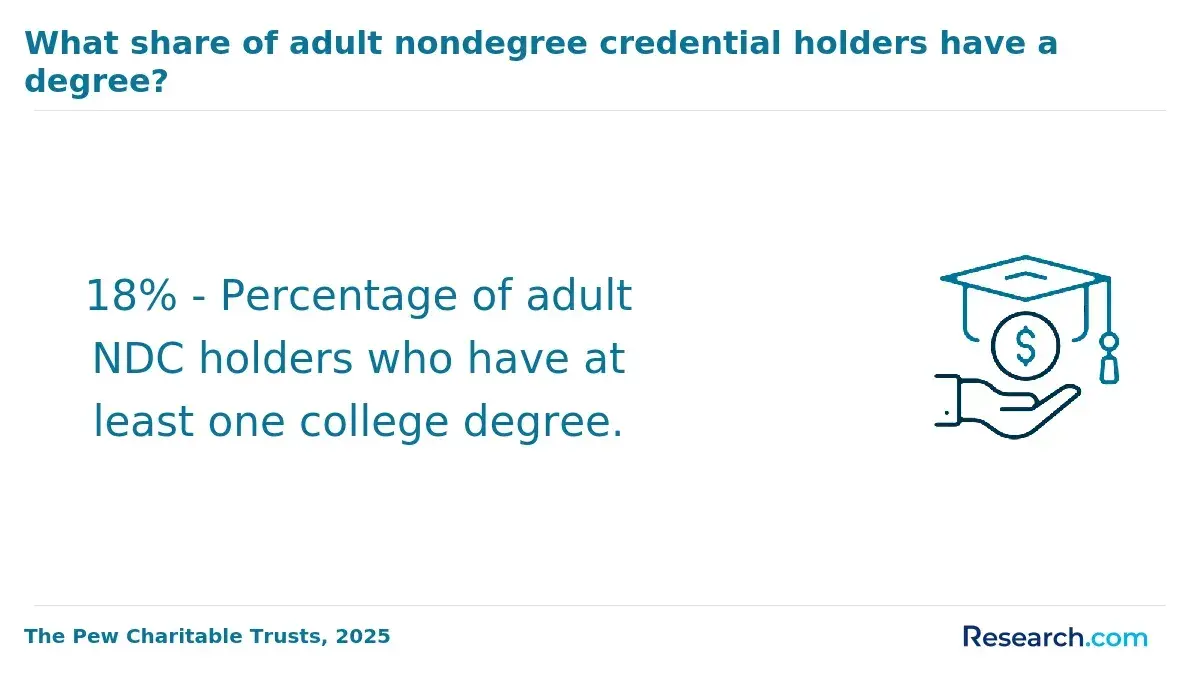
Several agriculture programs cater specifically to working adults and professionals seeking a career change by offering flexible prerequisites and curricula focused on practical skills and real-world application. Adult learners make up over 40% of graduate program enrollees nationwide, highlighting the increasing demand for education that fits professional schedules and life commitments.
These trends underscore the availability of programs suited to nontraditional students looking to transition efficiently into agriculture-related careers.
- Bachelor's in Agriculture Science: This program provides foundational knowledge with adaptable courses that accommodate career changers, allowing students without a traditional background to gain essential skills and confidence for entering the field.
- Master's in Agriculture and Food Systems: Ideal for professionals aiming for advanced expertise, this program emphasizes leadership and strategic understanding while supporting students who seek to broaden their career opportunities within agriculture.
- Certificate Programs in Sustainable Agriculture: These short-term programs are designed for those wanting targeted, practical skills without committing to a full degree, making them attractive to working adults looking for quick, relevant education.
- Diploma Programs in Agricultural Technology: Focused on hands-on training with modern agricultural tools and techniques, these diplomas enable learners from diverse backgrounds to quickly enter the industry with applicable skills.
Career changers interested in agriculture may also explore other innovative educational paths, including AI degrees that complement traditional agriculture knowledge, expanding their career versatility. The best agriculture degree programs for nontraditional students typically emphasize flexibility and practical learning, ensuring that career transitions are smooth and achievable.
What agriculture specializations are best for career changers?
Selecting the right agriculture specialization is vital for career changers because it affects how easily they can apply existing skills and adapt to a new field. According to the U.S. Bureau of Labor Statistics, related occupations in agriculture are projected to grow by 5% through 2030, indicating consistent demand for qualified professionals. The following are four top specializations that suit those transitioning careers:
- Agricultural Business Management: Best for those with backgrounds in finance or marketing, this specialization makes use of business skills to enhance farm profitability and operational efficiency. It provides opportunities to leverage prior management experience for growth in the agriculture sector.
- Sustainable Agriculture: Ideal for career changers interested in environmental sustainability, this pathway emphasizes hands-on learning focused on long-term resource conservation. It welcomes professionals passionate about ecological issues and those seeking flexible admissions options in agriculture programs.
- Food Science and Technology: This area fits well for individuals with chemistry or biology experience, allowing lab-based professionals to transition into food safety, quality control, and product development roles. It bridges scientific expertise with agriculture's technological advances.
- Agricultural Education and Extension: Perfect for those with teaching, communication, or community outreach experience, this specialization connects agricultural science with education and promotes knowledge-sharing across diverse populations.
For working adults considering career shifts, exploring an engineering degree online can also complement agriculture degrees, broadening technical skill sets and enhancing career mobility.
What are the admission requirements for career changers applying to an agriculture program?
Career changers pursuing an agriculture degree must navigate admission criteria that accommodate their unique professional backgrounds and responsibilities. Nearly 40% of undergraduate students in the U.S. are nontraditional learners, reflecting growing access through flexible admissions policies tailored for adult students.
Below are common agriculture program admission requirements for career changers, designed to simplify transitions and recognize diverse experiences.
- Official Transcripts: Applicants should submit transcripts from prior institutions, detailing completed coursework and GPA. This helps programs assess academic readiness and may allow for credit transfer, easing prerequisite burdens.
- Resume Highlights: A clear outline of work experience, especially in agriculture, environmental science, or related technical fields, demonstrates transferable skills valuable to the program and future careers.
- Personal Statement: A written essay explaining motivation for a career change and interest in agriculture enables admissions to understand commitment and goals, a key factor in nontraditional agriculture degree applicants' evaluation.
- Letters of Recommendation: References from employers or professionals familiar with the applicant's project management, analytical thinking, or relevant expertise support the candidate's potential for success.
- Standardized Tests: Some programs require scores, but many waive or accept alternative assessments to accommodate working professionals and adult learners.
Many institutions also offer flexible enrollment options such as part-time study, evening classes, or online formats. Alternative pathways like portfolio reviews or competency-based assessments can help applicants leverage existing skills for admission.
Those interested in expanding their educational options related to career changes might explore online degrees in psychology as a complementary field, demonstrating the breadth of nontraditional agriculture degree applicants' academic interests.
What is the coursework for an agriculture degree for career changers?
For those transitioning into agriculture from other careers, grasping the course structure is vital to align expectations and plan effectively. The coursework blends fundamental concepts with adaptable learning formats, creating a pathway suited to diverse professional backgrounds. Below are key areas of study that reflect this approach.
- Soil Science: Covers the physical and chemical properties of soil, along with sustainable techniques for managing soil health, essential for crop productivity and environmental stewardship.
- Plant Biology: Focuses on plant growth, genetic principles, and integrated pest management, helping learners understand crop development and protection strategies.
- Animal Science: Introduces livestock care, breeding practices, and animal nutrition, providing comprehensive knowledge on managing farm animals effectively.
- Agricultural Economics: Explores economic factors affecting agriculture, such as market dynamics, resource management, and farm business operations.
- Flexible Learning Options: Many programs offer evening, weekend, or online classes to accommodate working professionals, allowing study without disrupting existing commitments.
- Hands-on Experience: Practical elements like labs, field projects, and internships deliver real-world exposure, reinforcing theoretical lessons through application.
- Career Transition Support: Academic advising and tailored resources help career changers navigate the demands of shifting industries while building new expertise.
A professional who completed an online agriculture degree shared their experience when asked about the coursework. "Balancing work and study was challenging, especially during fieldwork projects that required weekend commitments," he explained. Though initially overwhelmed by the science-heavy content, the flexibility of online lectures made it manageable.
He added, "Academic advisers played a big role, guiding me through course selection to align with my goals and prior experience." Reflecting on the practical tasks, he said they "felt like a vital bridge, turning abstract concepts into skills I could immediately see myself applying." This combination of structure and support was crucial for his confident career pivot.
What agriculture program formats are available for career changers?
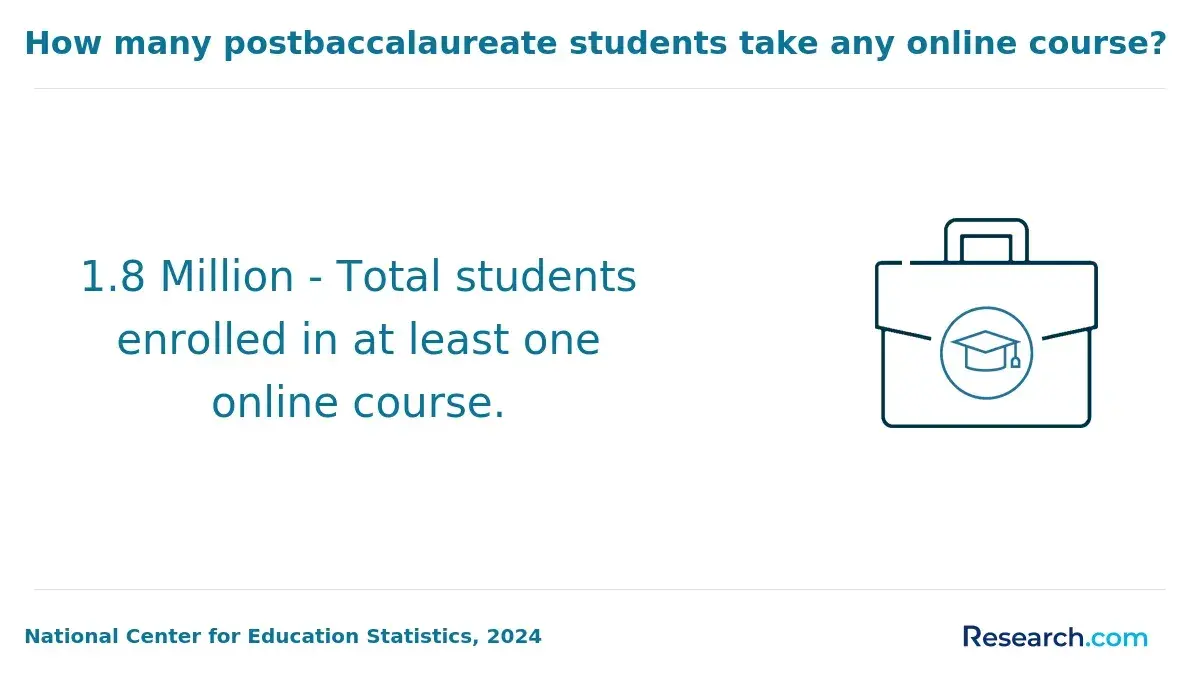
Flexible program formats are essential for career changers aiming to earn an agriculture degree while managing work and personal responsibilities. Data shows that over 40% of U.S. college students take at least one course online, demonstrating a clear shift toward adaptable learning options. Below are several common agriculture program formats designed to meet the needs of working adults.
- Online Programs: Entirely virtual courses allow students to study anytime and from any location, perfect for those with demanding schedules or geographic limitations.
- Part-Time On-Campus: These programs offer in-person instruction with fewer weekly hours, enabling learners to balance campus attendance with job and family obligations.
- Hybrid Programs: Combining online and face-to-face classes, hybrid formats provide flexibility without sacrificing direct interaction and hands-on experiences.
- Evening and Weekend Classes: Scheduled outside traditional work hours, these classes accommodate full-time employees who need to attend without disrupting their careers.
What skills do career changers gain in an agriculture program?
For professionals transitioning into agriculture, acquiring new skills is crucial to navigating an unfamiliar industry effectively. Nearly 80% of U.S. workers must reskill or upskill during their careers to stay relevant, highlighting the importance of learning competencies that support flexible career trajectories. Below are five essential skills gained through agriculture programs that assist career changers in this process.
- Technical Proficiency: Mastery of contemporary agricultural machinery and technology enables learners to adapt swiftly to modern farming methods and innovations, enhancing their practical abilities in a rapidly evolving sector.
- Data Analysis: The ability to interpret environmental and crop-related data informs smarter decision-making, which is valuable not only within farming but also in broader contexts like sustainability and resource management.
- Problem-Solving: Tackling challenges such as pest control and efficient resource allocation cultivates critical thinking skills that are transferable across diverse professional environments.
- Project Management: Skills in planning and coordinating agricultural initiatives translate into strong leadership and organizational capabilities, assets that employers seek in various industries.
- Communication: Engaging effectively with a range of stakeholders-from producers to consumers-builds collaborative competencies vital for career advancement and professionalism.
One career changer I spoke with shared how the agriculture program reshaped her approach to challenges. Initially overwhelmed by unfamiliar terms and technologies, she found that continuous learning and practical application helped build her confidence. She recalled, "At first, balancing school with work felt daunting, but mastering project management gave me tools to organize both aspects efficiently."
Her ability to translate complex data into actionable insights opened doors to opportunities she hadn't imagined before her degree. This experience not only deepened her understanding of the field but also strengthened her belief in the versatility of these acquired skills across various career paths.
How much does an agriculture degree cost for career changers?
For career changers pursuing an agriculture degree, weighing total program costs is essential due to the balancing act of tuition, living expenses, and family obligations. Data from the National Center for Education Statistics show that the average graduate education debt for adults exceeds $30,000, highlighting the need for careful financial planning. Below are the primary cost components to consider for affordable agriculture degree programs for working professionals.
- Tuition and Fees: These are typically the largest expenses and vary widely from $5,000 to $20,000 annually. Public institutions often offer lower rates, especially for in-state students, while private programs tend to be more expensive. Some programs also provide flexibility with installment plans to ease payment burden.
- Books and Supplies: Annual costs for textbooks and technical materials usually add around $1,000, especially for lab-intensive courses or specialized agriculture equipment. Working professionals should factor these recurring expenses into their budgets.
- Specialized Equipment and Fieldwork: Certain agriculture programs require additional purchases or fees related to fieldwork, which can raise costs. These may vary based on the program's focus and delivery format, with online or accelerated options frequently reducing these expenses.
- Employer Tuition Assistance: Many employers support continuing education through reimbursement or tuition assistance, which significantly lowers out-of-pocket costs for students. Leveraging such benefits is key for career changers seeking financial relief.
- Flexible Learning Options: Online and accelerated agriculture degree programs allow students to maintain employment while studying, reducing lost income and accelerating career transitions. Adult learners often find these formats valuable for balancing work and education.
For those aiming to deepen expertise alongside career change efforts, exploring opportunities like a PhD organizational leadership can also complement an agriculture degree, especially in management roles within agricultural industries.
How does an agriculture curriculum support career transitions?
For career changers, curriculum design in agriculture programs is crucial to support an efficient shift into new fields. These programs focus on balancing foundational knowledge with practical skills to meet the diverse needs of adult learners. The following highlights key curriculum features designed to aid career transitions.
- Applied Learning Opportunities: Labs, fieldwork, and internships provide hands-on experience essential for understanding real agricultural challenges. These experiential components help students bridge theory and practice effectively.
- Transferable Skill Development: Programs emphasize problem-solving, project management, and data analysis, equipping students with skills valuable across various roles in agriculture and beyond.
- Flexible Pacing: Designed to accommodate working professionals, flexible scheduling allows learners to balance personal commitments while progressing at their own speed.
- Real-World Projects: Integrating live projects into coursework fosters critical thinking and adaptability, preparing students to apply knowledge in diverse agricultural settings.
- Interdisciplinary Curriculum: Combining environmental science, business, and technology creates a comprehensive skill set aligned with modern agricultural career demands.
Adult learners exploring an agriculture degree curriculum for career changers find that such thoughtfully designed programs make transitions smoother by building relevant skills and practical experience. The skills gained from agriculture programs for professionals often overlap with other industries, enhancing employability.
For those interested in exploring related educational paths that offer career advancement and practical outcomes, consider reviewing options for quick online degrees as well.
What careers can career changers pursue with an agriculture?
For professionals shifting into agriculture, knowing potential career outcomes is essential to align educational pursuits with workforce trends and personal strengths. The U.S. Bureau of Labor Statistics forecasts a 6% increase in agricultural and food scientist positions through 2032, highlighting ongoing employer interest. Below are key career options for those with an agriculture degree.
- Agricultural Technician: This role involves designing experiments and gathering data to support research initiatives. Individuals with strong analytical and organizational skills from previous fields find this position accessible and rewarding.
- Farm or Ranch Manager: Overseeing daily operations, managing budgets, and coordinating resources are central to this job. Former business or management professionals can leverage their experience effectively in this leadership capacity.
- Soil and Plant Scientist: Specialists in this area work on enhancing crop productivity and sustainable land use. Those with backgrounds in research or lab work will find their skills transferable to these scientific applications.
- Agricultural Educator or Extension Agent: This career focuses on community outreach and educational programs related to farming and agriculture practices. It suits individuals who have communication or teaching experience and enjoy engaging with diverse audiences.
- Food Safety Specialist: Ensuring adherence to health and safety regulations falls under this role. Candidates familiar with quality control or regulatory standards from other industries can transition smoothly into this vital position.
What is the average salary after earning an agriculture degree as a career changer?
Salary expectations play a crucial role for career changers weighing the financial benefits of earning an agriculture degree. Data shows reskilled workers often experience a 15% to 20% median salary increase within five years, reflecting the advantage of combining new skills with prior experience. Here are key factors shaping salary outcomes in agriculture-related fields:
- Entry-Level Salaries: Annual earnings typically range from $40,000 to $70,000 depending on role and location, with compensation generally increasing as expertise develops.
- Experienced Professionals: Those with five or more years of specialization can see salaries between $70,000 and $100,000, influenced by industry demand and technical skills.
- Industry Sectors: Fields like agritech, environmental management, and consulting usually offer higher wages due to their technical and strategic nature.
- Geographic Variation: Urban centers and high-demand regions often provide better pay, reflecting local economic conditions and job availability.
- Prior Career Influence: Previous experience in leadership or technical domains can accelerate salary growth by adding valuable competencies to agriculture roles.
What Graduates Say About Their Agriculture Degrees for Career Changers
- Aidan: "Switching from a corporate marketing job to pursuing a agriculture degree was intimidating at first, especially considering the average cost of attendance around $20,000 per year. However, investing in this education has been transformative, giving me not only technical skills but confidence to lead sustainable farming projects. The decision was worth every penny and effort. "
- Kim: "After years in retail management, I chose a agriculture degree program to align my career with my passion for environmental stewardship. Although the program cost was a significant consideration, typically between $15,000 and $25,000 yearly, the knowledge gained opened up opportunities in agribusiness consulting that I hadn't imagined possible. Reflecting back, it was a pivotal and rewarding shift. "
- Neal: "Transitioning careers is never easy, and opting for a agriculture degree meant carefully weighing the financial commitment, often averaging $18,000 annually. Completing the program has profoundly impacted my professional path, equipping me with expertise to advance in agricultural engineering. The pragmatic approach of the curriculum made the investment invaluable in achieving my goals. "
Other Things You Should Know About Agriculture Degrees
2027 Agriculture Degree Programs accommodate students without prior experience by offering foundational courses in key areas like soil science, plant biology, and agricultural technology. Programs often include entry-level tracks and hands-on learning opportunities, such as labs and fieldwork, to build practical skills and knowledge from scratch.
Most agriculture degree programs include practical components such as internships, fieldwork, or laboratory experience. These requirements help students apply theoretical knowledge to real-world agricultural settings, enhancing employability. Career changers should expect to participate in hands-on learning to gain relevant skills and industry exposure.
References
- Agriculture Careers 2025: Salaries, Technology Jobs & Future Outlook | Eagmark Agri-Hub https://eagmark.net/news/agriculture-technology-jobs-that-ai-cant-replace
- Considering a career change into agriculture? - CalAgJobs https://calagjobs.com/articles/for-candidates/considering-a-career-change-into-agriculture/
- The changing skillset of the agricultural workforce - Australian Farm Institute https://www.farminstitute.org.au/the-changing-skillset-of-the-agricultural-workforce/
- Tips for Choosing the Right Specialization in Agricultural Studies https://www.clonakiltyagriculturalcollege.com/2025/01/tips-for-choosing-the-right-specialization-in-agricultural-studies/
- Main navigation https://careersportal.ie/sectors/opportunities.php
- Changing careers in agriculture - Farmers Weekly https://www.fwi.co.uk/careers/big-switch-changing-careers-agriculture
- Agriculture Careers Salary: A To Z Guide & Top 3 Paths 2026 https://farmonaut.com/blogs/agriculture-careers-salary-a-to-z-guide-top-3-paths-2026
- Choosing a Career in Agriculture: Benefits, Tips and Career Paths https://www.beyondberea.org/blog/2023/03/22/choosing-a-career-in-agriculture-benefits-tips-and-career-paths/
- CAPITALS - The 8 Transferable Skills for Agriculture Careers https://www.agcareers.com/career-success-library/capitals-the-8-transferable-skills-for-agriculture-careers.htm
- Graduate careers advice: you and your agricultural degree https://gradireland.com/careers-advice/graduate-careers-advice-you-and-your-agricultural-degree


