
2027 Which Agriculture Degree Careers Offer the Best Long-Term Salary Growth?

Co-Founder and Chief Data Scientist
Recent graduates considering agriculture degrees often face a critical question: which careers in this field will provide the best long-term salary growth? While entry-level roles such as agricultural technicians offer modest starting pay, roles in agribusiness management or precision agriculture frequently see faster salary advancement. The U.S. Bureau of Labor Statistics projects employment in agriculture-related management occupations to grow 6% through 2032, reflecting increasing demand for skilled professionals.
Understanding these shifts can guide students toward careers with stronger financial returns. This article explores which agriculture degree careers offer the strongest long-term salary growth and the factors influencing their earning potential.
Key Benefits of Agriculture Degree Careers That Offer Long-Term Salary Growth
- Careers in agriculture often show steady salary increases, with experienced professionals earning up to 40% more after a decade in technical and managerial roles.
- Skill development and specialized certifications directly enhance income potential, as employers value advanced expertise in sustainable and precision agriculture techniques.
- Long-term growth in agriculture careers supports financial stability, with opportunities for promotion into leadership roles or consultancy boosting earning trajectories significantly.
Which Agriculture Careers Have the Highest Long-Term Salary Growth?
Certain Agriculture careers demonstrate notably stronger long-term salary growth due to evolving market demands and technological advancements. For example, management roles in crop production are projected to experience around a 5% salary increase over a decade, reflecting their strategic importance in the sector. This trend highlights opportunities for substantial earning potential in select Agriculture degree careers.
The following careers exemplify strong salary progression over time within Agriculture fields:
- Agricultural Management and Agribusiness: These roles benefit from salary growth driven by expanding business scale and increasing strategic leadership responsibilities. Individuals in this area often see earnings rise as they oversee complex operational networks and contribute to broader market success.
- Agricultural Engineering: Salary growth in this career correlates with advances in technology adoption such as automation and sustainable farming practices. Agricultural engineers typically experience income increases as new innovations reshape agricultural methodologies.
- Agricultural Economics: Professionals in this field gain long-term salary increases linked to their expertise in market analysis and policy influence. Their ability to affect fiscal decision-making within the Agriculture sector supports continued earning potential growth.
Students interested in agricultural degree careers that combine technical expertise with strong long-term earnings may also explore related opportunities highlighted in the best online AI degree programs, where technological integration continues to shape future prospects.
How Does Salary Growth Progress Over Time in Agriculture Careers?
Salary progression in agriculture careers generally follows a consistent, gradual upward trend over time. As professionals gain experience, their earnings tend to rise steadily without abrupt changes. According to data from the U.S. Bureau of Labor Statistics, wages in agriculture-related fields have increased at an average annual rate of approximately 2.5% over the past ten years. This steady growth reflects a long-term trend of reliable income improvement over a career span within the sector.
Typically, salary growth in agriculture careers unfolds in stages. Early career years see modest increases that reward developing abilities and contributions. Mid-career phases often bring stronger wage growth as expertise builds, while later stages maintain steady rises, reflecting extensive experience and ongoing roles. This pattern of steady progression results in significant cumulative salary growth over time, enhancing lifetime earnings through consistent annual raises.
Which Entry-Level Agriculture Jobs Lead to High-Paying Careers?
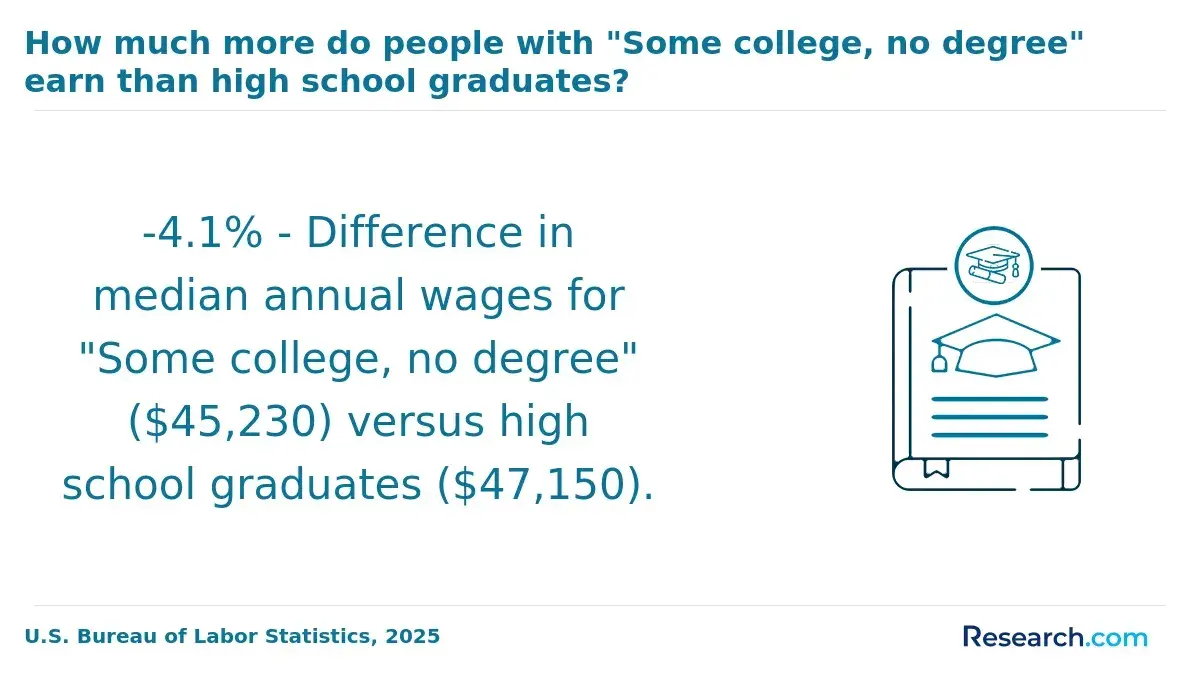
Several entry-level agriculture roles serve as important foundations for careers that typically experience significant salary growth over time. According to data from the U.S. Bureau of Labor Statistics in 2023, starting salaries in agriculture-related jobs generally fall between $35,000 and $50,000 annually, depending on the role and region. These positions often offer opportunities to gain skills and experience that are highly valued in advanced agriculture careers.
Below are key entry-level agriculture jobs known for strong long-term earning potential:
- Agricultural Technician: These professionals support research by conducting experiments and collecting data on crops and livestock. Their practical knowledge in research settings often leads to roles in development and innovation with higher salaries.
- Farm or Ranch Manager Trainee: Trainees develop understanding of operational management, resource coordination, and production. This experience can pave the way to senior management positions that command better compensation.
- Agricultural Equipment Operator: Handling and maintaining farming machinery gives operators valuable technical expertise. Over time, this can progress into supervisory or consulting roles with increased income opportunities.
- Soil and Plant Scientist Assistant: Working alongside experts in soil analysis and plant health helps assistants cultivate specialized knowledge. This often translates into advanced scientific or consulting careers with greater earning capacity.
- Agricultural Sales Representative: Entry-level sales roles focus on marketing agriculture products and building client relationships. Success here may lead to management positions or commission-based earnings, which can significantly boost income.
When asked about which entry-level agriculture jobs lead to high-paying careers, a new Agriculture degree graduate reflected on the transition from study to work. He shared that navigating the initial job search felt overwhelming, especially when deciding which paths held the most promise. "It wasn't just about landing any job, but finding one where I could grow and build valuable skills," he explained.
Gaining hands-on experience and observing mentors on the job helped him understand how foundational roles connect to better opportunities later. While early challenges included learning complex technical tasks and adapting to fast-paced environments, these experiences ultimately provided clarity on how to advance and increase earnings in agriculture careers.
What Industries Offer the Best Salary Growth for Agriculture Graduates?
Industries with expanding demand and broad compensation frameworks often provide agriculture graduates with superior long-term salary growth. For instance, agricultural biotechnology salaries have increased more than 15% over the past five years, surpassing many traditional sectors. These long-term salary trends in agriculture sectors reflect shifting market needs and innovation-driven growth.
Here are several industries commonly linked to stronger salary growth for agriculture graduates:
- Agribusiness and Global Trade: This sector benefits from globalization and company expansion, which drive consistent wage increases. Compensation often aligns with trade growth and the increasing integration of agricultural products into international markets.
- Biotechnology and Agricultural Research: Continuous innovation in genetic modification and sustainable practices fuels budget growth. This results in steady salary raises tied to advances in crop protection and environmental monitoring.
- Environmental Consulting and Sustainability: Rising regulatory demands and sustainability priorities create higher compensation bands. Expertise in resource management is increasingly rewarded with faster earnings progression than in traditional production roles.
- Food Processing and Manufacturing: Industry innovation and supply chain optimization support regular salary improvements. Workers benefit from pay models connected to operational excellence and product quality enhancements.
For agriculture graduates exploring education options aligned with evolving industry needs, programs such as CACREP online counseling programs may offer complementary skills to navigate these growing fields.
What Factors Influence Long-Term Salary Growth in Agriculture Careers?
Long-term salary growth in agriculture careers depends on various workplace and economic factors that influence pay increases over time. These elements combine personal development with broader market conditions to affect earning potential across a career.
The following key factors contribute to salary progression in agriculture careers:
- Experience Accumulation: Advancing in years typically brings more responsibility and deeper expertise. As individuals grow more skilled and knowledgeable, they often receive promotions and wage increases reflecting their enhanced value to employers.
- Market Demand: Changes in commodity prices, technology, and consumer preferences impact industry profitability. Careers aligned with growing sectors or emerging needs usually experience stronger salary growth as demand for their skills rises.
- Leadership Roles: Moving into managerial or specialized positions generally opens access to higher pay brackets. The ability to oversee teams, projects, or budgets is linked with long-term increases in compensation.
- Geographic Influence: Salary trajectories vary by location, with regions that have intense agricultural activity or higher living costs often offering greater wage growth. Local economic conditions and labor markets play a significant role here.
- Regulatory Environment: Shifts in agricultural policies can indirectly affect incomes by altering business operations and investment decisions. Being adaptable to policy changes helps individuals sustain or improve their earnings.
A professional with an agriculture degree shared her perspective on these influences: "Early in my career, I faced uncertainty as market prices fluctuated wildly, making pay increases unpredictable. It wasn't until I embraced leadership responsibilities and learned to navigate policy changes that I saw meaningful salary growth." She described balancing the challenge of staying informed about complex regulations while managing team projects as a key turning point. "It took persistence and adaptability, but those efforts paid off financially and professionally." Her reflection highlights how multiple factors interact over time to shape long-term earning potential in agriculture fields.
How Do Skills and Specializations Affect Salary Growth?
Developing specialized skills plays a significant role in increasing salary potential over the course of a career in agriculture. As the industry increasingly integrates technology and data-driven processes, professionals with targeted expertise tend to earn notably more. Studies reveal that individuals with specialized technical capabilities in agriculture can command salaries 20-30% higher than their more generalized peers.
Below are key areas where skills and specializations impact long-term salary growth:
- Technological Expertise: Proficiency in advanced tools like GPS-guided systems and data management software enhances productivity, making specialists highly valuable and often leading to accelerated salary progression.
- Data Analytics: Skills in interpreting and applying agricultural data support optimized decision-making and resource management, which employers increasingly reward with higher compensation over time.
- Sustainable Practices: Knowledge in environmental stewardship and sustainable farming techniques aligns with industry trends toward efficiency and eco-friendly operations, driving demand for expertise that boosts earning potential.
- Biotechnology: Understanding genetic improvements and biological innovations enhances the ability to improve crop yields and resilience, contributing to faster income growth as these skills become more essential.
Do Advanced Degrees or Certifications Increase Long-Term Earnings?
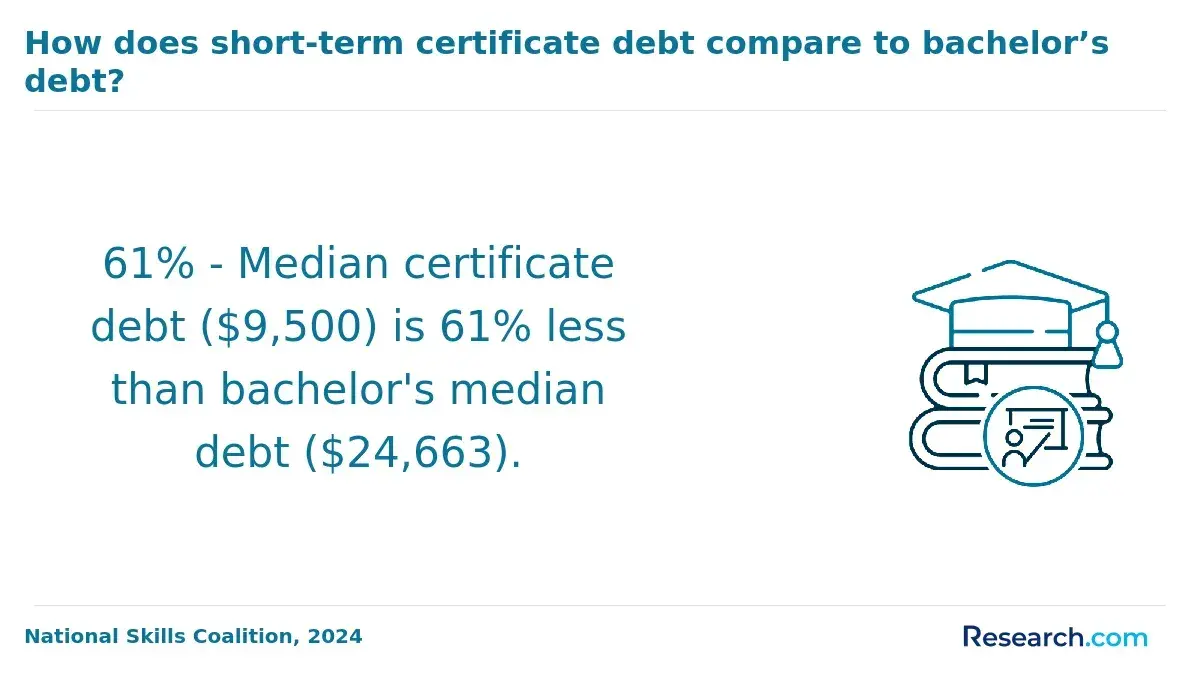
Advanced degrees and certifications in agriculture often lead to greater long-term earnings by opening doors to roles that involve increased responsibility, strategic decision-making, and leadership. Professionals who hold master's degrees, doctorates, or specialized certifications typically access higher-paying positions compared to those with only a bachelor's degree.
Research indicates that agricultural workers with graduate-level qualifications can earn 20-30% more over their careers, reflecting the premium placed on expertise and the ability to manage complex challenges. This wage advantage highlights how advanced education enhances earning potential through expanded roles and management duties.
The influence of advanced education on agricultural earnings varies significantly by career path and industry segment. In research-intensive roles like agricultural scientists or geneticists, doctoral degrees may be essential for accessing top salary tiers, while certifications in sustainable farming or agricultural management boost earnings in production or extension services.
Some careers require professional licenses that act as gateways to higher compensation, making the value of additional qualifications dependent on specialization and sector demands. Ultimately, the return on investing in further education depends on how well these credentials align with the evolving roles and requirements within agriculture.
How Does Job Stability Impact Long-Term Salary Growth?
Job stability has a significant impact on long-term salary growth in agriculture careers by fostering continuous employment, which supports steady income increases. Workers who maintain consistent roles often benefit from gradual raises and promotions tied to seniority.
According to the U.S. Bureau of Labor Statistics, employees with uninterrupted employment histories can experience wage growth rates up to 15% higher over a decade compared to those with broken job continuity. This steady advancement in agriculture-related fields emphasizes the value employers place on experience, as long-term salary growth in agriculture careers is closely linked to sustained work history.
Stable employment shapes salary progression patterns by allowing professionals to accumulate relevant skills and deepen their knowledge of agricultural technologies and market trends. This continuous experience typically results in regular pay increases and bonuses reflecting performance and expertise. Conversely, interruptions in employment often lead to setbacks that require re-establishing credentials or accepting lower starting wages, negatively affecting overall earnings.
For those focused on job stability effects on agriculture earnings, understanding this relationship is crucial, especially when exploring educational options such as the best 2 year construction management degree online, which can support career advancement through accelerated learning paths.
What Are the Highest-Paying Career Paths After 10+ Years?
After 10 or more years in agriculture-related fields, professionals often reach their highest earning potential, reflecting deep expertise and leadership roles. According to the U.S. Bureau of Labor Statistics, mid-career workers in agriculture can experience median wage increases exceeding 30%, emphasizing the financial benefits tied to sustained experience.
The following list highlights some of the highest-paying career paths typically achieved after a decade in agriculture-related professions:
- Agricultural Managers: These leaders oversee farm production, resource allocation, and operational strategies. Their comprehensive oversight of large-scale agricultural activities often results in salaries well above the national average.
- Agribusiness Executives: Executives in this sector direct strategic planning and financial management for companies involved in agriculture. Their decisions impact market growth and sector profitability at a high level.
- Agricultural Economists: Specialists who analyze economic data and trends to influence agricultural markets and policymaking. Their expertise shapes decisions that affect the broader agricultural economy.
- Senior Soil and Plant Scientists: Researchers and experts focused on biotechnology and sustainable practices who lead R&D efforts. Their work drives advances in crop yields, pest resistance, and environmental stewardship.
- Large Animal Veterinarians: Veterinary professionals specializing in livestock health, ensuring the wellbeing of agricultural animals and supporting food safety standards.
Students seeking to maximize their salary progression and expertise after an agriculture degree may also explore related fields, such as those found in interdisciplinary areas; for example, individuals interested in management roles could consider a hospitality degree online to complement their skillset and increase career flexibility.
How Do You Choose a Agriculture Career Path With Strong Salary Growth?
Careful assessment of long-term earning potential is vital when choosing an agriculture career path, as salary growth can vary widely across different roles. Some agriculture-related professions offer median wages that are more than double those of entry-level jobs, reflecting significant income disparities. Selecting career paths with strong growth potential can enhance long-term financial stability.
Several factors impact which agriculture career paths will provide the best return on investment over time. Consider the following key elements:
- Sector Demand: Emerging technologies and sustainable practices in agriculture drive increasing demand for skilled professionals. Fields linked to innovation in agribusiness tend to show stronger salary growth across regions.
- Role Progression: Jobs with clear advancement routes or opportunities to specialize often lead to substantial income increases. Understanding potential career ladders helps to identify roles with rewarding long-term prospects.
- Interdisciplinary Skills: Combining agriculture expertise with high-demand fields, such as biotechnology or environmental management, can provide a significant earning advantage. Additionally, exploring data science degrees may open new doors in agricultural analytics and decision-making.
- Geographic Influence: Salary growth can be affected by local market conditions, including government initiatives, export opportunities, and industry expansion in specific areas.
- Economic and Regulatory Trends: Awareness of sustainability policies and shifting consumer preferences helps identify roles likely to remain financially viable over the long term.
What Graduates Say About Agriculture Degree Careers That Offer Long-Term Salary Growth
- Lennon: "Choosing an agriculture degree was one of the best decisions I made because it opened doors to careers in sustainable farming and agribusiness with impressive salary trajectories. The ROI has been remarkable, considering the growing global demand for food security and innovative farming techniques. My career impact has been profound, allowing me to contribute directly to evolving practices while continuously advancing financially."
- Forest: "Reflecting on my journey, the agriculture degree provided a solid platform to enter specialized sectors like precision farming and agricultural technology, which offer the best long-term salary growth. The initial investment in my education has paid off through diverse job prospects and career stability. Professionally, this degree has enabled me to be at the forefront of important environmental and economic challenges, making my work both fulfilling and financially rewarding."
- Leo: "From a professional standpoint, obtaining an agriculture degree has been instrumental in accessing leadership roles within the agronomy and food production industries, known for strong salary potential over time. The degree's value is clear in its positive ROI, especially when combined with experience and advanced skills. Choosing agriculture was ultimately a career-defining move that helped me make a tangible impact on modern farming practices while achieving financial growth."
Other Things You Should Know About Agriculture Degrees
Geographic location significantly impacts salary growth in agriculture careers, with higher growth often found in regions with robust agricultural industries and higher costs of living. Urban centers and areas with major agribusiness hubs typically offer better opportunities and salary progression compared to rural regions.
Yes, internships and hands-on experience are crucial in agriculture careers. They provide practical skills and industry contacts that often lead to better job placements and faster promotions. Employers value candidates with real-world experience, which can accelerate salary growth over time.
Industry trends such as technological advances, sustainability practices, and global food demand directly influence salary growth in agriculture fields. Professionals who adapt to new technologies or specialize in high-demand sectors like precision farming or biotechnology often see greater salary increases. Staying informed about these trends is key to maintaining competitive earnings.
Networking is an important factor in career advancement within agriculture. Building relationships with industry professionals can lead to opportunities for collaboration, mentorship, and job offers that contribute to long-term salary growth. Active participation in agricultural organizations and events enhances visibility and access to higher-paying roles.
References
- Most Highly Paid Jobs in Agriculture and Farming https://www.agrirs.co.uk/blog/2022/04/most-highly-paid-agricultural-jobs
- Choosing a Career in Agriculture: Benefits, Tips and Career Paths https://www.beyondberea.org/blog/2023/03/22/choosing-a-career-in-agriculture-benefits-tips-and-career-paths/
- Is a Master’s in Agriculture Worth the Investment? Understanding ROI - Alpine Group Of Institutes https://alpinecollege.edu.in/is-a-masters-in-agriculture-worth-the-investment-understanding-roi/
- Does agricultural certification improve well-being? https://www.3ieimpact.org/evidence-hub/publications/systematic-review/does-agricultural-certification-improve-well-being
- Employment in Agriculture https://ourworldindata.org/employment-in-agriculture
- Agriculture Careers 2025: Salaries, Technology Jobs & Future Outlook | Eagmark Agri-Hub https://eagmark.net/news/agriculture-technology-jobs-that-ai-cant-replace
- Skills Development and Growth for the Agricultural Sector https://www.webberwentzel.com/News/Pages/skills-development-and-growth-for-the-agricultural-sector.aspx
- SF Special: Finding the Right Path to a Career in Agriculture https://www.agriculture.com/family/education/finding-the-right-path-to-a-career-in-agriculture
- Agriculture Careers Salary: A To Z Guide & Top 3 Paths 2026 https://farmonaut.com/blogs/agriculture-careers-salary-a-to-z-guide-top-3-paths-2026
- The 10 Highest Paying Agriculture Jobs In 2025 https://blog.aghires.com/the-10-highest-paying-agriculture-jobs-in-2025


