
2027 Is Demand for Communication Degree Graduates Growing or Declining?

Co-Founder and Chief Data Scientist
Graduates with a communication degree often face uncertainty about job availability and career stability. For instance, recent graduates worry whether skills learned in school align with evolving industry demands. According to the U. S. Bureau of Labor Statistics, employment in fields related to communication is projected to grow by 9% from 2022 to 2032, faster than the average for all occupations.
This growth highlights opportunities but also competition within the job market. This article examines current trends in communication degree demand and employment outlooks, helping readers make informed decisions about education and career paths in this dynamic field.
Key Things to Know About the Demand for Communication Degree Graduates
- Employment for communication degree graduates is growing modestly, with the U.S. Bureau of Labor Statistics projecting a 6% increase in related roles from 2022 to 2032.
- Job growth is strongest in digital media, public relations, and corporate communication, reflecting shifts toward online platforms and content strategy.
- Specializing in areas like social media analytics or crisis communication enhances long-term prospects amid evolving industry demands and technological advancements.
What Factors Are Driving Demand for Communication Degree Professionals?
Recognizing the forces driving workforce demand helps prospective students evaluate the long-term value and stability of a communication degree. Several key factors shape hiring trends for communication professionals and influence sector growth. Below are the main drivers behind the ongoing demand:
- Industry Growth: Expansion in marketing, public relations, and corporate communications sectors continues as organizations focus on brand identity and audience engagement. This growth reinforces steady demand for professionals who can deliver clear, compelling messages across diverse platforms. Accreditation standards for communication degree programs in the United States ensure that graduates meet quality expectations for these roles.
- Technological Advancement: The rise of digital media, social networking, and content management systems demands that communication specialists stay current with new tools and channels. Employers increasingly prefer graduates skilled in multimedia storytelling, analytics, and digital engagement strategies to navigate evolving communication landscapes.
- Regulatory and Policy Changes: Fields such as healthcare, finance, and government require transparent and compliant messaging. Communication professionals adept at interpreting complex regulations and policies support effective organizational communication and risk management.
- Evolving Employer Skill Requirements: Skills like intercultural communication, crisis management, and collaborative problem-solving are increasingly vital. As workplaces diversify, communication graduates demonstrating adaptability and emotional intelligence gain a competitive edge.
Importance of regional accreditation for communication program quality further shapes educational choices for those pursuing these careers. For those considering advancement, exploring online MBA programs may offer pathways to broaden expertise and improve career prospects.
Which Communication Occupations Are Seeing the Highest Growth Rates?
Growth rates serve as essential indicators for students evaluating communication career paths, revealing which jobs offer expanding opportunities and job security. According to the U.S. Bureau of Labor Statistics, overall employment is projected to increase by 5% from 2021 to 2031, highlighting sectors with faster-than-average demand. These trends help identify which communication occupations are experiencing the highest growth rates.
- Market Research Analysts and Marketing Specialists: Expected to grow about 20%, this occupation is driven by the increasing need for data-driven insights as businesses undergo digital transformation. A bachelor's degree in communication or related fields is typically required.
- Public Relations Specialists: Anticipated to grow nearly 11%, fueled by the demand for managing brand reputation in the evolving digital landscape. Most roles require a bachelor's degree in communication or journalism.
- Technical Writers: Projected to increase by 12%, supported by technology companies needing clear, accessible user documentation. A bachelor's degree in communication, English, or technical fields is standard.
- Social Media Managers: Rapid growth comes from companies investing heavily in online presence and influencer marketing. Typically, employers seek candidates with a bachelor's degree in communication or closely related disciplines.
- Broadcast and Sound Technicians: Growing about 10%, driven by rising demand for new media content and streaming services. Vocational training or associate degrees often suffice, though some positions prefer a bachelor's degree.
These top growing communication jobs and industries by region reflect changing market dynamics such as industry expansion, technology adoption, and evolving media landscapes, all shaping demand for communication graduates. Prospective students interested in exploring flexible paths might consider online business degree programs as complementary to communication studies for broader career prospects.
Which Industries Hire the Most Communication Degree Graduates?
Knowing which industries employ the most communication graduates can guide students in targeting careers with strong growth and stability. This insight helps align skills with market needs and reveals where opportunities are concentrated. Key sectors hiring communication degree holders include:
- Public Relations and Advertising: These fields need experts skilled in crafting compelling stories, managing brand reputation, and engaging with the media. Common roles are PR specialist, social media manager, and account executive, fueled by the ongoing demand for companies to stand out in crowded markets.
- Corporate Communication: Many large organizations hire communication graduates to oversee internal messaging, handle crisis communication, and boost employee engagement. Jobs such as communication coordinator or corporate communication manager benefit from strategic messaging skills taught in communication programs.
- Media and Journalism: Despite challenges, media companies continue to require reporters, editors, and digital content creators. Graduates adept at storytelling and multimedia platforms can find roles adapting to shifting news consumption habits.
- Nonprofit and Government: These sectors rely on communication professionals to convey public information, run advocacy campaigns, and foster community involvement. The ability to make complex topics accessible is especially valuable here.
- Marketing and Sales: Communication knowledge supports brand messaging, customer relations, and market analysis. Entry-level positions like marketing assistant or sales communicator often utilize graduates' persuasive communication skills to drive engagement.
How Do Communication Job Opportunities Vary by State or Region?
Geographic factors significantly influence job prospects for communication degree holders, affecting where opportunities arise and how competitive they may be. Several regional elements shape the demand for communication professionals and should be considered when exploring career options.
- High-Demand States: States such as California, New York, and Texas lead in job availability due to their large media, public relations, advertising, and corporate sectors. For instance, California alone hosts about 15% of all U.S. public relations positions, signaling a strong regional job market.
- Industry Concentration: Areas with dense clusters of communication-reliant industries naturally provide more openings and specialized roles. This concentration attracts employers and talent, fostering vibrant career landscapes that may offer faster advancement.
- Urban vs. Rural: Metropolitan regions generally offer a wider variety of positions and frequent openings, while rural locations tend to have fewer jobs and steeper competition. This can limit both networking opportunities and professional growth for graduates outside urban centers.
- Cost-of-Living Impact: Locations with robust job markets often come with higher living expenses, which can affect net income and job satisfaction. Conversely, areas with a lower cost of living might present fewer roles but potentially allow for more comfortable living on modest salaries.
- Remote and Hybrid Trends: The rise of flexible work models has started to bridge gaps between urban and less populated regions, enabling communication graduates in quieter areas to access roles once limited to cities. Nevertheless, face-to-face collaboration and networking still tend to benefit those in metropolitan hubs.
How Does Degree Level Affect Employability in Communication Fields?
The level of education plays a crucial role in shaping job prospects, career advancement, and professional competitiveness within communication fields. Different degree levels offer varying opportunities, influencing both employability and potential salary outcomes. The following outlines how each educational tier impacts career paths in communication.
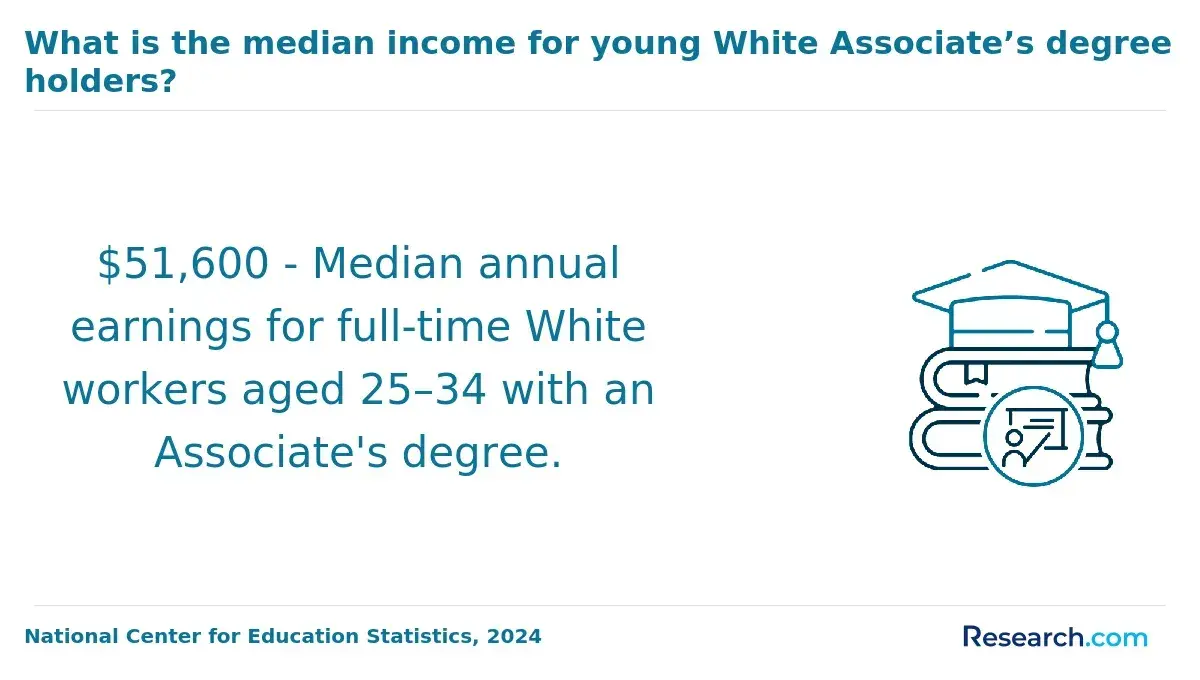
- Associate Degree: Typically geared toward entry-level roles like social media assistants or communications coordinators, this degree provides a basic foundation. However, competition remains strong, and with limited salary growth, many graduates find it challenging to advance without further education.
- Bachelor's Degree: This is the most common degree in the field, opening doors to positions such as public relations specialists or corporate communicators. Research shows that those holding a bachelor's degree in communication enjoy an employment rate about 15% higher than individuals with only an associate degree, reflecting improved job security and mid-level career access.
- Master's Degree: Offering advanced analytical and leadership skills, a master's degree qualifies graduates for higher-level roles like marketing managers and communication directors. This degree significantly enhances competitiveness and career growth potential, often translating into noticeable differences in communication degree salary differences by education level. For those seeking specialization, programs such as a library science degree online are viable options.
- Doctorate Degree: Pursued mainly by those interested in academia, research, or top-tier consulting, these degrees lead to limited but highly influential positions. While opportunities are fewer, they typically offer the highest levels of professional authority and compensation within the communication sector.
What Skills Are Employers Seeking in Communication Graduates?
Recognizing the competencies employers value in communication graduates is vital for standing out in today's competitive job market and ensuring professional success. These capabilities directly impact how well graduates can thrive and add value in various workplace roles. The following are key skills frequently sought by employers:
- Effective Verbal and Written Communication: Being able to express thoughts clearly and succinctly is fundamental, as it strengthens teamwork and facilitates accurate information sharing in any professional context.
- Analytical Thinking and Problem-Solving: Graduates who can assess situations critically and devise strategic solutions are better prepared to handle organizational challenges and contribute to informed decision-making.
- Digital Fluency: Familiarity with online platforms, social media, and digital marketing tools is essential for engaging modern audiences and amplifying brand presence.
- Collaborative Interpersonal Skills: The capacity to build rapport and work effectively within diverse teams fosters a positive workplace climate and drives project success.
- Multimedia Production and Narrative Skills: Crafting impactful stories through various media formats enables organizations to form meaningful connections with target groups.
When I spoke with a graduate of a communication degree program about the skills employers look for, he highlighted how adaptability played a crucial role during his job search. He explained, "I realized early on that having the technical know-how wasn't enough; I had to quickly learn to tailor presentations for different audiences and manage social media campaigns under tight deadlines."
He described moments of uncertainty but also satisfaction as he navigated feedback from supervisors and team members, ultimately feeling more confident in his ability to communicate persuasively and collaborate effectively. This hands-on experience reinforced his understanding that versatility and continuous learning are just as important as foundational communication abilities.
Breakdown of Public Fully Online Title IV Institutions

How Does Job Demand Affect Communication Graduate Salaries?
Fluctuations in job demand significantly influence starting salaries, wage growth, and long-term earning potential for communication graduates. For instance, the U.S. Bureau of Labor Statistics projects a 10% growth rate for media and communication occupations from 2022 to 2032, indicating promising salary prospects. The following points highlight how job demand impacts earnings in this field.
- Starting Salaries: When demand for communication professionals rises, employers often increase entry-level pay to attract qualified candidates quickly. This competition pushes starting salaries higher, especially in areas like digital media and public relations.
- Wage Growth: Strong demand creates fewer qualified workers relative to job openings, accelerating salary increases over time. Communication graduates benefit from upward wage trajectories as employers compete to retain skilled staff.
- Long-Term Earnings: Sustained demand encourages career advancement and specialized roles, leading to higher compensation through promotions and niche expertise. Graduates in growing sectors often experience greater lifetime earnings.
- Market Stability: Fluctuating labor market conditions affect how willing employers are to offer raises or bonuses. Periods of robust job growth support better overall compensation and job security for communication graduates.
Overall, the interplay between supply and demand is a key factor shaping the salary landscape for communication graduates, with strong demand offering clearer pathways to increased earnings and career stability.
How Is AI Changing Demand for Communication Professionals?
Advances in artificial intelligence are transforming workforce requirements, with 73% of businesses now incorporating AI into communication processes. This shift is reshaping job prospects and skill demands within communication fields.
AI impacts the profession in several significant ways:
- Automation of Routine Tasks: AI handles repetitive work like generating basic content, social media monitoring, and audience data analysis. This reduces entry-level opportunities but frees professionals to focus on strategic priorities.
- Emergence of Specialized Roles: New positions have appeared that require close collaboration with AI tools, including AI content strategists and digital data analysts. These roles offer pathways for those with both communication expertise and technical aptitude.
- Evolving Skill Requirements: Professionals must develop data literacy and familiarity with AI platforms to stay competitive. Blending traditional communication skills with technology knowledge is becoming essential.
- Shifts in Hiring Preferences: Employers increasingly seek candidates who integrate standard communication abilities with AI-driven competencies, emphasizing adaptability and innovation.
When I asked a graduate from a communication degree program about her experience, she reflected on the learning curve of mastering AI tools. "At first, it felt overwhelming," she admitted, "trying to understand how algorithms influence audience engagement." However, she soon found that embracing these technologies enhanced her creativity and efficiency. "It wasn't just about replacing tasks but expanding what I could achieve," she explained. Her story highlights that while AI introduces challenges, it also opens new avenues for meaningful and stable career growth in the communication landscape.
Is Communication Considered a Stable Long-Term Career?
Long-term career stability is an important concern for students and professionals considering communication degrees, as it affects financial security and career planning. Several factors influence the sustainability of communication as a career path in today's evolving job market.
- Long-Term Employment Trends: Consistent demand for communication graduates across diverse industries supports steady job prospects. Businesses depend on skilled communicators to handle public relations, internal communication, and digital content, which reflects the enduring need for this expertise in the workforce.
- Industry Reliance: From healthcare to government and technology sectors, communication roles are vital for translating complex information into clear messages. This broad industry reliance helps shield professionals from fluctuations in specific markets, offering diverse employment opportunities.
- Adaptability to Change: Communication professionals who keep pace with digital platforms, data analytics, and multimedia trends enhance their career resilience. Such adaptability is key as automation and new technologies redefine traditional roles, allowing workers to remain relevant in a shifting economic landscape.
- Career Advancement and Reskilling: Many positions in communication provide pathways into management, strategy, or specialized niches like crisis communication and content marketing. Continuous learning and skill development help maintain long-term stability by aligning expertise with employer needs.
Those assessing long-term employment prospects for communication graduates should consider these factors carefully. Exploring what bachelors degree should I get alongside demand trends can aid in making informed career choices that balance stability and growth potential.
Is a Communication Degree Worth It Given the Current Job Demand?
The demand for communication degree graduates in the U.S. job market shows steady growth, with employment in areas such as public relations, marketing, digital content creation, and corporate communication expanding moderately. Industry reports and labor statistics project average growth driven by businesses' efforts to engage audiences across diverse media channels. This moderate increase highlights a cautiously optimistic outlook for those considering a communication degree, reflecting continued hiring activity in these fields.
While the job market is not booming, roles connected to communication remain relevant and necessary in many sectors. Long-term career prospects for communication graduates depend significantly on factors like degree level, skill alignment, and industry focus. Graduates holding advanced degrees or specialized certifications, often in digital marketing analytics or media strategy, typically enjoy better employment opportunities.
Industries such as healthcare, technology, and entertainment seek professionals who combine communication expertise with digital literacy and strategic thinking. For those exploring foundational options, pursuing associate degrees in related fields may also serve as a practical entry point in this evolving job landscape.
What Graduates Say About the Demand for Their Communication Degree
- Paxton: "Choosing to pursue a communication degree was a turning point for me, offering both clarity and confidence in a crowded job market. The ROI has been undeniable, as the skills I gained translated directly into leadership roles and tangible career growth. I can honestly say this degree opened doors I never thought possible."
- Amelia: "Reflecting on my journey, the decision to study communication was driven by a desire to better understand human interactions and media. The return on investment became clear once I started applying theory to real-world situations, enhancing my problem-solving abilities and professional relationships. It's been a rewarding experience that shaped my career path more than I anticipated."
- Leslie: "My communication degree was more than just an academic decision; it was a strategic career move. The practical expertise and critical thinking it fostered led to sustained success in various professional environments. This degree not only boosted my employability but also helped me develop a nuanced approach to workplace challenges."
Other Things You Should Know About Communication Degrees
While specific regulations in 2027 are not harshly impacting communication graduates, emerging fields like digital communication and tech-driven media are adapting to evolving industry standards. Graduates should stay informed about sector-specific regulations to enhance their employability and skills in the dynamic job market.
In 2027, technology has significantly increased the demand for communication graduates, especially in areas like digital marketing and data analytics. The rise of social media platforms and AI tools creates new opportunities, necessitating skills in these cutting-edge technologies and communication strategies.
Communication graduates often compete in a crowded job market, which can make entry-level positions highly competitive. Graduates need to demonstrate strong interpersonal, digital literacy, and multimedia skills to differentiate themselves. Additionally, rapid changes in technology and media platforms require ongoing learning and adaptability to stay relevant in the field.
References
- AI Tools for communication professionals: new competition or your unexpected little helper? https://europamediatrainings.com/blog/post/608/ai-tools-for-communication-professionals-new-competition-or-your-unexpected-little-helper
- Unemployment is rising for Media, Journalism, and Communications graduates, here’s how to prepare for a tougher job market. https://www.hybridmag.co.uk/p/unemployment-is-rising-for-media
- Skills Employers Look for In Graduates https://careerdc.com.au/resources/what-skills-employers-want/
- The Communication Major: What You Need to Know Now https://www.berry.edu/articles/blog/2023/communication-major-what-you-need-to-know
- The Impact of Communication & Why You Should Choose Communication as Your Degree https://sureexpo.com.my/post/the-impact-of-communication-why-you-should-choose-communication-as-your-degree
- How Does a Communications Degree Prepare You for a Wide Range of Careers? https://www.columbiasouthern.edu/blog/blog-articles/2025/august/communications-degree-wide-range-of-careers/
- Exploring the Versatility of Careers With a Communication Degree https://www.ucumberlands.edu/blog/the-versatility-of-careers-with-a-communication-degree
- Communication and Media https://www.tntech.edu/ceis/communication/career-opportunities.php
- The career paths of people with communication degrees - American Press Institute https://americanpressinstitute.org/the-career-paths-of-people-with-communication-degrees/
- Why Get a Communication Degree? - Grace Christian University https://gracechristian.edu/blog/why-get-a-communication-degree/


