
2027 Is Demand for Humanities Degree Graduates Growing or Declining?

Co-Founder and Chief Data Scientist
Many prospective students hesitate to pursue a humanities degree due to concerns about limited job opportunities and wage stagnation. Recent data shows that only 27% of humanities graduates find employment in their field within two years of graduation, raising questions about the return on investment for these degrees. This challenge affects not only career prospects but also the perceived value of a humanities education. This article explores current demand trends for humanities degree graduates, examining labor market data and industry needs to help readers make informed decisions about education and career paths in the humanities.
Key Things to Know About the Demand for Humanities Degree Graduates
- Employment for humanities degree graduates is stable but competitive, with many finding roles in education, communication, and cultural sectors according to recent labor reports.
- Projected job growth in humanities-related fields is moderate, with a 3% increase expected over the next decade, slower than STEM disciplines but steady in arts and education.
- Specializations in digital humanities and cultural heritage significantly improve long-term prospects due to evolving technological integration and public interest trends.
What Factors Are Driving Demand for Humanities Degree Professionals?
Identifying the forces driving workforce demand helps prospective students gauge the long-term value and stability of a humanities degree. Several key factors shape hiring trends and opportunities for graduates in this field.
- Technological Advancement: The rise of digital media, data analytics, and artificial intelligence has increased demand for professionals with strong critical thinking, ethical reasoning, and communication skills-core strengths of humanities graduates. These abilities complement technical roles and foster interdisciplinary collaboration.
- Evolving Employer Skill Requirements: Employers now prioritize creativity, cultural awareness, and interpersonal skills. Humanities graduates often excel in these areas, making them valuable for roles in marketing, public relations, and education. Choosing an accredited humanities degree can significantly impact employability by verifying mastery of these sought-after skills.
- Demographic Shifts: An aging population and growing cultural diversity in the U.S. fuel demand for cultural competency and language skills, benefiting those with backgrounds in humanities subjects like history, languages, and cultural studies.
- Industry Growth: Expanding sectors such as education, media, and nonprofit organizations provide employment opportunities related to communication, research, and community engagement. Students interested in social services may also explore msw online programs as a complementary path.
- Regulatory and Policy Changes: Increasing emphasis on ethics, accessibility, and inclusion in corporate and public sectors creates new roles requiring humanities perspectives, including compliance officers and diversity trainers.
Prospective students should consider humanities degree program accreditation importance when selecting schools to enhance their career prospects in this evolving job market.
Which Humanities Occupations Are Seeing the Highest Growth Rates?
Career growth rates serve as a crucial indicator for students assessing the viability of various humanities occupations, reflecting future job availability and economic trends. The U.S. Bureau of Labor Statistics projects overall employment growth of 8% from 2022 to 2032, highlighting fields that expand faster than average. This data sets the stage for examining top growing careers for humanities degree holders in North America.
- Museum Technicians and Conservators: Expected to grow by 9% over the next decade, driven by increased investment in cultural preservation and the expansion of museums. These roles generally require at least a bachelor's degree, often with specialized training in conservation techniques.
- Interpreters and Translators: Projected to see 20% growth due to globalization and rising demand for multilingual communication in healthcare, legal, and business sectors. A bachelor's degree and fluency in multiple languages are typically necessary.
- Archivists: Forecasted to grow around 5-6%, supported by advancements in digital archiving technologies and growing public interest in preserving cultural heritage. Archivists often hold a bachelor's degree, with many pursuing graduate education for specialized expertise.
- Curators: Also expected to experience approximately 5-6% growth; curators manage museum collections and facilitate public access to cultural resources. Most curatorial positions require a bachelor's degree, with preference given to those holding master's degrees in relevant fields.
Prospective students interested in humanities careers may also explore flexible learning options such as online counseling programs, which offer accessible pathways to gain the skills necessary for related occupations.
Which Industries Hire the Most Humanities Degree Graduates?
Knowing which sectors employ the most humanities graduates helps students evaluate potential career paths and job security within their academic focus. Below are key industries that frequently offer opportunities for those with humanities backgrounds.
- Education: This sector presents roles from classroom teaching to curriculum design and administrative support. Humanities graduates contribute by encouraging analytical thinking and fostering a love for learning, sustaining steady demand for educators and academic specialists.
- Government and Public Sector: Humanities skills support positions such as policy development, public communications, research, and community engagement. Employers seek graduates who can interpret policy, craft clear messages, and navigate social dynamics effectively.
- Nonprofit Organizations: These organizations rely on humanities graduates for grant writing, advocacy, program management, and cultural initiatives. The combination of strong writing skills and dedication to social impact aligns well with nonprofit missions.
- Media and Publishing: Writing, editing, content creation, and digital marketing are typical roles here. Humanities graduates excel at storytelling and critical analysis, which enhance content quality and audience interaction.
- Business and Marketing: Increasingly, companies value humanities graduates for insights into consumer behavior, problem-solving abilities, and communication skills. Positions often include corporate social responsibility, human resources, and marketing communications.
How Do Humanities Job Opportunities Vary by State or Region?
Location plays a crucial role in shaping job prospects for humanities degree holders because economic factors and cultural ecosystems differ widely across the country. These variations influence the demand for skills such as communication, analysis, and cultural understanding. Several regional aspects impact employment possibilities for humanities professionals:
- High-Demand States: States like California, New York, and Massachusetts offer a higher volume of opportunities due to their dense networks of universities, cultural organizations, media firms, and publishing companies.
- Industry Clusters: Employment prospects for humanities graduates often concentrate in metropolitan areas where sectors like education, government, nonprofits, and the arts are prominent.
- Urban vs. Rural: Cities generally provide more job openings while rural areas tend to have fewer positions but may offer less competition and a lower cost of living.
- Cost-of-Living Impact: Higher salaries found in expensive urban centers can be offset by elevated living costs, making some regions more attractive when quality of life is considered.
- Remote and Hybrid Work: With more roles allowing flexible work arrangements, graduates located outside traditional hubs gain access to a broader range of jobs, though competition remains widespread.
Growth projections by the U.S. Bureau of Labor Statistics estimate a 6% increase in occupations related to arts, design, entertainment, sports, and media from 2022 to 2032, reflecting steady but uneven regional growth. Recognizing these geographic influences can help degree holders strategically select areas with better job availability and career advancement potential.
How Does Degree Level Affect Employability in Humanities Fields?
Degree level significantly influences job opportunities, career progression, and competitiveness in humanities fields. Higher qualifications generally allow access to more specialized and senior roles, boosting employability. Below is a comparison of how different humanities degree levels impact career prospects.
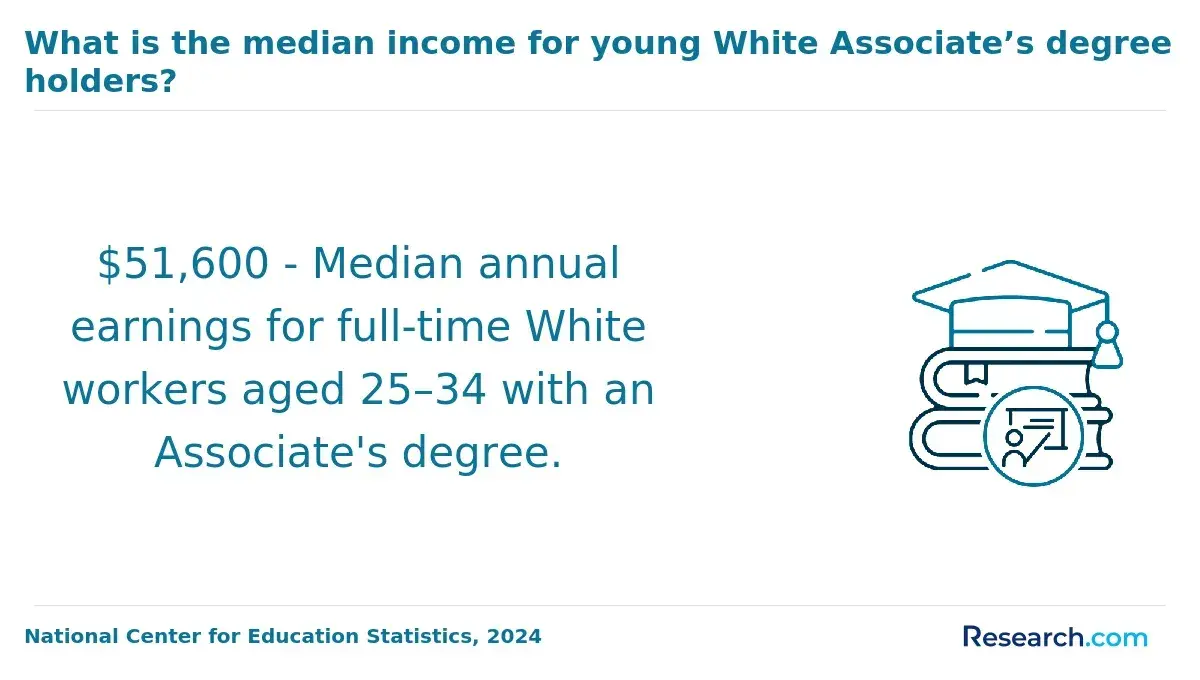
- Associate Degree: This level typically prepares graduates for entry-level positions such as administrative support, technical assistants, or other foundational roles. However, the limited curriculum and shorter duration can restrict long-term career growth and advancement in humanities-related fields.
- Bachelor's Degree: Often the baseline requirement for many jobs, the bachelor's degree opens doors to a broader variety of roles, including teaching assistants, cultural coordinators, and content developers. It remains the most common qualification and is key in comparing job prospects by humanities degree level.
- Master's Degree: Graduates with a master's gain deeper expertise, which leads to opportunities in research, policy advising, higher education, or management. Those with this degree face lower unemployment-4.4% compared to 6.8% for bachelor's holders-while experiencing improved career advancement and earning potential.
- Doctorate: Doctoral degrees enable access to advanced research, academic faculty positions, and leadership roles within cultural institutions. Though highly competitive, this level offers expansive influence and impact in the humanities sector.
Students interested in advancing their qualifications can explore online courses for psychology degree programs to supplement their humanities education and increase marketability.
What Skills Are Employers Seeking in Humanities Graduates?
Grasping the skills preferred by employers is essential for humanities graduates to position themselves effectively within the workforce and maintain a competitive edge. The following competencies frequently surface as crucial in professional environments.
- Analytical Thinking: Graduates must be adept at evaluating complex issues and forming logical, evidence-based conclusions. This skill is prized in sectors such as law, public policy, and strategic communications.
- Strong Communication: The ability to express ideas clearly and persuasively, both verbally and in writing, equips humanities alumni for success in roles like marketing, education, and media relations.
- Intercultural Awareness: Familiarity with diverse viewpoints enhances collaboration and decision-making in globalized work settings, beneficial in diplomacy and community development.
- Investigative Research: Proficiency in collecting and interpreting information supports careers in journalism, academia, and data analysis.
- Flexibility: Experience with multiple disciplines enables graduates to adapt quickly to new challenges and shifting workplace demands.
When I spoke with a humanities graduate about the skills sought by employers, he emphasized the importance of refining one's own voice amid uncertainty. "Navigating job interviews was overwhelming at first," he recalled, "because you're constantly translating abstract ideas into concrete examples of your value."
He found that articulating how his studies honed problem-solving and communication skills helped bridge the gap between academic experience and professional expectations. "It took patience and practice, but learning to showcase these abilities was a game changer in my career search," he shared.
How Does Job Demand Affect Humanities Graduate Salaries?
Fluctuations in job demand significantly influence starting salaries, wage growth, and long-term earning potential for humanities graduates. For instance, the U.S. Bureau of Labor Statistics reports that the median annual wage for humanities-related roles was about 5% lower than the overall average for all occupations in recent years. These trends reflect how evolving labor market conditions affect compensation. The impact of demand on humanities salaries can be seen in several key ways:
- Starting Salaries: When demand for humanities graduates is high, employers compete to attract talent, resulting in better initial compensation offers. Conversely, low demand leads to stagnant or reduced starting pay due to an oversupply of candidates.
- Wage Growth: Strong market demand often drives faster salary increases as graduates gain experience and take on new responsibilities. In contrast, limited demand slows wage progression throughout a graduate's career.
- Long-Term Earnings: The balance between labor supply and market needs shapes earning potential over time. Specialized skills or interdisciplinary expertise in humanities can create niches with higher demand and improved salary prospects.
- Labor Market Dynamics: An oversupply of graduates without corresponding job openings tends to suppress overall salaries. However, emerging fields requiring humanities backgrounds may offer better pay due to targeted demand.
How Is AI Changing Demand for Humanities Professionals?
Artificial intelligence is transforming workforce demands, notably in humanities fields, with nearly half of employers anticipating growth in jobs that combine tech skills and humanities knowledge within five years. These shifts influence how employers seek talent and what skills graduates need.
Key impacts of AI on demand for humanities professionals include:
- Automation of Routine Tasks: AI reduces the need for roles focused on repetitive work like data entry or transcription, prompting a decline in some entry-level positions while enabling professionals to pursue more creative responsibilities.
- Emergence of New Roles: Positions requiring expertise at the intersection of humanities and AI-such as ethical analysis of algorithms or human-centered technology design-are increasing as organizations face complex societal challenges.
- Evolving Skill Requirements: Employers prioritize digital literacy, critical thinking, and ethical judgment, expecting candidates to assess technology's cultural effects and communicate complex ideas effectively.
- Long-Term Career Outlook: Professionals who continuously adapt and develop specialties related to AI applications in humanities demonstrate stronger job security and advancement potential.
When asked about her experience, a humanities graduate shared that navigating the changing job landscape felt challenging but rewarding. "It wasn't just about having a degree anymore," she explained. "I had to learn coding basics and ethical AI concepts on my own time to stay relevant."
She described moments of uncertainty when traditional opportunities faded, but also excitement when leveraging her interdisciplinary skills opened doors in emerging fields. Her outlook remains hopeful, emphasizing adaptability as the key to sustaining a meaningful career amid technological change.
Is Humanities Considered a Stable Long-Term Career?
Long-term career stability is a crucial concern for students and professionals exploring the value of a humanities degree, as it impacts financial security and future job satisfaction. Several factors influence whether careers in humanities maintain steady prospects over time.
- Long-Term Employment Trends: While some humanities fields grow more slowly than STEM areas, sectors like education, communication, and cultural institutions still provide consistent demand. This steady need supports ongoing employment opportunities for many graduates, shaping the employment outlook for humanities graduates in the US.
- Industry Reliance on Humanities Skills: Skills such as critical thinking, writing, and cultural awareness are highly sought after across industries including media, public relations, and nonprofit organizations. This broad applicability helps humanities graduates find roles requiring nuanced analysis and communication, strengthening job stability.
- Adaptability to Technological Change: Advances in digital technology have transformed many humanities-related roles but simultaneously created new positions in areas like digital content management, user experience, and cultural preservation. This evolution allows graduates to reskill and adjust, enhancing long-term career resilience.
- Career Advancement and Reskilling: Many humanities graduates pursue additional certifications or graduate studies to boost employability and diversify skill sets. This flexibility can offset concerns about limited immediate job prospects by opening new pathways and increasing stability.
Those considering which path to take may also explore what degrees make the most money to weigh financial outcomes alongside career stability when selecting their field of study.
Is a Humanities Degree Worth It Given the Current Job Demand?
Evaluating whether a humanities degree is worth it given the current job demand involves looking carefully at labor market trends and employment data. The job prospects in the United States for humanities graduates show stability rather than rapid expansion, with many roles concentrated in education, communication, and cultural institutions.
Hiring in these areas tends to grow at a pace similar to the broader economy, reflecting steady but moderate demand rather than significant spikes. This steady pattern suggests that while opportunities exist, rapid job growth in humanities fields remains limited.
The value of a humanities degree in today's workforce often depends heavily on degree level, skill alignment, and industry needs. Advanced qualifications such as master's or doctoral degrees can enhance job prospects by offering specialization and research opportunities that align with employer expectations.
Graduates who supplement their humanities education with practical experience, digital literacy, or interdisciplinary skills generally improve their competitiveness. For those wondering what certifications can I get online, complementing a humanities degree with targeted certifications can be a practical strategy to match evolving industry demands and improve long-term career outcomes.
What Graduates Say About the Demand for Their Humanities Degree
- Jerry: "Pursuing a humanities degree was a decision rooted in my passion for understanding culture and human behavior. The return on investment became clear as I leveraged critical thinking and communication skills in diverse industries, proving that this degree is much more than theory. It's been a cornerstone of my career growth and adaptability."
- Melissa: "Reflecting on my time studying humanities, I realize it was an invaluable foundation that enriched my worldview and professional abilities. The insights I've gained allowed me to navigate complex challenges effectively, making the degree an excellent investment unlike any narrowly focused technical program. The impact on my career is profound and ongoing."
- Christopher: "Choosing a humanities degree was a strategic move that initially surprised many of my colleagues in the corporate world. However, the analytical rigor and ethical perspectives I developed have consistently differentiated my professional approach. The ROI is tangible in leadership roles, where empathy and critical inquiry are crucial."
Other Things You Should Know About Humanities Degrees
Internships offer humanities graduates practical experience and networking opportunities, which are crucial for enhancing employability. In 2027, employers increasingly value candidates with hands-on experience, making internships a key factor for humanities majors to differentiate themselves in a competitive job market.
Humanities graduates often face challenges such as a lack of directly related job openings and competition with candidates from more technical or specialized fields. Employers sometimes perceive humanities degrees as less vocational, which can create barriers. However, graduates who demonstrate critical thinking, communication, and adaptability typically overcome these challenges more easily.
Yes, many employers in non-academic industries appreciate the transferable skills developed through humanities degrees. These include strong writing, research, cultural literacy, and analytical thinking abilities. Fields such as marketing, communications, public relations, and nonprofit management often actively seek graduates with humanities backgrounds.
In 2027, humanities graduates without internships may find employability challenging due to limited work experience and practical skills. Employers increasingly value internships as they demonstrate real-world application of academic knowledge, making graduates with hands-on experience more competitive in a tightening job market.
References
- 6 In-Demand Skills You Gain With a Master’s in Humanities https://blog.udallas.edu/tower-thoughts/6-in-demand-skills-you-gain-with-a-masters-in-humanities
- The Employment Status of Humanities Majors https://www.amacad.org/humanities-indicators/workforce/employment-status-humanities-majors
- The Impact of Artificial Intelligence on Human Workers https://jurnal.unipem.ac.id/index.php/joce-ip/article/view/350
- Career Success - Study the Humanities https://www.studythehumanities.org/career_success
- Why humanities degrees are essential to future jobs https://humanities.org.au/our-work/projects/humanities-graduates-essential-to-future-workforce/
- Will the Humanities Survive Artificial Intelligence? https://www.newyorker.com/culture/the-weekend-essay/will-the-humanities-survive-artificial-intelligence
- Technology and Evolving Research Practices in the Humanities | EBSCOpost https://about.ebsco.com/blogs/ebscopost/technology-and-evolving-research-practices-humanities
- Top Career Options in Humanities After 12th [Updated List of Jobs, Salaries, Subjects] https://www.curominds.com/blog/career-options-in-humanities-after-12th/
- Humanities and Jobs Data: What's the Real Story? - The Scholarly Kitchen https://scholarlykitchen.sspnet.org/2023/12/14/humanities-and-jobs-data-whats-the-real-story/
- A billion-dollar industry: where a degree in the humanities can take you | News at Curtin https://www.curtin.edu.au/news/advice/a-billion-dollar-industry-where-a-degree-in-the-humanities-can-take-you/


