
2027 Is Demand for Logistics Degree Graduates Growing or Declining?

Co-Founder and Chief Data Scientist
A recent college graduate struggles to find clear information about the demand for logistics degree holders, uncertain whether investing time and money in this field will yield strong career prospects. The U. S. Bureau of Labor Statistics projects a 4% growth in logistician employment from 2022 to 2032, reflecting stable but competitive job opportunities. This trend raises questions about the long-term viability of logistics degrees in a rapidly evolving supply chain landscape. This article examines current market trends, employment data, and industry developments to help prospective students and professionals make informed decisions about pursuing a logistics degree.
Key Things to Know About the Demand for Logistics Degree Graduates
- Employment for logistics degree graduates is growing steadily, with a 7% projected increase in demand from 2022 to 2032, according to the U.S. Bureau of Labor Statistics.
- Supply chain disruptions and e-commerce expansion are driving long-term demand for logistics professionals skilled in technology and data analytics.
- Specializing in areas like sustainable logistics or global trade enhances career prospects amid evolving industry standards and regulatory complexities.
What Factors Are Driving Demand for Logistics Degree Professionals?
Assessing the factors driving workforce demand helps prospective students evaluate the long-term value and stability of a logistics degree. Several key drivers shape employment prospects in this evolving field.
- Industry Growth: The rapid expansion of e-commerce fuels demand for skilled professionals who can manage increasingly complex supply chains. This surge directly increases hiring in logistics roles, emphasizing the value of accredited logistics degree programs in the US.
- Technological Advancement: Automation, artificial intelligence, and data analytics are transforming logistics operations. Employers seek graduates proficient in both traditional methods and these emerging technologies to improve efficiency and competitiveness.
- Regulatory Changes: Evolving trade regulations, sustainability policies, and compliance requirements compel companies to adapt logistics strategies, increasing demand for experts familiar with these frameworks and highlighting the importance of accreditation for logistics education.
- Demographic Shifts: Global population growth and urbanization complicate distribution channels, requiring logistics professionals to design effective solutions that respond to changing consumer patterns.
- Evolving Skill Requirements: Employers now prioritize soft skills such as problem-solving, communication, and adaptability alongside technical expertise. This broadening skill set underscores the benefit of well-rounded education, which can be pursued through specialized programs like BCBA master's programs online.
Which Logistics Occupations Are Seeing the Highest Growth Rates?
Growth rates are important indicators for students evaluating logistics career paths because they signal where future job opportunities will be most abundant. According to the U.S. Bureau of Labor Statistics, overall employment is projected to grow by 13% from 2022 to 2032, helping highlight sectors with especially strong demand.
Below are some of the logistics occupations experiencing the fastest job growth, driven by evolving supply chain needs and technology adoption.
- Supply Chain Analysts: With a projected growth rate of about 24% over the next decade, supply chain analysts are in increasing demand due to the rising reliance on data analytics to optimize operations. These roles typically require a bachelor's degree in logistics, supply chain management, or a related field.
- Transportation Managers: Expected to grow around 10%, transportation managers oversee the efficient movement of goods, a critical function amid expanding e-commerce activity. A bachelor's degree coupled with experience in logistics or business management is commonly required.
- Logisticians: Growing approximately 10%, logisticians focus on optimizing inventory and resource management, helping companies streamline their supply chains. A bachelor's degree in logistics or supply chain management is usually necessary.
- Procurement Specialists: Showing steady growth near 12%, procurement specialists manage supplier relationships and help control costs, which are key priorities for many organizations. They often hold degrees in business, logistics, or supply chain disciplines.
- Warehouse and Distribution Managers: With growth near 8%, these managers oversee automation and fulfillment center expansion efforts that support fast-moving inventory cycles. A bachelor's degree and experience in warehouse operations are typical qualifications.
Students interested in these high-demand logistics careers and emerging job opportunities may benefit from flexible education options, including pursuing a fast track social work degree online, which demonstrates the broader trend toward accelerated online degrees that combine convenience with career advancement.
Which Industries Hire the Most Logistics Degree Graduates?
Knowing which industries hire the most logistics degree graduates aids students in gauging career prospects and job security. Several sectors consistently seek professionals with logistics expertise due to their critical role in managing supply chains and distribution systems.
- Transportation and Warehousing: This sector demands skilled personnel to oversee goods movement through various modes like trucks, rail, air, and shipping. Graduates often work as supply chain analysts, operations managers, or transportation coordinators, focusing on optimizing routes and inventory management.
- Manufacturing: Logistics graduates support manufacturing by coordinating the timely arrival of raw materials and efficient product distribution. Common roles include inventory control, procurement specialists, and production planners, all vital to streamlining production processes.
- Retail and E-Commerce: Rapid expansion in online shopping fuels the demand for logistics professionals who manage order fulfillment, warehouse operations, and last-mile delivery solutions. These roles are central to meeting consumer expectations for fast and reliable service.
- Third-Party Logistics (3PL): This industry offers outsourced supply chain services to multiple clients, employing logistics graduates as consultants, account managers, or coordinators. Their adaptability ensures tailored strategies for diverse business needs.
- Government and Military: Logistics experts in these fields handle procurement, distribution, and strategic resource planning vital to defense operations and public service logistics.
How Do Logistics Job Opportunities Vary by State or Region?
Geographic factors greatly influence employment opportunities for logistics degree holders, as demand and growth vary widely by state and region. Several regional elements shape these prospects in distinct ways.
- High-Demand States: States like California, Texas, and Illinois stand out due to their extensive transportation networks and major ports, generating ample logistics roles in supply chain management, warehousing, and distribution. These areas often experience employment growth rates above the national average.
- Industry Clusters: The Midwest is recognized as a logistics and manufacturing hub, hosting a dense concentration of freight and logistics activities that bolster job availability. This regional specialization supports a stable market for logistics professionals.
- Urban vs. Rural: Metropolitan areas offer a wider variety of logistics positions and greater career advancement potential but also feature more intense competition. In contrast, rural locations tend to have fewer jobs, mostly centered on agricultural logistics, due to limited industrial infrastructure.
- Cost of Living Impact: Coastal cities frequently provide higher wages for logistics roles, yet these salaries can be offset by increased living expenses. This balance often influences decisions on where graduates choose to work within the logistics sector.
- Work Arrangement Trends: Logistics careers typically require hands-on management of physical shipments and warehouse operations, reducing opportunities for remote or hybrid work. As a result, on-site presence remains a key factor in job availability compared to other fields.
How Does Degree Level Affect Employability in Logistics Fields?
Education level plays a crucial role in shaping job opportunities, career advancement, and professional competitiveness in logistics fields. Different degree levels offer varying benefits that can impact employability and access to specialized roles.
Here's how degree level impacts career prospects in logistics:
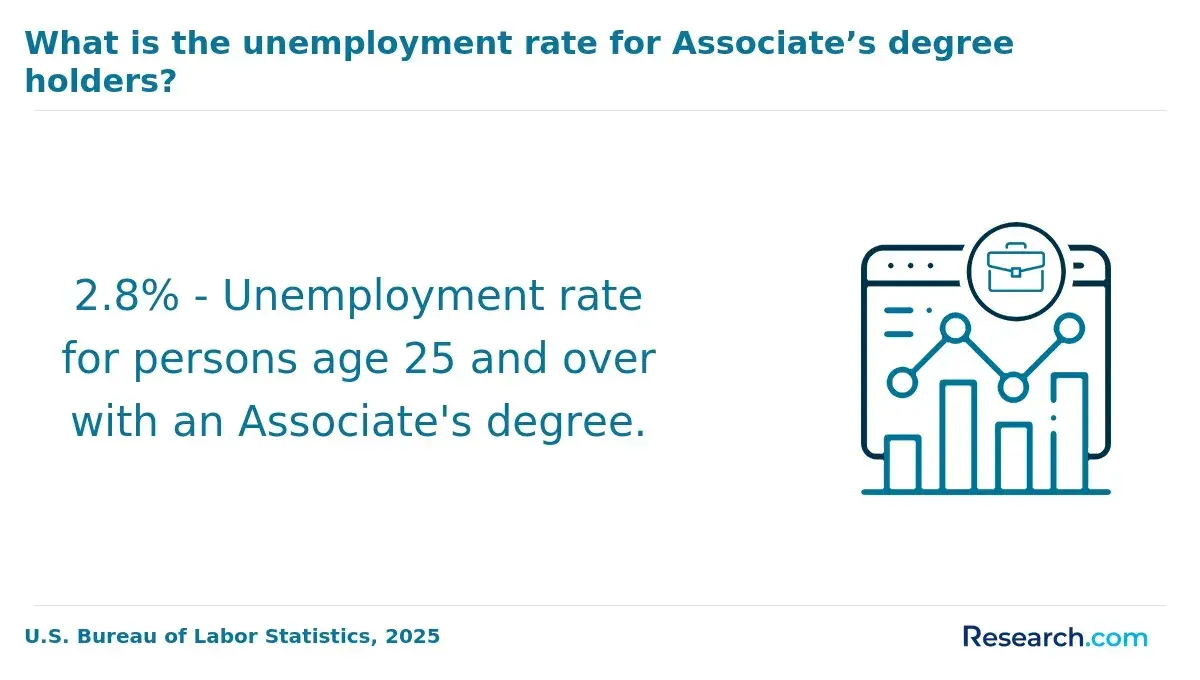
- Associate Degree: Generally a two-year curriculum focusing on fundamental skills, this degree prepares individuals for support roles like logistics coordinator or inventory clerk. Employability is moderate since management positions often require higher qualifications.
- Bachelor's Degree: This widely held degree provides comprehensive knowledge in supply chain management, operations, and analytics. Holders become eligible for mid-level roles such as logistics analyst and operations manager, reflecting improved employment rates in line with projected growth in related jobs.
- Master's Degree: Emphasizing strategic leadership and advanced supply chain challenges, a master's degree substantially boosts career growth and salary prospects, paving the way for senior management and consultancy positions. For those exploring library science degree online might offer similar advancement insights in other domains.
- Doctorate: Rare in logistics, a doctorate suits those targeting academic, research, or high-level policy roles. It enhances prospects for consultancy or executive jobs focused on innovation and system optimization.
Aligning educational attainment with career goals ensures better positioning within the labor market through advanced logistics degree advantages for career growth.
What Skills Are Employers Seeking in Logistics Graduates?
Grasping the skills that employers prioritize for logistics graduates is vital to staying competitive and prepared for the dynamic nature of logistics careers. These capabilities enable professionals to navigate complex supply chains and contribute meaningfully from day one.
Below are several key talents sought after in this field:
- Analytical Thinking: The ability to assess and interpret data plays a crucial role in optimizing supply chain workflows. Employers value candidates who can identify patterns and make decisions that improve efficiency and reduce costs.
- Technical Proficiency: Competence with logistics-related software, including warehouse management systems and ERP tools, is essential for maintaining accurate operations and fostering innovation in processes.
- Effective Communication: Coordinating with suppliers, teammates, and clients requires clear and concise interaction, which ensures smooth workflows and timely problem-solving.
- Project Management: Successfully managing logistics initiatives involves strategic planning, execution, and monitoring to meet strict timelines and budgets.
- Adaptability: The logistics environment often involves rapid changes and disruptions, so being flexible and quick to adjust is highly valued to sustain supply chain resilience.
How Does Job Demand Affect Logistics Graduate Salaries?
Fluctuations in job demand directly shape starting salaries, wage growth, and long-term earning potential for logistics graduates by influencing how competitive the labor market is. For instance, median salaries for logistics professionals rose about 7% between 2018 and 2023, signaling strong industry demand.
The following points highlight key ways demand impacts salary trends.
- Starting Salaries: When demand for logistics graduates exceeds the supply of qualified candidates, employers often raise starting pay to attract top talent. This competition benefits new graduates entering the workforce.
- Wage Growth: Sustained demand accelerates wage increases and promotions over time. In markets where logistics skills remain highly sought after, graduates tend to see quicker salary advancement.
- Job Security: High demand improves job stability and reduces unemployment risk, which encourages companies to invest more in employee retention, often with better pay and benefits.
- Long-Term Earnings: In a strong labor market, logistics graduates have access to higher-level roles and leadership positions, enhancing their earning potential throughout their careers.
The balance between labor market supply and demand is critical. Too many graduates competing for limited openings can suppress wages, while a shortage amplifies earning opportunities. Prospective logistics students should weigh these dynamics when planning their career paths.
How Is AI Changing Demand for Logistics Professionals?
Advancements in artificial intelligence are transforming workforce demands within logistics, with over 60% of supply chain companies already implementing AI technologies. These shifts are redefining the skills and roles that employers prioritize, emphasizing technology integration over manual processes.
The key effects of AI on the logistics profession include:
- Automation of Routine Tasks: AI handles everyday functions like inventory tracking and route optimization, reducing the need for entry-level roles centered on manual data entry and paperwork, which reshapes job availability in traditional positions.
- Emergence of Specialized Roles: New positions require expertise in managing AI systems, interpreting data analytics, and applying machine learning within logistics, creating opportunities for those with advanced technical skills.
- Evolving Skill Sets: Professionals must combine supply chain knowledge with strong analytical abilities and tech fluency to meet the demand for data-driven decision-making in operations.
- Changing Hiring Preferences: Employers increasingly seek candidates with interdisciplinary backgrounds who can blend logistics insight with AI proficiency, supporting long-term career resilience.
Is Logistics Considered a Stable Long-Term Career?
Long-term career stability is a crucial consideration for students and professionals exploring job market trends for logistics degree graduates. Recognizing the factors that influence this stability helps individuals make informed decisions about pursuing logistics as a career path.
- Industry Dependence: The global economy's reliance on efficient supply chains creates continuous demand for logistics professionals. As companies expand and consumers expect faster delivery, logistics roles remain essential to operational success, supporting steady employment opportunities across sectors.
- Technological Adaptability: Logistics is evolving with advancements in automation, data analytics, and e-commerce. This transformation necessitates that workers develop new skills, fostering diverse career pathways. Such adaptability enhances long-term job security by enabling professionals to stay relevant through ongoing learning and upskilling.
- Employment Trends: Labor market analysts consistently project growth for supply chain and logistics managers due to increasing global trade complexities. These long-term employment trends indicate that demand for graduates in logistics is unlikely to decline rapidly, contributing to sustained career stability.
- Career Advancement: Opportunities for progression from entry-level to senior roles often come with increased responsibility and compensation. Professionals focused on personal development can remain competitive and thrive despite market fluctuations, further supporting logistics as a stable long-term career in the United States.
For those interested in further professional development, an online doctorate in organizational leadership can complement logistics expertise, equipping graduates with advanced skills to navigate leadership roles within the industry.
Is a Logistics Degree Worth It Given the Current Job Demand?
The job demand for logistics degree graduates in the United States is generally strong and expected to grow in the coming years. Employment in logistics-related roles such as supply chain managers, transportation coordinators, and logisticians is projected to increase faster than the average across all occupations. This trend is fueled by expanding global trade, growth in e-commerce, and ongoing supply chain innovations.
As industries seek to optimize operations and manage complex logistics networks, the need for qualified professionals continues to rise.
The career growth and salary prospects for logistics degree holders often depend on factors beyond initial employment rates. Advanced roles frequently require graduate degrees or industry certifications, while job seekers with skills in data analytics, supply chain technology, and sustainability tend to perform better in the market. Demand varies by sector, with strong opportunities in manufacturing, retail, and healthcare.
Prospective students interested in practical investments should also explore online degrees that pay well to enhance their skills and improve outcomes aligned with industry needs.
What Graduates Say About the Demand for Their Logistics Degree
- Elara: "Pursuing a logistics degree was a pivotal choice for me, as it directly aligned with my passion for supply chain management and operational efficiency. The return on investment became clear shortly after graduation, with multiple job offers and competitive salaries reflecting the industry demand. This degree truly transformed my career trajectory, enabling me to take on leadership roles in international shipping."
- Linden: "Choosing to study logistics was a thoughtful decision rooted in my desire to improve systems and reduce waste in production processes. The degree exceeded my expectations in terms of value, as it equipped me with both theoretical knowledge and practical skills that employers highly value. Reflecting on my journey, I appreciate how it prepared me to solve real-world challenges and advance steadily in a highly dynamic field."
- Jude: "From a professional standpoint, obtaining a degree in logistics was a strategic move to enhance my expertise in inventory and transportation management. The investment paid off by opening doors to specialized positions that require critical thinking and precise coordination. This degree has been instrumental in shaping me into a confident professional capable of driving efficiency in diverse business environments. "
Other Things You Should Know About Logistics Degrees
The demand for logistics degree graduates in 2027 is influenced by technological advancements, e-commerce growth, and global supply chain complexities. Companies prioritize graduates with strong analytical skills and familiarity with logistics technologies, driving demand in sectors like transportation, warehousing, and distribution.
In 2027, legal and regulatory factors play a crucial role in influencing the demand for logistics graduates. Enhanced global trade regulations and environmental compliance requirements necessitate a workforce adept in navigating these complexities, increasing demand for professionals equipped with logistics expertise.
In 2027, logistics degree holders can explore roles in supply chain management, data analytics, and technology implementation. Advancements in AI and automation are creating opportunities in logistics consulting, smart warehouse management, and transport network optimization, making the field more dynamic and offering diverse paths for career growth.
Students should evaluate regional demand and industry sectors that are expanding, such as e-commerce and manufacturing. Understanding the impact of technology and globalization on supply chains can help anticipate future job opportunities. Additionally, passion for problem-solving and the ability to work under pressure are important traits for success in logistics careers.
References
- Logistics Graduate Career Profile, Logistics Careers | GRB https://www.grb.uk.com/industry-profiles/logistics/
- Why Logistics is a Career Worth Pursuing | Hemisphere Freight https://www.hemisphere-freight.com/knowledge-hub/why-logistics-is-a-career-worth-pursuing/
- 15 Things You Should Know About a Career in Logistics | Rasmussen University https://www.rasmussen.edu/degrees/business/blog/things-you-need-to-know-about-career-in-logistics/
- 3 Reasons a Career in Logistics is Not Boring - EMLV Business School Paris https://www.emlv.fr/en/3-reasons-a-career-in-logistics-is-not-boring/
- The Supply Chain : a booming job market with rising wages https://market-insights.upply.com/en/the-supply-chain-a-booming-job-market-with-rising-wages
- Global Hotspots: Where to Find the Best Logistics Jobs - Benjamin Gordon Grant https://benjamingordongrant.com/global-hotspots-where-to-find-the-best-logistics-jobs/
- The Impact of AI on the Logistics Industry https://cario.com.au/articles/the-impact-of-ai-on-the-logistics-industry
- The Best Cities for Supply Chain Jobs | DSJ Global https://www.dsjglobal.com/en-us/industry-insights/career-advice/the-best-cities-for-supply-chain-jobs
- Logistics in Motion: 5 Key Trends Shaping the European Logistics Job Market in 2025 - Talent Odyssey - Hospitality Recruitment Agency Europe https://talent-odyssey.com/logistics-in-motion-5-key-trends-shaping-the-european-logistics-job-market-in-2025/
- Comprehensive Guide to Pursuing a Degree in Logistics https://www.searates.com/blog/post/comprehensive-guide-to-pursuing-a-degree-in-logistics


