
2027 Is Demand for Materials Science & Engineering Degree Graduates Growing or Declining?

Co-Founder and Chief Data Scientist
Graduates with a materials science & engineering degree often face uncertainty about the future demand for their skills, especially amid rapid technological advances and shifting industry priorities. For instance, the U. S. Bureau of Labor Statistics projects a 7% growth in employment for materials engineers from 2022 to 2032, reflecting steady demand driven by innovations in electronics, aerospace, and sustainable materials. Understanding these trends is crucial for students deciding whether to pursue this field and for professionals planning career moves. This article analyzes labor market data and industry forecasts to clarify whether demand for materials science & engineering graduates is growing or declining.
Key Things to Know About the Demand for Materials Science & Engineering Degree Graduates
- Employment for materials science & engineering graduates is steadily growing, driven by advancements in nanotechnology, renewable energy, and aerospace sectors requiring specialized skills.
- Projected job growth for this field is about 5% over the next decade, reflecting moderate expansion aligned with manufacturing and research demands.
- Specializing in areas like biomaterials or sustainable materials significantly enhances long-term career prospects amid evolving industry priorities.
What Factors Are Driving Demand for Materials Science & Engineering Degree Professionals?
Recognizing the forces driving workforce demand helps prospective students evaluate the long-term value and stability of a materials science & engineering degree. Several key factors shape hiring trends and skill needs in this evolving field.
- Technological Advancement: Innovations in electronics, nanotechnology, and renewable energy create a strong demand for professionals who can develop and test advanced materials. This ongoing progress drives the need for expertise in cutting-edge solutions.
- Industry Growth: Expanding sectors such as aerospace, automotive, and biomedical devices increasingly depend on improved materials to boost product safety and sustainability. This growth supports robust hiring in materials science & engineering roles.
- Regulatory Changes: Environmental standards and policies encourage companies to adopt eco-friendly materials and compliant manufacturing processes. Experts familiar with navigating these regulatory shifts are highly sought after.
- Employer Skill Requirements: Employers prefer candidates with an interdisciplinary skill set combining materials science with data analysis, computer modeling, and sustainability expertise. This combination helps graduates adapt to complex workplace challenges.
- Demographic Shifts: An aging engineering workforce creates openings as experienced professionals retire, expanding opportunities for recent materials science & engineering graduates.
Another important consideration is accreditation standards for materials science and engineering programs, which influence graduate credibility and employability. Regional accreditation impact on materials science and engineering degrees also affects how employers perceive candidates from different institutions.
For those balancing work and study, exploring the best MBA programs online can offer flexible educational paths alongside technical training.
Which Materials Science & Engineering Occupations Are Seeing the Highest Growth Rates?
Growth rates are a crucial factor for students evaluating materials science & engineering career paths, as they indicate job security and industry demand. The U.S. Bureau of Labor Statistics projects a 5% overall employment growth across all occupations through 2031, highlighting the value of focusing on faster-growing sectors.
Below are some of the materials science & engineering occupations experiencing the highest growth.
- Biomedical Materials Engineers: Projected to grow around 7% in the next decade, this role benefits from innovations in medical devices and regenerative medicine. Typically, a bachelor's or master's degree in materials science & engineering or biomedical engineering is required.
- Nanomaterials Specialists: With an expected growth rate near 6%, demand is driven by advances in electronics and energy storage technologies. These specialists often hold advanced degrees due to the complexity of nanomaterials research.
- Polymer Engineers: Growing about 5%, growth is fueled by increased applications in automotive, aerospace, and biodegradable packaging industries. A bachelor's degree in materials science & engineering is usually the minimum qualification.
- Energy Materials Researchers: Experiencing growth near 8%, these researchers are vital in developing batteries and solar cells amid global energy transitions and climate initiatives. A graduate degree is commonly preferred to work in this field.
- Metallurgical Engineers: With moderate growth around 4%, metallurgical engineers remain essential for infrastructure and manufacturing sectors. Most hold a bachelor's degree in metallurgical or materials science & engineering.
Students interested in fast-tracking their careers in these high-demand occupations may consider specialized programs such as 1 year MSW programs online no BSW for related interdisciplinary education options.
Understanding the materials science & engineering job growth in the United States helps graduates align their skills with high demand occupations for materials science & engineering graduates and future-proof their careers.
Which Industries Hire the Most Materials Science & Engineering Degree Graduates?
Knowing which industries hire the most materials science & engineering graduates helps students gauge potential career paths and job security in a rapidly evolving job market. Several sectors consistently seek these professionals due to their specialized skills.
Below are key industries that commonly employ materials science & engineering graduates.
- Aerospace and Defense: This sector demands expertise in advanced materials such as lightweight composites and heat-resistant alloys that enhance aircraft and spacecraft performance. Graduates often take on roles involving the development and testing of these innovative materials to meet strict industry standards.
- Automotive Manufacturing: Driven by the push for electric vehicles and improved fuel economy, this industry requires materials specialists to research and develop stronger, lighter materials and battery components. Typical jobs include quality assurance and product innovation to support sustainability goals.
- Semiconductor and Electronics: Professionals in this field focus on materials at the microscopic scale, essential for fabricating microchips, sensors, and display technologies. Their work centers on characterizing material properties and optimizing manufacturing processes for high-tech devices.
- Energy and Renewables: Materials science & engineering graduates contribute to creating durable components used in solar panels, wind turbines, and nuclear reactors. Their expertise helps address material longevity and environmental challenges associated with renewable energy technologies.
- Biomedical and Healthcare: This growing area involves developing biocompatible materials, implants, and medical devices. Graduates apply their knowledge of material properties to create safe, effective solutions that improve patient outcomes.
These industries value the broad skill set provided by a materials science & engineering education, which covers fundamental properties, material selection, and innovation critical to advancing next-generation technologies.
Breakdown of All 4-Year Online Title IV Institutions

How Do Materials Science & Engineering Job Opportunities Vary by State or Region?
Job prospects for materials science & engineering graduates differ widely across the United States due to variations in regional economies and industrial strengths. These geographic distinctions shape both the availability of positions and the nature of work, influencing career decisions for graduates.
Several regional factors are especially important in understanding this dynamic.
- High-Demand States: States like California, Texas, Michigan, and Massachusetts lead in opportunities due to well-established manufacturing and technology sectors. These locations offer a broad range of roles linked to their specific industrial specializations.
- Industry Clusters: Demand reflects local industry focus. For instance, the West Coast's semiconductor and advanced materials companies drive specialist roles, while the Midwest's automotive hubs require expertise in lightweight and durable components.
- Urban Versus Rural: Urban centers typically have a greater concentration of materials science & engineering jobs, supported by large corporations and research institutions. Rural areas may present fewer openings but often face less applicant competition.
- Cost of Living: Expense of living impacts where candidates decide to work, affecting salary expectations and job market fluidity. Higher costs in metropolitan areas can influence decisions even when more positions are available.
- Remote and Hybrid Work: While virtual and flexible roles are growing in many sectors, materials science & engineering positions often require hands-on work, limiting such options. Nevertheless, remote and hybrid arrangements are slowly emerging in research and development roles.
These location-based factors highlight the importance of carefully considering geographic fit for career planning, especially as employment growth rates vary regionally within the materials science field.
How Does Degree Level Affect Employability in Materials Science & Engineering Fields?
The level of education such as bachelor's, master's, or doctorate can significantly shape job opportunities, career progression, and competitiveness in materials science & engineering fields. Different degree levels offer varying access to roles and influence employability in unique ways.
Below is a comparison of how each degree impacts career prospects.
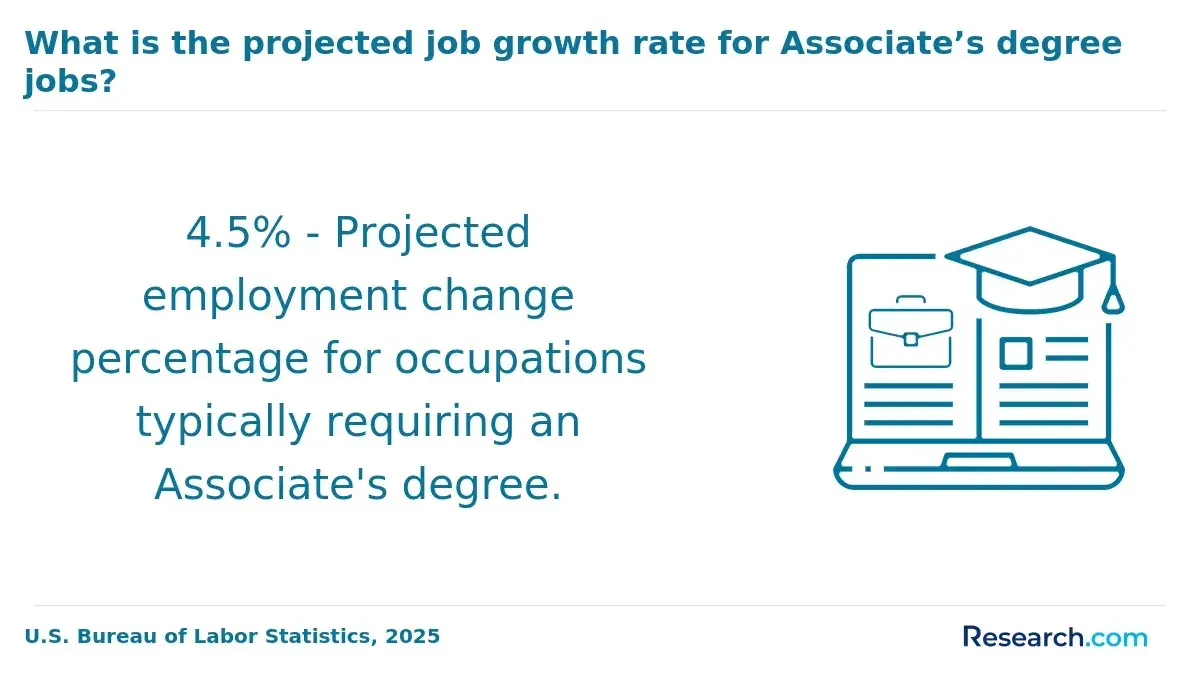
- Associate Degree: This level mainly prepares individuals for technical support roles like technician or lab assistant positions. Employment options tend to focus on routine testing and materials handling, typically limiting advancement but providing essential foundational experience.
- Bachelor's Degree: Often considered the standard entry point for engineers, a bachelor's degree qualifies candidates for design, development, and testing jobs. Job seekers with this qualification experience relatively strong employment rates, reflecting consistent demand in the industry and positive materials science and engineering degree employment by level.
- Master's Degree: Holding a master's enhances technical expertise and research capabilities, opening paths to specialized, supervisory, or management roles. This degree level generally leads to faster career advancement and improved salary prospects compared to a bachelor's. For those interested, exploring an online masters in marriage and family therapy highlights how advanced degrees can catalyze career growth across disciplines.
- Doctorate Degree (PhD): Focused on research and innovation, PhD graduates typically work in academia, research and development sectors, or high-level consultancy. Though fewer positions exist, these roles offer leadership and autonomy in cutting-edge projects, emphasizing the strong impact of degree level on materials science and engineering job prospects.
What Skills Are Employers Seeking in Materials Science & Engineering Graduates?
Recognizing the skills that employers prioritize is vital for professionals in materials science & engineering to remain competitive and ready for evolving industry demands. These competencies enable graduates to effectively translate academic knowledge into practical solutions.
Below are some of the key abilities sought after by employers in this field.
- Technical Expertise: Proficiency with advanced materials analysis methods and computational modeling allows graduates to develop and improve material properties for various applications, enhancing innovation and efficiency in projects.
- Critical Analysis: The capability to dissect complex datasets and identify underlying issues drives effective problem-solving in both experimental research and manufacturing processes, making professionals indispensable contributors.
- Collaborative Integration: Engaging seamlessly with experts from related disciplines such as chemistry and physics fosters a multidisciplinary approach that improves project quality and spurs technological advances.
- Effective Communication: The skill to articulate complex technical concepts clearly-both in writing and verbally-supports knowledge sharing and aligns team efforts toward common goals.
- Flexibility and Learning Agility: Embracing new materials innovations and adapting to shifting technological trends equips graduates to stay relevant and contribute significantly to cutting-edge developments.
How Does Job Demand Affect Materials Science & Engineering Graduate Salaries?
Fluctuations in job demand directly influence starting salaries, wage growth, and long-term earning potential for materials science & engineering graduates. For instance, during periods of strong industry growth, median starting salaries have increased by about 4.5% annually.
These dynamics play out through several important factors affecting how salaries respond to market conditions.
- Labor Supply and Demand: When there is a scarcity of specialized materials science & engineering skills, employers raise wages to attract qualified candidates. Conversely, a surplus of graduates competing for limited roles can suppress starting salaries.
- Industry Investment: Sectors such as aerospace, electronics, and renewable energy heavily influence hiring trends and pay scales. Increased investment in these industries typically results in more job openings and improved compensation.
- Technological Advancements: Emerging technologies create demand for up-to-date expertise, rewarding graduates who possess relevant and current skills with higher salaries and faster career progression.
- Career Growth Opportunities: High demand often accelerates promotions and salary increases, whereas stagnant markets limit wage growth and professional advancement prospects over time.
Understanding these factors helps prospective students and professionals anticipate how materials science & engineering salaries may evolve in response to changing labor market conditions.
How Is AI Changing Demand for Materials Science & Engineering Professionals?
Recent advances in artificial intelligence are rapidly reshaping workforce demands in materials science & engineering, with over 60% of organizations expanding AI initiatives according to a 2023 survey by the Materials Research Society.
This evolution highlights key areas where AI impacts the profession's outlook and opportunities.
- Automation of Routine Tasks: AI technologies now handle many repetitive and data-heavy processes like materials testing and process optimization. This reduces manual workload but raises demand for professionals who can manage and interpret AI-driven systems, leading to jobs focused more on oversight and innovation.
- Specialized AI Roles: New positions in materials informatics and computational design are emerging, requiring expertise in machine learning tailored to materials development. These niche roles offer enhanced career paths tied to accelerating research and product innovation.
- Expanded Skill Sets: Employers seek candidates combining core materials science knowledge with programming and AI application skills. Professionals with this hybrid expertise enjoy improved job stability and are positioned for advancement as AI integration deepens.
- Industry Shifts: AI adoption drives materials science employment toward advanced sectors like aerospace, energy storage, and nanotechnology. Graduates proficient in AI find growing opportunities where cutting-edge materials solutions are essential.
Is Materials Science & Engineering Considered a Stable Long-Term Career?
Long-term career stability is a critical consideration for students and professionals evaluating materials science and engineering career paths, as it impacts financial security and growth potential.
Several key factors influence the long-term career outlook for materials science and engineering graduates, helping to clarify job stability in this field.
- Positive Employment Trends: Consistent demand across diverse industries like electronics, aerospace, automotive, and biomedical drives steady job opportunities. This broad industry reliance ensures that materials science and engineering roles are less vulnerable to downturns in any single sector.
- Cross-Industry Dependence: Materials science and engineering professionals play a crucial role in developing new materials and improving existing ones, which supports innovation across multiple fields. This interdisciplinary significance contributes to sustained demand and job stability.
- Adaptability to Change: Rapid technological advancements and evolving manufacturing processes require professionals to engage in continuous learning. This adaptability enhances their relevance and resilience in an ever-changing job market.
- Advancement and Reskilling: Opportunities for specialized training and certifications allow materials scientists and engineers to transition into leadership or niche roles. Such career flexibility further increases job security and long-term potential.
Though economic downturns affecting key sectors can temporarily reduce job openings, the evolving nature of materials science and engineering generally supports recovery and sustained career prospects.
For those interested in stable yet innovative professions, this field fits well within the category of high paying degrees that offer strong long-term growth potential.
Is a Materials Science & Engineering Degree Worth It Given the Current Job Demand?
Job demand for materials science & engineering degree graduates in the US is expected to grow steadily by about 6% over the next decade, aligning with average employment growth across all occupations. This indicates consistent, moderate market demand rather than rapid expansion. Industries such as aerospace, energy, and high-tech manufacturing continue to require materials scientists and engineers, reflecting the ongoing importance of innovation in materials development.
While the field may not see explosive hiring activity, its stable growth reinforces the degree's relevance in today's labor market.
Materials science & engineering career growth and salary prospects depend heavily on factors like degree level, skill alignment, and industry trends. Graduates with advanced degrees and specialization in emerging areas such as nanotechnology, biomaterials, and sustainable materials tend to have stronger employment options and higher earning potential. Aligning skills with demands from renewable energy, electronics, or aerospace sectors enhances career outcomes.
Prospective students should also consider foundational options, including associates degrees that serve as stepping stones, ensuring practical long-term investment by remaining adaptable to evolving technologies and market needs.
What Graduates Say About the Demand for Their Materials Science & Engineering Degree
- Daxin: "Choosing to study materials science & engineering was one of the best decisions I've ever made. The interdisciplinary nature of the degree opened doors to emerging fields, making my investment in education worthwhile. Today, I'm proud to contribute to cutting-edge developments in renewable energy solutions."
- Palmer: "Reflecting on my journey, pursuing a materials science & engineering degree provided me with a solid foundation that translated directly into career growth. The return on investment became clear when I secured a role in advanced manufacturing that challenges me daily. The degree truly equipped me with skills that industries value deeply. "
- Nicholas: "Materials science & engineering offered a rigorous pathway that sharpened my analytical and problem-solving abilities, critical to my role as a product development engineer. The degree's impact extends beyond technical knowledge, influencing how I approach innovation strategically. It's been a transformative professional journey. "
Other Things You Should Know About Materials Science & Engineering Degrees
In 2027, the demand for materials science & engineering graduates is expected to grow, driven by advances in technology and increasing emphasis on sustainability. Industries such as renewable energy, advanced manufacturing, and electronics are seeking experts in material innovation, thus increasing career opportunities.
Materials science & engineering graduates possess versatile skills applicable across various industries such as aerospace, automotive, electronics, and healthcare. Their expertise in analyzing and developing new materials provides adaptability to evolving technologies. This flexibility helps graduates transition smoothly between sectors and roles as market demands shift.
One challenge is the competitive nature of research-focused positions, which may require higher degrees and specialized experience. Additionally, some sectors experience cyclical demand linked to broader economic conditions, impacting job stability. Graduates should stay current with technological advances and continue skill development to maintain a competitive edge.
References
- The Future of Materials Science Jobs: Careers That Don’t Exist Yet https://materialssciencejobs.co.uk/career-advice/the-future-of-materials-science-jobs-careers-that-don-t-exist-yet
- What industries will hire the most science and engineering candidates in 2025? - College Recruiter https://www.collegerecruiter.com/blog/2025/01/07/what-industries-will-hire-the-most-science-and-engineering-candidates-in-2025
- The two-way relationship between AI and materials science https://www.nature.com/articles/d42473-025-00107-9
- Emirates Center for Strategic Studies and Research https://ecssr.ae/en/topics/technology-and-advanced-science/2/197473
- Materials Science vs Engineering: Which Career Is Right? https://crazyforchem.com/blog/materials-science-vs-engineering/
- Skills for material engineers | Cademix Institute of Technology https://www.cademix.org/skills-for-material-engineers-and-industrial-requirements/
- Materials Engineers | My Future https://myfuture.com/occupations-industries/occupations/materials-engineers/
- Materials Science Career Prospects https://www.imperial.ac.uk/engineering/departments/materials/study/undergraduate/materials-science-career-prospects/
- Materials Engineers: Salary, career path, job outlook, education and more - RaiseMe https://www.raise.me/careers/architecture-and-engineering/materials-engineers/
- Living in a material world: the importance of materials science and engineering - Futurum https://futurumcareers.com/living-in-a-material-world-the-importance-of-materials-science-and-engineering


