
2027 Most Popular Concentrations in Materials Science & Engineering Degrees

Co-Founder and Chief Data Scientist
Choosing the right concentration within materials science & engineering is crucial as industries demand highly specialized expertise to innovate efficiently. For example, recent data shows a 15% growth in roles requiring nanomaterials knowledge, reflecting the push toward smaller, smarter technology. This rise underscores the need for students to carefully select a path that matches evolving market demands and technological advances.
This article explores the most popular concentrations in materials science & engineering, outlining key areas such as biomaterials, electronic materials, and nanotechnology. By understanding these specializations, prospective students can better identify which concentration aligns with their career goals and prepares them for specific industry challenges and opportunities.
Key Benefits of Popular Concentrations in Materials Science & Engineering Degrees
- Specializing in nanomaterials or biomaterials equips graduates with advanced skills in cutting-edge technologies, increasing employability in innovative sectors that saw 12% job growth in 2023.
- Popular concentrations enhance problem-solving and interdisciplinary collaboration abilities, critical for leadership roles in research and development within aerospace and energy industries.
- Focused expertise aligns with industry demand for materials engineers skilled in sustainability, supporting careers in green technology fields expected to expand by 15% over the next decade.
What Are the Most Popular Materials Science & Engineering Concentrations in 2027?
As workforce demands evolve, students are increasingly drawn to specialized study paths within materials science & engineering that align with cutting-edge industrial needs. Shifting market trends and technological advancements heavily influence enrollment patterns and shape student choices toward concentrations offering strong career prospects.
Leading the top ranked materials engineering undergraduate programs in the United States, five concentrations stand out for their relevance and popularity:
- Nanomaterials: This concentration draws significant interest due to expanding nanotechnology industries. Focusing on materials sized between 1 and 100 nanometers, it offers applications from ultrahigh-strength materials to atomically designed structures, meeting demand for nanoscale engineering skills.
- Sustainable materials: Reflecting industry emphasis on environmental responsibility, this specialization combines sustainable materials development with system design. Graduates prepared here are sought after in manufacturing, energy, and water sectors transitioning toward greener practices.
- Electronic materials: Supporting the dynamic semiconductor and microelectronics fields, this concentration addresses critical workforce needs in electronics development and innovation, critical for advancing computing and communications technologies.
- Biomaterials: Capitalizing on biotechnology growth, this focus blends life sciences with engineering principles, preparing students for careers at the intersection of health, medicine, and materials innovation.
- Design and manufacturing: Popular among industrial career aspirants, this area emphasizes materials selection, computational tools, and failure analysis. Hands-on, team-based projects prepare students for real-world engineering challenges.
Choosing one of the best materials science concentrations for career advancement and industry demand positions students to meet emerging technical challenges. For those interested in complementing academic choices with professional development, exploring online certifications that pay well can provide valuable additional credentials.
What Skills Are Required for the Top Materials Science & Engineering Concentrations?
Skill development is essential for success in specialized materials science & engineering concentrations, as industry expectations evolve rapidly with technological advancements. Students must build targeted competencies that meet both academic challenges and workforce demands in this competitive field.
- Mathematical and Analytical Capabilities: Mastery of quantum mechanics, thermodynamics, and vector calculus forms the foundation for understanding material behavior at molecular and macro scales. These skills enable precise modeling and problem-solving essential to research and development.
- Materials Science and Engineering Technical Skills: Hands-on laboratory expertise and familiarity with materials characterization techniques are critical. Practical skills allow professionals to innovate and evaluate new materials efficiently in various industrial contexts.
- Programming and Computational Modeling: Proficiency in coding and simulations helps optimize material performance before physical testing, reducing costs and accelerating timelines. These abilities are increasingly demanded across high-tech sectors.
- Critical Thinking and Data Analysis for Materials Engineers: The ability to analyze complex data and translate findings into actionable insights is vital for project success. Critical thinking supports effective decision-making in designing manufacturing processes and advanced materials.
- Communication Skills: Clear communication of technical results to interdisciplinary teams ensures that complex concepts are understood and applied correctly, impacting project outcomes positively.
Industry demand favors graduates who combine expertise in materials engineering with cost estimation and project management capabilities. Starting salaries for materials engineers and related roles average $64,763 with a bachelor's degree. For those exploring foundational education paths, the easiest way to get an associate's degree can be a stepping stone to more advanced studies.
Do Different Materials Science & Engineering Concentrations Have Different Admission Requirements?
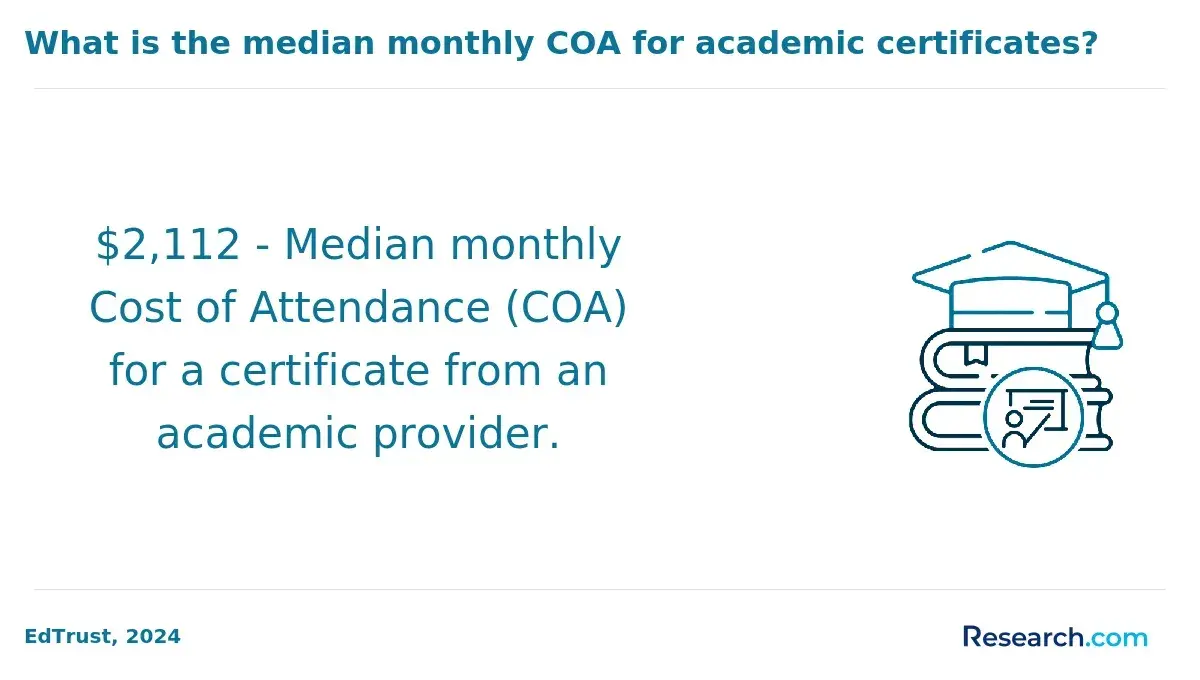
Different concentrations within materials science and engineering often have varied admission requirements based on the specialization's complexity, prerequisite knowledge, and individual program standards. While most programs maintain a baseline, such as a bachelor's degree in engineering, physics, or chemistry with a minimum GPA of around 3.0 to 3.2, the focus areas can influence what additional credentials are expected.
For instance, concentrations in biomaterials typically require stronger backgrounds in chemistry, whereas computational materials programs may call for advanced coursework in mathematics or programming. These nuances reflect the need to match applicants' prior preparation with the specific demands of their chosen field, a key consideration in evaluating materials science engineering admission prerequisites by concentration.
Common differences in graduate program requirements for materials science concentrations include variations in GPA expectations, prerequisite courses, and relevant professional experience.
Admissions committees often look for a statement of purpose that aligns closely with faculty research or a specific specialization, demonstrating clear commitment and understanding. Work experience in related materials sectors can further strengthen applications, particularly for specialized tracks.
International students usually face additional criteria, such as English proficiency tests, unless they have prior U.S. academic experience. Applicants may also benefit from exploring a fastest associate degree as an alternative pathway to broaden their foundational knowledge or accelerate their progression in related fields.
Do Specific Materials Science & Engineering Concentrations Require Accredited Programs?
Accreditation ensures that specialized study paths within materials science & engineering meet established educational standards, which is vital for career readiness and professional certification eligibility. Without proper accreditation, students may face challenges in obtaining licenses or meeting employer requirements.
- Program-Level Accreditation: Most bachelor's degrees in materials science & engineering are accredited as entire programs rather than by individual concentrations, guaranteeing foundational coursework in math, science, and engineering.
- Concentration Validation: Although specific concentrations like biomaterials or nanotechnology usually don't have separate accreditation, their curricula must still align with the overall accredited program's standards.
- Licensure and Certification: Accreditation is critical for students aiming for professional licensure, as it confirms the program's compliance with criteria set by regulatory bodies.
- Employer Expectations: Many employers prefer graduates from accredited programs, recognizing their rigorous training and verified competencies across core engineering subjects.
- Curriculum Quality Assurance: Accreditation mandates minimum credit requirements in mathematics, basic sciences, and engineering topics, ensuring consistent educational quality across concentrations.
- Advising and Compliance: Students should consult advisors to confirm that tailored concentration plans maintain accreditation standards and fulfill required learning outcomes.
Is the Quality of Online Materials Science & Engineering Concentration Tracks the Same as On-Campus Programs?
As more students weigh online against on-campus materials science & engineering programs, the perceived quality of these options has become a crucial deciding factor. Evaluating how well each format delivers educational value helps future engineers choose the best path for their goals.
- Consistent Curriculum Standards: Both delivery methods follow identical learning objectives and course requirements set by institutional and accreditation bodies, ensuring uniform academic rigor.
- Faculty Expertise: Qualified professors typically teach all formats, with instructors adapting their approaches to suit online or face-to-face engagement.
- Learning Outcomes: Studies show that online students perform equally well on exams and projects compared to on-campus peers, signaling equivalent mastery of material.
- Technology and Labs: Virtual simulations and digital labs provide remote students practical experiences similar to those gained in physical engineering facilities.
- Student Support Services: Online programs increasingly offer interactive tutoring, career advising, and collaboration tools to foster community and reinforce learning.
- Hands-On Training: While on-campus students often report stronger satisfaction with in-person labs, hybrid models help online learners gain essential tactile skills through occasional campus visits.
Reflecting on this, a graduate from a popular materials science & engineering concentration described her hybrid experience as "a balance of convenience and challenge."
She noted the flexibility of online lectures allowed her to manage demanding work hours, yet she valued the in-person lab sessions for developing critical hands-on skills. "Sometimes it was tough feeling disconnected during online classes," she recalled, "but the faculty's quick feedback and the virtual labs made a big difference."
Her journey underscored that with strong institutional support and committed instructors, the quality of education in materials science & engineering remains consistent across formats, preparing students well for professional success.
Which Materials Science & Engineering Concentration Is the Hardest to Complete?
Some concentrations in materials science & engineering are notably tougher due to intense coursework, specialized skill development, and heavy practical demands. Variations in program structure and required interdisciplinary knowledge also contribute to differing difficulty levels.
- Atomic-Level Analysis Requirements: Mastery of chemistry, thermodynamics, and solid-state physics is essential for understanding material behavior at the atomic scale.
- Extensive Laboratory Demands: Programs require significant lab hours focused on complex material analysis, demanding precision and hands-on expertise.
- Interdisciplinary Integration: Students must synthesize concepts across chemistry, physics, and engineering rather than focusing narrowly on one field.
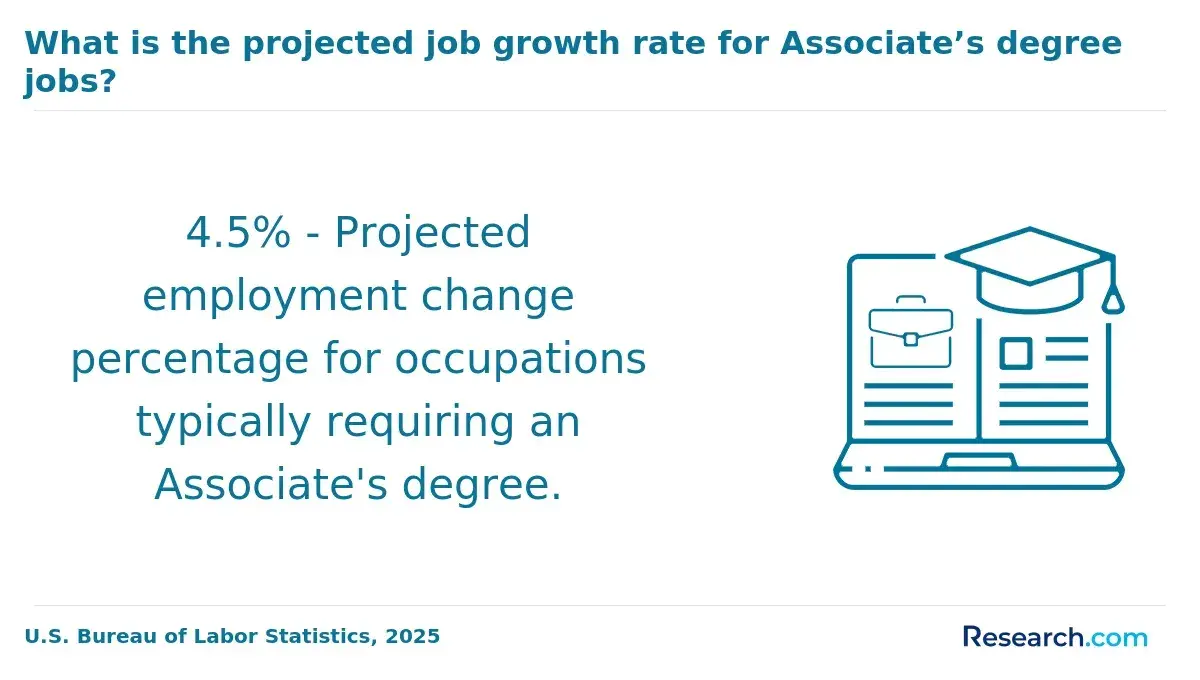
- Low Graduation Rates: Completion rates hover between 19% and 30% within four years, reflecting the concentration's cognitive and time challenges.
- Hands-On Technical Skills: Proficiency in materials characterization, testing methods, and lab equipment operation is critical beyond theoretical understanding.
What Careers Can You Get with Each Materials Science & Engineering Specialization?
Various concentrations in materials science & engineering equip graduates with expertise tailored to distinct industries and roles. Recognizing these connections helps students align their specialization choices with desired career paths.
- Biomaterials: Graduates often become biomedical materials engineers, focusing on creating and assessing materials for implants, medical devices, and drug delivery systems. They contribute to healthcare, biotech, and medical manufacturing by innovating technologies that enhance patient care.
- Metals and metallurgical engineering: Professionals design and refine metal products for sectors such as automotive, aerospace, and electronics. Common roles include corrosion engineer and materials design specialist, where they improve metal processing and performance for applications ranging from vehicles to surgical tools.
- Polymers and composites: Specialists develop advanced plastic and composite materials for consumer goods and transportation industries. They emphasize durability, sustainability, and material optimization to meet industrial and environmental demands.
- Semiconductors and nanomaterials: These engineers focus on electronics and telecommunications, pioneering next-generation semiconductor devices and nanoscale materials crucial to scientific research and emerging technologies.
A professional I spoke with who majored in polymers recalled the uncertainty early on in deciding which sector to pursue. He described the process as both challenging and exciting: "Navigating industry options was overwhelming at first, but exploring internships revealed how polymer engineering impacts sustainability efforts, which truly motivated me."
He emphasized how hands-on projects and mentorship shaped his understanding of career possibilities, ultimately guiding his successful entry into a company focused on eco-friendly materials innovation.
What Market Trends Are Shaping the Top Materials Science & Engineering Concentrations in 2027?
Keeping up with industry trends is vital for students deciding on a materials science & engineering concentration, as shifting market needs guide career prospects and research funding. Aligning studies with areas of growing demand ensures access to dynamic job markets and innovation-driven fields.
- Energy conversion and storage: The rise of renewable energy and electric vehicles fuels demand for experts in battery technologies, fuel cells, and storage systems. Leading universities emphasize energy materials to meet decarbonization and sustainable power goals.
- Nanomaterials and advanced manufacturing: Focused on miniaturization and precision, this area is gaining ground in semiconductor, aerospace, and medical device sectors. Programs highlight nano-architected materials and additive manufacturing as crucial skillsets.
- Biomaterials and biomedical applications: Growth in biotech drives the need for materials linking engineering and life sciences, with concentrations addressing implants, tissue engineering, and medical devices becoming more prevalent.
- Sustainable and green materials: Industrial decarbonization pushes interest in eco-friendly processing and circular economy approaches. Students and employers alike prioritize sustainable materials engineering for environmental impact reduction.
What Are the Average Salaries for Popular Materials Science & Engineering Concentrations?
Salary prospects in materials science and engineering vary considerably based on concentration, industry sector, and geographic location. This information is essential for students to align their career interests with earning potential, highlighting concentrations that offer strong market demand and competitive compensation.
- Materials Engineering (General): The median annual wage for materials engineers is around $108,310, with entry-level salaries near $76,175 and averages rising to $85,982 for those with 1-4 years of experience. PayScale data indicates a broad range from $69,000 to $130,000, influenced by experience and employer. Semiconductor manufacturing, aerospace, and research and development sectors typically offer premium salaries in this concentration.
- Materials Science Research and Development: Roles focused on research command higher compensation, with some positions averaging $114,000. The strong job outlook reflects ongoing demand in advanced materials across technology, aerospace, and manufacturing industries. This concentration benefits from steady openings, often due to workforce replacement needs, making it attractive for those seeking senior roles.
- Industry-Specific Considerations: Salary variations depend heavily on sector demand, with aerospace, semiconductor, and federal government positions generally offering advantages over general manufacturing. Location, advanced degrees, and certifications further impact pay scales. Comparing senior materials science engineer compensation across UK and US markets reveals differences linked to local industry focus and economic factors.
Understanding materials engineer salary by experience level in the United States is crucial for prospective students evaluating career progression and planning their specialization choices. For those researching top programs, exploring options at best accredited non profit colleges can provide valuable insights into aligning education with future salary expectations.
How Do You Choose the Best Concentration in a Materials Science & Engineering Program?
Selecting the right concentration within a materials science & engineering program is essential for aligning your education with your career goals and personal strengths. Making a deliberate choice ensures you gain targeted expertise that meets both industry demands and your professional interests.
- Career Aspirations and Industry Focus: Identify industries that inspire you, such as aerospace, biomedical, or energy. Different concentrations prepare students for specific roles; for instance, biomaterials is suited for medical device development, while electronic materials align with semiconductors and telecommunications.
- Skill Development and Technical Depth: Consider the technical competencies you want to develop. Concentrations in design and manufacturing emphasize materials selection and failure analysis, ideal for industrial careers, while nanotechnology or energy materials focus on cutting-edge fields at the molecular level.
- Market Demand and Emerging Opportunities: Evaluate sectors with job growth like nanotechnology, sustainable materials, and high-performance composites. Energy materials concentrations are increasingly relevant due to the renewable energy sector's expansion, whereas biomaterials meet healthcare's advanced technology needs.
- Program Requirements and Flexibility: Review prerequisites and whether your institution permits dual concentrations or interdisciplinary studies combining materials science with mechanical or electrical engineering. Some programs offer specialized tracks in polymers, ceramics, or metals for tailored expertise.
- Personal Interests and Long-Term Goals: Reflect on which areas of materials science engage you most. If sustainability motivates you, focus on energy or sustainable development concentrations. Those preferring applied problem-solving might choose design, manufacturing, or metallurgical tracks.
By selecting materials science concentration based on career goals, you can tailor your education to fit evolving professional landscapes. For further guidance on choosing appropriate programs, consider reviewing resources at best nationally accredited online colleges, which detail options for tailoring your materials engineering degree to professional interests.
What Graduates Say About Their Popular Concentrations in Materials Science & Engineering Degrees
- Jenny: "Pursuing a concentration in polymer science within materials science & engineering was a truly eye-opening experience. The hands-on labs and innovative coursework not only deepened my understanding but also boosted my confidence entering the job market. Considering the average cost of attendance was manageable with scholarships, I feel the investment was absolutely worth it for the career opportunities it unlocked."
- Maxine: "Reflecting on my time studying biomaterials in materials science & engineering, I appreciate how the program balanced theory with real-world applications. While the tuition fees were higher than I anticipated, the personal growth and skills I gained have greatly influenced my approach to problem-solving in biomedical industries."
- John: "The concentration in nanomaterials during my materials science & engineering degree prepared me rigorously for a career in cutting-edge technology development. Although the cost of pursuing this path was significant, the structured curriculum and networking opportunities made it a strategic investment that propelled my professional journey forward."
Other Things You Should Know About Materials Science & Engineering Degrees
Research in materials science & engineering often focuses on the development and characterization of new materials, such as polymers, ceramics, metals, and composites. Other key areas include nanomaterials, biomaterials, electronic materials, and materials for energy applications. These topics aim to improve material properties like strength, conductivity, and durability for diverse industrial uses.
In 2027, typical research areas in materials science and engineering include nanomaterials, biomaterials, electronic and photonic materials, and sustainable materials. These areas are crucial for innovations in fields like electronics, healthcare, and energy, driving forward advancements that meet global demands and technological challenges.
In 2027, key industry certifications for materials science & engineering graduates include the Certified Materials and Resource Professional (CMRP), Six Sigma Green Belt, and certifications from professional societies such as ASM International. These certifications enhance career prospects by demonstrating expertise and commitment to the field.
References
- Top 10 Skills in Materials Science According to LinkedIn & Indeed Job Postings https://materialssciencejobs.co.uk/career-advice/top-10-skills-in-materials-science-according-to-linkedin-indeed-job-postings
- Top Materials Science and Engineering Undergraduate Colleges & Programs in the US — TKG https://www.koppelmangroup.com/blog/2020/2/7/top-materials-science-and-engineering-undergraduate-colleges-amp-programs-in-the-us
- Skills for material engineers | Cademix Institute of Technology https://www.cademix.org/skills-for-material-engineers-and-industrial-requirements/
- What is Materials Science and Engineering? https://www.mtu.edu/materials/what/
- Materials Science & Engineering | Science and Technology Faculty (TNW) https://www.utwente.nl/en/tnw/education/multidisciplinary-master-programmes/materials-science-engineering/
- Criteria for Accrediting Engineering Programs, 2025 - 2026 - ABET https://www.abet.org/accreditation/accreditation-criteria/criteria-for-accrediting-engineering-programs-2025-2026/
- Material Science Breakthroughs and Their Engineering Applications https://online-engineering.case.edu/blog/material-science-breakthroughs-engineering-applications
- CDE ranks in world’s top 10 in six subjects including Materials Science and Engineering – Materials Science and Engineering https://cde.nus.edu.sg/mse/news-detail/cde-ranks-in-worlds-top-10-in-six-subjects-including-materials-science-and-engineering/
- Concentration Areas https://mse.washington.edu/current/undergrad/concentration-areas


