
2027 Is Demand for Retail Management Degree Graduates Growing or Declining?

Co-Founder and Chief Data Scientist
Graduates with a retail management degree often face uncertainty about job prospects amid shifting consumer behaviors and digital transformation in the retail sector. For instance, employment in retail management is projected to grow only 3% from 2021 to 2031, which is slower than the average for all occupations. This sluggish growth raises concerns about the long-term value of the degree and career stability for new entrants. This article analyzes current demand trends, explores factors affecting retail management employment, and offers insights to help prospective students and professionals make informed decisions about pursuing a career in this evolving industry.
Key Things to Know About the Demand for Retail Management Degree Graduates
- Employment for retail management degree graduates is stable, with demand driven by expanding e-commerce and omnichannel retail strategies requiring skilled managers.
- Projected job growth for retail management roles is around 3% through 2030, reflecting slower growth compared to other business fields due to automation.
- Specializing in data analytics or supply chain management within retail management enhances long-term opportunities amid increasing industry digitalization and operational complexity.
What Factors Are Driving Demand for Retail Management Degree Professionals?
Evaluating the forces behind workforce demand helps prospective students gauge the long-term value and employment stability of a retail management degree. Several critical factors currently influence hiring trends and career opportunities for graduates in this field.
- Industry Growth: The expansion of e-commerce and omni-channel retailing increases the need for managers capable of blending digital and in-store sales experiences. This shift creates specialized roles emphasizing digital strategy and enhanced customer engagement.
- Technological Advancement: Tools like data analytics, inventory software, and automated checkouts require retail management professionals to combine leadership with technical skills. Mastery of technology to boost operational efficiency raises demand for qualified managers.
- Demographic Shifts: An aging population and evolving consumer preferences compel retail managers to adapt strategies for diverse markets. Those who understand changing buyer behavior strengthen business competitiveness and hiring prospects.
- Employer Skill Requirements: Soft skills such as communication, problem-solving, and adaptability are increasingly vital. Graduates with strong interpersonal abilities are preferred to lead teams and manage customer relations effectively, highlighting the importance of accredited retail management programs and career outcomes.
- Regulatory and Policy Changes: Awareness of labor laws and compliance helps retail managers control operational costs and optimize workforce planning. Expertise in these areas contributes to hiring stability within the sector.
The importance of accreditation for retail management degrees cannot be overstated for ensuring these competencies are met. Students seeking advanced credentials might also explore accredited online mba programs as a pathway to enhance their skills and career opportunities.
Which Retail Management Occupations Are Seeing the Highest Growth Rates?
Growth rates are a crucial indicator for students evaluating retail management career paths because they reveal where job opportunities are expanding most rapidly. The U.S. Bureau of Labor Statistics projects overall employment growth of 5% from 2021 to 2031, emphasizing the value of focusing on occupations with above-average expansion. Below are some of the fastest growing retail management jobs by industry and region.
- Store Managers: Projected to grow about 7% over the next decade, store managers remain vital due to ongoing demand for experienced leaders who can oversee complex retail operations. A bachelor's degree in retail management or business often helps candidates advance in this role.
- E-commerce Managers: Among the fastest-growing roles with growth estimates exceeding 10%, e-commerce managers are in demand as online retail platforms expand rapidly and new technologies are adopted. Knowledge in digital marketing and supply chain technology is increasingly important.
- Inventory Control Specialists: Growth nearing 8% is driven by the need for efficient supply chain management and minimizing stock issues. These positions typically require strong analytical skills and may require a degree in logistics or retail management.
- Visual Merchandisers: Expected to grow around 6%, this role enhances customer engagement by improving in-store experiences through attractive displays. A background in marketing, design, or retail management supports success in this occupation.
- Retail Buyers: With growth around 5%, retail buyers focus on product selection and vendor relationships, adjusting to changing market demands. A degree in retail management or business helps prepare professionals for these responsibilities.
Students interested in excelling within these growing fields may benefit from programs that accelerate their education pathways, such as a fast track social work degree online, which serve as examples of specialized accelerated programs in related fields supporting career advancement.
Which Industries Hire the Most Retail Management Degree Graduates?
Knowing which industries hire the most retail management graduates helps students evaluate potential career paths and anticipate job security. Several key sectors consistently seek professionals with retail management expertise.
- Retail Industry: This remains the top employer, with roles like store manager, merchandising coordinator, and supply chain analyst. The rise of online shopping and integrated retail channels fuels ongoing demand for skills in managing both physical and digital sales operations.
- Hospitality: Hotels, resorts, and event venues rely on retail management graduates for positions such as guest services manager and operations supervisor. Their strengths in customer service and organizational oversight complement the industry's emphasis on quality guest experiences.
- Wholesale Trade: This sector offers opportunities in procurement, inventory control, and vendor management. Graduates apply knowledge of efficient logistics and negotiation, which are integral components of retail management education.
- Consumer Goods: Companies producing and distributing consumer products employ retail management professionals to handle product distribution, sales strategies, and market analysis. Their ability to coordinate supply and demand supports competitive positioning in fast-paced markets.
- Consulting Firms: Specialized consulting agencies seek graduates with strong analytical and problem-solving skills to optimize retail operations and supply chains. These roles draw on the strategic thinking cultivated in retail management programs.
How Do Retail Management Job Opportunities Vary by State or Region?
Job availability for retail management professionals varies across U.S. regions due to differences in local economies, population densities, and industry presence. These geographic factors influence hiring demand, salary ranges, and competition levels, shaping the career landscape. Several key regional influences determine where opportunities are most abundant.
- High-Demand States: States with large populations and strong retail markets like California, Texas, and New York lead in retail management job openings because of their extensive consumer base and numerous retail chains.
- Industry Clusters: Specific regions often specialize in particular retail sectors; for example, New York's luxury retail market and California's tech-related retail outlets drive demand for experienced management in these niches.
- Urban vs. Rural: Urban centers consistently offer more retail management roles due to higher numbers of stores and greater customer traffic, while rural areas present fewer opportunities but typically less competition and a different pace of career advancement.
- Cost-of-Living Impact: Salary offers in retail management frequently correlate with local living expenses, influencing where recent graduates or job seekers might consider working based on affordability and income potential.
- Work Arrangement Trends: Although many retail management positions require onsite leadership, some corporate roles provide remote or hybrid options, though these remain limited compared to other industries.
How Does Degree Level Affect Employability in Retail Management Fields?
The level of education attained, such as a bachelor's, master's, or doctorate, plays a crucial role in shaping job prospects, career advancement, and competitiveness within retail management. These varying degree levels influence the depth of knowledge and skills, affecting employability across different positions. Below is a comparison of degree levels and their impact on retail management careers.
- Associate Degree: This degree typically leads to entry-level roles like assistant store manager or supervisor. Candidates often gain practical retail experience, but their advancement opportunities may be limited due to competition from higher-qualified applicants.
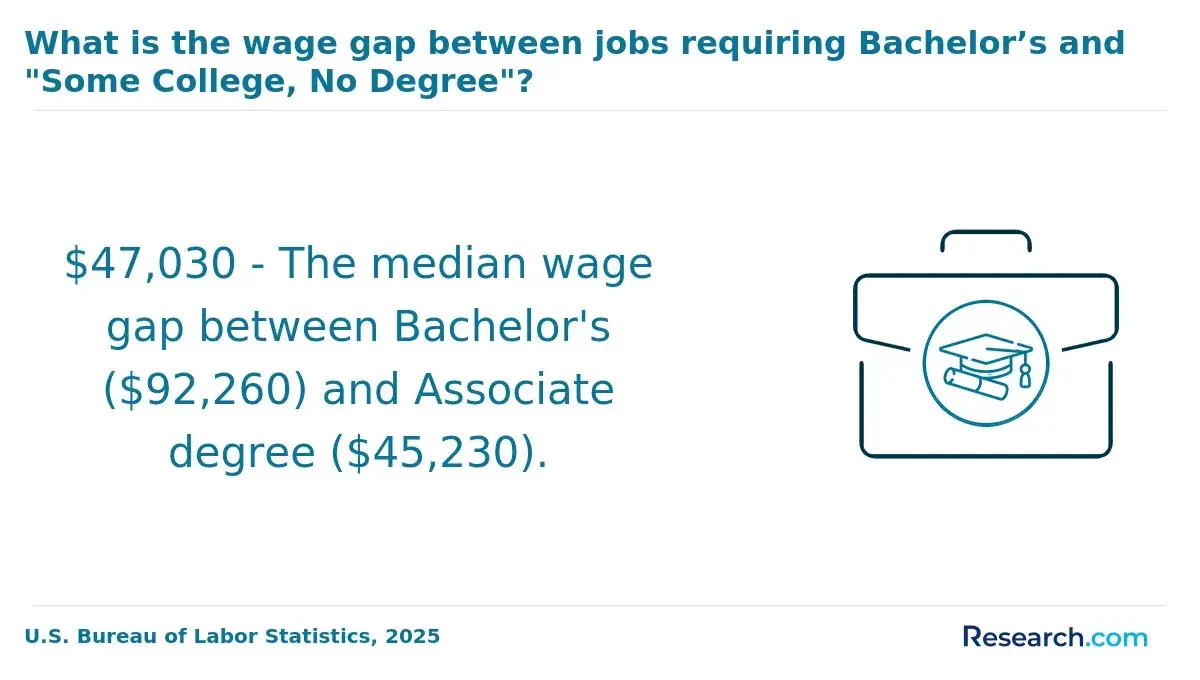
- Bachelor's Degree: Graduates generally qualify for broader management positions, such as store manager or regional manager, benefiting from comprehensive business and leadership training. Research shows those with bachelor's degrees have a 12% higher employment rate in management roles, highlighting the impact of degree level on retail management employability in the US.
- Master's Degree: Holding a master's expands access to leadership and strategic roles, including operations management and corporate planning. This level of education enhances analytical abilities, improving job prospects for advanced retail management degrees with a focus on strategic influence.
- Doctorate Degree: Less common but valuable, doctorate holders pursue academic, consulting, or executive roles. Their specialized expertise contributes to corporate strategy and innovation, reflecting niche expertise in retail management fields.
Those interested in further education may explore options like online marriage and family therapy programs as alternative pathways to develop complementary skills that can support retail leadership and management careers.
What Skills Are Employers Seeking in Retail Management Graduates?
Recognizing which skills employers value most is fundamental for graduates aiming to succeed in retail management. Mastery of these abilities not only boosts early career performance but also positions new hires to stand out in a competitive job market. Below are key skills frequently emphasized by employers in this field:
- Effective Communication: Being able to convey ideas clearly and negotiate with customers, employees, and vendors fosters smoother operations and enhances team collaboration.
- Data Analysis: Interpreting sales figures and consumer behavior enables managers to optimize stock levels, pricing strategies, and marketing efforts.
- Leadership Ability: Inspiring and guiding staff, resolving disputes, and maintaining motivation are crucial for running a productive retail environment.
- Customer Focus: Prioritizing client satisfaction encourages loyalty and increases repeat business, which is essential for sustained success.
- Technical Skills: Competence with point-of-sale systems, inventory management software, and budgeting tools helps streamline daily tasks and ensures accurate financial tracking.
When asked about the skills employers seem to prioritize, a graduate of a retail management degree program shared that, "In my first role, I quickly realized that adapting communication styles depending on who I was interacting with made a huge difference. Sometimes I had to be firm with suppliers but more empathetic with employees."
He described the early challenges of juggling data reports and staff schedules, stating, "It was overwhelming at first, but learning to manage these elements together strengthened my confidence. I also found that genuinely caring about customers' experiences helped build lasting relationships, which my supervisors really valued." This hands-on perspective underscores how developing a diverse skill set makes entry into retail management both more manageable and rewarding.
How Does Job Demand Affect Retail Management Graduate Salaries?
Fluctuations in job demand directly impact starting salaries, wage growth, and long-term earning potential for retail management graduates. For example, the U.S. Bureau of Labor Statistics reported that median annual wages for retail managers increased by around 4% between 2018 and 2023, reflecting steady growth tied to consistent job openings. The following points explain how these changes in demand influence salaries:
- Starting Salaries: When demand for retail management graduates exceeds supply, employers often offer higher starting salaries to attract top talent, leading to more competitive compensation packages for new graduates.
- Wage Growth: Markets experiencing retailer expansion or innovation tend to see faster wage growth, as companies seek to retain skilled professionals who can drive business success in evolving environments.
- Long-Term Earnings: Consistent industry growth and available promotional opportunities contribute to improved long-term earning potential, rewarding those who stay and advance within the retail management field.
- Labor Market Balance: An oversupply of graduates relative to available positions can suppress salary growth and slow career progression, highlighting the importance of aligning education and experience with current market needs.
Retail management graduates who enter the field during periods of strong demand generally find better compensation and faster advancement, underscoring the value of monitoring labor market trends when planning careers.
How Is AI Changing Demand for Retail Management Professionals?
Advancements in artificial intelligence (AI) are transforming workforce needs in retail management, with over 60% of U.S. retail businesses adopting AI tools to boost operational efficiency. This growing integration of AI is reshaping the required skills and demand for professionals within the retail management sector.
AI's influence on retail management careers can be seen in several key areas:
- Task Automation: Routine responsibilities like stock monitoring and sales reporting are increasingly automated, allowing managers to dedicate more time to strategic planning and enhancing customer experiences.
- New Specialist Roles: The rise of positions such as AI operations coordinators and retail data analysts reflects the need for professionals who blend retail knowledge with technology and data analysis expertise.
- Skill Evolution: Employers now prioritize candidates adept at leveraging digital tools and interpreting AI-driven insights, making adaptability and continuous learning essential for long-term job security.
- Hiring Shifts: The workforce demand favors individuals comfortable with technological innovation, resulting in recruitment trends that emphasize IT literacy alongside traditional retail competencies.
When asked about these changes, a graduate of a retail management degree program shared her experience: "At first, the transition felt overwhelming, especially managing AI software alongside store operations. But mastering these tools became crucial for improving inventory accuracy and customer engagement. It's empowering to see how technology can amplify my decision-making rather than replace my role." She noted that embracing AI required patience and ongoing learning but ultimately expanded her career opportunities and confidence in the evolving retail landscape.
Is Retail Management Considered a Stable Long-Term Career?
Long-term career stability plays a crucial role for students and professionals weighing their career options, as it impacts both financial security and job satisfaction. Several key factors influence the stability of retail management careers, shaping the prospects for those entering or advancing in this field.
- Employment Trends: Consistent demand for skilled retail managers exists due to the need to oversee store operations, customer experiences, and sales strategies. Even though some retail sectors face pressure from online competition, especially in non-essential markets, physical stores in specialty and essential goods continue to require experienced managers, supporting stable long-term retail management career prospects.
- Industry Reliance: Management roles are vital because they directly affect store profitability and customer retention. Retail managers who can effectively drive performance and adapt to shifting consumer preferences remain valuable assets, thereby increasing job security within the retail management degree job security trends.
- Adaptability to Change: Embracing innovations like e-commerce platforms, data analytics, and inventory management software is essential. Retail managers who stay current with technological and economic shifts tend to maintain their relevance and secure positions in a rapidly evolving marketplace.
- Career Advancement and Reskilling: Opportunities to progress into corporate roles or gain industry certifications enhance long-term stability. Professionals who engage in continuous learning, such as pursuing an online bachelor's degree or other credentials, are better equipped to evolve with the industry and avoid stagnation.
Is a Retail Management Degree Worth It Given the Current Job Demand?
The demand for retail management degree graduates in the United States is moderately stable, with employment growth projected to align closely with the average for all occupations over the next decade. This outlook reflects the sector's balance between traditional retail and expanding digital commerce platforms.
Hiring activity, however, remains varied by region and experience level, which influences the job market's strength for entry-level versus senior roles. Long-term job stability for retail management graduates in North America depends on adapting to evolving market demands and technological advancements.
Career outcomes for retail management graduates improve significantly when the degree is combined with relevant skills and experience aligned with industry needs such as digital retail, omnichannel strategies, and sustainability trends.
For prospective students evaluating the practical value of this degree, considering specialized programs like 1 year master's programs online can enhance skillsets efficiently. Ultimately, the effectiveness of the degree relies on how well graduates meet the complex demands of retail employer expectations and demonstrate leadership beyond academic credentials.
What Graduates Say About the Demand for Their Retail Management Degree
- Leonard: "Pursuing a retail management degree was a strategic move for me, and it has truly paid off. The comprehensive coursework and practical experience equipped me with skills that opened doors to leadership roles faster than I anticipated. I can confidently say the degree's return on investment has been outstanding."
- Jairo: "Reflecting on my decision to study retail management, I realize how crucial it was in shaping my career mindset. The concepts I learned helped me streamline operations and improve customer engagement, which significantly boosted my team's performance. It's been a rewarding journey professionally and personally."
- Charles: "From a professional standpoint, earning a retail management degree elevated my credibility and expanded my network within the industry. The knowledge gained not only justified the investment but also accelerated my career progression into upper management positions. It was a decisive step in my growth as a business leader."
Other Things You Should Know About Retail Management Degrees
In 2027, internships and practical experience are crucial for retail management graduates. They provide hands-on learning, helping students apply theoretical knowledge in real-world settings. This experience is highly valued by employers, making graduates more competitive candidates in the job market.
Yes, certifications such as Certified Retail Manager (CRM) or those offered by the National Retail Federation can enhance a graduate's credentials. These certifications signal specialized knowledge in areas like merchandising, operations, and leadership, which can improve employability and career advancement opportunities.
In 2027, retail management graduates should be mindful of the increasing importance of data privacy laws, sustainability regulations, and e-commerce laws. These changes impact how businesses operate and handle customer data, requiring graduates to stay updated to enhance their career prospects and adaptability in the retail industry.
References
- Top Career Opportunities in Retail Management https://nifglobalchennai.com/top-career-opportunities-in-retail-management/
- Graduate Retail jobs 2026 https://www.graduate-jobs.com/jobs/retail
- Trends in graduate recruitment in retail and sales https://gradireland.com/careers-advice/retail/trends-graduate-recruitment-retail-and-sales
- ZD Guides: Key Retail Management Skills https://zacharydaniels.co.uk/zd-guides-key-retail-management-skills/
- 10 Things to Know About A Retail Management Career https://trainingexpress.org.uk/retail-management-career/
- 10 Things To Know About A Career In Retail Management https://www.workitdaily.com/retail-management-career
- Top Skills Employers Look for in Management Graduates https://iimr.indoreinstitute.com/blog-post/top-skills-employers-look-for-in-management-graduates/
- 10 Highest Paying Retail Job Roles of 2026 in United States | Careervira https://www.careervira.com/en-IN/top-lists/10-highest-Business_Management-jobs-Mid_Career-Retail-US
- Where Have all the Retail Managers Gone? - MOHR Retail https://mohrretail.com/where-have-all-the-retail-managers-gone/
- Retail Success and Key Drivers https://www.academia.edu/108867499/Retail_Success_and_Key_Drivers


