
2027 Is Demand for Urban Planning Degree Graduates Growing or Declining?

Co-Founder and Chief Data Scientist
As cities expand and face complex challenges like climate change and housing shortages, graduates with an urban planning degree often wonder if their skills remain in demand. Recent data shows that employment for urban planners is projected to grow 7% from 2022 to 2032, faster than the average for all occupations. This trend reflects increased investment in sustainable development and smart city initiatives.
This article explores current industry trends, educational opportunities, and job market forecasts to help prospective students and professionals make informed decisions about pursuing an urban planning degree.
Key Things to Know About the Demand for Urban Planning Degree Graduates
- Employment for urban planning degree graduates is expected to grow by about 7% through 2032, slightly faster than average for all occupations.
- Demand is driven by increasing urbanization and the need for sustainable city development, requiring skilled planners.
- Specializations in environmental planning and smart city technologies enhance long-term career prospects amid evolving industry demands.
What Factors Are Driving Demand for Urban Planning Degree Professionals?
Prospective students evaluating the long-term value and career stability of their urban planning degree benefit from understanding the key forces shaping workforce demand. Several factors drive this demand, influencing hiring needs and industry growth.
- Industry Growth: Expansion of cities and metropolitan areas continues to fuel steady demand for skilled planners. These professionals manage land use, transportation, and sustainable development projects vital to creating livable urban environments, emphasizing the importance of urban planning degree program accreditation standards to ensure qualified graduates.
- Technological Advancement: Mastery of tools like geographic information systems (GIS) and data analytics is increasingly essential. Employers seek candidates proficient in these technologies to support evidence-based decisions and modern infrastructure planning.
- Regulatory Changes: New environmental regulations and zoning reforms require planners with expertise in navigating complex legal frameworks. This trend highlights the importance of accreditation for urban planning careers, ensuring planners can meet compliance while advancing community goals.
- Demographic Shifts: Aging populations and migration patterns create demand for planners adept in affordable housing, public transportation, and community services tailored to evolving social needs.
- Skill Requirements: Employers now emphasize interdisciplinary knowledge and stakeholder engagement. Urban planners collaborate with engineers, policymakers, and residents, requiring well-rounded communication and planning skills.
Those interested in advancing their expertise might explore options like online doctorate of education programs to enhance their qualifications and adapt to evolving career demands.
Which Urban Planning Occupations Are Seeing the Highest Growth Rates?
Growth rates are crucial indicators for students evaluating urban planning career paths because they reveal which occupations have increasing demand and opportunities. The U.S. Bureau of Labor Statistics projects an overall employment growth of 5% from 2022 to 2032, highlighting the importance of aligning education with evolving job markets. Considering these trends, here are some of the top emerging jobs for urban planning degree graduates.
- Environmental Planners: Projected to grow by around 8% over the next decade, environmental planners benefit from a rising focus on sustainable development and stricter environmental regulations. A bachelor's degree in urban planning or a related field is typically required, with advanced roles favoring a master's degree.
- Transportation Planners: Expected to increase by roughly 7%, transportation planners support expanding infrastructure projects that seek to ease urban congestion and address climate change impacts. Entry-level candidates generally hold a bachelor's degree, while a master's may be preferred for specialized positions.
- GIS Specialists: With one of the fastest growth rates at approximately 13%, geographic information systems (GIS) specialists are in demand due to technological advancements and the critical role of data analysis in urban planning decisions. Formal education in GIS or related urban planning areas is essential, often requiring a bachelor's degree.
- Urban Designers: Growth in this role is driven by government policies promoting smart city initiatives and affordable housing. Urban designers typically need a bachelor's degree in urban planning or architecture, with higher degrees benefiting career advancement.
- Community Development Specialists: These specialists are influenced by public policies aimed at revitalizing neighborhoods and promoting inclusive growth. A bachelor's degree is the usual entry point, with some positions requiring advanced studies.
For students exploring a future in urban planning, considering programs such as an accelerated psychology degree online may also be beneficial to supplement skills in community engagement and human behavior, which can enhance career versatility in this field.
Which Industries Hire the Most Urban Planning Degree Graduates?
Knowing which industries hire the most urban planning graduates helps students evaluate potential career paths and job market stability. These industries typically seek professionals equipped to handle complex challenges in shaping communities. Below are the primary sectors employing urban planning degree holders:
- Government Agencies: Local, state, and federal governments are major employers, where planners work on land use policies, zoning, and infrastructure projects. Their efforts focus on sustainable development, transportation systems, and enhancing community wellbeing.
- Consulting Firms: Private planning and engineering companies assist developers and government clients through environmental assessments, feasibility studies, and strategic urban revitalization projects. These firms rely on planners for expert guidance and resource management solutions.
- Transportation Authorities: Agencies responsible for transit and traffic manage projects aimed at improving mobility and reducing congestion. Urban planning graduates contribute by designing efficient transit systems and pedestrian-friendly environments.
- Environmental Organizations: Nonprofits and advocacy groups employ planners to support land conservation, disaster preparedness, and climate adaptation efforts. These roles often emphasize sustainable design principles and community engagement strategies.
Breakdown of All Fully Online Title IV Institutions

How Do Urban Planning Job Opportunities Vary by State or Region?
Geographic variations significantly impact job prospects for urban planning degree holders because demand, competition, and role types often depend on local demographics and development patterns. Several regional factors shape these opportunities across the country.
- High-Demand States: States with fast-growing cities like Texas, Florida, and California generally offer more urban planning roles due to expanding infrastructure needs. However, the higher number of openings often comes with increased competition from qualified professionals.
- Regional Specializations: Industry focus varies by region; for example, transportation planning is especially important in the Northeast, while the South emphasizes land development and zoning projects. These differences influence the types of expertise employers seek.
- Urban vs. Rural Areas: Large metropolitan centers present diverse and numerous urban planning roles given complex urban development challenges. In contrast, rural regions may offer fewer opportunities but typically face less applicant competition.
- Cost of Living: Salary levels may be higher in expensive metropolitan areas to offset living costs, but these elevated expenses can still impact overall quality of life and career decisions for planners.
- Remote and Hybrid Work: While some planning tasks can now be completed remotely, especially with technological advances, many positions still require local site knowledge and frequent in-person collaboration, limiting full remote flexibility.
How Does Degree Level Affect Employability in Urban Planning Fields?
Education levels such as bachelor's, master's, or doctorate degrees significantly shape career paths, employment prospects, and competitiveness within urban planning fields. Below is a comparison of how each degree level influences job opportunities and professional growth.
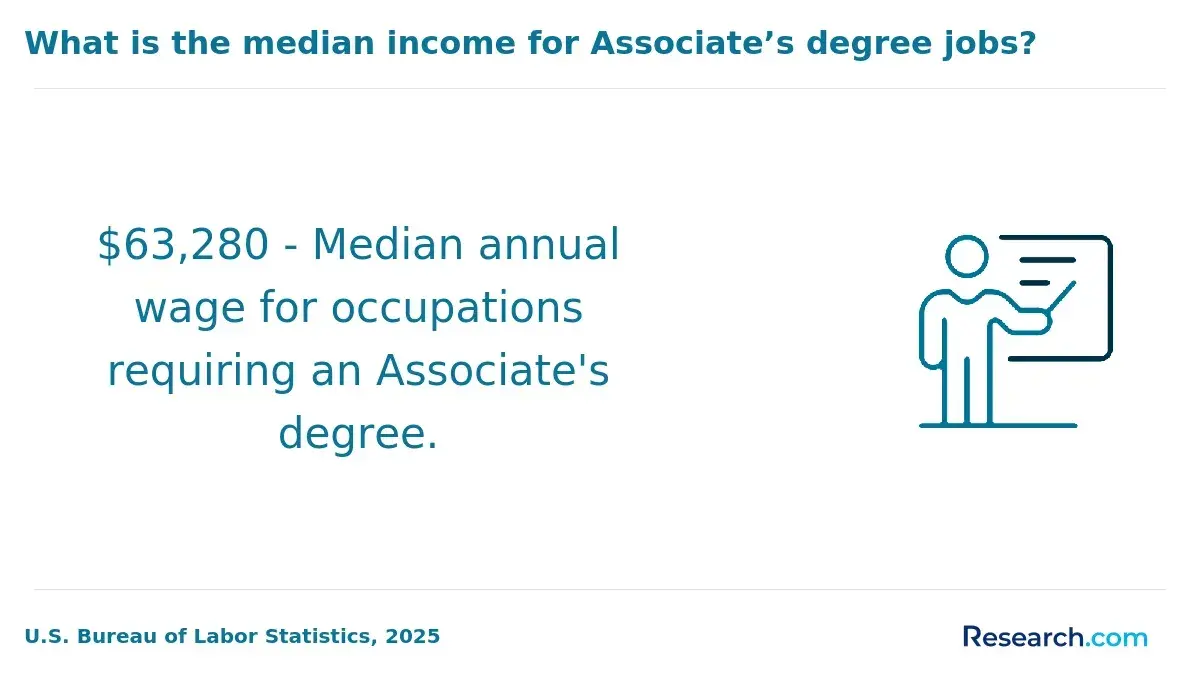
- Associate Degree: This credential generally equips graduates for support roles like technicians or assistants. Job options tend to be more limited, with lower salaries and fewer chances for promotion compared to higher degree holders.
- Bachelor's Degree: Usually the baseline qualification for many urban planning positions, it opens doors to planner or analyst roles in public agencies, corporations, or nonprofits. Employment rates improve with this degree, offering wider career choices and better job stability.
- Master's Degree: With advanced expertise, graduates qualify for senior planner or specialized positions, often stepping into managerial roles. This degree enhances competitiveness considerably; notably, those with master's degrees have nearly 2% lower unemployment than bachelor's holders, reflecting the impact of advanced urban planning degrees and job opportunities in the US.
- Doctorate Degree: Primarily aimed at those interested in research, academia, or strategic policy roles, a doctorate opens access to leadership and consulting opportunities. Although rarer in demand, it significantly boosts eligibility for top-tier jobs requiring deep specialization.
Higher education correlates with improved employment outcomes and access to advanced career tracks. For students considering the field, exploring accredited marriage and family therapy programs online can offer additional perspective on specialized program formats beneficial for career development.
What Skills Are Employers Seeking in Urban Planning Graduates?
Recognizing the specific skills valued by employers is vital for urban planning graduates aiming to excel in a competitive job market. These competencies enable professionals to effectively navigate complex, evolving challenges within urban environments. Below are several key abilities that increase a candidate's attractiveness to prospective employers.
- Data Analysis: Proficiency in interpreting demographic and economic data supports informed decision-making for sustainable urban development, enabling planners to anticipate community needs and trends.
- GIS Expertise: Mastery of Geographic Information Systems allows for precise mapping and spatial evaluations, which are crucial for resource management and long-term planning accuracy.
- Communication: Effective verbal and written communication skills facilitate collaboration with stakeholders, public outreach, and the articulation of policy goals, all essential for project success.
- Project Coordination: Ability to oversee project schedules, budgets, and interdisciplinary teams helps ensure that urban planning initiatives are delivered timely and within scope.
- Creative Problem Solving: Urban planners must think innovatively to resolve zoning challenges or infrastructure deficiencies, balancing diverse interests while fostering equitable solutions.
- Collaborative Engagement: Working closely with government bodies, developers, and community members is key to building support and implementing policies that reflect shared objectives.
When discussing what skills employers seek, a graduate of an urban planning program shared insights gained from their entry into the workforce. They described feeling initially overwhelmed by the breadth of responsibilities but emphasized how quickly practical experience sharpened their ability to manage conflicting priorities. "Navigating stakeholder expectations taught me patience and adaptability," they explained, reflecting that these interpersonal skills were often as important as technical know-how. This real-world exposure clarified how essential it is not only to possess foundational knowledge but also to develop resilience and communication finesse to thrive in the field.
How Does Job Demand Affect Urban Planning Graduate Salaries?
Fluctuations in job demand directly influence starting salaries, wage growth, and long-term earning potential for urban planning graduates. For instance, the U.S. Bureau of Labor Statistics reports that the median annual wage for urban and regional planners was $78,500 in 2022, reflecting steady demand. The following points explain how these labor market dynamics shape salary trends.
- Starting Salaries: When demand for urban planners exceeds the supply of qualified graduates, employers tend to offer higher starting salaries to secure talent. Conversely, if more graduates enter the market than available positions, starting wages typically stagnate or decline.
- Wage Growth: Periods of strong labor market demand often lead to faster wage growth, as increased competition for skilled professionals encourages employers to raise pay. In contrast, a saturated job market limits employers' ability to offer raises.
- Advancement Opportunities: High demand usually correlates with more promotions and specialized roles, boosting long-term earning potential. Limited openings slow career progression and salary increases.
- Skill Differentiation: Specialized skills and experience in urban planning can set candidates apart in a competitive market, allowing those individuals to command higher wages despite broader market trends.
How Is AI Changing Demand for Urban Planning Professionals?
Advancements in artificial intelligence are transforming workforce demands within urban planning, with over 40% of agencies already integrating AI tools, according to a 2023 industry report. This shift influences hiring trends and skill requirements across the field.
Several key changes highlight AI's impact on employment in urban planning:
- Task Automation: Routine data collection and analysis are increasingly automated, reducing some entry-level roles but heightening demand for professionals who can operate and interpret AI systems effectively.
- Specialized Roles: New career paths like AI data analysts and smart city consultants are emerging, broadening opportunities beyond traditional urban planning positions.
- Skill Evolution: Employers seek candidates blending technical expertise in AI and data science with foundational urban design knowledge, reflecting a multidisciplinary approach.
- Hiring Patterns: Organizations favor adaptable professionals comfortable with AI integration, resulting in stronger job security for those who embrace technological changes.
When asked about her experience, a graduate of a urban planning degree program shared that adapting to AI-driven workflows initially felt overwhelming. She recalled, "Learning to trust AI outputs took time, especially since we had to verify results manually in early projects." Over time, she found that embracing these tools allowed her to concentrate on innovative design solutions rather than repetitive data tasks. Her perspective highlights how openness to AI not only fosters career growth but also enhances job satisfaction in today's evolving urban planning landscape.
Is Urban Planning Considered a Stable Long-Term Career?
Long-term career stability is a critical consideration for students and professionals evaluating urban planning career paths, especially within the competitive job market in the United States. Several key factors influence the stability of employment for graduates with urban planning degrees.
- Long-Term Employment Trends: Urban planning remains a resilient profession because it addresses ongoing societal needs such as managing population growth, infrastructure development, and sustainable land use. These fundamental requirements ensure steady demand for planners, contributing positively to job stability for urban planning degree holders in North America.
- Industry Reliance: A wide range of employers-including government agencies, private firms, and nonprofit organizations-depend on urban planners to oversee development projects, zoning regulations, and environmental assessments. This diverse employer base helps buffer urban planning jobs from sector-specific economic fluctuations.
- Adaptability to Change: Advances in technology such as Geographic Information Systems (GIS), data analytics, and smart city innovations require urban planners to continuously update their skills. Professionals who embrace these tools improve their job security by staying relevant amidst evolving urban challenges.
- Career Advancement and Reskilling: Opportunities for specialization in transportation, housing policy, or environmental planning support career growth. Continuing education and certifications enable planners to maintain competitiveness and respond effectively to shifting industry priorities. Those interested in leadership roles or further education may consider pursuing a doctorate in organizational leadership online to enhance administrative and strategic expertise.
Is a Urban Planning Degree Worth It Given the Current Job Demand?
The demand for urban planning degree graduates in the United States remains steady, with employment projected to grow by about 7% from 2022 to 2032 according to the U.S. Bureau of Labor Statistics. This rate aligns with the average growth across all occupations, reflecting ongoing needs for sustainable development and infrastructure improvements. Hiring activity is strongest in municipal governments, consulting firms, and nonprofit organizations where planners help shape community growth. It is important to consider career growth prospects for urban planning graduates by region, as opportunities may vary based on local urbanization and public policy trends.
Whether pursuing an urban planning degree is a practical investment depends significantly on degree level and skill alignment. Advanced degrees, such as a master's, enhance job prospects and salary potential, especially when combined with technical skills like geographic information systems (GIS) and data analysis. Demand is largely concentrated in the public sector and rapidly growing urban areas, so aligning education with industry needs can improve outcomes. Prospective students may also explore online degrees for flexible pathways to gaining necessary expertise in this field.
What Graduates Say About the Demand for Their Urban Planning Degree
- Gary: "Pursuing a urban planning degree was a turning point for me. It provided not only a solid academic foundation but also practical skills that translated directly into career growth. The return on investment has been remarkable, opening doors in both government and private sectors that I hadn't anticipated. - "
- Zane: "The decision to study urban planning came after years of curiosity about how cities evolve and function. Reflecting back, the degree paid off through improved job prospects and a heightened ability to contribute meaningfully to community projects. It has shaped my professional journey in ways I'm grateful for every day. - "
- Gael: "From a professional standpoint, completing my urban planning degree gave me a competitive edge in a challenging field. The insights and analytical tools I gained helped me excel in policy development and sustainable design initiatives. Looking at the career progress since graduation, the investment has proven invaluable. - "
Other Things You Should Know About Urban Planning Degrees
In 2027, demand for urban planning graduates is influenced by trends such as sustainable city initiatives, technology integration in urban design, and the need for climate-resilient infrastructure. These factors drive demand for planners who understand smart city technology and environmental concerns.
Prospective students should evaluate the program’s accreditation, internship opportunities, faculty expertise, and networking possibilities. Understanding the curriculum's focus, such as sustainability or transportation planning, ensures alignment with career goals. Awareness of industry trends is also crucial for making informed decisions in 2027.
In 2027, factors influencing demand for urban planning degree graduates include increased urbanization, climate change adaptation, and smart city development. As cities grow, there's a demand for professionals skilled in sustainable planning and technology-driven urban solutions. Moreover, government policies focusing on infrastructure development also play a crucial role.
References
- How to Become an Urban Planner - 2025 Guide https://www.gisdegree.org/careers/urban-planner/
- What Skills Do Planners Need? https://www.planning.org/choosingplanning/skills/
- Urban planning jobs: What you need to know https://www.devex.com/news/urban-planning-jobs-what-you-need-to-know-89939
- What can you do with an urban planning degree? https://study.uq.edu.au/stories/what-can-you-do-with-urban-planning-degree
- Urban Planning Salary and Career Outlook https://teach.com/online-ed/government-degrees/online-masters-urban-planning/salary-and-career-outlook/
- An introduction to Planning and AI | Championing the power of planning https://www.rtpi.org.uk/new-from-the-rtpi/an-introduction-to-planning-and-ai/
- Artificial intelligence could help plan cities, but there are downsides https://www.abc.net.au/news/2025-06-09/urban-planning-productivity-boost-ai-risks/105394304
- Career Paths after Integrated B. Plan – M. Plan https://www.lpu.in/blog/career-paths-after-integrated-b-plan-m-plan/
- Careers in urban planning https://www.ucl.ac.uk/bartlett/planning/study/careers-urban-planning
- Artificial Intelligence in Urban Planning: Promise, Pitfalls, and the Human Touch - DAiLY URBAN DOSE https://www.dailyurbandose.eu/writing/artificial-intelligence-in-urban-planning-promise-pitfalls-and-the-human-touch/


