
2027 Return on Investment (ROI) of an Urban Planning Degree Program

Co-Founder and Chief Data Scientist
Many prospective students wonder if investing time and money into an urban planning degree will lead to sustainable career growth. With urban populations expected to increase by 2. 5 billion by 2050, demand for skilled urban planners is projected to grow 7% over the next decade, according to the U. S. Bureau of Labor Statistics. However, the cost of education and uncertain job markets cause hesitation. This article analyzes the return on investment of urban planning programs by examining tuition expenses, employment prospects, salary potential, and industry trends to help readers make informed decisions about pursuing this degree.
Key Things to Know About Urban Planning Degree ROI
- Urban planning graduates typically earn a median salary of $75,950, with potential increases exceeding 20% after gaining five years of experience.
- Career advancement is common, with roles expanding from junior planners to senior project managers, offering diverse leadership opportunities across public and private sectors.
- Job stability is strong due to ongoing urban development needs, and the degree provides flexibility to work in transportation, housing, environmental planning, and economic development industries.
How Is ROI Calculated for a Urban Planning Degree Program?
Return on investment (ROI) in higher education measures the financial benefits gained from completing a degree relative to the costs and time invested. For prospective students, ROI helps compare the value of an urban planning degree against tuition, time commitment, and career potential.
Several factors come into play when calculating ROI for an urban planning degree program, including:
- Tuition and fees: This encompasses all costs related to the degree, such as tuition, mandatory fees, and other expenses. Accurately assessing these upfront costs is crucial to determining the initial financial investment required.
- Opportunity cost: Students typically forgo income while attending school. This lost wage potential is a significant factor, as it adds to the overall investment beyond just tuition and fees.
- Time to completion: The length of the program affects opportunity cost and expenses. Longer durations can increase total costs and the income gap created by not working full time.
- Post-graduation salary outcomes: Projected starting salaries and expected earnings after graduation give insight into the immediate financial return. Strong salary prospects accelerate the payoff period for educational costs.
- Career advancement and long-term earning potential: This considers growth opportunities, promotions, and cumulative lifetime earnings that an urban planning degree may enable, providing a broader financial picture.
Students evaluating urban planning degree ROI analysis and cost factors might also explore related fields for comparison. For instance, researching artificial intelligence degree programs may offer insights into differing financial returns.
How Much Does a Urban Planning Degree Program Cost?
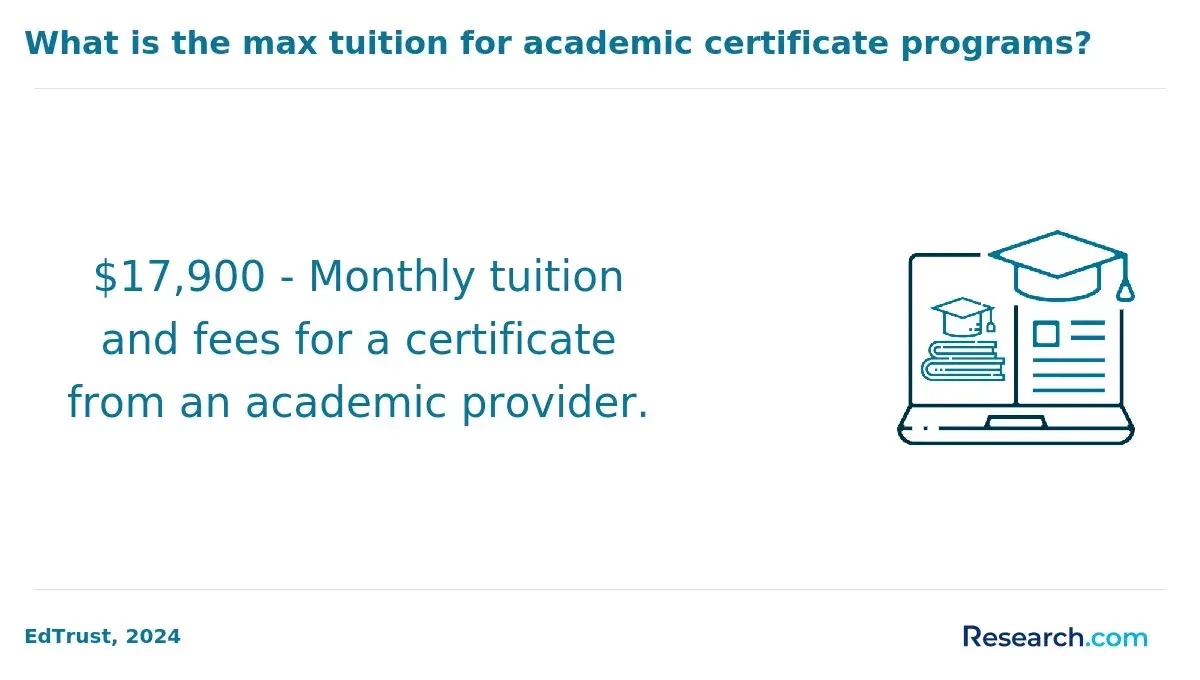
Accurately evaluating the return on investment (ROI) for a urban planning degree requires a thorough understanding of all associated costs. Graduate tuition in the U.S. has increased by nearly 3% annually over the past decade, often intensifying student debt and impacting long-term financial outcomes. Various expenses beyond tuition contribute significantly to the overall financial commitment.
Key cost factors that influence the ROI of a urban planning degree include:
- Tuition and fees: These represent the most substantial part of the cost and differ greatly depending on whether the institution is public or private, as well as the student's residency status.
- Books and materials: Annual expenses for textbooks, software, and other educational tools can add several hundred to over a thousand dollars to the budget.
- Living and relocation expenses: Housing, food, transport, and potential moving costs can considerably increase the total investment, especially for those relocating to attend school.
- Opportunity cost: Sacrificing full-time income while studying directly affects net ROI, as the time devoted to coursework could otherwise be spent earning.
- Hidden or indirect costs: Application fees, examination charges, and necessary technology purchases often go unnoticed but add to overall expenses.
When discussing how much a urban planning degree costs, one graduate shared that managing these expenses felt overwhelming at times. He recalled budgeting tightly for books and software, and how unexpected fees, like additional technology upgrades, caught him off guard. Balancing coursework while missing a steady paycheck was challenging, and he stressed that "it's important to factor in not just what you pay upfront but everything that affects your finances during the program." This firsthand insight highlights the complexity of assessing true costs beyond just tuition.
What Financial Aid Is Available for Urban Planning Degree Programs?
Financial aid plays a vital role in lowering upfront expenses for urban planning students, directly impacting the degree's long-term return on investment by reducing the need for large loans. Around 80% of U.S. graduate students use some form of financial aid, highlighting its significance in managing education costs and future debt.
The main types of financial assistance for urban planning programs include:
- Scholarships: Awarded based on merit or financial need, scholarships do not require repayment and help cut tuition costs, which lowers overall debt burdens and boosts ROI.
- Grants: These funds often address need-based criteria and can cover tuition or living expenses. Grants reduce or eliminate the necessity to borrow, improving net financial gains post-degree.
- Fellowships: Typically for graduate students involved in research or academic projects, fellowships provide tuition waivers or stipends, easing financial strain and potentially increasing career earnings.
- Employer tuition assistance: Some employers subsidize part or all of education costs, which can shorten loan repayment periods and enhance financial returns from the degree.
- Federal loans: Though requiring repayment with interest, these loans usually offer comparatively low rates and flexible repayment options, helping students cover costs responsibly when other aid falls short.
Strategically combining these aid types can significantly lower education costs and improve the financial outcomes of earning an urban planning degree.
How Long Does It Take to Complete a Urban Planning Degree?
The duration required to complete an urban planning degree influences its return on investment (ROI) by affecting both the opportunity cost of delayed earnings and the cumulative educational expenses. Finishing sooner allows earlier entry into the workforce, while extended programs increase costs and postpone income. Several factors shape how long students spend in their programs, impacting overall financial outcomes.
Important elements affecting time to completion and their effect on ROI include:
- Enrollment intensity: Full-time students generally finish quicker, reducing tuition costs and gaining salary earlier, whereas part-time study prolongs completion but may offer necessary work-life balance.
- Program delivery: Online and accelerated options can shrink duration but often require a higher workload and self-discipline, potentially speeding graduates' access to jobs.
- Transfer credits: Applying previous coursework can shorten study periods and cut fees, directly improving ROI through lowered costs and faster graduation.
- Practical components: Internships or thesis projects might extend study time but enhance job readiness and marketability, potentially increasing long-term earning power.
- Scheduling flexibility: Evening or weekend classes benefit employed students but may lengthen the path to graduation, slightly delaying earning milestones.
When I spoke with a graduate of an urban planning degree about her journey, she shared how balancing a full-time job with part-time evening classes extended her program to five years. She noted, "It was challenging managing deadlines and work responsibilities, but the flexibility made it manageable." Despite the longer duration, the practical projects she completed opened doors to valuable networking opportunities. Reflecting on her experience, she remarked that while finishing quickly seemed ideal, taking additional time allowed her to gain meaningful skills that ultimately boosted her career prospects and satisfaction.
Is ROI Higher for Online or On-Campus Urban Planning Programs?
Choosing between online and on-campus urban planning degree programs can significantly affect return on investment (ROI) due to differences in cost, flexibility, and career outcomes. Online enrollment in graduate programs has grown by over 10% in the past five years, reflecting broader acceptance of remote learning methods among working professionals and career changers. When evaluating urban planning program ROI comparison, it is important to consider how these factors play out in both delivery formats.
Here are key considerations when comparing online versus on-campus urban planning degree ROI:
- Tuition and fees: Online programs often have lower tuition and fees, reducing upfront education costs. This affordability can make online options attractive for budget-conscious students.
- Opportunity cost: Flexible scheduling in online programs allows students to continue working part-time or full-time, minimizing lost income during study, which leads to a lower opportunity cost compared to full-time on-campus study.
- Networking and career services: On-campus programs typically provide richer networking opportunities and more direct access to career services, which may improve job placement and long-term career growth.
- Employer perception: While employer preferences have traditionally favored on-campus credentials, this gap is narrowing as online education becomes more widely accepted across industries.
- Long-term earnings: Ultimately, earnings potential depends more on an individual's skills and experience than on whether their degree was earned online or on campus.
For those interested in related remote academic opportunities, reputable online options such as CACREP online counseling programs demonstrate how accreditation and flexibility can combine to enhance career prospects. Considering these factors will help prospective students make informed decisions about urban planning program ROI comparison and select the format that best fits their professional and financial goals.
What Is the Average Salary After Earning a Urban Planning Degree?
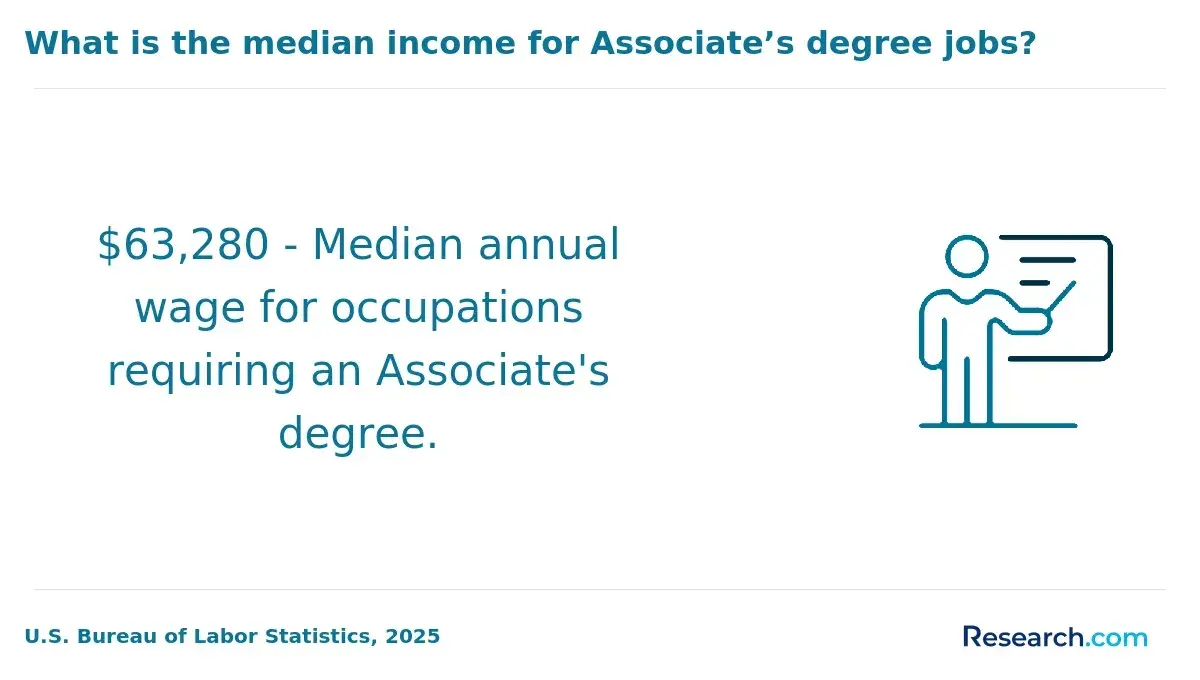
Post-graduation salary is a crucial factor in determining the return on investment (ROI) for a urban planning degree, as it directly affects the financial benefits compared to the costs of education. In the U.S., the average urban planning salary in the US ranges from $50,000 to $85,000 annually, reflecting diverse career opportunities within the field.
Several key factors influence urban planning degree salary expectations and impact the overall ROI:
- Industry: Salaries vary significantly between government, private consulting, and nonprofit sectors, with private firms often offering higher wages, which can boost financial returns.
- Geographic location: Urban planners working in metropolitan or high-cost areas tend to earn more due to greater demand and cost of living, enhancing ROI for graduates in these regions.
- Prior experience: Gaining internships or relevant work experience during studies typically leads to better starting salaries and accelerates career growth.
- Specialization: Concentrating on areas such as transportation or environmental planning can open pathways to higher-paying roles.
- Career level: While entry-level salaries are modest, mid-career and senior positions offer substantially increased earning potential, improving long-term financial benefits.
For students weighing the benefits of a urban planning degree, comparing these factors alongside other advanced options like the executive online MBA can provide additional perspective on career and salary prospects.
Does a Urban Planning Degree Lead to Promotions?
Promotions contribute significantly to an urban planning degree's return on investment (ROI) by offering salary increases, expanded responsibilities, and enhanced career mobility. In today's workforce, a growing trend favors credential-based promotions, with employers prioritizing candidates who combine education and practical experience for leadership roles.
Key ways a urban planning degree may improve promotion prospects and ROI include:
- Credential Requirements: Many supervisory and managerial positions mandate formal degrees, making an urban planning degree essential for meeting internal promotion criteria and advancing beyond entry-level roles.
- Leadership Development: The curriculum often emphasizes leadership and project management skills, preparing candidates for the complex responsibilities associated with higher-level positions.
- Tuition Reimbursement: Some employers offer tuition reimbursement programs that reduce the overall cost of education, lessening financial barriers and improving net ROI for degree holders.
- Promotion Policies: Organizations frequently have promotion policies that favor employees with relevant degrees, aligning advancement opportunities with educational attainment.
- Experience Synergy: While on-the-job experience remains crucial, a urban planning degree complements practical skills and can accelerate career growth by opening competitive advancement opportunities.
Individuals focused on urban planning degree career advancement benefit from understanding how promotions with urban planning degree credentials create a pathway to leadership and increased earnings. For those considering further education options, programs like an EdD degree online offer alternative routes to bolster credentials and professional growth.
Which Industries Offer the Best ROI for Urban Planning Graduates?
The return on investment (ROI) for graduates holding an urban planning degree varies significantly across different industries due to differences in salary levels, career progression opportunities, and demand for specialized skills. Industries offering the strongest ROI often combine competitive starting salaries with steady growth potential and pathways to leadership roles.
Below are some of the highest-paying industries for urban planning graduates that typically provide strong financial and career returns:
- Government and Public Sector: Local, state, and federal agencies provide stable employment, attractive benefits, and well-defined promotion tracks. Although starting salaries may be moderate, steady salary growth and job security make this sector appealing.
- Real Estate Development: Urban planners in this private sector benefit from lucrative compensation packages often tied to project profitability and effective land use management, enhancing both earning potential and professional influence.
- Transportation Planning: With increased infrastructure investments nationwide, this sector demands planners with specialized expertise, leading to consistent salary raises and opportunities for advancement.
- Environmental and Sustainability Consulting: Growing emphasis on sustainable development creates high demand for planners with skills in environmental compliance and green design, frequently resulting in premium pay and career growth.
- Urban Design and Architecture Firms: Collaboration in multidisciplinary projects offers planners exposure to high-profile developments, fostering skill enhancement and higher earnings long-term.
These top urban planning career sectors with best ROI utilize various competencies differently, influencing job market stability and long-term earning potential. Graduates are encouraged to evaluate these industries carefully to optimize their educational investment. Enhancing one's credentials through certifications online can further improve competitiveness and salary prospects.
Does Accreditation Affect ROI for a Urban Planning Degree?
In the context of urban planning degree programs, accreditation signifies that the curriculum meets established quality standards set by recognized accrediting bodies within the planning field. This validation is crucial because employers increasingly prefer graduates from accredited programs, viewing them as better prepared for the challenges of the profession.
Moreover, accreditation often determines eligibility for professional licensure, which is becoming a more common requirement for advancing in urban planning careers. As a result, attending an accredited program can directly impact job prospects and earning potential, key components of return on investment (ROI).
Accreditation also shapes long-term ROI by fostering employer confidence, which can lead to better hiring outcomes and salary growth. It typically provides access to federal financial aid programs, easing the financial burden of education. Additionally, credits earned through accredited programs are easier to transfer, offering flexibility for further study or career changes. Licensure eligibility tied to accreditation enhances career advancement opportunities, while the recognized quality of the program supports broader career mobility and reduces financial and professional risks over time.
Is a Urban Planning Degree Worth It?
The return on investment for a urban planning degree depends largely on factors like program expenses, length, and the income potential following graduation. Typically, these master's programs last about two years, though part-time or online formats may extend this while allowing students to work.
Graduates can expect a median salary near $75,000 annually, though earnings vary by location and experience. Career growth opportunities and advancement potential also play a significant role in whether the degree translates to financial gains over time.
A urban planning degree tends to be more worthwhile when industry demand remains consistent, driven by ongoing urbanization and environmental challenges. Choosing flexible program options or securing scholarships can reduce costs and improve ROI.
However, the investment may not pay off if tuition fees are high and graduates do not pursue leadership roles or specialty areas that offer better salaries. Personal goals, such as commitment to sustainable development, can also add value beyond monetary returns, making the degree appealing despite financial considerations.
What Graduates Say About The ROI of Their Urban Planning Degree
- Vince: "Choosing to pursue an urban planning degree as a traditional student was a strategic move for me, especially knowing the long-term ROI in a growing field focused on sustainable development. The average cost, around $30,000 per year, felt like a significant investment but ultimately paid off as I quickly moved into a rewarding career with a local government agency. This degree truly opened doors I hadn't expected, and I'm grateful for the solid foundation it provided."
- Zeconiah: "Opting for an online urban planning degree was a game-changer, balancing cost and flexibility. At roughly $20,000 annually, it was an affordable way to earn a credential without sacrificing my current job, and the convenience made it totally worth the investment. Since graduating, the skills and knowledge I gained have been instrumental in carving out a niche in community development consulting, proving the degree's career impact firsthand."
- Liga: "As a part-time student, I carefully weighed the costs of the urban planning program, which averaged about $25,000 per year, against my professional goals. Reflecting now, the steady pace allowed me to integrate new concepts into my ongoing work, enhancing my expertise in transportation planning. The decision to pursue the degree was pragmatic and has undeniably elevated my career trajectory within the consulting industry."
Other Things You Should Know About Urban Planning Degrees
An urban planning degree equips graduates with skills in urban design, policy analysis, and spatial data management. These competencies enhance job market competitiveness by aligning with industry demand for professionals adept at city planning, sustainability initiatives, and regulatory compliance, potentially boosting employability and career advancement.
Yes, non-monetary benefits include enhanced problem-solving skills, stronger community engagement, and the opportunity to influence city development positively. These skills may not directly contribute to financial ROI, but they offer personal and professional satisfaction that enriches one's career.
The geographic location significantly impacts the ROI of an urban planning degree in 2027. Areas with a high demand for urban planners, like large metropolitan regions, typically offer better salaries and job opportunities, enhancing the degree's ROI compared to less urbanized locations.
References
- The Economics of Accreditation: Costs, Benefits, ROI - Course Accreditation https://course-accreditation.com/blog/the-economics-of-accreditation-costs-benefits-roi/
- Economic Analysis: ROI on High-Rise vs. Sprawling Developments (Industry Insight) https://capacite.in/economic-analysis-roi-on-high-rise-vs-sprawling-developments-industry-insight/
- Is An Urban Planning Degree Worth It? https://urbanplanningdegree.com/is-an-urban-planning-degree-worth-it/
- Maximizing Academic Resources: Understanding ROI and Its Impact https://leveldata.com/blog/maximizing-academic-resources-understanding-roi-and-its-impact/
- Careers in urban planning https://www.ucl.ac.uk/bartlett/planning/study/careers-urban-planning
- Urbanism – study in English | The Faculty of Architecture at the Gdańsk University of Technology https://arch.pg.edu.pl/en/admission/master-studies/urbanism-study-english
- architecture and urban planning [AiU] | Gdańsk University of Technology https://pg.edu.pl/en/doctoral-school/candidates/disciplines/aiu
- The Importance of Urban Planning - The Seven Key Reasons - Archistar https://www.archistar.ai/blog/the-importance-of-urban-planning-the-seven-key-reasons/
- Frequently Asked Questions https://studyurbanplanning.com/faq
- Does College Pay Off? A Comprehensive Return On Investment Analysis - FREOPP https://freopp.org/whitepapers/does-college-pay-off-a-comprehensive-return-on-investment-analysis/


