
2027 Library Science Degree Careers That Do Not Require Graduate School

Co-Founder and Chief Data Scientist
A library science bachelor’s degree can lead to real information, records, archives, and library support roles without graduate school—but it does not qualify you for every librarian position. The central decision is whether to enter the workforce now, build experience, and add targeted credentials, or pursue a master’s degree for roles that specifically require advanced preparation.
That distinction matters because the field is credential-sensitive. According to the U.S. Bureau of Labor Statistics, about 54% of librarian jobs require an advanced degree. At the same time, many employers hire bachelor’s-level graduates for technical services, archives support, records management, digital asset work, community library services, and information support roles.
This guide explains which library science career paths are realistic without graduate school, where the better-paying bachelor’s-level opportunities tend to be, what skills employers value, and when skipping graduate school can help—or limit—your long-term options.
Key Things to Know About the Library Science Careers That Do Not Require Graduate School
- Many library science careers allow direct workforce entry with a bachelor's degree, especially in roles like library technician or assistant, where graduate degrees are not mandatory.
- Employer expectations for entry-level roles emphasize practical skills, customer service, and familiarity with digital catalogs more than advanced academic qualifications.
- Internships, certifications, and hands-on experience significantly enhance job prospects and often outweigh the need for graduate education in securing long-term career growth.
What Career Paths Can You Pursue with a Library Science Degree Without Graduate School?
With a bachelor’s degree in library science, you can pursue support, technical, records, archives, and information-management roles that rely on organization, research, metadata, user service, and digital systems skills. Data indicates that about 40% of graduates secure jobs in fields related to library science without pursuing graduate school within their first year, which shows that the degree can support immediate employment even when professional librarian roles are out of reach.
The best-fit path depends on whether you prefer public-facing service, behind-the-scenes technical work, historical collections, corporate information, or compliance-driven records work.
- Library Technician or Assistant: These roles support circulation, patron help, shelving systems, interlibrary loan, basic cataloging, and daily library operations. They are often the most direct entry point for bachelor’s-level graduates who want library work without a master’s degree.
- Archival Assistant: Archives, museums, universities, historical societies, and government offices may hire entry-level staff to arrange, label, digitize, and preserve collections. A bachelor’s degree can provide enough foundation for hands-on collections support, though senior archivist roles may require graduate study.
- Information Specialist: Businesses, government offices, healthcare organizations, and research teams need employees who can retrieve, organize, verify, and summarize information. These roles often value practical research ability and database confidence as much as formal library credentials.
- Records Manager: Records roles focus on storing, classifying, retaining, retrieving, and disposing of organizational records. They are especially relevant in regulated environments where accurate documentation and compliance matter.
- Technical Services Assistant: Public, school, academic, and special libraries need staff to help with acquisitions, cataloging, processing, metadata cleanup, and collection maintenance. These jobs are strong stepping stones for graduates who prefer systems and organization over front-desk service.
Some graduates also discover that community-facing library work overlaps with social services, outreach, and case-navigation support. For those who later want a formal social work pathway connected to public service settings, the cheapest CSWE-accredited online MSW programs may be worth comparing after gaining workplace experience.
What Are the Highest-Paying Jobs for Library Science Degree Graduates Without a Graduate Degree?
The highest-paying options for library science graduates without a graduate degree are usually not traditional librarian jobs. They are roles where information organization directly supports compliance, digital operations, research, institutional memory, or content systems. The U.S. Bureau of Labor Statistics reports that many such roles offer median salaries exceeding $50,000 annually, but pay still varies by location, employer type, technical skill level, and years of experience.
Graduates who want stronger earning potential should look for positions that combine library science knowledge with digital tools, metadata, records policy, or industry-specific information needs.
- Archives Technician: Archives technicians help preserve, describe, digitize, and retrieve historical or institutional records. Government agencies, museums, universities, corporations, and cultural organizations may pay more for candidates who understand collection handling, documentation, and digitization workflows.
- Information Specialist: Information specialists support research, data retrieval, competitive intelligence, internal knowledge bases, and decision-making. Compensation can improve when the role is tied to healthcare, legal, business, or government information needs.
- Digital Asset Manager: Digital asset managers organize image, video, audio, document, and multimedia collections. Employers may value skills in metadata, taxonomy, rights management, version control, and digital preservation, especially in media, education, marketing, and cultural heritage settings.
- Technical Services Librarian Assistant: These assistants handle cataloging support, acquisitions processing, serials work, database updates, and metadata cleanup. While the title may vary, technical services roles can pay better than general circulation roles when they require specialized systems knowledge.
- Records Management Specialist: Records specialists manage retention schedules, file plans, document access, compliance procedures, and lifecycle controls. Pay can be stronger in legal, financial, healthcare, government, and corporate environments where records errors carry operational or regulatory risk.
For better salary prospects without graduate school, prioritize job postings that mention database systems, metadata standards, electronic records, digital repositories, compliance, content management systems, or enterprise knowledge management.
What Skills Do You Gain from a Library Science Degree That Employers Value?
A library science degree builds skills that apply beyond traditional libraries. Employers value graduates who can impose order on large amounts of information, help users find reliable sources, maintain accurate records, and work with digital systems. According to a recent report by the National Association of Colleges and Employers, 79% of employers prioritize these adaptable skills when hiring bachelor's degree holders.
The most marketable skills are those you can show through coursework, internships, student jobs, portfolio projects, volunteer work, or examples from real systems.
- Information Management: Graduates learn how to classify, store, retrieve, and maintain information so that other people can find it quickly and accurately. This skill supports library operations, office administration, records work, content systems, and knowledge management.
- Research and Analysis: Library science programs emphasize source evaluation, database searching, citation practices, and evidence-based answers. These abilities are useful in research support, reference assistance, policy work, business intelligence, and nonprofit program support.
- Communication Skills: Graduates practice explaining information clearly to users with different needs and levels of expertise. This matters in patron services, help-desk roles, training, documentation, and cross-department collaboration.
- Technological Proficiency: Coursework and practical training may involve catalogs, databases, digital repositories, spreadsheets, scanning workflows, content management systems, and search tools. Employers often prefer candidates who can learn new platforms quickly rather than rely on one specific system.
- Attention to Detail: Accurate metadata, classification, file naming, record retention, and data entry reduce errors and improve access. Detail-oriented work is especially valuable in cataloging, archives, legal records, healthcare records, and compliance-related settings.
A graduate’s early-career advantage often comes from translating academic skills into employer language. Instead of saying only that you studied “cataloging,” describe experience with metadata cleanup, controlled vocabulary, database accuracy, classification rules, or searchable records. Instead of listing “research,” point to examples of finding, evaluating, and summarizing reliable information for a specific audience.
What Entry-Level Jobs Can Library Science Graduates Get with No Experience?
Library science graduates with no professional experience can still compete for entry-level roles when they show reliability, customer service ability, technical curiosity, and comfort with organized information systems. Nearly half of library science graduates secure entry-level roles within six months of finishing their degrees, despite often having no previous professional experience.
For first jobs, titles matter less than the duties listed in the posting. Look for work involving circulation, catalog records, patron support, digitization, scanning, records maintenance, database updates, or collection processing.
- Library Assistant: Library assistants help with circulation, shelving, holds, patron questions, library cards, basic technology help, and program support. These jobs are common entry points because employers can train new hires on local procedures and systems.
- Archival Technician: Archival technicians support collection arrangement, labeling, scanning, preservation handling, and finding aid preparation. New graduates can stand out by showing coursework, volunteer experience, or projects involving historical materials, digitization, or metadata.
- Cataloging Clerk: Cataloging clerks update records, assign basic classifications, process new materials, correct database entries, and prepare items for circulation. Employers often provide software training, but accuracy and patience are essential.
- Information Services Assistant: Information services assistants support reference desks, answer basic questions, guide users to resources, and help with databases or public computers. Strong communication skills and willingness to learn are often more important than a long work history.
Students who want broader people-focused education pathways related to community support may also compare online clinical mental health counseling programs, although counseling careers follow different credentialing and licensure expectations than library support roles.
What Certifications and Short Courses Can Boost Library Science Careers Without Graduate School?
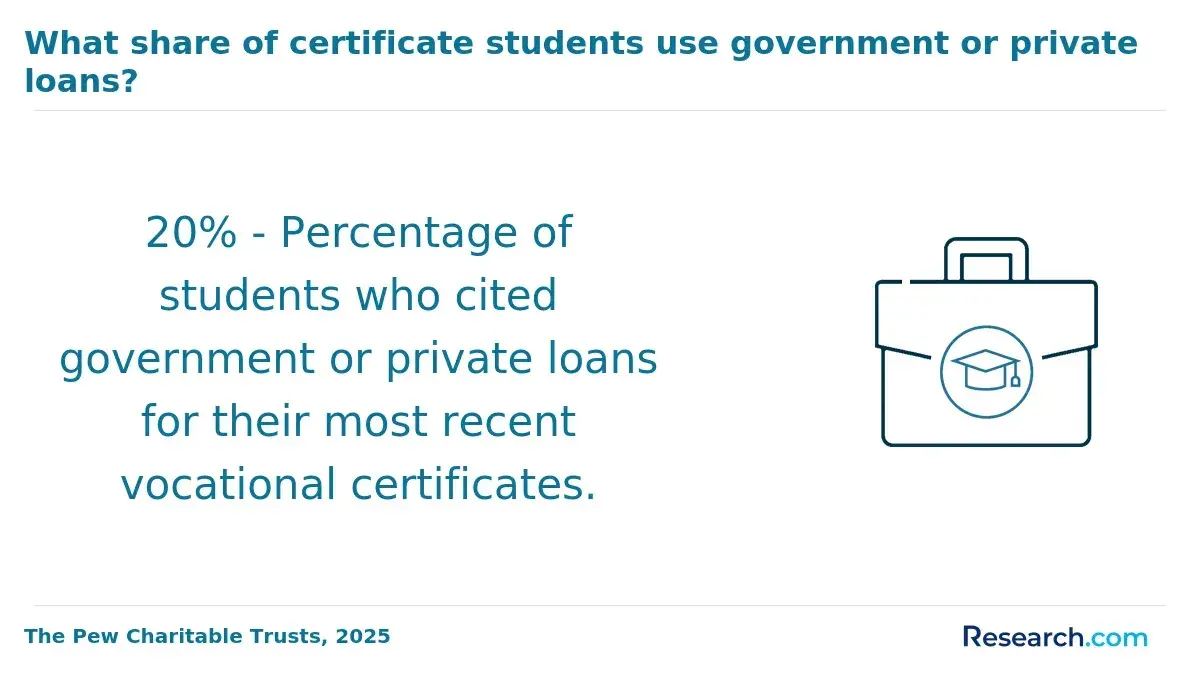
Certifications and short courses can help a bachelor’s-level library science graduate compete for specialized roles without committing to graduate school. They are most useful when they fill a specific skill gap tied to a target job, such as metadata, digital preservation, health information, records systems, or library technology. A recent survey by the American Library Association found that over 60% of employers in library-related fields prefer candidates who have earned relevant certifications or completed professional development courses.
Before paying for any credential, compare the course content with job postings in your target area. A short course is most valuable when it helps you produce a portfolio item, qualify for a specific duty, or speak confidently about tools employers actually use.
- Certified Library Support Staff (CLSS): This credential can help demonstrate readiness for library assistant, technician, and support staff roles. It is most relevant for graduates who want to strengthen evidence of practical library operations knowledge.
- Digital Archives Specialist (DAS): This certification focuses on digital archives, electronic records, and preservation issues. It may help candidates pursuing digitization, digital collections, archives technology, or repository support work.
- Consumer Health Information Specialization (CHIS): Offered by the Medical Library Association, CHIS supports work involving reliable health information for patients, patrons, and community users. It can be useful for public libraries, health sciences settings, and outreach roles.
- Cataloging and Metadata Certificate: Metadata training can strengthen applications for cataloging, digital asset, technical services, and content organization jobs. Look for courses that cover standards, controlled vocabularies, authority control, and practical record creation.
- Information Technology Foundations for Libraries: Short courses in library technology can help with database management, digital resource access, troubleshooting, web tools, and repository systems. These skills are increasingly important in both traditional and non-traditional information roles.
One common mistake is collecting unrelated certificates without a career plan. A stronger strategy is to choose one job target, identify three to five repeated skills in postings, and complete training that directly supports those skills. For example, a graduate aiming for digital collections work may benefit more from digital preservation and metadata training than from a general professional development course.
A professional with a Library Science degree described the Digital Archives Specialist certification as a turning point because it helped them move from general library duties into managing digital collections. The value was not just the credential itself; it was the ability to use new software, understand preservation workflows, and take on more specialized responsibilities without completing another degree.
Which Industries Hire Library Science Graduates Without Graduate Degrees?
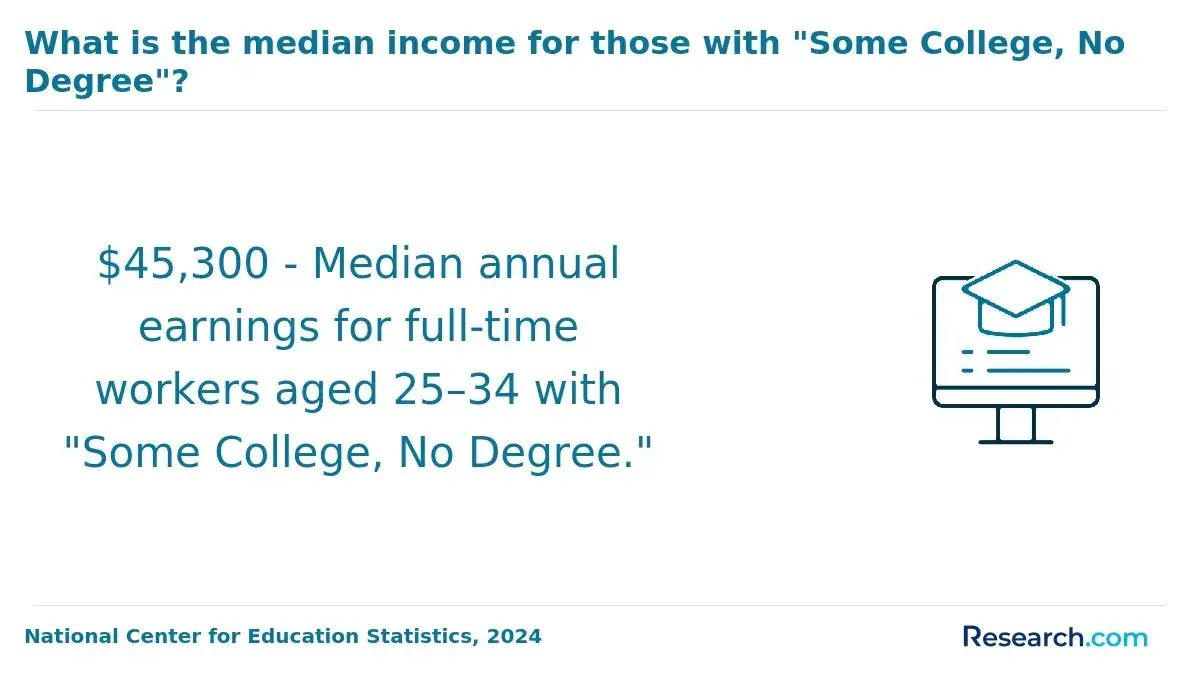
Library science graduates without graduate degrees are hired in more places than libraries. Approximately 35% of professionals in library and information science hold a bachelor's degree or equivalent experience, reflecting a significant pathway into the field without graduate school. The common thread across industries is the need to organize, preserve, retrieve, and explain information.
The strongest industry fit depends on whether your skills lean toward public service, technical systems, records compliance, archives, research, or digital content.
- Public Libraries and Community Services: Public libraries hire aides, assistants, technicians, program support staff, circulation workers, and technology support staff. Bachelor’s-level graduates can be strong candidates for roles that combine patron service with operations support.
- Corporate Information Centers: Companies may need support for knowledge bases, internal document systems, market research files, training materials, and digital repositories. These settings often care more about information workflow, accuracy, and tool proficiency than a formal librarian title.
- Government Agencies: Federal, state, and local agencies manage large volumes of public records, policy documents, archives, forms, and administrative data. Bachelor’s-level graduates may find opportunities in records, documentation, cataloging support, and information services.
- Nonprofit and Cultural Organizations: Museums, historical societies, arts organizations, foundations, and community organizations may hire staff to maintain archives, collections, donor files, program records, and digital exhibits.
- Publishing and Media Companies: Media and publishing employers need organized content libraries, image archives, rights information, research support, tagging systems, and digital asset workflows. Graduates with metadata and content management skills may be competitive for entry-level roles.
When comparing industries, consider advancement rules. A public or academic library may eventually require a graduate degree for professional librarian titles, while a corporation may promote based on systems knowledge, project results, and business impact.
What Freelance, Remote, and Non-Traditional Careers Are Available for Library Science Graduates?
Freelance, remote, and non-traditional work can be a practical option for library science graduates who are comfortable with digital tools and project-based assignments. Approximately 23% of bachelor's degree holders in information-related fields engage in remote or freelance work, reflecting a growing shift in employment patterns. These paths are not always easier than traditional jobs, but they can open opportunities outside local library hiring markets.
The best remote and freelance opportunities usually involve work products that can be delivered digitally: metadata records, taxonomies, research summaries, digitized files, documentation, knowledge-base updates, or organized content repositories.
- Distributed Work Systems: Remote teams may hire digital archives assistants, metadata support workers, repository assistants, or remote cataloging specialists. Success in these roles requires clear documentation, careful file handling, and dependable communication.
- Digital-First Labor Markets: Online platforms and digital service providers may need help with indexing, tagging, taxonomy building, content cleanup, records organization, and knowledge-base maintenance. These jobs translate library science skills into business and technology contexts.
- Project-Based Independent Work: Short-term projects may involve scanning collections, organizing shared drives, building file naming conventions, cleaning metadata, auditing records, or creating finding aids. This work can help new graduates build a portfolio, but income may be inconsistent.
- Virtual Reference and Research Support: Remote research assistants help users or teams locate reliable information, summarize findings, and maintain research files. Strong source evaluation and concise writing are essential.
- Content Management and Knowledge Organization: Freelancers may help organizations structure internal documents, tag digital assets, update intranet content, or improve searchability. This path is well suited to graduates who understand both user behavior and information architecture.
Non-traditional paths require proof of skill. Build sample projects, such as a metadata spreadsheet, a small digital collection workflow, a taxonomy for a content site, or a research brief. Employers and clients often want to see how you organize information, not just read that you studied it.
How Can You Build a Career Without Graduate School Using a Library Science Degree?
You can build a library science career without graduate school by treating your first role as a platform for experience, not as a final destination. About 40% of bachelor's graduates enter the workforce without additional graduate credentials, gaining exposure to workplace environments that support professional growth. The key is to choose roles that let you develop marketable evidence: systems experience, records accuracy, patron support, metadata work, digital collections, or research output.
A practical career-building plan should combine employment, targeted training, networking, and documentation of accomplishments.
- Start with a realistic entry point: Apply for library assistant, archives assistant, records technician, cataloging clerk, information services assistant, or digital content support roles. Prioritize jobs that offer exposure to systems and specialized workflows.
- Build technical evidence: Track the tools you use, the processes you improve, and the collections or records you help maintain. Employers respond well to specific examples, such as database cleanup, digitization work, metadata correction, or patron technology support.
- Add one targeted credential at a time: Choose short courses that match your next job goal. For records roles, focus on records management and compliance. For archives, focus on digitization and preservation. For technical services, focus on cataloging and metadata.
- Look beyond library job titles: Search for information specialist, records coordinator, digital asset assistant, knowledge management associate, content operations assistant, taxonomy assistant, and research support roles.
- Reassess graduate school later: After one to three years of experience, you will have a clearer view of whether a master’s degree is necessary for your desired role. If professional librarian advancement becomes your goal, comparing affordable masters in library science programs can help you evaluate cost, format, and fit.
Long-term progress without graduate education usually depends on expanding responsibility inside an organization or moving into adjacent information roles. Growth may come from supervising workflows, managing a small collection, leading a digitization project, improving records procedures, training staff, or becoming the person who understands a critical system.
Some graduates eventually pursue other advanced education depending on their goals. For example, those interested in education leadership or organizational roles may research EdD degrees, but the right path depends on the role, employer expectations, and return on investment.
What Are the Pros and Cons of Skipping Graduate School for Library Science Careers?
Skipping graduate school can be a smart choice if your immediate goal is employment in library support, archives support, records management, technical services, digital content, or information operations. It can be limiting if your long-term goal is to become a professional librarian in settings that require a master’s degree. According to a recent American Library Association survey, about 65% of professional librarian positions require a master's degree, underscoring the competitive nature of these roles.
The decision should be based on career target, debt tolerance, local hiring market, and whether the jobs you want explicitly require graduate education.
- Early Workforce Entry: Entering the job market sooner allows you to earn income, build experience, test different settings, and develop practical skills. This can be especially useful if you are unsure which part of the information field fits you best.
- Lower Education Cost: Skipping graduate school can reduce tuition costs and time away from full-time work. However, lower upfront cost does not always mean higher long-term earnings if the roles you eventually want require a master’s degree.
- Limited Eligibility for Some Roles: Many academic libraries, public library systems, school library roles, government institutions, and specialized research settings may require graduate-level library education for professional librarian positions.
- More Career Experimentation: Starting with a bachelor’s degree can help you explore archives, records, digital assets, technical services, public service, and corporate information work before committing to a specialized graduate pathway.
- Possible Advancement Ceiling: Bachelor’s-level employees may advance through experience, certifications, and internal promotion, but some organizations have formal credential requirements that experience alone cannot overcome.
A good rule of thumb is to read job postings for the roles you want five years from now. If most require a master’s degree, graduate school may be part of your plan. If postings emphasize systems, records, metadata, project experience, or industry knowledge instead, targeted work experience and certificates may be enough. For graduates considering a business-focused alternative, an MBA entrepreneurship online may fit goals outside traditional librarianship.
What Are the Real-World Career Outcomes and Job Market Trends for Library Science Graduates?
Real-world outcomes for library science graduates without graduate school are mixed but viable. Many find work in roles related to libraries, archives, records, research, digital content, and information systems, while others move into adjacent administrative, nonprofit, corporate, or technology-supported positions. Job placement often reflects moderate salary ranges between $35,000 and $60,000 annually.
The strongest job market trends favor graduates who can combine traditional information organization with digital fluency. Employers increasingly need help managing electronic records, searchable repositories, metadata, digital collections, internal knowledge bases, and user access to online resources.
Career growth depends heavily on sector and geography. A graduate in an area with several universities, museums, government offices, healthcare systems, or large employers may see more information-related openings than someone in a smaller labor market. Remote work can widen the search, but it also increases competition.
Graduates should also separate “library science career” from “librarian title.” Without graduate school, the most realistic outcomes are often assistant, technician, specialist, coordinator, clerk, or support roles. Those jobs can still be meaningful and stable, but they may not carry the same authority, pay scale, or advancement structure as professional librarian positions.
For context on how degree outcomes can vary by field, readers may compare career-path patterns in the environmental science degree field, where job title, specialization, and additional training also shape employment prospects.
What Graduates Say About Library Science Careers Even Without Pursuing Graduate School
-
: "Graduating with a library science degree gave me a solid foundation that directly translated to my first job in a municipal library. I found that the combination of cataloging skills and understanding information systems helped me adapt quickly, even without pursuing graduate studies. I often tell others that the degree itself is practical enough to launch your career if you're ready to learn on the job.
— Emmanuel"
-
: "Looking back, earning my library science degree without going on to graduate school was the right choice for me. It provided me with the knowledge to confidently navigate early career roles in archival and record management. The degree emphasized real-world applications, which made the transition to professional environments smooth, and I appreciated the hands-on experience embedded in the coursework.
— Gage"
-
: "My library science degree opened doors I hadn't expected right after college. Without attending graduate school, I secured positions that valued my understanding of information organization and user services. I learned that the degree prepared me for a diverse range of roles, proving that advanced degrees aren't always necessary to begin a fulfilling career in this field.
— Isaac"
Other Things You Should Know About Library Science Degrees
Yes, there are advancement opportunities in library science careers without a graduate degree, especially in roles such as library technician, archives assistant, or cataloging specialist. Gaining experience, professional certifications, and specialized training can lead to supervisory or management positions. However, certain senior roles, like librarian or information specialist, typically require graduate qualifications.
Professionals without graduate degrees often work in public libraries, school libraries, archives, museums, and corporate information centers. These environments emphasize support roles such as managing collections, assisting patrons, or maintaining databases. Many positions are community-focused and involve direct interaction with the public or specialized users.
Technology proficiency is crucial in library science roles without graduate degrees. Tasks often include managing digital catalogs, operating integrated library systems, and using database software. Familiarity with emerging technologies, such as digital archiving tools and online research platforms, enhances employability and job performance.
References
- 5 Benefits Of Pursuing Master’s In Library Science https://bidwanstudycircle.com/5-benefits-of-pursuing-masters-in-library-science/
- 11 Reasons You Should Not Get A Degree In Library Science https://litreactor.com/columns/11-reasons-you-should-not-get-a-degree-in-library-science
- Online Library & Information Science Degree Programs https://www.librariancertification.com/online-library-information-science-degree-programs/
- Remote Library Jobs Online - Work From Home | Remote.co https://remote.co/remote-jobs/library
- Library and Information Science Graduate Certificates - Library Science Degrees Online https://librarysciencedegreesonline.org/library-and-information-science-graduate-certificates/
- Certificates - Library Juice Academy https://libraryjuiceacademy.com/certificateslist/


