
2027 Medical Billing & Coding Degree Programs for Career Changers

Co-Founder and Chief Data Scientist
Changing careers into healthcare does not always require a clinical degree. Medical billing and coding can be a practical route for adults who want healthcare stability, remote-friendly administrative work, and a shorter training path than many patient-care roles. These programs teach students how to translate medical services into standardized codes, prepare claims, work with insurance rules, and protect patient information.
For career changers, the main questions are straightforward: Which programs accept applicants without healthcare experience? How much time and money will training require? Which credentials lead to realistic job options? Employment for medical records and health information technicians is projected to grow 7% from 2022 to 2032, faster than the average for all occupations, but outcomes still depend on program quality, certification preparation, location, work experience, and employer requirements.
This guide explains how medical billing and coding programs fit adults moving from another field. It covers program types, specializations, admissions, coursework, formats, skills, costs, transition support, careers, salaries, and graduate perspectives so readers can compare options with clearer expectations.
Key Things to Know About Medical Billing & Coding Degree Programs for Career Changers
- Flexible scheduling and online or hybrid formats accommodate working adults, enabling them to balance education with job and family commitments effectively.
- Accelerated Medical Billing & Coding programs reduce completion time, often allowing career changers to enter the workforce within 6 to 12 months.
- Many programs incorporate employer-relevant training and support services, enhancing job placement rates, which currently average above 80% within six months of graduation.
What Medical Billing & Coding Programs Accept Career Changers?
Most medical billing and coding programs are designed to accept beginners, including adults with no prior healthcare background. The best fit for a career changer is usually a program that combines flexible scheduling, clear certification preparation, career services, and practical coding and billing assignments. Over 40% of graduate students are adult learners or career changers, which reflects the broader demand for education models that work for people returning to school after time in the workforce.
Career changers should compare programs by credential level, time commitment, cost, support services, and whether the curriculum prepares students for common industry certification exams. Meeting medical billing and coding admission requirements for career changers is often less about having a healthcare résumé and more about showing readiness for detail-oriented, technology-based training.
- Certificate Programs: Certificates are often the fastest route for adults who want focused training without completing a full degree. They usually cover medical terminology, coding systems, billing procedures, claims, compliance, and software basics. This option is best for learners who want to enter the field quickly and can commit to intensive skill-building.
- Associate Degree Programs: Associate programs provide broader preparation by combining general education with medical billing, coding, health information, and administrative coursework. They may be useful for career changers who want a stronger academic foundation, plan to pursue advancement later, or prefer a credential with more credit-bearing coursework.
- Continuing Education Courses: These courses work well for adults who already have office, finance, insurance, or healthcare-adjacent experience and need targeted retraining. They can also help professionals update skills without enrolling in a full degree program.
- Online and Hybrid Programs: Online and hybrid formats are common because billing and coding coursework can often be taught through digital records, coding exercises, claims simulations, and learning platforms. These options help working adults study around job and family responsibilities, though students should still confirm instructor access, exam preparation, and technical requirements.
When comparing options, look for transparent tuition, coding practice using ICD, CPT, and HCPCS, support for certification exam preparation, and employer-recognized training. For adult learners interested in broader healthcare education pathways, a pharmacy degree online may be worth researching as a separate long-term option.
What Medical Billing & Coding Specializations Are Best for Career Changers?
The best specialization depends on a career changer’s previous experience and preferred work style. Some roles are data-heavy and detail-oriented, while others involve more communication with patients, providers, or insurance companies. Employment for medical records and health information specialists is expected to grow 11% from 2022 to 2032, according to the U.S. Bureau of Labor Statistics, but students should still choose a path that matches their strengths and local employer demand.
Career changers should not pick a specialization only because it sounds advanced. A practical choice is one that connects past skills to healthcare workflows. Administrative workers may adapt quickly to billing operations, finance professionals may understand claims and reimbursement logic, and compliance-minded professionals may prefer auditing or documentation review.
- Medical Coding Specialist: Medical coders review clinical documentation and assign standardized codes for diagnoses, procedures, and services. This path suits people who are comfortable with rules, documentation, pattern recognition, and independent work. It is often a strong choice for career changers who enjoy precision more than frequent customer interaction.
- Medical Billing Specialist: Billing specialists handle claims submission, payment posting, insurance follow-up, denials, and patient billing questions. This option can fit adults coming from customer service, banking, sales operations, collections, accounting support, or office administration because it blends accuracy with communication.
- Health Information Technician: Health information technicians work with patient records, data quality, privacy rules, and information systems. This specialization may appeal to career changers with strong organization, database, records management, or technology experience.
- Compliance Auditor: Compliance auditors review documentation, coding, and billing practices for accuracy and adherence to regulations. This route is typically better for learners who are analytical, comfortable with policies, and interested in quality control. It may require experience before moving into more advanced audit responsibilities.
Students comparing the best medical billing and coding concentration options should ask whether a program includes role-specific practice, not just textbook coverage. Career changers who are also evaluating patient-facing healthcare roles may compare this path with an accelerated MA program, which prepares learners for a different type of healthcare work.
What Are the Admission Requirements for Career Changers Applying to a Medical Billing & Coding Program?
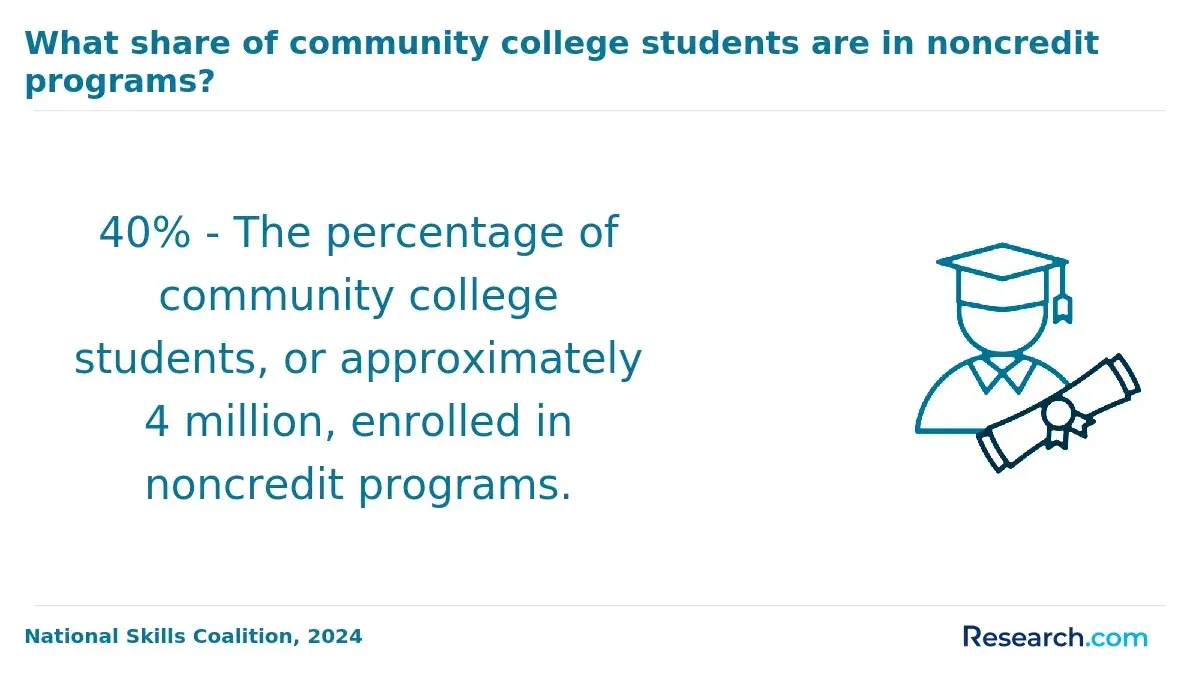
Admission requirements for medical billing and coding programs are usually accessible for career changers. Most programs do not require prior clinical experience, but they do expect applicants to be prepared for technical vocabulary, computer-based assignments, confidentiality rules, and detail-heavy work. Nearly 40% of postsecondary students are adults over 25, so many schools now design admissions and advising processes with working learners in mind.
Before applying, career changers should verify whether the program is a noncredit certificate, credit-bearing certificate, associate degree, or continuing education course. Requirements can vary by credential type, institution, and whether the program includes externships or access to patient-related systems.
- Educational Background: Most programs require a high school diploma or equivalent. Some may consider alternative qualifications, prior coursework, or work experience, especially for continuing education or workforce training options.
- Computer Proficiency: Students need basic comfort with online learning platforms, spreadsheets, electronic records, document upload systems, email, and web-based software. Because billing and coding work is highly digital, weak computer skills can slow progress even when the student understands the concepts.
- Background Check: Some programs require background screening because students may work with sensitive health information, simulated records, or externship sites. Applicants should ask when the check occurs and whether any past issue could affect placement or completion.
- Transferable Skills: Prior experience in administration, healthcare, finance, insurance, customer support, data entry, or compliance can strengthen an application and may help students adapt faster. In some schools, prior learning assessments or transfer credits may reduce repeated coursework.
- Scheduling Flexibility: Many programs offer online, evening, weekend, or part-time formats. Career changers should compare the advertised flexibility with the actual weekly workload, assignment deadlines, exam schedule, and required live sessions.
Applicants should also ask whether the program prepares students for specific certification exams, whether career services are included, and whether completion qualifies them for the types of jobs they plan to pursue. Career changers exploring nearby administrative healthcare alternatives can also research a health administration degree online. Meeting the prerequisites for career changers applying to medical billing and coding programs makes the transition smoother and reduces the risk of enrolling in the wrong format.
What Is the Coursework for a Medical Billing & Coding Degree for Career Changers?
Medical billing and coding coursework is built around the work graduates are expected to perform: reading healthcare documentation, assigning accurate codes, preparing claims, following payer rules, and protecting patient information. For career changers, the best programs explain not only what to memorize but how billing, coding, reimbursement, documentation, and compliance connect in real healthcare settings.
- Medical Terminology and Anatomy: Students learn the language used in patient charts, physician notes, diagnoses, procedures, body systems, and common treatments. This foundation helps learners understand what a provider documented before selecting codes.
- Coding Systems and Procedures: Coursework introduces ICD,CPT,and HCPCS and teaches students how to apply coding guidelines to medical documentation. Strong programs include repeated practice, coding scenarios, and feedback because accuracy develops through application, not memorization alone.
- Healthcare Billing and Insurance: Students study claims, reimbursement, payer requirements, denials, appeals, patient accounts, and insurance terminology. This area is especially important for learners moving from finance, customer service, or administrative roles.
- Healthcare Law and Ethics: Programs cover privacy, confidentiality, documentation standards, fraud and abuse concerns, and ethical handling of patient data. Students should leave with a clear understanding that billing accuracy is both a financial and compliance issue.
- Practical Software Training: Many programs include electronic health records, billing platforms, claims tools, or coding software simulations. Career changers should prioritize programs that give hands-on practice instead of relying only on lectures and readings.
Online and hybrid programs can work well for adults balancing employment and family obligations, but students should evaluate how support is delivered. Tutoring, instructor office hours, practice exams, coding feedback, and career advising can make a significant difference for learners entering healthcare for the first time.
A career changer who completed an online medical billing and coding degree while working full time described the experience as demanding but manageable because the coursework was structured. He said the hardest part was coordinating study time with family responsibilities, while the most valuable part was practicing coding systems through software simulations. His experience reflects a common pattern: flexible delivery helps adults stay enrolled, but hands-on assignments are what build confidence for the job.
What Medical Billing & Coding Program Formats Are Available for Career Changers?
Program format can determine whether a career changer finishes successfully. Nearly 40% of adult learners in the U.S. opt for online education, and medical billing and coding is especially compatible with remote study because much of the work involves records, codes, claims, software, and compliance procedures. Still, flexible does not always mean easy. Students should choose a format that matches their schedule, learning style, and need for instructor support.
- Fully Online Programs: Fully online programs offer the most location flexibility and often allow students to study before work, after work, or on weekends. They are a strong option for full-time workers, parents, and students who do not live near a campus. The trade-off is that learners must be disciplined and comfortable solving technical issues independently.
- Hybrid Programs: Hybrid programs combine online coursework with occasional campus meetings, labs, exams, or instructor sessions. This format can be helpful for students who want face-to-face support without commuting several times per week.
- Evening and Weekend Classes: Evening and weekend schedules are designed for adults who need a predictable class routine outside standard business hours. They may be less flexible than self-paced options but can provide structure and accountability.
- Self-Paced Courses: Self-paced programs allow learners to move faster or slower depending on their schedule and prior knowledge. This can be useful for motivated students, but it can also be risky for those who procrastinate or need regular deadlines.
Before enrolling, ask how long students have access to course materials, whether exams are proctored, how quickly instructors respond, and whether the program has fixed completion deadlines. Career changers should also confirm that the format includes enough coding practice to prepare for real work, not just enough flexibility to fit a busy calendar.
What Skills Do Career Changers Gain in a Medical Billing & Coding Program?
Medical billing and coding programs help career changers convert existing workplace strengths into healthcare-specific skills. Nearly 70% of employers highly value transferable skills paired with specialized training when recruiting professionals entering new fields, which is why adults from retail, finance, customer service, administration, insurance, and technology backgrounds can be competitive when they build the right technical foundation.
- Medical Terminology Proficiency: Students learn to interpret clinical language used in provider notes, diagnoses, procedures, prescriptions, and patient records. This skill is essential because coding accuracy depends on understanding the documentation.
- Coding Systems Knowledge: Programs teach ICD,CPT, and HCPCS coding standards and how to match codes to documented healthcare services. Career changers also learn why coding errors can lead to denials, delayed reimbursement, or compliance concerns.
- Attention to Detail: Students practice reviewing records carefully, checking payer rules, entering data accurately, and catching inconsistencies. This skill is especially important because small errors can affect claims, patient accounts, and audit outcomes.
- Regulatory Compliance: Coursework introduces healthcare privacy and compliance expectations, including HIPAA. Students learn how to handle sensitive data responsibly and why confidentiality is central to healthcare administration.
- Technical Proficiency: Learners gain experience with electronic health records (EHR), billing systems, online claims tools, and digital documentation workflows. This helps career changers adapt to healthcare offices where most administrative work is software-based.
A graduate who moved into medical billing and coding from another industry described the transition as intimidating at first because the terminology and software were unfamiliar. She said hands-on labs helped her connect new concepts to real tasks and gave her evidence that her skills were improving. That type of applied practice is valuable for career changers because it turns general workplace abilities into job-ready healthcare competencies.
How Much Does a Medical Billing & Coding Degree Cost for Career Changers?
Cost is one of the most important factors for career changers because many adults are paying for training while still covering family, housing, transportation, and existing debt obligations. Over 40% of adult learners borrow money to fund their education, so students should calculate the full cost of attendance before enrolling rather than focusing only on advertised tuition.
- Tuition Fees: Tuition varies by credential and provider. Certificate programs typically range from $1,500 to $5,000, while associate degree programs can cost between $10,000 and $20,000. Shorter programs may reduce tuition and time away from work, but associate programs may offer broader preparation and transferable credits.
- Books and Materials: Textbooks, coding manuals, digital access codes, workbooks, and online resources can cost several hundred dollars. Ask whether materials are included in tuition or billed separately.
- Certification Exam Fees: Certification exams usually require separate fees that vary by credentialing body. Career changers should budget for exam registration, retake costs if needed, and study materials. When comparing programs, it can also help to review the full medical billing certification cost so the training plan reflects more than tuition alone.
- Technology and Lab Fees: Online and hybrid programs may charge fees for learning platforms, software simulations, virtual labs, proctoring, or student services. These charges can be easy to miss but can affect affordability.
- Cost-Saving Strategies: Career changers may reduce costs through transfer credits, prior learning assessments, employer tuition assistance, payment plans, scholarships, financial aid, and accelerated schedules. Students should also compare completion rates, certification preparation, and career services because the cheapest program is not always the best value.
Career changers seeking affordable healthcare education options may also compare related pathways such as nursing programs online. For medical billing and coding specifically, the strongest financial plan accounts for tuition, materials, certification costs, technology fees, time to completion, and the likelihood that the credential supports the jobs the student wants.
How Does a Medical Billing & Coding Curriculum Support Career Transitions?
A good medical billing and coding curriculum helps career changers move from general workplace experience to healthcare-specific competence. Instead of requiring years of clinical training, these programs focus on administrative healthcare functions that can be learned through structured coursework, practice records, coding exercises, insurance scenarios, and compliance training.
- Applied Learning: Students work through coding exercises, billing scenarios, claims examples, and documentation reviews. This applied structure helps learners understand how classroom concepts appear in daily healthcare administration tasks.
- Transferable Skills: The curriculum builds on skills many adults already have, including organization, communication, data entry, problem-solving, customer service, and policy awareness. The program then adds healthcare terminology, coding rules, payer processes, and privacy standards.
- Flexible Pacing: Many programs are structured for working adults through online modules, part-time schedules, evening classes, or self-paced coursework. Flexibility supports persistence, but students should still plan for consistent weekly study time.
- Real-World Projects: Claim forms, denial reviews, coding audits, and reimbursement exercises help students practice the kinds of tasks they may encounter after graduation. These assignments can also help career changers describe relevant experience during interviews.
- Current Content: Strong curricula emphasize current coding standards, billing software, payer expectations, and healthcare regulations. Because billing and coding rules can change, students should look for programs that update course materials regularly.
Career changers seeking medical billing and coding degree programs for career changers should prioritize curricula that prepare them for both certification and job duties. Those comparing flexible healthcare education more broadly may also review resources such as cheapest DNP programs online to understand how online healthcare programs can vary in cost, structure, and long-term goals.
What Careers Can Career Changers Pursue With a Medical Billing & Coding?
A medical billing and coding credential can lead to several administrative healthcare roles. For career changers, the right target job depends on prior experience, certification, comfort with patient communication, and interest in data-focused work. Employment is projected to rise 8% from 2022 to 2032, but job titles and requirements can vary by employer, state, facility type, and certification expectations.
- Medical Billing Specialist: Medical billing specialists prepare and submit claims, follow up with insurance companies, review payment information, and help resolve billing issues. This role fits career changers with administrative accuracy, persistence, and comfort communicating with payers or patients.
- Medical Coder: Medical coders translate documented services, diagnoses, and procedures into standardized codes for billing and records. This role is a strong match for detail-oriented learners who prefer documentation review and rule-based work.
- Health Information Technician: Health information technicians maintain patient records, support data accuracy, protect confidentiality, and work with health information systems. Career changers with records management, database, compliance, or office technology experience may find this path especially relevant.
- Claims Analyst: Claims analysts review insurance claims for accuracy, policy compliance, documentation issues, and reimbursement problems. This role can suit adults with analytical backgrounds, insurance knowledge, finance experience, or problem-solving strengths.
- Patient Account Representative: Patient account representatives answer billing questions, explain balances, discuss payment options, and help resolve account concerns. This path is often a good fit for career changers with customer service, call center, sales, or client support experience.
Career changers should review job postings before choosing a program. Look for required certifications, preferred experience, remote-work requirements, software expectations, and whether employers distinguish between billing, coding, and health information roles.
What Is the Average Salary After Earning a Medical Billing & Coding Degree as a Career Changer?
Salary is an important part of the career-change decision, but it should be evaluated carefully. Pay depends on location, employer type, certification, experience, job title, remote or onsite status, and whether the role focuses on billing, coding, claims, accounts, or health information. Research shows that reskilled professionals often experience a 15% to 25% increase in earnings within the first two years of entering a new field, but individual outcomes vary.
- Entry-Level Salaries: Entry-level roles typically range from $35,000 to $45,000 annually, depending on prior experience and market demand. Career changers with related administrative, insurance, finance, or healthcare experience may be better positioned to compete for stronger starting offers.
- Experienced Professionals: Medical billers and coders with several years of experience generally earn between $50,000 and $65,000 per year. Certifications, accuracy, productivity, specialty knowledge, and experience with denials or audits can influence advancement.
- Industry Impact: Hospitals and specialized medical clinics may offer higher salaries than smaller private practices because they often handle higher claim volume, more complex documentation, and more specialized billing requirements.
- Geographic Variation: Salaries tend to be higher in urban centers and regions with a higher cost of living. Rural areas may offer lower pay, though they may also have different competition levels and more limited employer options.
- Advanced Certifications: Additional credentials or expertise in specific coding systems can support salary growth because employers may value workers who can code accurately, reduce denials, support compliance, and handle more complex cases.
Career changers should compare salary expectations with the full cost and time required to complete training. A lower-cost certificate may produce a faster return if it meets employer requirements, while a longer degree may be more useful for students seeking broader advancement in health information or healthcare administration.
What Graduates Say About Their Medical Billing & Coding Degrees for Career Changers
- Lewell: "After years in retail management, I wanted a career with more stability and a clearer path into healthcare administration. The average cost hovered around $3,000 to $5,000, which made the program a manageable investment for a complete career shift. Finishing the degree helped me qualify for roles I had not considered before, and I now feel more confident working in a healthcare office setting."
- Zain: "I was nervous about leaving sales because I did not want to take on training that would not pay off. My medical billing and coding program cost roughly $4,000, and the focused curriculum made the expense feel practical. The program gave me a new professional direction and helped me move into work that feels more sustainable long term."
- Myles: "Moving from customer service into medical billing and coding was a strategic decision after a decade in the same type of role. The tuition, averaging about $3,500, was a short-term financial challenge, but the training helped me build healthcare-specific skills from experience I already had. Graduating gave me the confidence to pursue positions with more responsibility and better compensation."
Other Things You Should Know About Medical Billing & Coding Degrees
After completing a medical billing & coding degree in 2027, career changers typically pursue certifications like the Certified Professional Coder (CPC) or Certified Coding Associate (CCA). These certifications are crucial for validating skills, enhancing employability, and ensuring adherence to industry standards in medical billing and coding.
Yes, prior healthcare experience or related coursework can sometimes shorten the duration of the program. Some schools offer accelerated tracks or grant credit for previous relevant education or work. This allows career changers to complete their degree or certificate faster and enter the workforce sooner.
Medical billing & coding degree programs for career changers in 2027 typically include foundational subjects such as medical terminology, anatomy and physiology, health information technology, coding systems (such as ICD-10 and CPT), and ethics in healthcare. These subjects equip students with the necessary skills to interpret and manage medical records efficiently.
Many programs include internships or externships to provide hands-on experience. While not always mandatory, completing practical training can improve job readiness and build professional connections. Career changers benefit from applying classroom knowledge in real healthcare settings.
References
- Medical Billing and Coding https://www.utc.edu/academic-affairs/center-for-professional-education/professional-development/medical-career-academies/medical-billing-coding
- What you can learn in medical billing and coding classes https://www.trainingdirectusa.com/blog/things-you-can-learn-in-medical-billing-and-coding-classes/
- 5 FAQs About Medical Billing and Coding | Miller-Motte College https://www.miller-motte.edu/blog/healthcare/5-faqs-about-medical-billing-and-coding/
- Top Medical Billing and Coding Programs to Kickstart Your Career in Healthcare | eLearningConnex https://www.elearningconnex.com/lms_blog/top-medical-billing-and-coding-programs-to-kickstart-your-career-in-healthcare/
- What is Medical Billing and Coding? - AAPC https://www.aapc.com/resources/medical-billing-and-coding-training
- How Much Does It Cost To Become A Medical Coder? - Preppy https://preppy.org/how-much-does-it-cost-to-become-a-medical-coder/
- Medical Billing and Coding Careers | DeVry University https://www.devry.edu/blog/medical-billing-and-coding-careers.html
- Program/Course Outline https://www.careerstep.com/certify/health-data/medical-coding-billing/program-course-outline/
- Medical Billing and Coding Specialist Program FAQs https://ccitraining.edu/blog/medical-billing-coding-program-faq/
- Medical Billing and Coding Career Guide (2022) | UMA https://www.ultimatemedical.edu/blog/how-to-start-career-in-medical-billing-and-coding/


