
2027 Return on Investment (ROI) of a Medical Billing & Coding Degree Program

Co-Founder and Chief Data Scientist
A medical billing and coding degree can be a practical route into healthcare administration, but its value depends on more than whether the field is hiring. The real question is whether the program you choose is affordable, recognized by employers, flexible enough for your schedule, and likely to help you earn back your education costs within a reasonable timeframe.
Employment for medical records and health information technicians is projected to rise 9% through 2032, faster than the average for all occupations. That growth is tied to expanding healthcare services, more complex reimbursement systems, and the need for accurate patient records and claims processing. Still, strong demand does not automatically make every program a good investment.
This guide explains how to evaluate the return on investment of a medical billing and coding degree by looking at program costs, financial aid, completion time, online versus on-campus formats, salary expectations, promotion potential, accreditation, and the industries where graduates may see the strongest payoff.
Key Things to Know About Medical Billing & Coding Degree ROI
- Graduates typically see a median annual salary of $45,000, reflecting competitive earning potential compared to other allied health certifications.
- Career advancement is facilitated by certification and experience, enabling transitions into auditing, compliance, or health information management roles.
- Job stability is strong due to increasing demand for accurate medical records and billing, supported by healthcare industry growth projections of 8% through 2030.
How Is ROI Calculated for a Medical Billing & Coding Degree Program?
ROI for a medical billing and coding degree is the financial return you may receive after completing the program compared with what you spend in tuition, fees, time, and lost earning opportunities. A strong ROI usually means the credential helps you qualify for relevant jobs, improve your earning potential, or move into better roles without taking on excessive debt.
The simplest way to think about ROI is this: compare your total education cost with the income and career options the credential can realistically help you access. Because medical billing and coding is often a shorter and more career-focused path than many healthcare degrees, program choice has a major effect on whether the investment pays off.
- Tuition and fees: Lower tuition improves ROI only if the program still provides credible training, employer recognition, and preparation for coding or billing roles.
- Books, software, and exam-related costs: Coding manuals, learning platforms, technology requirements, and certification-related expenses can raise the true cost beyond advertised tuition.
- Opportunity cost: If you reduce work hours or leave a job to study, lost income should be included in your ROI calculation.
- Time to completion: A shorter program can help you enter the workforce sooner, while a longer program may be worthwhile if it offers stronger preparation, transfer credit, or career support.
- Post-graduation salary outcomes: Starting pay is one of the clearest indicators of short-term ROI, especially when comparing medical billing and coding degree cost versus earnings.
- Career advancement potential: ROI improves when a program helps graduates qualify for coding specialist, auditing, compliance, supervisory, or revenue cycle roles over time.
- Employer recognition: A credential from a reputable and accredited institution may carry more value than a cheaper program with weak student outcomes.
Students comparing healthcare education options can also review programs such as RN to BSN no clinicals to understand how cost, time, and career return differ across healthcare pathways.
How Much Does a Medical Billing & Coding Degree Program Cost?
The cost of a medical billing and coding degree depends on the school, credential level, delivery format, and whether you attend full time or part time. Cost matters because even a strong job market may not offset an overpriced program, especially when the average student loan debt for associate degree holders in the U.S. recently hovered around $14,000.
When comparing programs, do not rely only on the tuition figure listed on the school website. Ask for a complete cost breakdown and confirm which expenses are required before enrollment.
- Tuition and mandatory fees: These are usually the largest direct costs. Public colleges, community colleges, and online programs may differ significantly in price.
- Books and materials: Medical coding courses may require current manuals, workbooks, online learning tools, or specialized software.
- Certification-related expenses: Some programs include exam preparation, while others require students to pay separately for certification exams or review materials. Students comparing shorter training routes may also research medical billing and coding certification options before committing to a full degree.
- Technology requirements: Online learners may need a reliable computer, updated software, secure internet access, webcam equipment, or proctoring tools.
- Transportation and housing: On-campus students may face commuting, parking, relocation, or living expenses that increase the total price.
- Opportunity cost: If the schedule prevents you from working as much as before, the income you give up is part of the real cost.
- Indirect costs: Professional memberships, background checks, transcript fees, and graduation fees can add to the final bill.
A recent graduate described the cost issue this way: “I planned for tuition, but I did not fully account for technology needs and exam fees. The hardest part was balancing work hours, study time, and extra expenses at the same time.”
That experience points to a common mistake: choosing a program based on tuition alone. A better approach is to calculate the full cost of attendance, then compare it with expected salaries, financial aid, and how quickly you can complete the credential.
What Financial Aid Is Available for Medical Billing & Coding Degree Programs?
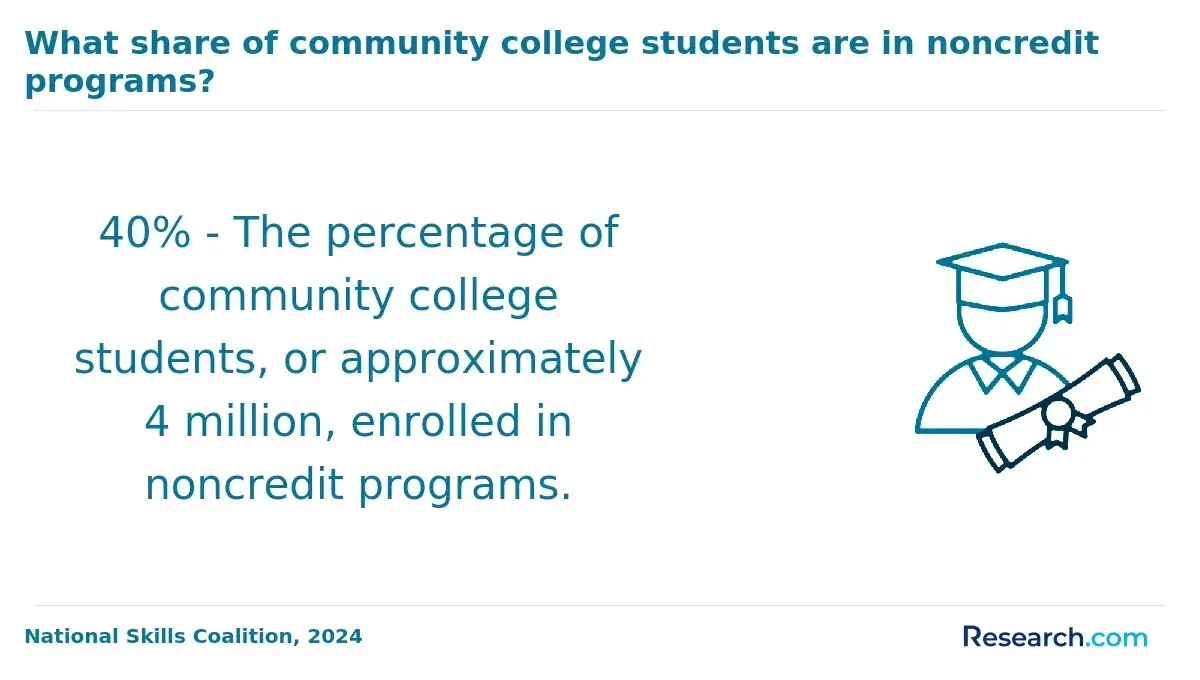
Financial aid can improve ROI by lowering the amount you pay upfront or borrow. According to the National Center for Education Statistics, nearly 85% of undergraduate students benefit from some form of financial support. For medical billing and coding students, the best aid strategy is to prioritize funding that does not need to be repaid before considering loans.
- Scholarships: Scholarships may be based on academic performance, financial need, career goals, location, or membership in a professional or community organization. They reduce total program cost without repayment.
- Grants: Grants are commonly need-based and can significantly lower out-of-pocket expenses. Students should confirm whether the school participates in eligible aid programs.
- Federal loans: Federal loans may offer competitive interest rates and flexible repayment options, but they still increase the total cost of the degree if not managed carefully.
- Employer tuition assistance: Healthcare employers, insurers, and administrative service companies may help pay for job-related education. This can be one of the strongest ROI boosters because it reduces personal cost while keeping you employed.
- Payment plans: Some schools allow students to spread tuition payments across a term. This may reduce the need for borrowing, though fees and deadlines should be reviewed closely.
- Fellowships: Fellowships are less common in medical billing and coding, but some training or workforce development programs may provide stipends or targeted support.
Before enrolling, ask the school whether the program is eligible for federal financial aid, whether credits are transferable, and whether institutional scholarships apply to your specific credential. Also compare the total repayment obligation after aid, not just the amount awarded.
How Long Does It Take to Complete a Medical Billing & Coding Degree?
Completion time affects ROI because it determines how long you pay for school before you can fully use the credential in the job market. A faster program can reduce opportunity cost and help you begin earning sooner, but speed should not come at the expense of adequate coding practice, career preparation, or employer-recognized training.
- Enrollment status: Full-time students usually finish sooner, while part-time students may take longer but can often keep working while enrolled.
- Program format: Online and accelerated formats may offer more flexible scheduling, which can be valuable for working adults and caregivers.
- Transfer credits: Prior college coursework or related training may shorten completion time if the school accepts those credits.
- Practical requirements: Internships, practicums, simulations, or capstone projects may extend the timeline but can strengthen employability.
- Course availability: Some programs offer courses every term, while others require students to wait for specific classes. Limited course availability can delay graduation.
- Academic support: Tutoring, advising, and structured study resources can help students finish on time and avoid repeating courses.
One graduate explained that part-time enrollment extended her studies beyond her original plan, but it also allowed her to keep a full-time job. “It was not easy managing deadlines and work hours, but the flexibility let me stay employed, which made a big difference financially,” she said.
Her experience highlights a key ROI trade-off: finishing faster is not always better if it requires giving up income or taking on more debt. The right timeline is the one that lets you complete the program, maintain financial stability, and enter the field with usable skills.
Is ROI Higher for Online or On-Campus Medical Billing & Coding Programs?
ROI can be higher for either online or on-campus medical billing and coding programs depending on cost, flexibility, student support, and hiring outcomes. Nearly 45% of postsecondary students took at least one online course, according to a National Center for Education Statistics report, which reflects broader acceptance of online learning. Still, format alone does not determine value.
Online programs often appeal to working adults because they may reduce commuting costs and make it easier to keep a job while studying. On-campus programs may offer more structured schedules, direct access to instructors, and in-person networking. The stronger option is the one that fits your learning style while leading to credible employment outcomes.
- Tuition and fees: Online medical billing and coding program ROI may be stronger when tuition is lower and students avoid transportation or relocation expenses.
- Opportunity cost: Online learners may be able to maintain employment more easily, reducing lost wages during school.
- Time to completion: Both formats may have similar timelines, but online programs often offer asynchronous or flexible scheduling.
- Learning environment: Students who need structure, face-to-face instruction, or regular in-person accountability may perform better on campus.
- Career services: On-campus programs may offer direct employer relationships, while strong online programs may provide virtual career coaching, resume help, and job boards.
- Employer perception: Accredited online credentials are increasingly accepted, but students should verify accreditation, curriculum quality, and graduate outcomes before enrolling.
Students considering other healthcare entry points can also compare medical assistant programs to see how hands-on clinical training differs from billing and coding education.
What Is the Average Salary After Earning a Medical Billing & Coding Degree?
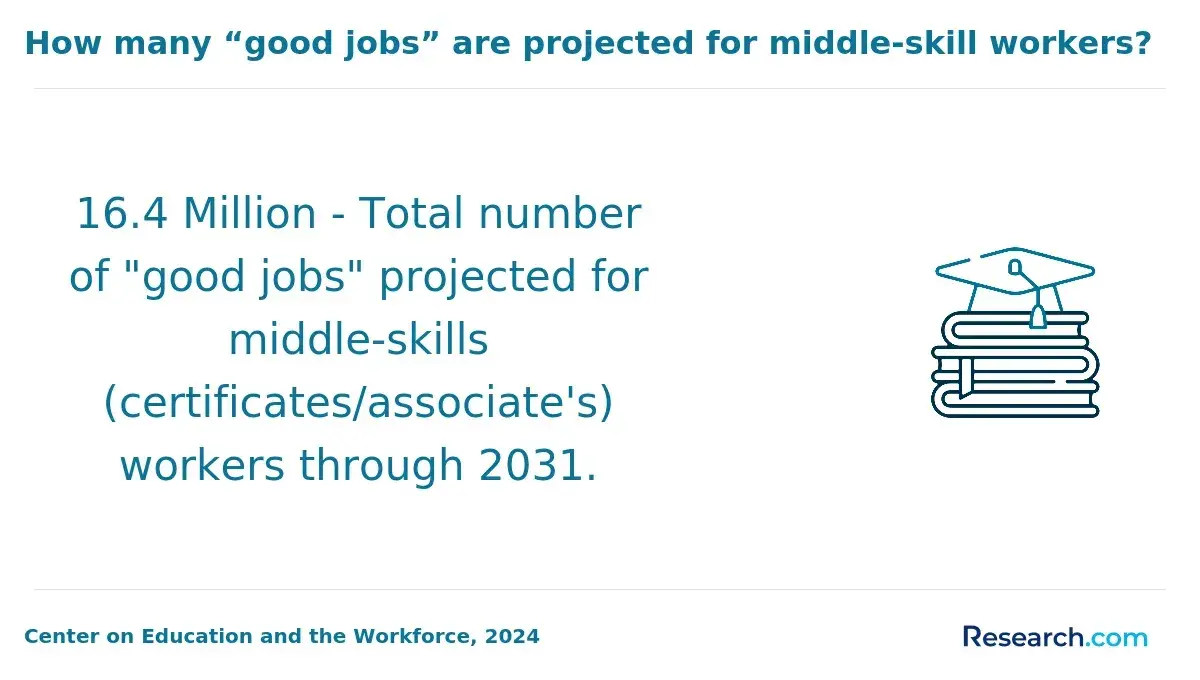
Salary is one of the most important factors in ROI because it affects how quickly graduates can recover education costs. The average salary for medical billing and coding graduates in the United States typically ranges from $40,000 to $55,000 annually, covering both entry-level positions and more advanced roles.
Actual earnings vary widely. A degree can help, but pay also depends on employer type, location, experience, credentials, accuracy, productivity, and the complexity of the coding work assigned.
- Industry: Hospitals, specialty practices, insurers, and revenue cycle organizations may offer different pay levels based on claim volume and coding complexity.
- Geographic location: Metropolitan areas and higher-cost regions may offer higher wages, though living expenses should also be considered.
- Prior experience: Candidates with healthcare administration, insurance, claims, data entry, or customer service experience may be more competitive for better-paying roles.
- Specialization: Knowledge of coding systems, payer rules, documentation requirements, auditing, or compliance can support stronger long-term earnings.
- Career level: Supervisory, quality assurance, auditing, revenue cycle, and management roles may offer higher pay than entry-level billing or coding positions.
- Credential stack: A degree may be more valuable when paired with relevant certification, practical experience, and measurable accuracy in coding work.
Students exploring broader healthcare education pathways may also review the easiest nursing schools to get into to compare admissions accessibility, training length, and career direction across healthcare fields.
Does a Medical Billing & Coding Degree Lead to Promotions?
A medical billing and coding degree can support promotions, but it does not guarantee them. Employers usually consider a combination of education, certification, experience, accuracy, productivity, professionalism, and knowledge of payer requirements. The degree may be most valuable when it helps an employee qualify for roles that require formal training or when it strengthens eligibility for internal advancement.
Credential-based promotion is becoming more common in healthcare administration because billing, coding, documentation, privacy, compliance, and reimbursement rules continue to grow more complex. Employers may prefer candidates who can demonstrate structured training and readiness for higher-responsibility roles.
- Eligibility for advanced roles: Positions such as coding specialist, coding auditor, revenue cycle analyst, compliance assistant, or billing supervisor may favor applicants with formal education and credentials.
- Leadership preparation: Degree programs can build knowledge of healthcare systems, documentation standards, reimbursement processes, and administrative workflows that support supervisory duties.
- Employer tuition support: Some employers are more willing to fund further education for workers who have already completed a relevant credential and shown career commitment.
- Internal promotion policies: Organizations may use education and certification as screening criteria when comparing employees for advancement.
- Experience plus education: Practical experience remains essential. A degree is strongest when paired with strong job performance, accuracy, communication skills, and reliability.
For ROI purposes, students should ask whether graduates commonly move beyond entry-level roles and whether the program prepares them for coding, billing, compliance, or revenue cycle advancement rather than only basic administrative tasks.
Which Industries Offer the Best ROI for Medical Billing & Coding Graduates?
The best ROI for medical billing and coding graduates is usually found in industries that combine stable demand, competitive pay, advancement opportunities, and transferable skills. Because billing and coding knowledge is used across healthcare delivery, insurance, government, and technology settings, graduates should compare more than starting salary alone.
- Healthcare facilities: Hospitals and large clinics often handle high patient volume and complex documentation, which can create steady demand for trained billing and coding professionals.
- Insurance companies: Insurers value coding accuracy, claims knowledge, payer rules, and fraud detection skills. These roles may offer pathways into claims review, quality control, or compliance.
- Outpatient care centers: Outpatient settings may offer steady employment, growing demand, and schedules that appeal to professionals seeking a different pace from hospital-based work.
- Government agencies: Public health departments and related agencies may provide job stability, structured career ladders, and benefits that improve long-term ROI.
- Medical software and consulting firms: Technology and consulting employers may value coders who understand healthcare workflows, electronic health records, billing systems, and implementation support.
When evaluating the highest paying industries for medical billing and coding graduates, compare compensation trajectory, benefits, job security, remote-work potential, and whether the role builds skills that transfer to higher-level revenue cycle or compliance positions. Prospective students who want to broaden their healthcare options can also explore the cheapest online RN to BSN programs.
Does Accreditation Affect ROI for a Medical Billing & Coding Degree?
Accreditation can affect ROI because it signals that a school or program has been reviewed against recognized quality standards. For students, accreditation may influence financial aid eligibility, credit transfer, employer confidence, and access to future education pathways.
In medical billing and coding, accreditation does not replace professional competence or certification preparation, but it can reduce the risk of paying for a credential that employers do not value. Students should verify accreditation directly through official accrediting bodies or school disclosures rather than relying only on marketing language.
- Financial aid access: Accredited institutions are more likely to participate in aid programs that can reduce out-of-pocket cost.
- Employer trust: Employers may be more comfortable with applicants trained by recognized schools, especially for roles involving patient records, claims, compliance, and reimbursement.
- Certification readiness: A credible curriculum should align with current coding, billing, documentation, and healthcare privacy expectations.
- Transferability: Credits from accredited programs are more likely to be considered by other institutions, which matters if you later pursue additional education.
- Long-term flexibility: Accreditation can make it easier to build on your credential if your career goals shift toward health information management, compliance, or broader healthcare administration.
Before enrolling, ask whether the institution is accredited, whether the specific program has relevant recognition, whether graduates sit for certification exams, and whether employers in your area hire from the program.
Is a Medical Billing & Coding Degree Worth It?
A medical billing and coding degree may be worth it for students who want a relatively direct path into healthcare administration, prefer non-clinical work, and choose a program with reasonable costs, strong career support, and credible training. Many programs can be completed in under two years, which can make the ROI stronger than longer healthcare degree paths if graduates secure relevant employment quickly.
The financial case is strongest when total education costs are controlled, financial aid reduces borrowing, and the credential leads to roles with entry-level salaries generally ranging from $40,000 to $50,000 annually. The projected 9% increase in employment for medical records and health information technicians through 2032 also supports demand, though local job markets can vary.
This degree may be a good fit if you want to work with healthcare data, insurance claims, coding systems, documentation, and reimbursement processes. It may be less suitable if your goal is a clinical role involving direct patient care, advanced nursing, or diagnostic responsibilities.
Before enrolling, compare at least several programs on total cost, accreditation, completion time, certification preparation, graduate employment outcomes, employer connections, and flexibility. A low-cost program with weak support may not deliver strong ROI, while a more expensive program may still be worth considering if it produces better job readiness and career outcomes.
What Graduates Say About The ROI of Their Medical Billing & Coding Degree
- : "Choosing a medical billing and coding degree program changed my career direction. Even with the average cost of attendance being around $15,000, I viewed the investment as worthwhile because the field offered demand, stability, and a clearer path into healthcare administration. As a traditional student graduate, I feel the credential helped open doors that were not available to me before. — Arlene"
- : "I chose an online medical billing and coding program because affordability and flexibility mattered. The tuition was generally less than many healthcare programs I considered, and studying online allowed me to keep working while building new skills. For me, the ROI came from improving my earning potential without putting my life on hold. — Ivy"
- : "A part-time medical billing and coding degree made sense because I had personal commitments I could not ignore. It took longer to finish, but the cost was reasonable compared with other healthcare fields, and the credential gave me skills employers recognized. The return was not just financial; it also gave me more confidence and more options. — Holly"
Other Things You Should Know About Medical Billing & Coding Degrees
To become certified in 2027, graduates of a Medical Billing & Coding degree program must pass an exam from bodies like AAPC or AHIMA. These exams require understanding coding standards, billing processes, and healthcare regulations critical for securing employment and enhancing ROI.
Certification in medical billing & coding can significantly enhance job prospects and potential salary, directly affecting the return on investment of the degree program. Certified professionals often earn higher salaries and have better employment opportunities, improving overall ROI by offering financial returns that outweigh the educational costs.
References
- Medical Billing and Coding Specialist | Southeastern College https://www.sec.edu/academic-program/medical-billing-and-coding/
- Financial Aid Overview and Scholarships https://www.medicalbillingandcoding.org/resources/financial-aid/
- Is Medical Billing and Coding a Good Career Choice in 2025? | NCC https://www.northwestcareercollege.edu/blog/is-medical-billing-and-coding-a-good-career-choice-in-2025/
- Medical Billing and Coding Salary by State | 2025 https://nurse.org/healthcare/medical-billing-coding-salary/
- Medical Billing and Coding Online Common Questions https://www.cambridgehealth.edu/medical-billing-and-coding-program/common-questions/
- Career Path for Medical Billing and Coding https://healthcarecareercollege.edu/medical-billing-coding/medical-billing-and-coding-career/career-path-for-medical-billing-and-coding/
- Earning Potential for Medical Coding and Billing Professionals - USCI https://www.uscareerinstitute.edu/blog/earning-potential-for-medical-coding-and-billing
- Medical Coding Career Growth and Job Opportunity - AAPC https://www.aapc.com/resources/career-in-medical-coding
- Is Medical Billing and Coding Worth It? Complete 2025 Guide https://aaamb.com/is-medical-billing-and-coding-worth-it/


