2027 One-Year Online Applied Psychology Master's Degree Programs: Accelerated Options, Costs & Outcomes

Co-Founder and Chief Data Scientist
Prospective students often struggle to balance career advancement with the time and financial burden of traditional master's programs in applied psychology. Many working professionals with unrelated undergraduate degrees seek a faster pathway that offers flexibility without sacrificing accreditation or quality.
According to recent data, enrollment in fully online applied psychology master's programs grew by 18% over the last five years, reflecting increased demand for accelerated, remote options. This article examines one-year online applied psychology master's degree programs, focusing on accelerated tracks, cost considerations, and potential career outcomes to guide informed decisions for those aiming to pivot into the field.
Key Things to Know About One-Year Online Applied Psychology Master's Degree Programs
- Online applied psychology master's programs offer flexible schedules ideal for working professionals balancing employment and studies without relocating or pausing their careers.
- Accelerated one-year formats enable rapid skill development, allowing recent graduates and career changers to enter the workforce faster than traditional programs.
- International students benefit from global networking opportunities through virtual cohorts, expanding professional connections beyond their local regions.
What Exactly Is a One-Year Online Applied Psychology Master's Degree Program, and How Does It Differ from a Standard Graduate Format?
One-year online applied psychology master's degree accelerated programs offer an intensive graduate experience that contrasts with traditional two-year or part-time models. These programs condense what is typically a longer curriculum into a single year by requiring full-time enrollment year-round, including summer terms.
This accelerated format demands a heightened course load and time management skills but allows students to earn advanced credentials swiftly. Schools such as the University of Southern California (USC), Southern New Hampshire University (SNHU), and Drexel University exemplify reputable institutions offering these fast-track options grounded in applied psychological theory and practice.
Compared to standard graduate timelines, the one-year approach compresses semesters and intensifies coursework, which can benefit individuals seeking rapid degree completion. This format is especially suited for working adults aiming to upskill without prolonged disruptions, career changers desiring quick entry into new fields, and recent graduates focused on faster workforce re-entry.
The curriculum typically integrates real-world applications through virtual internships, capstone projects, or practicum experiences conducted online.
When evaluating these programs, prospective students should consider tuition fees, financial aid packages, and total cost of attendance. Admissions standards often include minimum GPA requirements, relevant prerequisite coursework, and sometimes professional experience aligned with program goals.
Accreditation remains vital to ensure academic rigor and employability post-graduation. Outcomes data suggest graduates of one-year online applied psychology master's programs enjoy strong employment rates, competitive salaries, and enhanced career trajectories.
- Accelerated Course Load: Students complete an intensive schedule that covers what would usually span two years within just one, demanding strong focus and time management.
- Condensed Semesters: Continuous enrollment-including summer sessions-eliminates traditional breaks and maintains academic momentum for faster completion.
- Practical Focus: Emphasis on applied psychology with virtual practicums, case studies, and projects to build real-world skills and career readiness.
- Targeted Demographic: Designed for professionals balancing work, career changers, and recent graduates needing expedited degree pathways.
- Institutional Examples: Programs from USC, SNHU, and Drexel University offer well-regarded one-year online applied psychology master's degrees combining theory with practice.
Prospective students interested in specialization areas like behavior analysis may also explore BCBA certification online programs as complementary or alternative pathways in applied psychology disciplines.
Which Accredited Universities Currently Offer Legitimate One-Year Online Applied Psychology Master's Programs?
Several regionally accredited universities across the United States offer legitimate one-year online applied psychology master's programs designed for accelerated completion. Regional accreditation is crucial, as it is widely recognized by employers, licensing bodies, and other academic institutions, impacting license eligibility, credit transfer, and employment opportunities.
This distinction matters greatly compared to some nationally accredited programs, which may have less rigorous standards and limited professional recognition. For those exploring applied psychology degrees, consider also any specialized accreditations from relevant psychological associations or counseling boards that enhance curriculum quality and career relevance.
Prospective students should consult vetted databases such as Peterson's or the U.S. Department of Education's College Navigator to verify institutional and program accreditation status accurately. For additional guidance on related programs, the accelerated psychology bachelor's degree resource offers comprehensive information.
- University of Southern California (West Coast): USC's accelerated Master of Science in Applied Psychology can be completed online in about 12 months. The private university holds regional accreditation by WSCUC, with tuition around $36,000 total.
- University of Florida (Southeast): This public, regionally accredited institution offers a one-year online master's focusing on organizational and behavioral applications, with an estimated tuition of $22,000 for the full program.
- Northeastern University (Northeast): Known for flexible online delivery, Northeastern's applied psychology master's can be accelerated to one year. The university is regionally accredited by NECHE, with tuition near $30,000.
- University of Texas at Austin (Southwest): UT Austin provides a rigorous online applied psychology master's program that can be completed in 12 months. It carries SACSCOC accreditation, with average tuition approximately $25,000.
- University of Minnesota (Midwest): This regionally accredited university offers an online Master of Applied Psychology with accelerated options to finish within a year. Tuition is roughly $28,000.
When selecting programs, evaluating accreditation, curriculum depth, faculty expertise, and total costs is essential, especially for accelerated schedules where academic rigor is concentrated. Admissions standards typically include minimum GPA thresholds, prerequisite coursework, and sometimes relevant professional experience.
Graduates of these programs often see favorable employment rates and salary growth, reflecting applied psychology's growing demand in diverse fields.
How Much Does a One-Year Online Applied Psychology Master's Program Typically Cost in Tuition and Fees?
Tuition for one-year online applied psychology master's degrees varies widely, largely based on whether the institution is public or private. Public universities tend to be more affordable, charging roughly $15,000 to $30,000 annually for residents. In contrast, non-resident and international students at public schools often pay between $25,000 and $45,000.
Private schools usually have higher tuition rates, frequently ranging from $30,000 to $60,000, with some elite programs surpassing these figures.
Beyond tuition, students should carefully consider extra expenses that can affect their overall educational budget.
- Technology and Online Access Fees: Many programs require fees for online platform usage, software, and IT support, which typically cost $100 to $500 each term.
- Course Materials and Textbooks: Preparing for coursework often involves purchasing books, digital tools, and specialized software, with estimated annual expenses between $500 and $1,200.
- Proctoring and Examination Fees: Online assessments may involve third-party proctors charging $50 to $150 per exam, adding to the total cost.
- Residency or On-Campus Sessions: While most accelerated applied psychology master's programs are fully online, some require brief in-person residencies that can cost several hundred to over a thousand dollars for travel and lodging.
- Financial Aid Transparency: Prospective students should request detailed cost-of-attendance breakdowns from schools to understand net expenses after financial aid, as detailed pricing information is increasingly sought by online graduate learners.
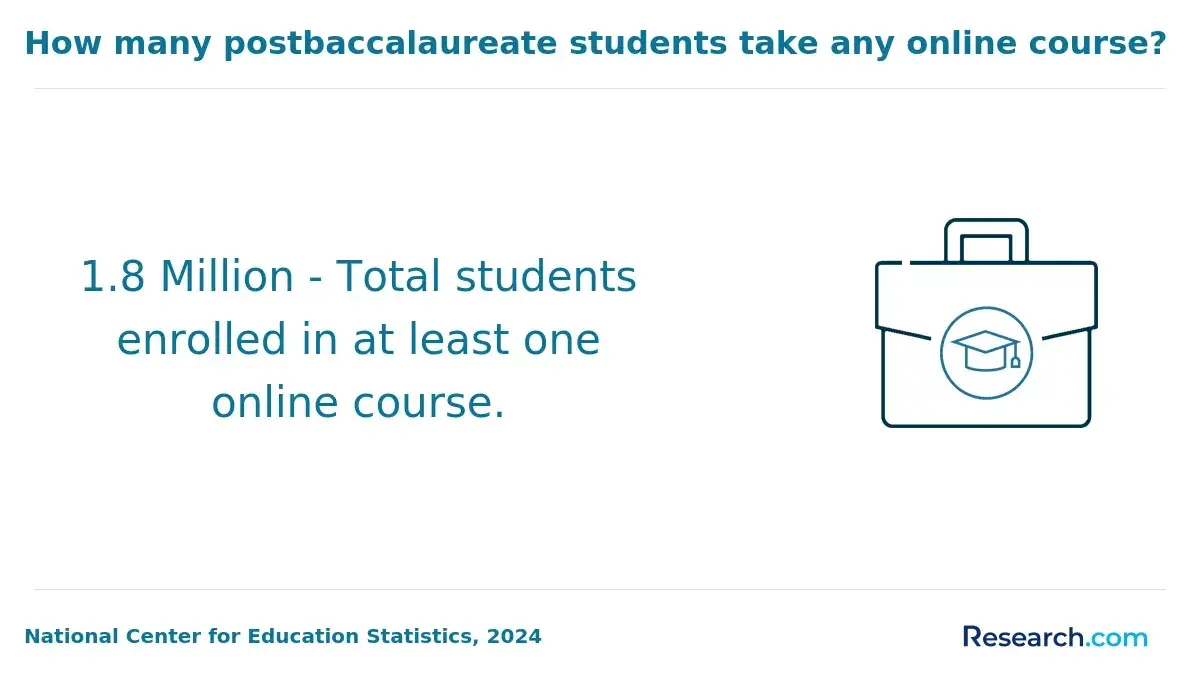
According to recent NCES data, demand for clear pricing details among online graduate students continues to grow. A professional who pursued an online applied psychology master's to transition careers described the financial planning as "a balancing act" where anticipating hidden costs was crucial.
He found that "beyond tuition, fees like proctoring and tech access added up quickly," requiring regular budgeting reviews. Reflecting on his experience, he emphasized how essential it was to obtain a full cost disclosure early to avoid surprises and maintain focus on coursework without financial stress overshadowing progress.
What Financial Aid and Scholarship Options Are Available for One-Year Applied Psychology Master's Students?
Students enrolled in accelerated applied psychology master's programs can access federal aid such as Direct Unsubsidized and Grad PLUS loans by submitting the FAFSA. Work-study options are limited but still available; early FAFSA submission is crucial due to differing start dates in accelerated programs.
Merit-based scholarships often reward strong academic records or relevant experience, though funding may be limited and deadlines sooner than traditional programs.
Departmental fellowships provide financial support through stipends or tuition waivers in exchange for research or teaching assistance, but availability varies by institution. Employer tuition reimbursement is an increasingly common benefit for professionals pursuing one-year online applied psychology master's degrees, especially when coursework aligns with career goals.
Confirm eligibility and limits with HR departments early in the process.
- Federal Financial Aid Eligibility: Graduate students in accelerated applied psychology programs qualify for federal loans via FAFSA; submitting applications early helps meet unique deadline requirements for accelerated starts.
- Merit-Based Scholarships: Academic excellence and professional experience often factor into scholarships; early applications increase chances due to limited funds.
- Departmental Fellowships: Research or teaching assistantships may offer tuition remissions and stipends, but availability depends on the program.
- Employer Tuition Reimbursement: Many employers support continuing education if aligned with job roles; verifying policies before enrolling is essential.
- Application Timing and Resources: Using tools like the College Board's Scholarship Search and consulting aid offices helps navigate deadlines and find additional funding.
Nearly 70% of graduate students utilized financial aid in 2023, underscoring the importance of exploring all financing options for one-year online applied psychology master's degree financial aid options.
For those interested in related fields, specialized support is also found through programs such as online clinical mental health counseling.
What GPA, Prerequisites, and Professional Experience Do One-Year Applied Psychology Master's Programs Require?
Most one-year online applied psychology master's programs expect applicants to maintain at least a 3.0 GPA on a 4.0 scale, though admissions panels also consider the difficulty of prior studies and the prestige of applicants' undergraduate institutions.
A strong academic background remains important, but evaluators assess transcripts with nuance.
- Prerequisite Coursework: Candidates usually need foundational psychology classes, including introductory psychology, statistics, research methods, and sometimes courses in developmental or abnormal psychology. Students missing these may need to complete them before starting or early in the program.
- Professional Experience: Work or research experience relevant to psychology can enhance applications, often compensating for standardized tests like the GRE, which some programs waive for such candidates.
- Variations in Admission: Requirements vary widely between institutions, especially for accelerated tracks, making it crucial to review each program's admissions criteria carefully rather than assuming uniform standards.
- Institutional Evaluation: Admissions committees frequently weigh the rigor of prior coursework and the reputation of the undergraduate institution alongside GPA to determine readiness.
- Current Trends: Nearly 45% of accelerated applied psychology master's programs no longer require the GRE, emphasizing undergraduate performance and relevant experience instead, according to a 2023 study.
When speaking with a professional who launched her career after completing an online applied psychology master's program, she recalled how navigating prerequisite requirements was initially daunting. "I had to quickly refresh statistics and research methods before fully diving into my courses," she explained.
Her prior work in a mental health clinic was invaluable, especially as it helped waive the GRE requirement. She described the admissions process as thorough but flexible, which ultimately allowed her to focus on gaining practical skills rather than test preparation. Her experience highlights the importance of understanding each program's specific criteria and leveraging professional backgrounds to strengthen admissions prospects.
Are GRE or GMAT Scores Still Required for Accelerated Online Applied Psychology Master's Admissions?
Since the onset of the COVID-19 pandemic, many one-year online applied psychology master's programs have shifted toward test-optional or completely test-free admissions policies. This change reflects a growing effort to remove barriers and attract a wider range of applicants, especially those balancing professional and personal commitments.
While numerous accelerated programs no longer require GRE or GMAT scores, some highly selective schools or those with stringent accreditation requirements still request them.
In cases where test scores remain a component, applicants frequently have the option to obtain waivers. These are typically granted to candidates with a strong undergraduate GPA, relevant graduate coursework, or at least two years of professional experience in psychology-related roles.
This approach emphasizes practical skills and academic potential over standardized testing alone.
In many programs, submitting a comprehensive professional portfolio with certifications, work samples, and letters of recommendation can take the place of traditional test scores. Such portfolios highlight candidates' applied expertise and help admissions committees evaluate real-world readiness and achievements.
Given the diversity of policies across institutions, prospective students should thoroughly review each school's current admissions guidelines to confirm specific requirements, as these can change frequently.
- Test-Optional Policies Post-Pandemic: Currently, over 70% of accelerated one-year online applied psychology programs waive GRE or GMAT requirements, aiming to broaden access for a more diverse applicant pool.
- Waivers for Relevant Experience: Many programs grant exemptions from test submissions for applicants demonstrating significant academic success or at least two years of applicable professional experience.
- Portfolio as a Substitute: Detailed portfolios, including professional certifications and recommendation letters, often replace test scores to showcase practical skills and achievements in the field.
- Selective Admission Standards: Some accelerated programs with rigorous curricula or specific accreditation maintain standardized testing requirements to ensure student readiness.
- Importance of Staying Informed: Admission criteria are subject to rapid updates; applicants should always check the latest information on each institution's website before applying.
How Are Courses Structured and Delivered in a One-Year Online Applied Psychology Master's Program?
One-year online applied psychology master's programs use a blend of synchronous and asynchronous delivery models to maximize flexibility and engagement. Synchronous sessions are scheduled live lectures and discussions, promoting interaction with instructors and peers, while asynchronous components allow students to access course materials and complete assignments on their own time.
This hybrid format suits busy professionals and international students who need adaptable schedules without sacrificing academic rigor.
These accelerated programs typically compress 12 to 15 credit hours into each term, much heavier than traditional semester workloads. Students generally dedicate 20 to 30 hours weekly to coursework, balancing video lectures, readings, discussions, and ongoing assignments.
Frequent submissions like case studies, weekly reflections, and research papers create a steady work cadence essential for success in a condensed timeframe.
A capstone project, practicum, or thesis commonly concludes applied psychology master's degrees, integrating practical and research skills within the year-long curriculum. Practicums provide hands-on experience remotely or locally, while capstones and theses focus on applied research or theoretical analysis.
These culminating components often overlap with final-term courses to ensure timely completion.
- Compressed Semester Structure: Programs concentrate 12 to 15 credits per term into shorter periods, requiring accelerated learning and faster assignment deadlines compared to standard graduate timelines.
- Synchronous vs. Asynchronous Learning: A strategic mix of live sessions and self-paced coursework accommodates diverse learning preferences while maintaining engagement and flexibility.
- Weekly Study Expectations: Students typically spend 20 to 30 hours weekly on intensive readings, lectures, interactive discussions, and frequent assignments necessary for the accelerated pace.
- Capstone and Practicum Integration: Applied learning through practical placements and research projects is embedded within the one-year schedule, blending with coursework in final terms.
- Assignment Cadence: Frequent, smaller assignments such as written reflections and presentations promote steady progress and reinforce comprehension under tight deadlines.
Recent data shows over 60% of applied psychology master's students in accelerated formats prefer hybrid models combining synchronous and asynchronous learning, underscoring the value of flexibility in intensive programs.
What Core Curriculum and Specialization Tracks Are Covered in a One-Year Online Applied Psychology Master's Degree?
One-year online applied psychology master's degree programs deliver a focused curriculum designed to provide foundational knowledge and specialized skills within a short period. The core curriculum typically includes psychological research methods, statistics, cognitive and behavioral theories, and ethical practices essential to the field.
This foundational education equips students with critical thinking and analytical abilities for diverse applied psychology settings. Such a concentrated core prepares students efficiently compared to the more extended timelines of standard master's programs, with a streamlined yet comprehensive approach that still meets academic rigor.
Many accelerated programs offer specialization tracks allowing students to tailor their studies to specific career paths. Common concentrations include industrial-organizational psychology, health psychology, forensic psychology, and educational psychology.
These specialization tracks in accelerated applied psychology master's programs enhance career readiness by focusing coursework and practical skills on the demands of each subfield, helping graduates meet employer expectations in targeted areas.
Compared to traditional two-year master's programs, accelerated curriculums compress similar content, requiring a heavier course load per term and fewer electives. Students benefit from a concentrated schedule that improves skill acquisition speed while maintaining depth in core competencies and specialization areas.
Reputable programs continually update their curriculum to incorporate current research, technological advances, and industry best practices, ensuring graduates possess relevant and up-to-date expertise aligned with professional standards.
- Core Curriculum: Foundational courses emphasize research methods, statistical analysis, cognitive-behavioral theories, and ethics, providing a comprehensive base for applied psychology practice.
- Specialization Tracks: Options like industrial-organizational, health, forensic, and educational psychology offer focused training that enhances professional readiness in distinct fields.
- Accelerated Format: Curriculum depth mirrors traditional programs but is delivered more intensively, requiring greater time commitment per term with fewer electives.
- Curriculum Updates: Continuous revision ensures coursework reflects current industry standards, technological advances, and ethical considerations important to applied psychology.
Students exploring program costs and funding may find it helpful to review detailed data on psychology degree cost tailored to accelerated formats.
How Do One-Year Online Applied Psychology Programs Balance Academic Rigor With Accelerated Completion?
One-year online applied psychology programs balancing academic rigor with accelerated completion face skepticism about sacrificing quality. However, multiple studies and employer surveys demonstrate that well-designed compressed formats maintain strong learning outcomes comparable to standard graduate timelines.
These accelerated applied psychology master's degrees frequently incorporate critical design elements such as cohort models, block scheduling, and intensive modules to ensure depth and engagement within a shortened period.
Cohort models foster a stable community of peers who progress together, promoting collaboration and accountability crucial for maintaining academic rigor. Block scheduling segments the curriculum into focused, manageable periods, allowing students to deeply engage with fewer subjects simultaneously. Intensive modules use immersive, shorter sessions to efficiently cover complex material without compromising content quality.
These strategies underscore a deliberate balance between accelerated pacing and curriculum comprehensiveness.
Faculty qualifications provide another key marker of quality. Programs staffed by professors holding terminal degrees in applied psychology or related fields offer students expert instruction grounded in current research.
Additionally, comprehensive student support services, including personalized advising, tutoring, and career coaching, help students navigate the challenges of accelerated applied psychology master's degrees effectively, fostering better outcomes.
Prospective students should examine programs with strong alumni networks and transparent job placement data, which act as reliable proxies for academic quality and employer satisfaction. Such outcomes provide actionable evidence of real-world success beyond faculty and curriculum credentials.
For detailed information on top-ranked options, consider researching PsyD programs as part of broader applied psychology education pathways.
- Cohort-Based Learning: Students progress with a consistent peer group, enhancing engagement and sustained support across the accelerated program's duration.
- Block Scheduling and Intensive Modules: Focused scheduling allows in-depth concentration on fewer topics over shorter time frames without reducing curriculum scope or rigor.
- Qualified Faculty: Instructors with advanced degrees and professional experience ensure that course content is rigorous, current, and applied.
- Student Support Services: Resources such as advising and career coaching equip students to manage workload efficiently and prepare for career advancement.
- Alumni Networks and Outcome Data: Transparent job placement rates and active alumni communities confirm strong program value and graduate success.
What Technology Tools and Software Skills Are Students Expected to Learn in an Online Applied Psychology Master's Program?
Mastery of specialized software and digital tools is crucial in one-year online applied psychology master's programs, aligning closely with employer demands for data-driven decision-making and applied research skills. Students typically gain proficiency in a range of platforms essential for effective research, analysis, and remote collaboration.
Strong technical capabilities enhance employability and support evidence-based practice. Programs often specify hardware and connectivity standards, such as a modern computer running updated operating systems and a stable internet connection of at least 25 Mbps.
Many schools also ease access to professional software by providing free or discounted licenses, reducing financial barriers to mastering industry tools.
- Statistical Analysis Tools: Software such as SPSS, R, and SAS is emphasized for quantitative data analysis, enabling students to conduct rigorous evaluations and support data-backed conclusions in clinical and organizational settings.
- Qualitative Research Software: Programs incorporate tools like NVivo to facilitate coding and thematic analysis of interview transcripts and qualitative data, deepening understanding of complex psychological issues.
- Learning Management Systems: Familiarity with platforms like Blackboard and Canvas is critical for navigating coursework, submitting assignments, and engaging in virtual group work efficiently.
- Data Visualization Applications: Applications like Tableau and Microsoft Excel teach students to present research findings clearly, aiding communication with diverse stakeholders.
- Hardware and Connectivity Requirements: Students must have reliable computers capable of running demanding software and high-speed internet to participate fully in interactive online learning.
In 2023, 72% of behavioral health employers prioritized candidates with proven software and data analysis skills, reflecting the evolving technology integration in applied psychology careers.
Can Students Pursue a One-Year Online Applied Psychology Master's Degree While Working Full-Time?
One-year online applied psychology master's programs typically require students to complete around 12 to 15 credit hours per semester, equating to 30 to 45 hours weekly dedicated to studying, assignments, and projects. This workload mirrors a demanding full-time job, making effective time management essential. Many students use time-blocking techniques and benefit from asynchronous course formats that let them study outside traditional hours.
Employer support, such as flexible schedules or remote work options, is crucial in balancing job responsibilities with academic demands. Surveys from several universities indicate that 40% to 60% of these students maintain full-time employment while enrolled, underscoring the challenge of juggling both commitments.
Prospective students should proactively ask admissions counselors about expected weekly study hours, availability of recorded lectures, student support services designed for working professionals, and policies on assignment deadlines to ensure the program's structure fits their needs.
- Weekly Time Commitment: Accelerated programs require 30-45 hours per week, comparable to a full-time job, demanding dedication and focus.
- Time Management Strategies: Utilizing time-blocking and asynchronous course designs helps students fit studying around their work obligations.
- Employer Support: Flexible hours and remote work options significantly ease the challenge of managing both employment and coursework.
- Student Employment Trends: Between 40% and 60% of students remain employed full-time during the program, reflecting common but rigorous concurrent commitments.
- Questions for Admissions: Clarify study workload, recorded lecture accessibility, support for working students, and deadline flexibility before enrolling.
What Graduates Say About Their One-Year Online Applied Psychology Master's Degree Program
- Alan: "Choosing an online applied psychology master's degree was a turning point in my career-I needed flexibility to balance work and study, and the affordability made it possible without overwhelming debt. The program's practical approach helped me transition smoothly into counseling, and I now feel equipped to make a real impact in my community."
- Carlin: "Reflecting on my decision to pursue an online applied psychology master's program, the cost-effectiveness was crucial since I was switching careers later in life. The curriculum's contemporary relevance and strong faculty support really stood out, and completing the degree opened new doors in organizational psychology for me, enhancing my career prospects significantly."
- Robert: "From a professional standpoint, earning my applied psychology master's online allowed me to grow without sacrificing my full-time job. The program's affordability and quality education provided excellent value, and the advanced knowledge gained has been instrumental in my promotion to a leadership role within the mental health field."
Other Things You Should Know About Applied Psychology Degrees
The typical credit hour requirement for a one-year online applied psychology master's degree ranges from 36 to 45 credit hours. These programs are designed to be intensive, often requiring full-time study and a heavier course load per term compared to traditional two-year programs. Some universities may also include a capstone project or practicum as part of the credit requirements.
In 2027, accelerated options for a one-year online applied psychology master's degree typically include condensed coursework and a flexible curriculum allowing students to complete the program full-time in 12 months. Many programs offer start dates multiple times a year and a mix of synchronous and asynchronous classes.
In 2027, the cost of a one-year online applied psychology master's degree typically ranges from $10,000 to $25,000. This includes tuition, potential technology fees, and course materials. Costs can vary based on the institution and specific program structure.
Hidden risks of one-year online applied psychology programs include increased stress from accelerated coursework and fewer opportunities for in-depth research or practicum experiences. The compressed schedule may limit networking and mentorship opportunities that are more common in longer programs. Prospective students should carefully evaluate if they can manage the fast pace without sacrificing the quality of learning or professional preparedness.
References
- Top Tips for Studying a Master's in Psychology Online https://www.calcoast.edu/news/top-tips-for-studying-a-masters-in-psychology-online
- MSc Applied Psychology online | Top University/Provider in Germany https://academic-institute.com/online-degree/msc-applied-psychology-2-years/
- Explore One Year Psychology Master's Programs Online https://www.onlinemastersdegrees.org/best-programs/psychology/1-year-accelerated/
- MA vs MS in Psychology: What’s the Difference? | UAGC https://www.uagc.edu/blog/ma-vs-ms-psychology-whats-difference
- Shippensburg University - Applied Psychology, MS https://www.ship.edu/programs/applied-psychology-ms/
- Online Degree Completion Program in Applied Psychology https://www.elms.edu/academics/online-ce/psychology/
- What skills can be developed through an e-learning psychology master's program? https://www.umu.com/ask/q11122301573854263788
- Best Online Applied Psychology Master's Degrees Updated for 2026 https://www.psychologydegrees.org/programs/online/applied-psychology-masters