2027 One-Year Online Supply Chain Management Master's Degree Programs: Accelerated Options, Costs & Outcomes

Co-Founder and Chief Data Scientist
Many professionals with unrelated undergraduate degrees face the challenge of entering the supply chain management field quickly without sacrificing quality education. Traditional master's programs often require two years, limiting career transitions and growth.
Accelerated one-year online programs offer a solution, enabling students to gain critical skills in less time while balancing work and personal commitments. Recent data show that 63% of supply chain management professionals believe flexible online degrees significantly improve access to career advancement opportunities. This article examines these one-year online programs' costs, accelerated formats, and outcomes to guide prospective students toward informed decisions about their career pivot.
Key Things to Know About One-Year Online Supply Chain Management Master's Degree Programs
- Online supply chain management master's programs offer flexible scheduling, benefiting recent graduates and working professionals balancing jobs and studies.
- Accelerated formats enable career changers to acquire essential skills quickly, often completing degrees in 12 months compared to traditional two-year tracks.
- International applicants gain access to global networking opportunities through diverse cohorts and virtual events, enhancing cross-border career prospects.
What Exactly Is a One-Year Online Supply Chain Management Master's Degree Program, and How Does It Differ from a Standard Graduate Format?
A one-year online supply chain management master's degree program offers an accelerated path that delivers comprehensive graduate-level education within a condensed timeline. Unlike traditional two-year or part-time formats, which typically distribute coursework over several semesters, these accelerated programs use intensive curricula completed in about 12 months.
This compressed schedule often involves back-to-back shortened semesters or quarters, demanding greater course-load intensity and requiring students to handle multiple subjects simultaneously.
For instance, Northeastern University's online Master of Supply Chain Management can be completed full-time in as little as a year, combining technical rigor with practical supply chain analytics, procurement, and logistics knowledge. Rutgers University provides a one-year executive online program designed for professionals with prior experience, emphasizing strategic supply chain management under an expedited timeline.
Auburn University's online Master of Science in Supply Chain Management also offers an accelerated track with continuous enrollment, enabling students to finish within 12 months without compromising academic depth.
This accelerated format appeals particularly to working adults who can temporarily focus full-time, career changers aiming to pivot quickly, and recent graduates looking to re-enter the workforce promptly. Students interested in fast-tracking their education can benefit from this option while maintaining program quality comparable to longer standard degrees.
- Course-Load Intensity: One-year programs demand a fast pace and concentration, often requiring students to juggle multiple courses simultaneously, which tests time management and study skills.
- Condensed Semesters: These programs use shorter academic terms than the typical 15-week semester, accelerating learning with minimal downtime between courses.
- Targeted Audience: Ideal for working professionals, career changers, and recent graduates seeking rapid completion to enhance employability or advance careers swiftly.
- Program Quality: Accredited programs maintain rigorous academic standards equivalent to those of longer formats through focused curriculum design.
- Institutional Examples: Northeastern University, Rutgers University, and Auburn University offer viable one-year online supply chain management master's programs that balance academic depth and practical relevance.
Prospective students evaluating one-year online supply chain management master's programs should also consider admissions criteria such as GPA requirements, prerequisite coursework, and professional experience. Exploring financial aid options and tuition structures is crucial to understanding total cost-of-attendance estimates.
Additionally, reviewing employment rates, salary trajectories, and professional advancement among graduates helps gauge program outcomes. For those researching how a master's degree can shape their career path, resources on college majors provide valuable insights into relevant fields.
Which Accredited Universities Currently Offer Legitimate One-Year Online Supply Chain Management Master's Programs?
Several regionally accredited universities in the United States offer legitimate one-year or accelerated online supply chain management master's programs. Regional accreditation, which is held by traditional universities, ensures institutions meet rigorous academic standards and that graduate credentials are widely recognized by employers and professional associations.
This is distinct from national accreditation, often associated with vocational or career-based schools, and is less valued in many academic and professional contexts.
Specialized accreditations for supply chain programs add further validation. These include the Association to Advance Collegiate Schools of Business (AACSB), the Commission on Accreditation of Healthcare Management Education (CAHME) for health-related supply chain fields, and the Accreditation Board for Engineering and Technology (ABET) in interdisciplinary logistics areas. Such programmatic accreditations confirm academic rigor and industry relevance.
Prospective students should consider curriculum depth, admissions standards like GPA and professional experience, tuition costs, and financial aid availability when evaluating accelerated programs. Outcomes data-such as employment rates and salary potential for supply chain management graduates of these programs-are also critical to review.
For comprehensive research and verification, resources like Peterson's and the U.S. Department of Education's College Navigator offer up-to-date program details and accreditation status. Additionally, those interested in related educational opportunities can explore listings of online associate degrees as foundational options.
- Northeast: Pennsylvania State University - World Campus: Offers a 1-year, online master's in supply chain management, AACSB-accredited, with tuition around $30,000 for the full program.
- Midwest: Michigan State University: Provides an accelerated online master's in supply chain management accredited by AACSB, typically completed within 12 months, with tuition approximating $40,000.
- South: University of North Carolina at Charlotte: Features a one-year online master's in supply chain management, AACSB-accredited, with tuition near $21,000, designed for working professionals.
- West: Arizona State University: Offers a 1-year accelerated online master's in supply chain management, AACSB-accredited, with tuition close to $28,000 and a flexible schedule.
- Pacific Northwest: Oregon State University: Provides an online accelerated master's in supply chain management that can be completed in one year; regionally accredited with tuition around $25,000.
Graduates of regionally accredited and programmatically certified accelerated supply chain management master's programs typically benefit from respected credentials that positively affect job placement, salary trajectories, and professional advancement opportunities. It is important for students to align program intensity and admissions requirements with their career goals and personal commitments to ensure success in these demanding accelerated schedules.
How Much Does a One-Year Online Supply Chain Management Master's Program Typically Cost in Tuition and Fees?
Tuition for a one-year online supply chain management master's program varies significantly based on the type of institution. Public universities generally charge between $15,000 and $30,000 for the entire program, whereas private institutions often set tuition fees from $30,000 up to $50,000.
These amounts are informed by data from the National Center for Education Statistics (NCES) and individual school net price calculators, providing realistic expectations for prospective students.
- Technology Fees: Many programs impose a yearly technology fee ranging from $200 to $600. This covers access to online learning platforms and technical support services required throughout the course.
- Course Materials: Costs for textbooks and digital resources generally fall between $500 and $1,000 annually, depending on required readings and software licenses.
- Proctoring Fees: Some schools require online exam proctoring, charging approximately $50 to $150 per exam, commonly for major assessments.
- Residency Expenses: While most accelerated programs are fully online, a few may include optional or brief on-campus residencies or workshops, which can add travel and lodging costs of several hundred dollars.
- Financial Aid Transparency: Over 60% of graduate students utilize some form of financial aid. Candidates should request a detailed cost-of-attendance statement from their chosen program to account for all fees and aid opportunities before enrolling.
A professional who pursued a supply chain management master's degree online in an effort to transition careers shared that navigating tuition and fees was one of the most stressful parts of the process. "Understanding all the hidden costs took some digging," he explained.
"I had to talk directly with program advisors to get clarity on tech fees and exam costs that weren't obvious at first." The compressed timeframe meant every fee felt more impactful. This direct communication and early financial planning provided him with reassurance and helped avoid surprises during the program.
What Financial Aid and Scholarship Options Are Available for One-Year Supply Chain Management Master's Students?
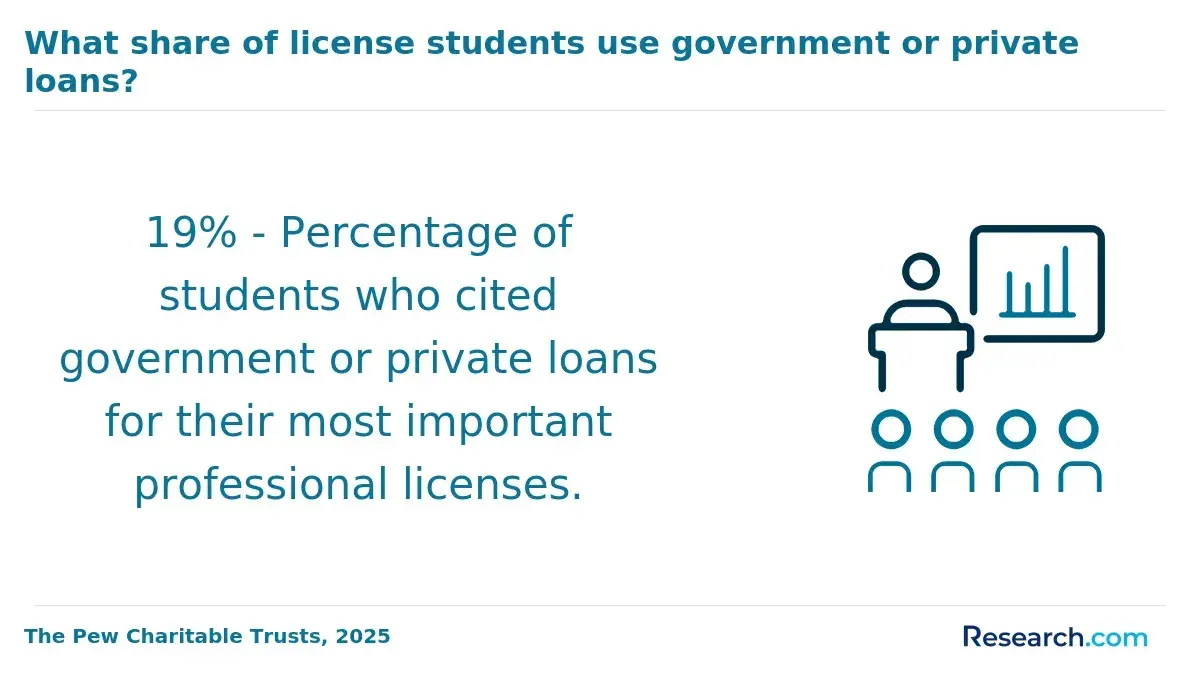
Graduate students pursuing a one-year online supply chain management master's financial aid options should prioritize completing the FAFSA early. Federal aid, such as Direct Unsubsidized Loans and Graduate PLUS Loans, is typically available, but accelerated program timelines require careful attention to unique start dates and submission deadlines.
Work-study opportunities may be limited due to online formats and condensed schedules, yet remain worth investigating for additional support.
Merit-based scholarships and departmental fellowships provide important supplemental funding for accelerated supply chain management master's programs. These awards often depend on strong academic records or relevant professional background and are highly competitive. employer tuition reimbursement plans offer another practical route for working students to lessen education costs while continuing their careers.
- Federal Financial Aid Eligibility: Graduate students can access unsubsidized and PLUS loans through early FAFSA submission. Accelerated degrees demand timely applications aligned with nontraditional academic calendars.
- Merit-Based Scholarships and Fellowships: Universities offer scholarships and fellowships based on academic excellence or professional achievements to reduce overall expenses for qualified candidates.
- Employer Tuition Reimbursement: Many employers support employees' advanced education with reimbursement programs that can significantly offset tuition fees.
- Work-Study Availability: Although more limited in online accelerated programs, exploring work-study options may provide useful financial assistance.
- Additional Funding Resources: Consulting program financial aid offices and leveraging tools like the College Board's Scholarship Search help identify other scholarships and grants.
Recent data show nearly 60% of graduate students utilize federal loans, highlighting the importance of early financial planning. Prospective students might also explore related fields such as the cheapest counseling degree online for ideas on affordable pathways.
What GPA, Prerequisites, and Professional Experience Do One-Year Supply Chain Management Master's Programs Require?
A typical minimum GPA for one-year online supply chain management master's programs hovers around 3.0 on a 4.0 scale. However, admissions committees usually evaluate applicants' undergraduate institutions and grading systems to assess academic performance fairly, sometimes allowing flexibility for slightly lower GPAs when the overall profile is strong.
Foundational prerequisite coursework commonly includes subjects such as statistics, economics, operations management, and introductory supply chain or logistics classes. Applicants missing these may need to complete leveling courses before starting the core curriculum to keep pace with accelerated program demands.
Professional experience plays an increasingly important role in admissions. Many programs waive GRE or GMAT requirements if candidates demonstrate relevant work history, typically ranging from one to three years in supply chain or related fields. This practical background often strengthens applications and signals readiness for the fast-paced nature of these master's degrees.
Each program sets its own standards, so thorough review of specific admissions pages is essential rather than assuming universal criteria.
- Minimum GPA Requirements: Usually about 3.0, though holistic admissions can accommodate exceptions based on institution grading and candidate profile.
- Prerequisite Coursework: Includes statistics, economics, and basic supply chain courses; missing requirements may require completion before full enrollment.
- Significance of Professional Experience: Relevant work often substitutes for test scores and boosts competitive standing in admissions.
- Program Variability: Admissions criteria differ widely; applicants should verify details directly with each program.
- Growing Trend: Over 60% of accelerated supply chain programs now prioritize professional experience within their admissions process.
A professional who built her career after completing an online supply chain management master's recalled the challenge of bridging gaps in her prerequisite knowledge while balancing full-time work. "I had to take a few leveling courses to feel confident starting the program," she explained. "Thankfully, my previous jobs gave me real-world experience, which made the course material more relatable and helped with test waivers."
She found that this combination of practical background and refreshed academic foundations was crucial to succeeding in the accelerated format, emphasizing that clear communication with admissions and readiness to address any prerequisite shortfalls made the process far smoother than expected.
Are GRE or GMAT Scores Still Required for Accelerated Online Supply Chain Management Master's Admissions?
Many accelerated online Supply Chain Management master's programs have moved toward either test-optional or test-free admissions policies, reflecting a wider shift in graduate education following the COVID-19 pandemic. Schools increasingly acknowledge the limitations standardized tests like the GRE or GMAT impose on diverse applicant groups and are adjusting their requirements accordingly.
Although several programs have removed mandatory GRE or GMAT submissions, some continue to require test scores in certain cases. For example, applicants with a lower undergraduate GPA or limited relevant professional experience may need to provide exam results to verify their academic preparedness.
Conversely, candidates with extensive work experience or strong professional credentials often qualify for waivers, substituting practical knowledge and accomplishments for test performance.
Prospective students should review each institution's current admissions policies closely, as criteria can vary widely and adapt frequently. It is common for schools to accept alternatives such as letters of recommendation, certifications, or documented business achievements instead of standardized scores.
This flexible framework enables candidates from different backgrounds to pursue advanced education without unnecessary hurdles.
- Increase in Test-Optional Admissions: A growing number of accelerated Supply Chain Management master's programs no longer require GRE/GMAT scores, particularly for applicants with strong academic records or relevant career experience.
- Varied Waiver Conditions: Programs demanding exam scores typically provide waivers based on factors like undergraduate GPA, pertinent work history, or professional certifications, creating routes accessible to qualified professionals.
- Professional Experience as a Substitute: Comprehensive portfolios and substantive career accomplishments are frequently accepted in lieu of standardized tests, emphasizing real-world expertise over exam results.
- Importance of Updated Policy Review: Since admissions rules change often, candidates should regularly consult official school admissions pages for the latest requirements and waiver possibilities.
- Recent Statistics: A 2023 survey of graduate business programs reported that 68% of Supply Chain Management master's programs officially allow test score waivers for eligible applicants.
How Are Courses Structured and Delivered in a One-Year Online Supply Chain Management Master's Program?
One-year online supply chain management master's programs commonly utilize a mix of synchronous and asynchronous delivery models to suit diverse learner needs. Synchronous components feature live virtual classes or discussions that encourage active interaction with instructors and peers, while asynchronous elements provide flexibility by allowing students to review lectures, readings, and assignments at their own pace.
This hybrid approach is especially valuable in accelerated formats where schedules are compressed.
The accelerated nature of these programs means each semester or term is shorter and more intensive, often requiring students to complete 12 to 15 credit hours per term compared to the traditional 9 to 12. Weekly study commitments typically range from 20 to 30 hours, including engaging in coursework, discussions, and assignments which are often due weekly or biweekly to keep pace with the fast-moving curriculum.
Capstone projects, practicums, or thesis work are integral parts of these programs and usually take place in the final term. These academic components focus on applying supply chain management theories to real-world situations, often involving partnerships with companies or case studies, thereby enhancing professional readiness within the expedited one-year timeframe.
- Synchronous vs. Asynchronous Delivery: Programs blend real-time online classes with self-paced content, optimizing interaction and flexibility for working professionals and global students.
- Compressed Academic Terms: Heavier credit loads per term demand disciplined time management and consistent weekly study habits to handle the accelerated pace.
- Capstone and Thesis Integration: Final projects synthesize academic knowledge with practical applications, ensuring skill mastery during the concluding term.
- Weekly Study Requirements: Students should allocate 20-30 hours weekly for lectures, readings, and assignments to maintain steady progress in accelerated courses.
- Practical Experience Opportunities: Many programs include practicums or experiential projects linking theoretical concepts to industry supply chain challenges.
According to recent data, 68% of accelerated master's students report high satisfaction with blended delivery formats, underscoring the effectiveness of combining synchronous and asynchronous learning in maintaining student engagement and successful outcomes.
What Core Curriculum and Specialization Tracks Are Covered in a One-Year Online Supply Chain Management Master's Degree?
One-year online supply chain management master's degree programs deliver a focused curriculum combining essential topics such as supply chain strategy, logistics management, operations planning, procurement, and data analytics. These core courses provide a comprehensive understanding of the supply chain lifecycle while integrating practical skills needed for today's workforce.
Specialization tracks in accelerated supply chain management master's programs allow students to concentrate on areas like global supply chain analytics, sustainable supply chain management, logistics and transportation, or procurement and sourcing management, enhancing career readiness for specialized roles including supply chain analyst, procurement manager, or logistics coordinator.
Compared to traditional two-year programs, accelerated curricula condense content by reducing electives and combining interdisciplinary themes. While some depth may be sacrificed, this design emphasizes rapid skill acquisition and practical applications, enabling quicker workforce entry.
Reputable programs continuously review and update their core courses to align with evolving industry trends such as digital supply chains, AI integration, and sustainability practices, ensuring graduates are equipped for current and emerging challenges.
Prospective students weighing options might also consider advanced pathways, including a doctorate in organizational leadership, to complement supply chain expertise. Thorough evaluation of core courses, specializations, and curriculum pacing is vital when choosing an accelerated program.
- Core Courses Integration: Programs emphasize foundational disciplines like logistics, operations, procurement, and analytics to establish a solid knowledge base essential for supply chain management professionals.
- Specialization Tracks: Customizable concentrations in sustainable supply chains, global logistics, and procurement sharpen expertise tailored to niche industry demands and career objectives.
- Accelerated Curriculum Design: Intensive one-year formats compress traditional curricula, prioritizing practical skills and current industry tools over elective breadth.
- Industry Alignment: Curricula are regularly updated based on advisory boards and labor market analyses to incorporate cutting-edge technologies and evolving market needs.
- Career Readiness Focus: Applied coursework and focused specializations enhance employability, preparing graduates for diverse roles across supply chain subfields.
How Do One-Year Online Supply Chain Management Programs Balance Academic Rigor With Accelerated Completion?
One-year online supply chain management master's programs maintain academic rigor through carefully structured curriculum and support mechanisms, addressing concerns that accelerated pacing compromises quality. These programs utilize cohort models that foster peer collaboration and engagement, while block scheduling and intensive modules focus coursework into concentrated timeframes that boost knowledge retention.
Such designs balance the challenges of a compressed schedule with effective learning.
Faculty qualifications are central to upholding standards. Professors typically hold advanced degrees combined with industry experience, ensuring instruction is both academically rigorous and practically relevant.
Alongside this, robust student support services including personalized advising, tutoring, and career coaching help learners adapt to the program's pace and prepare for career success.
Evidence from employer surveys and graduate outcomes affirms that accelerated supply chain management master's degree rigor rivals that of longer programs, with graduates demonstrating comparable proficiency and workplace performance. Prospective students should prioritize programs that provide transparent job placement data and maintain strong alumni networks as indicators of academic quality and professional advancement.
- Cohort Models and Intensive Scheduling: Cohorts create a sense of community, allowing students to progress together and stay motivated. Intensive modules concentrate study periods, which aids mastery despite accelerated pacing.
- Experienced Faculty: Instructors bring a mix of scholarly credentials and real-world supply chain management expertise, integrating theory and practice to sustain rigorous standards.
- Comprehensive Student Support: Advising, tutoring, and career services equip students to manage workload challenges and transition smoothly into employment upon graduation.
- Positive Learning Outcomes: Employer feedback and surveys indicate graduates perform on par with peers from traditional timelines, supporting confidence in the program's effectiveness.
- Strong Alumni Networks and Placement Data: Clear employment statistics and active alumni communities serve as reliable markers of accelerated programs' career impact.
For readers exploring accelerated programs, additional insights into related fields are available through resources such as PsyD programs USA, which provide a comparative perspective on accelerated degree structures.
What Technology Tools and Software Skills Are Students Expected to Learn in an Online Supply Chain Management Master's Program?
One-year online supply chain management master's programs commonly integrate essential software and analytical platforms that mirror real-world industry tools. Mastery of these applications enables graduates to enhance operations, anticipate demand, and effectively manage complex networks, meeting employer demands for digital proficiency.
Prospective students should have a reliable laptop meeting technical specifications, a stable high-speed internet connection, and access to specialized software, often included or discounted by programs to facilitate practical learning. Nearly 70% of supply chain positions as of 2023 require advanced analytical or software capabilities, underscoring the critical nature of these competencies.
- Enterprise Resource Planning (ERP) Systems: Programs teach platforms like SAP and Oracle to offer integrated oversight of procurement, production, and distribution, fostering a seamless flow of supply chain data.
- Advanced Analytics Platforms: Tools such as Tableau and Microsoft Power BI enable students to visualize and analyze data, supporting informed decision-making and accurate forecasting.
- Supply Chain Simulation Software: Applications like AnyLogic and Llamasoft allow users to build and test supply chain models, promoting strategic optimization through simulated environments.
- Inventory and Warehouse Management Systems: Training includes software like Manhattan Associates that improves stock control, order processing, and logistics coordination.
- Collaboration and Project Management Tools: Platforms like Microsoft Teams and Asana enhance communication and team coordination skills vital for managing global supply chains.
Can Students Pursue a One-Year Online Supply Chain Management Master's Degree While Working Full-Time?
A one-year online supply chain management master's degree typically requires 12 to 15 credit hours per term, equating to roughly 30 to 45 hours of weekly coursework. This includes attending lectures, completing readings, assignments, and participating in group projects.
The actual time commitment varies based on credit load and whether classes are asynchronous, which lets students study more flexibly. Many working professionals use time-blocking to dedicate specific periods during evenings or weekends for focused study.
Employer policies like flexible hours or remote work arrangements can also significantly help in managing this accelerated pace. Surveys from multiple programs reveal that approximately 60% of students manage full-time jobs while enrolled, demonstrating the balance is feasible with effective planning.
Prospective students are advised to clarify important details before enrollment:
- Workload Expectations: Inquire about the average weekly time commitment for full-time workers and how varying credit loads influence this demand.
- Course Schedule Flexibility: Ask whether classes are offered asynchronously and if deadlines accommodate professional commitments.
- Employer Support Resources: Determine if the program provides materials or guidance to facilitate negotiations for flexible work arrangements.
- Peer and Faculty Support: Explore availability of tutoring, mentoring, or other resources to help manage the fast-paced curriculum.
- Completion Rates Among Working Students: Request data on how many students balancing full-time employment successfully graduate within the one-year timeframe.
What Graduates Say About Their One-Year Online Supply Chain Management Master's Degree Program
- Joseph: "Choosing an online supply chain management master's degree was a game-changer for me as I sought to transition from retail to logistics. The flexibility allowed me to balance work and study without compromising my income, and the relatively affordable tuition made it a practical investment. Since graduating, I've moved into a strategic role that I previously thought was out of reach."
- Tracy: "Reflecting on my journey, the decision to pursue an online supply chain management master's degree was driven by a desire to deepen my expertise while continuing to work full-time. The program's cost was significantly lower than traditional options, which eased financial pressure. Professionally, this degree has not only enhanced my knowledge but also opened doors to leadership opportunities within my company."
- Monique: "As a seasoned professional, I sought an online supply chain management master's degree to formalize my experience and stay competitive. I appreciated how the curriculum was tailored to industry trends and how the online format respected my busy schedule. The investment has paid off through promotions and an expanded network of peers in the field."
Other Things You Should Know About Supply Chain Management Degrees
Many online supply chain management master's programs in 2027 require between 30 to 45 credit hours for completion. While fulfilling these credits is feasible within a year, balancing coursework with personal and professional commitments can be challenging, demanding careful time management.
Graduates with a one-year online supply chain management master's degree often see significant salary increases, typically ranging from 10% to 25% depending on prior experience and industry. The degree also enhances career prospects by qualifying candidates for managerial or specialized roles in logistics, operations, and procurement. Employers value the practical skills and strategic knowledge gained through these accelerated programs, which can lead to faster promotion paths.
Employers generally view one-year online supply chain management master's degrees favorably if the institution is accredited and the curriculum is comprehensive. Many recognize that accelerated programs attract motivated professionals who can manage demanding schedules and learn efficiently. However, some employers still prefer traditional programs for roles requiring extensive research or theoretical expertise, so the reputation of the school and evidence of hands-on experience are important factors.
References
- Degree Structure https://www.tue.nl/en/education/graduate-school/masters-track-supply-chain-management/degree-structure
- 18 Master's Degree Supply Chain Management Scholarships available https://www.hotcoursesabroad.com/study/international-scholarships/all/masters-degree/supply-chain-management/cid/98/zm.1/scholarship.html
- Online vs. On-Campus: Choosing the Right Format for Your Supply Chain Degree https://www.ucumberlands.edu/blog/online-vs-on-campus-choose-your-supply-chain-degree-format
- Skills to Secure Place in Digital Supply Chain Organization https://www.toolsgroup.com/blog/digital-supply-chains-skills/
- Funding Your M.S. in Supply Chain Management https://www.slu.edu/business/graduate/supply-chain-management/funding-your-ms-scm.php
- Modern Logistics and Supply Chain Management https://www.lazarski.pl/en/offer-education/recruitment/graduate-studies/modern-logistics-and-managing-supply-chain-bachelors-degree
- BA in Supply Chain Management | UAGC https://www.uagc.edu/online-degrees/bachelors/supply-chain-management
- Master in Supply Chain Management - United International Business School (UIBS) https://www.uibs.org/graduate/master/concentrations/supply-chain-management/
- Master in Supply Chain Management | Rome Business School https://romebusinessschool.com/master-in-logistics-supply-chain-management-online/
- 9 top tips for balancing an online master's degree with full-time work https://online.kcl.ac.uk/blog/top-tips-for-balancing-an-online-masters-degree-with-full-time-work