2027 One-Year Online Women's Health Nurse Practitioner Master's Degree Programs: Accelerated Options, Costs & Outcomes

Co-Founder and Chief Data Scientist
Many professionals with unrelated undergraduate degrees face the challenge of entering the healthcare sector without lengthy delays. For those aiming to become women's health nurse practitioners, finding a fast, accredited program is crucial for career shifts. Data shows more than 35% of students in online women's health nurse practitioner master's programs prioritize accelerated options to meet workforce demands swiftly.
However, costs and job outcomes remain major concerns. This article examines one-year online women's health nurse practitioner master's degree programs, focusing on accelerated pathways, financial considerations, and employment prospects to assist prospective students in making informed decisions.
Key Things to Know About One-Year Online Women's Health Nurse Practitioner Master's Degree Programs
- Online women's health nurse practitioner master's programs offer flexible schedules that accommodate working professionals and career changers, balancing employment and study commitments.
- The accelerated one-year format enables rapid skill acquisition, allowing students to enter the workforce or switch careers more quickly than traditional programs.
- International applicants benefit from global networking opportunities, gaining access to diverse clinical perspectives and professional connections vital for career growth.
What Exactly Is a One-Year Online Women's Health Nurse Practitioner Master's Degree Program, and How Does It Differ from a Standard Graduate Format?
One-year online women's health nurse practitioner master's degree programs offer an accelerated pathway to advanced nursing practice with a concentrated focus on women's health. Unlike traditional two-year or part-time formats, these programs compress the full curriculum into an intensive, full-time structure, enabling students to complete their degree in approximately 12 months. This accelerated format is made possible by back-to-back compressed semesters and a heavier course load per term, which demands excellent time management and dedication.
For example, Emory University and the University of Texas at Austin provide such accelerated options, integrating rigorous coursework and clinical training within this shortened timeframe. These programs combine synchronous and asynchronous learning modalities, presenting some flexibility, yet maintaining a pace that is significantly faster than standard graduate timelines. This model caters especially to those needing rapid credentialing to enter or re-enter the workforce.
The one-year online women's health nurse practitioner master's program curriculum differences emphasize the intensity and structure compared to longer programs, which often allow for part-time study. Accelerated programs are ideal for working adults, career changers, and recent graduates who aim to obtain their master's degree swiftly and start clinical practice without delay.
- Accelerated Curriculum: Condenses traditional two-year coursework into full-time, back-to-back semesters with a demanding workload that requires strong commitment and time management.
- Flexible Delivery: Utilizes a blend of asynchronous lectures and synchronous sessions, offering limited scheduling flexibility despite the heightened program pace.
- Clinical Experiences: Ensures required practicum hours through partnerships with local health facilities, integrating hands-on training within the compressed timeline.
- Target Audience: Suited for career changers, working professionals, or recent graduates seeking to rapidly advance in women's health nurse practitioner roles.
- Selection Criteria: Typically involves a rigorous admissions process requiring high academic achievement, relevant RN licensure, and clinical experience to thrive in an accelerated setting.
Students interested in further advancing their qualifications can consider pursuing the shortest post master's DNP program, which builds on these accelerated master's credentials for expanded clinical and leadership roles.
Which Accredited Universities Currently Offer Legitimate One-Year Online Women's Health Nurse Practitioner Master's Programs?
When choosing accredited one-year online women's health nurse practitioner programs, regional accreditation is crucial. Regional accreditation signifies higher academic quality and institutional rigor in the U.S., impacting eligibility for federal financial aid, credit transfers, and professional licensure. In contrast, nationally accredited programs may lack the rigorous standards necessary for graduate healthcare education or state nursing boards.
Specialized programmatic accreditation, such as from the Commission on Collegiate Nursing Education (CCNE) or the Accreditation Commission for Education in Nursing (ACEN), further ensures curriculum quality and licensure support. Note that accreditors like AACSB, CAHME, and ABET focus on business, healthcare management, or engineering and do not cover nursing.
Here are five regionally accredited universities, one from each major U.S. region, offering accelerated, one-year online master's degrees in women's health nurse practitioner studies:
- Northeast - Georgetown University: Accredited by the Middle States Commission on Higher Education, Georgetown provides a CCNE-accredited program that can be completed in roughly 12 months with tuition near $40,000.
- Midwest - University of Michigan-Flint: Regionally accredited by the Higher Learning Commission, its accelerated online program holds CCNE accreditation and costs around $30,000.
- South - Emory University: Accredited by the Southern Association of Colleges and Schools, Emory offers an ACEN-accredited women's health nurse practitioner master's program online in about one year for approximately $45,000.
- West - University of Washington: Accredited by the Northwest Commission on Colleges and Universities, this CCNE-accredited program takes 12 months with tuition close to $35,000.
- Southwest - Texas Women's University: Accredited by the Southern Association of Colleges and Schools, it offers a blended online program over one year with current ACEN accreditation and tuition around $25,000.
Prospective students looking for the best accelerated women's health nurse practitioner master's degrees online can explore reputable databases like Peterson's or the U.S. Department of Education's College Navigator to verify program accreditation and details. Additionally, applicants interested in the easiest online DNP programs may find these platforms helpful for broader doctoral options.
How Much Does a One-Year Online Women's Health Nurse Practitioner Master's Program Typically Cost in Tuition and Fees?
Tuition for one-year online women's health nurse practitioner master's programs varies notably between public and private schools. Public universities typically charge full-time in-state students between $15,000 and $30,000, while out-of-state learners often face higher costs, ranging from $30,000 to $50,000. Private institutions generally have steeper tuition rates for accelerated formats, often falling between $40,000 and $70,000. These amounts represent basic tuition fees, and additional expenses commonly apply.
Beyond tuition, students should anticipate fees for technology used to access online coursework, usually between $200 and $500. Course materials such as textbooks and specialty software can add another $500 to $1,000 annually. Some programs impose fees for online exam proctoring, generally costing from $50 to $150 per exam. While most accelerated programs minimize in-person requirements, a few still require short residencies or clinical intensives, which might result in travel and lodging costs.
- Tuition Variation by Institution Type: Public schools offer lower tuition for in-state students but charge more for out-of-state candidates, whereas private schools tend to have consistent, higher tuition regardless of residency.
- Technology Fees: Nearly all programs require a technology fee to maintain online platforms and provide digital access to courses, which should be budgeted for upfront.
- Material and Exam Expenses: Students should factor in the cost of textbooks, clinical software subscriptions, and fees associated with proctored online exams, which vary by program.
- On-Campus or Clinical Residencies: A limited number of accelerated tracks request brief onsite sessions that can increase total costs due to travel and accommodation needs.
- Financial Transparency Is Key: Prospective enrollees must seek full cost-of-attendance disclosures from every institution to uncover mandatory fees and accurately assess affordability.
According to the National Center for Education Statistics, the average net price for graduate nursing students at public universities hovers around $18,000 per year, reflecting the actual out-of-pocket expenses after accounting for financial aid.
A professional who pursued an online women's health nurse practitioner master's degree to change careers described the financial planning process as "challenging but essential." He noted that securing a detailed cost breakdown helped him avoid unexpected expenses, especially with technology fees and occasional travel for clinical intensives.
"Balancing the accelerated pace with budget constraints meant meticulously reviewing every fee and anticipating additional costs," he shared. This careful preparation ultimately made financing and completing the program more manageable amidst the fast-tracked curriculum demands.
What Financial Aid and Scholarship Options Are Available for One-Year Women's Health Nurse Practitioner Master's Students?
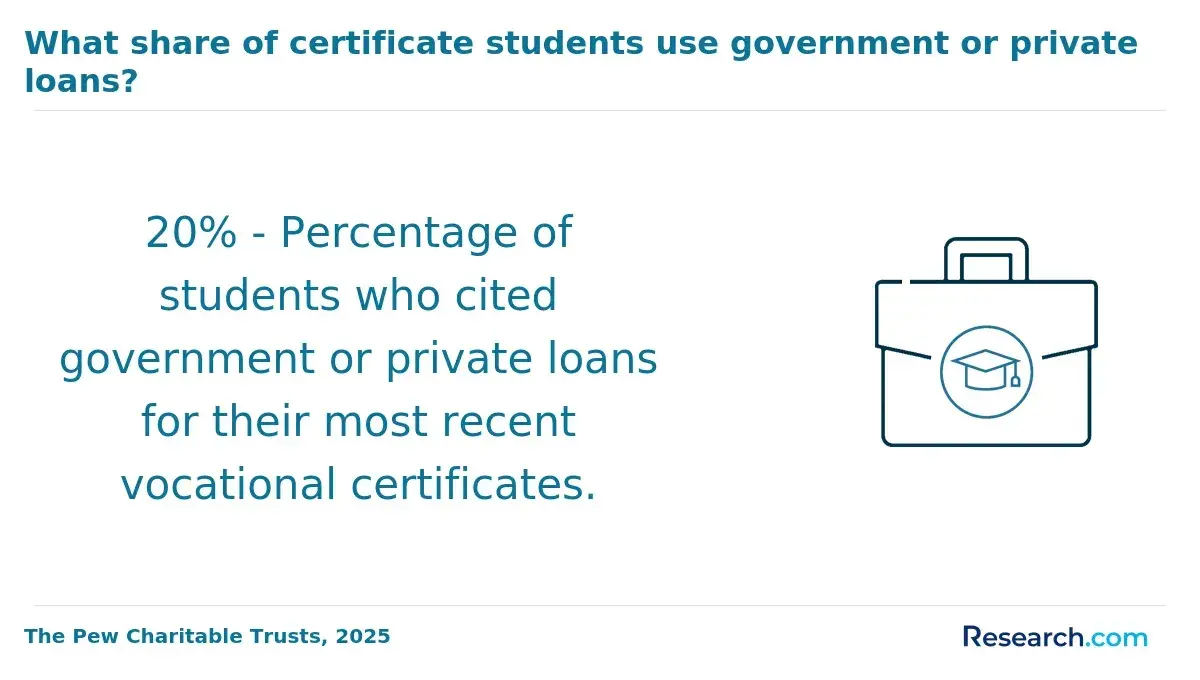
Graduate students pursuing one-year online women's health nurse practitioner master's programs have access to various federal financial aid options, including loans and work-study opportunities. Completing the FAFSA is crucial, especially since accelerated program start dates might require earlier submissions or separate applications compared to traditional graduate programs. Students should verify deadlines to avoid missing out on aid eligibility.
Merit-based scholarships provide additional financial support, commonly awarded for academic excellence, leadership, or clinical accomplishments. These scholarships may come from universities, nursing associations, or external organizations. Departmental fellowships, while limited and competitive, often offer stipends or tuition benefits tied to academic or clinical work within the program.
Employer tuition reimbursement programs are another valuable resource, enabling nurses to offset education costs while continuing to work. Many healthcare employers encourage career advancement by covering partial or full tuition if students meet specific employment criteria. Prospective students should also utilize resources like the College Board's Scholarship Search tool and consult financial aid offices for personalized guidance.
Recent trends indicate that about 60% of graduate nursing students utilize federal loan programs to finance their degrees, highlighting the importance of balancing loans with scholarships and reimbursement opportunities. For those exploring accelerated options, it's helpful to examine tuition structures and financial aid packages carefully.
- Federal Aid Through FAFSA: Applying via FAFSA is mandatory for accessing federal loans and work-study funds. Early filing is essential due to accelerated program timelines that may have unique deadlines.
- Merit-Based Scholarships: Scholarships awarded based on merit can reduce costs significantly, often requiring separate applications from the main admissions process.
- Departmental Fellowships: These limited awards typically include tuition remission or stipends linked to research or clinical contributions within the program.
- Employer Tuition Reimbursement: Working nurses may receive partial or full tuition coverage through employer programs aimed at supporting professional development.
- External Scholarship Resources: Tools like the College Board's Scholarship Search help identify supplemental funding options beyond institutional offerings.
For more information on affordable options, consider exploring a nurse practitioner degree online program.
What GPA, Prerequisites, and Professional Experience Do One-Year Women's Health Nurse Practitioner Master's Programs Require?
Accelerated one-year women's health nurse practitioner master's programs typically require a minimum undergraduate GPA of around 3.0 on a 4.0 scale, though some schools may be flexible if supplemented by strong professional experience or additional coursework. Programs assess grades from different institutions with attention to academic rigor and relevance to nursing practice.
- Prerequisite Coursework: Common required courses include human anatomy and physiology, microbiology, nutrition, and statistics. Applicants missing these may complete them before enrollment or during a preparatory phase, ensuring foundational knowledge prior to advanced study.
- Professional Experience: Many programs strongly value hands-on nursing practice, especially as a registered nurse. This experience can sometimes replace standardized test requirements like the GRE, highlighting practical readiness over exam scores.
- Admissions Variability: Criteria vary substantially between programs; some emphasize GPA, others prioritize clinical experience or prerequisite mastery. International candidates must carefully verify credential equivalencies and course requirements.
- Flexible Admission Trends: Nearly 40% of accelerated programs now adopt more adaptable entry standards to support career changers and nontraditional students, balancing inclusivity with academic quality.
One professional who advanced her career through an online women's health nurse practitioner master's program shared that meeting all prerequisites initially felt daunting, especially balancing her current job. "I appreciated programs that allowed me to complete missing courses before officially starting," she said.
She noted that her clinical experience as an RN was crucial in bypassing standardized testing, which eased her application stress. Reflecting on the process, she emphasized the importance of thoroughly reviewing program requirements and taking advantage of any preparatory options to build confidence and ensure readiness for the intense, accelerated curriculum.
Are GRE or GMAT Scores Still Required for Accelerated Online Women's Health Nurse Practitioner Master's Admissions?
Many accelerated online women's health nurse practitioner master's programs have shifted toward test-optional or test-free admissions policies, especially after the COVID-19 pandemic disrupted standardized testing availability. This change reflects a wider move in graduate nursing education toward evaluating candidates on a broader range of criteria beyond GRE or GMAT scores.
Programs that maintain standardized test requirements typically do so only for applicants who do not meet minimum GPA standards or lack sufficient clinical experience. In many cases, these programs offer waivers if candidates provide a compelling professional portfolio highlighting relevant nursing experience, leadership, or certifications. Such waivers emphasize practical accomplishments and allow applicants to demonstrate readiness without relying on test scores.
Applicants are encouraged to verify the most current admissions requirements on each program's official website, as policies can vary and are frequently updated. Some institutions specify detailed criteria for granting test waivers, while others have eliminated testing requirements entirely for women's health nurse practitioner applicants in the wake of pandemic-related changes.
- Test-Optional and Test-Free Policies: Increasingly, programs avoid mandatory GRE or GMAT scores, focusing instead on academic records, experience, and recommendations to improve accessibility post-pandemic.
- Waivers Through Professional Experience: Strong clinical backgrounds and demonstrated leadership often qualify candidates for GRE/GMAT waivers, easing entry for experienced nurses.
- Conditional Testing Requirements: Some programs require test scores only if an applicant's GPA is below a certain threshold or prerequisites are incomplete, making testing situational rather than universal.
- Holistic Admissions Approach: Admissions committees place greater emphasis on comprehensive evaluations including work history and personal statements, reducing reliance on exam results.
- Dynamic Policy Changes: Given frequent updates to admissions standards, prospective students should consult official program pages regularly for accurate test requirement information.
By 2023, about 65% of graduate nursing programs had adopted test-optional policies, highlighting a growing preference for flexibility in admissions over mandatory standardized testing.
How Are Courses Structured and Delivered in a One-Year Online Women's Health Nurse Practitioner Master's Program?
One-year online women's health nurse practitioner master's programs utilize both synchronous and asynchronous delivery models to optimize learning within an accelerated timeframe. Synchronous sessions include live lectures, virtual discussions, and weekly clinical debriefings, promoting real-time interaction. Asynchronous components offer recorded lectures, readings, and discussion boards, allowing students to control their study schedules while balancing a demanding curriculum.
The compressed semester format requires students to take 12 to 15 credit hours per term, significantly heavier than traditional loads. Weekly study expectations range from 30 to 40 hours, encompassing coursework, clinical hours, and assignments spaced consistently throughout the term to maintain engagement and support knowledge retention.
Capstone projects, clinical practicums, or scholarly theses are essential components integrated into the one-year timeline. Practicums typically involve 600 or more supervised clinical hours completed alongside coursework, guided by preceptors and faculty. Capstone or thesis work emphasizes evidence-based practice and women's health policy, usually finalized during the program's last term.
Recent studies reveal that over 70% of accelerated women's health nurse practitioner students report higher perceived stress levels compared to traditional students, underscoring the need for effective time management and institutional support.
- Blended Delivery Models: Combining live interactive sessions with flexible self-paced materials enables comprehensive engagement within an accelerated schedule.
- Compressed Semester Structure: Heavy credit loads and 30-40 weekly study hours create an intensive yet manageable academic rhythm with frequent assessments.
- Clinical Practicums: Hands-on clinical experience with preceptor supervision enhances practical skills and professional readiness throughout the year.
- Capstone and Thesis Work: Focused scholarly projects on women's health topics integrate clinical knowledge with research, culminating the curriculum.
- Student Support Needs: Elevated stress levels call for strong academic advising, mental health resources, and time-management strategies to support student success.
What Core Curriculum and Specialization Tracks Are Covered in a One-Year Online Women's Health Nurse Practitioner Master's Degree?
One-year online women's health nurse practitioner core curriculum typically integrates essential nursing knowledge with specialized clinical skills tailored to women's comprehensive healthcare needs. Coursework emphasizes advanced pathophysiology, pharmacology, physical assessment, and primary care management, focusing on female patients across the lifespan to ensure thorough clinical competence.
Accelerated women's health nurse practitioner specialization tracks online provide students options such as adolescent gynecology, perinatal care, or chronic disease management in women. These focused concentrations enhance career readiness by preparing graduates for targeted roles within specific subfields, improving practical expertise and employability in specialized clinical settings.
Compared to traditional two-year master's formats, accelerated programs compress foundational content into an intense one-year timeline. While core curriculum depth remains robust, students experience fewer elective options and may encounter limited clinical practicum hours, demanding strong time management and occasionally prior clinical experience for success.
Reputable programs continuously update their curriculum following guidelines set by accrediting bodies like the National Organization of Nurse Practitioner Faculties (NONPF). This ongoing review ensures coursework remains current with best practices, emerging research, and evolving healthcare policies specific to women's health.
- Core Clinical Foundations: Emphasizes advanced health assessment, pharmacology, and pathophysiology to equip students with the critical skills required to manage diverse women's health issues effectively.
- Specialization Tracks: Offers focused study areas such as adolescent gynecology and perinatal care, enhancing clinical competence and targeted career opportunities.
- Curriculum Compression: Condenses two years of comprehensive study into a demanding one-year program, maintaining depth but requiring intensive study and discipline.
- Clinical Practicum Integration: Includes hands-on clinical experiences tailored to women's health, though total practicum hours may be fewer than in longer programs.
- Ongoing Curriculum Review: Regularly updated coursework reflects contemporary safe practices, regulatory standards, and technological advances to maintain accreditation and relevance.
Prospective students should also consider tuition structures and financial aid opportunities when evaluating these accelerated programs. For detailed data on cost-related aspects comparable to accelerated master's programs, exploring resources such as the MHA degree cost can provide valuable insights into managing total educational expenses.
How Do One-Year Online Women's Health Nurse Practitioner Programs Balance Academic Rigor With Accelerated Completion?
Concerns often arise that compressed one-year online women's health nurse practitioner programs sacrifice academic rigor for speed. However, multiple studies and outcome data reveal that graduates of these accelerated programs perform equally well on certification exams and clinical evaluations when compared to traditional programs. These findings affirm that academic rigor in accelerated women's health nurse practitioner programs is preserved through intentional design features.
Programs address balancing accelerated online nurse practitioner program demands by implementing cohort learning models that build peer support and promote accountability. Block scheduling combined with intensive learning modules, lets students concentrate deeply on specific subjects without cognitive overload.
Faculty are highly qualified, usually with terminal degrees and extensive clinical experience, which ensures expert instruction and mentorship. Comprehensive student support services-including advising, tutoring, and career coaching-provide crucial help in managing the demanding pace and fostering professional growth.
- Cohort Learning and Peer Support: Accelerated programs use cohort models to develop communities that encourage collaboration and accountability, helping to maintain rigorous standards despite the condensed timeline.
- Intensive Scheduling and Curriculum Design: Block scheduling and focused modules enable students to engage deeply with core content over short periods, enhancing retention and limiting burnout.
- Experienced Faculty and Expert Instruction: Faculty typically hold advanced clinical and academic credentials, offering expert mentorship that supports high-quality learning.
- Student Services and Academic Support: Comprehensive advising, tutoring, and career counseling help students navigate accelerated demands while developing professional competencies.
- Alumni Success and Employment Outcomes: Programs with published job placement data and strong alumni connections demonstrate effective training and valued credentials in healthcare employment.
Prospective students should carefully review each program's curriculum depth, accreditation status, and learning outcomes. A robust alumni network and favorable employment statistics are practical indicators of program excellence. For those considering flexible pacing options beyond accelerated formats, exploring the best self-paced online college resources can provide valuable alternatives tailored to individual learning needs.
What Technology Tools and Software Skills Are Students Expected to Learn in an Online Women's Health Nurse Practitioner Master's Program?
One-year online women's health nurse practitioner master's programs require students to master several critical technology tools that mirror those used in clinical and academic settings. Proficiency in these applications ensures graduates meet employer demands for efficient patient care and data management. Students often need reliable computers with updated operating systems and internet speeds of at least 25 Mbps.
Many programs provide free or discounted software licenses to support learning without additional cost.
- Electronic Health Records (EHR) Systems: Training focuses on popular EHR platforms like Epic and Cerner, enabling accurate patient documentation and smooth interdisciplinary communication.
- Telehealth Platforms: Students gain experience with virtual care tools such as Doxy.me and Zoom for Healthcare, emphasizing secure remote patient assessments.
- Data Analytics Programs: Familiarity with software like SPSS, SAS, or REDCap equips students to analyze clinical data robustly and support evidence-based practice.
- Learning Management Systems (LMS): Platforms such as Blackboard or Canvas are used extensively for course engagement, delivering content and facilitating interaction.
- Technical Access and Support: Applicants must ensure access to necessary hardware and software, with some institutions subsidizing or providing licenses to reduce barriers.
Recent data from the American Association of Nurse Practitioners highlights that over 70% of nurse practitioners incorporate telehealth technologies regularly, underscoring the critical nature of technological proficiency in this field.
Can Students Pursue a One-Year Online Women's Health Nurse Practitioner Master's Degree While Working Full-Time?
Completing a one-year online women's health nurse practitioner master's program while working full-time demands managing 12 to 15 credit hours per semester, which often equates to 30 to 45 hours weekly, combining coursework, clinical duties, and study. Students balance this intense schedule by using strategies like time-blocking to dedicate specific periods for academics.
Employer flexibility, such as adjusted shifts or reduced hours, alongside asynchronous course formats, significantly helps working learners manage their responsibilities. Institutional surveys reveal that 20% to 35% of accelerated women's health nurse practitioner students maintain full-time jobs while enrolled, although this varies based on program demands and individual situations.
Prospective students should consult admissions counselors about workload and scheduling to ensure program compatibility with their commitments.
- Expected Weekly Time Commitment: Ask about average hours required for study and clinical work to prepare a realistic schedule reflecting both academic and personal obligations.
- Flexibility of Coursework: Determine if the program utilizes asynchronous classes or mandates synchronous attendance, which affects daytime availability.
- Support for Working Students: Inquire about advising services, counseling, and resources designed to assist those balancing employment with studies.
- Employer Accommodation Advice: Check whether the program provides documentation or recommendations to help negotiate flexible work arrangements.
- Clinical Placement Options: Explore if clinical hours can be completed during evenings or weekends to better fit around full-time employment.
What Graduates Say About Their One-Year Online Women's Health Nurse Practitioner Master's Degree Program
- Jan: "Choosing an online women's health nurse practitioner master's degree was a pivotal decision for me to transition from general nursing to a specialized career in women's healthcare. The flexibility of the program allowed me to continue working full-time without sacrificing my education. Additionally, the affordability compared to on-campus alternatives made it a practical choice, and now I find myself confident and well-prepared to advance my professional journey."
- Melanie: "Reflecting on my experience, enrolling in an online women's health nurse practitioner master's degree program was a strategic move that boosted my credentials while accommodating my busy schedule. The cost was manageable, especially considering the comprehensive curriculum that emphasized evidence-based practice. This degree has significantly enhanced my clinical decision-making skills, leading to greater responsibility and respect in my workplace."
- Shayla: "The reason I opted for an online women's health nurse practitioner master's degree was to pivot my career toward a more impactful role in women's health advocacy. The convenience of studying remotely saved me time and money, and the program's interactive format kept me engaged. Since graduating, I have witnessed a positive shift in my career trajectory, including better job prospects and the ability to make a tangible difference in patient care."
Other Things You Should Know About Women's Health Nurse Practitioner Degrees
While pursuing a one-year program offers faster completion, potential downsides include a more intensive workload, which can be challenging for individuals with work or family commitments. Additionally, accelerated programs might provide less time for experiential learning, crucial for building clinical skills and professional confidence.
Graduates of accelerated one-year online women's health nurse practitioner master's programs typically see salary increases due to their advanced credentials and clinical expertise. Many find faster career advancement opportunities in specialized women's health settings such as gynecology clinics, OB-GYN offices, and maternal health centers. The degree can also open doors to leadership or educational roles within healthcare institutions.
Yes, prerequisites often include a Bachelor of Science in Nursing (BSN), a valid registered nursing (RN) license, and relevant clinical work experience. Some programs may require coursework in specific areas like statistics or health assessment. These requirements ensure readiness for advanced studies.
References
- 10 Nursing Scholarships for Practitioners Attending Graduate Programs https://nursingcecentral.com/10-nursing-scholarships-for-practitioners-attending-graduate-programs/
- Top Accelerated Nurse Practitioner Programs | Online Options 2025 https://nurse.org/education/accelerated-np-programs/
- 2026 Best Online Nurse Practitioner (NP) Programs and Schools - Nurse Practitioner Degrees https://npdegrees.org/degrees/online-np-masters-degrees/online-nurse-practitioner-programs/
- FAQ: Are there any online WHNP programs that do not require the GRE for admission? https://www.onlinefnpprograms.com/faqs/online-whnp-programs-no-gre-required/
- Online Women's Health Nurse Practitioner (WHNP) Programs https://www.nursingcolleges.com/programs/whnp
- Scholarship Guide for Nurse Practitioner Schools - Rewards & Eligiblity https://www.npschools.com/blog/scholarships-for-np-students
- Direct-Entry MS in Nursing https://www.mghihp.edu/nursing/programs/direct-entry-ms-nursing
- Women's Health Nurse Practitioner Concentration MSN (Online) https://www.gcsu.edu/health/nursing/womens-health-nurse-practitioner
- JMIR Nursing - Digital Health Education and Training for Undergraduate and Graduate Nursing Students: Scoping Review https://nursing.jmir.org/2024/1/e58170/
- Online Master of Science in Nursing (MSN) Tuition Costs & Aid | SHU https://onlineprograms.sacredheart.edu/programs/masters-nursing/tuition/