
2027 Online BA in Psychology - General Psychology for Unit Secretaries: Choosing a Program Without Leaving Your Job
Audited and Verified:
Our Editorial and Data Verification Process
Research.com uses government datasets, official education statistics and primary institutional information to support its career and degree guides. Our review process checks factual accuracy, occupational definitions, source dates and the requirements associated with the credentials discussed.
How This Article Was Fact-Checked
Our editorial team verifies salary estimates, employment projections, education requirements and program information against original data providers and official organizations. Salary figures are checked against the relevant occupational definitions and reporting periods. Information about licensure, accreditation and required in-person training is reviewed separately.
Fact-checked and verified on:

Co-Founder and Chief Data Scientist
Unit secretaries already manage sensitive information, competing requests, and communication across care teams. An online BA in general psychology could build on that experience without requiring an immediate job change - but "online" does not necessarily mean compatible with rotating shifts. This guide explains how to check a program's schedule, transfer policies, curriculum, cost, and career relevance before enrolling. It also helps you decide whether a psychology degree is the right investment for your goal, or whether a more targeted qualification would get you there sooner.
Key Things You Should Know
- A workable program must accommodate your actual shifts, including exams, group work, and any required field experience - not just offer online lectures.
- Many bachelor's programs are built around roughly 120 semester credits; an official degree audit, not an advertised completion time, determines how much study remains after transfer.
- A general psychology BA can support nonclinical career moves, but it does not qualify you to diagnose patients, provide therapy, or practice as a licensed psychologist.
What Is an Online BA in General Psychology for Unit Secretaries?
An online Bachelor of Arts in general psychology is a broad undergraduate degree covering behavior, development, social interaction, and psychological research. "For unit secretaries" describes a potential fit, not a distinct credential: you would take the university's psychology curriculum while bringing experience from hospital or other healthcare-unit administration.
Your work may give you useful context for studying communication, stress, health behavior, and ethics. It does not replace research-methods training or authorize clinical duties. A general major makes the most sense if you want broad preparation for several nonclinical roles or possible graduate study. If your goal is specifically substance-use services, compare the required coursework and state credential rules with addiction psychology bachelor's curriculum options; a concentration alone is not a counseling license.
Is an Online Psychology Bachelor's Degree Accredited and Transferable?
Check the institution's accreditation through the U.S. Department of Education's accreditation database and confirm that the accreditor recognizes the institution at your intended enrollment date. The American Psychological Association does not accredit general psychology bachelor's programs. Institutional accreditation matters for educational quality review and can affect aid and future applications, but it does not guarantee that another school will accept every credit.
If you have prior college study, distinguish credits accepted from requirements satisfied. A hospital-administration course might transfer as an elective yet leave a psychology or general-education requirement unfinished. Ask the receiving school for a written degree audit showing major, general-education, elective, upper-level, and institutional-residency requirements. Send transcripts and course descriptions for statistics or psychology classes that may need individual review. For more detail on that distinction, see college credit evaluation for psychology majors.
Can You Earn a Psychology Degree Online While Working Full Time?
Yes, if the program's actual obligations fit your schedule. Asynchronous lessons can be completed outside a fixed class meeting, but deadlines may still fall during a run of shifts. Live discussions, proctored exams, group projects, research meetings, or placements can create obligations that recorded lectures do not reveal.
Before committing, request a recent syllabus for an introductory course and a required upper-level course. Compare their weekly deadlines with your longest or least predictable workweeks. Ask whether exams offer a time window, whether courses run in every term, and what happens if your schedule changes. Taking fewer courses may be more sustainable than choosing an accelerated psychology degree route; a shorter calendar is useful only if its workload is manageable.
Also check whether a capstone or internship is required. Your current unit may offer relevant administrative experience, but it counts as academic fieldwork only if the program approves the site, duties, and supervision. Patient information must remain within employer and program privacy rules.
Expect introductory psychology plus coursework in areas such as development, social psychology, cognition, biological foundations, and psychological disorders. Statistics and research methods are especially important: they teach you to judge evidence rather than mistake an association for proof that a service or intervention works. Requirements and course order vary by school.
For a unit secretary, useful electives might address health psychology, aging, cultural psychology, or organizational behavior. Choose them against a specific goal. For example, if you want to move toward service coordination, pair relevant electives with opportunities to demonstrate documentation, referral communication, and appropriate boundaries. If you are comparing a specialized degree, review its required courses rather than assuming a similarly titled elective provides the same preparation; forensic psychology degree formats and academic requirements illustrate how differently a specialization can be structured. Forensic coursework does not confer investigative or clinical authority.
Schools commonly ask first-year applicants for secondary-school records and transfer applicants for transcripts from prior colleges. GPA rules, application materials, transfer thresholds, and any separate admission process for the major belong to the individual institution. An unrelated associate degree or prior major does not automatically prevent admission.
Ask admissions which applicant category applies to you, then ask academic advising how your completed courses would fit the degree. If future graduate study is part of your plan, check its prerequisites separately; admission to a BA does not establish eligibility for a later master's. Even one-year online forensic psychology master's options may have distinct academic requirements and should not dictate your undergraduate choice unless that is a genuine goal.
The answer depends chiefly on credits that apply to the degree, course availability, and the number of courses you can manage while working. Many bachelor's degrees are designed around roughly 120 semester credits, but a school's audit determines your remaining requirements. Statistics may need to precede research methods, and a required course offered infrequently can delay graduation even when you have enough elective credits.
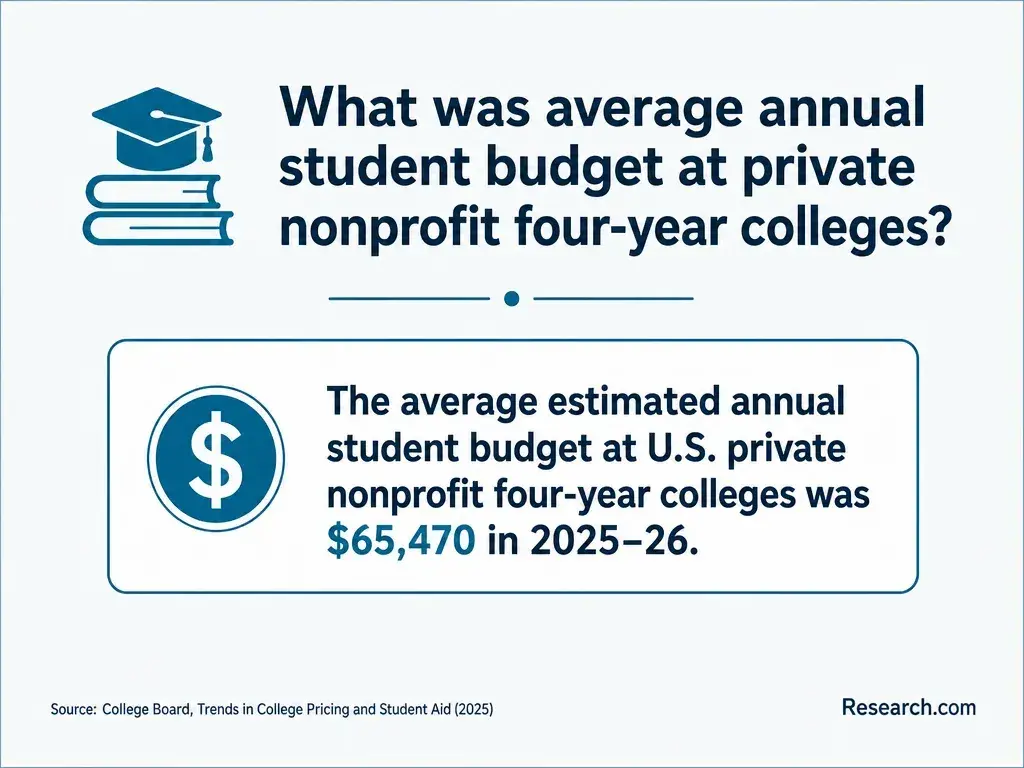
Compare a written estimate of remaining credits with the school's tuition basis - per credit, course, or term - and add required fees, books, technology, and any travel or placement expense. Ask your employer whether education assistance covers a psychology major, what grades or employment commitments it requires, and whether reimbursement arrives only after you pay. Federal aid eligibility also depends on the institution and your circumstances. Online psychology programs ranked by affordability can provide a starting shortlist, but your own remaining-credit estimate is the better basis for a cost comparison.
Your strongest immediate advantage may be the combination of a BA with healthcare operations experience - not the degree alone. Depending on employer requirements, plausible nonclinical directions include patient-services coordination, human-services support, community outreach, program administration, and entry-level research support. These jobs differ substantially: a research role may require data handling, while a service-coordination role may emphasize referrals, records, and communication.
Compare postings from your employer and nearby organizations before selecting electives. Identify the duties you already perform, the skills you still need, and whether a degree is required or merely preferred. If you are considering a specialized graduate path, examine the qualifications behind advertised roles rather than relying on lists of higher-paying career paths after forensic psychology graduate study. A forensic or general psychology degree does not itself qualify someone for licensed forensic assessment.
There is no single salary or growth rate for "psychology BA graduates." The U.S. Bureau of Labor Statistics reports wages and projections by occupation, not by undergraduate major. Its figures for social and human service assistants, for example, describe that occupation across workers with different educational backgrounds; they are not a forecast of what a unit secretary would earn after graduation.
For a useful comparison, find a specific target job, check its current Occupational Outlook Handbook profile, and compare local postings with your present pay and benefits. Some roles may offer more meaningful work without a pay increase, especially if a move means leaving an established hospital pay scale. If substance-use support is the goal, weigh local job requirements against the degree's full cost; undergraduate substance use counseling study on a budget is a more targeted comparison than a broad psychology salary claim.
No. A general psychology BA does not independently qualify you to practice as a psychologist, diagnose conditions, conduct independent psychological assessment, or provide psychotherapy. Requirements for psychologists and other licensed mental-health professionals depend on the occupation and state and generally involve additional qualifying education and supervised training.
If therapy is your goal, investigate the specific state license first, then work backward to a qualifying program. Counseling and social work are distinct educational pathways; a general psychology BA can provide preparation but is not a substitute for their professional training. When comparing future costs and schedules, shorter online counseling master's financial comparisons are relevant only after you verify that a particular program meets the educational rules where you intend to practice.
How Should Unit Secretaries Choose a Reputable Online Psychology Program?
Shortlist programs by the career move you want, then test each one against your shift schedule and a written degree audit. A useful comparison is not "Which school calls itself flexible?" but "Which school can show a feasible route from my current credits and work hours to its actual graduation requirements?"
Request the same information from each school so the answers are comparable:
- A written audit showing remaining requirements, prerequisite order, residency credits, and expected course availability.
- Sample syllabi identifying live sessions, exam windows, group work, and any campus or fieldwork obligations.
- An individualized cost estimate, including fees, plus the institution's leave, withdrawal, and financial-aid policies.
- Career-service support and any published outcomes, including who was counted and how the information was collected.
If an addiction-focused alternative is under consideration, compare its curriculum and credential relevance separately, then investigate funding an online bachelor's in substance abuse counseling under that program's actual aid rules. Choose the general psychology BA when its breadth serves your goal and its remaining workload is affordable. If you mainly want advancement within unit administration, first ask your employer whether targeted training or an existing internal pathway would be more direct.
Other Things You Should Know About Psychology
Yes. It can provide context for communication, ethics, and healthcare systems, but academic assignments still require psychological evidence and the instructor's specified methods.
That is your choice. A conversation may help you learn about education benefits or internal openings, but clarify that coursework does not change your authorized job duties.
Use hypothetical or publicly available examples unless your employer and instructor explicitly permit another approach. Do not disclose identifiable patient or staff information.
No. Requirements vary by job and employer. Review actual postings before paying for a degree that your preferred role may not require.
- DAPIP | Homepage - Office of Postsecondary Education (OPE) https://ope.ed.gov/dapip/
- Fact Sheet #71: Internship Programs Under The Fair Labor Standards Act | U.S. Department of Labor https://www.dol.gov/agencies/whd/fact-sheets/71-flsa-internships
- Types of Financial Aid: Grants, Work-Study, and Loans | studentaid.gov https://studentaid.gov/understand-aid/types
- Cost of Attendance (Budget) | 2025-2026 Federal Student Aid Handbook https://fsapartners.ed.gov/knowledge-center/fsa-handbook/2025-2026/vol3/ch2-cost-attendance-budget
- What are Asynchronous Classes? | University of Bridgeport https://www.bridgeport.edu/news/what-are-asynchronous-classes/
- 4.1.18 Credit Earned through Transfer, Examination, and Prior Learning | Illinois State https://policy.illinoisstate.edu/academic/4-1-18/
- Practicums, Internships and Projects What's the Difference? | Oregon State University https://health.oregonstate.edu/internships/types-of-experiential-learning
- Psychology careers guide | apa.org https://www.apa.org/education-career/guide/careers
- How to Become a Psychologist: Steps and Requirements | American Public University https://www.apu.apus.edu/area-of-study/arts-and-humanities/resources/how-to-become-a-psychologist/
- What's the Difference Between a B.A. & B.S. in Psychology? | The Chicago School https://www.thechicagoschool.edu/insight/career-development/difference-between-ba-and-bs-in-psychology/


