
2027 What Degree Do You Need To Be a Social Worker: Education Requirements in Oklahoma

Co-Founder and Chief Data Scientist
Many aspiring social workers in Oklahoma face uncertainty about the exact educational path needed to enter the field. With a 12% growth rate projected for social work jobs in the state through 2030, meeting education requirements is critical for career stability. Oklahoma mandates at least a bachelor’s degree in social work from an accredited program for entry-level roles, while clinical positions require a master’s degree and licensure.
This article, developed by experts in career planning, provides clear, practical guidance on necessary degrees, accreditation, and licensing steps. It aims to help readers confidently navigate the educational demands to become social workers in Oklahoma.
Key Things to Know About Social Work Education Requirements in Oklahoma
- A Bachelor’s degree in Social Work (BSW) from a Council on Social Work Education (CSWE) accredited program is the minimum requirement for entry-level social work roles in Oklahoma.
- To become a Licensed Master Social Worker (LMSW), you must complete a Master of Social Work (MSW) degree and pass the ASWB exam for advanced practice eligibility.
- Oklahoma requires supervised clinical experience post-MSW for Licensed Clinical Social Worker (LCSW) licensure, typically 2-3 years or 3,000 hours of practice.
- What is the minimum degree required to become a licensed social worker in Oklahoma?
- What courses are covered in a social work degree program in Oklahoma?
- How long does it take to complete a social work degree program in Oklahoma?
- How much does a social work degree cost in Oklahoma?
- What degrees are required for different social work specializations in Oklahoma?
- What financial aid options are available to social work students in Oklahoma?
- What are the alternative pathways to become a social worker in Oklahoma?
- What are the steps to obtain licensure as a social worker in Oklahoma?
- Can a social work degree pave the way to a counseling career in Oklahoma?
- Are online social work degrees recognized in Oklahoma?
- What organizations accredit social work degree programs in Oklahoma?
- What are the top institutions offering social work degree programs in Oklahoma?
What is the minimum degree required to become a licensed social worker in Oklahoma?
To meet social work licensing requirements in Oklahoma, candidates must earn degrees from programs accredited by the Council on Social Work Education (CSWE). These degrees define the pathway to different levels of practice in the state.
- Bachelor of Social Work (BSW): The minimum degree required to become a Licensed Social Work Associate (LSWA). Graduates may take the ASWB Bachelor’s exam and begin practicing in entry-level, non-clinical roles.
- Master of Social Work (MSW): Necessary for advanced licensure, such as Licensed Master Social Worker (LMSW) and Licensed Clinical Social Worker (LCSW). The MSW is a prerequisite for clinical practice and leadership positions.
- Doctorate in Social Work (DSW or PhD): Not required for licensure but opens opportunities in academia, research, and administration. Most practicing social workers in Oklahoma hold a BSW or MSW as their highest degree.
Applicants must provide proof of their qualifying degree, pass the relevant ASWB exam, and fulfill other state board requirements. For those interested in specific fields such as social work children and families, additional information and guidance are available through specialized resources.
What courses are covered in a social work degree program in Oklahoma?
Choosing the right coursework in a social work degree program ensures you gain the essential knowledge and skills to thrive in Oklahoma’s social work field. These courses cover practical methods, ethical standards, and community-focused approaches required for effective practice. Key classes you should expect include:
- Introduction to Social Work: Offers a foundational overview of the profession, including its core values and practice areas.
- Human Behavior in the Social Environment: Explores how individuals and groups interact with their surroundings, emphasizing development over the lifespan.
- Social Welfare Policy and Services: Examines policies affecting social welfare, teaching how to advocate for social justice.
- Research Methods in Social Work: Develops skills to design and evaluate research that informs evidence-based practice.
- Social Work Practice with Individuals, Families, and Groups: Focuses on intervention techniques across diverse populations and systems.
- Diversity, Equity, and Social Justice: Covers anti-racist and culturally responsive practices, a state-required competency in Oklahoma programs.
- Field Practicum/Internship: Provides supervised, hands-on experience in community agencies, with at least 15 hours mandated in some undergraduate courses.
- Policy Practice and Advocacy: Equips students to analyze and promote policies that advance human rights and justice.
- Professional Ethics and Decision-Making: Teaches the NASW Code of Ethics and ethical frameworks vital for responsible practice.
How long does it take to complete a social work degree program in Oklahoma?
Planning how long it will take to earn your social work degree in Oklahoma can help you set realistic goals and navigate your education efficiently. Degree length varies by program type, enrollment status, and individual circumstances like fieldwork or prior credits. Knowing typical timelines and common adjustments ensures you make informed decisions that align with your career ambitions.
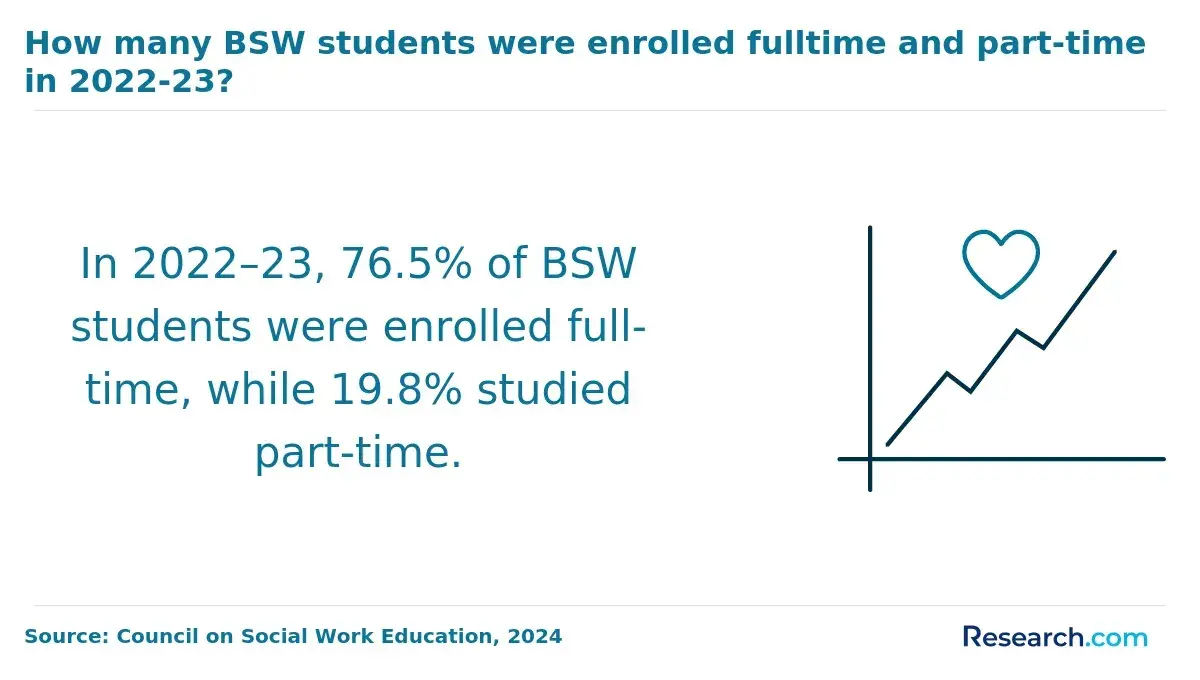
- Bachelor of Social Work (BSW): Full-time students usually complete the 120-credit hour program in 4 years, while part-time options can extend to 6 years, factoring in practicum or fieldwork scheduling.
- Master of Social Work (MSW): Traditional full-time MSW programs take about 2 years; part-time study may last 3 to 4 years. Advanced Standing options, available to those with a recent BSW, reduce this to 1 year full-time or 2 years part-time.
- Doctor of Social Work (DSW): These practice-focused doctorates generally require 3 to 4 years full-time, with part-time study stretching beyond 5 years, depending on dissertation or capstone project demands.
- PhD in Social Work: Intended for academic careers, full-time students often take 4 to 6 years, while part-time candidates may spend longer, heavily influenced by research progress.
- Advanced Standing: Successful applicants with a recent CSWE-accredited BSW save about a year on the MSW, accelerating their academic path.
- Part-Time Study: While allowing work and family balance, part-time schedules extend program duration across all degree types, sometimes doubling completion time.
- Fieldwork and Practicum: Mandatory internships can add time to degree completion, particularly in rural areas with limited placement options or when arranged part-time.
- Transfer Credits and Articulation Agreements: Credits from Oklahoma community colleges often shorten BSW timelines, enabling faster progression to graduate programs.
One Oklahoma social worker shared reflections on her journey through a local university’s BSW program, which took her just under five years. Balancing part-time course loads with family responsibilities, she found her practicum scheduling particularly challenging but rewarding. "It wasn’t just about the credits," she recalled, "the hands-on experience stretched my timeline but gave me real-world skills I needed."
She appreciated how flexible pacing allowed her to maintain steady progress without burnout, noting, “Knowing I could take it slower when life got hectic made all the difference. It wasn’t a race, but a steady climb that prepared me well.” Her story highlights how timelines are personal and influenced by more than just classroom hours, emphasizing the practical importance of planning and adaptability.
How much does a social work degree cost in Oklahoma?
Knowing the cost of a social work degree in Oklahoma enables students to plan finances wisely and compare programs effectively. Tuition for BSW/MSW programs varies widely, so understanding typical fees across degree levels and school types is essential for choosing the best value option.
- Bachelor of Social Work (BSW): Public universities charge $8,000–$12,000 per year for in-state students and $18,000–$25,000 for out-of-state, while private schools often exceed $25,000 annually; online programs usually align with in-state rates plus potential fees.
- Master of Social Work (MSW): Public in-state tuition ranges from $9,000 to $15,000 yearly; out-of-state students pay $18,000–$28,000, with private and online programs costing $20,000–$40,000 total depending on length and format.
- Doctor of Social Work (DSW): Less common in Oklahoma, public institutions charge $15,000–$25,000 per year; private and out-of-state schools may exceed $30,000 annually, with online options offering $30,000–$45,000 in total tuition.
- PhD in Social Work: Public in-state tuition is $8,000–$14,000 yearly, rising to $18,000–$28,000 for out-of-state; private and online programs can surpass $30,000–$40,000 total, although many full-time students receive financial support through assistantships.
Public versus private institutions and residency status significantly impact tuition costs, with public universities offering the most affordable options for Oklahoma residents. Online degrees provide flexibility and some cost savings on living expenses, but fee structures may differ.
Prospective students should also consider salary expectations, as Oklahoma’s median social worker wage was about $47,000 in 2024, making the selection of affordable programs critical for a positive return on investment. For detailed wage information, see the LCSW salary guide.
What degrees are required for different social work specializations in Oklahoma?
Different social work roles in Oklahoma require varying educational paths because each specialization involves distinct skills and responsibilities. The degree requirements for social work specializations in Oklahoma ensure professionals are properly prepared for their specific practice areas.
- Clinical Social Work: A Master of Social Work (MSW) from a CSWE-accredited program is required, along with 4,000 hours of supervised clinical experience and passing the ASWB Clinical Exam to become a Licensed Clinical Social Worker (LCSW).
- School Social Work: Typically requires an MSW and licensure as a Licensed Master Social Worker (LMSW), passing the ASWB Master’s exam; some entry-level roles may accept a Bachelor of Social Work (BSW) but most require a master’s degree.
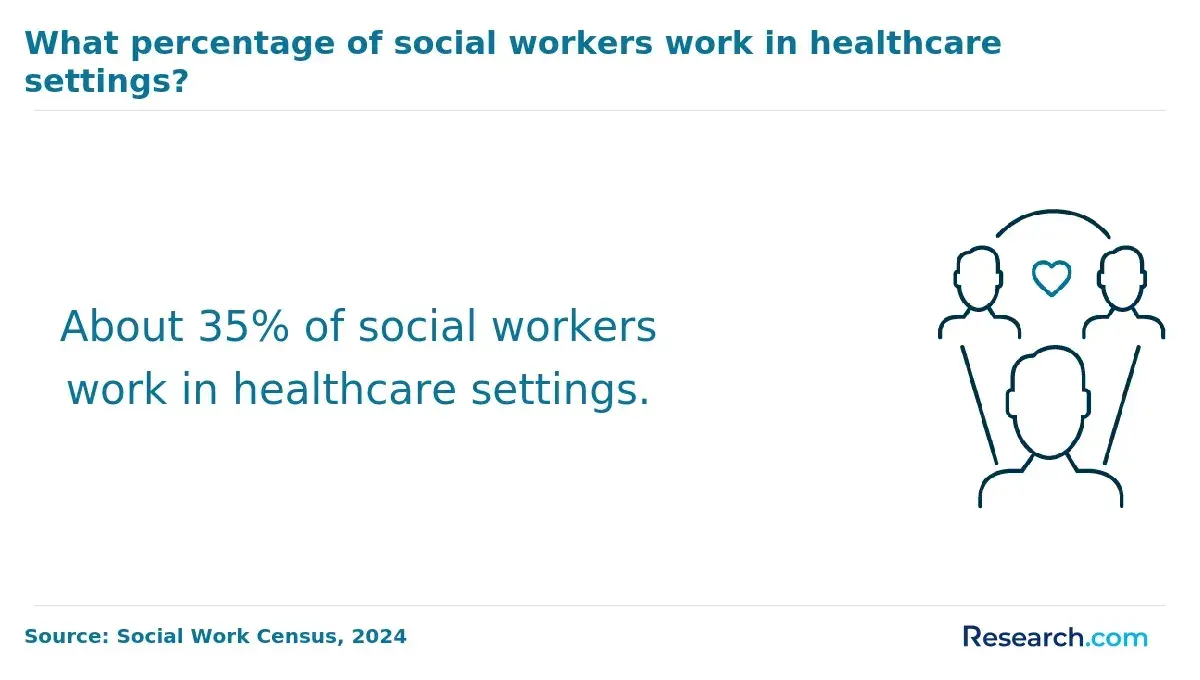
- Healthcare Social Work: An MSW and LMSW licensure are generally needed, though BSW holders may apply for entry-level roles; advanced healthcare social work demands specialized training in medical social work and patient advocacy.
- Child and Family Services: Entry-level positions typically require a BSW, with programs like the Child Welfare Professional Enhancement Program (CWPEP) supporting career development; supervisory roles usually call for an MSW.
- Social Work Administration or Supervision: An MSW with an administrative focus plus two years post-degree experience is necessary for the Licensed Social Worker with Administration Specialty (LSW-ADM) credential.
- Generalist Social Work: The BSW provides the foundation for entry-level generalist roles and eligibility for the Licensed Social Work Associate (LSWA) credential after passing the ASWB Bachelor’s exam.
To connect these academic requirements with real-world practice, the chart below highlights the main areas of employment for PhD in Social Work graduates.
What financial aid options are available to social work students in Oklahoma?
Financial aid is essential for social work students in Oklahoma because it helps reduce the significant financial barriers involved in pursuing BSW and MSW programs. By easing tuition costs and related expenses, financial aid allows students to concentrate on their studies and career goals without excessive financial pressure. Key financial aid options available to social work students in Oklahoma include:
- Federal Grants: Pell Grants and other need-based federal grants provide funding that doesn’t require repayment, making them highly valuable for undergraduate students completing FAFSA applications.
- Oklahoma Tuition Aid Grant (OTAG): This state-sponsored grant supports Oklahoma residents attending eligible schools, with priority given to early FAFSA applicants due to high demand and limited funding.
- University and College Scholarships: Many institutions offer scholarships for BSW and MSW programs based on merit, financial need, or specific criteria, such as the Schusterman Family Philanthropies Scholarship at Northeastern State University, which aims to support underserved populations.
- Child Welfare Professional Enhancement Program (CWPEP): The University of Oklahoma provides stipends and tuition assistance to students committed to working in child welfare after graduation, helping to address workforce shortages in this vital area.
- Federal Work-Study Programs: These offer part-time employment opportunities on campus for students with financial need, allowing them to offset educational expenses while gaining relevant experience.
- Student Loans: Direct Student Loans and PLUS Loans can be used to cover tuition and living costs but must be repaid after graduation with variable interest rates and terms.
- Professional Organization Scholarships: Social work associations often provide scholarships and grants to support diversity and underserved communities, enhancing accessibility to social work education.
- Centralized Academic Scholarship Hub (CASH): The University of Oklahoma’s CASH platform simplifies access to numerous financial need-based scholarships for both undergraduate and graduate social work students.
For students looking into career options after completing their degree, exploring what can u do with a social work degree offers practical insight. Overall, financial aid for social work students in Oklahoma combines federal, state, institutional, and organizational resources, making scholarships for BSW and MSW programs achievable for diverse student populations.
What are the alternative pathways to become a social worker in Oklahoma?
Individuals with degrees in related fields, such as psychology or sociology, or those shifting careers can enter social work in Oklahoma without restarting their education completely. Several alternative pathways recognize their prior knowledge and offer practical routes to licensure.
- Traditional MSW Track for Non-BSW Holders: Applicants with non-social work bachelor’s degrees can pursue a two-year CSWE-accredited Master of Social Work program, building essential social work skills.
- Advanced Standing MSW Programs: Those holding a CSWE-accredited BSW may qualify for an expedited MSW program, often completed in 12 months.
- Related Degrees as Foundation: Degrees in psychology, sociology, or human services provide a strong base for entering traditional MSW programs.
- Post-Bachelor’s Certificate or Bridge Programs: These fill prerequisites and prepare candidates lacking social work coursework for MSW admission.
- State-Specific Certification Options: While Oklahoma lacks formal alternative certification, completing an accredited MSW enables licensure as LMSW or LCSW.
A social worker from Oklahoma shared that transitioning from a non-social work background felt daunting initially, but entering a bridge program offered clear guidance and tailored support. "It wasn’t just about catching up on coursework," he recalled, "but feeling part of a community preparing me for real-world challenges." Graduating from a local school, he emphasized how the flexibility of these pathways allowed him to leverage his previous experience while gaining confidence to pass licensure exams and serve his community effectively.
What are the steps to obtain licensure as a social worker in Oklahoma?
After completing a CSWE-accredited program, graduates must register with the Oklahoma State Board of Licensed Social Workers. The licensure process involves submitting verified educational credentials, accumulating the required supervised field hours, and passing the Association of Social Work Boards (ASWB) exam. Detailed documentation of field placements and adherence to ethical practice standards are also required. For a comprehensive breakdown of these steps and additional guidance, refer to how to become a social worker in Oklahoma.
Can a social work degree pave the way to a counseling career in Oklahoma?
A social work degree can serve as a strong foundation for transitioning into counseling roles by equipping graduates with essential skills in client communication, behavioral theories, and intervention strategies. In Oklahoma, professionals pursuing counseling often supplement their academic background with targeted certifications and practical experience, addressing state-specific licensure requirements for mental health counseling. Some CSWE-accredited programs offer specialized coursework and practicum experiences that align closely with counseling methodologies, enabling graduates to bridge the gap between social work practice and counseling services. For those looking to streamline this career shift, exploring the fastest way to become a counselor in Oklahoma may provide a direct path with focused training and expedited credentialing. This approach allows for a seamless integration of social work expertise with counseling specialization, enhancing career versatility and effectiveness in addressing the diverse needs of Oklahoma communities.
Are online social work degrees recognized in Oklahoma?
Online Bachelor of Social Work (BSW) and Master of Social Work (MSW) programs have become increasingly popular among students in Oklahoma seeking flexibility. However, recognition of an online degree is essential because it affects eligibility for state licensure and employment opportunities. Without proper recognition, students risk earning degrees that do not meet Oklahoma’s professional standards, hindering their career advancement.
Recognition depends largely on accreditation by the Council on Social Work Education (CSWE) and meeting the Oklahoma State Board of Licensed Social Workers’ requirements. Both online and on-campus degrees must come from CSWE-accredited programs to qualify for licensure. Recent data shows that over 70% of social service agencies do not differentiate between accredited online and traditional degrees if licensure criteria are met, and a majority of students in such programs enroll via distance learning, indicating growing acceptance.
Students should also focus on supervised fieldwork, a mandatory licensure component, often completed locally through online programs. Hybrid formats offering some in-person experience are available, providing extra support and networking chances. Choosing a CSWE-accredited program with strong Oklahoma ties and established fieldwork partnerships ensures compliance and a smooth transition into the local workforce.
What organizations accredit social work degree programs in Oklahoma?
Accreditation is crucial to ensure social work programs maintain high educational standards, allowing graduates to qualify for licensure and gain recognition from employers throughout Oklahoma. Selecting a program verified by key social work degree accreditation organizations oklahoma provides a reliable path toward meeting professional requirements.
- Council on Social Work Education (CSWE): This national agency accredits social work programs across the United States. Graduation from a CSWE-accredited Bachelor of Social Work (BSW) or Master of Social Work (MSW) program is mandatory for licensure by the Oklahoma State Board of Licensed Social Workers and widely recognized by employers statewide.
- Regional Higher Education Accrediting Bodies: Programs must be part of colleges or universities accredited by a U.S. Department of Education-recognized regional organization. In Oklahoma, this role is typically fulfilled by the Higher Learning Commission (HLC), which ensures the institution’s accountability and academic quality.
- Oklahoma State Regents for Higher Education: Public institutions providing social work degrees require approval from this state agency, which verifies adherence to Oklahoma’s educational standards and degree-granting authority.
For those pursuing advanced credentials, choosing a CSWE-accredited program is vital; many Oklahoma MSW graduates benefit from strong licensure exam results and job prospects. To understand career options further, consider exploring detailed information on the MSW degree and its distinctions, which are closely tied to professional licensure and advancement.
What are the top institutions offering social work degree programs in Oklahoma?
Choosing an accredited program is key to meeting Oklahoma’s licensure requirements, gaining relevant skills, and making a sound financial investment in your career. Accredited schools also enhance your chances of accessing quality field placements and specialized training tailored to real-world social work.
- University of Oklahoma (Norman & Tulsa): Home to the Anne and Henry Zarrow School of Social Work, this program offers flexible online options, multiple concentration tracks, and dual degrees, with graduates earning salaries nearly $9,000 above state averages.
- Northeastern State University (Tahlequah): Known for its emphasis on advanced generalist practice and Native American cultural integration, Northeastern offers CSWE accredited BSW and MSW programs focused on diverse community service.
- Northwestern Oklahoma State University (Alva, Enid, Woodward): Its BSW program features a partnership with the Oklahoma Department of Human Services and provides tuition stipends through the Child Welfare Professional Enhancement Program.
- East Central University (Ada): Accredited since 1981, ECU specializes in preparing students for public child welfare careers and offers state-funded financial support and practical training.
- Oral Roberts University (Tulsa): Boasting a holistic, faith-based social work education, ORU provides strong field placement opportunities and trains students in ethical and cultural competence.
For those exploring social work degree options, focusing on these top social work schools in Oklahoma will connect you with CSWE accredited social work programs Oklahoma that meet both educational standards and workforce demands.
What Do Social Workers in Oklahoma Say About Their Degree
- Pursuing my social work degree at the University of Oklahoma truly grounded me in understanding the unique cultural dynamics of our state. The hands-on experience in local communities allowed me to develop strategies that are both effective and culturally sensitive, especially when working with Native American populations. Starting my career in a local school has been incredibly rewarding; I witness daily how I can make a difference in the lives of students who face challenges many can't comprehend. This program not only prepared me academically but fueled my passion for advocacy and change within Oklahoma's education system. Matias
- Completing my degree at Oklahoma State University opened up unexpected doors for my professional growth. The program’s emphasis on both theory and practice helped me build strong case management skills, which were essential when I began working within a school environment. I appreciate how stable and supportive these roles are here in Oklahoma, which allowed me to focus on helping students thrive rather than worrying about job security. The journey has also deepened my personal commitment to fostering resilience in youth facing socioeconomic challenges unique to our state. Belinda
- My experience at Langston University was not only about education but also about community transformation. The curriculum and faculty encouraged me to engage deeply with Oklahoma’s rural populations, offering perspective on their specific hardships and strengths. This exposure enriched my approach when I started my role in a local school, helping me tailor interventions to fit the reality of the families I served. Watching progress unfold in these children’s lives drives my ongoing dedication to social work and highlights the importance of having degree programs embedded within Oklahoma’s own cultural landscape. Lennie
Related Articles for Nearby States
- 2027 What Degree Do You Need To Be a Social Worker: Education Requirements in Texas
- 2027 What Degree Do You Need To Be a Social Worker: Education Requirements in Kansas
- 2027 What Degree Do You Need To Be a Social Worker: Education Requirements in Arkansas
- 2027 What Degree Do You Need to Be a Social Worker: Education Requirements in Missouri
- 2027 What Degree Do You Need To Be a Social Worker: Education Requirements in Colorado
- 2027 What Degree Do You Need To Be a Social Worker: Education Requirements in New Mexico
- 2027 What Degree Do You Need To Be a Social Worker: Education Requirements in Nebraska
- 2027 What Degree Do You Need to Be a Social Worker: Education Requirements in Louisiana
- 2027 What Degree Do You Need To Be a Social Worker: Education Requirements in Iowa
- 2027 What Degree Do You Need To Be a Social Worker: Education Requirements in Mississippi
References:
- How to Become a Social Worker in Oklahoma: Step-by-Step Career Guide - Social Work Education Center
- How to Become a Social Worker in Oklahoma. Social Work License Map
- Social Work, B.A. < University of Oklahoma
- Social Work | Northwestern Oklahoma State University
- Program: Social Work B.S.W. * - Northeastern State University - Modern Campus Catalog™
- Frequently Asked Questions. Oklahoma State Board of Licensed Social Workers.
- Program: RSC Associate in Arts - Sociology-Counseling/Social Work Option to UCO Bachelor of Arts - Sociology-Human Services - University of Central Oklahoma - Modern Campus Catalog™
- Master. University of Oklahoma.
- MSW Programs in Oklahoma for 2023 [Online Available]. MSW Online.
- Online Master's degree in Social Work | OU Online
Other Things You Need to Know About Education Requirements in Oklahoma
To enroll in a Bachelor of Social Work (BSW) program in Oklahoma in 2027, applicants typically need a high school diploma or equivalent, along with meeting specific GPA requirements set by the institution. Additionally, prospective students may need to submit transcripts, letters of recommendation, and a personal statement outlining their interest in social work.
To become a licensed social worker in Oklahoma in 2027, you need a Bachelor of Social Work (BSW) from an accredited program. After your degree, apply for a license from the Oklahoma State Board of Licensed Social Workers, pass the necessary exams, and complete any required supervised work experience.
Aspiring social workers in Oklahoma must complete supervised fieldwork or practicum hours as part of their Bachelor of Social Work (BSW) or Master of Social Work (MSW) program. Typically, this includes around 400–900 hours, depending on the degree level and school.


