
2027 How Long Does It Take to Be a Teacher in North Carolina?

Co-Founder and Chief Data Scientist
Becoming a teacher in North Carolina typically requires a dedicated timeframe, reflecting the state's commitment to quality education. Statistics show that North Carolina employs over 100,000 teachers, highlighting a robust demand for qualified educators. This demand, combined with competitive salaries and ongoing professional development opportunities, makes teaching a rewarding career choice in the state. Understanding how long it takes to enter this profession is crucial for aspiring educators.
This article, crafted by experts in career planning, explores the essential steps, timelines, and requirements involved in becoming a teacher in North Carolina, providing clear guidance to help readers navigate their educational journey effectively.
Key Things to Know About How Long It Takes to Be a Teacher in North Carolina
- Obtaining a bachelor’s degree with a teacher preparation program typically takes four years, which is essential for initial licensure in North Carolina.
- Completing student teaching, a mandatory part of certification, lasts one semester and provides practical classroom experience under supervision.
- After graduating, passing the required Praxis exams and applying for licensure can take several additional months before officially becoming a certified teacher in the state.
- How long does it take to earn a teaching degree in North Carolina?
- How long does teacher certification take in North Carolina?
- Do career changers take less time to become teachers in North Carolina?
- Do advanced degrees shorten the teacher certification process in North Carolina?
- Are online programs speeding up the process of becoming a teacher in North Carolina?
- Do elementary and secondary teachers have different timelines in North Carolina?
- What steps are required to maintain and renew your teaching license in North Carolina?
- How long is the probationary teaching period in North Carolina?
- How much does it cost to complete the education requirements in North Carolina?
- How long after certification can you get hired as a teacher in North Carolina?
- How does a teacher's salary in North Carolina increase over the career timeline?
How long does it take to earn a teaching degree in North Carolina?
The time required to earn a teaching degree in North Carolina depends on several factors, such as the type of program chosen, enrollment status, and whether the student has prior college credits. Students attending full-time without earlier credits typically follow a traditional four-year path. This standard timeline aligns with the North Carolina teaching degree requirements that structure the journey from enrollment to licensure readiness.
- Full-Time Bachelor’s Degree Duration: Most students complete a bachelor’s degree in education within approximately four years, consisting of eight semesters of full-time study.
- Coursework and Academic Requirements: Degree programs usually require 120–128 semester credit hours covering general education, pedagogy, and subject-specific courses essential for certification.
- Clinical Experience and Student Teaching: The final year involves a semester-long supervised student teaching placement with extensive classroom hours, typically over 1,000 hours in total.
- Program Modality: While primarily offered in-person, some programs include online or hybrid options, which allow flexibility but do not reduce the overall duration when studying full-time.
- Academic Calendar: The programs generally follow a traditional calendar with fall and spring semesters, and optional summer sessions, though summer courses rarely accelerate the graduation timeline without prior planning.
For those curious about advanced degree options, it’s worth exploring the best 1 year online masters degree in education programs that offer accelerated paths beyond initial licensure preparation.
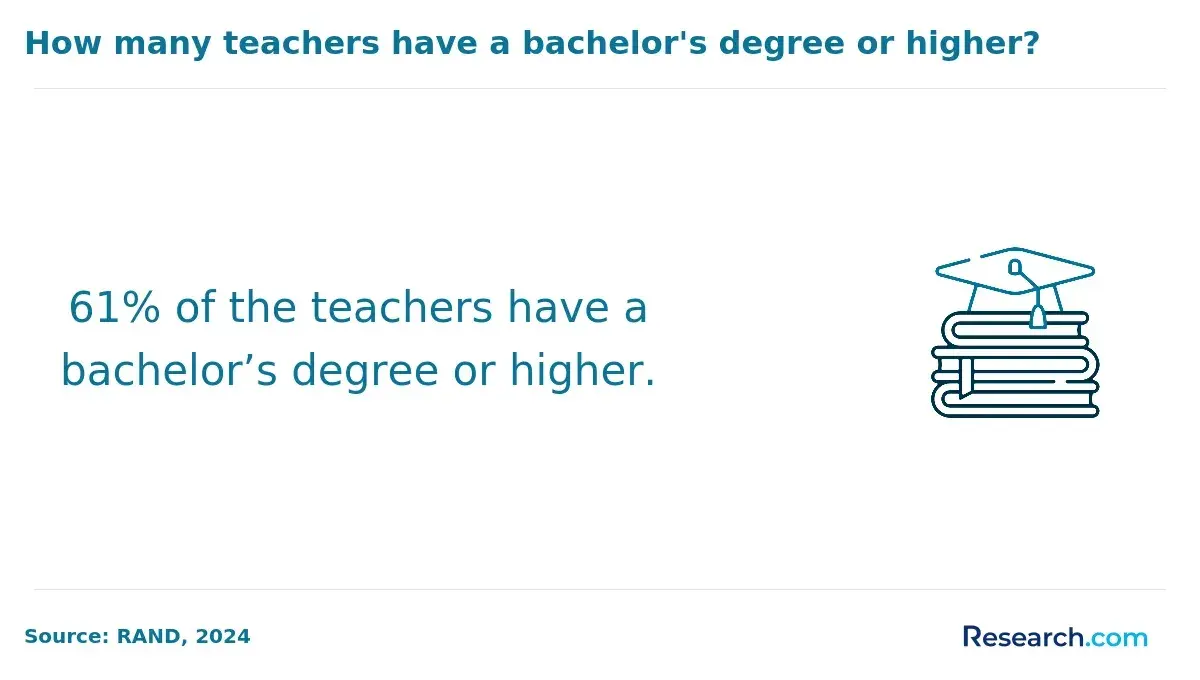
How long does teacher certification take in North Carolina?
The duration for obtaining teacher certification in North Carolina can vary widely based on a candidate’s prior education, the certification route they choose, and the specific requirements they must fulfill. Those pursuing a traditional path often spend more time completing degree requirements, whereas alternative pathways offer a faster route for those who already hold a bachelor's degree in a different field.
- Completing Education and Preparation Program: Earning a bachelor’s degree with a state-approved teacher preparation component typically takes around four years. For those seeking faster alternatives, programs like the TEACH-NOW Teacher Preparation Certificate can be completed in as little as nine months, making it suitable for those exploring how long does it take to get a teaching license in North Carolina.
- Student Teaching Placement: A supervised student teaching internship usually lasts about 16 weeks, providing essential classroom experience under the guidance of a licensed teacher.
- Passing Required Exams: Candidates need to pass pedagogy and content exams relevant to their teaching area, such as the Pearson edTPA or Praxis subject tests. Most complete exam preparation and scheduling within a few months after finishing their preparation program.
- Background Checks and Fingerprinting: While not mandated for certification itself, most school districts require background screenings before hiring. This process can add several weeks to the overall North Carolina teacher certification timeline.
- Submitting Application for Licensure: After fulfilling all requirements, candidates apply for the Initial Professional License through the NCDPI system. The review process typically takes around six weeks.
For those considering different educational routes, exploring the best online education degree programs can provide flexible options aligning with personal timelines and goals.
Do career changers take less time to become teachers in North Carolina?
Alternative certification pathways in North Carolina are built to help professionals from other careers transition into teaching more swiftly than traditional programs. These routes leverage prior education and experience to reduce the time and hurdles normally required, making the process more accessible for career changers eager to enter classrooms.
- Teaching While Completing Coursework: Candidates can start teaching as the official teacher of record while finishing their required education classes. This simultaneous approach allows for paid classroom experience early in the process instead of waiting until all coursework is completed.
- Waivers Based on Experience: Relevant degrees or substantial work in a teaching-related field often allow for waivers on specific course requirements. Professionals with backgrounds in areas like STEM may bypass content-heavy classes, focusing only on pedagogy and certification necessities.
- Accelerated Programs and Flexibility: Many alternative programs feature accelerated timelines, sometimes as short as nine months, and offer evening or online courses. This design helps candidates balance existing jobs and personal lives while moving efficiently toward licensure.
- Rolling Admissions and Multiple Start Dates: Offering frequent entry points helps avoid delays tied to traditional academic calendars, enabling candidates to begin training whenever suits their circumstances best.
- Pathways to Advanced Credentials: Some programs allow credits earned during certification to apply toward a master’s degree in teaching later. This option lets new teachers start working quickly, with a clear path to elevate credentials afterward.
When I spoke with a teacher from North Carolina who recently made the switch, he shared how the process felt both demanding and encouraging. Having graduated from a local school himself, he recalled the initial overwhelm of navigating paperwork and exams while teaching full-time. Yet, he described the experience as “empowering,” especially because he could apply real classroom challenges directly to what he learned in his coursework.
He also mentioned the importance of balancing time wisely—the long evenings spent on lesson planning and studying required persistence he hadn’t anticipated. Still, the option to start teaching almost immediately gave him a sense of purpose and momentum that kept him motivated. This blend of challenge and reward seemed typical for career changers locally, where support systems and flexible program schedules make the faster transition possible, but certainly not effortless.
Do advanced degrees shorten the teacher certification process in North Carolina?
Holding a master’s or doctoral degree can significantly impact the timeline for teacher certification in North Carolina by offering pathways that reduce the time and coursework needed. Advanced degrees often create opportunities for candidates to bypass certain requirements and access specialized programs, making the licensure journey more efficient for those who qualify. Here are some ways advanced degrees may shorten the certification process:
- Waived Prerequisite Coursework: Graduate-level coursework or related teaching experience can allow candidates to have some prerequisite classes waived, reducing the total credits needed and speeding up program completion.
- Access to Accelerated Certification Programs: Degree holders can often enroll in graduate certificate or Master of Arts in Teaching programs designed for faster completion, sometimes in as few as three semesters, combining online study and clinical practice.
- Reduced Student Teaching Requirements: Experienced educators or advanced degree holders may complete student teaching more flexibly, sometimes in their current schools, shortening the traditional practicum period.
- Eligibility for Residency Licensure: Those with graduate content expertise might qualify for a residency license, allowing full-time teaching while finishing coursework simultaneously, accelerating the overall certification process.
- Subject Area Testing Alternatives: Advanced degrees or graduate credits in a relevant content area may substitute for additional subject exams or coursework, eliminating redundant steps depending on EPP policies.
Are online programs speeding up the process of becoming a teacher in North Carolina?
Flexible, online teacher preparation programs in North Carolina are transforming traditional certification timelines by allowing candidates to tailor their learning experiences. These programs offer the freedom to progress at an individualized pace and integrate study with professional or personal commitments, effectively shortening the path to becoming a licensed teacher.
- Self-Paced Coursework: Many programs enable candidates to complete classes at their own speed, which can often reduce the duration of certification. This flexibility supports students juggling work and family, letting them accelerate when possible without compromising learning quality.
- Condensed Program Formats: Licensure-only tracks available online are designed to be completed in as few as 12 to 18 months. For those with previous degrees, this offers a streamlined alternative to the traditional four-year route, quickly preparing them for classroom roles.
- Concurrent Teaching and Coursework: Some residency licensure programs allow candidates to teach full-time while finishing their coursework online. This simultaneous approach not only brings in an income but also provides practical classroom experience, speeding up qualification.
- Rolling Admissions and Frequent Start Dates: Online programs often welcome new students multiple times a year. By reducing delays in enrollment, they help candidates begin their preparation sooner than traditional academic schedules would permit.
- Remote Access and Reduced Commuting: Eliminating the need to attend campus-based classes benefits those across the state, especially in rural areas. The convenience of remote study removes time-consuming travel, making the certification process more efficient.
When I spoke with a teacher from North Carolina who graduated from a local university, she reflected on how online programs accelerated her journey into the classroom. Balancing a demanding job and family obligations, she found the self-paced courses invaluable, allowing her to study late at night and on weekends without feeling rushed. She mentioned feeling less anxious about applying because rolling admissions meant she didn’t have to wait for a traditional start date, which had delayed her attempts at certification previously.
Teaching full-time while completing her coursework online also gave her real-time confidence in managing a classroom, turning theory into practice almost immediately. She described the experience as demanding but rewarding, highlighting that the flexibility of the online format was crucial in helping her virtually cut the time to certification in half compared to peers she knew who followed on-campus routes. This firsthand experience illustrates the significant, positive impact online programs have on speeding up teacher certification in North Carolina.
Do elementary and secondary teachers have different timelines in North Carolina?
The path to becoming an elementary or secondary teacher in North Carolina largely overlaps, with both requiring a bachelor’s degree, completion of an approved Educator Preparation Program, and a student teaching experience that typically lasts about 16 weeks. For education majors, this process usually takes four to five years, while those with degrees outside education might complete alternative programs in around nine months. However, the main timing differences arise from testing and content focus. Elementary candidates must pass pedagogy exams and multiple content assessments, which can extend preparation time slightly. Secondary teachers focus on subject-specific Praxis tests aligned with their teaching discipline, sometimes involving more in-depth academic coursework during their degree.
Both groups proceed through the same licensure and renewal steps, including background checks and continuing professional development every five years. While elementary and secondary timelines are broadly similar, the variance lies in specialized testing demands and coursework, influencing how swiftly candidates move from candidate to licensed teacher in North Carolina. This nuance allows candidates to anticipate realistic timelines based on their chosen teaching level and subject matter.
What steps are required to maintain and renew your teaching license in North Carolina?
Licensed educators in North Carolina are required to participate in ongoing professional development to qualify for license renewal, typically on a five‐year cycle. Teachers must accumulate state-approved continuing education units through accredited courses, workshops, or seminars that focus on enhancing instructional strategies and subject matter proficiency. Documentation of these activities must be submitted to the appropriate state agency to verify compliance with renewal standards. Some educators choose to further specialize their expertise by following targeted pathways, such as how to become a PE teacher in North Carolina, which have unique recertification guidelines. Collaborating with local school districts and education offices can also offer tailored support for meeting these professional growth requirements while advancing career objectives.
How long is the probationary teaching period in North Carolina?
The probationary teaching period in North Carolina typically lasts four consecutive school years. During this time, teachers are employed on annual contracts and must complete at least 120 days each year in a full-time, permanent role. This timeframe is consistent across both elementary and secondary levels, with no statutory differences in probation length based on grade. Local school districts do not have the authority to alter the probationary timeline, as it is mandated by state law to ensure uniformity. Meeting the required days is essential, and while illnesses or disabilities do not break the probationary service, they also do not count toward the total time needed for career status eligibility. Teachers on probation may be nonrenewed at the school board’s discretion for any rational and nondiscriminatory reason, underscoring the importance of performance and professionalism during this critical phase.
After successfully completing this probationary period, teachers in North Carolina become eligible for tenure, historically termed “career status,” which offers enhanced job security and formal procedural protections. Gaining career status requires a positive vote from the local school board, which assesses the teacher’s overall performance and commitment to professional standards. Teachers advancing beyond probation are expected to demonstrate consistent competence, satisfactory evaluations, and alignment with district expectations, though the state does not mandate specific student growth measures for this progression. Notably, educators returning within five years who previously held tenure may face a shorter probationary period. Those curious about pathways into teaching might also consider exploring a list of most affordable elementary education online programs to strategize their entry into this profession effectively.
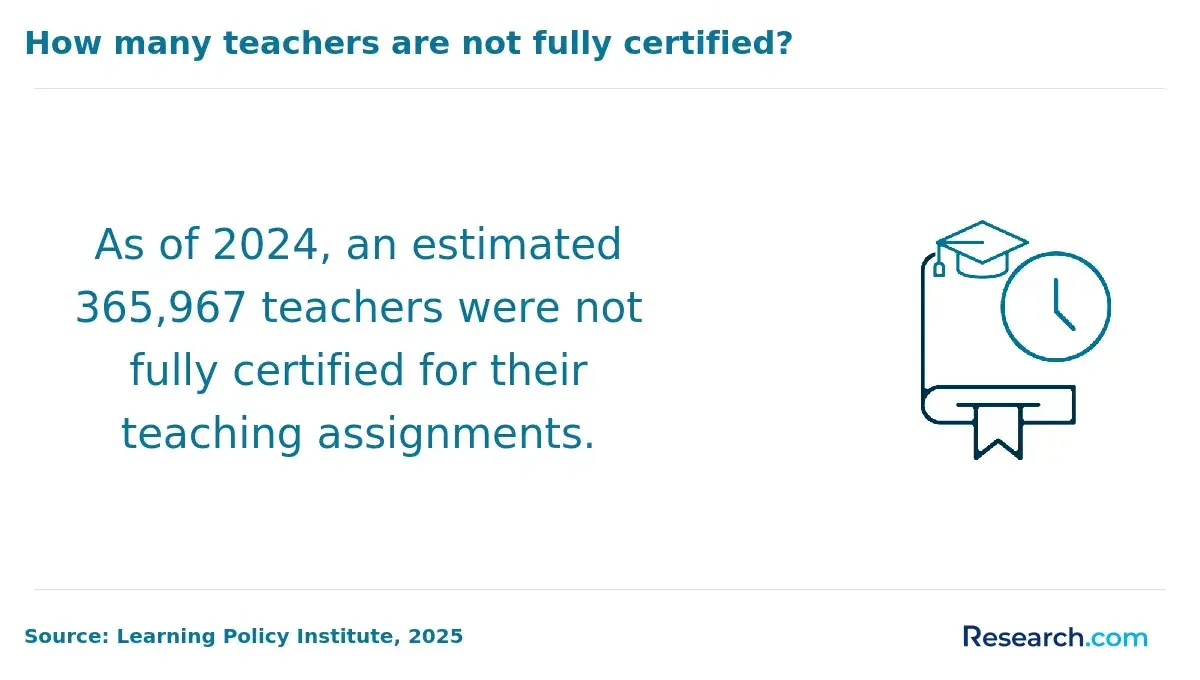
How much does it cost to complete the education requirements in North Carolina?
Costs for completing the education requirements to become a teacher in North Carolina vary widely based on the program type, institution, and residency status. These variations significantly impact budgeting decisions, especially for international students and teaching professionals considering their options carefully. Being aware of these expenses helps candidates plan effectively while exploring financial aid or alternative certification routes.
- Bachelor’s and Master’s Program Tuition and Fees: Traditional degree programs typically require tuition payments that depend on whether you qualify for in-state tuition or not. These programs include coursework, practicum experiences, and student teaching components that develop core teaching skills and knowledge critical for certification and career advancement.
- Alternative Certification Program Costs: Designed for those already holding a degree, these programs offer a faster and sometimes less expensive path to teacher certification. They often include workshops, seminars, and supervised teaching, providing practical experience valued by school districts seeking ready-to-teach professionals.
- Testing and Application Fees: Fees for required state exams, such as the Praxis series and background checks, typically range from modest to moderate amounts. These assess content knowledge and professional readiness, ensuring candidates meet state standards for licensure and safeguarding student welfare.
- Additional Expenses: Budgeting should include costs for textbooks, materials, and supplies necessary throughout training. International students and others might also face higher fees related to credential evaluations or extended residency requirements.
For those exploring cost-effective options, programs offering the most affordable online library science masters degree can sometimes align with education pathways, presenting opportunities for further specialization or credit transfer. Being informed about the total cost of teacher education programs in North Carolina ensures a realistic approach to embarking on a teaching career while maximizing available resources.
How long after certification can you get hired as a teacher in North Carolina?
The timeline for getting hired as a teacher in North Carolina after completing certification varies widely due to multiple factors. Some candidates secure jobs shortly after certification, while others may wait several months or until the main hiring cycle begins. Understanding these influences can help set realistic expectations for those pursuing teaching degree requirements in North Carolina.
- Hiring Season: The most active hiring period is typically late spring through early summer. Candidates certified before or during this window often experience quicker placement.
- Subject Demand: High-need areas like math, science, and special education tend to lead to faster job offers compared to more competitive fields like elementary education.
- Regional Variations: Urban districts with growing enrollments usually have more frequent openings, while rural districts might fill positions quickly when vacancies arise due to limited competition.
- Application Completeness: Prompt submission of all required documents and responsiveness to district requests significantly expedite hiring timelines.
- Networking and Job Search Activity: Engaging in job fairs, reaching out to principals, and using university career services often leads to faster employment opportunities.
- School Needs and Timing: Unexpected vacancies or enrollment increases can trigger off-cycle hiring, allowing certified teachers to start mid-year or soon after certification.
- Alternative Pathways: Those pursuing a Residency License while completing certification can sometimes begin teaching earlier, especially after passing required exams.
Deciding how long to get a teaching degree in North Carolina includes considering not only coursework but also how long it takes to secure employment afterward. Exploring options like the fastest EdD online program can also be part of a strategic approach for advancing in the field while managing timelines effectively.
How does a teacher's salary in North Carolina increase over the career timeline?
Teacher salary progression in North Carolina is closely linked to both years of service and professional development, reflecting a structured statewide pay schedule that values experience and growth. Over time, teachers see their compensation rise through a combination of tenure-based increases, advanced qualifications, and additional responsibilities, though the pace of growth varies throughout a career.
- Years of Experience and Tenure: Salaries increase annually with each year of service, up to around 25 years, starting near $39,000 for new teachers and reaching approximately $54,000 to $58,000 for those with 25+ years.
- Educational Attainment: Historically, advanced degrees offered salary boosts; however, since 2013, supplemental pay for new degree earners has been discontinued, except for National Board Certification holders, who receive a 12% raise.
- Promotion and Advanced Roles: Teachers taking on leadership or specialist roles receive stipends funded through district and state budgets, enhancing their earnings outside the base pay scale.
- District Supplements and High-Need Areas: Local districts may provide extra pay, especially in urban centers and high-demand fields like STEM and Special Education, where total compensation can exceed $61,000.
- Longevity Bonuses and Step Increases: Step increases reward years served but tend to plateau after 15 years, with notable raises at milestone points.
What Do Teachers in North Carolina Say About Their Career?
- Completing my teacher preparation at Raleigh Arts Academy gave me a strong foundation rooted in the community I serve. Starting my career in a local North Carolina school has been incredibly rewarding because I get to see firsthand how education can transform lives here. The support from experienced colleagues and the state's commitment to education make this journey both fulfilling and sustainable. I’m passionate about fostering creativity and confidence in my students every day. Lyra
- My experience teaching in North Carolina has allowed me to grow both professionally and personally. The challenges presented by the diverse student population have helped me adapt and refine my teaching methods. I am proud to contribute to the well-being of young learners through programs I started during my time at Charlotte Science and Technology Academy. The career advancement opportunities here have motivated me to continuously seek out new certifications and leadership roles. Arabella
- Teaching in North Carolina has uniquely connected me to the local culture and environment, which enriches my classroom lessons. The blend of rural and urban settings brings diverse experiences to my students, kept fresh by my background from Asheville Community School. I love how this career allows me to give back and make a direct impact on the community’s future, especially through outdoor education and environmental awareness projects. It’s a challenging yet deeply gratifying path that keeps me committed. Sabrina
Related Articles for Nearby States
- 2027 How Long Does It Take to Be a Teacher in South Carolina?
- 2027 How Long Does It Take to Be a Teacher in Virginia?
- 2027 How Long Does It Take to Be a Teacher in Georgia?
- 2027 How Long Does It Take to Be a Teacher in Tennessee?
- 2027 How Long Does It Take to Be a Teacher in West Virginia?
- 2027 How Long Does It Take to Be a Teacher in Kentucky?
- 2027 How Long Does It Take to Be a Teacher in Florida?
- 2027 How Long Does It Take to Be a Teacher in Maryland?
- 2027 How Long Does It Take to Be a Teacher in Alabama?
- 2027 How Long Does It Take to Be a Teacher in Pennsylvania?
References:
- Teacher Salaries Have Increased Significantly — Or Have They? https://onlinedegrees.sandiego.edu/teacher-salaries-analysis/
- Teachers' pay progression | National Education Union https://neu.org.uk/advice/your-rights-work/pay-advice/pay-progression/teachers-pay-progression
- Teachers' statutory salaries https://eurydice.eacea.ec.europa.eu/data-and-visuals/teachers-statutory-salaries
- Teacher Salary Schedules Were Meant to Equalize Pay. Do They Have the Opposite Effect? https://www.edweek.org/teaching-learning/teacher-salary-schedules-were-meant-to-equalize-pay-do-they-have-the-opposite-effect/2017/09
- Educator Pay Data 2025 https://www.nea.org/resource-library/educator-pay-and-student-spending-how-does-your-state-rank
- Internship/Student Teaching Requirements - Office of School and Community Partnerships https://oscp.charlotte.edu/students/student-teaching/
- Teacher Education FAQ | College of Education https://ced.ncsu.edu/professional-education/teacher-education-faq/
- Placements & Clinical Experiences | School of Education https://soe.uncg.edu/oss/placements-clinical-experiences/
- Program: Elementary Education, Literacy Concentration, B.A. - North Carolina Central University - Modern Campus Catalog™ https://ecatalog.nccu.edu/preview_program.php
- Teacher salaries rarely reflect the importance of their job. Why don’t we pay them enough? | Teacher Task Force https://teachertaskforce.org/blog/teacher-salaries-rarely-reflect-importance-their-job-why-dont-we-pay-them-enough
Other Things You Should Know About How Long It Takes to Be a Teacher in North Carolina
In North Carolina, the Residency License allows aspiring teachers to start teaching before completing all standard requirements. Candidates need a bachelor's degree, relevant coursework, and a commitment from a school district to pursue full licensure while teaching.
In 2027, aspiring teachers in North Carolina must pass specific Praxis exams based on their subject and grade level. Requirements often include the Praxis Core Academic Skills for Educators and a subject-specific Praxis test approved by the North Carolina Department of Public Instruction.
In 2027, student teaching in North Carolina typically lasts for a full semester, which is around 12 to 16 weeks. This period is designed to give aspiring teachers hands-on classroom experience under the supervision of a licensed teacher.
The Teach for America (TFA) pathway in North Carolina is one of the fastest routes to becoming a teacher, typically allowing candidates to start teaching within a year. After selection, participants undergo an intensive summer training program before being placed in classrooms as full-time teachers for a two-year commitment. Unlike traditional education degrees, TFA bypasses the multi-year teacher preparation programs, accelerating entry into the profession. This makes the pathway particularly appealing for those seeking a quicker transition into teaching while gaining valuable on-the-job experience.


