
2027 Online Educational Administration Degree Programs for Veterans: GI Bill Benefits, Costs & Top Considerations

Co-Founder and Chief Data Scientist
Veterans seeking advancement in educational administration face challenges in navigating GI Bill benefits effectively. With nearly 45% of veteran students relying on these benefits, understanding their application to online programs is crucial. Many veterans struggle to balance tuition costs, housing allowances, and program quality when pursuing degrees remotely. Post-graduation employment rates vary significantly, adding complexity to decision-making.
This article explores how GI Bill benefits apply specifically to online educational administration degree programs, examines associated costs, and highlights key factors veterans should consider to optimize their educational investments and career outcomes.
Key Benefits of Online Educational Administration Degree Programs for Veterans
- The GI Bill covers tuition and housing for eligible veterans pursuing online educational administration degrees, with 95% of programs accepting VA benefits for remote learners.
- Online educational administration programs offer flexible scheduling and pacing, ideal for veterans balancing education with family or employment responsibilities.
- Career services tailored for military-connected students often include mentorship, resume support, and veteran-specific job placement assistance, improving post-graduation employment rates by up to 20%.
Who Qualifies as a Veteran for Online Educational Administration Degree Programs?
Access to GI Bill benefits significantly influences tuition assistance, housing allowances, and overall costs for those pursuing online educational administration degree programs. Annually, about 690,000 veterans utilize education benefits, emphasizing the need to understand eligibility requirements. Below are common veteran categories that typically qualify for these benefits.
- Active Duty Service: Veterans must have served at least 90 days of aggregate active duty in the U.S. Armed Forces, including branches such as the Army, Navy, Air Force, Marine Corps, and Coast Guard. This service forms the foundation of benefit eligibility for online educational administration degree programs.
- Discharge Status: Generally, only those with honorable or generally favorable discharges qualify for GI Bill benefits. Veterans with other than honorable or dishonorable discharges often are ineligible, affecting their access to tuition and housing support.
- Reservists and National Guard: Eligibility extends to reservists and National Guard members who meet specific activation criteria or complete required service obligations. These individuals can also apply military service benefits toward educational administration degrees.
- Dependents' Benefits: Dependents of eligible veterans may access transferred GI Bill benefits, a valuable resource for online learners managing family and education simultaneously.
Veterans interested in pursuing flexible degree options can also explore programs like an online ai degree to complement or enhance their educational goals.
Do Online Educational Administration Degree Programs Accept Military Training for College Credit?
For veterans and active-duty service members pursuing online educational administration degrees, transfer and prior learning credits are crucial to accelerating program completion and maximizing GI Bill benefits. Over 70% of colleges grant some form of credit for military training, helping reduce tuition costs and time to degree. Common evaluation methods used by programs include the following:
- Joint Services Transcripts: These transcripts provide detailed documentation of completed military courses and experiences, serving as a key tool for colleges to assess transferable credit for military training.
- Credit Recommendations: Many programs rely on the American Council on Education's Guide to the Evaluation of Educational Experiences in the Armed Services, which offers standardized credit recommendations across institutions.
- Competency-Based Assessments: Some institutions use these assessments to validate applied learning by allowing students to demonstrate mastery in specific subjects relevant to their degree.
- Policy Limits: Programs often have caps on the amount of credit granted for military training, with variations depending on institutional guidelines and program requirements.
Veterans looking to transfer military training credits to educational administration degrees should carefully review program-specific policies. Leveraging these credits effectively can significantly shorten the educational pathway. For those interested in exploring options beyond educational administration, there are a variety of accredited online counseling programs that also recognize military experience for credit transfer.
How Do Online Educational Administration Degree Programs Work for Veterans?
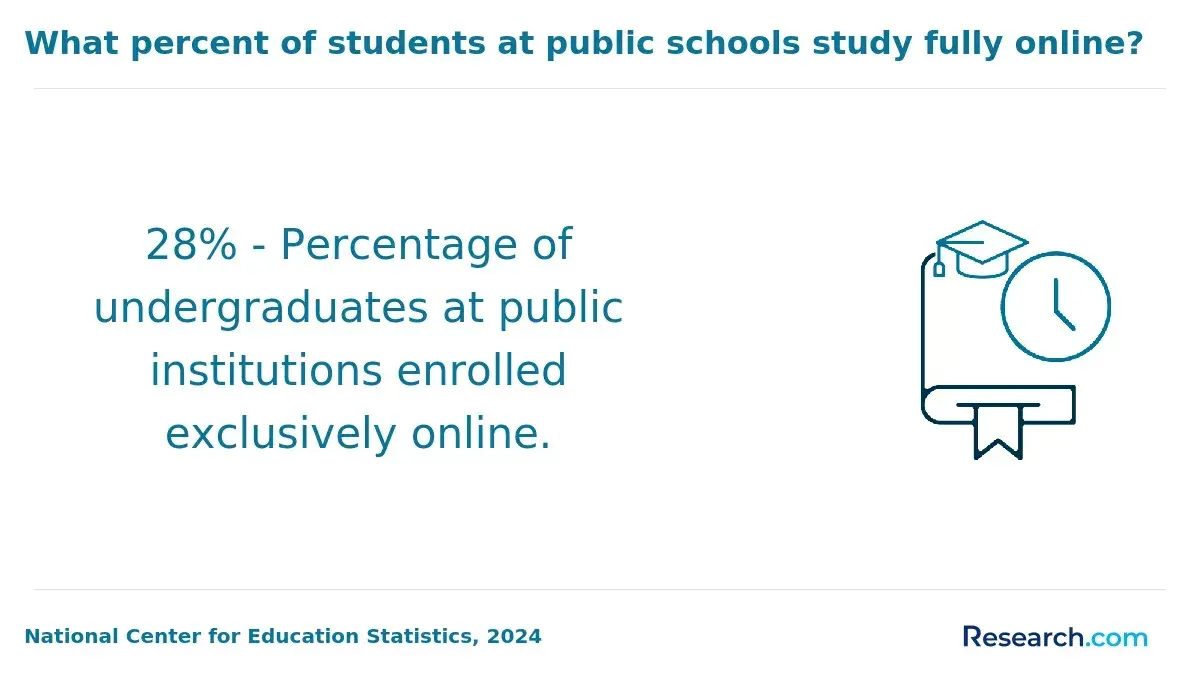
Online educational administration programs are structured to help veterans juggle their studies with work, family, or military obligations. The following key features highlight how these programs provide this flexibility:
- Course Delivery: Most courses use asynchronous formats, letting veterans access materials and complete assignments anytime, which fits around their varying schedules.
- Pacing Options: Flexible timelines such as accelerated, standard, or extended allow veterans to customize their study pace to match personal and professional demands.
- Academic Support: Dedicated advisors familiar with military benefits and challenges provide tailored guidance, improving veterans' chances for success.
- Benefit Usage: GI Bill benefits commonly cover tuition and fees, with many programs also qualifying veterans for housing allowances even during remote study periods.
- Veteran Resources: Access to peer groups, career counseling centered on leadership roles, and recognition of military experience streamline the educational path for veterans.
I spoke with a veteran currently enrolled in an online educational administration program who shared his experience: balancing coursework with family and a part-time job felt overwhelming at first. He said, "The asynchronous classes were a game-changer because I could study late at night after my kids were asleep." Navigating VA benefits took some effort, but having an advisor knowledgeable about military transitions helped simplify the process. "Knowing I wasn't alone and had access to resources made all the difference," he reflected, emphasizing how the program's flexibility and support were essential to his progress and confidence.
Breakdown of All Fully Online Title IV Institutions

Are Online Educational Administration Degree Programs for Veterans Accredited?
Veterans pursuing online educational administration degree programs should prioritize accreditation, as it directly impacts the use of GI Bill benefits. The U.S. Department of Veterans Affairs requires programs to be accredited by recognized agencies to approve tuition payments and housing allowances. Most institutions hold regional accreditation covering the entire school, but programmatic accreditation is critical to ensure the specific educational administration program meets professional standards. This distinction matters because institutional accreditation alone may not guarantee the quality or recognition of the degree within the field.
Accreditation influences key factors such as credit transferability, eligibility for state licensure, and employer recognition. Nearly 90% of GI Bill beneficiaries attend accredited schools, reflecting the importance of confirmed quality and VA approval. Graduating from an accredited program helps veterans avoid issues with licensing requirements and eases transitions to further education or employment. Employers tend to favor candidates with degrees from accredited institutions, viewing such credentials as evidence of rigorous training and competence in educational administration.
How Much Do Online Educational Administration Programs for Veterans Cost?
Comparing total costs is essential for veterans exploring online educational administration degree programs to maximize their military benefits and budget effectively. Tuition rates for these programs typically range from $300 to $600 per credit hour, with master's degrees generally requiring 30 to 40 credits. Below are key financial factors veterans should consider when evaluating their options.
- Tuition per Credit: Tuition often ranges between $300 and $600 per credit hour, impacting the overall cost depending on the number of credits required for degree completion.
- Total Program Cost: Most online educational administration programs require 30 to 40 credits, meaning overall tuition can total between $9,000 and $24,000, excluding additional fees and expenses.
- Mandatory Fees: Institutions commonly charge technology and administrative fees annually, which can add several hundred dollars to the total cost and should be factored into budgeting.
- Housing Allowances: Veterans using the GI Bill should note that monthly housing stipends typically apply only to in-person attendance and may be reduced or unavailable for fully online programs.
- Out-of-Pocket Expenses: After applying veteran education benefits, such as GI Bill tuition assistance that covers up to $26,040 annually for eligible institutions, veterans may still incur some out-of-pocket costs depending on their program and benefits used.
Veterans are encouraged to compare these factors carefully, especially when using their veteran education benefits applied to online educational administration tuition, to understand both short-term and long-term financial commitments. For veterans interested in related affordable degree options, exploring a library science degree could provide additional opportunities to optimize military education benefits.
What GI Bill Benefits Can Be Used for Online Educational Administration Degrees?
Veterans exploring online educational administration degree programs benefit from knowing how the Post-9/11 GI Bill supports their education. In 2023, more than 1 million veterans and their families utilized education benefits through the VA, underscoring the value of these resources. The following points highlight key aspects of GI Bill coverage relevant to online studies.
- Tuition and Fees: The GI Bill may cover the full cost of in-state tuition and mandatory fees at public institutions, or provide a capped amount for private or foreign schools. This can significantly reduce out-of-pocket expenses for eligible veterans pursuing degrees online.
- Housing Allowance: Veterans enrolled solely in online courses typically do not receive the monthly housing allowance (MHA). However, if even one class is taken in person, MHA payments may be prorated based on the campus location, offering partial support for living expenses.
- Book and Supply Stipend: An annual stipend of up to $1,000 is available to help cover the cost of textbooks and necessary materials, easing financial burdens beyond tuition.
- Eligibility Requirements: Benefits vary depending on the length of military service and discharge status. Veterans should verify their specific entitlement with the VA to determine accurate benefit levels before enrolling.
When asked about her experience using GI Bill benefits while earning an online educational administration degree, a veteran shared how crucial the process was in managing challenges. She recalled feeling initially overwhelmed by balancing coursework and family responsibilities but found that having predictable tuition support made a huge difference. "Knowing my tuition would be covered gave me peace of mind to focus on my studies," she said.
Although the limited housing allowance for strictly online learners required some financial planning, she appreciated the book stipend, which helped offset unexpected expenses. Navigating VA paperwork was another hurdle, but accessing timely guidance from a veterans' education counselor made the journey smoother. Her story reflects how the GI Bill can empower veterans in online programs despite obstacles, offering a path to academic and professional growth.
What Veteran Support Services Are Offered in Online Educational Administration Degree Programs?
Veterans pursuing online educational administration degrees often encounter unique challenges that dedicated support services can help address. In fact, studies show that institutions offering strong veteran support see retention rates improve by up to 15%. Below are key services designed specifically for veterans in these programs.
- Academic Advising: Advisors experienced with military backgrounds assist veterans in aligning their coursework and degree paths with prior service experience, ensuring a smooth progression toward graduation.
- Benefits Counseling: Specialists guide veterans through maximizing GI Bill benefits, including tuition coverage, housing allowances, and other eligible expenses to reduce out-of-pocket costs.
- Mental Health Resources: Tailored counseling services support veterans in managing stress and adjusting to civilian academic life, providing vital emotional and psychological care in an online setting.
- Career Services: Advisors help translate military skills into education leadership credentials and connect veterans with job placement resources, enhancing post-graduation employment prospects.
- Peer Support Networks: These groups foster camaraderie among veteran students, creating a community that shares similar academic and personal experiences, boosting motivation and retention.
How Long Does It Take to Complete an Online Educational Administration Degree as a Veteran?
Veterans balancing education with work, family, or service commitments need to consider the time it takes to complete an online educational administration degree. This understanding helps in creating realistic plans and maximizing GI Bill benefits. Several factors influence program length, including these key elements:
- Enrollment Status: Full-time students typically complete their degree more quickly than part-time students, who may take longer due to lighter course loads and other obligations.
- Credit Transfer: Veterans who transfer credits from previous college coursework or military training can reduce their time to degree by skipping required courses.
- Military Training Recognition: Certain relevant military experiences may count for academic credit, helping to shorten the average time to finish an online educational administration degree for veterans.
- Course Scheduling Flexibility: Online programs often allow veterans to tailor their studying pace with flexible class schedules, accommodating personal and professional demands.
- Program Length Variations: Some programs offer accelerated tracks or require additional practicums, which can either shorten or extend completion times depending on the specific curriculum.
Careful assessment of these factors enables veterans to estimate their degree completion timeline more accurately and optimize GI Bill benefits, which often cover tuition and housing allowances based on enrollment and program duration. Veterans should also explore how their unique circumstances align with program structures to maximize educational value.
For veterans considering educational routes that lead to lucrative careers, consulting resources on highest paying degrees can provide helpful guidance for future planning.
What Jobs Can Veterans Get With an Online Educational Administration Degree?
For veterans considering online educational administration programs, understanding potential career paths is crucial to align their GI Bill benefits with long-term goals. According to a Department of Veterans Affairs report, veterans with advanced degrees in education-related fields have higher employment rates than those with only a high school diploma. Below are several veteran career options in educational administration that reflect transferable skills and steady job growth.
- School Administrators: Veterans often move into roles such as principals or assistant principals, managing daily operations, staff, and resources. Their leadership experience and strategic planning skills gained in the military support effective school management.
- Academic Coordinators: These professionals design curricula and oversee academic standards, ensuring programs meet educational objectives. Veterans' attention to detail and mission-focused approach are assets in this role.
- Enrollment Managers: Responsible for student recruitment and retention strategies, enrollment managers use organizational and communication skills-common strengths among veterans-to enhance institutional growth.
- Education Program Directors: Overseeing various educational initiatives, program directors coordinate faculty and resources, applying veterans' expertise in team leadership and policy implementation.
- Student Services and Policy Development: Positions in these areas require analytical thinking and discipline, qualities frequently developed during military service, to support student success and institutional compliance.
Veterans often find employment across public and private K-12 schools, colleges, universities, and government education agencies, where their military experience complements educational administration duties. To maximize GI Bill benefits effectively, veterans can explore accredited online colleges that accept FAFSA, ensuring accessible and affordable pathways to these careers.
What Salary Can Veterans Earn With an Online Educational Administration Degree?
Evaluating potential earnings after completing an online educational administration degree is vital for veterans using GI Bill benefits, as these funds cover tuition and housing and require strategic planning for maximum advantage. The U.S. Bureau of Labor Statistics reports a median annual wage of $98,490 for education administrators at elementary and secondary levels in 2023. Several key factors influence salary outcomes for veterans pursuing this field:
- Industry Sector: Salaries differ across settings like K-12 schools, higher education institutions, or private organizations, each offering distinct compensation scales.
- Job Role: Positions such as school principal, academic coordinator, or education program director vary in responsibility and pay, impacting overall earnings.
- Geographic Location: Urban areas generally provide higher salaries compared to rural districts due to cost of living and demand differences.
- Experience Level: Veterans often see salary growth as they gain years of leadership experience within educational administration roles.
- Military Skills: Transferable abilities like leadership, strategic planning, and organization boost competitiveness and can lead to enhanced salary potential.
What Graduates Say About Their Online Educational Administration Degree for Veterans
- Ingrid: "Choosing to pursue an online educational administration degree was a game-changer for me as a veteran. The flexibility allowed me to balance coursework with my family responsibilities during my transition to civilian life. Graduating opened doors to leadership roles in school districts, proving the investment-especially with average costs around $20,000-was well worth it. "
- Jared: "Going back to school online for an educational administration degree gave me the chance to reflect on my skills and how they translate to the civilian workforce. The program's convenience helped ease the often difficult shift from military to civilian career paths. Now, I supervise staff in a large urban school system, and I believe the degree was essential in proving my qualifications in education leadership. "
- Julia: "The decision to enroll in an online educational administration program was both practical and strategic. The reasonable tuition fees made it accessible, while the coursework helped me develop new professional competencies that directly impacted my career advancement. Today, I confidently lead a team of educators, drawing daily from what I learned throughout the program."
Other Things You Should Know About Educational Administration Degrees
In 2027, the GI Bill can cover tuition and fees for online educational administration degree programs, housing allowances, books, and supplies. Eligibility and benefit amounts may vary, so veterans should check with the VA for specific coverage details.
Some online educational administration programs offer credit for relevant professional development or leadership experience, which can benefit veterans with administrative responsibilities in the military. However, this varies significantly by institution, so veterans should consult specific program policies on experiential credit evaluation before applying.
References
- Service to School https://www.service2school.org/
- Master’s in Educational Administration https://www.pointloma.edu/graduate-studies/programs/masters-educational-administration
- Online Degrees for Veterans: Flexible & Supportive | Lindenwood University https://www.lindenwood.edu/blog/the-power-of-online-education-for-veterans/
- Top Online Degree Programs: Veterans U.S. Veterans Magazine https://usveteransmagazine.com/usvm/top-online-degree-programs-for-veterans/
- For Veterans Seeking Jobs in North Carolina https://www.commerce.nc.gov/jobs-training/resources-job-seekers/veterans-seeking-jobs-north-carolina
- Military College Credit | Leverage Your Military Service at TUW https://www.tuw.edu/school-news/military-college-credit/
- 2025 Best Military-Friendly Online Colleges https://www.onlineu.com/online-schools/military-friendly
- Online Master of Education - Administration and Supervision https://gps.averett.edu/online/education/med-admin/
- Why stay? Factors That Encourage Active-Duty Military and Veterans to Complete Their Online degrees - OJDLA https://ojdla.com/articles/why-stay-factors-that-encourage-active-duty-military-and-veterans-to-complete-their-online-degrees
- Educational Administration (MED) https://www.etamu.edu/programs/educational-administration-med/


