
2027 Online vs On-Campus Educational Administration Degree Programs: Pros & Cons

Co-Founder and Chief Data Scientist
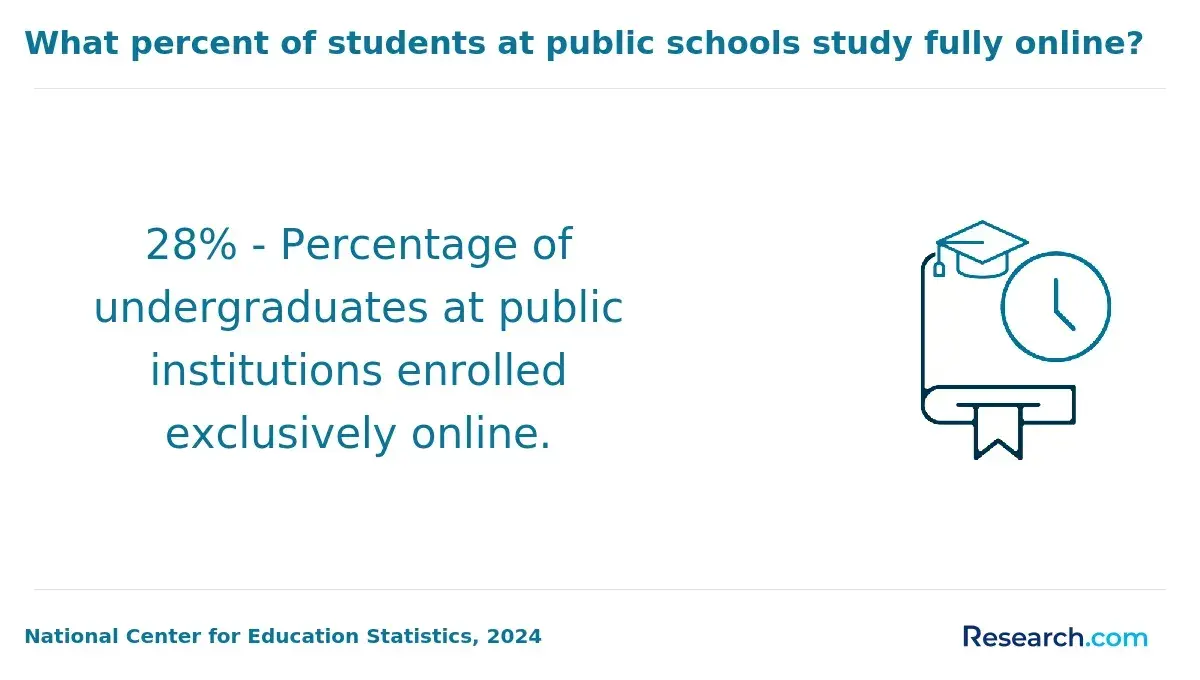
Online educational administration degrees have surged in popularity, reflecting a broader shift toward digital learning environments. According to the National Center for Education Statistics, enrollment in distance education courses increased by over 28% between 2018 and 2021, highlighting growing demand. This article examines the advantages and disadvantages of pursuing educational administration degrees online versus on-campus by exploring factors such as flexibility, cost, learning experience, and career outcomes. By comparing these critical aspects, prospective students can make informed decisions aligned with their professional goals and personal circumstances, ensuring a strategic approach to advancing leadership roles in education.
Key Benefits of Online vs On-Campus Educational Administration Degrees
- Online educational administration programs offer flexible scheduling, allowing 68% of students to balance work and study more easily compared to traditional formats.
- Students in online programs save an average of 40% on commuting and housing costs, making higher education more affordable and accessible nationwide.
- On-campus educational administration degrees provide direct access to campus resources and in-person networking opportunities, which 75% of graduates credit for enhanced career prospects.
Are Online vs. On-Campus Educational Administration Programs Structured the Same Way?
Online and on-campus educational administration degree programs vary notably in their structure, affecting how students experience learning and engagement. These differences influence how courses are delivered, scheduled, and how students interact with faculty and peers. Below is a comparison highlighting key structural aspects that distinguish online from on-campus educational administration programs.
- Course Delivery: Online programs provide coursework remotely through digital platforms using recorded lectures, interactive modules, and virtual discussion boards, allowing students to complete assignments asynchronously. On-campus programs emphasize face-to-face lectures, classroom discussions, and in-person workshops, which promote direct interaction and immediate feedback from instructors.
- Class Schedules: Online courses often offer flexible, asynchronous schedules ideal for working professionals or those with complex commitments, permitting students to access materials and complete work at their convenience. Conversely, on-campus programs follow fixed timetables aligned with the academic calendar, requiring physical attendance at set times and locations.
- Interaction and Collaboration: Students in online programs collaborate through virtual group projects, discussion forums, email, and video conferencing, facilitating broad access but limiting spontaneous in-person networking. On-campus students benefit from real-time engagement, live group work, campus events, and direct mentorship that foster stronger professional relationships and collaboration skills.
- Administrative Structure: Online programs are typically managed by university departments or distance education units, sometimes in collaboration with external partners, offering operational flexibility. In contrast, on-campus programs are generally administered directly by academic departments, ensuring close alignment with institutional standards and traditions.
Are Admission Requirements the Same for Online vs On-Campus Educational Administration Degree Programs?
Colleges and universities work diligently to maintain consistent academic standards across both online and on-campus educational administration programs, ensuring that graduates are well-prepared for leadership roles regardless of delivery format. However, institutions may differ in how they evaluate an applicant's readiness for the unique challenges of online learning, such as technology proficiency and self-directed study skills.
Below is a comparison of the key differences in admission requirements for online and on-campus educational administration programs, highlighting how criteria align and where they diverge.
- Academic Qualifications: Both formats generally require a bachelor's degree from an accredited institution and a minimum undergraduate GPA of 3.0. While this standard is consistent, some online programs offer more flexibility with GPA thresholds for applicants who demonstrate relevant professional experience.
- Work Experience: Most programs expect at least two to three years of teaching experience alongside a valid teaching license or credential. Online programs may occasionally accept broader professional backgrounds, especially for candidates beyond typical K-12 settings.
- Application Materials: Applicants usually submit transcripts, letters of recommendation, a personal statement, and a resume. Online educational administration degree admission criteria often place added emphasis on evidence of self-motivation, comfort with digital communication, and the ability to manage independent work.
- Standardized Tests: The requirement for GRE or similar tests is increasingly optional. Select on-campus programs may still request scores, whereas some online programs, such as the University of Kansas's online M.Ed., do not require them.
- Technology Readiness: Online applicants often must demonstrate basic proficiency with learning management systems, video conferencing, and collaboration tools. This is a less significant factor for on-campus candidates.
- State Licensure Preparation: Both program types prepare students for administrator certification, but online programs may provide tailored support for out-of-state licensure needs.
For those interested in accelerating their education, exploring the fastest bachelors degree options might be beneficial when considering educational administration paths.
Do Online Educational Administration Students Receive the Same Academic Support as On-Campus Students?
Universities have significantly expanded their academic support systems to ensure that online educational administration students receive resources and assistance comparable to those available to on-campus students. These improvements include adapting traditional services for virtual access and developing new support tailored to remote learners. Below is a comparison of the main academic support services offered to both online and on-campus educational administration students.
- Tutoring Services: Both online and on-campus students have access to tutoring in subjects like writing, research, and statistics. Online students can schedule virtual appointments via video or chat, providing flexible options for remote learners.
- Academic Advising: On-campus students typically meet advisors in person, while online students receive advising through video calls, emails, or specialized platforms. Proactive outreach and data-driven early interventions help support online students who may be at risk.
- Library Access: Both groups enjoy access to digital library resources such as journals and databases. Online students benefit from 24/7 electronic access and may consult dedicated online librarians to assist with research.
- Faculty Interaction: On-campus learners connect with faculty through office hours and class discussions, whereas online students rely on email, discussion boards, and virtual office hours. Timely feedback and consistent online engagement are emphasized to support remote students.
- Career Counseling: Career services are available to all students, with online learners accessing counseling, workshops, and job tools through virtual platforms to prepare for leadership roles in education administration.
- Orientation and Onboarding: On-campus students attend in-person orientations, while many online programs offer orientation modules virtually. However, only a minority of universities mandate online orientation, indicating room for growth in this area.
How Long Does It Take to Complete an Online vs an On-Campus Educational Administration Degree?
Program length for educational administration degrees can significantly vary depending on whether the program is delivered online or on-campus, the student's pace, and the scheduling flexibility offered. These factors directly affect how quickly a student can complete their degree and balance other professional or personal commitments. Below is a comparison of the average completion times for online and on-campus educational administration programs to help clarify these differences.
Key considerations for completion times include program format, enrollment status, and curriculum flexibility, all of which impact overall duration.
- Online educational administration degree: Most online master's programs can be completed within 18 to 24 months, especially for students who take advantage of part-time or accelerated options. Flexibility in course start times, self-paced learning, and asynchronous class formats allow students to tailor their schedules around work and family, potentially finishing sooner than traditional timelines. Doctoral online programs typically take about three years, though dissertation completion can extend this period.
- On-campus educational administration degree: Traditional, full-time on-campus master's programs generally span 2 to 3 years, following conventional semester or quarter schedules that require set class attendance. This rigidity may slow progress for students balancing outside commitments. Doctorate programs on campus can also take three or more years depending on research demands and dissertation work, with less scheduling flexibility than online counterparts.
One professional who completed an online educational administration degree shared that the program took just under two years to complete, a pace that matched his full-time work schedule perfectly. "Balancing work and study was intense at times," he explained, "but the ability to set my own deadlines and access course materials at any hour made it manageable." He recalled moments of doubt during the dissertation phase when juggling deadlines felt overwhelming, but praised the online resources and faculty support that kept him on track. His experience highlighted how an online format allowed him to accelerate parts of the program while accommodating life's unpredictability, something he believed would have been much harder in a traditional on-campus setting.
Are Online Educational Administration Programs Cheaper Than On-Campus Ones?
Tuition, fees, and related expenses for online educational administration programs are generally lower than those for on-campus programs, although the cost difference can vary based on the institution and student circumstances. While online programs reduce or eliminate many indirect costs, some schools may still price their online offerings similarly to on-campus tuition.
Understanding the cost comparison online vs on-campus educational administration degree involves examining several key factors that influence the total expenses for each format; these include tuition, living costs, technology fees, and financial aid availability.
- Tuition and Fees: Online educational administration programs typically have lower tuition than their on-campus counterparts, with average undergraduate tuition and fees around $12,216 annually compared to about $18,981 on-campus, representing roughly a 35% savings. However, some public institutions may charge higher per-credit-hour rates for online students than for in-state on-campus students, though these are usually less than out-of-state or private institution rates.
- Living Expenses: On-campus students often pay additional costs for room and board, which can average $744 more annually compared to online students who usually live off-campus or at home. Online learners also save money on commuting, parking, and meals, which together can significantly reduce overall expenses during the program.
- Technology Costs: While online students must invest in reliable internet service and computing devices, these costs are generally lower than maintaining physical campus facilities and services. Some institutions may charge additional technology or distance learning fees, which can offset some savings but usually remain less than on-campus mandatory fees.
- Financial Aid Availability: Financial aid options are generally similar for both online and on-campus programs, but certain scholarships or assistantships may be exclusive to on-campus enrollment. Prospective online students should confirm eligibility for institutional and federal financial aid to maximize their assistance.
- Additional Fees: On-campus programs often require mandatory fees for campus services, health insurance, and student activities which online students typically avoid. Conversely, online learners may face fees for support services unique to distance education, but these tend to be less substantial.
Both online and on-campus educational administration degrees have strong value if accredited and offer comparable career opportunities. For individuals weighing expenses and flexibility, exploring options like what are the easiest masters degrees may also inform choices aligned with financial and career goals.
What Are the Financial Aid Options for Online vs On-Campus Educational Administration Programs?
Both online and on-campus students pursuing educational administration degrees may qualify for various financial aid options, but eligibility and accessibility often differ depending on the program format and institution policies. Understanding these distinctions can help students better navigate aid opportunities available to them.
Below is an overview of the main financial aid options available for both online and on-campus educational administration students, highlighting key differences in eligibility and accessibility:
- Federal Aid (FAFSA): Most accredited programs, whether online or on-campus, accept federal aid through the Free Application for Federal Student Aid (FAFSA). While federal grants, loans, and work-study are available, online students must ensure their program's eligibility and maintain at least half-time enrollment to qualify for certain aid types, as part-time enrollment-which is more common among online learners-can limit access.
- State Aid: State grants and scholarships primarily benefit residents attending in-state institutions. Although both formats may qualify, some state aid favors on-campus students or requires full-time status. Certain state grants exclude fully online programs, so students should verify eligibility with their state education agency.
- Scholarships and Grants: Scholarships from universities, associations, and external groups are accessible to both online and on-campus students, but on-campus students often receive a larger share. Many merit- or need-based awards also require full-time enrollment or enrollment during specific terms, which may not align with the flexible schedules common in online programs. Those interested in scholarships for on-campus educational administration degrees may need to consider these restrictions.
- Employer Tuition Reimbursement: Both online and on-campus students working full-time can benefit from employer tuition assistance programs. Online programs often offer greater flexibility, making them attractive choices for professionals balancing work and study. Eligibility and reimbursement amounts vary depending on employer policies.
- Private Student Loans: Private lenders generally treat online and on-campus programs similarly if the institution is accredited. However, these loans usually carry higher interest rates and less favorable terms than federal options, making them a less desirable choice for some students.
Students considering online degrees might also explore the fastest masters degree online opportunities to reduce time and cost, which can complement available financial aid and improve affordability for educational administration programs.
Are Online Educational Administration Programs as Credible as On-Campus Ones?
Accreditation, faculty qualifications, and curriculum rigor play a pivotal role in establishing the credibility of both online and on-campus educational administration programs. Leading accrediting bodies such as the Council for the Accreditation of Educator Preparation (CAEP) and the Association for Advancing Quality in Educator Preparation (AAQEP) maintain consistent standards that apply equally to both delivery formats.
Faculty members teaching online are often the same professionals instructing on-campus courses, ensuring uniform academic quality. Additionally, curriculum content is aligned across formats, with online programs frequently requiring practical experiences like internships or supervised fieldwork. This alignment assures that graduates meet state licensing requirements and are equally prepared regardless of the program format.
Employer and licensing body perceptions of online educational administration degrees have shifted significantly in recent years. A 2023 Northeastern University survey revealed that 61% of HR leaders now regard online degrees from accredited institutions as equal to or better than traditional ones.
Licensing agencies generally do not distinguish between online and on-campus credentials when accreditation is in place. Advances in virtual learning technologies, such as real-time interactive classes, combined with expanded internship opportunities through industry partnerships, continue to elevate online program quality. These innovations, along with competitive costs and flexible scheduling, are helping online educational administration degrees gain credibility comparable to their on-campus counterparts.
Do Employers Prefer Online vs On-Campus Educational Administration Degrees?
Employer attitudes toward online versus on-campus educational administration degrees have evolved notably in recent years, though some distinctions remain. According to the Graduate Management Admission Council's 2023 survey, worldwide about 54% of employers view online and in-person degrees as equally valuable, yet U.S. employers tend to favor traditional, on-campus programs more strongly. This preference often stems from a perception that on-campus graduates demonstrate stronger leadership, communication, and interpersonal skills-traits critical in educational administration roles. However, the gap between the two formats is narrowing as online programs increasingly emphasize rigorous academics and interactive, skills-based learning experiences. Employers are gradually recognizing that the mode of instruction is less important than the competencies and practical experiences candidates acquire during their studies.
Factors such as university reputation and program accreditation heavily influence employer perceptions of degree validity from either format. Research shows that 83% of business leaders believe an online degree from a well-known institution carries similar weight to an on-campus degree, highlighting the importance of institutional prestige. Employers also prioritize applicants' demonstrated skills and relevant professional experience over delivery method, focusing on evidence of ability rather than the degree format alone. Additionally, the rise of remote and hybrid work environments has elevated the value of flexibility and digital literacy, which are often integral to online education. These shifts have contributed to a growing acceptance of online educational administration degrees, especially when paired with reputable accreditation and hands-on expertise.
When I spoke with a professional who completed an online educational administration program, she shared valuable insights about her career path and employer perceptions. She recalled initially worrying that hiring managers might undervalue her online degree, but found that her strong portfolio of practical projects and leadership roles during the program quickly dispelled those doubts. "What mattered most was my ability to demonstrate real-world skills and adaptability," she explained, emphasizing how the program's focus on applied learning helped her secure a leadership position in a respected school district. Her experience reflects a broader trend: candidates who combine accredited online education with robust professional achievements are increasingly welcomed by employers in education administration.
Do Online vs On-Campus Educational Administration Program Graduates Earn the Same Salaries?
Salary comparisons between graduates of online and on-campus educational administration programs are increasingly shaped by factors such as accreditation, employer perceptions, and location rather than the format of study alone. As the quality and acceptance of online degrees grow, these elements play a more significant role in determining earning potential. Below are key factors influencing current salary trends for educational administration graduates, highlighting the complex nature of educational administration degree salary comparison online vs on-campus.
- Accreditation and Institutional Reputation: Employers prioritize candidates holding degrees from accredited and well-regarded institutions. Graduates from reputable online programs often earn salaries comparable to their on-campus peers, provided their degrees meet recognized standards.
- Field Experience and Professional Networking: Practical experience and professional connections strongly impact salary prospects. While on-campus programs may offer more face-to-face networking, many online programs incorporate internships and virtual networking to close this gap.
- Location and Regional Demand: Geographic location greatly affects salary, often more than degree format. For example, postsecondary administrators in high-paying states like New Jersey earn well above the national average, regardless of whether their degree was obtained online or on campus.
- Employer Perception of Online Degrees: Though employer views have improved, some still prefer traditional degrees in competitive fields. This bias is diminishing as online education quality and recognition increase over time.
- Cost and Return on Investment (ROI): Online degrees typically cost 35-40% less than on-campus ones, improving ROI despite slightly higher average salaries for campus graduates. Non-profit online programs narrow this salary gap while offering better affordability.
- Academic Support and Flexibility: Online programs offer greater flexibility, allowing students to work and gain experience while studying, indirectly enhancing their earning potential.
Prospective students can explore leading online colleges to find accredited, reputable programs that can positively influence the average salary for online educational administration graduates in the US.
How Do You Decide Whether an Online vs On-Campus Educational Administration Program Is Right for You?
Choosing between online and on-campus educational administration programs depends largely on your personal learning preferences, lifestyle, and professional goals. The right choice should reflect how you learn best, your available time, and your career ambitions. Consider these key factors before deciding which format fits your needs best:
- Learning style: If you thrive in structured, face-to-face environments with real-time interaction, an on-campus program may suit you better. Conversely, online programs offer asynchronous coursework, ideal for independent learners who prefer managing their own pace and utilizing digital collaboration tools.
- Flexibility needs: Online educational administration degrees provide significant flexibility, allowing you to balance work, family, or other commitments. This makes online learning especially appealing to working adults seeking the best online educational administration programs for working adults without disrupting their professional lives.
- Budget: Cost is a major consideration when you compare online vs traditional educational administration degree cost. Online programs typically have lower tuition and eliminate expenses like housing and transportation, making education more affordable for many students.
- Networking opportunities: On-campus study offers direct access to faculty, peers, and campus events, fostering strong professional connections. Although online formats include virtual networking options, they may not provide the same immediacy and depth of relationships found in-person.
- Access to campus resources: Students attending on campus benefit from ready access to libraries, research centers, and academic support services. While most online programs provide virtual access to resources, some learners may find physical proximity better supports their engagement and academic success.
Understanding these factors in relation to your personal circumstances is essential in making the right choice. For those interested in career paths that accommodate introverted preferences or flexible schedules, reviewing the top jobs for introverts can provide additional insights alongside choosing an educational administration program format.
Here's What Graduates of Online vs On-Campus Educational Administration Programs Have to Say About Their Degree
- Keisha: "Completing my educational administration degree entirely online gave me the flexibility I needed to balance work, family, and studying. The program's rigorous curriculum prepared me well for leadership roles, and I was able to apply concepts in real time during my current administrative position. I appreciate how the online format connected me with diverse peers and instructors from across the country, enriching my perspective on educational challenges. This degree opened doors to promotions and truly empowered me to make a positive difference in my school district."
- David: "The on-campus educational administration program was a transformative experience, offering hands-on learning and face-to-face collaboration that deepened my understanding of school leadership. Engaging directly with professors and classmates helped me build a professional network that continues to support my career growth. The immersive environment fostered my passion for student advocacy and community engagement. Graduating from this traditional program gave me confidence and credibility when stepping into my first role as a vice principal."
- Ananya: "Pursuing a hybrid educational administration degree gave me the perfect blend of flexibility and personal interaction. I could manage my coursework remotely while still attending key in-person sessions that enhanced my practical skills and leadership capabilities. This format helped me stay connected with faculty and classmates, making professional development opportunities more accessible and meaningful. The program equipped me with strategies to improve my school's culture and student outcomes, fueling my enthusiasm to contribute positively to education."
Other Things You Should Know About Online & On-Campus Educational Administration Degree Programs
In 2027, online educational administration programs often have lower overall costs compared to on-campus programs. This is due to savings on commuting, housing, and potentially lower tuition fees. However, both formats may offer financial aid options to help mitigate expenses.
In 2027, online programs often rely on discussion boards and video calls for interaction, which can limit spontaneous exchanges. On-campus programs offer real-time, face-to-face discussions, fostering immediate feedback and collaboration, which some find more engaging and beneficial for dynamic learning experiences.
Students should evaluate tuition, technology fees, commuting costs, and potential income loss due to class schedules. While online programs may offer more flexibility and lower commuting costs, technology fees may add up. Conversely, on-campus programs might have less technology costs but higher commuting expenses.
References
- How employer sentiment about online degrees has evolved https://online.regiscollege.edu/blog/employers-perceive-online-degrees
- Should You Go to Grad School Online or In Person? https://www.ets.org/grad-school-journey/online-vs-in-person.html
- Master of Education in Educational Administration, Curriculum, and Supervision https://online.ou.edu/program/med-in-educational-administration/
- Educational Administration (MED) https://www.etamu.edu/programs/educational-administration-med/
- Do Employers Dislike Online Degrees? Honest Answers for Job Seekers https://williamcareyuniversity.co.in/do-employers-dislike-online-degrees-honest-answers-for-job-seekers
- Cost of Online Education vs. Traditional Education [2025]: Comparison https://educationdata.org/cost-of-online-education-vs-traditional-education
- How Credible Are Online Degrees? And are they worth it? https://potomac.edu/are-online-degrees-taken-seriously-by-employers/
- Online vs. On-Campus Programs for Returning Students - Resource Center Article https://nextmile.instride.com/resource/online-versus-on-campus-programs
- MA in Education (Educational Administration) https://www.umassglobal.edu/academic-programs/ma-education-educational-administration
- On-campus vs online university degree: pros and cons https://www.idp.com/malaysia/blog/university-online-vs-on-campus/


