
2027 Can You Complete an Online Educational Administration Degree Program While Working Full-Time?

Co-Founder and Chief Data Scientist
Balancing full-time work, family responsibilities, and the demands of an online educational administration degree program can feel overwhelming. Nearly 70% of online learners in the U.S. are adults managing jobs and households, making time management a critical challenge. Educational administration students often juggle coursework alongside practical leadership tasks, adding complexity to their schedules.
This article explores whether completing an online educational administration degree while working full-time is feasible. By examining support systems, study strategies, and program flexibility, professionals can better assess if such a program fits their busy lifestyle without compromising work or personal responsibilities.
Key Benefits of Completing an Online Educational Administration Degree Program While Working Full-Time
- Flexible schedules allow full-time workers to study during evenings or weekends, helping balance job duties with coursework in educational administration leadership and policy.
- Online programs reduce commute time, enabling busy educators to efficiently manage administrative studies while maintaining professional responsibilities in schools or districts.
- Access to digital resources and peer networks supports skill development in educational technology and management, critical for career advancement without leaving a current full-time role.
How Long Does It Take to Complete an Online Educational Administration Degree While Working Full-Time?
How long it takes to complete an online educational administration degree while working full-time varies depending on several key factors, including enrollment status and program format. These elements interact with work commitments and prior academic experience to influence the total duration.
Below are the main factors affecting the time required to complete a degree for students balancing full-time work:
- Enrollment Status: Full-time enrollment usually allows for faster completion, with some master's programs designed for professionals to finish in about 24 months by taking one 8-week course at a time, like at the University of Oklahoma. Part-time enrollment, preferred by many working adults, typically extends the duration, especially for doctorate students, who may need three to four years or more.
- Course Format: Asynchronous and self-paced courses offer flexibility for evening or weekend study but may lengthen completion time. Accelerated formats can reduce time to finish but demand a heavier workload, which can be challenging alongside full-time jobs.
- Prior Academic Credits: Students with prior relevant course credits or transfer coursework can shorten their studies by bypassing certain requirements, facilitating a faster path to degree completion.
- Work Schedule and Weekly Study Hours: Balancing a full-time job generally requires dedicating 10-20 hours weekly to studies. The ability to manage these hours influences how quickly one can complete the program.
- Program-Specific Requirements: Additional components such as capstone projects, internships, or practicum placements can extend completion time, particularly when needing coordination around a full-time work schedule.
Understanding how long to finish an online educational administration degree depends largely on your personal circumstances and program choice, so thorough planning is essential.
For more information on the fastest online degree programs for working adults, detailed resources are available to help optimize your educational timeline while maintaining professional commitments.
Is an Asynchronous or Synchronous Online Educational Administration Program Easier for Students Working Full-Time?
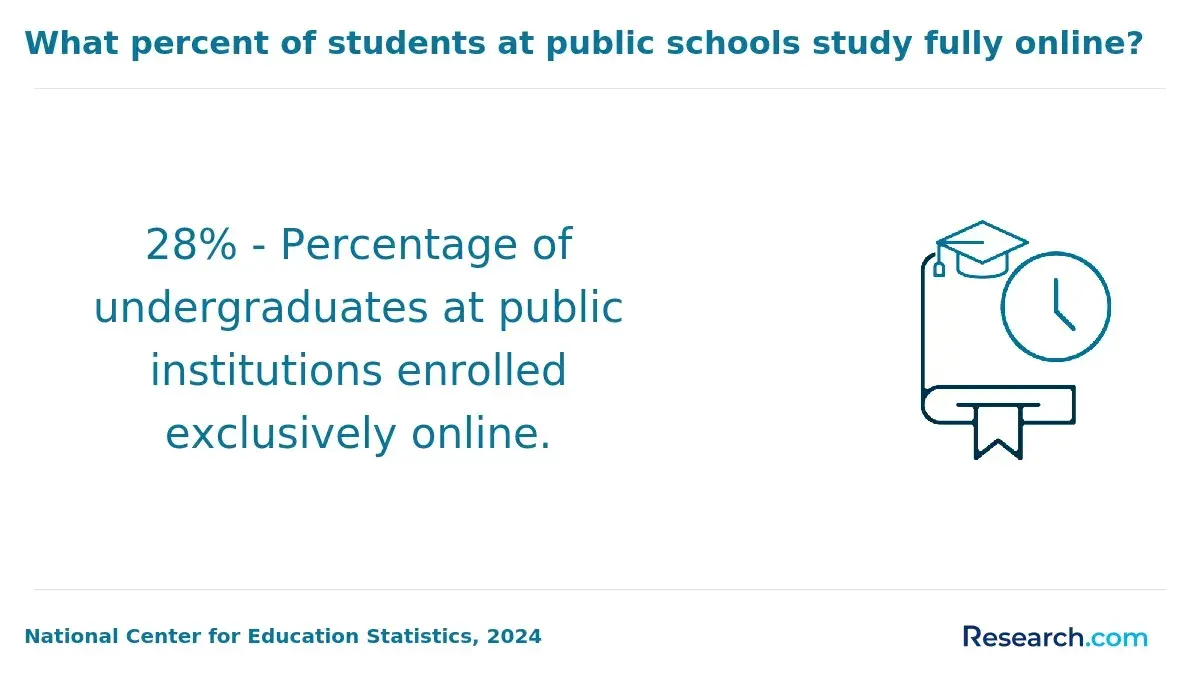
For students working full-time, an asynchronous online educational administration program is generally easier to manage due to its flexible access to course materials.
This format significantly impacts their ability to balance work, study, and personal life by allowing them to complete lectures and assignments on their own schedule. Its flexibility enables professionals to adapt their studies around fluctuating work hours and family responsibilities, making it a practical choice.
Asynchronous programs let students engage with content whenever convenient, which benefits those with unpredictable schedules, such as school principals handling after-hours duties.
In contrast, synchronous online educational administration programs require attendance at live sessions, fostering real-time interaction and a stronger academic community but demanding strict adherence to scheduled class times. While synchronous formats enhance engagement and accountability, they can challenge professionals with rigid job commitments.
Both formats offer valuable benefits, but asynchronous options provide the most flexibility, essential for working full-time. Those interested in these options can explore an open enrollment university that provides accessible pathways tailored to busy professionals.
What Time Management Strategies Help Online Educational Administration Students Working Full-Time?
Balancing a full-time job with online educational administration studies requires strong time-management skills to prevent missed deadlines and stress. Successful students often rely on specific techniques to juggle work, courses, and personal life effectively.
Here are five practical, research-supported strategies:
- Consistent Study Schedule: Dedicate set blocks weekly for coursework that fit your peak focus times, helping build routine and reduce procrastination.
- Task Breakdown: Break assignments into smaller parts to avoid feeling overwhelmed and ensure steady progress without last-minute pressure.
- Productivity Tools: Use planners, digital calendars, or apps to track assignments, set reminders, and organize tasks clearly across work and study demands.
- Dedicated Study Space: Create a quiet, distraction-free environment to improve concentration, turning off notifications during study periods.
- Pomodoro Technique: Study in focused intervals with short breaks, maintaining attention and preventing burnout over long sessions.
A student who managed a full-time job while completing her online educational administration degree shared that maintaining flexibility was key. "Some days required shifting study times late at night or early mornings because work unexpectedly demanded extra hours," she explained.
She relied heavily on digital calendars and breaking tasks into tiny steps, which helped reduce anxiety about looming deadlines. Despite occasional exhaustion, she found that carving out short, focused sessions-even when brief-kept momentum strong.
"It wasn't easy balancing everything," she reflected, "but staying adaptable and organized made all the difference in finishing the program successfully."
What Are the Biggest Challenges Full-Time Workers Face in Online Educational Administration Programs?
Balancing a full-time job with the demands of an online educational administration degree is a significant hurdle for many professionals. Managing work tasks alongside academic responsibilities often requires intense effort and careful planning.
Below are some of the main challenges faced by these students:
- Time management: Allocating enough hours for study while handling full-time employment and personal obligations is tough. Education administration students often invest 15 to 20 hours weekly on coursework, leading to late nights or weekend study sessions that can disrupt routines.
- Work-life balance: Meeting concurrent deadlines for work and school can increase stress levels and risk burnout. Those juggling both roles frequently face competing priorities, making it essential to develop strategies to maintain mental and physical health.
- Limited access to support: Although online programs offer flexibility, students may feel disconnected from instructors and classmates. This can hinder timely assistance and reduce networking opportunities critical for careers in educational administration.
How Do Online Educational Administration Programs Handle Internships for Full-Time Workers?
Balancing internships with full-time work in education poses real challenges, yet hands-on leadership experience remains crucial in online educational administration programs. Practical internships offer insights that coursework alone cannot provide, making flexible solutions essential for working professionals.
Here are five ways these programs typically accommodate internship requirements for full-time educators:
- On-the-job internship placement: Students often fulfill internship hours at their current employment site if it meets program standards. This setup lets them gain leadership experience through additional projects without leaving their full-time role.
- Flexible scheduling: Programs frequently allow internships to be completed during evenings, weekends, or summer terms. Condensed summer schedules or spreading hours across the academic year help reduce conflicts with teaching duties.
- Individualized internship planning: Early collaboration with advisors creates personalized plans aligned with work commitments. This may include selecting lighter semesters or arranging extra support like student teachers.
- Supportive supervision: Assigning both university and on-site supervisors ensures consistent mentorship. This dual guidance helps interns engage in meaningful leadership tasks meeting program standards.
- Embedded and project-based internships: Some degrees integrate internships within coursework through leadership projects and reflections. This method enables students to demonstrate skills while managing professional responsibilities.
A full-time professional pursuing an online educational administration degree shared his experience navigating the internship component. He described initial worries about fitting the required hours into an already demanding schedule but found the program's flexible approach invaluable.
"Being allowed to complete project-based tasks tied to my daily work made a huge difference," he said, emphasizing how personalized advisor support helped tailor his internship around peak busy periods at school. He also appreciated having both university and field supervisors to provide feedback and encouragement, which kept him motivated.
Reflecting on the journey, he noted, "It wasn't easy, but the program's structure respected my full-time role and made real leadership growth possible without sacrificing job responsibilities."
What Technology Do You Need for an Online Educational Administration Degree While Working Full-Time?
Having the right technology is essential for full-time professionals juggling job responsibilities while pursuing an online educational administration degree. Efficient and reliable tools enable students to stay organized, engage meaningfully in coursework, and manage their time effectively.
Below are the key technology requirements that support working professionals in successfully earning an online educational administration degree:
- Reliable computer or laptop: A modern device with adequate memory and processing power is vital for accessing virtual classes, completing assignments, and running specialized software. For instance, courses in educational leadership may require data analysis or multimedia applications, making a dependable computer indispensable for working students.
- High-speed internet connection: Fast and stable internet ensures seamless streaming of lectures, participation in live discussions, and timely downloading of course materials. Many programs, including those at institutions like UT Knoxville and LSU, combine asynchronous content with real-time collaboration that depends on consistent connectivity.
- Learning management system (LMS) access: Platforms such as Canvas, Blackboard, or Moodle are central to managing coursework, submitting assignments, and engaging with peers and instructors. Full-time professionals benefit from these centralized hubs that streamline communication and enable easy tracking of progress in educational administration programs.
- Productivity and collaboration software: Tools like Microsoft Office 365, Google Workspace, and Zoom support report writing, group projects, and virtual meetings. These applications reflect real-world administrative tasks, providing students with relevant experience while facilitating effective collaboration despite busy schedules.
- Time management and organization apps: Applications such as Trello, Asana, or calendar tools help students balance work, study, and personal life by setting reminders and scheduling tasks. Mastering these apps builds skills essential for degree completion and future educational administration roles that demand strong organizational abilities.
Working professionals seeking to understand technology requirements for an online educational administration degree can better prepare themselves for academic success.
For those curious about career outcomes, exploring what 4 year degree pays the most may provide valuable insight into the return on investment for educational administration studies.
Can You Qualify for Financial Aid If You Study Online and Work Full-Time?
Financial aid is a crucial factor for full-time professionals who want to pursue an online educational administration degree while managing work commitments. Access to grants, loans, or employer aid can significantly impact whether advancing your education fits within your budget.
Below are key considerations that affect financial aid eligibility for working students:
- Accreditation of the Online Program: To receive federal financial aid, the educational administration program must be offered by an institutionally accredited college or university. Accreditation qualifies students for federal grants, loans, and many private scholarships, making it essential for full-time workers seeking funding.
- FAFSA Application: Filing the Free Application for Federal Student Aid (FAFSA) is critical for accessing most federal and state financial aid. Full-time working students can apply regardless of their employment status, with income and family details influencing aid eligibility. Many scholarships also require FAFSA to be on file, highlighting its importance.
- Income and Financial Need: Federal aid often depends on demonstrated financial need. Full-time professionals' earnings may affect their qualification for need-based grants; however, some work-related assistance programs can supplement this aid, supporting students who juggle employment and education.
- Employer Tuition Assistance: Many employers offer tuition reimbursement or assistance programs for continuing education. Working adults should explore whether their company provides such benefits, which can reduce out-of-pocket costs and complement federal aid while pursuing an online degree.
- Part-Time Enrollment Options: While full-time enrollment can maximize aid eligibility, some workers choose part-time study to balance their job and education better. Although financial aid amounts may vary with enrollment status, choosing programs that accommodate flexible pacing helps maintain progress without sacrificing funding opportunities.
For full-time working students looking for affordable options, considering inexpensive online colleges that accept FAFSA may provide valuable financial support accessible alongside employment.
Do Employers Support Employees Pursuing Online Educational Administration Degrees in 2027?
Employer support has become essential for full-time professionals pursuing an online educational administration degree, as balancing work and academics demands flexibility and resources. Workplace policies greatly influence how effectively students can manage their job responsibilities while advancing their education.
The following insights outline common ways employers support or hesitate to support these degree pursuits:
- Tuition Assistance: Many employers provide employer tuition reimbursement for online educational administration degree programs, offering financial relief through scholarships or tuition reimbursement. This aid is crucial for affordability, especially in education-related fields where salaries might be moderate.
- Flexible Work Schedules: Adjusted hours, remote work options, or workload reductions help employees attend synchronous online sessions and meet assignment deadlines. Companies that implement flexible scheduling demonstrate company support for working professionals earning online educational administration degrees by accommodating their academic commitments.
- Career Advancement Incentives: Some organizations promise promotions, salary increases, or leadership opportunities once the degree is earned. Such incentives motivate employees and display an employer's investment in developing future educational leaders.
- Mentorship and Professional Development: Access to mentors, paid educational leave, or targeted professional development programs helps employees apply new administrative skills on the job, enhancing both performance and engagement.
- Concerns About Job Performance: Employers occasionally worry about short-term productivity dips due to divided focus. They may limit support to employees in good standing or require academic progress proof to mitigate risks.
Support systems like these are vital, especially when compared with other trade jobs that pay well, showing how employer investment shapes career pathways in education.
Does Completing an Online Educational Administration Degree While Working Full-Time Improve Your Salary?
Completing an online educational administration degree can positively affect salary, influenced by several factors. Industry demand for education administrators remains strong, with median wages around $98,500 for K-12 and postsecondary roles. Higher degree levels, especially master's or above, open doors to roles like principal or dean, often with salaries exceeding $100,000.
Employer attitudes toward online degrees have become more favorable, with many districts and universities recognizing accredited online credentials as on par with traditional programs. Additionally, combining advanced education with relevant professional experience enhances competitiveness for top-tier positions and better pay.
Working full-time while pursuing the degree offers distinct advantages, including improved chances for promotion and greater job security. Applying new leadership skills immediately in the workplace reinforces learning and can accelerate progression into higher-responsibility, better-compensated roles.
However, salary improvements depend on factors such as geographic location, specific employer policies, and wider economic trends. Some estimates suggest those with a master's in educational administration might earn $15,000-$20,000 more annually compared to those holding only a bachelor's degree, though outcomes vary widely by individual circumstances.
What Should Full-Time Workers Look for When Choosing an Online Educational Administration Program?
Choosing the right online educational administration program is vital for full-time professionals juggling work and personal commitments. A program's design can directly impact a student's ability to manage coursework and avoid burnout. Consider these key elements when evaluating your options:
- Flexible Scheduling: Programs offering asynchronous classes or multiple start dates allow you to work around your job. Flexibility in deadlines and exam periods is essential to handle unpredictable work hours effectively.
- Accreditation and Licensure Alignment: Selecting an accredited program that matches the licensure standards of your target state ensures your degree holds value for certification and employment.
- Relevant Professional Experience Requirements: Many programs require two to five years of teaching or administrative experience, so verifying these prerequisites upfront is critical for admission and future leadership roles.
- Support Services for Online Learners: Access to academic advising, tech support, and cohort-based learning helps maintain progress and fosters connection, which is key in a virtual setting.
- Program Duration and Structure: Evaluate whether accelerated tracks or part-time options fit your pace, as program length influences how quickly you can advance professionally.
What Graduates Say About Completing an Online Educational Administration Degree While Working Full-Time
- Kyle: "Balancing a full-time job while pursuing my online educational administration degree was challenging, but the flexible pace allowed me to tailor my studies around work commitments. The curriculum was engaging and relevant, giving me practical skills that boosted my leadership abilities immediately. Considering the cost was quite reasonable compared to traditional programs, it felt like a smart investment in my future. "
- Elise: "The online educational administration degree program offered a reflective and thoughtful learning experience that fit well with my busy professional life. Though managing both work and school required discipline, the steady pace helped me absorb the material deeply without overwhelming me. The moderate tuition fees made continuing my education accessible without financial strain. "
- Donna: "As a working professional, enrolling in an online educational administration program was a strategic career move that I took seriously. The streamlined coursework respected my time and provided insights that I could apply immediately to my role. While the cost was not insignificant, the value I gained in leadership skills and career advancement was well worth it. "
Other Things You Should Know About Educational Administration Degrees
In 2027, many online Educational Administration programs offer flexible course schedules, allowing working professionals to study at their own pace. These programs often provide prerecorded lectures and assignment deadlines catered to accommodate a full-time work schedule.
In 2027, online Educational Administration programs often offer virtual networking events, discussion forums, and group projects that facilitate connections among professionals. These opportunities enable full-time workers to exchange experiences, share insights, and build lasting professional relationships.
Absolutely. Coursework in educational leadership, policy, and management taught in these programs is designed to be practical and relevant. Full-time workers can often implement new strategies and best practices learned in real time, which may improve their job performance and prepare them for leadership roles.
Academic advising in online Educational Administration programs is tailored to accommodate the unique needs of full-time working students in 2027. Advisors offer flexible scheduling, personalized guidance, and strategic planning to manage coursework alongside professional commitments, ensuring students succeed both academically and professionally.
References
- FAQ: Earning Your Education Specialist Degree Online https://degree.astate.edu/online-programs/education/eds/leadership-gate-director/earning-your-education-specialist-degree-faq/
- 5 Benefits of Online Education for Working Adults https://www.grace.edu/5-benefits-of-online-education-for-working-adults/
- Master of Education in Educational Administration and Supervision https://www.deltastate.edu/academics/graduate-programs/med-educational-administration-supervision/
- Online M.A. in Educational Administration – Caldwell University https://www.caldwell.edu/ma-ed-admin-online/
- Guide to Employers Who Subsidize Online Education https://www.onlineeducation.com/features/employers-who-subsidize-higher-ed
- Are online degrees respected by employers? https://onlineprograms.uic.edu/news-stories/are-online-degrees-respected-by-employers/
- Educational Leadership Degrees for Educational Technology Administrators https://www.educationalleadershipdegree.com/educational-leadership-jobs/educational-technology-administrators/
- How to Get Your Employer to Pay for College With Tuition Assistance Programs https://www.umassglobal.edu/blog-news/get-your-employer-pay-college-tuition-assistance-programs
- Time Management Strategies: 8 Tips for Balancing College and Life https://www.snhu.edu/about-us/newsroom/education/time-management-strategies
- Asynchronous vs. Synchronous Learning | Provo College https://www.provocollege.edu/blog/asynchronous-vs-synchronous-learning-whats-the-difference-and-which-is-right-for-you/


