2027 Online Electrical Engineering Degree Master's Programs That Accept FAFSA

Co-Founder and Chief Data Scientist
Many prospective students face financial barriers when seeking a master's degree in electrical engineering, with tuition costs rising faster than inflation. According to the National Center for Education Statistics, graduate enrollment has declined by 3.3% in engineering fields over recent years, partly due to affordability concerns. However, federal financial aid via FAFSA can significantly offset costs, yet many programs do not accept it. This article explores accredited online electrical engineering master's programs that accept FAFSA, clarifying federal aid eligibility, admission criteria, and career benefits. It equips readers to make informed decisions balancing cost, flexibility, and program quality.
Key Things to Know About Online Electrical Engineering Degree Master's Programs That Accept FAFSA
- Federal aid through FAFSA requires enrollment in accredited online electrical engineering master's programs, meeting admission criteria like bachelor's degrees, transcripts, and minimum GPA standards.
- Application procedures often involve submitting FAFSA forms early, alongside program-specific documents, with aid amounts reflecting need, merit, and program costs, emphasizing timely financial planning.
- Compare programs by cost, course flexibility, and institutional reputation; structured curricula and positive career outcomes boost return on investment for graduates entering fields with 7% job growth projections.
How Does FAFSA Work for Graduate Students Enrolling in an Online Electrical Engineering Master's Program?
Institutional accreditation is essential for FAFSA eligibility because the U.S. Department of Education requires schools to be accredited by recognized agencies to participate in federal financial aid programs. This accreditation confirms a program meets quality education standards and safeguards federal funds. Below, we address common questions about how to apply FAFSA for online electrical engineering master's programs and outline several reputable options available.
Electrical engineering careers are projected to grow by about 7% from 2022 to 2032, with increased demand fueling salary growth. Here are five notable regionally accredited universities offering online electrical engineering master's programs that qualify for federal financial aid:
- University of Southern California (USC): Offers a 30-credit, fully online program generally completed in 2 years. USC is regionally accredited by WASC and participates in federal aid programs, allowing FAFSA eligibility.
- North Carolina State University (NCSU): Provides a 30-credit program with mostly online courses and flexible pacing. Accredited by SACSCOC, NCSU is eligible for federal financial aid.
- Johns Hopkins University: Features a 30-credit, part-time online master's focusing on advanced topics in electrical engineering. It holds MSCHE accreditation and participates in FAFSA.
- University of Florida (UF): Offers a 30-credit online program designed for working professionals, accredited by SACSCOC with federal aid eligibility.
- Pennsylvania State University World Campus: Delivers a 30-credit master's program with a strong research focus. Regionally accredited by MSCHE, it participates in federal financial aid programs.
Prospective students seeking answers to faqs about federal financial aid for graduate electrical engineering students should verify each program's FAFSA eligibility independently using the Federal Student Aid website's school search tool at studentaid.gov. Considering program cost, reputation, and flexibility, candidates can also explore other online degrees that pay well to complement their education and career goals.
What Types of Federal Financial Aid Are Available to Online Electrical Engineering Master's Students Through FAFSA?
Graduate students pursuing online electrical engineering master's degrees benefit from distinct federal financial aid options through FAFSA compared to undergraduates. Knowing the differences in available aid types can aid in effective financial planning. According to the U.S. Bureau of Labor Statistics, electrical engineering jobs are expected to grow 7% from 2022 to 2032, highlighting positive career prospects. Below is a summary of key federal financial aid considerations for these programs.
- Federal Loans Available: The Direct Unsubsidized Loan offers up to $20,500 annually at a fixed 7.05% interest rate (2023-2024), while the Federal Grad PLUS Loan allows borrowing up to the full cost of attendance minus other aid, with an 8.05% interest rate. Both loans feature flexible, income-driven repayment options.
- Limited Grant Eligibility: Graduate students have restricted access to grants; for example, the TEACH Grant applies primarily to education-related fields and typically requires teaching commitments, rarely benefiting electrical engineering students.
- Work-Study Opportunities: Graduate-level work-study is available but less common and usually necessitates early FAFSA submission and eligibility verification.
- Repayment Strategies: Income-driven repayment plans and Public Service Loan Forgiveness (PSLF) offer viable methods to manage loan debt effectively after graduation.
- Field Demand and Salary Growth: Steady demand and salary increases in electrical engineering support the investment in graduate education and should factor into comparing programs based on cost, flexibility, and reputation.
Students seeking financial aid should also explore accredited institutions offering online Electrical Engineering master's programs to balance cost and program quality. For those interested in related paths, comprehensive listings of affordable options like the affordable online doctoral programs can provide valuable insights into advanced educational routes.
Federal financial aid options for online electrical engineering master's students through FAFSA include various grants, loans, and work-study programs designed to support graduate-level education.
- federal grants and loans for online electrical engineering master's students
- graduate financial aid opportunities through FAFSA for electrical engineering programs
What Are the General Admission Requirements for an Online Electrical Engineering Master's Program?
Applicants aiming for online electrical engineering master's programs eligible for FAFSA should be aware that admission standards vary, though many accredited programs share core expectations. In recent years, nearly 70% of these programs have shifted toward a holistic review approach, often reducing the emphasis on standardized tests. Below is a summary of common admissions criteria.
- Bachelor's Degree from an Accredited Institution: Candidates typically need an undergraduate degree in electrical engineering or a related discipline, ensuring they possess essential foundational knowledge.
- Official Transcripts: Admissions committees require transcripts to verify academic performance, focusing on strong grades in key electrical engineering and math courses.
- Letters of Recommendation: Usually two letters are needed to provide professional or academic perspectives on an applicant's abilities and potential.
- Personal Statement or Statement of Purpose: This essay clarifies career objectives and motivation, allowing evaluators to gauge alignment with program goals.
- Standardized Tests (GRE or GMAT): Though many programs are test-optional now, some still request scores to support candidate evaluation.
- Prior Coursework, Experience, or Licensure: Certain programs require prerequisites like circuits or systems courses, or value relevant work experience and engineering licensure when applicable.
Because policies differ widely, applicants should review individual school websites and consult admissions staff. One graduate I spoke with recalled the process as initially "overwhelming," especially juggling FAFSA paperwork alongside application requirements. However, they appreciated how their program's admissions team guided them through documentation and test-optional policies, making it "feel achievable." FAFSA support was crucial in enabling them to focus on studies without financial strain, reflecting the growing accessibility of these online master's programs.
What Are the Steps to Apply for FAFSA and Enroll in an Online Electrical Engineering Master's Program?
Prospective students aiming to enroll in online electrical engineering master's programs should carefully consider the federal student aid process alongside typical graduate application requirements. Applying online for federal student aid is a critical step that can influence the affordability of advanced study. Below is a clear breakdown of key components in both the FAFSA application and graduate admissions procedures.
- Create a StudentAid.gov Account: Start by visiting the official Federal Student Aid website to set up an account. This enables secure access to the Free Application for Federal Student Aid (FAFSA) form needed to apply for federal grants, loans, or work-study programs.
- Gather Required Financial Documents: Collect documents such as tax returns, W-2s, and bank statements. Accurate financial information is essential to complete the FAFSA and determine eligibility for aid.
- Complete the FAFSA Application: Carefully fill out the FAFSA form online, listing all schools you're considering. For an electrical engineering master's program, ensure you include universities that offer graduate-level federal aid.
- Review Eligible Schools and Financial Aid Offers: After submission, schools will send financial aid award letters. Compare these offers to find the best fit financially and academically before making enrollment decisions.
- Request Academic Transcripts: Prepare official transcripts from your undergraduate institution(s) as most graduate programs require them during admission reviews.
- Secure Letters of Recommendation: Obtain strong endorsements from supervisors or professors familiar with your technical skills and professional experience relevant to electrical engineering.
- Draft a Tailored Statement of Purpose: Write a compelling essay focused on your career goals and how the online electrical engineering program aligns with them. This personal statement is often a critical factor in admissions decisions.
- Submit Supporting Materials: Provide any additional documents requested by programs such as writing samples, portfolios, or GRE waivers if applicable.
Coordinating FAFSA submission with program deadlines ensures timely financial aid consideration. Financial aid packages usually arrive after admission decisions, making it important to compare aid across multiple schools before selecting a program. For those interested in exploring options in human services or psychology fields, researching online counseling programs can provide insight into affordable paths related to electrical engineering interdisciplinary areas.
By following this step-by-step approach to both FAFSA and graduate applications, prospective students will be well-positioned to successfully navigate admission and funding. Pursuing an online electrical engineering master's degree through federally approved programs is an achievable goal with thoughtful planning and preparation. Key resources for continuing research include studentaid.gov, CHEA's accreditation directory, and the Bureau of Labor Statistics Occupational Outlook Handbook.
What Is the Minimum GPA Requirement for a Electrical Engineering Master's Program?
When considering eligibility for online electrical engineering master's programs, GPA is an important, but flexible, factor in admissions decisions. While many programs list a minimum GPA requirement, usually around 3.0 on a 4.0 scale, this should be seen as a baseline rather than an absolute cutoff.
Here are key points applicants should know about GPA expectations:
- Variable Standards: Minimum GPA requirements can differ depending on the institution and how competitive the applicant pool is. Some programs may enforce the threshold strictly, while others review GPA alongside other qualifications.
- Conditional Admissions: Applicants with slightly lower GPAs might still gain admission if they present strong professional experience, compelling recommendation letters, or outstanding personal statements that demonstrate potential.
- Academic Background Considerations: Admissions often evaluate the applicant's undergraduate major and how recent their coursework is. Career changers entering electrical engineering from unrelated fields may be assessed differently, potentially allowing for some flexibility in GPA evaluation.
- Proactive Applicant Strategies: Candidates with GPAs below the typical threshold are encouraged to address this honestly in their applications and explore programs offering bridge courses or provisional admission pathways to bolster their readiness.
Reflecting on this, a recent graduate from an online electrical engineering master's program shared that the flexible GPA criteria made pursuing the degree more accessible. He noted, "I was under the 3.0 mark initially, but my job experience and strong recommendations helped me get in. Doing the program online allowed me to balance work and study effectively, which was key." This perspective underlines that while GPA matters, a holistic review often provides valuable opportunities for motivated students.
How Long Does It Take to Complete an Online Electrical Engineering Master's Degree?
Online electrical engineering master's programs typically take between 18 months and three years to complete, influenced by enrollment status, program design, and requirements like thesis or capstone projects. Here are key factors to consider when estimating your completion time:
- Full-Time vs. Part-Time Enrollment: Full-time students usually carry a heavier course load per semester, allowing graduation within 18 to 24 months. Part-time learners, often balancing work, spread coursework over a longer period, sometimes up to three years, to accommodate professional responsibilities.
- Program Flexibility and Accelerated Options: Many online programs offer flexible pacing suited for working students, enabling adjustments in credit hours. Accelerated tracks are also available, featuring condensed courses and year-round schedules to shorten completion time, though they require greater weekly commitment.
- Extended Timelines Due to Additional Requirements: Completing a thesis, internship, or practicum can add months for research or practical experience. Students who need prerequisite courses before graduate-level classes may experience further delays.
- Financial Aid Considerations: Eligibility for federal aid such as FAFSA depends on enrollment status and satisfactory academic progress. Longer part-time study plans can affect the duration and renewal of financial support, making it essential to align academic pacing with funding availability.
- Enrollment Trends: According to the National Center for Education Statistics, about 37% of graduate students attend part-time, highlighting the importance of flexible scheduling that fits both career and financial needs.
What Core Courses and Specializations Are Typically Offered in an Online Electrical Engineering Master's Program?
Online electrical engineering master's programs commonly feature a structured curriculum with a blend of core courses, specialized electives, and a culminating project or thesis. These programs are designed to build foundational knowledge while allowing customization to align with career goals. Prospective students should consider how each program's offerings match their professional interests and needs. According to recent trends, enrollment in engineering master's degrees continues to grow steadily, reflecting a rising demand for advanced expertise. Key components of the online electrical engineering master's core curriculum typically include:
- Signal Processing: This course covers techniques for analyzing and manipulating signals to prepare students for roles in telecommunications or data acquisition industries.
- Control Systems: Instruction focuses on designing systems that achieve desired outputs, which is crucial for fields like automation and robotics.
- Power Systems: Students learn about electricity generation and distribution, equipping them to work in modern energy sectors.
- Communications: This area explores data transmission fundamentals and network architectures vital to digital communication technologies.
Specializations in online electrical engineering graduate programs often include options such as embedded systems, concentrating on microcontrollers and hardware-software integration; renewable energy, addressing sustainable power technologies; and VLSI design, centered on chip-level circuit design. These tracks help students tailor their education to specific career paths or research interests.
The degree usually culminates in a thesis, capstone project, or practicum that combines theoretical knowledge with practical or research experience. Since curriculum depth, faculty expertise, and course availability vary widely between institutions, students should carefully evaluate these factors when selecting a program. For those interested, comparing programs also involves considering cost, schedule flexibility, and institutional reputation, particularly when looking for options eligible for federal financial aid through FAFSA.
For students exploring program options, resources like the best online MFT programs can offer insights into financial aid considerations, although focused on a different field, illustrating how financial planning is integral to graduate studies.
What Is the Average Tuition Cost of an Online Electrical Engineering Master's Program That Accepts FAFSA?
When exploring online Electrical Engineering master's programs eligible for FAFSA, understanding the full spectrum of tuition and related costs is essential for effective financial planning. Tuition rates vary considerably based on institutional type, residency status, and program characteristics. Below are key points to consider:
- Tuition Per Credit Hour: Online Electrical Engineering master's programs usually charge between $400 and $1,200 per credit hour. This range reflects diverse pricing models across public and private universities.
- Total Program Cost: Aggregated data show that complete program expenses typically fall between $15,000 and $45,000. The variation depends on factors such as program length, specialization, and school prestige.
- Public vs. Private Institutions: Public universities often offer lower tuition, especially for in-state residents, sometimes at less than half the cost of private counterparts. Many online programs extend in-state tuition pricing to all remote learners, reducing financial barriers for out-of-state students.
- Program Prestige and Specializations: Highly regarded universities or those with focused areas of study often command higher tuition rates. This premium covers enhanced faculty expertise, research facilities, and stronger professional networks.
- Additional Fees and Expenses: Beyond tuition, students should budget for technology fees commonly ranging from $50 to $200 per semester, graduation fees, and costs for textbooks or software. Some programs may also require limited on-campus residencies or lab sessions, which add travel and lodging costs.
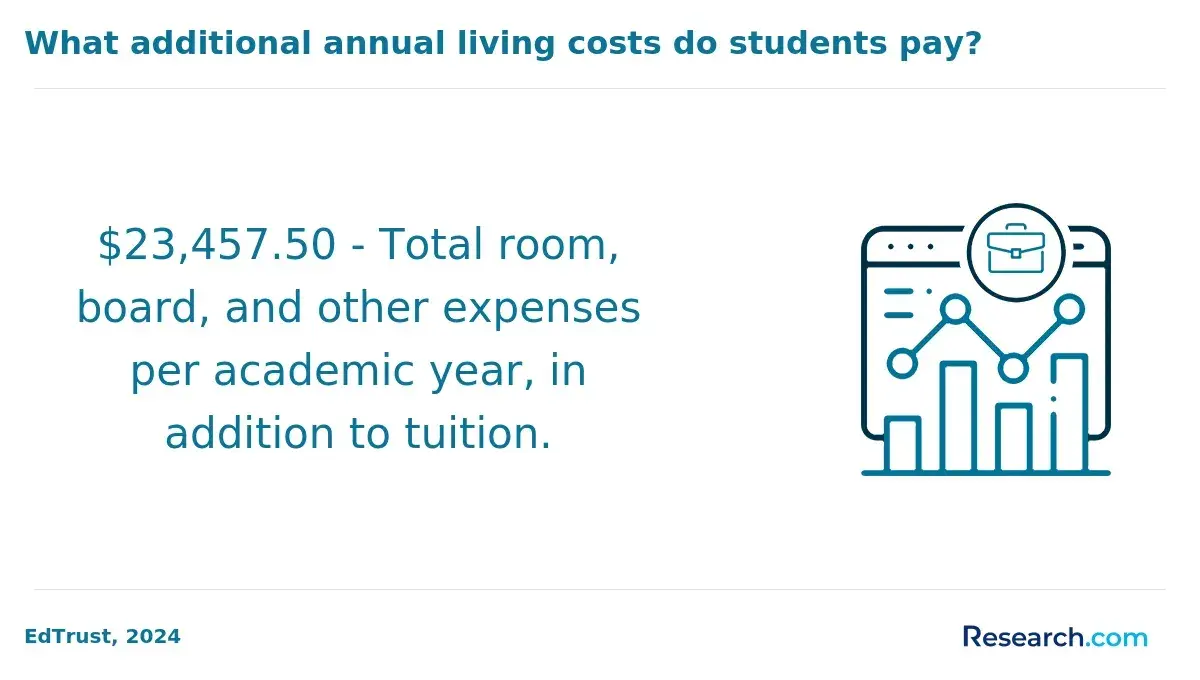
- FAFSA and Financial Aid Considerations: FAFSA eligibility includes not just tuition but also living expenses, books, and supplies. Accurately estimating the full cost of attendance is crucial to determine the appropriate amount of aid when applying for federal financial support.
What Technology, Tools, or Clinical Requirements Are Expected of Online Electrical Engineering Master's Students?
Prospective students in online Electrical Engineering master's programs need to be prepared for specific technology requirements that can affect their learning and overall success. The technical setup impacts access to course content, participation in labs, and the ability to complete assignments on time. The following points summarize the common expectations shared by many accredited programs.
- Reliable High-Speed Internet: A consistent broadband connection of at least 25 Mbps is typically required to support video lectures, interactive simulations, and real-time group work without interruptions.
- Computer Hardware: Programs usually expect students to have a modern computer, often a laptop or desktop with a multicore processor, minimum 8GB RAM, and sufficient storage capacity. Some courses may specify the need for dedicated graphics processing units to handle complex simulation or design software.
- Software and Learning Platforms: Familiarity with learning management systems such as Canvas, Blackboard, or Moodle is essential for accessing materials and submitting assignments. Discipline-specific software like MATLAB, LabVIEW, Simulink, and circuit design tools including Altium Designer or PSpice are often required and may involve purchasing licenses or receiving them through the university.
- Virtual Labs and Simulations: Hands-on skills are developed through virtual laboratories and simulation environments that replicate real-world electrical engineering scenarios, enabling safe experimentation and skill acquisition remotely.
- In-Person Requirements: Although coursework is online, some programs include local internships, practicums, or lab sessions that cannot be completed virtually. Institutions typically assist students in arranging these experiences within their geographic area.
- Setup Costs and Licensing: Potential expenses may include upgrading hardware, obtaining software licenses, or purchasing lab kits supplied by the university. Some software may be discounted or free for students, but budgeting for additional costs is advisable.
- Verification and Advising: Because requirements vary widely, contacting the program directly for the latest technical and practical information is critical. Admissions or advising offices provide guidance to help students navigate these expectations and avoid unforeseen challenges.
What Career Outcomes and Salary Expectations Follow an Online Electrical Engineering Master's Degree?
This overview highlights potential career pathways for graduates of online Electrical Engineering master's programs, helping prospective students understand how the degree can impact their professional futures. It also details key factors such as licensure requirements, job roles, and industry growth to guide informed decisions about pursuing this advanced degree.
- Advanced Career Roles: Graduates often move into higher-level positions such as systems engineer, design engineer, project manager, or research and development engineer. These roles typically involve leadership responsibilities and offer greater earning potential than positions requiring only a bachelor's degree.
- Salary and Job Growth: According to the U.S. Bureau of Labor Statistics, the median annual wage for electrical engineers is around $100,000, with employment expected to grow by 7% over the coming decade-faster than the average for all occupations.
- Licensure and Certification: Professional Engineer (PE) licensure is commonly required for advanced engineering roles. Accredited online master's programs fulfill educational prerequisites for this certification, which also requires exams and relevant work experience. Additional specialized certifications in areas like power systems or telecommunications can enhance career prospects.
- Industry Trends: Technological advances in renewable energy, robotics, and telecommunications are driving demand for electrical engineers, indicating strong, long-term employment opportunities for master's degree holders.
For those comparing program options, considering factors such as cost, flexibility, and accreditation is crucial. Graduate students should also evaluate financial aid availability, including federal aid through FAFSA. Explore related fields by checking out the best 2 year construction management degree online as an example of accelerated graduate programs offering different career pathways.
How Do Employers and Licensing Boards View an Online Electrical Engineering Master's Degree Compared to an On-Campus One?
Clarifying how employers and licensing boards view online electrical engineering master's degrees is vital for aligning educational choices with career goals and licensure requirements.
- Employer Acceptance Trends: Surveys and employer analyses reveal increasing acceptance of online degrees from regionally accredited schools. The widespread adoption of remote learning during the pandemic significantly reduced previous biases, leading many employers to regard such online credentials as comparable to traditional on-campus degrees.
- Licensing Board Standards: For electrical engineering licensure, accreditation typically matters more than how the degree was delivered. Many state boards accept degrees from accredited online programs, provided the curriculum adheres to established professional standards. Prospective students should consult their specific state board to confirm eligibility requirements before enrolling.
- Accreditation and Reputation Influence: Employer trust largely depends on both institutional reputation and programmatic accreditation. Accredited online electrical engineering programs that maintain academic rigor equivalent to on-campus offerings are usually valued similarly by employers and boards.
- Due Diligence and Transparency: Applicants are advised to research policies of employers and licensing boards relevant to their region and field. Selecting programs that clearly communicate how their online degrees are recognized helps avoid complications with credential acceptance later on.
What Graduates Say About Getting Accepted in Online Electrical Engineering Degree Master's Programs That Accept FAFSA
- Jireh: "Applying to an online electrical engineering master's program that accepts FAFSA made a huge difference for me financially and academically. The admission process was straightforward, and knowing I had financial aid options helped me focus on choosing the right program. Navigating through schools was challenging until I found a resource listing accredited programs that matched my criteria, which gave me peace of mind about my education's value."
- Henrik: "I was initially overwhelmed by the sheer number of accredited institutions offering online electrical engineering degrees. Relying heavily on official academic catalogs and federal education resources gave me clarity on credit requirements and course sequences. Using these tools professionally helped me design a path that fit both my working schedule and my career goals, making me confident in completing the program."
- Weston: "What stood out most during my journey was the importance of understanding how FAFSA eligibility intersected with program accreditation. I took a reflective approach by researching accrediting agencies to verify each school's credibility, which turned out to be essential in securing financial aid and ensuring my degree would be respected. This process deepened my appreciation for carefully navigating the online electrical engineering landscape."
Other Things You Should Know About Electrical Engineering Degrees
Yes, many accredited universities offering online electrical engineering master's programs also provide scholarships, grants, and assistantships. These funding options can help reduce the overall cost beyond what FAFSA covers. Assistantships often involve teaching or research work, which can be especially valuable for gaining practical experience while earning financial aid.
To enroll, generally, applicants must hold a bachelor's degree in electrical engineering or a related field. Some programs may require previous coursework in mathematics and physics. Meeting the specific university's admission requirements is essential for FAFSA eligibility.
Prospective students should compare program cost, curriculum, faculty expertise, and flexibility to fit their schedules. Checking accreditation status and graduation outcomes is essential. Students should also consider the availability of financial aid like FAFSA, program delivery format, and support services tailored to online learners.
Several well-regarded universities with ABET-accredited programs offer online electrical engineering master's degrees eligible for FAFSA, including institutions like Arizona State University, the University of Texas at Austin, and Purdue University. These schools combine flexible online delivery with access to federal financial aid for qualifying students.
References
- The 38 Cheapest Online Master's Electrical Engineering Programs https://www.geteducated.com/online-college-ratings-and-rankings/masters-in-electrical-engineering-online/
- What is the FAFSA? A Comprehensive Guide https://www.onlineu.com/resources/what-is-fafsa-guide
- M.SC. IN Electrical Engineering https://put.poznan.pl/msc-electrical-engineering
- Does FAFSA Cover Grad School & Masters? | Ascent Funding https://www.ascentfunding.com/blog/does-fafsa-cover-graduate-school-programs/
- Types of Financial Aid for Online Colleges https://www.umassglobal.edu/blog-news/types-financial-aid-online-colleges
- The 4 Best Online Colleges that Accept FAFSA https://joinjuno.com/financial-literacy/financial-aid/online-colleges-accept-fafsa
- Master of science in electrical engineering https://engineering.wayne.edu/electrical-computer/academics/master-electrical-engineering
- Online Engineering Degree Scholarships - Eligibility, Rewards & Deadlines https://www.onlineengineeringprograms.com/features/online-engineering-degree-scholarships
- On-campus vs Online master's degree https://academia.stackexchange.com/questions/41211/on-campus-vs-online-masters-degree
- How to Use FAFSA for Graduate School | National University https://www.nu.edu/blog/tips-for-using-fafsa-for-graduate-school/