
2027 Online vs On-Campus Electrical Engineering Degree Programs: Pros & Cons

Co-Founder and Chief Data Scientist
The popularity of online electrical engineering degree programs has surged in recent years, with enrollment in fully online undergraduate courses increasing by over 30% since 2018. This shift reflects growing demand for flexible education options amid evolving career and personal commitments. Prospective students must weigh key differences between online and on-campus formats, including flexibility, cost, learning experience, and career outcomes.
Understanding these factors is essential for making an informed decision tailored to individual goals. This article provides an expert comparison of the advantages and drawbacks of each path, offering clarity for those considering electrical engineering degrees in today's dynamic educational landscape.
Key Benefits of Online vs On-Campus Electrical Engineering Degrees
- Online electrical engineering degree programs offer greater flexibility, allowing students to balance work and study, with over 60% of students reporting improved time management according to recent education surveys.
- They often cost 30% less on average than traditional on-campus programs, making engineering education more accessible to a broader range of students.
- On-campus programs provide hands-on laboratory experience and access to cutting-edge equipment, which 85% of employers value as critical for electrical engineering graduates entering the workforce.
Are online vs. on-campus electrical engineering programs structured the same way?
The structure of online and on-campus electrical engineering programs differs significantly, influencing how students access coursework, engage with peers and instructors, and manage their time. Understanding these distinctions is essential for selecting the format that best aligns with your learning preferences and lifestyle.
Below is a comparison of key structural elements in online versus on-campus electrical engineering programs:
- Course Delivery: Online programs mainly use asynchronous lectures, allowing students to watch recorded content at their convenience, with some offering live sessions to replicate classroom interaction. In contrast, on-campus programs require attendance in physical classrooms and labs, providing immediate in-person engagement and hands-on practice.
- Class Schedules: Online degrees prioritize flexibility, enabling students to often study at their own pace, which may extend the typical duration to five or six years due to personal commitments. On-campus programs follow a set academic calendar, with most students completing their degrees in two to four years of full-time enrollment.
- Interaction and Collaboration: Online students participate through discussion boards, virtual group projects, and remote office hours, which can limit spontaneous interactions but offer accessibility from any location. On-campus students benefit from face-to-face networking, instant feedback, and collaborative lab work, enhancing team-based learning experiences.
- Experiential Learning and Labs: Virtual simulation labs and mail-home kits are common in online formats to support hands-on assignments remotely, though some hybrid models may mandate occasional on-site lab sessions. On-campus students perform experiments in university labs under direct supervision, gaining immediate practical experience.
- Program Structure and Specialization: Both formats cover similar coursework and specializations, but on-campus programs often provide advanced project-based courses, professional practicums, and research opportunities. Online students complete requirements remotely, with some restrictions on fieldwork and specialized elective options.
Are admission requirements the same for online vs on-campus electrical engineering degree programs?
Colleges and universities maintain consistent academic standards to ensure graduates of both online and on-campus electrical engineering programs meet equally rigorous expectations. However, they may differ in how they assess applicants' readiness, with online programs placing additional emphasis on self-motivation and the ability to manage independent study.
Here are key similarities and differences in admission requirements between the two formats, highlighting how institutions approach online electrical engineering degree admission requirements compared to traditional pathways:
- Academic Qualifications: Both online and on-campus programs typically require a high school diploma or GED for undergraduate applicants and a relevant bachelor's degree for graduate studies. Minimum GPA standards, often around 3.0 for graduate admission, apply across formats, though online programs may accept more transfer credits or allow students to complete prerequisites flexibly.
- Standardized Test Scores: SAT or ACT scores are generally required for undergraduate admission to both types of programs, but some schools waive these requirements based on GPA or work experience. Graduate programs often require GRE scores, especially on-campus; online tracks tend to offer more flexibility, sometimes waiving score submissions for candidates with strong professional backgrounds.
- Application Materials: Submission of transcripts, essays, and recommendation letters is standard for both formats. Online applicants might also need to demonstrate technical proficiency or provide statements showing readiness for online learning, including time management ability and access to reliable technology.
- Work Experience: Some online master's programs prefer candidates with professional engineering experience, reflecting their need for self-directed study skills. Conversely, on-campus programs may be more accessible for recent graduates without significant work experience.
- Enrollment Flexibility: Online programs often allow part-time enrollment and accelerated course completion, offering more adaptable scheduling to accommodate working students. On-campus programs typically have stricter residency and attendance policies, affecting scheduling and course load options.
Students comparing on-campus vs online engineering program prerequisites should consider these factors carefully to choose the format that best suits their academic background and lifestyle. For those interested in a more expedited path, some accelerated online bachelor's degree programs in electrical engineering may offer additional admissions flexibility and convenience.
Do online electrical engineering students receive the same academic support as on-campus students?
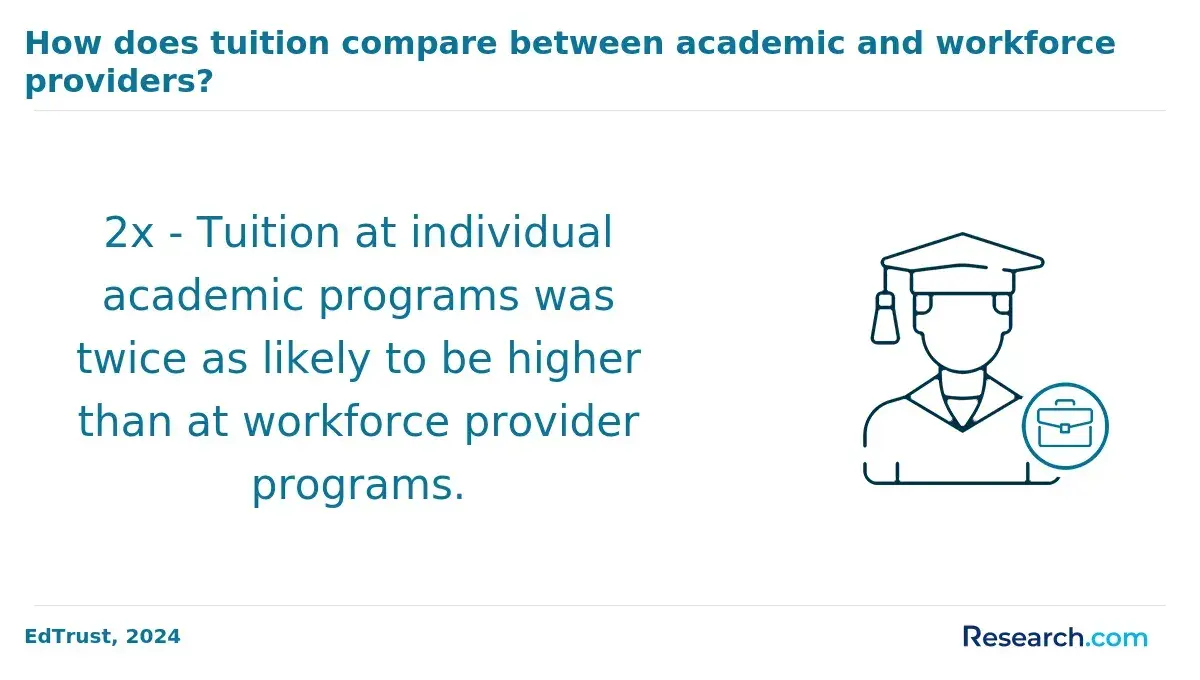
Universities have significantly expanded their academic support systems to ensure that online electrical engineering students receive comparable resources and assistance as their on-campus peers. This effort reflects the growing recognition of the importance of equitable support regardless of how students access their education.
Below is a comparison of the main types of academic support typically offered to both online and on-campus electrical engineering students.
- Tutoring Services: Both online and on-campus students have access to tutoring, often through virtual platforms for online learners and in-person centers for on-campus students. Online tutoring may include 24/7 support and scheduled video sessions, helping students navigate difficult subjects such as circuits or signal processing.
- Career Counseling: Career services are available in both formats, providing resume reviews, interview preparation, and job placement assistance through video conferencing or face-to-face meetings. Employer perceptions of online electrical engineering degrees from accredited institutions continue to improve, making this support valuable for career advancement.
- Library Access: Digital libraries and research databases offer e-books, journals, and specialized engineering resources to all students. Although on-campus students can also use physical collections, universities invest heavily in expanding digital materials to ensure online learners have equivalent access.
- Faculty Interaction: Faculty communicate with students through email, discussion boards, and live office hours via video chat in online programs, while on-campus students benefit from spontaneous face-to-face contact. Well-designed online courses provide frequent and structured faculty engagement, maintaining educational quality.
- Peer Collaboration: Both learning formats encourage group projects and networking through virtual forums, study groups, or in-person meetings. Online students, often working professionals, especially appreciate flexible and asynchronous collaboration tools that fit their schedules.
How long does it take to complete an online vs an on-campus electrical engineering degree?
The time it takes to complete an electrical engineering degree varies widely depending on factors like delivery format, student pace, and program scheduling flexibility. These elements influence whether students can graduate quickly or require additional time, making the comparison between online and on-campus programs an important consideration.
Below is a comparison of average completion times for online versus on-campus electrical engineering degrees, highlighting key differences in duration and flexibility:
- Online Electrical Engineering Degree: Most full-time online bachelor's students finish within three to four years, aligning closely with traditional on-campus programs unless they benefit from transfer credits or year-round enrollment. Accelerated master's programs online can take as little as 12 to 18 months thanks to flexible formats and continuous course offerings, making this route appealing for motivated learners balancing work and study.
- On-Campus Electrical Engineering Degree: Typically, on-campus bachelor's degrees require four to five years due to structured semester schedules and traditional summer breaks. Master's degrees often last 18 to 24 months with fewer options for acceleration. While on-campus programs offer face-to-face academic support and networking, their rigid schedules can limit chances to finish faster.
- Additional Influencing Factors: Online programs may allow faster completion through accelerated sessions, credit-by-exam options, or generous recognition of transfer credits. In contrast, on-campus programs can be slowed by fixed lab schedules and mandatory in-person components. Both program types hold credibility when ABET-accredited and usually yield similar career outcomes.
Reflecting on this, a professional who pursued an online electrical engineering degree shared that completing it in just over three years was both challenging and rewarding. Balancing full-time work, family commitments, and studies required disciplined time management and self-motivation.
He noted, "The asynchronous format was a lifeline-it gave me the freedom to study late at night or weekends without feeling behind." Although certain courses demanded intensive focus, the ability to accelerate by taking extra courses during off-peak periods helped shorten his timeline. He also appreciated how handling real-world engineering projects online reinforced his learning and career readiness.
Looking back, he described the experience as a "flexible but rigorous journey" that, while intense, was made feasible by the program's adaptable structure and his own commitment. This firsthand story highlights how individual circumstances and program design critically shape the pace of completing an online electrical engineering degree compared to traditional pathways.
Are online electrical engineering programs cheaper than on-campus ones?
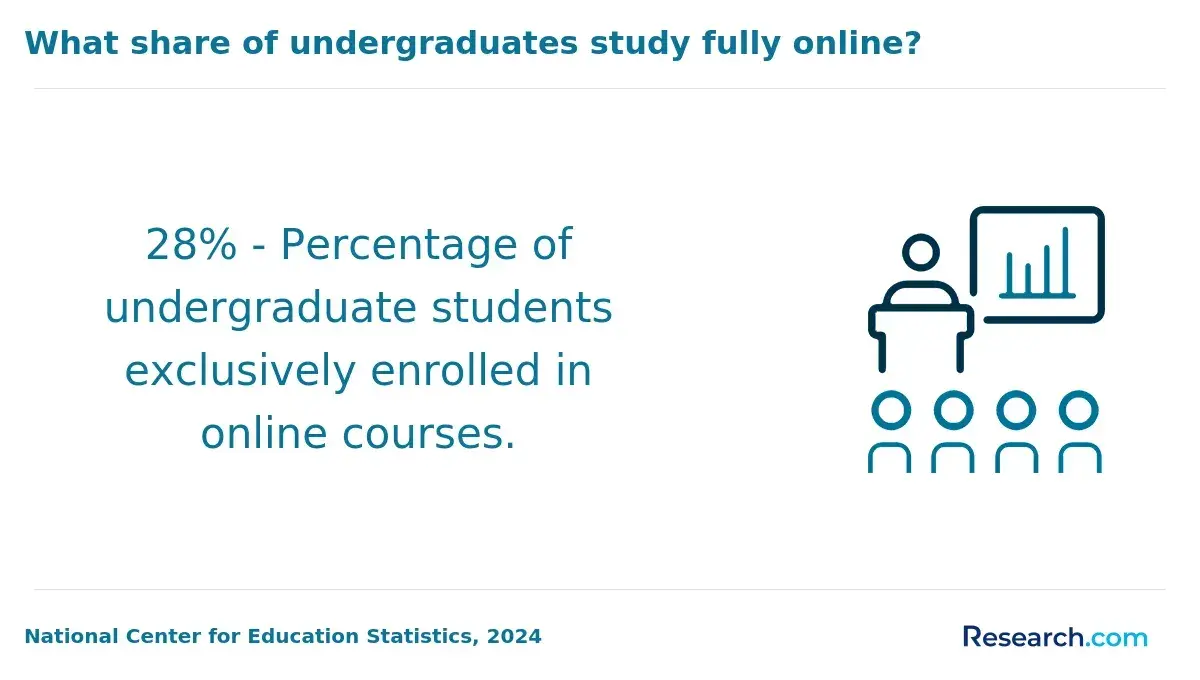
When comparing the cost of online electrical engineering degree programs to traditional on-campus options, tuition and institutional fees often tend to be lower for online formats. However, overall expenses vary due to differences in living costs, technology requirements, and other factors between the two learning environments.
This breakdown highlights the main cost factors influencing the total price differences, offering insight into the online vs on-campus electrical engineering tuition comparison. Key cost differences include:
- Tuition and Fees: Online programs generally offer lower tuition rates, ranging from approximately $7,440 to $24,750 annually, whereas on-campus tuition averages $18,383 at public universities and can reach $47,419 at private, nonprofit institutions. Some schools also provide in-state rates or discounts for online learners, making online tuition more accessible.
- Living Expenses: One of the most significant savings for online students comes from avoiding room and board fees, which typically total between $11,620 and $13,120 each year. On-campus students must budget for housing, meals, and related costs, while online students studying from home can reduce overall expenses substantially.
- Technology Costs: While online students save on housing, they must invest in reliable computers, internet service, and may need to purchase or rent specialized lab kits or software to complete practical coursework. Although these costs add up, they are usually modest compared to on-campus living expenses.
- Commuting and Transportation: Online learning eliminates daily commuting costs, such as fuel, parking, and public transit fares. Commuting expenses for on-campus students can be considerable, especially in urban areas with high parking fees or limited public transport options.
- Financial Aid Availability: Online students qualify for the same federal and state financial aid as on-campus students and can access scholarships, grants, and loans. Private nonprofit schools may offer especially generous aid packages, meaning online students can find attractive financial support similar to their on-campus peers.
Students considering online engineering degrees should weigh these factors carefully, and those seeking flexible options may also explore easy masters degrees that pay well that fit their career goals and budgets.
What are the financial aid options for online vs on-campus electrical engineering programs?
Both online and on-campus electrical engineering students at accredited U.S. institutions may qualify for financial aid, but eligibility and accessibility can differ based on program format and institutional policies. These differences often depend on enrollment status, residency, and whether the student attends in person or remotely, affecting the types of aid available.
The following bullet list outlines and compares the main financial aid options for online versus on-campus electrical engineering students:
- Federal Aid (FAFSA, Pell Grants, Federal Loans): Both online and on-campus students can apply by submitting the FAFSA. Federal Pell Grants and loans are generally available to eligible students, but loan and work-study eligibility may require enrollment of at least half-time (typically 6 credits), which can be a barrier for part-time online students.
- State Aid: State grants and scholarships usually require residency and sometimes in-person attendance at public institutions. While on-campus students benefit from in-state tuition rates, some online programs are beginning to offer these rates to remote learners, improving accessibility for online students.
- Scholarships and Institutional Grants: Scholarships are accessible to both groups, but many institutions prioritize on-campus students for these funds. Full-time and on-campus attendance requirements limit online students' access, though some universities are expanding opportunities for remote learners.
- Employer Tuition Reimbursement: Available to both formats, this option favors online students due to program flexibility, allowing working professionals to pursue degrees without leaving their jobs, which helps balance work and family commitments.
- Private Student Loans: These loans depend more on creditworthiness than program format and are accessible to all students. However, private loans typically have fewer protections than federal aid, so comparing terms is crucial for all applicants.
For students exploring quicker advancement paths, reviewing options such as quick masters degrees can complement financial planning while earning an electrical engineering degree online or on campus.
Are online electrical engineering programs as credible as on-campus ones?
Accreditation remains a fundamental factor in establishing credibility for both online and on-campus electrical engineering programs. The Accreditation Board for Engineering and Technology (ABET) serves as the industry benchmark, widely recognized by employers, academic institutions, and licensing boards. Many reputable online programs, such as those at Florida International University and Arizona State University, hold full ABET accreditation, ensuring their faculty qualifications and curriculum standards match those of traditional campus programs.
These accredited online programs offer rigorous coursework and incorporate remote laboratory experiences through simulation software and hardware kits, maintaining the same academic rigor as in-person alternatives. Such consistency in quality is reflected in high retention rates and positive student outcomes, with some programs reporting graduate recommendation rates exceeding 90%.
Perceptions among employers and institutions have shifted significantly over time, increasingly valuing ABET accreditation above the format of program delivery. Surveys indicate that employers prioritize skills and practical experience when evaluating candidates, with online degrees from well-ranked institutions like Arizona State University Online gaining strong employability rankings.
Innovations in virtual learning, such as asynchronous courses, immersive online labs, and comprehensive academic support, enhance flexibility and accessibility, appealing especially to working professionals and nontraditional students. Furthermore, growing industry partnerships and the expansion of remote internship opportunities help narrow the credibility gap, leading to comparable salary and career prospects for graduates regardless of whether their electrical engineering degree was earned online or on campus.
Do employers prefer online vs on-campus electrical engineering degrees?
Employers today generally regard online electrical engineering degrees from accredited universities as comparable to traditional on-campus degrees, particularly when candidates demonstrate strong technical skills and relevant experience. A 2024 survey by ASU Online and Walr indicated that 76% of hiring managers have a more favorable view of candidates presenting a four-year online degree, and 92% would consider hiring someone with an online credential.
Key considerations for employers include the university's reputation, program accreditation, and the applicant's hands-on experience or project portfolio. While some roles requiring extensive laboratory training may still favor on-campus graduates, the increasing availability of remote labs and virtual simulation tools is helping to bridge this gap and enhance the practical training available to online students.
The rise of remote and hybrid work models has further shifted employer perceptions, detaching productivity and learning outcomes from physical campus attendance. Online programs often provide greater flexibility and offer lower costs, enabling students to balance work and study, which employers can interpret as strong evidence of time management and commitment.
However, certain industries or employer segments may continue to prefer traditional degrees for entry-level positions that emphasize in-person mentorship and lab work, especially for recent high school graduates. Ultimately, demonstrated abilities through internships, projects, and practical results weigh more heavily than degree format as online electrical engineering education standards and recognition continue improving.
When speaking with a professional who pursued an online electrical engineering degree, she shared how her flexible program allowed her to gain valuable industry internships while studying, which proved crucial when she entered the job market. She noted that employers were ultimately interested in what she could do, rather than where she earned her degree, highlighting how her project work and collaborative experience online made her a competitive candidate.
"The real test was showing tangible results and being able to discuss hands-on projects during interviews," she explained. Her journey illustrates that with accredited programs and deliberate skill-building, online graduates can successfully secure roles traditionally dominated by on-campus degree holders, reflecting evolving employer priorities in the field.
Do online vs on-campus electrical engineering program graduates earn the same salaries?
Salary comparisons between online and on-campus electrical engineering graduates are increasingly shaped by factors such as employer perception, industry demands, and individual credentials, rather than the learning format itself. As a result, differences in average salary for online electrical engineering degree graduates and their on-campus counterparts are narrowing across the board.
To better understand current salary trends and what influences earning outcomes, consider the following key factors:
- Accreditation and Program Reputation: Employers prioritize degrees from accredited schools regardless of whether they are earned online or on-campus. Graduates from top-tier electrical engineering programs typically command higher starting salaries, and reputable online programs can offer similarly competitive compensation if they maintain strict academic standards.
- Employer Perception: While online degrees once faced skepticism, many employers now focus more on skills and accreditation than format. This evolving attitude means graduates from respected online electrical engineering programs often receive salary offers comparable to those from on-campus programs.
- Cost and Schedule Flexibility: Online programs often provide lower tuition and flexible study options, enabling students to work while studying and reduce debt. This financial advantage can enhance long-term earning potential by freeing graduates to pursue preferred opportunities without heavy debt burden.
- Academic Support and Career Services: Traditional on-campus programs may offer more in-person networking, but leading online electrical engineering programs increasingly provide strong virtual support and career resources, supporting graduates in securing competitive starting salaries.
- Industry and Location: Salaries in electrical engineering vary more by industry and region than degree format. For example, professionals in aerospace or electronics manufacturing tend to earn salaries above $130,000 whether they hold online or on-campus degrees.
Students looking for affordable tuition options that do not compromise on accreditation may explore the cheapest accredited online college programs, which can offer a strong foundation leading to competitive salaries. Ultimately, do employers pay less for online electrical engineering degrees is becoming less relevant as institutional quality and personal achievement carry greater weight in salary outcomes.
How do you decide whether an online vs on-campus electrical engineering program is right for you?
Choosing between an online and on-campus electrical engineering program largely depends on your personal learning preferences, lifestyle demands, and professional goals. Each format offers distinct advantages that cater to different types of students, so understanding your priorities is key.
To help you decide which path aligns best with your needs, consider these important factors:
- Learning Style: On-campus programs provide direct interaction with instructors and peers, plus hands-on access to labs, which can be vital for mastering practical electrical engineering skills. Online formats often use virtual simulations that may not fully replicate in-person experiences, making the choice dependent on how you best absorb technical content.
- Flexibility Needs: Online programs typically offer greater scheduling flexibility, ideal for working professionals or those balancing family commitments. These programs may take longer to complete due to part-time pacing, whereas on-campus study usually follows a more structured, full-time schedule.
- Budget: Online electrical engineering degree programs can be more cost-effective by reducing expenses related to housing, commuting, and relocation. However, tuition varies widely, so reviewing total costs for each option is critical to ensuring it fits your financial situation.
- Networking Opportunities: Being physically present on campus naturally fosters networking with faculty, classmates, and industry recruiters, which may lead to internships and job prospects. Online students might face challenges building similar connections but can access virtual career fairs and group projects.
- Access to Campus Resources: On-campus study grants immediate entry to specialized labs and support services, which can enhance learning and research opportunities. Virtual resources are expanding, yet some students find remote access less comprehensive for their needs.
If you want to explore programs further, consider investigating nationally accredited universities that offer strong reputations and verified quality standards to help you identify the best option for your goals. For more details on top options, visit nationally accredited universities.
Here's What Graduates of Online vs On-Campus Electrical Engineering Programs Have to Say About Their Degree
- Ali: "Completing my electrical engineering degree entirely online presented challenges, but the flexibility allowed me to balance a full-time job while studying. The program's structure encouraged self-discipline and sharpened my time management skills, which have been invaluable in my current role as a systems engineer. I appreciate how virtual labs and interactive sessions kept me engaged without sacrificing accessibility. Earning my degree online gave me confidence that distance can't limit quality education or professional growth. "
- Stein: " Being immersed in the on-campus electrical engineering program gave me an irreplaceable experience of hands-on labs and face-to-face collaboration with professors and peers. This proximity to resources fueled my passion for innovation and made networking easier, which ultimately opened doors to a research assistantship and a job with a top engineering firm. The campus community motivated me daily, and I feel proud knowing my degree represents both academic rigor and the strength of personal connections. It was worth every late night in the lab. "
- Keilani: "The hybrid electrical engineering degree combined the best of both worlds-flexible online coursework with essential on-campus experiences like workshops and team projects. This blend fit my lifestyle perfectly as I could engage deeply with practical skills while handling family responsibilities. Professionally, it gave me credibility and adaptability that my employer values, especially in multidisciplinary projects. The hybrid format also encouraged lifelong networking and fostered my growth as a collaborative engineer. "
Other Things You Should Know About Online & On-Campus Electrical Engineering Degree Programs
On-campus programs offer hands-on experience with physical lab equipment crucial for mastering electrical engineering concepts. They foster collaboration through face-to-face interaction with peers and faculty, supporting networking and mentorship. Access to campus facilities and career services also aids professional development. These factors can enhance both learning and employment prospects.
Employers generally value accreditation and relevant skills over delivery mode. Well-accredited online electrical engineering degrees are increasingly accepted, especially if paired with internships or practical projects. However, some employers may prefer candidates with traditional on-campus experience due to hands-on training perceived as more thorough.
In 2027, online programs offer flexibility and accessibility, allowing students to balance studies with personal commitments. However, they might lack hands-on lab experiences. On-campus programs provide direct access to resources and peer interaction, crucial for networking, but may be less flexible in schedule and location.
References
- Online degree costs vs traditional degrees: which is more affordable? https://collegeonline.io/blogs/online-degree-costs-vs-traditional-degrees
- Is Online Learning Effective for Engineering Courses? An In-Depth Analysis with iLearn Engineering® - iLearn Engineering® https://www.ilearnengineering.com/online-engineering-courses/is-online-learning-effective-for-engineering-courses-an-in-depth-analysis-with-ilearn-engineering
- Pros and Cons of Online Learning | National University https://www.nu.edu/blog/weighing-the-pros-and-cons-of-online-vs-in-person-learning/
- Engineering Degrees Online or On Campus | Academic Programs https://gps.uml.edu/engineering-degrees-online-and-on-campus/
- Engineering Degrees Online or On Campus https://und.edu/programs/engineering-bs/index.html
- Online Master's in Electrical Engineering Program and What You Can Learn. - UC Riverside https://engineeringonline.ucr.edu/blog/what-you-can-learn-within-the-masters-in-engineering-electrical-engineering
- Online - Bachelor Science Electrical Engineering - EIT :Engineering Institute of Technology https://www.eit.edu.au/courses/online-bachelor-of-science-electrical-engineering/
- Online and on-campus colleges | University of Phoenix https://www.phoenix.edu/blog/cost-of-online-vs-traditional-college.html
- Can You Actually Earn an Engineering Degree Online? How It Works and What It Costs https://money.com/online-engineering-degrees/


