
2027 Questions to Ask About Online Electrical Engineering Degree Programs Before You Enroll

Co-Founder and Chief Data Scientist
Many prospective students face uncertainty when choosing an online electrical engineering degree program due to a lack of clear information on program quality and career outcomes. A recent study found that 42% of electrical engineering graduates who enrolled online were unsure if their program fully prepared them for licensure or job placement. This gap can lead to costly delays or unmet professional goals.
This article outlines critical questions candidates should ask about curriculum rigor, industry connections, accreditation, costs, and licensure support to make informed decisions and maximize their chances of success in the electrical engineering field.
Key Benefits of Enrolling in Online Electrical Engineering Degree Programs
- Online electrical engineering programs offer unparalleled flexibility, allowing students to balance studies with work or family commitments, which improves completion rates by up to 25% compared to on-campus programs.
- These programs often cost 30-50% less than traditional degrees, eliminating expenses like commuting and housing, making them a more affordable option for many students.
- Enrolling online supports better work-life balance by enabling learners to customize schedules, which enhances retention and reduces stress levels during rigorous coursework.
Is the Online Electrical Engineering Degree Program Accredited?
Accreditation plays a vital role in determining the value of an online electrical engineering program accreditation by ensuring the program meets rigorous academic and industry standards. This recognition affects how employers and licensing boards perceive the degree, directly impacting eligibility for professional licensure and career advancement. The Accreditation Board for Engineering and Technology (ABET) is the primary accrediting body for engineering programs in the U.S., setting the benchmark for curriculum quality, faculty expertise, and facilities. About 80% of states require candidates to hold an ABET-accredited degree to qualify for the Fundamentals of Engineering (FE) exam, a key initial step toward becoming a licensed professional engineer (PE). Having an accredited online electrical engineering degree underscores the commitment to educational excellence and readiness for the professional field.
Prospective students should carefully verify that a program is properly accredited by consulting the ABET website or official program documentation. Understanding these details is crucial because state engineering board requirements can differ, influencing licensure eligibility. Researching accreditation status is especially important when comparing programs to protect your educational investment and job market potential. For those exploring online options, considering accredited online electrical engineering degrees ensures standards are met, which can improve career outcomes. Additional useful guidance on online degree timelines and fast-track options is available through resources like edd online programs.
What Are the Admission Requirements for Online Electrical Engineering Programs?
Prospective students evaluating online electrical engineering programs need to carefully consider admission requirements to ensure they meet the necessary academic and technical standards. These requirements also help gauge readiness for the challenging coursework ahead, making the decision process more informed and efficient.
Key admission requirements for online electrical engineering program admission criteria typically include the following:
- Educational background: Applicants generally must hold a high school diploma or an equivalent credential. Some programs may also require evidence of prior coursework in mathematics and science to confirm a solid foundational knowledge base.
- Standardized test scores: While fewer programs request SAT or ACT scores today, some institutions still consider these scores to assess academic skills relevant for engineering studies.
- Prerequisite courses: Completion of relevant subjects such as calculus, physics, and chemistry is often necessary to demonstrate preparedness for the technical content in electrical engineering degrees.
- Letters of recommendation: These provide perspectives from educators or professionals who can attest to the applicant's abilities and character, giving admissions committees insight beyond grades and test scores.
- Personal statement or essay: This component assesses motivation, career objectives, and dedication to pursuing an electrical engineering degree, which can be decisive in competitive admissions.
Students researching requirements for enrolling in online electrical engineering degrees should also consider cost factors and program quality to ensure a well-rounded decision. For those interested in affordable education options, exploring a cheapest online counseling degree program may provide additional insights into managing expenses while pursuing a technical career.
What Classes Do You Take in an Online Electrical Engineering Program?
Knowing the curriculum structure is vital for students weighing different online electrical engineering programs, as it helps gauge how effectively they prepare for technical roles and industry demands. The Bureau of Labor Statistics forecasts a 7% growth in employment for electrical engineers over the next decade, highlighting the need for comprehensive education. Below are the typical categories of courses found in these programs.
- Core courses: These classes establish a fundamental grasp of key concepts such as circuit theory, digital electronics, electromagnetics, and signal processing. They provide essential theoretical knowledge alongside basic practical skills required across engineering disciplines.
- Electives: Offered to tailor education, electives cover specialized topics like power distribution, wireless communications, control theory, and embedded systems design. They enable students to pursue fields aligned with their professional interests and career goals.
- Hands-on components: Though online, many programs integrate virtual labs, simulations, or project-based tasks to develop applied skills. This approach helps bridge the gap between theory and practical engineering challenges encountered in the workplace.
When I spoke with a student currently enrolled in an online electrical engineering program, he described the course load as "intense but rewarding." He appreciated how the hands-on assignments, though sometimes tricky to navigate virtually, forced him to really understand circuit behavior and troubleshooting. He mentioned, "Initially, coordinating lab simulations from home felt daunting, but the detailed guidance and teamwork opportunities helped me gain confidence." His experience underscored how the blend of core theory and applied projects builds both knowledge and problem-solving skills critical for success.
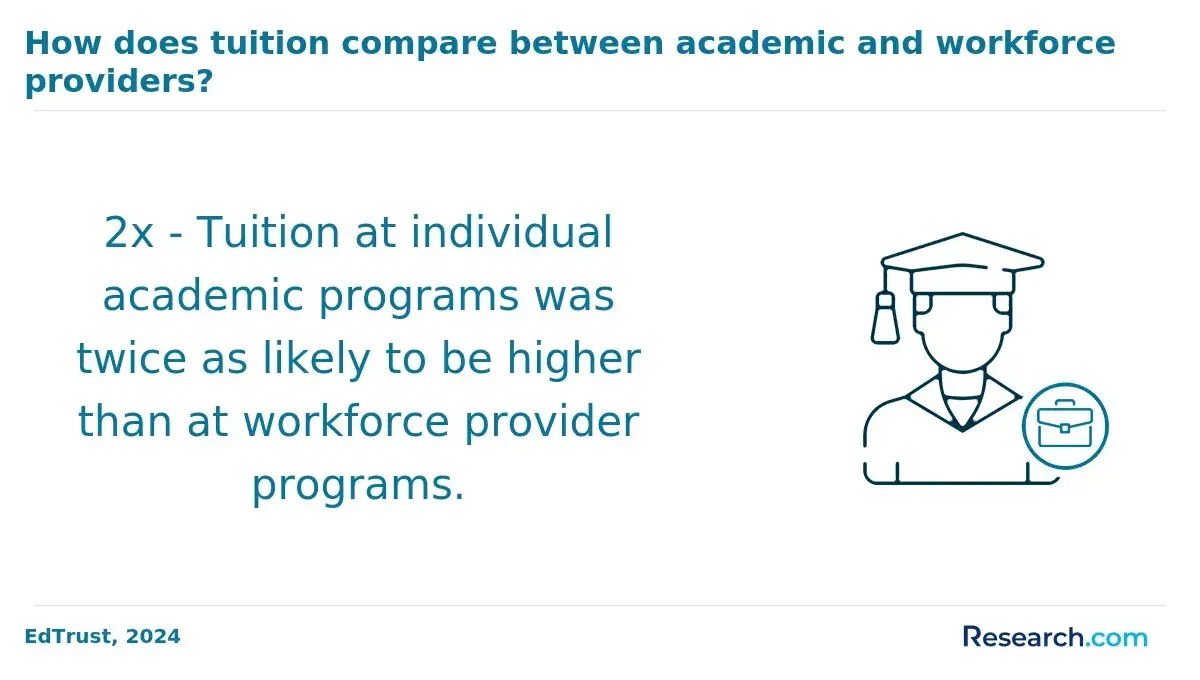
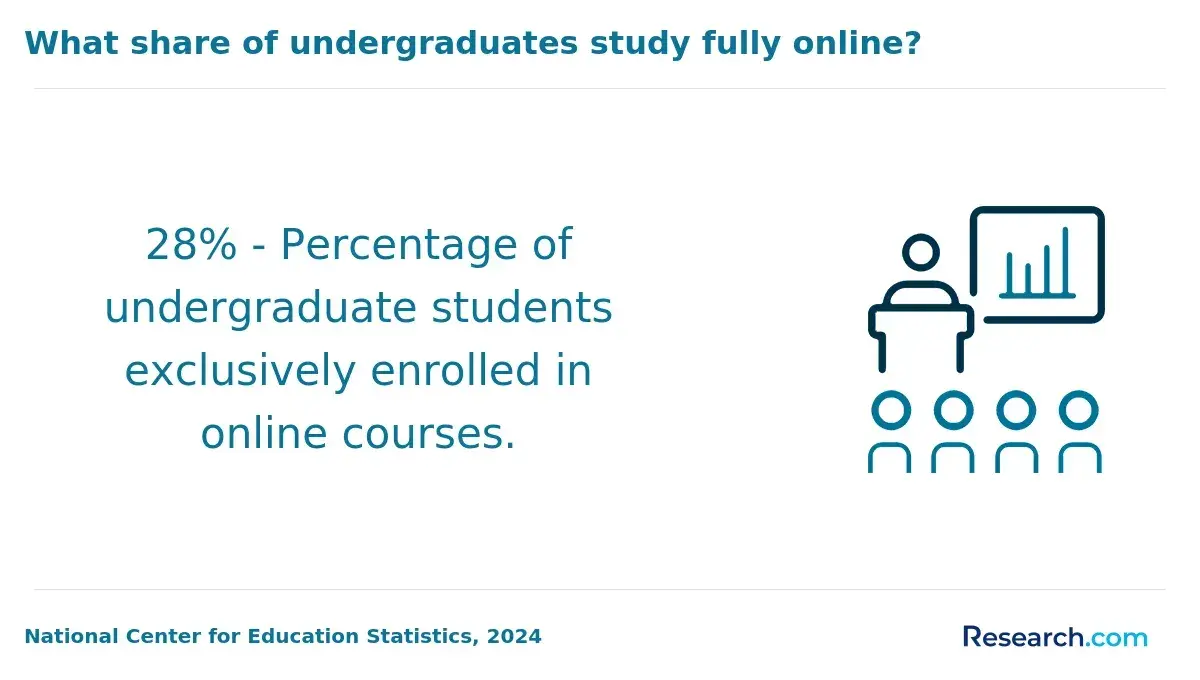
Breakdown of All Fully Online Title IV Institutions

How Long Does It Take to Complete an Online Electrical Engineering Degree?
Knowing the duration of an online electrical engineering degree is essential for students managing their educational paths and career plans. The length of study impacts budgeting, time commitments, and when graduates can enter the workforce or pursue further credentials.
Below are common timelines and variations to consider when evaluating these programs:
- Full-time study: Typically, finishing an online electrical engineering bachelor's degree on a full-time schedule takes around four years. This assumes a consistent course load each semester without interruptions, suited for students focused primarily on their studies.
- Part-time options: For individuals balancing work or personal responsibilities, part-time enrollment often extends completion to five or six years. This flexibility allows for paced progress but lengthens the time before degree attainment.
- Accelerated programs: Some programs offer faster completion in as few as three years by increasing course loads or including summer terms. These require strong dedication and time management, enabling earlier entry into engineering careers.
- Programs with practical components: Degrees that incorporate internships, cooperative education, or clinical hours provide valuable hands-on experience. However, these experiences may add months to the total duration depending on availability and scheduling constraints.
Does an Online Electrical Engineering Program Require Internships or Practicums?
Most online electrical engineering programs include an internship or practicum requirement to ensure students gain practical, hands-on experience alongside theoretical knowledge. These experiences are often arranged in partnership with local businesses or labs near the student's location, offering flexibility for remote learners to complete their hours without interrupting studies. Such real-world training is crucial for mastering essential skills like circuit design and system testing, which virtual simulations alone cannot fully replicate. Additionally, completing an internship or practicum supports requirements for professional licensure, as many states mandate practical experience for the Professional Engineer (PE) credential. Notably, over 75% of engineering employers prefer candidates with internship experience, emphasizing its value in job readiness.
When I spoke with a graduate of an online electrical engineering program about her internship, she shared how navigating placement was initially daunting-"finding the right company willing to mentor a remote intern felt overwhelming." Despite the challenges, she appreciated the autonomy to select a local firm that aligned with her interests and schedule. She recalled, "Working hands-on with real equipment gave me confidence that textbook problems never could." The process helped her feel prepared for licensure steps ahead and gave her tangible skills praised during job interviews. Her experience highlights how internships in online programs are not just a formality but a meaningful bridge from study to professional success.
Can You Get Licensed with an Online Electrical Engineering Degree?
Graduates of accredited online electrical engineering degree programs can obtain professional licensure, provided they meet certain key requirements. Licensing boards, including those for the Professional Engineer (PE) credential in the U.S., typically require candidates to hold an ABET-accredited engineering degree, pass the Fundamentals of Engineering (FE) exam, gain relevant work experience under a licensed engineer, and successfully complete the PE exam.
Many online programs are designed to align closely with these licensure requirements by offering ABET accreditation and structuring coursework to cover core engineering principles, ethics, and design topics tested on licensure exams. Additionally, some programs provide resources or partnerships that facilitate gaining supervised work experience, which is essential for licensure eligibility.
Prospective students seeking to navigate the online electrical engineering degree licensure requirements should verify program accreditation and support for exam preparation.
Licensure remains a critical factor for students evaluating online programs because it significantly impacts career advancement and employment opportunities. Holding a PE license allows engineers to approve projects independently and is often required for roles in government agencies or consulting firms.
According to the National Society of Professional Engineers, licensed engineers earn about 20% more than their non-licensed peers and enjoy broader job prospects. Understanding state-specific rules is also important, as some states impose unique conditions on graduates of online programs.
Students interested in further advancing their education might also explore online executive mba programs as a complementary pathway to leadership roles in engineering management.
How Much Do Online Electrical Engineering Programs Cost?
Prospective students evaluating online programs often need to budget carefully, as the cost of electrical engineering degrees can significantly influence their choice. Tuition rates vary, but recent trends indicate a moderate rise in prices alongside increased options for flexible payment plans for working professionals.
Typical expenses associated with an affordable online electrical engineering degree include:
- Tuition per credit: Most programs charge between $300 and $800 per credit hour. Since a degree generally requires 120 to 130 credit hours, total tuition can range widely from about $36,000 to over $100,000 depending on the institution and residency status.
- Additional fees: Beyond tuition, students often face technology, lab, and registration fees that may cover software licenses, virtual labs, and access to online platforms. These fees can add several hundred to a few thousand dollars annually to the overall cost.
- Materials and textbooks: Specialized textbooks and software specific to electrical engineering are frequently required but not included in tuition. These can represent a significant expense, especially if proprietary software licenses or updated editions are needed.
- Tuition structure: Some programs offer flat-rate tuition per semester rather than per credit, which may benefit students planning a heavier course load. This can affect cost planning and opportunities for savings.
- Financial aid and flexibility: Availability of scholarships, grants, and payment plans varies, influencing the net cost for many students. Many programs now cater to part-time students and working professionals with more adaptable payment options.
For those aiming for a career in engineering, comparing costs while considering program quality and licensure readiness is essential. Detailed information on the best bachelor degrees related to engineering fields can further guide students in making informed decisions.
What Financial Aid Is Available for Online Electrical Engineering Students?
Understanding financial aid options is vital for students exploring online electrical engineering programs, as it can ease the financial burden of higher education. Approximately 70% of undergraduate engineering students receive some form of financial assistance, emphasizing its role in supporting academic success.
Several key financial aids are designed to help online electrical engineering students manage costs effectively:
- Federal Grants: These funds, commonly including Pell Grants, are awarded based on financial need and do not require repayment. Eligibility is determined through the Free Application for Federal Student Aid (FAFSA), making them accessible to many students.
- Scholarships: Scholarships often reward merit and may specifically target students pursuing electrical engineering degrees. They are offered by various organizations and foundations, providing valuable assistance tailored to the field.
- Federal Student Loans: These loans, such as Direct Subsidized and Unsubsidized Loans, help cover tuition and expenses but must be repaid with interest. Applicants must complete the FAFSA, and some loan types require credit checks.
- Work-Study Programs: Work-study opportunities enable students to earn income through part-time jobs, helping offset educational costs while gaining professional experience. These programs also require demonstrated financial need.
- Employer Tuition Assistance: Many employers offer tuition reimbursement for employees enrolled in relevant degree programs. This benefit can significantly reduce out-of-pocket costs for students balancing work and study.
Students seeking more information on how to fund their education can explore options at reputable online colleges that accept fafsa, which often participate in federal aid programs. Considering financial aid options for online electrical engineering students early helps optimize available resources and reduce debt.
Furthermore, scholarships and grants for online electrical engineering degrees remain essential components of financial support, offering non-repayable funds that make pursuing a degree more affordable for many prospective engineers.
What Jobs Can You Get With an Online Electrical Engineering Degree?
Knowing the variety of career opportunities available to graduates is vital when choosing an online electrical engineering program. The U.S. Bureau of Labor Statistics projects a 7% growth in electrical engineer jobs from 2022 to 2032, indicating steady demand. Here's an overview of potential roles for graduates of these programs.
- Design Engineer: Responsible for creating and testing electrical systems and components, design engineers use their knowledge to develop innovations in power, communications, or electronics. Career progression often leads to senior design roles or project management positions.
- Control Systems Engineer: These professionals develop and maintain automated systems in manufacturing or robotics, ensuring efficiency and safety. An online electrical engineering degree provides foundational skills in system analysis and programming, crucial for this role.
- Power Engineer: Focused on generation, transmission, and distribution of electricity, power engineers work to optimize energy systems. Graduates can advance to positions managing large infrastructure projects or regulatory compliance.
- Test Engineer: Test engineers design procedures to evaluate product functionality and safety, identifying faults before mass production. The technical training prepares graduates to handle sophisticated testing equipment and data analysis.
- Field Engineer: Working on-site to troubleshoot and maintain electrical systems, field engineers combine practical skills and theoretical knowledge. Experience gained here can lead to supervisory roles or specialized consulting.
What Is the Average Salary for Online Electrical Engineering Graduates?
Knowing the salary potential for online electrical engineering graduates is crucial for students when selecting a program, as it impacts financial planning and career expectations. The median annual wage for electrical engineers in the U.S. was around $101,250 in 2023, with the field projected to grow by 7% in the coming decade. Below are key factors that shape salary prospects for graduates.
- Level of education: Higher degrees like a master's or doctoral degree often lead to increased earning potential. Advanced qualifications typically open doors to specialized roles that command premium salaries.
- Specialization: Different subfields, such as power systems, telecommunications, or control systems, influence pay scales. Demand and complexity within these areas can significantly affect compensation.
- Experience: Starting salaries for recent graduates tend to be on the lower end, but earnings grow substantially with more years in the profession. Experienced engineers frequently benefit from promotions and leadership opportunities.
- Geographic location: Salary levels vary by region, with major metropolitan and technology centers generally offering higher wages to offset the cost of living and competitive markets. Rural or less tech-focused areas may offer lower salaries.
- Work setting: Employers in private companies, government agencies, or research institutions each have distinct pay structures. Private industry often pays higher wages, while public sector jobs may offer better benefits and job security.
By understanding these variables, students can better evaluate online electrical engineering programs that align with their financial goals and career strategies.
What Graduates Say About Enrolling in an Online Electrical Engineering Degree
- Wyatt: "I was initially drawn to the online electrical engineering degree because of its affordability; compared to traditional programs, the cost was remarkably manageable without sacrificing quality. The flexible schedule allowed me to balance work and study effectively, making the learning process smooth and engaging. Since graduating, I've seen a significant boost in my career opportunities and salary, proving that this investment was truly worthwhile. "
- Hugh: "Reflecting on my decision to enroll, the reasonable cost and comprehensive curriculum of the online electrical engineering program stood out as major factors. The virtual classroom experience was well-structured and interactive, which helped me stay motivated despite the distance. Professionally, this degree has opened doors to roles that require advanced technical expertise, enhancing my confidence and credibility in the industry."
- Marlon: "When choosing an online electrical engineering degree program, the balance between cost and quality was crucial for me. I appreciated how the program combined affordable tuition with practical coursework that mirrored real-world challenges. Completing the degree has propelled my career forward, enabling me to take on more complex projects and leadership roles within my field."
Other Things You Should Know About Electrical Engineering Degrees
In 2027, employers increasingly recognize online electrical engineering programs that are properly accredited. Ensure that your chosen program is accredited by a recognized accrediting body, such as ABET, as this guarantees the program meets industry standards and is valued by employers.
While online electrical engineering programs primarily use virtual labs and simulations, many also provide options for hands-on experience through partnerships with local labs or on-campus intensive sessions. Some programs require students to complete projects or laboratory assignments using equipment that can be accessed remotely or purchased for home use. This practical exposure is vital for developing the application skills necessary in the field.
In 2027, online electrical engineering programs facilitate networking and professional development through virtual seminars, webinars, and discussion forums that connect students with industry experts. Many programs offer mentorship opportunities and encourage participation in online engineering communities, helping students advance their careers by building professional relationships and staying informed about industry trends.
References
- Tuition & Financial Aid https://info.online.bradley.edu/college-of-engineering/tuition-financial-aid
- Electrical Engineer Salary: Your 2025 Guide https://www.coursera.org/articles/electrical-engineer-salary
- Electrical Engineering https://www.bakeru.edu/electrical-engineering/
- Everything You Need to Know About Online Engineering Programs https://www.nu.edu/blog/everything-you-need-to-know-about-online-engineering-programs/
- Online Electrical Engineering Degrees https://www.affordablecollegesonline.org/degrees/engineering-programs/electrical-engineering/
- Remote Electrical Engineering Jobs (January 2026) - Arc https://arc.dev/remote-jobs/electrical-engineering
- Online Electrician and Electrical Engineering Programs https://www.scitech.edu/landing/online-electrical-programs
- How Do I Become an Electrical Engineer? https://www.onlineengineeringprograms.com/faq/how-do-i-become-an-electrical-engineer
- Electrical Engineer (EE) - Salary, How to Become, Job Description & Best Schools https://www.onlinedegree.com/careers/engineering/electrical-engineer-ee/
- Find Programs - ABET https://www.abet.org/accreditation/find-programs/


