
2027 Can You Get Licensed With an Online Electrical Engineering Degree? Requirements, Rules, and What to Know

Co-Founder and Chief Data Scientist
Many aspiring engineers wonder if earning an electrical engineering degree online affects their ability to get licensed. About 40% of electrical engineering graduates in the U. S. pursue licensure to advance their careers, yet the rise of online education raises questions about accreditation and state board acceptance. Some states have specific rules about degrees from online programs, complicating licensure paths.
This article clarifies the requirements for licensure with an online electrical engineering degree, explores regulatory standards, and guides readers on navigating the credentialing process to ensure their education supports professional licensing goals.
Key Benefits of Getting Licensed with an Online Electrical Engineering Degree
- Licensure with an online electrical engineering degree enhances professional credibility, meeting industry standards needed for career eligibility and increased trust from employers and clients.
- Licensed engineers gain access to broader employment opportunities and greater job mobility, allowing work across states and in diverse engineering sectors.
- Licensed electrical engineers often experience higher long-term earning potential and career advancement, with many reporting salaries 10-20% above non-licensed peers.
Can you get licensed with an online electrical engineering degree?
Licensure is achievable with an online electrical engineering degree when the program meets established accreditation standards, such as ABET accreditation, which ensures comprehensive coverage of essential topics. Graduates typically need to pass the Fundamentals of Engineering (FE) exam, complete relevant work experience under a licensed professional engineer, and then pass the Professional Engineer (PE) exam.
The curriculum in these accredited programs thoroughly prepares students in areas like circuits, electronics, systems design, and project management. This combination of coursework and practical training supports obtaining a professional engineering license, making online electrical engineering degree licensure requirements attainable for qualified candidates.
Earning a license through an online electrical engineering degree offers significant benefits, including entry into regulated career paths where licensure is mandatory and the ability to approve engineering projects. Licensed engineers often receive greater responsibilities and tend to enjoy higher salary potential and better job security.
Additionally, online programs provide the flexibility for working professionals to advance without pausing their careers, accelerating their progress toward licensure. For those also interested in related fields, exploring options for a masters in social work online can broaden professional opportunities. Understanding the process of getting professional engineering license with online EE degree programs can empower prospective students in planning their educational and career paths.
Do licensing requirements for electrical engineering vary by state?
Licensing requirements for electrical engineering exist to ensure professional competence and protect public safety, but they vary widely by state. Approximately 64% of states require passing the Fundamentals of Engineering (FE) exam as an initial step, though other exam and experience requirements differ substantially. These variations influence how aspiring engineers approach their education and credentialing.
Key areas where state-specific electrical engineering licensing rules differ include:
- Exams: Beyond the standard PE exam, some states require additional state-specific engineering tests. This can affect how candidates prepare for licensure and which exams they must prioritize.
- Supervised Experience: The required duration of supervised engineering work ranges from two to four years depending on the state. This influences career timelines and eligibility for taking the Professional Engineering (PE) exam.
- Continuing Education: Many states mandate ongoing professional development to maintain licensure, but the type and amount of continuing education vary significantly. This affects long-term career planning and credential maintenance.
- Scope of Practice: Definitions of licensed electrical engineers' permissible duties differ, impacting job responsibilities and employment opportunities across states.
- Renewal Policies: Some states require license renewal every year, others up to every three years, with varying documentation and fees. Keeping track of these rules is essential to staying compliant.
Prospective students should research state licensing criteria in advance, particularly when evaluating how an online electrical engineering degree aligns with those requirements. For those interested in combining career flexibility with accreditation, exploring CACREP accredited online masters counseling programs can offer insight into how different fields approach online education and licensure.
Are online electrical engineering programs different from campus programs for licensure?
The format of an electrical engineering program-online or on-campus-does not inherently affect eligibility for professional licensure in the U.S. What matters most is that the program holds proper accreditation and meets established curriculum standards. In fact, recent industry data shows that over 70% of engineering employers now view accredited online degrees as on par with traditional ones for hiring and career advancement.
- Curriculum Standards: Accredited online and campus programs must follow the same rigorous guidelines, ensuring students learn essential concepts required for licensure.
- Practical Training: While campus courses often provide hands-on labs, online programs may use virtual labs, simulations, or require internships to fulfill experiential learning needed by licensing boards.
- Assessment Methods: Both formats rely on exams and projects, with online programs often utilizing proctored testing to maintain academic integrity and ensure comparable evaluation standards.
- Employer Recognition: Growing acceptance among employers means online degrees increasingly carry the same weight as in-person ones, provided they come from accredited institutions.
When I spoke with a licensed professional who earned his electrical engineering degree online, he emphasized the careful balancing act involved in selecting elective courses that complemented his career goals. He explained, "Choosing electives that offered practical relevance helped me build skills directly applicable to my job."
Although managing internships remotely posed challenges, particularly coordinating with local facilities, he found the flexibility invaluable. Reflecting on his journey, he noted, "The experience demanded self-discipline and initiative, but the credential was just as respected when I applied for my license."
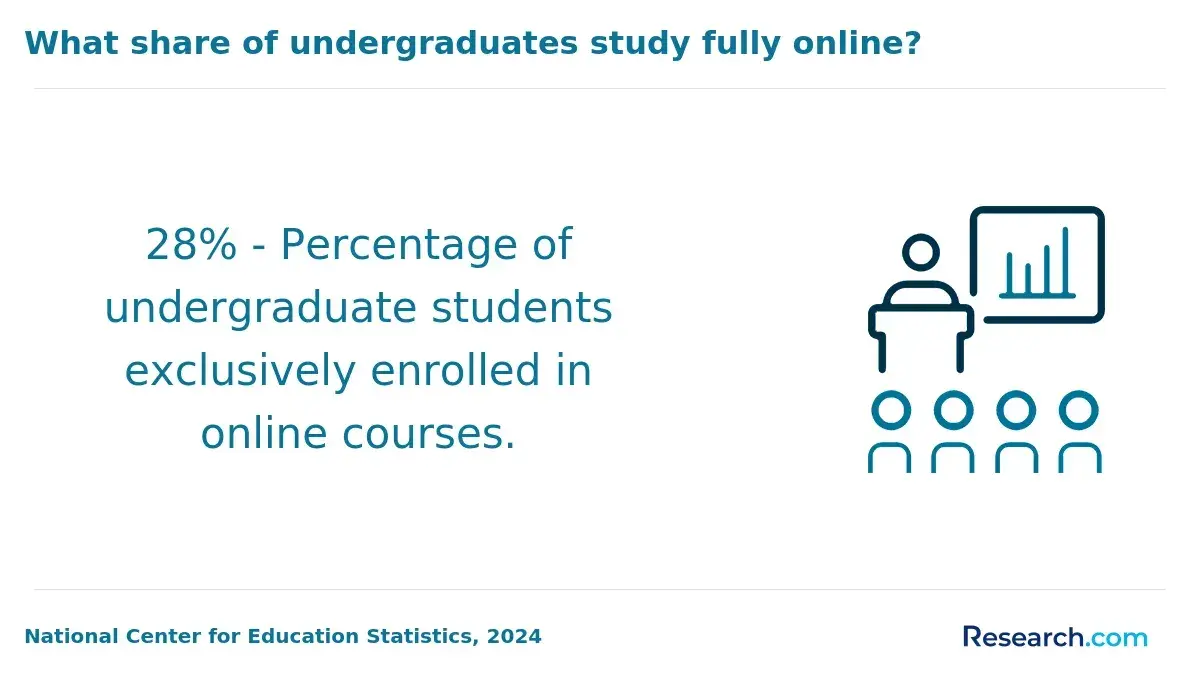
Breakdown of All Fully Online Title IV Institutions (In Percentage)

Does an online electrical engineering degree require clinical or practicum hours?
Clinical or practicum hours are essential components of electrical engineering programs designed to prepare students for professional practice and licensure by providing real-world, hands-on experience. These hours enable students to apply theoretical knowledge, develop practical skills, and meet licensure board requirements, even when pursuing an online electrical engineering degree.
- Typical Hours and Duration: Practicum or internship requirements usually range from 400 to 1,000 hours, varying by state licensing boards and specific program design. This extensive timeframe ensures comprehensive exposure to engineering practices necessary for licensure.
- Structured Work Placements: Students generally complete their practicum in engineering firms, utilities, or research environments. These placements focus on practical tasks such as design, testing, troubleshooting, and project management.
- Supervision and Mentorship: Licensed engineers or qualified professionals closely supervise students, providing mentorship and performance evaluations crucial to cultivating competencies required for professional licensing.
- Skill Development and Documentation: Hands-on experiences emphasize industry-standard tools, regulations, and communication skills. Detailed documentation of these hours is mandatory to demonstrate experience and competency to licensing authorities.
- Online Program Adaptation: Online electrical engineering degree clinical hours requirements are often fulfilled through partnerships with local employers or flexible scheduling options. This hybrid approach ensures students meet licensure criteria despite remote coursework.
Prospective students should carefully evaluate how programs facilitate practicum experiences to ensure alignment with their licensure goals and professional development. For those interested in related disciplines, exploring options like a library degree can also highlight the diverse pathways to professional expertise in specialized areas of study.
What licensing exam is required after earning an online electrical engineering degree?
Licensing exams play a crucial role in confirming that engineering graduates possess the essential skills needed to practice safely and effectively. Passing this exam is often required to qualify for engineering licensure, which impacts career opportunities across many states. Approximately 70% to 75% of candidates pass the exam on their initial try, reflecting its challenging nature. Below are the key details prospective professionals should know about this essential step.
- Exam Name: The Fundamentals of Engineering (FE) exam is the designated licensing test for entry-level engineers.
- Content Areas: The exam covers several electrical engineering topics including circuits, signals and systems, electromagnetics, and electronics, ensuring a broad foundation.
- Format: It is administered on computers and features multiple-choice questions targeting both theory and practical problem-solving abilities.
- Preparation Strategies: Candidates generally review core undergraduate coursework alongside practice tests and structured review materials to build confidence and mastery.
- Retake Policies: If unsuccessful initially, candidates can retake the exam, but must adhere to state-specific waiting periods and rules set by licensing boards.
- Relevance for Online Graduates: Graduates from online programs must verify that their degrees hold appropriate accreditation, such as from ABET, since most states require accredited education for exam eligibility and further licensure steps.
When I spoke with a licensed professional who completed her electrical engineering degree entirely online, she shared how vital the FE exam was in transitioning from student to practicing engineer. She recalled the initial anxiety before sitting for a computerized test that covered such a broad array of topics. "Preparing through focused study sessions and timed practice exams really helped me manage that pressure," she noted.
Navigating state-specific rules about when to retake the exam after initially not passing was another hurdle she overcame by staying informed and persistent. Her experience highlights that while the licensing path after an online degree can present unique challenges, thorough preparation and attention to accreditation requirements make licensure entirely attainable.
Is supervised work experience required after an online electrical engineering degree?
Yes, supervised work experience is typically mandatory after earning an online electrical engineering degree to qualify for professional licensure in the U.S. This practical training bridges academic knowledge and real-world engineering, helping graduates build crucial skills and demonstrate their readiness for independent work.
Recent data show that more than 80% of new electrical engineers complete this experience before taking the Professional Engineer exam. Key elements of this requirement include the following:
- Duration: Candidates usually complete about four years of documented, hands-on engineering experience to develop competence and fulfill licensing criteria.
- Settings: Supervised work often occurs in engineering firms, government agencies, or industrial environments where practical projects are undertaken.
- Mentorship: Licensed professional engineers provide essential oversight, guidance, and evaluation throughout the training period.
- Skill Development: Engineers gain expertise in technical design, safety compliance, ethical decision-making, and project management-skills vital to professional practice.
- Career Impact: This experience not only satisfies legal licensure requirements but also enhances employability and professional credibility.
Does licensure reciprocity apply to online electrical engineering graduates?
Licensure reciprocity allows licensed professionals to work across multiple states without obtaining new licenses in each jurisdiction. This flexibility is essential for electrical engineers who may relocate or seek career opportunities beyond their initial licensing state. Several factors influence how reciprocity applies to online electrical engineering graduates.
- Eligibility Criteria: Reciprocity generally requires meeting core standards such as graduating from an accredited program, passing the Fundamentals of Engineering (FE) exam, obtaining relevant work experience under a licensed engineer's supervision, and passing the Professional Engineering (PE) exam. These requirements help ensure consistent professional competence regardless of where the license was initially granted.
- Program Accreditation: Most state boards accept degrees from ABET-accredited programs, which is crucial when determining licensure reciprocity for online electrical engineers. The mode of education delivery (online versus traditional) is less important than whether the program meets established accreditation and quality standards.
- State Reciprocity Agreements: Reciprocity arrangements vary by state and may include a review process to confirm that the licensee satisfies the receiving state's professional standards. Some states require additional documentation or verification for degrees earned online, reflecting differences in how online electrical engineering licensing rules by state are enforced.
- Application Requirements: Applicants often must submit detailed records, pay application fees, and may need to pass state-specific ethics or laws examinations. These procedural steps ensure compliance with local regulations and maintain public safety.
- Limitations and Considerations: Online electrical engineering graduates should be aware that not all states treat online education equally, and some require extra proof of coursework rigor or professional experience. Planning ahead is important to navigate these nuances and maintain career mobility.
For prospective students considering a pathway to licensure, earning an affordable online bachelor's degree from an accredited institution is a critical first step. Understanding the layers of licensure reciprocity helps online electrical engineering graduates make informed decisions about their education and professional trajectory.
What are the pros and cons of online electrical engineering programs for licensure?
Online electrical engineering programs have surged in popularity, with enrollment increasing by over 20% in recent years, driven largely by their convenience and reach. Many students weigh licensure prospects carefully, as earning a professional engineer (PE) license depends on meeting specific education and experience criteria. Below is an overview of the advantages and challenges of these programs regarding licensure.
Pros
- Flexible Scheduling: Online programs offer adaptable timelines that support working professionals and those in distant locations, aiding in coursework completion.
- Accredited Curriculum: Many programs align with accreditation standards required for licensure eligibility, ensuring students meet foundational education benchmarks.
- Accessibility: They provide access to quality engineering education without geographic limitations, opening doors for diverse student populations.
Cons
- Limited Hands-On Experience: Reduced in-person labs restrict opportunities for practical skill development crucial for engineering competency and licensing boards.
- Networking Difficulties: Fewer face-to-face interactions can limit mentorship and professional connections important for career growth and guidance through licensure.
- Supervision Challenges: Gaining supervised work experience or internships remotely can be harder, affecting the fulfillment of experience requirements for licensure.
Does getting licensed with an online electrical engineering degree affect salary?
Licensure significantly affects salary outcomes for electrical engineers, including those who earn an online electrical engineering degree. Industry data shows that licensed professional engineers (PEs) can earn up to 20% more on average than non-licensed counterparts, highlighting the financial advantage of certification. This salary difference underscores the value of pursuing licensure for graduates considering their career trajectory.
Licensure opens doors to specialized and higher-paying roles in numerous ways:
- Project Approval Authority: Licensed engineers have the legal right to sign off on engineering plans and projects, a responsibility that often leads to higher pay due to the increased trust and accountability involved.
- Leadership Eligibility: Holding a PE license qualifies individuals for management and supervisory roles that command premium salaries, reflecting the expertise and responsibility expected in these positions.
- Specialized Roles: Licensure enables engineers to work in areas involving public safety, regulatory compliance, and legal accountability, all of which typically offer enhanced compensation due to their critical nature.
- Job Security and Career Longevity: The recognized professional status provided by licensure tends to improve employment stability and opens up long-term career advancement opportunities.
Graduates with an online electrical engineering license salary impact is particularly noticeable as the credential validates their education and competence in a competitive job market. Successfully earning and maintaining a PE license demonstrates verified expertise and commitment, which employers reward with better compensation and advancement chances.
While pursuing licensure requires additional exams and documented experience, the long-term financial and professional returns often justify the investment.
For those exploring their educational options, starting with easy associate degrees can provide foundational skills before advancing to a full electrical engineering degree leading toward licensure.
What jobs can you get with or without a license as an online electrical engineering degree holder?
Licensure plays a crucial role in shaping career paths for graduates with an online electrical engineering degree. While many pursue positions that do not require a professional engineering (PE) license, obtaining one can open doors to higher-level responsibilities and greater earning potential. Studies show licensed electrical engineers earn about 15-20% more than their non-licensed peers, highlighting the financial benefits of certification. Below are key examples of jobs available with and without a license.
Jobs With a License
- Professional Electrical Engineer: Licensed engineers can approve engineering plans and take legal responsibility for their projects, making them essential in public safety and compliance.
- Project Manager: This role involves overseeing infrastructure developments and coordinating teams, requiring licensure to sign off on official work and ensure regulatory standards are met.
- Consulting Engineer: Consultants with a PE license offer expert reviews and advice on engineering projects, often influencing design decisions and policy compliance.
Jobs Without a License
- Electronics Design Engineer: Focused on creating and improving electronic systems, these engineers work primarily on product development without needing licensure.
- Systems Integration Specialist: Responsible for combining hardware and software components, this role supports complex technical solutions in various industries without legal certification requirements.
- Research and Development Engineer: Engaged in innovation and testing to advance technology, these engineers contribute technical expertise but generally do not oversee projects requiring official approval.
What Graduates Say About Getting Licensed with an Online Electrical Engineering Degree
- Julianne: "Choosing an online electrical engineering degree was a game-changer for me, especially considering the overall cost was significantly lower than traditional programs, roughly around $30,000 for the entire course and licensure expenses. The flexibility of studying on my own schedule while engaging with top-notch faculty made the learning process both effective and enjoyable. Today, holding my professional license, I feel empowered and agile in my career growth, confidently taking on engineering projects that once seemed out of reach."
- Wendy: "Reflecting on my journey, the affordability of the online electrical engineering degree program-which averaged about $25,000 for tuition and licensing fees-was a crucial factor in my decision, especially as a working professional. The program challenged me intellectually while offering the convenience I needed, blending theory with practical applications seamlessly. This degree and licensure opened doors to opportunities that enriched my career and fostered my development as a disciplined engineer."
- Hugh: "From a cost-conscious perspective, investing around $28,000 in an online electrical engineering degree plus licensure was a prudent choice that has paid dividends in my professional life. The online format, though demanding, taught me self-motivation and time management, critical skills that enhanced my work ethic. Earning my professional license after graduation has truly validated my technical skills and accelerated my progression in the competitive engineering field."
Other Things You Should Know About Electrical Engineering Degrees
In 2027, ABET accreditation remains crucial for online electrical engineering degrees as it ensures the program meets industry standards. Accredited programs are more likely to be recognized by licensing boards, enhancing graduates' eligibility for the Professional Engineer (PE) license.
Accreditation plays a significant role in determining the eligibility of an online electrical engineering degree for licensing in 2027. Degrees from accredited programs ensure that they meet the industry standards required for the licensing process, making accreditation essential for graduates aiming to become licensed engineers.
References
- Electrical Engineer Salary: Your 2025 Guide https://www.coursera.org/articles/electrical-engineer-salary
- Should You Get a Degree in Electrical Engineering? https://education.alot.com/higher-education/should-you-get-a-degree-in-electrical-engineering--2260
- Electrical and Electronics Engineers : Occupational Outlook Handbook: : U.S. Bureau of Labor Statistics https://www.bls.gov/ooh/architecture-and-engineering/electrical-and-electronics-engineers.htm
- Licensure | NCEES https://ncees.org/licensure/
- How to Get Electrical Engineering License? |School of PE https://schoolofpe.com/blogs/news/4-steps-to-getting-licensed-in-electrical-engineering-html
- 7 Online Bachelor's in Electrical Engineering with Career-Ready Capstone Projects - Practical Training Without Campus Time https://www.euroeducation.net/articles/7-online-bachelors-in-electrical-engineering-with-career-ready-capstone-projects-practical-training-without-campus-time.htm
- Transitioning to Electrical Engineering: Your Career Guide https://info.online.bradley.edu/college-of-engineering/blog/transitioning-to-electrical-engineering-career
- Electrical Engineer Education Requirements, Licensing, and More | McKissock Learning https://www.mckissock.com/blog/professional-engineering/electrical-engineer-education-requirements/
- Campus vs Online Engineering Degrees - What Employers Think https://www.itcareerfinder.com/brain-food/blog/entry/what-employers-think-about-online-engineering-degrees.html


