
2027 Political Communication Degree Careers That Do Not Require Graduate School

Co-Founder and Chief Data Scientist
Many recent political communication graduates face a critical choice: which career paths welcome them with just a bachelor's degree, and which demand graduate school or specialized certifications? Approximately 40% of entry-level roles in political consulting and media relations require only a bachelor's degree, reflecting a growing shift toward skill-based hiring. However, roles involving policy analysis or strategic communication management often expect advanced education.
Navigating these distinctions is essential for job seekers. This article explores political communication careers accessible without graduate school, highlighting strong options for lasting employment and career growth.
Key Things to Know About the Political Communication Careers That Do Not Require Graduate School
- Bachelor's degrees often suffice for direct entry into roles like campaign staff, public relations assistants, and legislative aides, with no immediate graduate education required.
- Employers prioritize demonstrated skills, relevant internships, and practical communication experience over advanced degrees for entry-level political communication positions.
- Strong networking, certifications, and hands-on experience enable meaningful long-term career growth, making these roles highly accessible after undergraduate study.
What Career Paths Can You Pursue with a Political Communication Degree Without Graduate School?
Many political communication degree holders successfully enter the workforce immediately after earning their bachelor's, as this degree develops versatile skills suited for various industries. Studies show that roughly 65% of graduates with a political communication bachelor's degree begin working right away, reflecting the strong demand for entry-level roles not requiring graduate education. However, opportunities differ based on job type and industry hiring trends.
Some typical career options accessible without pursuing a master's degree include the following:
- Public Relations Specialist: This role leverages media relations and messaging skills gained during undergraduate studies, making it a popular entry-level position. Many organizations seek bachelor's-level candidates to manage communications without requiring advanced degrees.
- Campaign Staffer or Political Aide: These positions offer practical experience in political environments and rely heavily on knowledge from a political communication degree along with on-the-job training. They are often filled by graduates without graduate school.
- Legislative Assistant: Entry-level legislative assistant roles depend on research, communication, and coordination skills developed during undergraduate coursework. These jobs typically do not mandate a graduate degree.
- Communications Coordinator: This career benefits from a broad understanding of advocacy and public affairs taught in political communication programs. Many employers hire bachelor's graduates for these roles without advanced education requirements.
- Media Analyst: Graduates can apply their political messaging expertise to analyze media trends at a junior level, making this a viable no graduate school job option.
- Nonprofit Outreach Associate: The degree's applicability to community engagement makes this role accessible to bachelor's holders looking to support advocacy initiatives.
The flexibility of political communication careers without graduate degree credentials allows many to find entry-level political communication jobs no graduate school. For those considering further education, exploring masters degrees with practical value is always an option but not a necessity to start their professional journey.
What Are the Highest-Paying Jobs for Political Communication Degree Graduates Without a Graduate Degree?
Graduates with a political communication degree can find some of the highest-paying careers available without pursuing graduate school, especially in roles where employers highly value bachelor's-level education and practical experience. According to the Bureau of Labor Statistics, public relations specialists-a common path for these graduates-earn a median annual wage of about $62,810, with opportunities for significantly higher pay through experience and industry demand. These positions offer strong earning potential because they directly impact public perception and organizational success.
Below are notable high-paying roles typically accessible with a bachelor's in political communication and explanations for their compensation levels:
- Public Relations Specialist: These professionals manage the public image and communications for organizations or individuals. Their critical role in shaping public perception and influencing consumer or voter behavior leads to strong demand and competitive salaries across industries.
- Political Campaign Manager: Overseeing campaigns requires effective communication strategies and a deep understanding of political environments. High compensation reflects the substantial impact campaign managers have on election results, fundraising, and public engagement.
- Corporate Communications Manager: Responsible for internal and external corporate communications, these managers earn higher salaries due to their role in protecting company reputation, managing crises, and delivering vital messages to stakeholders.
- Legislative Assistant: Working closely with elected officials to develop policy communications, legislative assistants command competitive pay based on their specialized knowledge and influence in political discussions, particularly at the federal level.
- Media Relations Specialist: By building relationships with journalists and controlling information flow, media relations specialists ensure favorable coverage. Their ability to shape public narratives justifies higher wages and reflects their impact on organizational success.
What Skills Do You Gain from a Political Communication Degree That Employers Value?
Political communication degree programs develop a range of transferable skills that employers highly value, especially for positions that do not require advanced degrees. A 2023 study by the National Association of Colleges and Employers found that over 85% of employers emphasize skills like communication, critical thinking, and teamwork when hiring recent graduates. These programs prepare students to meet those expectations through practical and analytical training.
The key competencies gained through a political communication degree include:
- Clear Communication: Students learn to deliver compelling messages in both writing and speech, tailored to different audiences. This skill is crucial in entry-level roles such as media coordination and organizational communication, where clarity and persuasion make a significant impact.
- Analytical Thinking: The curriculum encourages examining information from varied angles and making evidence-based decisions. Graduates apply this in research, strategy formation, and solving everyday workplace challenges.
- Digital and Media Literacy: Understanding media dynamics and mastering digital tools enable graduates to manage online content, analyze trends, and engage audiences effectively-abilities highly sought in public relations and communications roles.
- Collaborative Skills: Team projects and simulations gain graduates experience working with diverse groups, fostering cooperation and effective project delivery without the need for graduate-level training.
- Audience Insight: Students learn to interpret public opinion and behaviors, supporting marketing, outreach, and advocacy efforts with data-driven strategies.
What Entry-Level Jobs Can Political Communication Graduates Get with No Experience?
Many political communication graduates secure entry-level positions shortly after finishing their degrees, even without prior professional experience. Employers frequently create roles tailored to recent graduates, allowing them to gain practical skills without the need for graduate school. Research indicates that about 60% of political communication bachelor's degree holders find related employment within half a year of graduation, demonstrating strong employer demand.
The following roles generally welcome early-career candidates, including those exploring how to start a career in political communication with no experience:
- Campaign Assistant: These roles introduce graduates to active political work such as voter outreach and administrative duties. Campaigns often hire individuals eager to learn due to their project-based nature, making this an accessible point of entry for political communication careers for recent graduates.
- Communications Coordinator: Many organizations look for coordinators to handle media monitoring and basic content tasks. Such positions are designed to develop foundational skills, making them ideal entry-level political communication jobs no experience required.
- Legislative Aide: Entry-level aides assist lawmakers by researching policy and preparing briefs, often through formal programs. This pathway offers political communication degree job opportunities for beginners interested in government roles without advanced studies.
- Public Relations Assistant: Firms and offices frequently hire assistants to support press releases and event planning. These roles typically provide on-the-job training and expect initiative, suiting those new to the field.
For students considering further education options complementary to these roles, exploring an MLIS degree online may offer additional career flexibility.
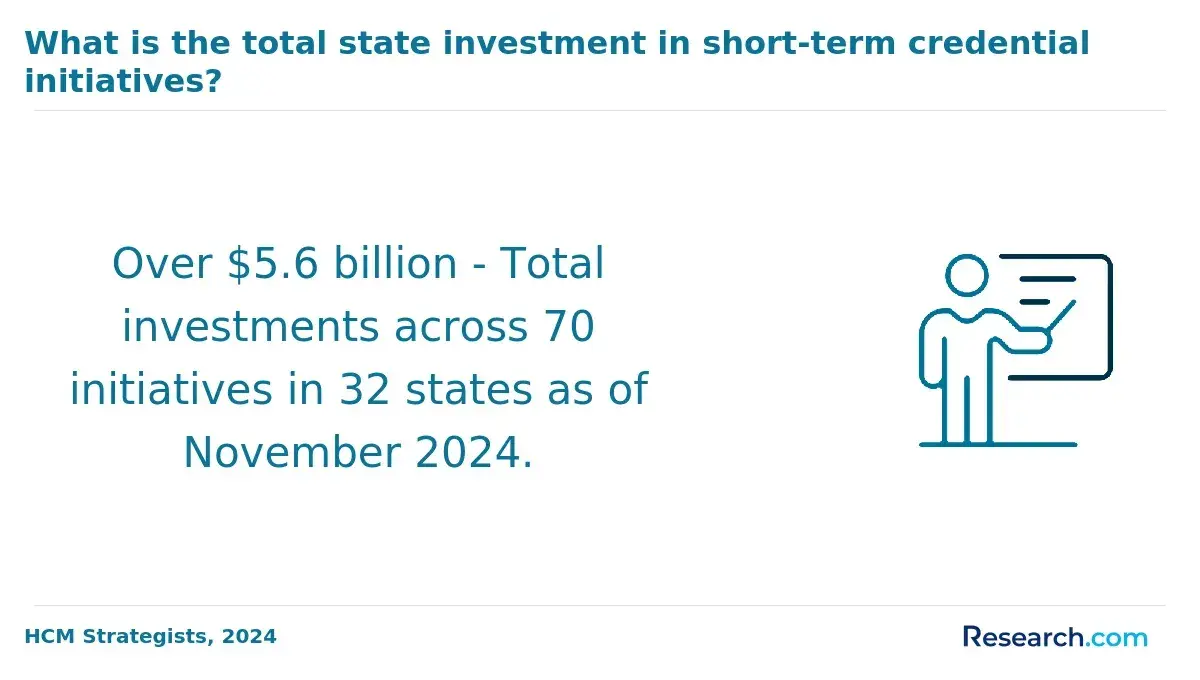
What Certifications and Short Courses Can Boost Political Communication Careers Without Graduate School?
Certifications and short courses offer political communication graduates practical ways to improve their job prospects without pursuing graduate education. These credentials focus on specific skills that complement a bachelor's degree and prepare candidates for targeted roles. A recent survey reveals that 67% of hiring managers value certifications when assessing applicants in related fields.
Below are several certifications and short courses that best position graduates for career success.
- Digital Marketing Certification: This credential equips graduates with expertise in social media strategies, content development, and performance analytics. Mastery of these areas is essential for engaging audiences and managing digital campaigns effectively.
- Public Relations Certificate: Focusing on media relations and crisis communication, this program prepares graduates to craft strategic messaging and sustain a positive public image for clients or organizations.
- Data Analytics for Communicators: Short courses in this area teach techniques to analyze public opinion and campaign data, enabling informed decision-making and precise audience targeting without advanced degrees.
- Project Management Professional (PMP) Courses: Training in project management imparts skills to coordinate and oversee communication initiatives efficiently, giving graduates a competitive edge in the field.
- Speechwriting or Persuasion Techniques Certification: These credentials deepen the ability to create compelling messages through refined writing and rhetorical skills, critical for political contexts.
Which Industries Hire Political Communication Graduates Without Graduate Degrees?
Industries differ significantly in how open they are to hiring political communication graduates without advanced degrees. Many sectors prioritize bachelor's-level candidates due to their extensive hiring needs and the generalist nature of available roles. Nearly 45% of political communication degree holders find work in fields that commonly employ professionals without graduate education.
Below are some industries that offer accessible opportunities for these graduates.
- Government and Public Administration: Large agencies require professionals to handle community engagement, public affairs, and legislative tasks. These agencies often favor candidates with bachelor's degrees to fill a wide range of communication-related positions.
- Nonprofit and Advocacy Organizations: Operating with budget constraints yet needing impactful outreach, these groups frequently recruit bachelor's-level employees for roles like campaign coordination and public relations that do not demand graduate degrees.
- Media and Public Relations: This fast-paced sector values practical communication talents and often hires recent graduates for journalism, content creation, and media relations, accommodating bachelor's holders due to high workforce turnover.
- Corporate Communications: Private companies integrate political communication graduates in public affairs and corporate responsibility roles, leaning on their versatile skill sets typically developed during undergraduate study.
- Political Campaigns and Consulting Firms: The cyclical nature of election seasons generates many temporary openings ideal for bachelor's-level candidates skilled in organizing and messaging without requiring advanced credentials.
What Freelance, Remote, and Non-Traditional Careers Are Available for Political Communication Graduates?
Non-traditional career structures like freelance and remote work can reduce reliance on formal workplace pathways, providing political communication graduates with greater access to jobs without needing graduate education. Digital and independent work models especially open doors by enabling flexible, location-independent opportunities. A 2023 Gallup report found that 45% of full-time U.S. workers had some remote work option, highlighting the shift toward flexible work arrangements across multiple industries, including political communication-related fields.
Below are some common freelance, remote, and non-traditional career paths available for political communication graduates:
- Freelance Content Creation and Copywriting: Producing digital content like blog posts, newsletters, and social media updates for campaigns or advocacy groups allows graduates to work with multiple clients remotely, offering broad access beyond geographic limits.
- Remote Digital Campaign Management: Managing online outreach and voter engagement from anywhere involves project-based work where success is measured by deliverables, making physical presence unnecessary and schedules more flexible.
- Independent Research and Analysis: Acting as freelance consultants on public opinion research, data analysis, or policy briefings fits well with task-focused, temporary contracts that transcend location.
- Virtual Public Relations and Media Relations Support: Providing press release writing, media monitoring, and communications advising remotely supports diverse clients online with flexible hours and independent scheduling.
- Social Media Strategy for Advocacy Groups: Supporting nonprofits and political advocacy via remote consultancy enables graduates to influence public discourse across multiple regions while building a diverse portfolio.
How Can You Build a Career Without Graduate School Using a Political Communication Degree?
Graduates with a political communication degree often begin building their careers by entering the workforce directly after completing their bachelor's degree. Early career momentum is shaped by access to entry-level political communication jobs that don't require graduate school, providing hands-on experience in areas like media relations, campaign coordination, and research assistance.
About 70% of political communication graduates start working immediately after graduation, demonstrating that many do not pursue advanced degrees to enter the field. This practical exposure allows them to develop relevant skills while gaining familiarity with workplace environments and expectations.
Long-term career growth without graduate school typically depends on advancing within organizations, expanding job responsibilities, and adapting to evolving roles over time. Professional progression often relies on continuous learning through work experience, networking, and on-the-job skill development rather than formal education.
This pathway varies across fields such as government relations, advocacy, and corporate communications, where career advancement is frequently based on demonstrated expertise. For those considering further education, resources like an online doctorate in organizational leadership can be an option but are not essential for sustained success in political communication careers.
What Are the Pros and Cons of Skipping Graduate School for Political Communication Careers?
Skipping graduate school is a common pathway in political communication careers, allowing many graduates to enter the workforce sooner. While it can speed up early access to entry-level political communication jobs without advanced degrees, it may also shape long-term professional opportunities depending on one's career goals. Studies show that about 40% of political communication roles are filled by candidates holding only a bachelor's degree, with earnings varying significantly compared to those with graduate education.
Here are key considerations when deciding whether to forgo graduate school:
- Early Workforce Entry: Starting a career immediately after earning a bachelor's degree enables gaining practical experience and networking opportunities, which can be crucial in political communication fields that value hands-on skills.
- Opportunity Costs: Avoiding graduate school saves time and money, reducing student debt and allowing earlier financial independence, although it may limit initial access to prestigious employers.
- Long-Term Progression Limits: Some exclusive organizations and senior roles often require a master's degree, which can slow career advancement for those without graduate credentials.
- Flexibility in Career Exploration: Without the commitment to graduate studies, individuals can explore diverse political communication roles across sectors, adapting their paths based on evolving interests and market demands.
For those seeking more information on degrees that support various career paths, including options suited for different life circumstances, the best degrees for single moms provide valuable insights on balancing education and career goals.
What Are the Real-World Career Outcomes and Job Market Trends for Political Communication Graduates?
Graduates with a bachelor's level Political Communication degree often find varied employment opportunities influenced by the changing demands of the workforce. Recent labor market participation trends show that entry- to mid-level roles typically offer salaries ranging from $40,000 to $70,000, reflecting diverse sectoral needs.
The ability to access stable positions depends on regional conditions and the evolving need for communications expertise within political environments. Many graduates succeed in securing relevant employment, though competitive hiring processes can affect overall placement rates for political communication graduates.
Job market outcomes for political communication graduates fluctuate depending on the sector and position type, shaped heavily by broader labor market dynamics. Opportunities span government offices, media firms, and advocacy organizations, but salaries and growth potential vary more than uniform paths suggest.
Some accessible roles provide solid experience despite moderate pay, while positions demanding specialized skills may offer higher compensation. Graduates seeking to enhance their credentials might explore short certificate programs that pay well online to improve prospects within this competitive employment landscape.
What Graduates Say About Political Communication Careers Even Without Pursuing Graduate School
- Joey: "Graduating with a political communication degree gave me a distinct edge when entering the workforce. I quickly found opportunities in public relations and advocacy groups where my skills in crafting clear, persuasive messages proved invaluable. Looking back, I'm grateful for the hands-on experience and real-world case studies we engaged in, which made the transition seamless and rewarding."
- Morgan: "The political communication degree was more than just theory; it prepared me to analyze media trends and public opinion effectively. Without pursuing graduate school, I landed a role in a non-profit communications team, where I could apply my understanding of political narratives and audience engagement daily. Reflecting on this journey, I appreciate how adaptable and practical my coursework was in preparing me for actual challenges in the field."
- Hudson: "Entering the job market right after earning my degree in political communication felt daunting at first, but my training gave me confidence. The focus on ethics, media relations, and campaign strategy helped me secure a position as a legislative aide. My approach has always been professional, relying on the well-rounded foundation the degree provided rather than advanced degrees, and it's made a real difference in my career growth."
Other Things You Should Know About Political Communication Degrees
Yes, advancing in political communication careers without graduate school is possible by gaining significant hands-on experience and developing key skills such as media relations, public speaking, and digital campaigning. Demonstrating success through project outcomes and building a strong professional network often compensates for the absence of an advanced degree in this field.
Internships and volunteer roles are crucial for acquiring practical knowledge and industry connections. These opportunities allow political communication undergraduates to build portfolios, learn workplace dynamics, and demonstrate their value to potential employers without needing graduate credentials.
Political communication graduates can enhance their job prospects by cultivating specialized skills such as data analysis, content creation, and strategic messaging. Additionally, staying current with emerging social media platforms and digital tools improves employability in a competitive job market even without graduate-level education.
In 2027, political communication graduates can pursue entry-level roles like public relations coordinator, campaign assistant, social media manager, or legislative aide. These positions often require strong communication and analytical skills, allowing graduates to employ their education directly without needing further academic qualifications.
References
- 17 Jobs for Political Science Majors (That Don't Require You to Run for Office) https://www.theforage.com/blog/careers/jobs-for-political-science-majors
- What is Political Communication? Careers in Political Communication https://www.mastersincommunications.com/faqs/what-is-political-communication
- Certification Programs https://gcccouncil.org/about-gccc-certifications/
- Is a master's in communication worth it | edX https://www.edx.org/resources/is-a-masters-in-communication-worth-it
- Political Communication https://www.princetonreview.com/college-majors/493/political-communication
- Remote Entry Level Political Jobs | Working Nomads https://www.workingnomads.com/remote-entry-level-political-jobs
- What are the Best Certifications for Communications Professionals? - Best Communications Degrees https://www.bestcommunicationsdegrees.com/faq/what-are-the-best-certifications-for-communications-professionals/
- Best Certifications for Communications Specialists in 2025 (Ranked) https://www.tealhq.com/certifications/communications-specialist
- Political Science Degree Jobs: 12+ Career Paths (2026) | Extern https://www.extern.com/post/political-science-degree-jobs-career-guide
- I Got a Master’s Degree in Communication. Was it Worth it? https://socalshuffle.net/i-got-a-masters-degree-in-communication-was-it-worth-it/


