
2027 Psychology Degree Programs for Career Changers

Co-Founder and Chief Data Scientist
Changing into psychology is not just a question of choosing a major. It is a planning decision that affects your schedule, finances, prior credits, job options, and—in some roles—future licensure requirements. For working adults, the best program is usually not the one with the broadest description; it is the one that matches your current education, transferable experience, target career, and ability to complete fieldwork or supervised training.
Many adults pursue psychology because they want work that is more people-focused, mission-driven, or aligned with healthcare, education, counseling, business, or social services. Data shows that 41% of adult learners pursuing psychology degrees are motivated by career advancement or change, which is why many schools now offer online, part-time, evening, hybrid, and applied program options.
This guide explains which psychology programs tend to accept career changers, which specializations fit different professional backgrounds, what admissions committees look for, how coursework supports a transition, what formats are available, what costs to plan for, and what careers and salary ranges may follow. It also highlights where you need to be careful—especially with accreditation, practicum expectations, and whether a degree qualifies you for licensed practice in your state.
Key Things to Know About Psychology Degree Programs for Career Changers
- Many psychology degree programs offer flexible scheduling with evening, weekend, or asynchronous online classes to accommodate working adults balancing jobs and family responsibilities.
- Online or hybrid formats make it feasible for career changers to earn credentials without relocating, supporting accessibility and reducing commute-related challenges.
- Accelerated pacing and tailored support services help career changers complete degrees faster while gaining skills aligned with employer demands in mental health and organizational psychology fields.
What Psychology Programs Accept Career Changers?
Many psychology programs accept career changers, especially at the master’s level and in applied areas such as general psychology, counseling, industrial-organizational psychology, school-related services, and behavioral health. Over 40% of graduate students in psychology-related fields are adult learners, so applicants without a psychology bachelor’s degree are not unusual. The key is finding a program that clearly explains its prerequisite policy, bridge coursework, fieldwork expectations, and career outcomes.
Career changers should not assume every psychology degree leads to the same destination. Some programs are academic or research-oriented, some prepare students for business or human services roles, and others may support a pathway toward counseling or clinical licensure only if they meet state-specific requirements.
Common psychology program options for career changers
- Master's in General Psychology: Often a flexible option for students who want a broad foundation in human behavior, research, cognition, development, and social psychology. It can support roles in research assistance, human services, people operations, program coordination, or preparation for further graduate study. Career changers should confirm whether the program is terminal, research-focused, or designed as preparation for doctoral study.
- Clinical Psychology Master's Programs: These programs may appeal to adults interested in assessment, psychopathology, mental health services, or doctoral preparation. However, students should verify whether the degree itself qualifies them for any licensed role in their state. Some clinical psychology master’s programs are not designed for independent clinical practice.
- Industrial-Organizational Psychology Master's Programs: A strong fit for professionals coming from business, management, human resources, training, analytics, consulting, or operations. These programs apply psychological science to hiring, employee performance, leadership, organizational culture, workplace assessment, and change management. Many support part-time enrollment for working adults.
- Counseling Psychology Master's Programs: These may be appropriate for applicants moving from education, social work, ministry, healthcare, coaching, nonprofit work, or community services. Because counseling careers are often regulated, applicants should check accreditation, practicum hours, internship requirements, and state licensure alignment before enrolling.
How to choose a program if your bachelor’s degree is in another field
- Ask about prerequisite courses. Some schools require prior coursework in statistics, research methods, abnormal psychology, developmental psychology, or introductory psychology. Others allow students to complete these after admission.
- Look for evidence of support for adult learners. Useful signs include part-time plans, asynchronous courses, evening courses, dedicated advising, career services for career changers, and clear practicum placement guidance.
- Check accreditation and licensure fit early. If your goal is counseling, therapy, school psychology, or clinical practice, program approval and state requirements matter as much as admission flexibility.
- Compare outcomes, not just course lists. Ask where graduates work, whether students enter doctoral programs, and how the curriculum connects to your intended role.
Psychology is not the only helping-profession path open to adult learners. For those also interested in communication disorders and speech-related services, an online slp program may be another structured route to a meaningful career.
What Psychology Specializations Are Best for Career Changers?
The best psychology specialization for a career changer depends on two things: the work you have already done and the work you want to do next. Employment in psychology-related professions is expected to grow by 8% between 2022 and 2032, but growth alone should not drive your decision. You need a specialization that matches your strengths, preferred work setting, tolerance for additional training, and any licensure requirements tied to your goal.
Specializations that often fit career changers
- Industrial-Organizational Psychology: Best for professionals with experience in business, management, human resources, training, operations, consulting, sales leadership, or analytics. This specialization focuses on workplace behavior, employee selection, performance, motivation, team dynamics, leadership, and organizational change. It is often one of the most practical psychology paths for adults who want to stay in corporate or public-sector environments while shifting into people strategy or organizational effectiveness.
- Clinical Psychology: Best for students who are strongly interested in mental health, psychological assessment, research, and clinical science. It can be a meaningful path for career changers from healthcare, social services, crisis support, or research backgrounds. Applicants should be careful, however: clinical roles often require advanced graduate training, supervised experience, and state-specific licensure. A master’s degree alone may not be enough for independent practice.
- School Psychology: Best for educators, paraprofessionals, youth workers, social workers, and others with experience supporting children and adolescents. School psychology connects assessment, learning, behavior, mental health, family systems, and educational interventions. Students should confirm whether the program meets requirements for school-based credentialing where they plan to work.
- Health Psychology: Best for adults coming from healthcare, wellness, public health, fitness, nursing support, patient advocacy, or community health. This field examines how behavior, stress, lifestyle, illness, prevention, and healthcare systems interact. It can support work in health education, patient support, research, wellness programming, or further clinical training.
Matching your background to a specialization
| Prior background | Specialization to consider | Why it may fit |
| Business, HR, management, training, consulting | Industrial-Organizational Psychology | Builds on workplace experience and applies psychology to teams, hiring, culture, and performance. |
| Healthcare, social services, crisis support | Clinical Psychology or Health Psychology | Connects existing patient-facing or service experience with behavioral science and mental health concepts. |
| Teaching, youth services, school administration | School Psychology | Uses knowledge of learning environments, child development, and student support systems. |
| Wellness, public health, patient education | Health Psychology | Focuses on behavior change, prevention, coping, and health outcomes. |
Adult learners exploring the best psychology fields to switch careers into may also strengthen management, entrepreneurship, or administrative skills through an accredited online business degree, especially if they plan to work in human resources, organizational consulting, healthcare administration, or program leadership.
What Are the Admission Requirements for Career Changers Applying to a Psychology Program?
Admission requirements for career changers vary by degree level, specialization, and whether the program leads to licensure or clinical training. Nearly 38% of graduate students in the U.S. are nontraditional adult learners, according to the National Center for Education Statistics, so many admissions teams are used to evaluating applicants with work histories outside psychology. What matters most is whether you can show academic readiness, clear goals, relevant transferable skills, and an informed understanding of the field.
Typical admission requirements
- Bachelor's Degree: Most graduate psychology programs require a completed bachelor’s degree. Many accept applicants from any discipline, but some require or prefer prior coursework in psychology, statistics, research methods, or social science. Official transcripts are usually required.
- Standardized Tests: Some programs request GRE scores, while others make the GRE optional or waive it for applicants with strong academic records, significant professional experience, or an existing advanced degree. Career changers should not assume a waiver is automatic; check the policy before applying.
- Letters of Recommendation: Programs typically ask for academic or professional references. If you have been out of school for several years, supervisors, managers, clinical coordinators, volunteer directors, or colleagues who can speak to your judgment, communication, ethics, and ability to learn may be appropriate.
- Personal Statement: This is especially important for career changers. A strong statement explains why you are entering psychology, what experiences shaped the decision, how your prior work prepared you, and what career outcome you are pursuing. Avoid vague claims about “wanting to help people”; be specific about population, setting, or professional role.
- Alternative Qualifications: Some programs consider relevant professional certifications, continuing education, volunteer experience, research exposure, healthcare experience, crisis-line work, teaching experience, or prior social science coursework. These may strengthen an application but usually do not replace required academic prerequisites.
- Flexible Scheduling: Many programs offer part-time, online, evening, or hybrid options for adults balancing school with employment and family responsibilities. Flexibility can affect both admissions fit and your ability to persist through the program.
What career changers should prepare before applying
- Request transcripts early, especially if you attended multiple institutions.
- Identify prerequisite gaps and ask whether they must be completed before admission or during the first term.
- Clarify whether the program supports your intended career, not just your interest in psychology.
- Ask about practicum, internship, or supervised experience requirements if your target role involves direct client or student services.
- Confirm whether online students receive the same advising, career support, and field placement assistance as campus students.
Applicants comparing affordable routes can review the cheapest online degree in psychology options, but cost should be weighed alongside accreditation, transfer credit policy, student support, licensure alignment, and completion requirements.
What Is the Coursework for a Psychology Degree for Career Changers?
Psychology coursework for career changers typically begins with the scientific study of behavior and mental processes, then moves into research, assessment, development, applied practice, ethics, and specialization-specific topics. The best curriculum does more than introduce theories; it helps adults translate prior professional experience into psychology-informed decision-making.
Core coursework areas
- Foundational Concepts: Courses in general psychology, cognitive psychology, social psychology, developmental psychology, personality, learning, motivation, and emotion give students the vocabulary and conceptual base needed for advanced study. These courses help career changers move beyond intuition and understand behavior through established psychological frameworks.
- Research Methods: Students learn study design, measurement, sampling, ethics in research, data collection, and statistical analysis. This is especially useful for adults entering roles that require program evaluation, evidence-based practice, consumer insight, workforce analytics, or policy support.
- Applied Psychology: Applied courses may focus on counseling skills, abnormal psychology, organizational behavior, health behavior, educational psychology, crisis intervention, assessment, or behavior change. These classes connect theory to real workplace, clinical, community, or school-based problems.
- Electives and Specializations: Electives allow students to align the degree with their target career. A student moving into human resources may choose workplace assessment or leadership courses, while someone interested in behavioral health may choose psychopathology, trauma, or counseling-related coursework.
- Flexible Scheduling: Many programs offer online, evening, part-time, or accelerated options. Flexibility helps working adults continue earning income, but it also requires strong time management, especially in courses with group projects, exams, research assignments, or fieldwork.
What coursework feels like for working adults
A professional who completed an online psychology degree described the transition as demanding but manageable: “Managing studies around a full-time job was tough, especially during peak work periods. The program's flexibility made deadlines manageable but staying motivated alone at home often felt isolating.”
He also noted that applied coursework made the degree feel relevant: “The variety in coursework kept me engaged and helped me feel confident in applying knowledge practically. I appreciated that the curriculum wasn't just theoretical but tied closely to everyday challenges.” His experience reflects a common pattern for career changers: flexibility helps with access, but success still depends on structure, consistent study habits, and a clear reason for completing the degree.
What Psychology Program Formats Are Available for Career Changers?
Psychology programs for career changers are commonly offered online, part-time, evening, weekend, hybrid, and campus-based formats. Nearly 40% of postsecondary students in the U.S.are adult learners, and many need formats that allow them to keep working while studying. The right format depends on your schedule, learning style, commute, need for in-person support, and whether the program includes labs, practicum, internship, or supervised fieldwork.
Common program formats
- Online Programs: Fully online programs may include asynchronous courses, live virtual meetings, online discussion boards, digital exams, and remote advising. They are often the most flexible option for working adults, caregivers, military-affiliated students, and learners who live far from campus. Students should ask whether any in-person requirements apply.
- Part-Time Programs: Part-time study lowers the number of courses taken each term. This can reduce stress and make tuition more manageable per semester, but it usually extends the time to graduation. It is often a practical option for adults who cannot pause employment.
- Evening and Weekend Classes: These programs are useful for students who want face-to-face interaction while maintaining a daytime job. They may work well for learners who benefit from structured class meetings, campus resources, and direct faculty contact.
- Hybrid Programs: Hybrid programs combine online coursework with scheduled campus sessions, weekend intensives, labs, residencies, or field-based requirements. This format can offer a balance of flexibility and relationship-building, but students should calculate travel time and any required on-site attendance.
How to compare formats
| Format | Best for | Watch for |
| Online | Students needing maximum schedule flexibility | Self-discipline, technology requirements, and possible in-person fieldwork |
| Part-time | Working adults balancing employment, family, and school | Longer completion timeline and possible changes in tuition or aid eligibility |
| Evening or weekend | Students who want in-person learning outside business hours | Commute, childcare, and limited course availability each term |
| Hybrid | Learners who want online convenience plus some campus connection | Residency dates, travel costs, and required attendance windows |
What Skills Do Career Changers Gain in a Psychology Program?
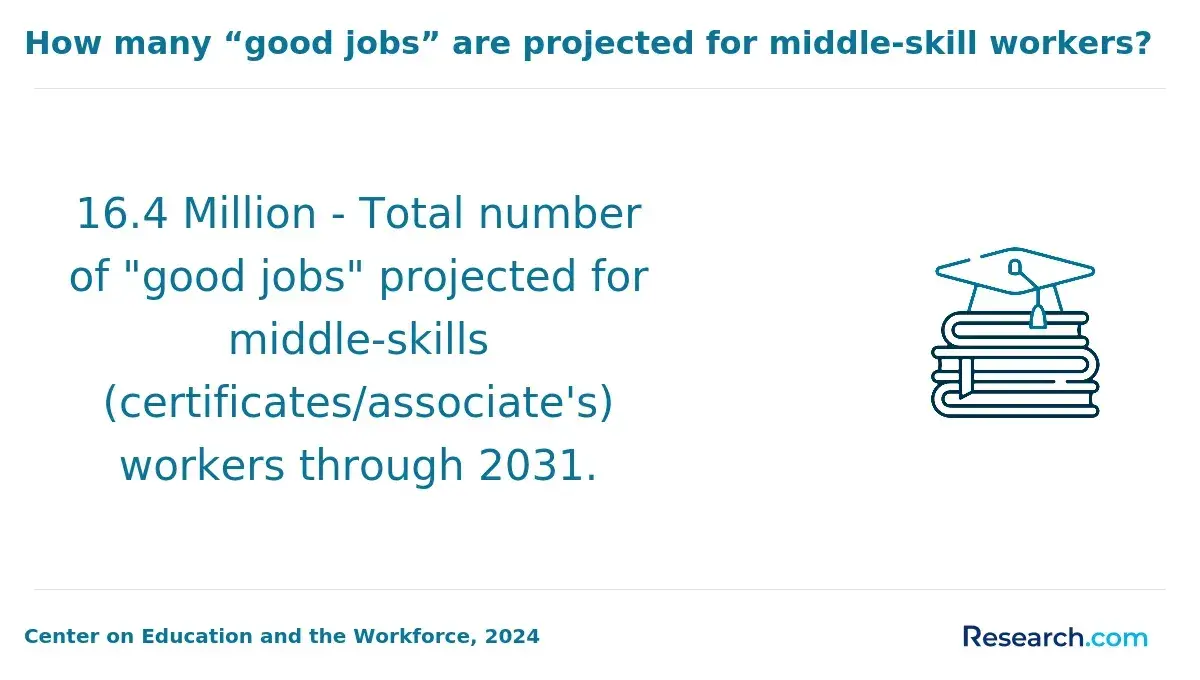
A psychology program helps career changers build skills that transfer across counseling, human services, business, education, healthcare, research, and community settings. Research from the Georgetown University Center on Education and the Workforce shows nearly 65% of emerging jobs demand skill sets distinct from those in previous roles, which makes skill development a central reason adults return to school.
Key skills developed in psychology programs
- Critical Thinking: Students learn to evaluate behavior, claims, evidence, and competing explanations. This skill is valuable in any role that requires judgment, problem-solving, risk assessment, or decision-making under uncertainty.
- Effective Communication: Psychology programs emphasize clear writing, active listening, empathy, interviewing, presentation, and audience-aware communication. These skills support client service, leadership, advising, coaching, training, and team-based work.
- Research & Data Analysis: Students learn how to read studies, interpret findings, understand limitations, and use data responsibly. This is useful for market research, program evaluation, workforce analytics, healthcare quality improvement, and policy-related roles.
- Understanding Human Behavior: Coursework helps students understand motivation, cognition, emotion, development, group behavior, stress, learning, and decision-making. Career changers can apply this knowledge in management, education, marketing, customer success, behavioral health, and community services.
- Ethical Decision-Making: Psychology training introduces confidentiality, informed consent, boundaries, cultural awareness, responsible research, and professional standards. These habits are especially important in roles involving vulnerable populations, sensitive data, or advisory relationships.
Why these skills matter during a career change
Career changers often bring valuable experience but need a new professional language and evidence base. Psychology coursework can help translate prior strengths—such as supervision, customer service, teaching, healthcare support, analysis, or conflict resolution—into roles that require behavioral insight.
One career changer who completed a psychology degree said she initially felt overwhelmed while balancing coursework with a full-time job and adapting to a new field. Over time, she found that studying complex problems and diverse perspectives helped her handle unfamiliar professional situations with more confidence. “The skills I gained didn't just prepare me academically,” she noted, “they transformed how I approach people and decisions in my new career.”
Her experience points to one of the main advantages of psychology for adult learners: the degree can build both technical knowledge and professional adaptability.
How Much Does a Psychology Degree Cost for Career Changers?
The cost of a psychology degree for career changers depends on degree level, institution type, residency status, delivery format, transfer credits, program length, and whether fieldwork adds travel or compliance expenses. According to the National Center for Education Statistics, the average annual graduate tuition and fees in the U.S. were about $19,000 at public institutions and nearly $30,000 at private institutions. For adults with mortgages, dependents, existing loans, or reduced work hours, the full cost should be calculated before enrollment.
Cost factors to include in your budget
- Tuition: Tuition is usually the largest expense. Public universities typically charge between $7,000 and $25,000 annually for in-state students, while private institutions often exceed $30,000. Career changers should ask whether tuition is charged per credit, per term, or per program, and whether online students pay different rates.
- Fees: Mandatory fees may cover technology, student services, clinical placement support, campus access, graduation processing, or administrative costs. These can add several thousand dollars per year depending on the school and format.
- Books and Materials: Textbooks, digital platforms, testing tools, software, and other materials usually cost between $1,000 and $2,000 annually. Some online programs reduce costs through open educational resources or digital library access.
- Practicum or Internship Costs: Programs with fieldwork may require transportation, background checks, immunizations, liability insurance, fingerprinting, training modules, professional attire, or certification fees. These costs vary by placement and geographic location.
- Lost Income Potential: Adults should account for income changes if they reduce work hours, decline overtime, leave a job, or need unpaid time for practicum or internship. Part-time programs, employer tuition assistance, and reimbursement programs may reduce this pressure.
Financial planning questions to ask
- What is the total estimated program cost from enrollment to graduation?
- Can prior credits reduce the number of courses required?
- Are online students eligible for the same financial aid options as campus students?
- Does the program qualify for federal financial aid?
- Are scholarships, assistantships, employer partnerships, or payment plans available?
- Will fieldwork hours conflict with paid employment?
Adult learners should compare psychology costs with expected outcomes and alternative paths. Reviewing degrees that pay well can help students think more clearly about return on investment, especially if they are choosing between psychology, business, healthcare, technology, or other career-change options.
How Does a Psychology Curriculum Support Career Transitions?
A psychology curriculum supports career transitions by giving adult learners a structured way to connect previous work experience with new knowledge about behavior, evidence, ethics, communication, and applied problem-solving. Good programs do not treat career changers as blank slates. They help students reinterpret what they already know through psychological science and apply it to new settings.
Ways the curriculum supports a career change
- Applied Learning Opportunities: Case studies, simulations, role plays, assessment exercises, organizational projects, and community-based assignments help students practice using psychological concepts in realistic situations. This makes theory more actionable.
- Transferable Skill Development: Students strengthen critical thinking, communication, problem-solving, observation, documentation, and evidence-based reasoning. These skills gained from a psychology degree for career transition can support work in healthcare, education, business, nonprofits, social services, and research.
- Flexible Pacing: Part-time plans, online courses, and adaptable schedules allow working adults to keep progressing without completely stepping away from employment or family responsibilities.
- Real-World Projects: Projects may involve literature reviews, behavior-change plans, workplace analyses, intervention proposals, data interpretation, program evaluation, or client-service scenarios. These assignments help students build a portfolio of examples they can discuss in interviews.
- Interdisciplinary Content: Psychology overlaps with biology, sociology, education, business, public health, neuroscience, criminal justice, and data analysis. This broad perspective helps career changers move into roles that require collaboration across departments or service systems.
What to look for in a transition-friendly curriculum
- Courses that connect directly to your target role or industry.
- Advising that helps you choose electives strategically.
- Opportunities to complete applied projects related to your current or desired workplace.
- Clear preparation for practicum, internship, or supervised experience if required.
- Career services that understand adult learners and nontraditional resumes.
For adults considering shorter or complementary credentials, easy associate degrees may offer additional pathways that support career exploration, prerequisite completion, or entry into adjacent fields before committing to a longer psychology program.
What Careers Can Career Changers Pursue With a Psychology?
Career changers with a psychology degree can pursue roles in counseling support, human resources, behavioral health, education, research, workforce development, market research, social services, and student support. The U.S. Bureau of Labor Statistics forecasts a 10% rise in counseling and social service jobs from 2022 to 2032, which points to continued demand in several people-focused fields. Still, job eligibility depends on degree level, specialization, supervised experience, state rules, and employer requirements.
Common career options
- Counselor: Counselors help clients address personal, academic, career, behavioral, or mental health concerns. Psychology coursework builds empathy, interviewing, listening, and case conceptualization skills. However, many counseling roles require a specific counseling degree, supervised hours, and state licensure, so students should verify requirements before choosing a program.
- Human Resources Specialist: HR specialists work in recruiting, onboarding, employee relations, training, benefits, compliance, and workplace communication. Psychology is useful for understanding motivation, group dynamics, conflict, selection, performance, and organizational behavior. This role can be a strong fit for career changers from administration, management, customer service, or business.
- Market Research Analyst: Market research analysts study consumer behavior, survey data, trends, and decision-making to guide business strategy. Psychology graduates with research methods, statistics, and behavioral science training may be well positioned, especially if they also have experience with data tools or business communication.
- Behavioral Health Technician: Behavioral health technicians support clients or patients under clinical direction in mental health, substance use, residential, hospital, or community settings. This role may fit adults with healthcare, caregiving, social service, or crisis support experience. Requirements vary by employer and location.
- Academic Advisor: Academic advisors help students choose courses, understand policies, set goals, solve academic problems, and stay motivated. Psychology training supports developmental understanding, communication, coaching, and problem-solving. This can be a good transition for adults from education, administration, student services, or training roles.
Career planning tips for psychology students changing fields
- Identify your target job before choosing electives or field placements.
- Read job postings early to understand required degrees, licenses, software skills, and experience.
- Use prior experience as an advantage rather than hiding it; many psychology-related roles value maturity and workplace judgment.
- If you want to provide therapy or clinical services, confirm the exact licensure path in your state before enrolling.
- Build experience through internships, volunteer work, research projects, or supervised field placements while completing the degree.
What Is the Average Salary After Earning a Psychology Degree as a Career Changer?
Salary after earning a psychology degree as a career changer varies by role, degree level, specialization, location, industry, licensure status, and prior professional experience. Nearly 70% of reskilled professionals report either increased or stable earnings after switching careers, but individual outcomes can differ widely. A psychology degree may improve long-term mobility, yet some graduates initially accept entry-level roles to gain field-specific experience.
Salary ranges mentioned for common psychology-related paths
- Entry-Level Salaries: Typically range from $45,000 to $60,000 per year, depending on job type and work environment. These may include early-career roles in clinical support, counseling support, research, human services, student services, or related settings.
- Experienced Clinicians: Professionals with several years in clinical or counseling psychology often see salaries between $70,000 and $90,000 annually. Pay is influenced by specialization, location, employer type, credentials, and whether the role requires licensure.
- Organizational Psychology Roles: Positions in organizational psychology or human resources generally offer compensation from $60,000 to $85,000. Company size, industry, analytics skills, consulting experience, and leadership responsibilities can affect earnings.
- Industry Impact: Healthcare, education, government, nonprofit, research, and corporate employers may pay differently for similar psychology-related skills. Budget, demand, funding source, and credential requirements all matter.
- Transferable Experience: Prior work outside psychology can improve salary potential when it is directly relevant. Adults with leadership, data analysis, training, healthcare, operations, or management experience may qualify for roles above typical entry-level ranges.
How to evaluate salary realistically
- Compare salaries for the specific job title you want, not just “psychology graduate” averages.
- Check whether the role requires a bachelor’s, master’s, doctorate, certification, or license.
- Factor in unpaid or lower-paid supervised training if your target field requires it.
- Consider total compensation, including benefits, schedule stability, tuition reimbursement, and advancement opportunities.
- Weigh short-term income changes against long-term career fit and growth potential.
What Graduates Say About Their Psychology Degrees for Career Changers
- : "I was eager to pivot my career toward something more meaningful, so enrolling in a psychology degree program was a natural choice. Although the average cost near $30,000 was daunting, the investment paid off by opening doors to new professional opportunities in counseling. This degree truly transformed my perspective and gave me the foundation I needed to thrive in a whole new field. — Orlando"
- : "Deciding to pursue a psychology degree later in life was a serious commitment, especially given the cost considerations that can often reach around $28,000. Reflecting on the journey, I see how vital that education was in facilitating my career shift from business to human services. Completing the program not only provided essential knowledge but also renewed my passion for making a difference. — Zion"
- : "Changing careers to enter psychology wasn't a spontaneous decision for me; it involved careful thought about the financial aspect and professional outcomes. With tuition expenses averaging about $29,500, I was cautious but determined, knowing this path could enhance my qualifications significantly. In the end, earning my degree was a pivotal step that empowered me professionally and shaped my approach to client care. — Wyatt"
Other Things You Should Know About Psychology Degrees
Career changers typically need a bachelor's degree in any field to enroll in psychology programs. Some schools may require completion of introductory psychology courses. Check individual program requirements for specific prerequisites like GRE scores or minimum GPA.
It generally takes 2 to 3 years for career changers to complete a master's degree in psychology in 2026. The timeline varies depending on part-time or full-time enrollment and prior academic credits. Some accelerated online programs may offer a shorter duration.
References
- Cost Vs Reward of a Psychologist Education - Doctorly.org https://doctorly.org/cost-vs-reward-of-a-psychologist-education/
- Types of Psychology Degrees You Can Pursue | All Psychology Schools https://www.allpsychologyschools.com/degrees/
- What Can You Do With A Psychology Degree? | Psychology.org https://www.psychology.org/resources/alternative-careers-for-psychology-majors/
- Late to the game, or exactly where we should be? | BPS https://www.bps.org.uk/psychologist/late-game-or-exactly-where-we-should-be
- Clinical Psychology as a Second Career – Association for Psychological Science – APS https://www.psychologicalscience.org/members/apssc/undergraduate_update/clinical-psychology-as-a-second-career
- A Career Change Support Group for Therapists - Trawinski Consulting https://trawinskiconsulting.com/introducing-career-shifters-career-change/
- Career Transition Coaching - AH Psychology https://ahpsychology.com/career-transition-coaching/
- What skills do you gain from studying psychology? https://www.law.ac.uk/resources/blog/what-skills-do-you-gain-from-studying-psychology/
- If you are considering Psychology as a major… | Department of Psychology | Wake Forest University https://psychology.wfu.edu/if-you-are-considering-psychology-as-a-major/
- Five transferable skills you gain by studying psychology https://online.liverpool.ac.uk/five-transferable-skills-study-psychology/


