2027 Regional vs Programmatic Accreditation for Engineering Management Master's Degrees

Co-Founder and Chief Data Scientist
Prospective students aiming for a master's degree in engineering management often face a dilemma: choosing between programs with regional accreditation versus those with programmatic accreditation. This decision impacts credit transferability, employer recognition, and eligibility for professional licensure.
Recent data shows that over 60% of employers in engineering fields prioritize candidates from regionally accredited institutions when considering advanced degree credentials. Without a clear understanding of these differences, students risk investing in programs that may limit career mobility or academic opportunities. This article examines regional and programmatic accreditation distinctions and guides readers to align their educational choices with long-term professional goals.
Key Things to Know About Regional vs Programmatic Accreditation for Engineering Management Master's Degrees
- Regional accreditation ensures broad academic recognition, enhancing employability and eligibility for federal aid, vital for long-term career advancement in engineering management.
- Programmatic accreditation, such as ABET, validates specialized engineering management skills, proving a program's industry relevance and technical rigor for targeted professional growth.
- Studies show graduates from regionally and programmatically accredited programs often achieve up to 15% higher salaries, reflecting increased earning potential within engineering management careers.
What is regional accreditation for an engineering management master's degree?
Accreditation is a primary indicator of academic quality and institutional integrity for colleges and universities offering a master's degree in engineering management. More than 80% of traditional non-profit higher education institutions in the U.S. hold regional accreditation, underscoring its status as an industry standard. This recognition confirms that an institution meets rigorous criteria in curriculum quality, faculty qualifications, student services, and financial stability.
Understanding regional accreditation standards for engineering management master's degrees helps clarify its significance and reveals how it influences various academic and financial aspects. Benefits and requirements of regional accreditation include:
- Educational Standards: Ensures the master's program meets broad educational requirements that extend beyond technical content, promoting a well-rounded academic experience.
- Credit Transferability: Facilitates the transfer of credits between colleges and enhances acceptance for advanced study, providing flexibility for students' academic paths.
- Financial Aid Impact: Enhances eligibility for federal financial aid for students, which is crucial for many pursuing an engineering management graduate program.
- Continuous Improvement: Requires ongoing self-assessment by the institution and external reviews to maintain and improve educational quality over time.
- Employer Confidence: Provides potential employers confidence in the credibility of candidates' qualifications, improving graduates' career prospects.
For those considering an accelerated educational path, exploring 1 year masters programs in related fields can be a valuable option.
What is programmatic accreditation for engineering management master's programs?
Programmatic accreditation for engineering management master's programs is a specialized validation that targets the specific curriculum and professional standards of the engineering management discipline. There are fewer than 20 recognized specialized accrediting bodies for engineering and technology programs, highlighting the exclusivity and rigor of this endorsement.
Approximately 70% of top-tier engineering management programs pursue programmatic accreditation to demonstrate their commitment to excellence. This form of accreditation ensures that programs meet the expectations of industry and academic experts, aligning curriculum with current professional requirements. The benefits of programmatic accreditation extend across several important areas.
- Curriculum Relevance: Accredited programs ensure courses reflect up-to-date industry practices, keeping graduates well-prepared for evolving challenges in engineering management roles.
- Professional Recognition: Graduates from accredited programs benefit from enhanced credibility with employers, which can improve job prospects and career advancement.
- Continuous Improvement: Programs must regularly update their content and teaching methods based on feedback, evolving industry standards, and technological advancements.
- Student Outcomes: Emphasis is placed on measurable skills and competencies students gain, ensuring that graduates are equipped to meet workforce demands effectively.
When researching programmatic accreditation benefits for engineering management degrees, prospective students should also consider how such distinctions relate to broader academic quality guarantees like regional accreditation. Additionally, students seeking to fast-track their education might explore options such as an accelerated associate degree to complement their educational pathway.
Do you need both regional and programmatic accreditation for an engineering management master's degree?
Regional and programmatic accreditation often function together to offer a thorough assurance of educational quality. Approximately 85% of top-ranked engineering management master's programs carry both types of accreditation, reflecting how these dual standards are widely recognized in leading programs. This combination enhances the overall value of an engineering management master's degree, with important implications to consider.
- Employer Confidence: Dual accreditation signals to employers that graduates possess a strong general education foundation alongside specialized technical expertise, boosting graduates' credibility in competitive job markets.
- Academic Flexibility: Holding both accreditations makes credit transfers smoother and may ease licensure requirements across states, providing graduates with more academic and professional mobility.
- Financial Support: Students in programs with regional and programmatic accreditation often have better access to federal financial aid and scholarships, which can reduce the cost of graduate education.
- Continuous Improvement: The layered oversight from these accreditations encourages ongoing curriculum updates and adherence to evolving industry and engineering standards.
- Career Advancement: Graduates from dually accredited programs tend to report higher job placement rates and enjoy greater long-term flexibility in their careers.
When exploring graduate options, it can be helpful to consult resources like CACREP accredited schools for insights into accredited programs across disciplines.
Which accreditation is required for engineering management licensure?
State regulatory boards rely heavily on accreditation to assess a candidate's readiness for professional licensure in engineering management. Approximately 75% of these boards require graduation from regionally accredited institutions to ensure applicants meet essential academic standards that safeguard public welfare.
Opting for programs lacking proper accreditation can lead to legal and career obstacles. The following are key agencies that establish and uphold these accreditation criteria.
- Accreditation Board for Engineering and Technology (ABET): This agency grants programmatic accreditation specifically for engineering and technology programs. ABET accreditation signifies that a program meets rigorous technical and professional criteria, supporting certification and industry recognition, though it rarely replaces the need for regional accreditation in licensure.
- Middle States Commission on Higher Education (MSCHE): MSCHE provides regional accreditation to entire institutions, which validates overall academic quality and institutional legitimacy. This type of accreditation is critical for licensure as many state boards insist on it for eligibility.
- New England Commission of Higher Education (NECHE): As a regional accreditor, NECHE evaluates whole institutions in the New England area, ensuring they uphold consistent educational standards important for licensing purposes in engineering management.
- Southern Association of Colleges and Schools Commission on Colleges (SACSCOC): SACSCOC offers regional accreditation across southern U.S. institutions, confirming that colleges meet comprehensive academic and organizational quality benchmarks required by state licensing authorities.
- WASC Senior College and University Commission (WSCUC): This regional accreditor covers institutions primarily in the western U.S., validating their academic credibility. Holding WSCUC accreditation supports candidates' eligibility for licensure by affirming institutional integrity.
Regional accreditation underpins the legal and professional acceptance of engineering management credentials, while ABET's programmatic accreditation complements by highlighting technical excellence. Choosing programs without these credentials can endanger licensure prospects and impede professional growth.
Which accreditation is required for engineering management master's financial aid eligibility?
Federal financial aid for a master's degree in engineering management primarily requires the institution to have regional accreditation, as this is the standard recognized by the U.S. Department of Education for Title IV funding. Unlike programmatic accreditation, which certifies specific disciplines but does not independently grant access to federal aid, regional accreditation ensures eligibility for federal loans, grants, and work-study programs.
According to the National Center for Education Statistics, more than $120 billion in federal financial aid is awarded annually to students attending regionally accredited schools. This form of accreditation also plays a key role in qualifying for many private scholarships and corporate tuition reimbursement plans, which often mandate attendance at a regionally accredited institution.
Together, these accreditation standards support the quality of education and protect students' financial investment, helping safeguard the affordability and fiscal stability of pursuing a graduate degree in engineering management.
A graduate of an engineering management master's program shared his experience navigating financial aid, pointing out that "understanding the importance of regional accreditation was a critical first step." He recalled the stress of confirming his school's status before applying for federal aid, noting, "I almost missed out on grants that made my education manageable."
He also mentioned that several employer tuition benefits required proof of regional accreditation, which added an extra layer of complexity but eventually eased his financial burden. "Knowing this early saved me from surprises later," he reflected, emphasizing how crucial accreditation guidance can be for students balancing education and expenses.
Does online format affect regional vs programmatic accreditation status?
Reputable universities uphold identical accreditation standards for both their online and on-campus master's degree programs. This consistency guarantees that academic quality is maintained regardless of delivery method.
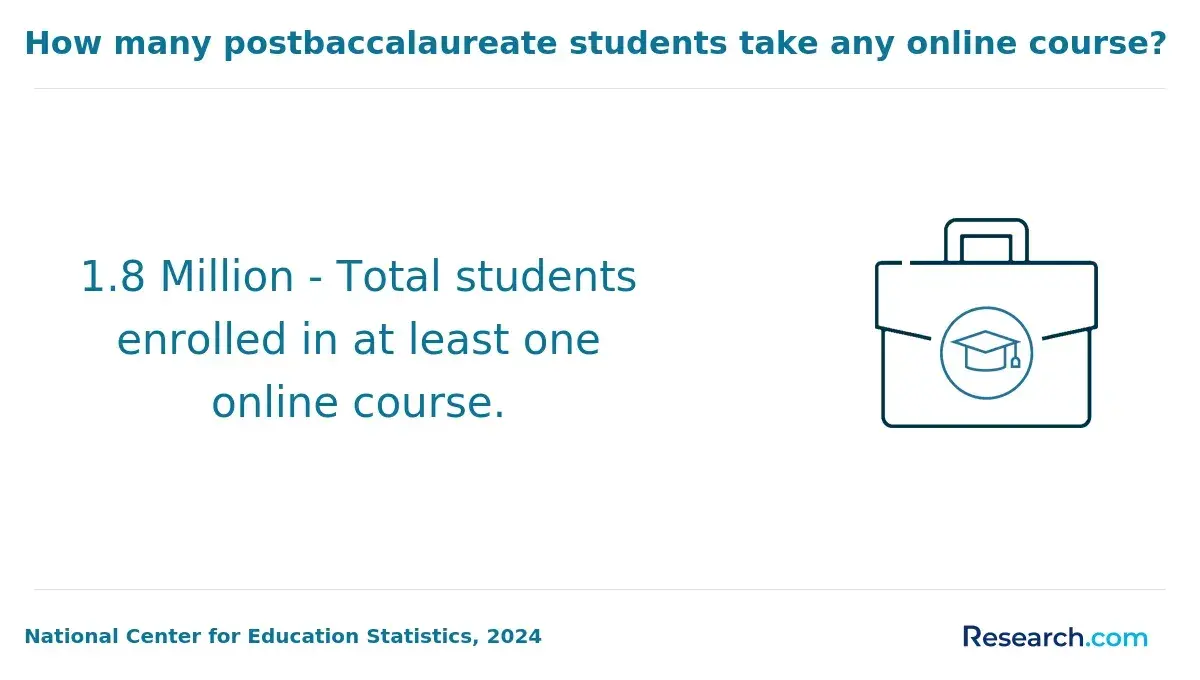
In fact, data from the National Center for Education Statistics shows that over 37% of U.S. graduate students were enrolled solely in distance education programs as of 2019, highlighting the growing validation of online learning. The following points clarify how accreditation pertains to online engineering management degrees:
- Regional Accreditation: This type assesses the entire institution's quality and governance. Online programs offered by regionally accredited universities meet the same criteria as their on-campus counterparts, ensuring legitimacy.
- Programmatic Accreditation: Specialized accreditation bodies such as ABET review specific programs like engineering management, focusing on curriculum rigor and technical standards, regardless of how courses are delivered.
- Credit Transfer and Financial Aid: Regional accreditation enables online students to transfer credits between institutions and qualify for federal financial aid, supporting academic and financial flexibility.
- Employer and Licensing Recognition: Degrees from accredited programs-whether earned online or in person-are generally accepted by employers and professional licensing boards, with no difference based on format.
- Institutional Compliance: Universities are required to maintain their accreditation status for all delivery formats, ensuring consistent adherence to established educational benchmarks.
Do employers care about regional vs programmatic accreditation in engineering management fields?
While regional accreditation confirms that an institution meets broad academic standards, programmatic accreditation acts as a specialized seal of approval for engineering management programs, signaling alignment with industry-specific expectations.
In fact, data indicates that 78% of hiring managers in engineering and technology sectors prioritize graduates from programs with relevant programmatic accreditation, highlighting its significant influence on hiring decisions. The role of accreditation in employment extends across several important dimensions:
- Validation of Skills: Programmatic accreditation assures employers that graduates possess essential, up-to-date technical knowledge and industry-approved competencies specific to engineering management.
- Competitive Advantage: Candidates from accredited programs often distinguish themselves, improving their chances in highly competitive applicant pools.
- Licensure and Certification Eligibility: Graduates from programmatically accredited programs typically qualify to pursue professional certifications and engineering licensure, which are critical for career advancement.
- Employer Trust: Accredited programs demonstrate an institution's commitment to continuous improvement, offering hiring managers confidence in the quality and relevance of the education provided.
- Alignment With Industry Standards: Programmatic accreditation reflects conformity with standards developed by engineering professionals, enhancing graduates' readiness for specialized roles.
A professional who graduated from an engineering management master's degree program shared her experience when asked about the importance of accreditation in hiring. She explained that during her job search, she often encountered questions about her program's credentials.
"It wasn't always explicitly stated," she noted, "but knowing my program was ABET-accredited helped me feel confident when discussing my qualifications." She reflected that while regional accreditation verified the institution's legitimacy, programmatic accreditation gave employers tangible proof of her technical preparation.
Navigating interviews and applications, she realized that this distinction encouraged hiring managers to trust her capabilities more readily. "It definitely made a difference in how I was perceived," she added, emphasizing that accreditation was not just a formality but a meaningful factor shaping her early career opportunities.
Does accreditation type influence salary potential in engineering management careers?
Recognized academic quality strongly correlates with long-term earning power in engineering management careers. Data from the U.S. Department of Education indicates that graduates from regionally accredited institutions earn approximately 20% more over their careers compared to those from unaccredited or nationally accredited schools.
This significant statistic highlights the financial advantage of selecting programs with established regional accreditation. Understanding salary outcomes linked to engineering management master's degree accreditation reveals specific ways accreditation impacts compensation and return on investment (ROI).
- Regional Accreditation Benefits: Regional accreditation is broadly accepted as a mark of institutional quality across the U.S., enhancing graduates' credibility with employers. This often translates to higher starting salaries and more rapid career advancement opportunities in engineering management roles.
- Programmatic Accreditation Value: Programmatic accreditation, such as ABET for engineering fields, verifies that a program meets industry-specific standards. This specialized recognition can boost earning potential particularly in technical leadership positions within engineering management, although it may not carry the same broad weight as regional accreditation.
- Financial Aid Eligibility: Regional accreditation influences eligibility for federal financial aid programs. Access to these resources can reduce overall education costs and improve net ROI, an important consideration for prospective students.
- Employer Preferences: Many employers favor degrees from regionally accredited institutions when hiring for leadership and management positions, often affecting salary scales and promotion potential within the engineering management field.
- Credit Transferability: The type of accreditation impacts the transferability of credits between programs. Students in regionally accredited schools typically face fewer obstacles in transferring credits, potentially shortening time-to-degree and lowering total education costs.
For students weighing options, considering both the impact of regional versus programmatic accreditation on engineering management salaries and return on investment is vital. Those interested in earning an engineering management master's degree should thoroughly evaluate accreditation status alongside curriculum quality. For related fields, exploring options such as an affordable online masters in clinical psychology may also offer valuable insight into the importance of accreditation type on salary outcomes.
How do you check if an engineering management master's program has legitimate accreditations?
Using official government and non-profit databases is critical for verifying accreditation legitimacy and avoiding unrecognized accreditation mills, which mislead students with false claims. According to the U.S. Department of Education, only accreditors listed in its Database of Accredited Postsecondary Institutions and Programs (DAPIP) are considered valid. For prospective students researching how to verify legitimate accreditation for engineering management master's programs, here are essential steps to ensure authenticity.
- Check Regional Accreditation: Visit the U.S. Department of Education's official accreditation database at https://ope.ed.gov/dapip to confirm that the institution holds recognized regional accreditation, which ensures broad academic quality and transferability of credits.
- Verify Accreditor Recognition: Use the Council for Higher Education Accreditation (CHEA) database to confirm that the accrediting agency is recognized nationally, protecting students against diploma mills.
- Confirm Programmatic Accreditation: For engineering management programs specifically, verify program-level accreditation through ABET (https://www.abet.org), which evaluates curriculum quality and industry standards.
- Request Documentation: Contact the school directly to obtain official proof of both regional and programmatic accreditation, ensuring transparency and legitimacy.
- Avoid Unrecognized Agencies: Be wary of accreditors not listed by DAPIP or CHEA, as these entities often operate as "accreditation mills" with no real oversight.
Regional vs programmatic accreditation for engineering management degrees differ in focus; regional accreditation assesses the entire institution, while programmatic accreditation zeroes in on the specific curriculum and professional standards. Securing both types can influence employer acceptance and professional certification. For those considering flexible options, exploring the best online masters in construction management may also provide helpful insights into accredited program standards across related fields.
What are the pros and cons of regional vs programmatic accreditation for engineering management master's degrees?
While both regional and programmatic accreditation indicate quality assurance, they serve distinct roles: regional accreditation confirms the overall institutional stability, while programmatic accreditation ensures that a program's curriculum meets specific industry standards. Approximately 6,000 U.S. colleges and universities hold regional accreditation, reflecting a well-established benchmark for academic and administrative quality.
Regional Accreditation
- Institutional Credibility: Regional accreditation guarantees that the university meets comprehensive quality standards, providing confidence in the institution's overall educational environment.
- Credit Transferability: Credits earned at regionally accredited schools are more widely accepted nationwide, facilitating easier continuation of studies or shifting programs.
- Broad Academic Flexibility: Graduates benefit from broader recognition across various fields, which is useful for career shifts or pursuing additional degrees.
- Limited Program Specificity: This type does not evaluate individual programs closely, so it may not confirm specialized skillsets needed for niche professions like engineering management.
Programmatic Accreditation
- Curriculum Validation: Ensures the engineering management program aligns with industry standards and best practices, signaling rigorous professional preparation.
- Licensure and Employer Preference: Graduates from programmatically accredited degrees typically have enhanced eligibility for licensure and stronger appeal to employers in technical fields.
- Focused Scope: This accreditation assesses only the specific program, so it does not reflect the institution's overall quality or influence credit transfer policies.
- Specialized Skill Recognition: Helps demonstrate mastery of specialized engineering management competencies required by the profession.
What Graduates Say About Regional vs Programmatic Accreditation for Engineering Management Master's Degrees
- Aino: "Choosing an engineering management master's program with strong regional accreditation was crucial for me, as I wanted to ensure my degree would be respected by employers worldwide. The cost was reasonable compared to other non-accredited options, which made balancing my budget and education easier. Since graduating, the accreditation on my diploma has opened doors to leadership roles in project management, confirming that the investment was well worth it."
- Justine: "Reflecting on my time in the engineering management program, I now appreciate how the programmatic accreditation guaranteed a rigorous curriculum that truly prepared me for the complexities of real-world engineering leadership. Although the tuition was somewhat higher, knowing the program met such standards made me confident in the quality of my education. In my career, that accreditation has helped me gain credibility among peers and clients alike, reinforcing my professional standing."
- Charlotte: "I was initially drawn to an engineering management master's degree because of its regional accreditation, which I saw as a mark of quality and stability. The transparent cost structure was an added bonus, allowing me to plan my finances without surprises. Today, I can attest that this accreditation has been invaluable for advancing my career, as many employers specifically seek candidates from accredited programs, which has given me a clear competitive advantage."
Other Things You Should Know About Engineering Management Degrees
Programmatic accreditation focuses on the quality and standards of specific engineering management curricula rather than the institution as a whole. Because of this, credits earned in a programmatically accredited engineering management master's degree may not always transfer easily if the receiving institution prioritizes regional accreditation. Students should confirm credit transfer policies with both their current and prospective institutions before enrolling.
Regional accreditation primarily serves U.S.-based institutions and is less influential internationally. In contrast, certain programmatic accreditations are recognized worldwide and can enhance the credibility of an engineering management master's degree abroad. For students seeking global career opportunities, programmatic accreditation from reputable agencies may improve degree acceptance and professional mobility across countries.
References
- Accredited Masters in Engineering Management: Your Guide to Top Programs https://engineeringmanagement.org/accredited-mem-programs/
- Accreditation - ABET https://www.abet.org/accreditation/
- Home - ENAEE https://www.enaee.eu/
- The Ultimate Guide to Accreditation for Master’s Students https://www.onlinemastersdegrees.org/student-resources/graduate-school-accreditation/
- Engineering Management | Master's Degree Program | NEIT https://www.neit.edu/academics/graduate-degrees/engineering-management-ms
- Engineering Management https://www.msoe.edu/academics/graduate-degrees/business/engineering-management/
- Key Differences Between Regional and National Accreditation of Nursing Schools https://studyonline.sjcme.edu/blog/key-differences-between-regional-and-national-accreditation-nursing-schools
- Accreditations Impact on Employer Perception and Graduate Opportunities https://higheredme.com/accreditations-role-employer-perception-and-graduate-opportunities/
- What Is an Accredited University? | National University https://www.nu.edu/blog/regional-vs-national-accreditation-what-is-the-difference/
- The Benefits and Challenges of Programmatic Accreditation in Higher Education https://www.globalaccrediting.org/news-and-updates/the-benefits-and-challenges-of-programmatic-accreditation-in-higher-education