
2027 Return on Investment (ROI) of a Business Administration Degree Program

Co-Founder and Chief Data Scientist
A business administration degree can open doors in management, finance, marketing, operations, human resources, consulting, and entrepreneurship—but its value depends on what you pay, how quickly you finish, how much income you give up while enrolled, and whether the credential helps you move into better-paid roles. For many students, the real question is not simply whether the degree is respected. It is whether the degree produces enough career and salary benefit to justify the cost.
According to the National Center for Education Statistics, about 62% of business administration graduates secure employment within six months of graduation. That figure suggests opportunity, but it also underscores the need to choose a program carefully, build marketable skills, and avoid taking on more debt than your likely earnings can support. This guide explains how to evaluate the return on investment (ROI) of a business administration degree using program cost, time to completion, salary potential, financial aid, accreditation, delivery format, and career outcomes.
Key Things to Know About Business Administration Degree ROI
- Graduates with a business administration degree typically see a 20% higher median salary compared to those with only a high school diploma.
- The degree offers career advancement opportunities across multiple industries, increasing job stability amid economic shifts.
- Long-term salary growth averages 5% annually, reflecting demand for versatile management skills in evolving markets.
How Is ROI Calculated for a Business Administration Degree Program?
ROI for a business administration degree compares the financial and career benefits of the credential with the full cost of earning it. A useful ROI estimate looks beyond tuition. It also accounts for fees, books, time away from work, debt, salary growth, and the likelihood that the degree will help you qualify for roles you could not otherwise access.
A simple way to think about ROI is this: the degree has a stronger return when it leads to higher earnings, faster promotion, or better job mobility without requiring excessive debt or a long delay in full-time income.
- Tuition and fees: These are the most visible costs, but they vary widely by institution, residency status, program format, and whether the school is public or private.
- Books, software, and course materials: Business programs may require textbooks, analytics tools, simulations, case-study platforms, or exam-related materials that increase the real cost of attendance.
- Opportunity cost: If you reduce work hours or leave the workforce to study, the wages you give up should be treated as part of the investment.
- Time to completion: A shorter program can improve ROI if it lowers total costs and helps you enter or advance in the labor market sooner. A longer part-time path may still make sense if it lets you keep earning while enrolled.
- Post-graduation salary outcomes: Starting salary matters, but so does salary growth. A degree that supports movement into management can produce value over several years, not just in the first job after graduation.
- Career advancement potential: ROI improves when the degree helps you qualify for analyst, supervisor, manager, operations, finance, marketing, or administrative leadership roles.
- Debt and repayment terms: A program with strong salary outcomes can still be risky if the borrowed amount is high relative to expected income.
Students comparing ROI across fields can also review affordable advanced degree options to see how cost, completion time, and career outcomes shape value in other professional programs.
The most reliable ROI estimate is personal. Compare the total cost of each program with realistic salary outcomes for the roles, industries, and locations you are targeting.
How Much Does a Business Administration Degree Program Cost?
The cost of a business administration degree includes more than the advertised tuition rate. Students should calculate the full price of attendance before deciding whether a program is affordable. Tuition for graduate programs continues to rise, contributing to the cumulative student debt, which nationwide now exceeds $1.7 trillion. That makes cost control one of the most important parts of improving ROI.
When comparing programs, build a budget that includes both direct and indirect costs:
- Tuition and required fees: These are usually the largest expenses. Costs can differ substantially between public, private, online, and campus-based programs.
- Books and materials: Textbooks, business cases, software licenses, calculators, subscriptions, and online learning platforms can add hundreds per semester.
- Technology costs: Online and hybrid students may need a reliable computer, webcam, software, internet access, and proctoring tools.
- Living or relocation expenses: On-campus students may face housing, transportation, parking, meals, and relocation costs, especially in high-cost metropolitan areas.
- Opportunity cost: Full-time study may reduce income. Part-time study may protect income but extend the timeline.
- Hidden or indirect costs: These may include graduation fees, administrative charges, professional association dues, certification exams, background checks, or additional course requirements.
One practical way to lower the total cost is to compare accredited online options, transfer-credit policies, employer tuition benefits, and public in-state programs before committing. Students focused primarily on affordability can also research the cheapest online bachelor's degree business administration options as part of a broader cost and quality comparison.
When discussing expenses, one recent business administration graduate explained, “Balancing a part-time job while paying for books and commuting became unexpectedly stressful.” He added that tuition was only part of the pressure: “I hadn't anticipated how much the indirect costs would add up-things like software subscriptions and exam fees caught me off guard.” His experience shows why students should estimate the complete cost of attendance, not just the price listed on a program page.
What Financial Aid Is Available for Business Administration Degree Programs?
Financial aid can improve ROI by reducing out-of-pocket costs, limiting loan debt, or allowing students to keep working while enrolled. Nearly 85% of graduate students depend on some form of financial assistance, so aid planning should be part of the program-selection process rather than an afterthought.
Common financial aid options for business administration students include:
- Scholarships: Scholarships may be based on academic merit, financial need, leadership, military service, employer affiliation, community involvement, or intended career path. They do not need to be repaid.
- Grants: Grants are often need-based and may come from federal, state, institutional, or private sources. Like scholarships, they reduce the net cost of attendance without adding debt.
- Fellowships: More common at the graduate level, fellowships may cover tuition, provide a stipend, or support research and professional development.
- Employer tuition assistance: Many working adults improve ROI by using employer-sponsored tuition reimbursement or education benefits. Review service requirements carefully; some employers require you to remain with the company for a set period after receiving support.
- Federal student loans: Federal loans can help cover costs and may offer flexible repayment options, but borrowing still affects long-term ROI. Students should compare expected monthly payments with realistic post-graduation earnings.
- Institutional payment plans: Some schools allow students to spread tuition payments across a term, which may reduce reliance on loans.
- Military and veteran education benefits: Eligible students may be able to reduce or cover costs through federal or institutional benefit programs.
To make aid work in your favor, compare each school’s net price after scholarships and grants, not just the tuition rate. Also ask whether scholarships renew automatically, whether aid changes for part-time enrollment, and whether online students qualify for the same institutional awards as campus students.
How Long Does It Take to Complete a Business Administration Degree?
Completion time affects ROI because it determines how long you pay tuition, how soon you can use the credential, and how much income you may delay while studying. A faster path can produce a quicker return, but speed is not always the best choice if it forces you to stop working, take on more debt, or rush through courses without building useful skills.
Several factors shape how long a business administration degree takes:
- Enrollment status: Full-time students usually finish within about four years, while part-time students may take longer because they complete fewer credits each term.
- Program format: Online, hybrid, evening, weekend, and accelerated formats may help working adults continue earning income while progressing toward the degree.
- Transfer credits: Credits from prior college coursework, associate degrees, military training, or approved exams may shorten the path to graduation and lower total cost.
- Course availability: Some programs rotate required courses. If a needed class is not offered every term, completion can be delayed.
- Internship, capstone, or thesis requirements: These experiences may add time, but they can also strengthen a resume and improve job readiness.
- Academic pacing: Taking too many credits at once can increase the risk of withdrawal or poor performance. Taking too few can extend costs and delay career benefits.
One recent graduate described how program flexibility changed her timeline. She began part-time while working full-time, which stretched completion closer to six years. Later, she moved into an accelerated online format and completed the remaining credits in just over a year. “Though it felt overwhelming at times, the flexibility allowed me to keep working and avoid debt,” she said. “The longer path wasn't ideal but gave me confidence that I could handle intense periods of study when needed.”
The best timeline is the one that balances cost, work obligations, academic performance, and career momentum. Students should ask each school for a degree plan before enrolling so they can see the expected term-by-term path to completion.
Is ROI Higher for Online or On-Campus Business Administration Programs?
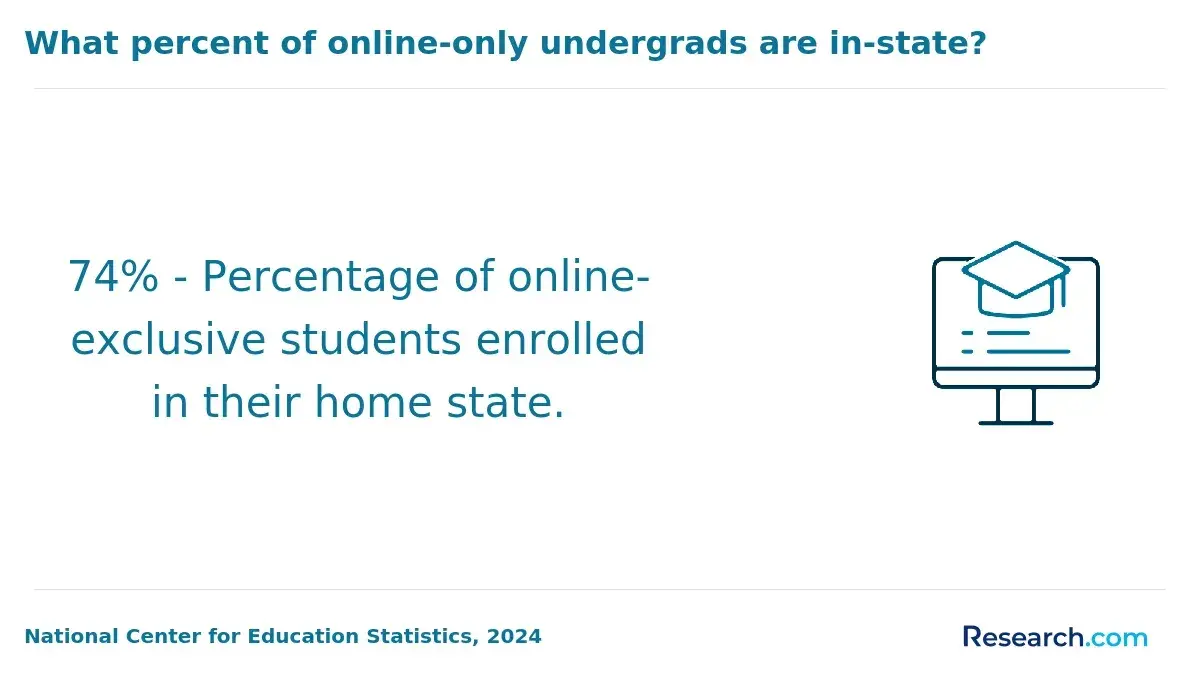
Online and on-campus business administration programs can both deliver strong ROI, but they do so in different ways. Online programs often reduce opportunity cost by allowing students to keep working. On-campus programs may offer stronger in-person networking, campus recruiting, student organizations, and direct access to faculty and career services. Online enrollment in undergraduate programs has increased by over 20% in the past decade, reflecting broader acceptance of flexible study formats.
For many students, the higher-ROI option is the one that fits their work schedule, learning style, budget, and target career path.
- Tuition and fees: Online programs may reduce commuting, housing, and relocation costs. However, students should compare total price carefully because some online programs charge technology or distance-learning fees.
- Opportunity cost: Online students may be able to maintain full-time employment, which can protect income and reduce the need for loans.
- Time to completion: Some online programs offer accelerated terms or year-round enrollment. That can shorten the path to graduation if the student can manage the workload.
- Networking: On-campus programs may provide more natural access to clubs, alumni events, internships, and employer visits. Online students should look for virtual networking, mentorship, and career coaching.
- Career services: Strong career support matters in both formats. Ask whether online students receive the same resume help, interview preparation, job boards, internship support, and employer connections as campus students.
- Employer perception: Accreditation, school reputation, curriculum quality, and demonstrated skills usually matter more than delivery format. Still, students should choose an institution with a credible academic record and transparent outcomes.
- Learning fit: Online study requires self-discipline and time management. Campus study may provide more structure but less scheduling flexibility.
Students evaluating flexible education more broadly can review accredited online program examples to understand how accreditation, affordability, and delivery format interact across professional fields.
What Is the Average Salary After Earning a Business Administration Degree?
Salary is one of the most important ROI measures because it affects how quickly graduates can recover the cost of tuition, fees, and lost income. Business administration graduates in the U.S. typically earn between $50,000 and $80,000 annually, covering entry-level to mid-career positions. Actual earnings can vary significantly based on role, industry, location, experience, and specialization.
Several factors influence salary outcomes:
- Industry: Finance, consulting, technology, and some corporate operations roles often pay more than entry-level roles in retail, small business, or nonprofit settings.
- Geographic location: Salaries are often higher in large metropolitan areas such as New York or San Francisco, but cost of living can reduce the real financial advantage.
- Prior experience: Internships, military experience, supervisory work, sales experience, data skills, or industry-specific knowledge can improve starting salary and promotion potential.
- Specialization: Concentrations such as supply chain management, finance, marketing analytics, project management, and operations can support access to more clearly defined career tracks.
- Career level: Entry-level roles may not immediately justify a high-cost program, but advancement into management can improve long-term ROI.
- Skills portfolio: Employers often value practical skills such as Excel, data analysis, budgeting, communication, project coordination, customer analysis, and process improvement.
Students should compare salary expectations for specific job titles rather than relying only on a broad business administration average. A graduate pursuing financial analyst roles may see a different outcome than one targeting office administration, sales operations, human resources, or general management.
Professionals considering later-stage career advancement can also compare online executive MBA pathways when evaluating how additional education may affect leadership opportunities and earning potential.
Does a Business Administration Degree Lead to Promotions?
A business administration degree can support promotions, but it does not guarantee them. Its value is strongest when the credential fills a requirement for advancement, strengthens management skills, and complements measurable workplace performance. Many employers prefer or require a degree for supervisor, manager, analyst, operations, administrative leadership, or corporate-track roles.
The degree may improve promotion prospects in several ways:
- Credential requirements: Some mid-level and senior roles require a bachelor’s or graduate degree as a baseline qualification. A business administration degree can help candidates pass that screening step.
- Leadership preparation: Coursework in management, accounting, finance, marketing, organizational behavior, and operations can prepare students for broader responsibilities.
- Business vocabulary: Graduates often become more effective in cross-functional conversations involving budgets, strategy, performance metrics, and organizational goals.
- Employer support: Some companies connect tuition assistance, internal leadership programs, or advancement tracks to formal education.
- Internal promotion policies: In larger organizations, degree requirements may be written into job descriptions or promotion frameworks.
- Experience synergy: The strongest promotion case usually combines education with strong job performance, leadership examples, technical skills, and results.
Students should not assume the diploma alone will lead to a promotion. Before enrolling, working professionals can ask managers or human resources teams whether the degree would affect promotion eligibility, salary bands, or internal mobility. That information makes ROI easier to estimate.
For professionals pursuing advanced leadership credentials, online doctoral programs in leadership may be relevant for roles requiring deeper expertise in organizational strategy, research, or executive leadership.
Which Industries Offer the Best ROI for Business Administration Graduates?
ROI for business administration graduates varies by industry because pay levels, promotion speed, job stability, and skill demand are not the same across sectors. The best industry for one student may not be the highest-paying industry overall; it is the one that aligns with the student’s strengths, location, experience, and career goals.
Several industries often offer strong value for business administration graduates:
- Financial Services: Banking, investment, insurance, and related roles can offer strong compensation and advancement for graduates with analytical, accounting, risk, and client-management skills.
- Technology: Technology companies hire business graduates for product operations, business development, sales operations, customer success, market strategy, and project coordination. Career growth may be strong for students who combine business knowledge with data and technical fluency.
- Healthcare Administration: Healthcare organizations need administrators who understand operations, compliance, finance, staffing, and patient-service systems. This path can offer stability and long-term demand.
- Consulting: Consulting can accelerate learning through exposure to multiple clients and projects. It may also provide strong networking and advancement, but the workload and travel expectations can be demanding.
- Consumer Goods and Retail: Graduates with skills in supply chain, merchandising, logistics, pricing, marketing, and operations can build practical experience that leads to management roles.
- Manufacturing and logistics: Operations-focused graduates may find opportunities in process improvement, procurement, inventory management, and supply chain coordination.
- Government and nonprofit administration: These sectors may not always offer the highest salaries, but they can provide stability, mission-driven work, and advancement into administrative leadership.
Students targeting high-ROI industries should choose electives, internships, projects, and certifications that match the sector they want to enter. A general business degree becomes more valuable when paired with a clear career direction.
For students comparing faster graduate options, one year masters programs online may be worth reviewing as part of a broader plan to reduce time away from career advancement.
Does Accreditation Affect ROI for a Business Administration Degree?
Accreditation can affect ROI because it signals that a program meets external quality standards. It also influences financial aid eligibility, transfer credit, employer confidence, and access to some graduate programs or professional pathways. A lower-cost program is not a good value if its accreditation status limits future options.
Students should look at two levels of accreditation. Institutional accreditation applies to the college or university as a whole. Programmatic accreditation applies to a specific business school or business program when available. Both can matter, but institutional accreditation is especially important for federal financial aid and broad academic recognition.
Accreditation may improve ROI in several ways:
- Employer recognition: Employers are more likely to trust degrees from accredited institutions because the school has been reviewed against established standards.
- Financial aid access: Accreditation can affect eligibility for federal financial aid, which may reduce immediate out-of-pocket costs.
- Credit transfer: Credits from accredited schools are more likely to be considered by other institutions, though transfer is never automatic.
- Graduate school options: Many graduate programs require applicants to hold degrees from accredited institutions.
- Professional credibility: Accreditation can support confidence that the curriculum covers core business concepts such as accounting, finance, management, marketing, economics, and operations.
Before enrolling, verify accreditation through the school and the relevant accrediting agency. Do not rely only on marketing language. If a program is unusually inexpensive or promises unusually fast completion, accreditation should be one of the first details you confirm.
Is a Business Administration Degree Worth It?
A business administration degree can be worth it when the cost is manageable, the program is accredited, the student finishes on time, and the credential supports access to better jobs or promotions. It is less likely to be worth it if the student borrows heavily for a program with weak career support, unclear outcomes, or little connection to the roles they want.
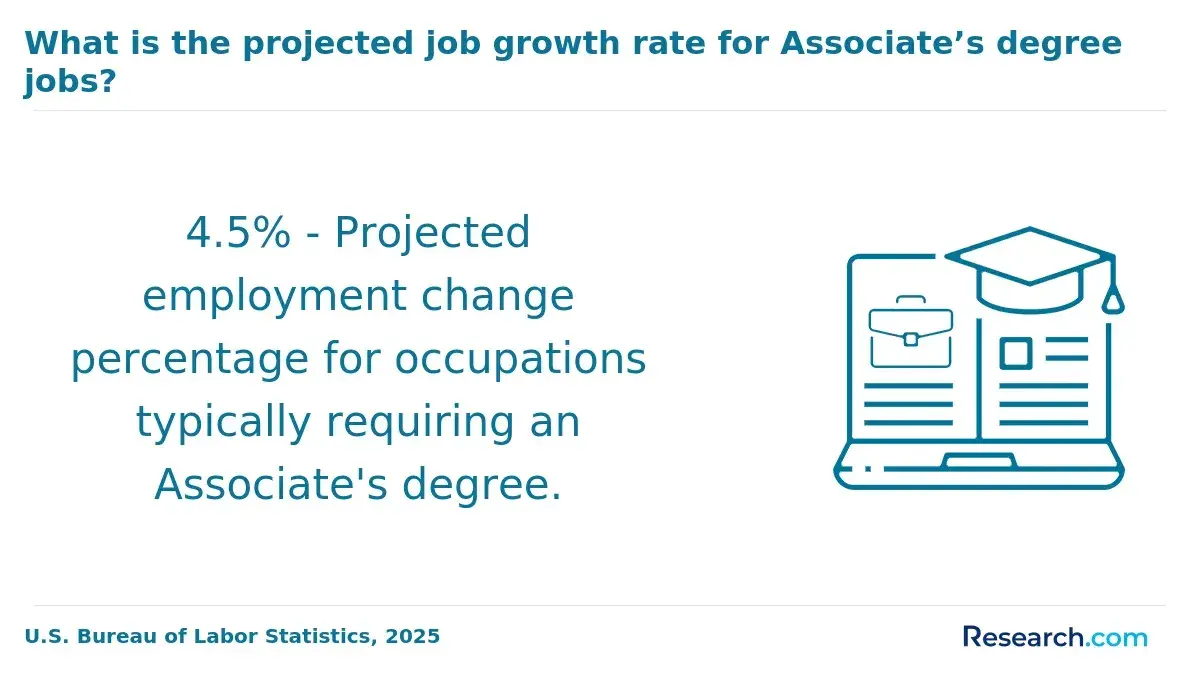
The degree typically ranges from two to four years, depending on the program level, transfer credits, and enrollment status. Graduates tend to earn significantly more; on average, those with this degree make about 20% higher annual salaries compared to individuals holding only a high school diploma. That wage advantage can support a positive ROI, but only if the total cost of the degree remains reasonable relative to expected earnings.
A business administration degree may be a strong fit if you want to:
- qualify for entry-level business, management, operations, finance, marketing, or administrative roles;
- move from frontline work into supervisory or management positions;
- build a broad foundation before specializing later;
- improve internal promotion eligibility at your current employer;
- prepare for entrepreneurship or small-business management;
- combine prior work experience with a formal business credential.
It may not be the best investment if you already have strong experience in your target field and only need a specific certification, technical skill, or short-term credential. Some students may get better ROI from a lower-cost program, employer-funded education, transfer-friendly pathway, or targeted certificate before committing to a full degree.
The smartest decision is to compare total program cost, expected debt, completion timeline, accreditation, career services, and job outcomes for the roles you actually want. Worth is not universal; it depends on whether the degree moves you closer to a measurable career goal.
What Graduates Say About The ROI of Their Business Administration Degree
- Arman: "Choosing to pursue a business administration degree as a traditional student was a strategic move for me, considering the long-term return on investment. Although the average cost hovered around $40,000, the comprehensive curriculum and networking opportunities truly justified the expense. Today, I credit my degree for landing me a management role where I continue to grow professionally and financially."
- Dina: "Opting for an online business administration program was a cost-effective choice, especially since the typical tuition can reach up to $30,000. Reflecting on it now, the flexibility combined with practical learning made it a worthwhile investment that fit my schedule and budget. It has significantly enhanced my career prospects, allowing me to transition smoothly into leadership positions."
- Eden: "As a part-time student balancing work, I knew the business administration degree might be costly, sometimes averaging $35,000, but I viewed it as a crucial step for career advancement. Completing the program has given me both confidence and credentials that opened doors to higher-level opportunities in my field. The sacrifice in time and money was unquestionably valuable."
Other Things You Should Know About Business Administration Degrees
Work experience can significantly impact the ROI of a business administration degree. Individuals with prior work experience often command higher salaries post-graduation, enhancing the financial returns on their educational investment. Furthermore, experienced graduates are better positioned to leverage their academic credentials for career advancement opportunities in 2027.
The least effective question is what role do networking opportunities play in maximizing ROI. While networking undoubtedly benefits career prospects and potentially affects returns, it doesn’t provide tangible ROI metrics or a direct impact assessment on the 2027 ROI of business administration programs.
References
- How to Calculate ROI of MBA program - MBA & Beyond https://www.mbaandbeyond.com/blog/how-to-measure-roi-mba-programs
- 25 Frequently Asked Questions About ROI – Insources Group https://insources.com.au/25-frequently-asked-questions-about-roi/
- What is ROI in MBA? Understanding Returns on Your Management Degree https://www.bibs.co.in/blog/what-is-roi-in-mba-understanding-returns-on-your-management-degree
- Business Administration Opportunities for Career Advancement https://online.maryville.edu/online-bachelors-degrees/business-administration/careers/opportunities-for-advancement/
- What is the ROI of an MBA? | MBA.com https://www.mba.com/business-school-and-careers/salary-and-roi/what-is-the-roi-of-an-mba
- Business Administration Degree Salary | UE Amsterdam https://www.ue-amsterdam.com/blog/business-administration-degree-salary-how-much-can-you-earn
- Careers With a Business Administration Degree https://central-college.ca/our-blogs/business-degree-careers/
- Bachelor of Business Administration - Wikipedia https://en.wikipedia.org/wiki/Bachelor_of_Business_Administration
- Online MBA Programs With High ROI: Top Colleges and Fees https://www.pwmedharthi.com/blogs/mba/online-mba-programs-with-high-roi
- The ROI of a Business Degree https://www.herzing.edu/blog/roi-business-degree


