
2027 Which Business Administration Degree Careers Offer the Best Return Without Graduate School?

Co-Founder and Chief Data Scientist
A bachelor's degree in business administration can lead to well-paid roles, but the best return does not come from the degree alone. It comes from choosing the right function, industry, skills, and early-career opportunities before deciding whether graduate school is worth the added cost.
That decision matters because the trade-off is real: graduate school may improve access to some leadership, finance, consulting, or strategy roles, but it also requires more time, tuition, and delayed full-time earnings. At the same time, nearly 40% of business administration graduates report entering management roles within five years without an advanced degree, showing that career growth is possible without immediately pursuing a master's program.
This guide explains which business administration careers can offer strong salary potential and advancement without graduate school, which industries tend to pay more, what entry-level roles build momentum, which skills and certifications can raise your market value, and when a graduate degree may still be the better long-term investment.
Key Benefits of Business Administration Degree Careers That Offer the Best Return Without Graduate School
- Strong earning potential and early salary growth in business administration careers can surpass $60,000 within five years, enhancing long-term return on investment without graduate education.
- Stable job demand, with projected 8% growth through 2030, ensures financial security and expanded career advancement for business administration graduates.
- Accessible entry requirements allow faster workforce entry, reducing education costs and enabling earlier income generation without the need for graduate degrees.
Which Business Administration Careers Offer the Best Return Without Graduate School?
The best-return business administration careers without graduate school are roles where employers reward measurable performance, analytical ability, leadership, and operational impact. In these paths, a bachelor's degree can meet the baseline education requirement, while promotions often depend on results, experience, certifications, and industry knowledge.
The U.S. Bureau of Labor Statistics projects that business and financial occupations will grow by 8% from 2022 to 2032, which points to steady demand across business functions. However, not every business role offers the same return. Students should compare likely pay, promotion speed, skill transferability, and whether the role builds experience that employers value across industries.
- Financial Analyst: Financial analysts evaluate budgets, forecasts, investments, and business performance. This role can offer a strong return because it builds quantitative skills that are useful in corporate finance, planning, operations, and strategy. A bachelor's degree is often enough to enter the field, while advancement depends on technical skill, accuracy, and business judgment.
- Sales Manager: Sales management can produce a high return because compensation is often tied to revenue growth, team performance, and market expansion. Professionals who prove they can build client relationships, coach sales teams, and deliver targets may advance without needing graduate credentials.
- Human Resources Specialist: HR specialists work in recruiting, employee relations, benefits, compliance, and workforce planning. The return is strongest for graduates who move beyond administrative tasks and develop expertise in talent strategy, compensation, HR technology, or employee development.
- Operations Manager: Operations managers improve workflows, coordinate resources, manage costs, and help organizations deliver products or services efficiently. Because operations skills apply across manufacturing, healthcare, retail, logistics, technology, and professional services, this path can provide broad career mobility without a master's degree.
For students comparing program costs before entering these fields, resources on affordable online bachelor's degrees and business degrees online can help frame the upfront education investment against likely career outcomes.
What Are the Highest-Paying Business Administration Jobs Without a Master's Degree?
The highest-paying business administration jobs without a master's degree are usually roles tied directly to revenue, financial decisions, operational efficiency, or market growth. The U.S. Bureau of Labor Statistics reported that the median annual wage for business and financial operations roles was about $77,000 in 2022, but individual outcomes vary by industry, location, employer size, experience, and performance.
These roles can be especially attractive for graduates who want to enter the workforce quickly and build earnings through experience rather than additional schooling.
- Financial Analyst: Financial analysts earn between $65,000 and $110,000 annually. They interpret financial data, prepare forecasts, evaluate business performance, and support investment or budgeting decisions. Graduates who are comfortable with spreadsheets, financial modeling, and data interpretation are often better positioned for higher-paying analyst roles.
- Sales Manager: Sales managers earn from $75,000 to $140,000 per year. Their value comes from leading teams, improving sales processes, setting targets, and increasing revenue. This path can pay well without a graduate degree, but it usually requires strong communication, resilience, coaching ability, and a record of meeting goals.
- Management Analyst (Consultant): Management analysts earn $70,000 to $130,000 annually. They help organizations improve efficiency, reduce costs, restructure processes, or solve business problems. A master's degree may help in some consulting environments, but practical experience, analytical skill, and industry knowledge can also open opportunities.
- Marketing Manager: Marketing managers earn from $80,000 up to $150,000 annually. They plan campaigns, analyze customer behavior, manage brand positioning, and connect marketing activity to sales outcomes. Graduates who combine business knowledge with digital analytics, market research, and campaign measurement are more competitive.
- Business Operations Manager: Business operations managers typically earn $75,000 to $145,000 yearly. They oversee processes, teams, budgets, vendor relationships, or service delivery. This role often rewards professionals who can solve problems across departments and turn business goals into repeatable systems.
When comparing these jobs, look beyond the salary range. A role with slightly lower starting pay may produce better long-term return if it provides stronger training, exposure to decision-makers, promotion pathways, or skills that transfer across industries.
Which Industries Offer High Salaries Without Graduate School?
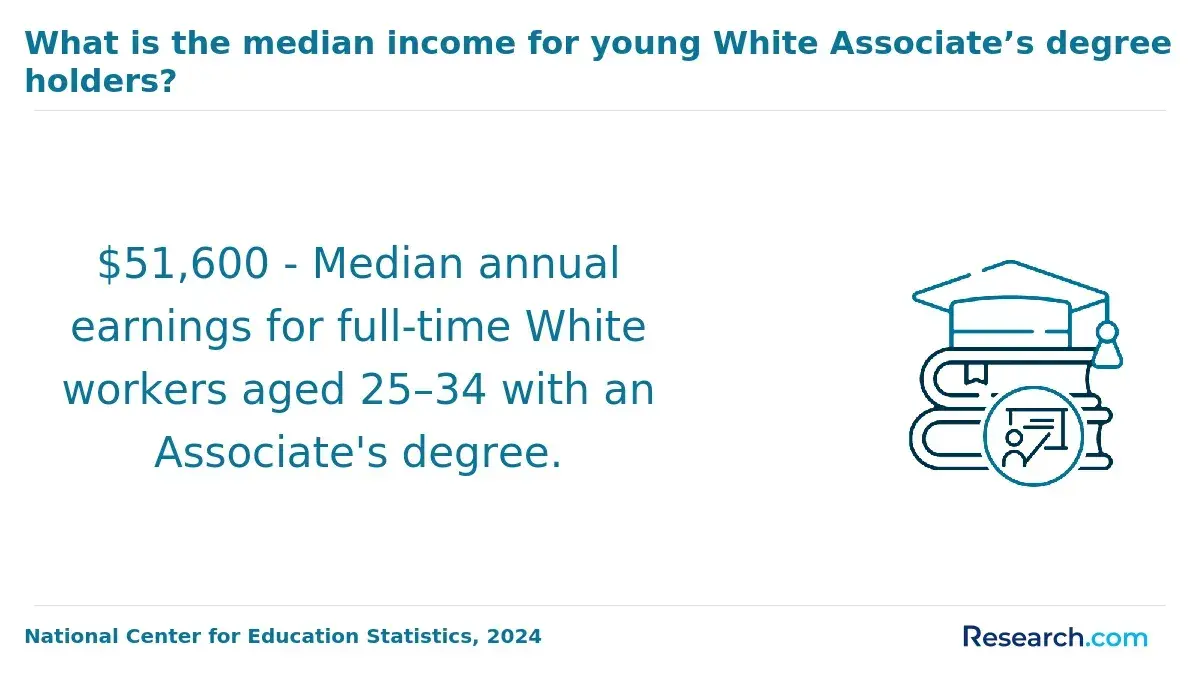
Industry choice can affect earnings as much as job title. Data from the U.S. Bureau of Labor Statistics shows wage differences between sectors can surpass 30%, so business administration graduates should evaluate where their skills will be most valuable, not just which role sounds appealing.
Industries with complex operations, high revenue per employee, regulated financial decisions, or fast growth tend to offer better compensation for business graduates who can contribute quickly.
- Finance: Banking, investment, insurance, and financial services organizations need professionals who understand risk, capital, budgets, reporting, and client relationships. Salaries typically range from $60,000 to over $100,000 annually, depending on experience and location. Finance can offer strong upside, but it may also be competitive and performance-driven.
- Technology: Business administration graduates in technology may work in project coordination, operations, customer success, product operations, business development, or sales. Starting salaries around $70,000 can be possible, especially when candidates understand both business processes and digital products. The trade-off is that tech roles may require constant learning and comfort with rapid change.
- Healthcare Administration: Hospitals, insurers, clinics, and medical organizations need administrators who can manage scheduling, staffing, billing, compliance, vendor relationships, and service quality. Earnings between $60,000 and $95,000 are supported by the essential nature of healthcare operations, though the work can involve complex regulations and high accountability.
- Manufacturing: Manufacturing organizations depend on cost control, production planning, supply chain coordination, procurement, and quality improvement. Salaries commonly range from $55,000 to $90,000. This industry can be a strong fit for graduates who enjoy process improvement, logistics, and measurable operational results.
A business administration graduate described the decision this way: "Navigating job offers after graduation was overwhelming because the pay scales varied widely. I focused on industries where I could apply my skills directly and found opportunities that didn't require extra schooling but still rewarded my effort."
The lesson is practical: salary potential depends on matching your degree to an industry where business decisions have clear financial consequences. Graduates who build industry-specific knowledge early are often better positioned for raises, promotions, and lateral moves into stronger roles.
What Entry-Level Business Administration Jobs Have the Best Growth Potential?
The best entry-level business administration jobs are not always the ones with the highest starting salary. Strong growth potential usually comes from roles that expose new graduates to budgets, clients, operations, data, team leadership, or cross-functional projects. The U.S. Bureau of Labor Statistics notes that nearly 15% of workers in business-related fields receive promotions within five years, making the first job an important career-building choice.
Look for entry-level roles that teach marketable skills and create a clear path to a more specialized or supervisory position.
- Management Trainee: Management trainee programs can be valuable because they rotate graduates through departments such as sales, operations, finance, and customer service. This broad exposure helps new professionals understand how a company works and prepares them for supervisory responsibilities.
- Sales Representative: Sales roles build communication, negotiation, customer research, and revenue-generation skills. High performers can move into account management, business development, sales operations, or sales management.
- Financial Analyst: Entry-level analyst roles develop budgeting, forecasting, reporting, and data interpretation skills. These skills can lead to senior analyst, finance manager, corporate planning, or strategy-related positions.
- Human Resources Assistant: HR assistant roles introduce graduates to recruiting, onboarding, employee records, benefits support, and workplace policies. Growth potential improves when the role expands into talent acquisition, employee relations, training, or compensation support.
- Operations Coordinator: Operations coordinators learn scheduling, logistics, process tracking, vendor communication, and workflow improvement. This can lead to project coordinator, operations analyst, supply chain, or operations manager roles.
Before accepting an entry-level offer, ask about training, promotion timelines, performance metrics, and whether the role gives you ownership of projects. Students comparing long-term outcomes across majors may also review high-paying bachelor's degrees to understand how business administration fits into broader career planning.
What Skills Increase Salary Without a Master's Degree?
Business administration graduates can raise their earning potential without a master's degree by building skills that directly improve revenue, efficiency, decision-making, or team performance. Recent data reveals that workers with advanced skills earn approximately 20% more, reflecting how much employers value practical capability when it produces measurable results.
The most valuable skills are those that help you solve business problems, communicate recommendations, and lead work that affects outcomes.
- Data Analysis: Employers value professionals who can interpret reports, identify patterns, build dashboards, and turn raw information into business recommendations. Skills in spreadsheet modeling, metrics tracking, and basic analytics can improve your value in finance, marketing, operations, and sales roles.
- Project Management: Project management shows that you can coordinate people, deadlines, budgets, risks, and deliverables. This skill is useful across almost every business function and becomes more valuable as you take responsibility for larger initiatives.
- Communication: Clear writing, confident presentations, persuasive proposals, and effective meeting leadership all affect career growth. Communication is especially important when you need to explain data, negotiate with stakeholders, or align teams around a decision.
- Financial Acumen: Understanding budgeting, forecasting, profit margins, cost control, and return on investment helps graduates contribute to decisions that affect the bottom line. Even non-finance roles benefit from employees who can connect their work to financial impact.
- Problem-Solving: Employers reward professionals who can define a problem, evaluate options, recommend a practical solution, and follow through. Strong problem-solvers are often trusted with more responsibility because they reduce uncertainty for managers.
One business administration professional explained that adaptability mattered as much as any technical skill: "Navigating complex projects without advanced degrees meant I had to learn quickly and adjust strategies constantly. This not only sharpened my leadership but taught me the importance of clear communication under pressure."
That experience reflects a broader point: technical skills can help you qualify for better roles, but salary growth often depends on applying those skills under real workplace pressure.
What Certifications Can Replace a Master's Degree in Business Administration Fields?
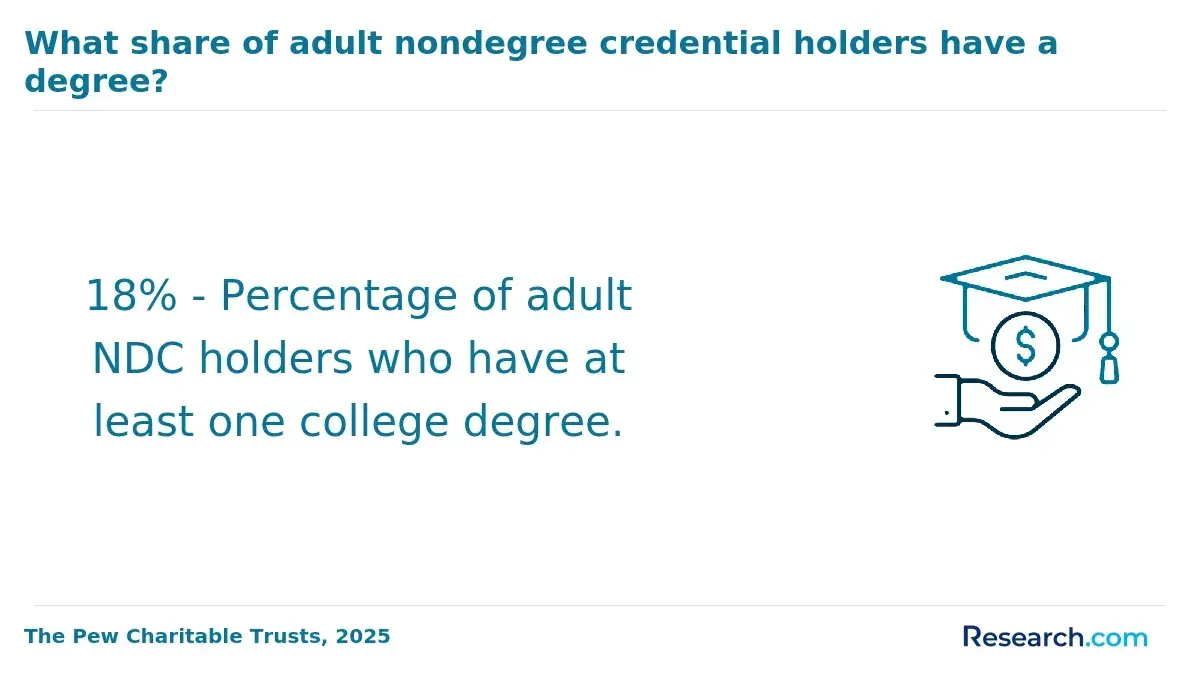
Certifications do not fully replace a master's degree in every business administration career, but they can be a practical substitute when an employer needs proof of a specific skill rather than a broad graduate credential. Data from the Project Management Institute reveals that certified individuals earn roughly 20% more than their uncertified peers, showing why targeted credentials can improve salary potential and credibility.
The strongest certifications are aligned with the role you want next, not simply the credential with the most recognizable name.
- Project Management Professional (PMP): The PMP credential from the Project Management Institute signals advanced project management knowledge. It is most relevant for professionals managing timelines, budgets, cross-functional teams, and complex initiatives.
- Certified Management Accountant (CMA): The CMA focuses on financial planning, budgeting, analysis, and strategic decision-making. It can strengthen prospects in corporate finance, management accounting, budgeting, and financial planning roles.
- Certified Supply Chain Professional (CSCP): Offered by APICS, the CSCP credential is useful for professionals in logistics, supply chain, procurement, operations, and process improvement. It shows knowledge of how goods, services, information, and costs move through an organization.
- Six Sigma Green or Black Belt: Six Sigma credentials focus on quality improvement, process measurement, waste reduction, and operational efficiency. They can be especially useful in manufacturing, healthcare, logistics, and operations-heavy organizations.
- Chartered Financial Analyst (CFA): The CFA is strongly associated with investment and financial analysis roles. It is rigorous and most useful for graduates pursuing finance paths where analytical depth and credibility matter.
Before investing in a certification, review job postings for your target role and note which credentials employers repeatedly request. A certification has the best return when it helps you qualify for a specific promotion, salary increase, or career move.
Can Experience Replace a Graduate Degree for Career Growth?
Experience can replace a graduate degree for career growth in many business administration roles, especially when promotions depend on performance, leadership, client results, operational improvements, or revenue impact. Employers often trust candidates who can show they have solved real problems, managed responsibility, and delivered measurable outcomes.
This is common in sales, operations, human resources, project coordination, account management, customer success, and many general management tracks. In these areas, a strong record of results can matter more than an advanced credential, particularly for internal promotions.
However, experience is not always a complete substitute. Some employers use graduate degrees as screening tools for senior leadership programs, consulting roles, corporate strategy positions, or specialized finance tracks. In those cases, experience may still be valuable, but candidates without a master's degree may need a stronger portfolio, more direct industry experience, or recognized certifications to compete.
The most effective approach is to make experience visible. Track projects, revenue contributions, cost savings, process improvements, team leadership, and measurable results. Pairing documented experience with continuous skill development can make a bachelor's-level candidate more competitive than someone who has additional education but limited practical impact.
What Are the Downsides of Not Pursuing a Graduate Degree?
Skipping graduate school can improve short-term return by reducing tuition costs and allowing earlier workforce entry, but it can also create limitations. Data from the U.S. Bureau of Labor Statistics shows that workers with a master's degree in business-related fields earn approximately 20% more than those with only a bachelor's degree. That gap does not mean every graduate degree is automatically worth the cost, but it does show why the decision deserves careful analysis.
Common downsides of stopping at a bachelor's degree include the following:
- Slower Career Advancement: Some large companies, leadership development programs, and senior management tracks prefer or require candidates with an MBA or related graduate degree. Without one, advancement may depend more heavily on internal performance, networking, and timing.
- Reduced Access to Specialized Roles: Fields such as advanced finance, consulting, analytics, and corporate strategy may favor candidates with graduate-level training. A bachelor's degree can still be useful, but candidates may need certifications, technical skills, or highly relevant experience to compete.
- Competitive Hiring Disadvantages: In crowded applicant pools, employers may use education level as an initial filter. This can make it harder for bachelor's-level candidates to reach interviews for certain roles, even when they have strong practical skills.
- Limited Career Pivot Opportunities: Graduate programs can provide structured training, internships, alumni networks, and recruiting access for people changing industries. Without that structure, career changers may need to build networks and credentials more independently.
If these barriers affect your target career, it may be worth researching lower-cost graduate options. Comparing affordable online master's degree programs can help determine whether the potential career benefit justifies the added investment.
How Can You Maximize ROI With a Business Administration Degree?
Maximizing return on investment with a business administration degree means increasing career value while controlling education costs, time, and unnecessary credentials. Data from the Georgetown University Center on Education and the Workforce shows that those with a bachelor's in business-related fields earn a median annual wage exceeding $70,000, but outcomes depend heavily on how graduates use the degree.
These strategies can help improve ROI without immediately pursuing graduate school:
- Choose High-Demand Specializations: Finance, supply chain management, operations, and data analytics can improve earning potential because they connect business knowledge to measurable decisions. Select electives, internships, and projects that support a clear career direction.
- Gain Practical Experience: Internships, part-time business roles, case competitions, consulting projects, and campus leadership can help you graduate with examples of real work. Employers are more likely to reward candidates who can show applied skills, not only coursework.
- Develop Leadership Skills: Leadership is not limited to formal management roles. Coordinating a project, training peers, improving a process, or presenting recommendations to stakeholders can all help build evidence of leadership potential.
- Leverage Networking Opportunities: Alumni groups, professional associations, employer events, faculty connections, and internships can lead to job leads and mentorship. Networking is most useful when it is specific: ask about roles, skills, hiring expectations, and promotion paths.
- Focus on Early-Career Growth: The best first job is often one that builds valuable skills and leads to stronger second and third jobs. Consider training quality, manager support, promotion history, and exposure to business decisions before choosing based only on starting pay.
Some graduates also increase marketability by combining business training with adjacent technical or creative skills. For example, students interested in product, design, or digital strategy may explore an online UI/UX degree program to broaden their career options.
When Is Graduate School Worth It for Business Administration Careers?
Graduate school is worth considering when the degree is clearly connected to a specific career goal, salary increase, promotion requirement, or industry transition. On average, those with master's degrees in business-related fields earn about 18% more than bachelor's degree holders, but the value depends on program cost, employer expectations, opportunity cost, and the role you want.
A graduate degree may be especially useful when you are targeting management consulting, senior financial analysis, corporate strategy, executive leadership tracks, research-focused roles, or specialized business functions where employers regularly prefer advanced credentials.
It may also make sense when a degree provides access to recruiting pipelines, alumni networks, internships, or career-change support that you cannot easily build on your own. For professionals trying to move into a new industry or recover from limited early-career experience, this structure can be valuable.
Graduate school is less compelling when your target field already rewards experience, sales results, operational performance, technical certifications, or portfolio-based proof of skill. In roles such as sales management, marketing operations, project coordination, and many general operations paths, professionals may advance effectively through work experience and targeted skill development.
Before enrolling, compare the total cost of attendance, expected time away from work, employer tuition support, target job postings, and likely salary change. Students looking for complementary quantitative training may also consider options such as a BS in mathematics online, depending on their career goals.
What Graduates Say About Business Administration Degree Careers That Offer the Best Return Without Graduate School
- Paxton: "Choosing not to pursue a graduate degree after completing my business administration program was a deliberate choice fueled by a clear vision of my career path. I focused intensely on networking and practical certifications, which significantly enhanced my marketability in project management roles. The skills I gained during my degree have been directly applicable and rewarding in the fast-paced environment of the corporate world."
- Ameer: "Reflecting on my decision to skip graduate school, I found that leveraging internships and real-world experiences early on offered the best return on my business administration degree. I invested in mastering digital marketing tools and financial analysis, which opened doors to roles that don't traditionally require advanced degrees. This approach gave me confidence that I could advance my career through continuous learning and applied knowledge rather than formal education."
- Nathan: "My journey with a business administration degree emphasized strategic self-development and practical application without graduate school. By focusing on leadership roles and cross-functional projects, I was able to build a strong professional reputation that valued my degree as a solid foundation. The degree proved impactful by equipping me with versatile skills that translated directly into business success and career growth."
Other Things You Should Know About Business Administration Degrees
Networking is crucial for business administration graduates entering the workforce without graduate education. Building professional relationships can open doors to job opportunities, mentorship, and industry insights that may not be advertised publicly. Many employers value connections and practical experience, so engaging with alumni groups, professional associations, and industry events can significantly enhance career prospects.
Internships provide hands-on experience that enhances employability and practical knowledge, which is vital for graduates who do not pursue advanced degrees. They allow students to apply classroom learning to real-world settings, develop industry-specific skills, and build a professional portfolio. Completing internships can lead to direct job offers and often results in higher starting salaries, improving overall return on investment.
In 2027, entry-level management, sales management, and operations management roles offer promising career paths for business administration graduates. These positions often emphasize practical skills and experience over advanced degrees, providing a solid return on investment without the need for graduate school.
Proficiency with technology and business software is increasingly essential for career growth in business administration. Skills in data analysis tools, customer relationship management (CRM) systems, and project management software provide a competitive advantage. Demonstrating strong tech capabilities can compensate for the lack of advanced degrees by increasing efficiency and contributing to better decision-making.
References
- Experience vs. Education: What’s More Important for MBA Salary & Career Growth? https://bschool.pepperdine.edu/mba-programs/article/experience-vs-education-mba-salary-career-growth.htm
- Why Business Administration Is the Ultimate Career Investment - Voices Digital https://www.pacificoaks.edu/voices/business/business-administration-career-investment/
- 10 Highest Paying Jobs with a Business Administration Degree | Nexford University https://www.nexford.edu/insights/highest-paying-jobs-with-business-administration-degree
- Four Reasons Not to Do an Mba | Good Universities Guide https://www.gooduniversitiesguide.com.au/articles/postgraduate/mastering-an-mba/four-reasons-not-to-do-an-mba
- MBA vs. Work Experience: what is the right choice for your career? https://www.pfh.de/en/blog/mba-vs-work-experience-whats-right-choice-your-career
- 10 high-paying jobs you can get without going to grad school https://www.businessinsider.com/jobs-you-can-get-without-going-to-grad-school-2015-3
- MBA After Graduation vs Work Experience: Which Is Better? https://jkbschool.org/blogs/mba-after-graduation-vs-work-experience-which-path-is-better/
- MBA vs. Work Experience: Which is the Better Choice? https://shardaonline.ac.in/blogs/mba-vs-work-experience-which-is-the-better-choice
- Top 15 Entry-Level Business Administration Jobs with Salaries https://www.careerera.com/blog/entry-level-business-administration-jobs-with-salaries
- The best alternatives to an MBA degree in 2026 https://www.study.eu/article/best-alternatives-to-an-mba-degree


